SJ
sarah jane annesley
La Trobe University
Melbourne, Australia
189
Total views and downloads
Submit your idea
You will be redirected to our submission process.
Manuscript Summary Submission Deadline 26 May 2026 | Manuscript Submission Deadline 22 September 2026
This Research Topic is currently accepting articles.
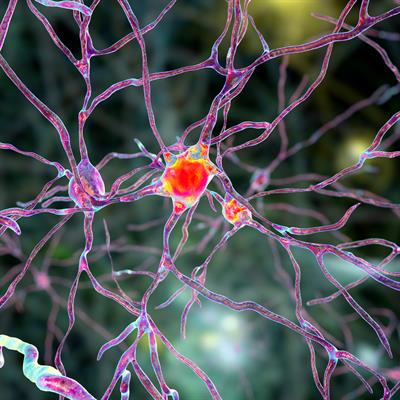
Neural development is a highly coordinated process that transforms neural stem and progenitor cells into the complex network of neurons and glial cells that constitute the nervous system. This transformation requires precise regulation of cell proliferation, growth, differentiation, and maturation. The balance between proliferation, controlled cell growth, and differentiation is critical for proper brain formation and function. Disruptions in these processes can lead to neurodevelopmental disorders, abnormal cortical structure, impaired neural circuitry, and contribute to the pathogenesis of neurodegenerative diseases, such as Parkinson’s and Alzheimer’s disease. Understanding the molecular mechanisms that govern these transitions is essential for advancing our knowledge of normal development, disease mechanisms, and potential therapeutic interventions.
At the cellular level, neural progenitor cells undergo controlled expansion and growth before exiting the proliferative state to differentiate into specific neuronal and glial lineages. This process is guided by intrinsic genetic programs, as well as extrinsic signaling cues from the microenvironment. Key regulatory pathways, transcription factors, and signaling molecules coordinate the timing and progression of cell growth, division, and differentiation, while maintaining the necessary progenitor pool for ongoing development. In addition, asymmetric cell division, epigenetic modifications, and intercellular communication play crucial roles in determining cell fate decisions and maintaining neural circuit integrity. Dysregulation of these processes has been implicated in both developmental and age-related neurodegenerative conditions, highlighting the continuum from early development to adult neural function.
This Research Topic aims to provide a comprehensive platform for studies exploring the molecular, cellular, and developmental mechanisms that regulate neural proliferation, growth, division, and differentiation. Contributions may focus on fundamental mechanisms, comparative developmental processes, or implications for disease and therapy. Understanding these processes will not only illuminate basic developmental biology, but also inform regenerative medicine approaches and strategies to address neurodevelopmental disorders and neurodegenerative diseases.
Areas of research include, but are not limited to:
• Pathway controlling neural stem and progenitor cell proliferation, growth, and differentiation
• Transcriptional and epigenetic regulation of neuronal and glial lineage specification
• Mechanisms of asymmetric cell division, growth control, and cell fate determination in neural progenitors
• Interaction between neural cells and their microenvironment during development
• Temporal and spatial coordination of proliferation, growth, and differentiation in the central and peripheral nervous systems
• Dysregulation of neural growth, division, and differentiation in neurodevelopmental disorders and neurodegenerative diseases, such as Parkinson’s and Alzheimer’s
• Applications of stem cell and organoid models to study human neural development
This Research Topic accepts the following article types, unless otherwise specified in the Research Topic description:
Articles that are accepted for publication by our external editors following rigorous peer review incur a publishing fee charged to Authors, institutions, or funders.
Keywords: Neural development, Neurogenesis, Differentiation, Neurodegenerative Diseases
Important note: All contributions to this Research Topic must be within the scope of the section and journal to which they are submitted, as defined in their mission statements. Frontiers reserves the right to guide an out-of-scope manuscript to a more suitable section or journal at any stage of peer review.
Manuscripts can be submitted to this Research Topic via the main journal or any other participating journal.
Submit your idea
You will be redirected to our submission process.
