Abstract
An alkaloid is a class of naturally occurring organic nitrogen-containing compounds that are frequently found in the plant kingdom. Many alkaloids are valuable medicinal agents that can be utilized to treat various diseases including malaria, diabetics, cancer, cardiac dysfunction etc. Similarly, platelet aggregation beyond the purpose of homeostasis is the underlying cause of blood clotting related diseases. This review presents a thorough understanding of alkaloids as antiplatelet agents with a possible mechanism of action based on the literature of the last decade. In addition, this review will address the antiplatelet activity of alkaloids and their medicinal usage as potent antiplatelet agents with a description of structural relationship activity and possible lead compounds for future drug discovery.
Introduction
Platelets (thrombocytes) are small irregularly shaped anuclear cells. The resting platelets circulate in the blood in discoid shape which is changed upon activation. When blood vessels are damaged or injured, platelets rush and form aggregates at the site of injury to stop the bleeding and this is facilitated by their binding to the exposed activated thrombin receptor (Warfarin Antiplatelet Vascular Evaluation Trial Investigators et al., 2007; Holmes Jr et al., 2009). Blood platelets are involved in normal homeostasis. The normal homeostatic system limits blood loss by regulated interaction between components of the vessel wall, circulating blood platelets and plasma proteins. Platelets play an important role in the development of cardiovascular diseases. Arterial thrombosis is an acute complication that develops on chronic lesions of atherosclerosis that results in a heart attack and stroke. These chronic inflammatory processes are the central pathophysiological mechanism by which lipid accumulation provides substrates for occlusive thrombus formation (Jackson et al., 2003; Aradi et al., 2013). Some drugs used to treat inflammation may cause the undesired side effect of suppressing normal platelet function, therefore, there is always a need for alternative medicines to deal with such cases.
It is estimated that about 80% of the population of developing countries meet their primary health care needs mainly through plant-based traditional healing (Amin and Khan, 2016). Different parts of medicinal plants, rarely the whole plant, are mostly used in the preparation of traditional medicines (Khan, 2014a,b). For so many years, despite criticisms, traditional medicine has gained tremendous revival. Not only traditional healers provide immediate health care to the rural population, but also play an important role in providing leads to the discovery of pharmacologically active plant-derived compounds (Butler, 2008; Khan and Rauf, 2014).
Alkaloids are small organic molecules, secondary metabolites of plants, containing nitrogen usually in a ring; about 20% of plant species consist of alkaloids (Amirkia and Heinrich, 2014; Khan, 2016a). Alkaloids are mainly involved in the plant defense against herbivores and pathogens. They are pharmaceutically significant, traditional and modern uses of alkaloids are 25 to 75% in drugs, indicating their great therapeutic potential (Khan, 2016b; Pervez et al., 2016). The basic character of alkaloids is no longer a pre-requisite for an alkaloid and the chemistry of nitrogen atoms allows at least four groups of nitrogenous compounds. Some synthetic compounds of similar structures are also termed as alkaloids (Khan et al., 2016). Some alkaloids are free bases while others form salts with organic acids such as oxalic and acetic acids. Some plant alkaloids are present in a glycosidic form such as solanine in solanum. The Alkaloid biosynthesis pathway is specifically involved in the decarboxylation of compounds (Grynkiewicz and Gadzikowska, 2008). Medicinal plants are a rich source of alkaloids having antiplatelet and anticoagulant activities. The commonly used antiplatelet, aspirin, originated from salicin obtained from willow plant commonly used in pain medication. This review describes various alkaloids isolated from plant sources having antiplatelet activity with possible mechanisms and candidates for further detailed studies in the drug discovery as antiplatelet agents.
Alkaloids as antiplatelet agents
In addition to synthetic drugs, several alkaloids have been utilized as antiplatelet agents (Table 1). Rutaecarpine, an alkaloid isolated from Evodia rutaecarpa, exhibited significant antiplatelet activity which was further augmented by its derivatives, 2,3-methylenedioxyrutaecarpine, 3-chlororutaecarpine and 3-hydroxyrutaecarpine by interfering with different mediators of clot formation (Sheu et al., 1996; Son et al., 2015). This change in activity was attributed to hydroxyl and methoxy groups substitution. Park along with his Korean research fellows isolated four acid amides (piperine, pipernonaline, piperoctadecalidine, and piperlongumine) from Piper longum L. (Park et al., 2007). The isolated compounds evoked marked antiplatelet effect in a concentration-dependent manner. Of the isolated lot, piperlongumine was most potent by acting through multiple ways. Later on, piperlongumine was used as a lead compound and its various derivatives were synthesized and exhibited a potential inhibitory effect on washed rabbit platelet aggregation induced by collagen, arachidonic acid (AA), and platelet activating factor (PAF). On the other hand, 1-(3,5-dimethylpiperidin-1-yl)-3-(3,4,5-trimethoxyphenyl)prop-2-en-1-one was reported to have the most inhibitory effect on platelet aggregation induced by collagen. This compound showed 100% inhibition at a concentration of 150 and 300 μM (Park et al., 2008). In addition, a group of researchers in 2010 extracted several alkaloids including veratroylgermine from Veratrum dahuricum. This compound was found to produce the strongest inhibition of the platelet aggregation induced by arachidonic acid with an inhibition rate of 92.0% at 100 μM (Tang et al., 2010). Similarly, Li et al. (2002) obtained six alkaloids including spiramine C1 from Spiraea japonica. This diterpene alkaloid was reported to inhibit PAF-induced platelet aggregation (Li et al., 2002). Moreover, spiramine C1 inhibited platelet aggregation induced by PAF, ADP, and arachidonic acid with IC50 values of 30, 56, and 29.9 μM, respectively, in a concentration-dependent manner; suggesting a non-selective antiplatelet aggregation action. In addition, the inhibitory effect of spiramine C1 on arachidonic acid was comparable to that of aspirin suggesting a strong potential of this compound as a lead in the drug discovery against platelet aggression.
Table 1
| S. No | Plant name | Chemical structure | References |
|---|---|---|---|
| 1 | Evodia rutaecarpa | 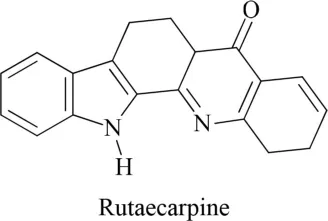 | Asahina and Mayeda, 1916; Son et al., 2015 |
| 2 | Piper longumine | 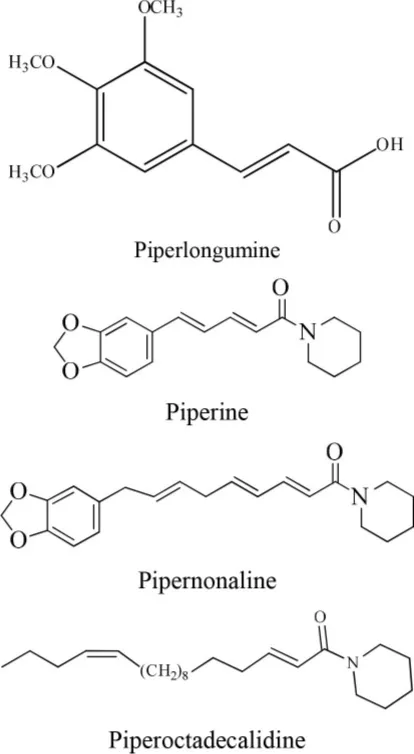 | Park et al., 2007 |
| 3 | Veratrum dahuricum | 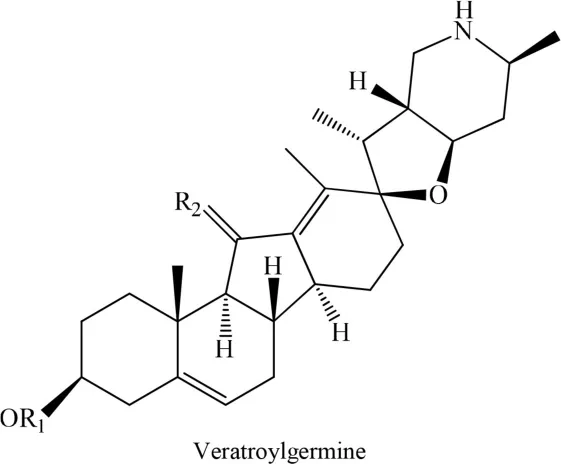 | Tang et al., 2010 |
| 4 | Spiraea japonica | 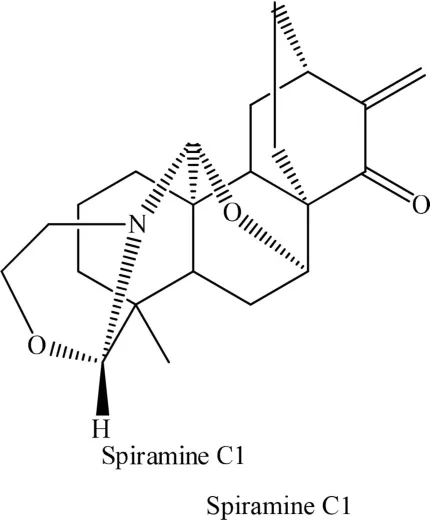 | Li et al., 2002 |
| 5 | Perganum harmala | 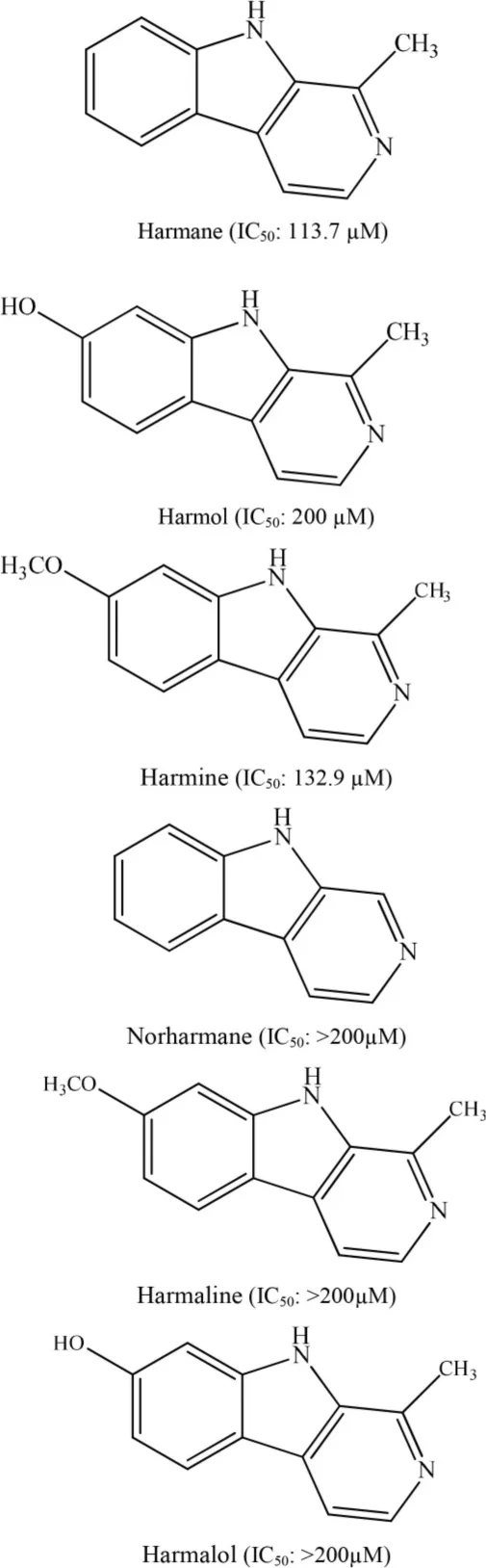 | Im et al., 2009 |
| 6 | Rollinia mucosa | 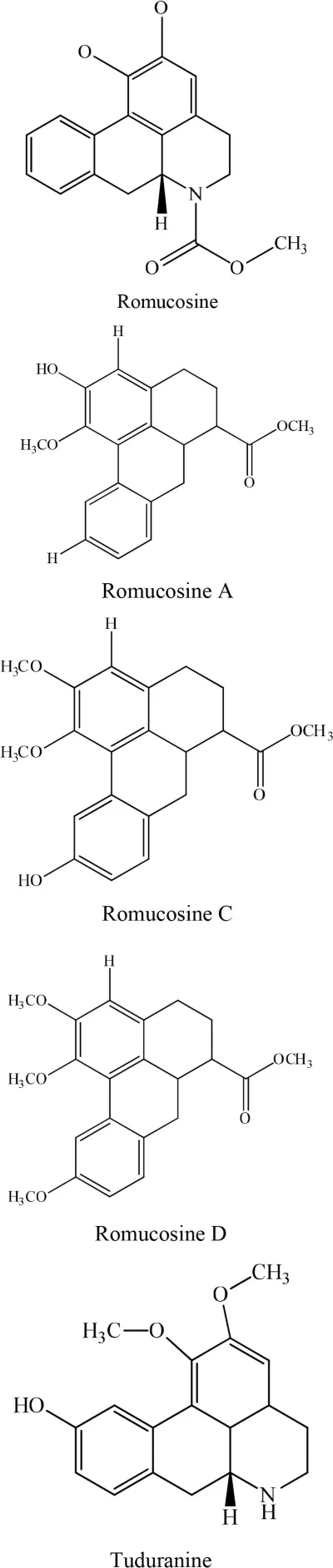 | Kuo et al., 2001, 2004 |
| 7 | Leonurus sibiricus | 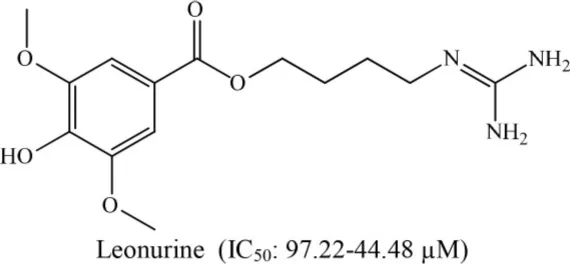 | Lin et al., 2007 |
| 8 | Cassytha filiformis L | 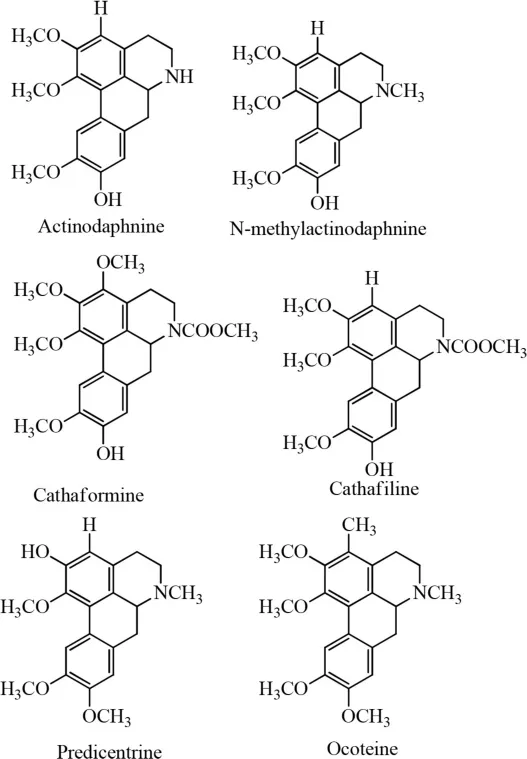 | Wu et al., 1998 |
| 9 | Hernandia nymphaefolia | 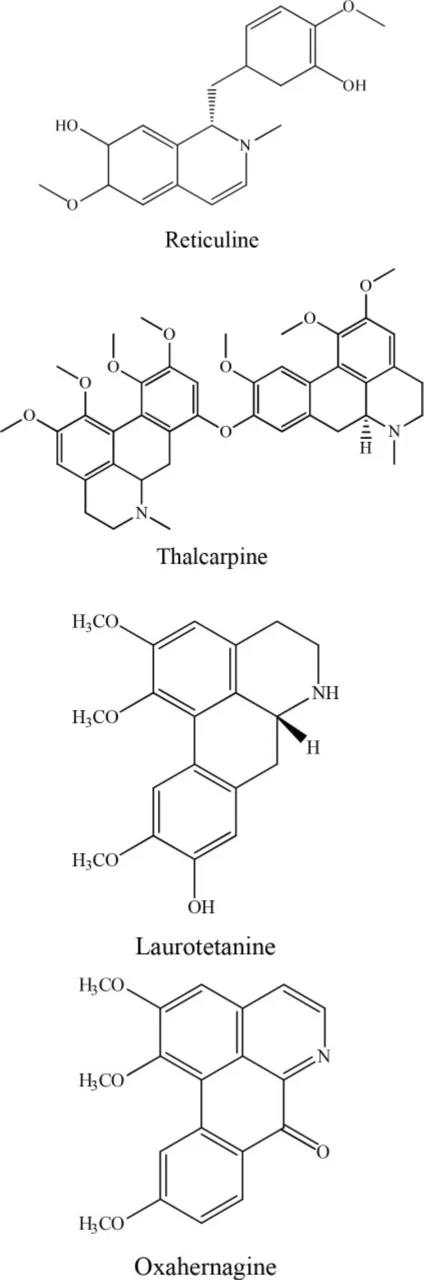 | Chen et al., 2000 |
| 10 | Rauwolfia serpentine | 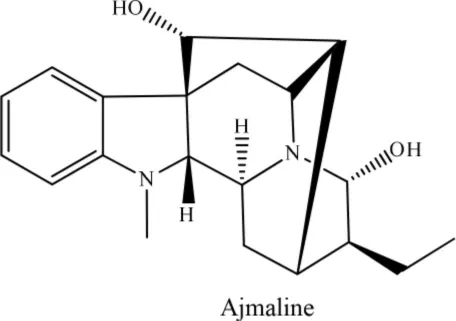 | Rahman et al., 1991 |
| 11 | Carcuma aromatic | 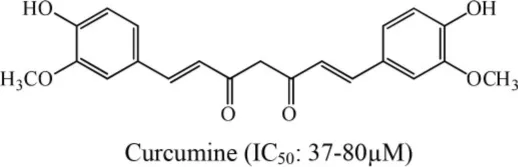 | Jantan et al., 2008 |
| 12 | Illigera luzonensis Merr | 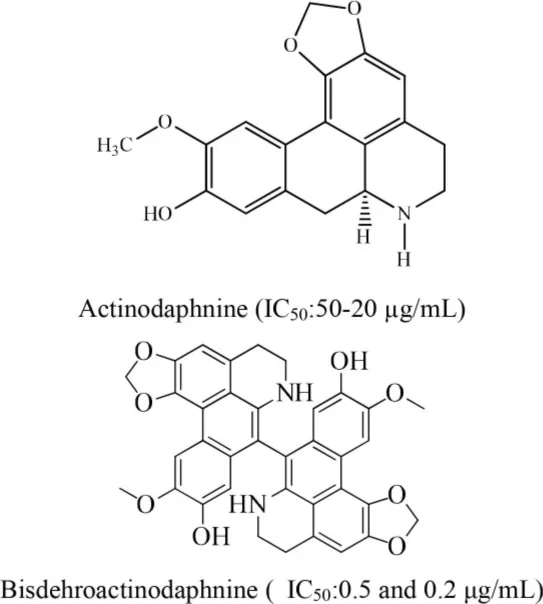 | Huang et al., 2014 |
| 13 | Melicope semecarpifolia | 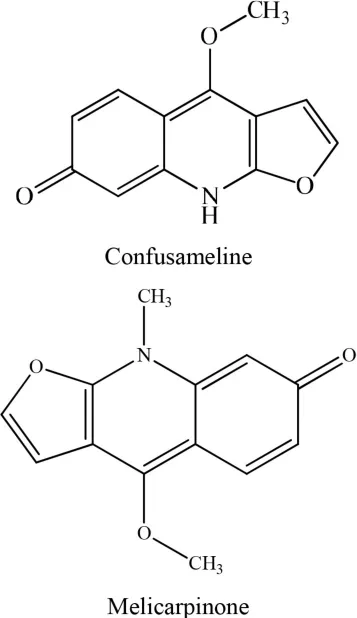 | Chen et al., 2001 |
| 14 | Berberis | 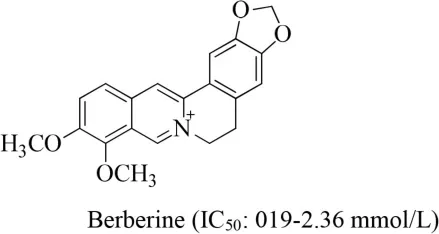 | Chu et al., 1996 |
| 15 | Ruta graveolens | 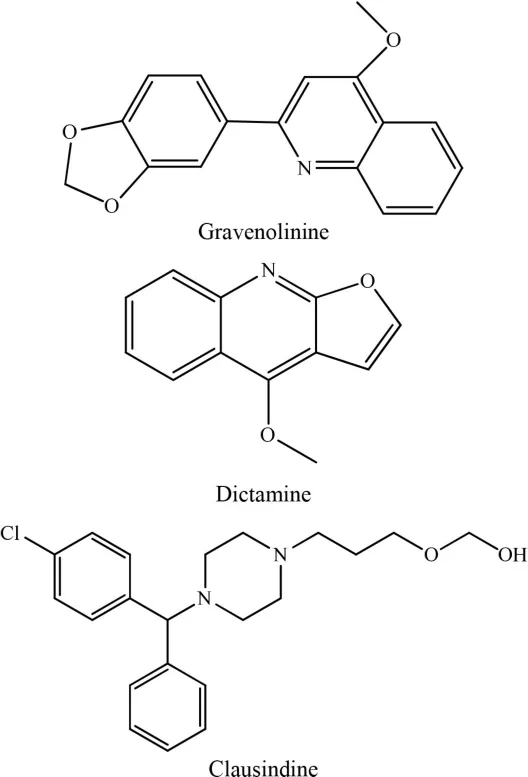 | Wu et al., 2003 |
The alkaloids isolated from plant with antiplatelet activities.
In 2009, a group of researchers discovered that β-carboline alkaloids obtained from Preganum harmala possess good antiplatelet activity. Among the isolated β-carboline alkaloids, harmane and harmine were the most potent with IC50 values of 113.7 and 132.9 μM, respectively, whereas harmol possessed medium potency with an IC50 value of 200 μM (Im et al., 2009). In terms of structure-activity relationship on these compounds' inhibition of platelet aggregation, it is assumed that the double bond in the C4–C9 position of the tricyclic aromatic structure confers a basal inhibition on collagen-induced platelet aggregation, as harmaline and harmalol showed the weakest antiplatelet activity, both of which lack such a double-bond. Introducing a methyl group at the C13 position could strengthen such an inhibition as norharmane was much weaker than harman. In addition, the antiplatelet potency varied with the nature of groups at C1 position.
Similarly, Kuo and colleagues found that romucosine, romucosine A, romucosine C, romucosine D and tuduranine, phenanthrene type of alkaloids, extracted from Rollinia mucosa Baill possessed a good antiplatelet activity (Kuo et al., 2001, 2004). It has been observed that methoxyl substitution of C-10 enhanced the activity more than hydroxyl substitution.
On the other hand, leonurine, isolated from the aerial part of Leonurus sibircus var. albiflora by Hang and coworkers, significantly inhibited rabbit platelet aggregation induced by thrombin, arachidonic acid, and collagen in vitro with IC50 values of 97.22, 31.03, and 44.48 μM, respectively (Lin et al., 2007). Furthermore, the methanol extract of Cassytha filiformis was found to contain cathafiline, cathaformine, actinodaphnine, predicentrine, and ocoteine. These alkaloids exhibited remarkable vasorelaxant and inhibitory effects on the platelet aggregation in washed rabbit platelets induced by ADP (20 μm), arachidonic acid (100 μM), collagen (10 μM), and PAF (3.6 nM), respectively. All six alkaloids showed antiplatelet effects to varying extent (Wu et al., 1998). In a paper published by Chen et al. (2000), it was reported that the trunk bark of Hernandia nymphaefolia possessed strong antiplatelet aggregation in vitro due to the presence of six alkaloids: laurotetanine, oxohernagine, thallicarpine, reticulline, vateamine, and hernandaline. The most potent alkaloid was oxohernagine with 90% inhibition whereas laurotetanine exhibited 87% inhibition at a concentration of 100 μM. On the other hand, thalicarpine caused cell lysis at a concentration of 100 μM and showed 65% inhibition of platelet aggregation (Chen et al., 2000). Rahman et al. (1991) showed that ajmaline and acetyl ajmaline present as minor alkaloids in the Rauvolfia serpentina selectively inhibited PAF-induced aggregation in a concentration-related manner. Similarly, ajmaline or acetyl ajmaline also inhibited the lethal effects of PAF in rabbits; PAF (8–11 μg/kg i.v.) caused sudden death in rabbits due to platelet aggregation and cardiac failure (Rahman et al., 1991; Unnikrishnan and Nishteswar, 2015).
In an investigation conducted by Jantan et al. (2008), curcumin was isolated from Curcuma Aromatica. This alkaloid showed strong inhibition of platelet aggregation induced by arachidonic acid with an IC50 value of < 84 μM. Moreover, curcumin was the most effective antiplatelet compound as it inhibited arachidonic acid, collagen, and ADP-induced platelet aggregation with IC50 values of 37.5, 60.9, and 45.7 μM, respectively (Jantan et al., 2008). Similarly, Huang et al. (2014) reported that aporphine alkaloids are the primary components of Illigeralu zonensis, exhibited varying degrees of antiplatelet activity effect. However, bisdehydroaporphine and actinodaphnine were most potent alkaloids (Huang et al., 2014). Furthermore, a study carried out by Wu et al. (2003) on Rutagra graveolens, a plant belonging to family Rutaceae revealed the presence of dictamine, chalepensin, clausindin, and graveolinine; these compounds displayed significant inhibition of platelet aggregation (Wu et al., 2003). On the other hand, Huang et al. (2014) discovered that the plant Illigera luzonensis Merr contains aporphine alkaloids. These researchers also found that actinodaphnine, which belongs to aporphine alkaloids, exhibited significant inhibition of the aggregation of washed rabbit platelets with an IC50 value in the range of 50–20 μg/mL (Huang et al., 2014). Furthermore, Chen et al. (2001) isolated three new quinoline alkaloids from the root bark of Melicope semecarpifolia along with 26 known compounds. Several of these isolated compounds exhibited significant antiplatelet inhibition against arachidonic acid-induced aggregation, collagen-induced, and PAF-induced aggregation (Chen et al., 2001).
Altogether, these findings showed the potential of plant alkaloids as antiplatelet agents or lead compounds. Most recently, Lee et al. (2016) isolated and characterized alkaloids from Scolopendra subspinipes mutilans, a product registered in various Pharmacopeia (Lee et al., 2016). The isolated alkaloids showed antithrombotic and antiplatelet activities in vitro and in vivo, so that they appeared as strong candidates or lead compounds. However, detailed studies are suggested for the reported plant-alkaloids discovery of molecules of clinical utility. A Taipei research group in 2003 isolated various components from Ruta graveolens including clausindin, dictamine, and graveoline. they showed strong antiplatelet activity against various mediators of clot formation (Wu et al., 2003). Different structural parameters of these alkaloids were unable to describe structural relationship activity.
Antiplatelet mechanism of plant alkaloids
Various mechanisms have been proposed for the antiplatelet activity of different isolated plant-alkaloids (Figure 1). Researchers have proposed that berberine significantly inhibited platelet aggregation by inhibiting synthesis of thromboxane A2 induced by adenine diphosphate, arachidonic acid, collagen (Chu et al., 1996). In addition, clausine-D, isolated from Clausena excavate, displayed antiplatelet effect by inhibition of thromboxane A2 formation. Higher concentration of clausine-D (150 μM) produced almost complete inhibition of collagen-induced platelet aggregation (Wu et al., 1994). Similarly, hernandaline and apomorphine alkaloids exhibited antiplatelet activity by complete inhibition of platelet aggregation induced by PAF at 50 μg/mL, whereas reticuline completely inhibited arachidonic acid and collagen-induced platelet aggregation (Chen et al., 2000). On the other hand, phylligenin alkaloid showed strong dose-dependent inhibitory activity. The β-carboline alkaloids selectively inhibited PLCgamma2 and protein tyrosine phosphorylation with sequential suppression of cytosolic calcium mobilization and arachidonic acid liberation (Im et al., 2009), indicating that harmane and harmine have a potential to be developed as novel agents for atherothrombotic diseases.
Figure 1
Based on the literature, the alkaloids isolated from various sources provoked antiplatelet activity generally mediated through multiple mechanisms, different from aspirin which is a cyclooxygenase inhibitor (Chen et al., 2000) and thus expressed their widespread potential as new effective agents of the class or as lead compounds.
Conclusion
From the above literature review, it is concluded that alkaloids are present abundantly and in high concentrations in natural medicinal plants and several of them possess antiplatelet activity. Moreover, the most important and effective alkaloids found that can be used as antiplatelet agents are curcumin, reticulin, piperlongumine, and melicarpinone that can be used as antiplatelet agents. From a mechanistic point of view, they are very versatile and interfere with various mediators of clot formation, unlike aspirin which is a cyclooxygenase inhibitor. In this regard, these agents are special candidates for further detailed studies to ascertain their clinical utility and could be lead compounds for better antiplatelet activity.
Review criteria
The original research articles were searched in Google scholar for keywords having the terms alkaloid and antiplatelet activity. Articles from the last decade were selected to prepare this review.
Statements
Author contributions
Q-U-A, has written the initial draft; AP, drawn all the structures in MS; MM, contributed in the scientific writing of MS; HK, proposed the idea and finalized the MS.
Conflict of interest
The authors declare that the research was conducted in the absence of any commercial or financial relationships that could be construed as a potential conflict of interest.
References
1
AminS.KhanH. (2016). Revival of natural products: utilization of modern technologies. Curr. Bioact. Comp.12, 103–106. 10.2174/1573407212666160314195845
2
AmirkiaV.HeinrichM. (2014). Alkaloids as drug leads – a predictive structural and biodiversity-based analysis. Phytochem. Lett.10, xlviii–liii. 10.1016/j.phytol.2014.06.015
3
AradiD.SibbingD.BonelloL. (2013). Current evidence for monitoring platelet reactivity in acute coronary syndrome: a plea for individualized antiplatelet treatment. Int. J. Cardiol.167, 1794–1797. 10.1016/j.ijcard.2012.12.026
4
AsahinaY.MayedaS. (1916). Evodiamine and rutaecarpine, alkaloids of Evodia rutaecarpa. J. Pharm. Soc. Japan871.
5
ButlerM. S. (2008). Natural product and natural product derived drugs in clinical trials. Nat. Prod. Rep. 25, 475–516. 10.1039/b514294f
6
ChenI.-S.ChenH.-F.ChengM.-J.ChangY.-L.TengC.-M.TsutomuI.et al. (2001). Quinoline alkaloids and other constituents of Melicope semecarpifolia with antiplatelet aggregation activity. J. Nat. Prod.64, 1143–1147. 10.1021/np010122k
7
ChenJ.-J.ChangY.-L.TengC.-M.ChenI.-S. (2000). Anti-platelet aggregation alkaloids and lignans from Hernandia nymphaeifolia. Planta Med.66, 251–256. 10.1055/s-2000-8562
8
ChuZ.-L.HuangC.-G.XuZ.-P. (1996). Antiplatelet effects and mechanisms of berberine. Chin. J. Integr. Tradit. West. Med.2, 75–77.
9
GrynkiewiczG.GadzikowskaM. (2008). Tropane alkaloids as medicinally useful natural products and their synthetic derivatives as new drugs. Pharmacol. Rep.60, 439–463.
10
HolmesD. R.JrKereiakesD. J.KleimanN. S.MoliternoD. J.PattiG.GrinesC. L. (2009). Combining antiplatelet and anticoagulant therapies. J. Am. Coll. Cardiol.54, 95–109. 10.1016/j.jacc.2009.03.044
11
HuangC.-H.ChanY.-Y.KuoP.-C.ChenY.ChangR.-J.ChenI.-S.et al. (2014). The constituents of roots and stems of Illigera luzonensis and their anti-platelet aggregation effects. Int. J. Mol. Sci.15, 13424–13436. 10.3390/ijms150813424
12
ImJ.-H.JinY.-R.LeeJ.-J.YuJ.-Y.HanX.-H.ImS.-H.et al. (2009). Antiplatelet activity of β-carboline alkaloids from Perganum harmala: a possible mechanism through inhibiting PLCγ2 phosphorylation. Vascul. Pharmacol.50, 147–152. 10.1016/j.vph.2008.11.008
13
JacksonS. P.NesbittW. S.KulkarniS. (2003). Signaling events underlying thrombus formation. J. Thromb. Haemost.1, 1602–1612. 10.1046/j.1538-7836.2003.00267.x
14
JantanI.RawehS. M.SiratH. M.JamilS.Mohd YasinY. H.JalilJ.et al. (2008). Inhibitory effect of compounds from Zingiberaceae species on human platelet aggregation. Phytomedicine15, 306–309. 10.1016/j.phymed.2007.08.002
15
KhanH. (2014a). Medicinal plants in light of history recognized therapeutic modality. J. Evid. Based Complementary Altern. Med.19, 216–219. 10.1177/2156587214533346
16
KhanH. (2014b). Medicinal plants need biological screening: a future treasure as therapeutic agents. Biol. Med.6:e110. 10.4172/0974-8369.1000e110
17
KhanH. (2016a). Berberine: as a therapeutic target for treating obese diabetes. J. Diabetes Res. Ter.2, 1–2. 10.16966/2380-5544.e101
18
KhanH. (2016b). Anti-inflammatory potential of alkaloids as a promising therapeutic modality. Lett. Drug Des. Disco13. 10.2174/1570180813666160712224752
19
KhanH.MubarakM. S.AminS. (2016). Antifungal potential of Alkaloids as an emerging therapeutic target. Curr. Drug Targets. [Epub ahead of print]. 10.2174/1389450117666160719095517
20
KhanH.RaufA. (2014). Medicinal plants: economic perspective and recent developments. World Appl. Sci. J.31, 1925–1929. 10.5829/idosi.wasj.2014.31.11.14494
21
KuoR.-Y.ChangF.-R.ChenC.-Y.TengC.-M.YenH.-F.WuY.-C. (2001). Antiplatelet activity of N-methoxycarbonyl aporphines from Rollinia mucosa. Phytochemistry57, 421–425. 10.1016/S0031-9422(01)00076-0
22
KuoR.-Y.ChenC.-Y.LinA.-S.ChangF.-R.WuY.-C. (2004). A new phenanthrene alkaloid, Romucosine I, form Rollinia mucosa Baill. Zeitschrift für Naturforschung B.59, 334–336. 10.1002/chin.200433212
23
LeeW.LeeJ.KulkarniR.KimM.-A.HwangJ. S.NaM.et al. (2016). Antithrombotic and antiplatelet activities of small-molecule alkaloids from Scolopendra subspinipes mutilans. Sci. Rep.6:21956. 10.1038/srep21956
24
LiL.ShenY.-M.YangX.-S.ZuoG.-Y.ShenZ.-Q.ChenZ.-H.et al. (2002). Antiplatelet aggregation activity of diterpene alkaloids from Spiraea japonica. Eur. J. Pharmacol.449, 23–28. 10.1016/S0014-2999(02)01627-8
25
LinH.-C.PanS.-M.DingH.-Y.ChangW. (2007). Antiplatelet effect of leonurine from Leonurus sibiricus. Taiwan Pharm. J.59, 149–152.
26
ParkB.-S.SonD.-J.ChoiW.-S.TakeokaG. R.HanS. O.KimT.-W.et al. (2008). Antiplatelet activities of newly synthesized derivatives of piperlongumine. Phytother. Res.22, 1195–1199. 10.1002/ptr.2432
27
ParkB. S.SonD. J.ParkY. H.KimT. W.LeeS. E. (2007). Antiplatelet effects of acidamides isolated from the fruits of Piper longum L. Phytomedicine14, 853–855. 10.1016/j.phymed.2007.06.011
28
PervezS.KhanH.PervaizA. (2016). Plant alkaloids as an emerging therapeutic alternative for the treatment of depression. Front. Pharmacol.7:28. 10.3389/fphar.2016.00028
29
RahmanN.SimjeeR.FaiziS.RahmanA.AliS.MahmoodF.et al. (1991). Inhibition of platelet activating factor by ajmaline in platelets: in vitro and in vivo studies. Pak. J. Pharm. Sci.4, 35–42.
30
SheuJ.-R.HungW.-C.LeeY.-M.YenM.-H. (1996). Mechanism of inhibition of platelet aggregation by rutaecarpine, an alkaloid isolated from Evodia rutaecarpa. Eur. J. Pharmacol.318, 469–475. 10.1016/S0014-2999(96)00789-3
31
SonJ.-K.ChangH.JahngY. (2015). Progress in studies on Rutaecarpine. II.—Synthesis and structure-biological activity relationships. Molecules20:10800. 10.3390/molecules200610800
32
TangJ.LiH.-L.ShenY.-H.JinH.-Z.YanS.-K.LiuX.-H.et al. (2010). Antitumor and antiplatelet activity of alkaloids from veratrum dahuricum. Phytother. Res.24, 821–826. 10.1002/ptr.3022
33
UnnikrishnanV.NishteswarK. (2015). Antiplatelet Ayurvedic herbs in the management of cardiovascular disease-a review. Int. Ayurvedic Med. J.3, 1462–1473.
34
Warfarin Antiplatelet Vascular Evaluation Trial Investigators. (2007). Oral anticoagulant and antiplatelet therapy and peripheral arterial disease. N. Eng. J. Med.357, 217–227. 10.1056/NEJMoa065959
35
WuC. C.KoF. N.WuT. S.TengC. M. (1994). Antiplatelet effects of clausine-D isolated from Clausena excavata. Biochim. Biophys. Acta1201, 1–6.
36
WuT. S.ShiL. S.WangJ. J.IouS. C.ChangH. C.ChenY. P.et al. (2003). Cytotoxic and antiplatelet aggregation principles of Ruta graveolens. J. Chin. Chem. Soc.50, 171–178. 10.1002/jccs.200300024
37
WuY.-C.ChangF.-R.ChaoY.-C.TengC.-M. (1998). Antiplatelet and vasorelaxing actions of aporphinoids from Cassytha filiformis. Phytother. Res.12, S39–S41.
Summary
Keywords
alkaloids, plants, platelet aggregation, homeostasis, future drugs
Citation
Ain Q-U, Khan H, Mubarak MS and Pervaiz A (2016) Plant Alkaloids as Antiplatelet Agent: Drugs of the Future in the Light of Recent Developments. Front. Pharmacol. 7:292. doi: 10.3389/fphar.2016.00292
Received
11 May 2016
Accepted
22 August 2016
Published
22 September 2016
Volume
7 - 2016
Edited by
Martin C. Michel, Johannes Gutenberg University of Mainz, Germany
Reviewed by
Bin-Nan Wu, Kaohsiung Medical University, Taiwan; Juan Badimon, Icahn School of Medicine at Mount Sinai, USA
Updates
Copyright
© 2016 Ain, Khan, Mubarak and Pervaiz.
This is an open-access article distributed under the terms of the Creative Commons Attribution License (CC BY). The use, distribution or reproduction in other forums is permitted, provided the original author(s) or licensor are credited and that the original publication in this journal is cited, in accordance with accepted academic practice. No use, distribution or reproduction is permitted which does not comply with these terms.
*Correspondence: Haroon Khan hkdr2006@gmail.com
This article was submitted to Cardiovascular and Smooth Muscle Pharmacology, a section of the journal Frontiers in Pharmacology
Disclaimer
All claims expressed in this article are solely those of the authors and do not necessarily represent those of their affiliated organizations, or those of the publisher, the editors and the reviewers. Any product that may be evaluated in this article or claim that may be made by its manufacturer is not guaranteed or endorsed by the publisher.