 Maria Letizia Gargano1Ilenia Cicero2
 Fortunato Cirlincione1*
 Anna Giammanco3Virginia Talarico3
 Ignazio Arrigo3
 Teresa Maria Assunta Fasciana3
- 1Department of Soil, Plant and Food Science (Di.S.S.P.A.), University of Bari Aldo Moro, Bari, Italy
- 2Department of Agricultural, Food and Forest Sciences, (SAAF), University of Palermo, Palermo, Italy
- 3Department of Health Promotion, Mother and Child Care, Internal Medicine and Medical Specialties “G. D’Alessandro” - University of Palermo, Palermo, Italy
Mushroom extracts are a promising resource for treating bacterial infections associated with biofilms, offering a dual effect: inhibiting biofilm formation and facilitating infection healing. In this paper, after collecting in the wild basidiomes of P. nebrodensis, a rare and endangered species, we proceeded with the isolation of mycelium in pure culture. Preparation of the culture bags was entrusted to a leading fungiculture company. Cultivation took place in a purpose-built tunnel inside a farm, and after harvesting, a certain amount of mushrooms was dried and reduced to powder to proceed with the evaluation of antimicrobial activity against the multidrug-resistant bacterial strains Pseudomonas aeruginosa, Staphylococcus aureus, Escherichia coli, and Klebsiella pneumoniae. P. nebrodensis extract showed reduction of biofilm formation by up to 71% for S. aureus and by 18% for Ps. aeruginosa compared to the untreated control. The results suggest that while the P. nebrodensis cold water extract does not exert direct antibacterial activity, it may interfere with biofilm formation, particularly in S. aureus, highlighting its potential as an anti-virulence agent. Besides, in both Ps. aeruginosa and S. aureus, treatment with the P. nebrodensis extract resulted in a reduction in biofilm formation compared to the untreated control. The potential of P. nebrodensis extracts in inhibiting biofilm formation processes by bacteria could lead to the discovery of new chemicals for use in clinical settings.
1 Introduction
Pleurotus nebrodensis (Inzenga) Quèl. [Pleurotaceae, Basidiomycetes] is a rare, endemic, and declining mushroom from Sicily (Gargano et al., 2011). Molecular investigation on the Pleurotus eryngii species complex permitted clarification of the taxonomy of such species, which resulted clearly separated from the other Pleurotus Mediterranean taxa (Zervakis et al., 2014). Besides, commercial strains currently available in the international market and mislabeled under the name of “P. nebrodensis” in China were identified as P. eryngii subsp. tuoliensis (Venturella et al., 2016). P. nebrodensis is characterized by good nutritional content, and its organoleptic characteristics are appreciated by consumers (La Guardia et al., 2005). Preliminary studies demonstrated that P. nebrodensis possess in vitro antitumor (Fontana et al., 2014) and antibacterial activities (Schillaci et al., 2013) and can be included among the so-named “medicinal mushrooms”. In the frame of a project funded by the Sicilian Regional Administration (Italy) and involving the cultivation of P. nebrodensis for food, medicinal, and phytoiatric purposes, investigation on the potential activity of the P. nebrodensis mushroom extracts against biofilm of methicillin-resistant Gram-positive and Gram-negative bacteria has been carried out. Numerous studies have highlighted that mushroom extracts represent a significantly more effective treatment against Gram-positive and Gram-negative bacteria compared to traditional antibiotics (Gargano et al., 2020). The global rise of antibiotic-resistant pathogens has emerged as a critical threat to public health, driven by the overuse and misuse of conventional antibiotics, as well as the rapid genetic adaptation of microbial populations. This alarming trend underscores the urgent need to explore alternative strategies, among which the bioprospecting of bioactive compounds from natural and organic resources—such as plants, marine organisms, and microorganisms—represents a promising and sustainable approach for identifying novel molecules with potent antimicrobial and therapeutic properties. The rapid emergence, selection, and dissemination of antibiotic-resistant bacteria therefore highlight the pressing necessity to develop innovative therapeutic strategies against infections caused by multidrug-resistant (MDR) microorganisms. Among these, the identification and application of natural compounds capable of enhancing the effectiveness of conventional antibiotics are gaining increasing attention. In particular, recent studies indicate that combining natural substances derived from fungi with commonly used antibiotics could represent an innovative and potentially transformative approach to overcoming resistance and effectively treating infections caused by MDR bacteria (Fasciana et al., 2021).
In this paper, the potential antimicrobial activity of Pleurotus nebrodensis was evaluated against clinical multidrug-resistant (MDR) strains of Pseudomonas aeruginosa, Staphylococcus aureus, Escherichia coli, and Klebsiella pneumoniae. These pathogens are not only among the most common causes of healthcare-associated infections, but are also characterized by their remarkable ability to produce biofilms and develop resistance to multiple classes of antibiotics. In particular, Ps. aeruginosa is an ubiquitous and opportunistic Gram-negative bacterium, known for its intrinsic resistance mechanisms and robust biofilm production, especially in immunocompromised patients. K. pneumoniae, another Gram-negative pathogen, is responsible for severe infections such as bacteremia and urinary tract infections, often exhibiting resistance to carbapenems and forming persistent biofilms. E. coli, while typically a harmless commensal of the human gut, includes pathogenic strains capable of acquiring virulence factors and antibiotic resistance, contributing to serious extraintestinal infections. S. aureus, a Gram-positive bacterium, stands out as one of the most adaptable human pathogens, notorious for its capacity to cause a broad spectrum of infections and for forming biofilms that enhance its resistance to both host defenses and antibiotic treatments (Schillaci et al., 2013; Gashaw et al., 2020).
2 Materials and methods
2.1 Sample collection, habitat details, and evaluation of morphological characters
Research carried out in pastures of Madonie Mts. (N. Sicily, Italy) led to the collection, in spring 2025, of P. nebrodensis sporophores growing as saprotrophs on the dead roots of Prangos ferulacea (L.) Lindl. (Apiaceae). Sporophores collected in Piano Battaglia (Madonie Mts), 37°52’39 “N-14°02’06 “E, 1687 m a.s.l. were used to obtain strains in the laboratory. The specimens were transferred to the Department of Agricultural, Food, and Forest Sciences (SAAF) of the University of Palermo, and stored at <4 °C for up to 24 h prior to morphological examination under a Leica MS5 binocular microscope, which was carried out according to Venturella and colleagues (Venturella et al., 2015). The nomenclature of vascular plants follow POWO (Plants of the World Online) while the nomenclature of fungi is referred to Index Fungorum.
2.2 Establishment of pure cultures and preparation of cultivation bags
The collected sporophores were dried and then deposited in the Herbarium of the Department of Agricultural, Food, and Forest Sciences (SAF 157). Prior to this, a piece of pseudo-tissue was removed from a fresh specimen, placed on potato dextrose agar (PDA) in Petri dishes under aseptic conditions, and incubated for 15 days at 25 ± 2 °C. The established pure culture (labelled as “strain 3a”) was stored in the Mycotheca of the Herbarium SAF (SAF 220), and it was subsequently provided to the company Italmiko located in Senise (Potenza, Italy) for the preparation of spawn and the inoculation of mushroom substrates composed of weath straw and residues of sugar beets moistened and mixed together by a special machine. Then, the substrate was transferred to a mixing and dosing apparatus and packaged in heat-resistant bags weighing 4 kg. Sterilization was performed in autoclave, twice at 120 °C, 1.1 atm for 20 min with a 24 h interval between each cycle. After the final cooling, substrates were inoculated using actively growing mycelium and incubation was carried out at 25 °C in the dark.
2.3 Tunnel of cultivation
The cultivation of P. nebrodensis (strain 3a), was carried out in a farm located in Gangi (Madonie Mts, northern Sicily) at altitude of ca. 1000 m: The greenhouse tunnel-shaped, has size of 26–30 m (length) x 9 m (width) x 3.0-3.5 m (height), and a total area of 234–270 m2. The skeleton of the tunnel consists of galvanized steel beams that are placed at distances of 3 m from each other. The cover of the tunnel consists of a “sandwich” of materials arranged in the following way (from outside to inside): a) a sheet of transparent polyethylene (PE) with a thickness of 200 μm, b) a cotton wool insulation mattress (such as the material used to insulate walls or roofs of houses) with a thickness of 5–10 cm, and c) a sheet of PE on the inside. The floor of the tunnel is made of “rough concrete,” which is a 10–15 cm layer of concrete reinforced with a galvanized steel mesh to facilitate washing and disinfection of the surfaces The tunnel is equipped with an air conditioning unit and a water mist generator and several sensors to detect the levels of climatic parameters (temperature, CO2, relative humidity). The temperature inside the tunnel is 12 °C (or 15 °C during summer), ventilation is provided by fans of adequate power to support up to 10–15 complete exchanges of internal air volume per hour, humidity is about 98% while lighting is provided by artificial light.
2.4 Preparation of P. nebrodensis mushrooms powder
1 kg of basidiomes collected in the cultivation tunnels were thinly sliced and dried in a patented mushroom-drying appliance (Valla dryer, Borgotaro, Emilia Romagna, northern Italy) equipped with baskets for 24 hours. Next, the dried mushroom slices were placed inside a Bimby TM7 Multifunction Kitchen Robot in order to obtain a fine powder for analysis of antibacterial activity. The powder yield is 10% of the weight of the fresh mushroom. Figure 1 shows a flowchart summarizing the main methods used.
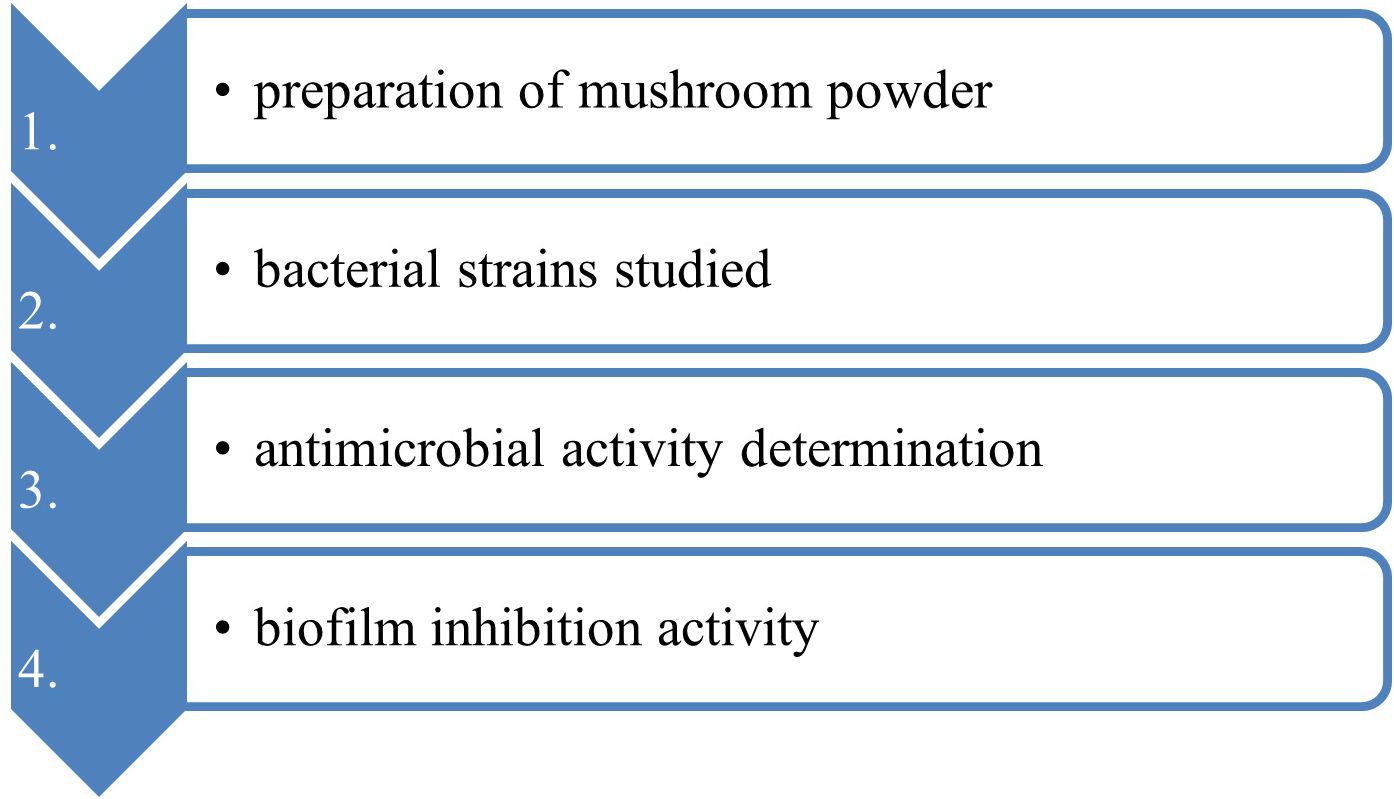
Figure 1. Flowchart of the methods used.
2.5 Bacterial strains enclosed in the study
The clinical strains of S. aureus, Ps. aeruginosa, E. coli, and K. pneumoniae examined were isolated from blood samples of patients with invasive infection. Bacterial identification was carried out using the BD Phoenix™ system (Becton Dickinson Europe Holdings SAS, Pont-de-Claix, France).
2.6 Activity against biofilm production
The minimal inhibitory concentration (MIC) of the P. nebrodensis mushroom extract was determined using a microdilution method, with serial dilutions of the extract (Gargano et al., 2025). The activity of the lyophilized powder derived from the mushroom was evaluated against four MDR clinical strains one Gram-positive and three Gram-negative bacteria respectively: S. aureus, Ps. aeruginosa. E. coli and K. pneumoniae. As a growth medium, either the tryptic soybean broth (Sigma-Aldrich, Darmstadt, Germany) containing glucose (2% w/v) or Mueller Hinton (Sigma-Aldrich, Darmstadt, Germany) was used. Bacterial strains were inoculated in TrypticaseTM Soy Agar (BBL TM; Becton, Dickinson and Company, Sparks, MD, USA) and incubated at 37 °C for 24 hours. In total, 100 μL of overnight cultures (0,5 McFarland in tryptose broth, BT) were added to a 96-well flat-bottom sterile plate (Biosigma S.r.l. Dominique Dutscher Group, Brumath, France). The negative control was composed of only half BT; to demonstrate biofilm production, excess bacterial suspension was removed. Subsequently, the sporophore powder extract (25% v/v) was re-suspended in BT, 100 μL were added to the wells and the cultures were incubated at 37 °C for 48 hours. Finally, the biofilm was stained with crystal violet dissolved in ethanol (0.5% w/v). The optical density was measured at 570 nm (Spectrophotometer Multiskan Go; Thermo Fisher Scientific, Waltham, MA, USA). The experiment was conducted in triplicate (Calà et al., 2015). The effect of the extract obtained from the mushroom powder was also used to evaluate the ability to inhibit the biofilm production by S. aureus, Ps. aeruginosa, E. coli and K. pneumoniae.
3 Results
3.1 Morphological description of the P. nebrodensis specimen and development of mycelium
The basidiome of P. nebrodensis (Figure 2A) have a pileus 6.5 cm width, 10 cm length, ovoid or conch-shaped, creamy-white, fissured, with creamy-ochre areolae. The margin of the pileus is curved, entire and the flesh is compact, elastic, and white. The gills are decurrent, close together, light ivory, margin smooth., The stipe is smooth, cylindrical, light ivory, fibrous and stout, laterally attached to pileus. The microscopic features were evaluated with a Leica DLMB microscope using tap water. In particular we observed basidiospores 12.2-17.4 × 5.5-8.2 μm, cylindric-elliptic, smooth, hyaline, with drops (Figure 2B). Mycelium growth was quite fast in the pure cultures established, and the surface of the Petri dish (diameter 90 mm) was completely overgrown in 15 days (Figure 2C). The colony was found to be slightly floccose and flat, with dense white hyphae without any zonation and with a filiform margin. The inoculum (Figure 2D) was prepared by transferring a piece of pure culture into jars containing sterile soaked wheat grains, which were then incubated at 25°C until complete colonization.

Figure 2. (A) Wild basidiomata of P. nebrodensis; (B) Basidiospores of P. nebrodensis. (C) Mycelium of P. nebrodensis (Strain 3a); (D) Wheat seeds inoculated with mycelium of P. nebrodensis (spawn).
3.2 Cultivation of P. nebrodensis strain 3a
In the year 2024, 1.000 bags inoculated with the P. nebrodensis strain 3a were placed in the tunnel of cultivation (Figure 3A). The mean yield per bag was 0.8 kg of mushrooms and the total yield of the tunnel was 800 kg of mushrooms. This value is near to the optimum value of production (1 kg of mushrooms per bag). The 70% of total yield (560 kg of mushrooms) was obtained with the first flush while the remaining 30% (240 kg of mushrooms) was produced during the second flush. The strain 3a has precocity at 16–18 °C (relative humidity 90%) and showed resistance to bacteriosis which can occur with increases of temperature. The mushrooms are characterized by a beautiful white color, delicate smell and firm flesh, and reproduce the organoleptic characteristics of the wild mushroom (Figure 3B). They are much appreciated for their texture and delicate flavor.

Figure 3. (A) Greenhouse tunnel-shaped for the cultivation of P. nebrodensis. (B) P. nebrodensis strain 3a, first flush.
3.3 P. nebrodensis mushroom powder
100 g of P. nebrodensis powder were obtained by 1 kg of cultivated fresh mushrooms (yield of 10%). The P. nebrodensis powder is thin, white and fragrant and was placed inside BRAND® PP graduated centrifuge tube, screw cap volume 50 mL, without base, sterile, to proceed with analysis of antibacterial properties.
3.4 Activity against biofilm production
Antibacterial activity assays revealed that the cold-water extract of P. nebrodensis did not exhibit inhibitory effects against the tested multidrug-resistant bacterial strains—Ps. aeruginosa, S. aureus, E. coli, and K. pneumoniae—even at the highest tested concentration of 50% v/v.
These results suggest that while the P. nebrodensis cold water extract does not exert direct antibacterial activity, it may interfere with biofilm formation, particularly in S. aureus, highlighting its potential as an anti-virulence agent. The results are shown in Figure 4.

Figure 4. Effect of the P. nebrodensis cold water extract on biofilm formation by Ps. aeruginosa, S. aureus, E. coli and K. pneumoniae PN, Pleurotus nebrodensis; NT, untreated control.
The bar graph illustrates the effect of the P. nebrodensis cold water extract on biofilm formation by Ps. aeruginosa and S. aureus. Two conditions are compared for each bacterial species: untreated control and treatment with the P. nebrodensis extract (T+PN). In both Ps. aeruginosa and S. aureus, treatment with the P. nebrodensis extract resulted in a reduction in biofilm formation compared to the untreated control. The decrease in biofilm biomass is more pronounced in S. aureus, where the T+PN group shows a marked reduction relative to the NT group. No statistically significant effects were observed in E. coli and K. pneumoniae following treatment with the P. nebrodensis cold water extract, indicating a limited or absent impact on biofilm formation in these strains under the tested conditions.
4 Discussion
The results obtained from the use of aqueous mushroom extracts, specifically from P. nebrodensis, demonstrate significant therapeutic potential in combating biofilm formation by pathogenic bacteria such as S. aureus and Ps. aeruginosa. These two bacterial species are well known for their role in causing persistent and difficult-to-treat infections, especially in immunocompromised patients, where standard antibiotic therapies often fail. Remarkably, the application of P. nebrodensis extracts has been shown to reduce biofilm formation by up to 71% in S. aureus and by approximately 18% in Ps. aeruginosa. Such a reduction is of considerable clinical importance because biofilms significantly contribute to bacterial virulence and chronic infection persistence (Hernández-Jiménez et al., 2022; Duhaniuc et al., 2024).
Biofilms, which are complex communities of bacteria embedded within a self-produced extracellular polymeric matrix, act as a protective barrier that shields bacteria from both host immune defenses and the effects of conventional antibiotics. This protective environment enables bacteria to survive in hostile conditions, leading to increased resistance to antimicrobial agents and complicating treatment outcomes (Rather et al., 2021). Within this context, the discovery of natural agents capable of disrupting or preventing biofilm formation represents a critical advancement in antimicrobial therapy. The anti-biofilm action of mushroom extracts, such as those from P. nebrodensis, offers an innovative and complementary therapeutic strategy. By inhibiting the initial adhesion and subsequent maturation of biofilms, these natural compounds enhance the susceptibility of bacteria to antibiotics and immune system clearance mechanisms (Garcia et al., 2022).
Furthermore, the integration of natural substances like P. nebrodensis extracts into treatment regimens may play a pivotal role in reducing the overuse and misuse of antibiotics, which is a major contributing factor to the global escalation of antimicrobial resistance. This is particularly significant as antibiotic resistance poses a severe threat to public health worldwide, leading to increased morbidity, mortality, and healthcare costs. The use of mushroom extracts could thus serve as a valuable alternative or adjunct therapy, potentially restoring antibiotic efficacy and extending their clinical utility. Combining these extracts with conventional antibiotics might synergistically improve therapeutic outcomes by weakening biofilm defenses and allowing better drug penetration (Alves et al., 2014).
In summary, mushroom extracts, especially those obtained from P. nebrodensis, emerge as a promising resource for addressing bacterial infections associated with biofilm formation. They offer a dual beneficial effect: not only inhibiting the establishment and growth of biofilms but also facilitating the resolution of infections through enhanced immune system engagement and antibiotic action. The bioactive compounds within P. nebrodensis extracts have the potential to be developed into novel antimicrobial agents or adjuvants, thereby contributing to the advancement of clinical treatments for biofilm-associated infections. However, to fully harness this potential, further detailed research is necessary to isolate and characterize the specific active ingredients responsible for the observed antibiofilm effects. Additionally, understanding the molecular mechanisms underlying their mode of action will provide critical insights that could guide the design of more effective and sustainable therapeutic interventions. This line of investigation opens promising new avenues for the development of innovative strategies to combat antibiotic-resistant bacterial infections, ultimately improving patient outcomes and public health.
Data availability statement
The raw data supporting the conclusions of this article will be made available by the authors, without undue reservation.
Author contributions
MG: Project administration, Resources, Writing – original draft, Validation, Methodology, Conceptualization, Supervision, Funding acquisition, Investigation. IC: Investigation, Data curation, Writing – original draft, Visualization, Formal analysis. FC: Visualization, Data curation, Formal analysis, Investigation, Writing – original draft. AG: Conceptualization, Validation, Supervision, Methodology, Writing – review & editing. VT: Data curation, Writing – original draft, Visualization, Investigation. IA: Visualization, Formal analysis, Writing – original draft, Investigation. TF: Writing – original draft, Validation, Conceptualization, Writing – review & editing, Methodology, Supervision.
Funding
The author(s) declare financial support was received for the research and/or publication of this article. This manuscript was carried out as part of the Sicily Rural Development Program 2014-2022, Submeasure 16.1 -”Support for the establishment and management of EIP operational groups on agricultural productivity and sustainability”, D.D.G. No. 4052 of 09/29/2022, Project title: “PLEURÒN -Project for the cultivation of Pleurotus nebrodensis in a protected environment for food, medicinal and phytogenic purposes”.
Conflict of interest
The authors declare that the research was conducted in the absence of any commercial or financial relationships that could be construed as a potential conflict of interest.
Generative AI statement
The author(s) declare that no Generative AI was used in the creation of this manuscript.
Any alternative text (alt text) provided alongside figures in this article has been generated by Frontiers with the support of artificial intelligence and reasonable efforts have been made to ensure accuracy, including review by the authors wherever possible. If you identify any issues, please contact us.
Publisher’s note
All claims expressed in this article are solely those of the authors and do not necessarily represent those of their affiliated organizations, or those of the publisher, the editors and the reviewers. Any product that may be evaluated in this article, or claim that may be made by its manufacturer, is not guaranteed or endorsed by the publisher.
References
Alves M. J., Ferreira I. C. F. R., Lourenço I., Castro A., Pereira L., Martins A., et al. (2014). Wild mushroom extracts potentiate the action of standard antibiotics against multiresistant bacteria. J. Appl. Microbiol. 116, 32–38. doi: 10.1111/jam.12348
Calà C., Amodio E., Di Carlo E., Virruso R., Fasciana T., and Giammanco A. (2015). Biofilm production in Staphylococcus epidermidis strains isolated from the skin of hospitalized patients: Genetic and phenotypic characteristics. New Microbiol. 38, 521–529.
Duhaniuc A., Păduraru D., Nastase E. V., Trofin F., Iancu L. S., Sima C. M., et al. (2024). Multidrug-resistant bacteria in immunocompromised patients. Pharmaceuticals 17, 1151. doi: 10.3390/ph17091151
Fasciana T., Gargano M. L., Serra N., Galia E., Arrigo I., Tricoli M. R., et al. (2021). Potential Activity of Albino Grifola frondosa Mushroom Extract against Biofilm of Meticillin-Resistant Staphylococcus aureus. J. Fungi 7, 551–557. doi: 10.3390/jof7070551
Fontana S., Flugy A., Schillaci O., Cannizzaro A., Gargano M. L., Saitta A., et al. (2014). In vitro antitumor effects of the cold-water extracts of Mediterranean species of genus Pleurotus (Higher Basidiomycetes) on human colon cancer cells. Int. J. Med. Mushrooms 16, 49–63. doi: 10.1615/intjmedmushr.v16.i1.50
Garcia J., Rodrigues F., Castro F., Aires A., Marques G., and Saavedra M. J. (2022). Antimicrobial, antibiofilm, and antioxidant properties of Boletus edulis and Neoboletus luridiformis against multidrug-resistant ESKAPE pathogens. Front. Nutr. 8. doi: 10.3389/fnut.2021.773346
Gargano M. L., Balenzano G., Venturella G., Cavalluzzi M. M., Rotondo N. P., Lentini G., et al. (2025). Nutritional contents and antimicrobial activity of the culinary-medicinal mushroom Leccinum scabrum. Mycology 16, 402–412. doi: 10.1080/21501203.2024.2342519
Gargano M. L., Saitta A., Zervakis G. I., and Venturella G. (2011). Building the jigsaw puzzle of the critically endangered Pleurotus nebrodensis: historical collection sites and an emended description. Mycotaxon 115, 107–114. doi: 10.5248/115.107
Gargano M. L., Zervakis G. I., Isikhuemhen O. S., Venturella G., Calvo R., Giammanco A., et al. (2020). Ecology, phylogeny, and potential nutritional and medicinal value of a rare white “Maitake“ Collected in a mediterranean forest. Diversity 12, 230–241. doi: 10.3390/d12060230
Gashaw G., Fassil A., and Redi F. (2020). Evaluation of the antibacterial activity of Pleurotus spp. cultivated on different agricultural wastes in Chiro, Ethiopia. Int. J. Microbiol. 2020, 9312489. doi: 10.1155/2020/9312489
Hernández-Jiménez P., López-Medrano F., Fernández-Ruiz M., Silva J. T., Corbella L., San-Juan R., et al. (2022). Risk factors and outcomes for multidrug resistant Pseudomonas aeruginosa infection in immunocompromised patients. Antibiotics 11, 1459. doi: 10.3390/antibiotics11111459
La Guardia M., Venturella G., and Venturella F. (2005). On the chemical composition and nutritional value of Pleurotus taxa growing on umbelliferous plants (Apiaceae). J. Agric. Food Chem. 53, 5997e6200. doi: 10.1021/jf0307696
Rather M. A., Gupta K., and Mandal M. (2021). Microbial biofilm: formation, architecture, antibiotic resistance, and control strategies. Braz. J. Microbiol. 52, 1701–1718. doi: 10.1007/s42770-021-00624-x
Schillaci D., Arizza V., Gargano M. L., and Venturella G. (2013). Antibacterial activity of Mediterranean oyster mushrooms, species of genus Pleurotus (Higher Basidiomycetes). Int. J. Med. Mushrooms 15, 591–594. doi: 10.1615/intjmedmushr.v15.i6.70
Venturella G., Gargano M. L., and Compagno R. (2015). The genus Pleurotus in Italy. Fl. Medit 25, 143–156. doi: 10.7320/FlMedit25SI.143
Venturella G., Zervakis G. I., Polemis E., and Gargano M. L. (2016). Taxonomic identity, geographic distribution, and commercial exploitation of the culinary-medicinal mushroom Pleurotus nebrodensis (Basidiomycetes). Int. J. Med. Mushrooms 18, 59–65. doi: 10.1615/intjmedmushrooms.v18.i1.70
Zervakis G. I., Ntougias S., Gargano M. L., Besi M. I., Polemis E., Typas M. A., et al. (2014). A reappraisal of the Pleurotus eryngii complex. New species and taxonomic combinations based on the application of a polyphasic approach, and an identification key to Pleurotus taxa associated with Apiaceae plants. Fungal Biol. 118, 814–834. doi: 10.1016/j.funbio.2014.07.001
Keywords: MDR bacteria, basidiomycota, biological activity, gram-positive bacteria, gram-negative bacteria, medicinal mushrooms, antibiotic resistance
Citation: Gargano ML, Cicero I, Cirlincione F, Giammanco A, Talarico V, Arrigo I and Fasciana TMA (2025) Potential activity of Pleurotus nebrodensis mushroom extract against biofilm of meticillin-resistant Staphylococcus aureus and Pseudomonas aeruginosa. Front. Bacteriol. 4:1697820. doi: 10.3389/fbrio.2025.1697820
Received: 02 September 2025; Accepted: 23 October 2025;
Published: 24 November 2025.
Edited by:
Flávia Lúcia Piffano Costa Pellegrino, Rio de Janeiro State University., BrazilReviewed by:
Mudasir A. Dar, Jiangsu University, ChinaDelna Delna, Kerala University of Health Sciences, India
Copyright © 2025 Gargano, Cicero, Cirlincione, Giammanco, Talarico, Arrigo and Fasciana. This is an open-access article distributed under the terms of the Creative Commons Attribution License (CC BY). The use, distribution or reproduction in other forums is permitted, provided the original author(s) and the copyright owner(s) are credited and that the original publication in this journal is cited, in accordance with accepted academic practice. No use, distribution or reproduction is permitted which does not comply with these terms.
*Correspondence: Fortunato Cirlincione, Zm9ydHVuYXRvLmNpcmxpbmNpb25lQHVuaWJhLml0