 Stephen Croucher
 Douglas Ashwell
 Niki Murray
 Shawn Michael Condon
 Phoebe Fletcher
- 1Massey University, Wellington, New Zealand
- 2Higher School of Economics, National Research University, Moscow, Russia
- 3Massey University, Palmerston North, New Zealand
- 4Massey University, Albany, New Zealand
The COVID-19 pandemic has seen health preventive behaviors to prevent spread of the virus become highly politicized in the United States. A clear division exists between Democrats favoring health preventive measures and Republicans often defying such measures. Amid increasing fear of the virus, the 2020 United States presidential election became central to how the pandemic should be managed. This longitudinal study examines whether the frequency of handwashing and mask-wearing changed after the United States election. The study further explores whether political partisanship played a part in the change. Results show that handwashing and mask-wearing increased among Democrats after the election. However, Republican’s use of masks and handwashing decreased. These results are explained in terms of loyalty to outgoing President Trump among Republicans and renewed feelings of efficacy among Democrats.
Introduction
As of April 2021, the COVID-19 pandemic has seen 127 million cases and over 2.8 million deaths globally (Johns Hopkins Coronavirus Resource Center, 2020). As the virus spreads, a critical debate has been the efficacy of preventive measures. The efficacy and necessity of lockdowns, handwashing, and mask-wearing have been debated by local, state, and federal governments, as well as international organizations. The World Health Organization (WHO) has been inconsistent in its recommendations around the use of masks, while consistently recommending handwashing. From the start of the pandemic, The Centers for Disease Control (CDC) advised handwashing, but only recently advised mask-wearing in public to combat the spread of the virus (WHO, 2020). Nations such as Canada, South Korea, the Czech Republic, and New Zealand, among others, have required or advised their citizens to wear masks in public places (Croucher et al., 2021; Government of Canada, 2020; Government of the Czech Republic, 2020; Lee, 2020). Despite mounting evidence showing public mask-wearing decreases the chance of COVID-19 transmission (Clase et al., 2020; Liao et al., 2021), mask-wearing remains highly politicized (Latkin et al., 2021) and controversial, with many, particularly in the United States, still choosing not to wear a mask. Thus, the purpose of this paper is to examine these preventive behaviors. Specifically, this paper analyses public (mask-wearing) and private (handwashing) preventive behaviors during the COVID-19 pandemic in the United States. Following theories of health behavior, individuals’ likelihood to adopt these behaviors is measured longitudinally before and after the 2020 United States presidential election.
Health Behaviors
In a pandemic situation where the preventive health behaviors of mask-wearing and handwashing are strongly encouraged, it is necessary to determine what motivational factors increase or decrease the chance of adopting these behaviors. Evidence suggests wearing masks and handwashing are beneficial for limiting the spread of COVID-19 and other infections (Eikenberry et al., 2020; Li et al., 2020; Scerri and Grech, 2020). However, this information is not necessarily enough to encourage this hygienic behavior.
There are several social-cognitive models of health behavior that describe the potential interactions of variables in health behavior intentions and implementation. The most widely known is the Health Belief Model (HBM) (see Abraham and Sheeran, 2005; Jones et al., 2015). The HBM states behavioral intention/implementation is based on an individual’s judgment of perceived susceptibility to an illness and the perceived severity of the consequences of the illness, in addition to an evaluation of behaviors to address the threat. Adding to this understanding, the Protection Motivation Theory (PMT) includes self-efficacy in understanding health intentions and behaviors, while the Theory of Planned Behavior (TPB) introduces the influence of subjective norms of significant others (Conner and Norman, 2005). These latter theories are of most interest in the current study.
Rogers (1975) originally developed the PMT to understand how fear-based messages motivated individuals to alter their behaviors toward those that were health enhancing. In the PMT’s current form, the willingness of an individual to adopt health enhancing behaviors to protect against health threats relies on four factors: “perceived vulnerability to the health threat, perceived severity of the health threat, outcome efficacy of behaviors that would reduce the health threat, and self-efficacy” (Kowalski and Black, 2021, p. 16). Recent research using the PMT has examined people’s willingness to use preventive behaviors to protect themselves from a number of health threats including skin cancer (Babazadeh et al., 2017), pro-environmental behavioral intentions (Rainear and Christensen, 2017), and tourists’ protective behaviors against risks while traveling (Wang et al., 2019). Perhaps more important for this study, is the recent research on the severity of COVID-19 and mental health (Yıldırı and Güler, 2020), age-related factors affecting the use of protective behaviors against COVID-19 (Kim and Crimmins, 2020), the use of protective measures against COVID-19 among healthcare workers (Bashirian et al., 2020). These studies illustrate how perceptions of vulnerability and severity, combined with appraisals of coping with risk, are useful predictors of behavioral intention (Bashrian et al., 2020). However, Kowalski and Black (2021) argued messages discussing the severity of a threat (like COVID-19) and the efficacy of preventive behaviors might work better to encourage health preventive behaviors than those that solely heighten perceptions of vulnerability.
An individual’s perception of risk to themselves and their self-efficacy in addressing that risk influence the uptake of health preventive behaviors (Jørgensen et al., 2020). Fear is one part of an individual’s analysis of risk, and subsequent health behaviors in the COVID-19 pandemic such as handwashing, mask-wearing, and physical distancing are enhanced by feelings of fear (Harper et al., 2020; Jørgensen et al., 2020; Qanche et al., 2021).
However, feelings of self-efficacy are also important in predicting preventive health behaviors in concert with fear (Jørgensen et al., 2020). Health messages based on fear are claimed, by some, as a form of fearmongering that can lead to an increased mental health burden in the general population (Harper et al., 2020; Lin et al., 2020), and have little effect on those who perceive little to no risk to themselves (Jørgensen et al., 2020). A meta-analysis of fear appeals by Witte and Allen (2000) noted high-fear appeals, when combined with low-efficacy messages, tended to result in avoidant and reactive behaviors; whereas high-fear with high-self-efficacy messages were the most useful in encouraging preventive health behaviors. Jørgensen et al. (2020) also found including messages of efficacy in health messaging can generate engagement with preventive health behaviors even when personal risk is considered low.
Research is increasingly exploring the links between fear and COVID-19 preventive behaviors (Adunlin et al., 2020). Fear of COVID-19 and anxiety about the disease predict the adoption of health preventive behaviors (Harper et al., 2020). Malecki et al. (2021) argued mask-wearing reduces fear of COVID-19 spread. Hornik et al. (2021), in a longitudinal analysis, found a positive relationship between belief in health consequences and adoption of preventive behaviors, such as mask-wearing. Rieger (2020) for example found that increased fear of the COVID-19 predicted higher likelihood to wear masks to protect oneself against it. In other words, those who worry about disease are more likely to keep their distance from those they do not know (Jørgensen et al., 2020).
The TPB, while containing features of the PMT and HBM models, introduces the concept of subjective norms, the influence of these norms on subjective judgements, and subsequent public and/or private behaviors (Connor and Norman 2005). State subjective norms are “the subjective likelihood that specific salient groups or individuals (referents) think the person should perform the behavior, multiplied by the person’s motivation to comply with that referent’s expectation” (p. 10). In addition, researchers have argued fears of a health/medical condition influence the development of norms, and therefore our behaviors (Abrams et al., 1998; Stephenson et al., 2008; Dessie et al., 2015). Given the socio-political focus of this study, the impact of subjective norms, particularly political and fear toward COVID-19, must be considered in determining intention and subsequent health behavior engagement.
One way subjective norms develop is from political ideologies and the current socio-political climate. Baum (2011) argued political partisanship can lead to a polarization in public attitudes to health. These attitudes are affected by niche media such as the Internet, cable news channels, and political radio stations where conflicting or opposing views are not generally presented equally. The most obvious differentiation, in terms of political ideologies, and therefore differences in subjective norms in the United States, appears to be between Republicans and Democrats. In their study of adults 60 years and older, Callow et al. (2020) found health behavior intentions with respect to COVID-19 and social isolation were influenced by attitudes, subjective norms, messaging strategies, and political affiliations. They stated self-identified Democrats held positive attitudes toward health preventive behaviors, such as social isolation, whereas Republicans had the lowest positive attitude scores. In June 2020, The (Pew Research Center, 2020) found similar results in the divide between Democrats and Republicans over mask-wearing, with self-reported rates of regular wearing at 76 and 53%, respectively.
Political Affiliation and Health Behaviors
In empirical analyses of the politicizing of preventive behaviors, research has consistently shown Republicans are far less likely to comply with “stay-at-home” orders and handwashing as preventive measures. They are also less likely to engage in social distancing, but more likely to believe misinformation about preventive behaviors (Allcott et al., 2020; Clinton et al., 2020; Hao et al., 2021). Hornik et al. (2021) examined misinformation and found that belief in misinformation is negatively related to mask-wearing. Additional research has shown Trump supporters are less likely to wear masks to combat the spread of COVID-19. Goldberg et al. (2020) showed democratic voters were more likely to support mask initiatives and mask-wearing. Similarly, Kahane (2021) showed the tendency to wear a mask was significantly lower in counties Trump won in the 2016 presidential election.
The willingness to adopt health preventive behaviors against COVID-19 based on one’s political affiliation is an example of extrinsic motivation. Human behaviors are influenced to a great extent by personal and contextual motivational factors. The Social Determination Theory (SDT) claims there are two forms of controlled extrinsic motivation regulation: introjected regulation and external regulation. Introjected regulation concerns motivation by contingent self-esteem and desire for self- or other-approval. External regulation is less self-determined, as it represents behaviors motivated by external pressures or contingent rewards. Using the SDT as a framework, it could be suggested a person’s political affiliation might influence their decision to adopt health preventive behaviors because they desire to seek approval from others affiliated with that particular political ideology and/or alternatively they feel pressured by those with similar political affiliations.
The 2020 United States presidential election was a key focal point in the COVID-19 debate. The election took place in the midst of growing COVID-19 cases, debates over the efficacy of mask-wearing, other preventive behaviors (like social distancing), rampant misinformation about COVID-19, growing fears over the virus, and mounting economic and political division in the nation (Baccini et al., 2021; Croucher, Nguyen, & Rahmani, 2020; Sample, 2020). The political ideology from the U.S. federal government, led by then President Donald Trump, was mask-wearing and other preventive behaviors (including lockdowns) were not necessary, while actions such as handwashing were encouraged. Many governors agreed with President Trump’s assertion and refused to implement mask or preventive measure mandates (Reimann, 2020). After the inauguration of Joe Biden, the federal government’s rhetoric toward preventive measures changed and Americans were encouraged to wear masks (Morrison, 2021). The current study explores if frequency of handwashing and mask-wearing in the United States changed after the presidential election. Following the TPB, focusing particularly on fears and subjective norms, this study explores whether political partisanship leads to a polarization of public attitudes toward preventive health behaviors, such as mask-wearing and handwashing. Using the 2020 United States presidential election as a point of comparison, this longitudinal study examines the following four research questions:
RQ1: To what extent will frequency of mask-wearing change before and after the 2020 United States Presidential election?
RQ2: To what extent will frequency of handwashing change before and after the 2020 United States Presidential election?
RQ3: To what extent will fear of COVID-19 affect change in mask-wearing frequency?
RQ4: To what extent will fear of COVID-19 affect change in handwashing frequency?
Methods
A longitudinal-panel study was conducted to assess these differences and relationships. After ethical approval, data for this study were collected in September and December 2020 in the United States (n = 345). All participants were self-identified Christians, Caucasians, native born to the United States, and either registered Democrats or Republicans. These particular demographics were chosen to ascertain how the dominant ethnic and social population has responded to the COVID-19 pandemic and preventive measures. Data were collected via Qualtrics. Online panels, such as those from Qualtrics are comparable in composition to face-to-face data panels (Troja and Graham, 2017). The survey included demographic questions, a question assessing how often participants washed their hands after being in a public place, a question measuring how often participants wore a mask in public, and a Fear of COVID-19 scale modified from the Fear of HIV/AIDS Scale (Bouton et al., 1987). The questions assessing frequency of handwashing and mask-wearing were assessed on a scale of 1 (never) to 5 (always). Table 1 shows the demographic information for the participants. The Supplementary Appendix includes the survey items.
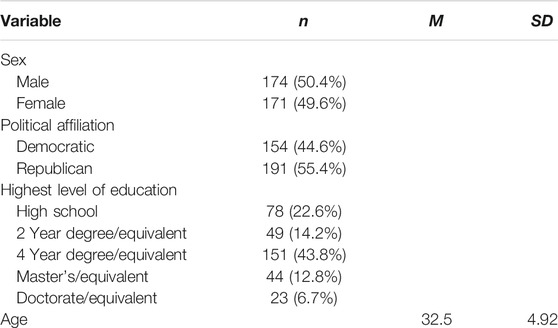
TABLE 1. Participant demographics.
Fear of COVID-19
To measure the extent to which individuals perceive COVID-19 as a threat, 14 items from Bouton et al. (1987) were used. While initially developed to measure fear of HIV/AIDS, the items were modified to focus on COVID-19. The scale measures personal fear of the virus, fear of contact with the virus, and belief that the virus is a public health concern. Sample items included: “I am afraid I will get COVID-19,” “COVID-19 will become a severe and widespread epidemic,” and “the seriousness of COVID-19 is greatly overblown by the media.” Reliabilities have ranged from 0.78 to 0.91 (Bouton et al., 1987; Croucher et al., 2021). Confirmatory factor analysis (CFA) was conducted following standards set by Hu and Bentler (1999) to ensure validity of the measure. The analysis confirmed fit, CFI = 0.97, SRMR = 0.05, RMSEA = 0.06, χ2 (24) = 42.01, p < 0.01.
Results
To explore RQ1 and RQ2, paired samples t-tests were conducted. The following results are for the combined sample, Democrats and Republicans. In answering RQ1 for the combined sample, there was not a significant change from before the election (M = 3.15, SD = 1.41) to after the election (M = 3.27, SD = 1.54), t (344) = -1.15, p = 0.25, r = 0.20. For self-identified Democrats there was a significant increase in mask-wearing from before the election (M = 2.86, SD = 1.35) to after the election (M = 4.26, SD = 1.00), t (153) = −12.61, p < 0.001, r = 0.35. For self-identified Republicans, there was a significant decrease in mask-wearing from before the election (M = 3.39, SD = 1.41) to after the election (M = 2.47, SD = 1.44), t (190) = 8.19, p < 0.001, r = 0.41.1
In answering RQ2 for the combined sample, there was a significant increase in handwashing from before the election (M = 2.97, SD = 1.30) to after the election (M = 3.59, SD = 1.40), t (344) = -6.65, p < 0.001, r = 0.18. For self-identified Democrats there was a significant increase in handwashing from before the election (M = 3.00, SD = 1.31) to after the election (M = 4.05, SD = 1.04), t (153) = -19.35, p < 0.001, r = 0.32. For self-identified Republicans there was a significant decrease in handwashing from before the election (M = 2.95, SD = 1.30) to after the election (M = 3.23, SD = 1.54), t (190) = -2.02, p < 0.05, r = 0.11.2
To answer RQ3, to what extent will fear of COVID-19 affect change in mask-wearing frequency, simple linear regression was employed. Three regressions were conducted. The first regression included the combined sample, while the second and third regressions were on self-identified Democrats and Republicans separately. In each regression, difference in mask-wearing frequency served as the dependent variable. The three independent variables were: difference in personal fear of the virus, difference in fear of contact with the virus, and difference in belief that the virus is a public health concern. Full regression results are presented in Table 2. Regarding the whole sample, results revealed: difference in personal fear of the virus (b = 0.30) had a positive effect on change in mask-wearing frequency. For Democrats, difference in personal fear of the virus had a significant positive effect on change in mask-wearing frequency (b = 0.23), and difference in fear of contact with the virus had a negative effect (b = -0.17). For Republicans, difference in personal fear of the virus also had a significant positive effect on change in mask-wearing frequency (b = 0.27).
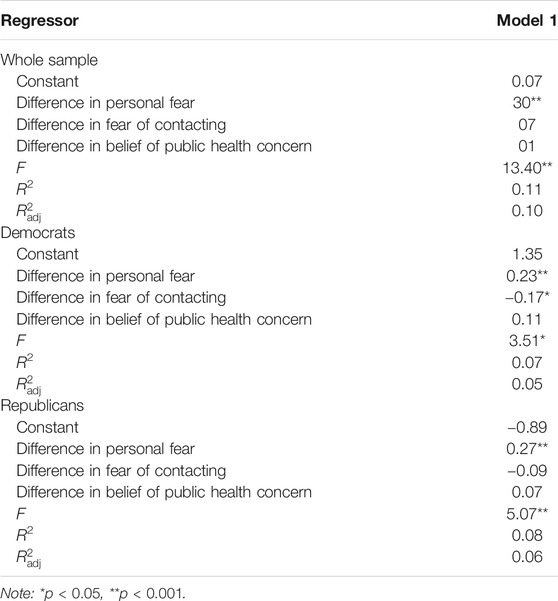
TABLE 2. Regression model for change in Mask-wearing.
To answer RQ4, to what extent will fear of COVID-19 affect change in handwashing frequency, simple linear regression was employed. Three regressions were conducted. The first regression included the combined sample, while the second and third regressions were on self-identified Democrats and Republicans separately. In each regression, difference in handwashing frequency served as the dependent variable. The three independent variables were: difference in personal fear of the virus, difference in fear of contact with the virus, and difference in belief that the virus is a public health concern. Full regression results are presented in Table 3. Regarding the whole sample, results revealed: difference in personal fear of the virus (b = 0.32) had a significant positive effect on change in handwashing frequency. For Democrats, difference in personal fear of the virus had a significant positive effect on change in handwashing frequency (b = 0.38), and difference in fear of contact with the virus had a negative effect (b = -0.20). For Republicans, difference in personal fear of the virus also had a significant positive effect on change in handwashing frequency (b = 0.25).
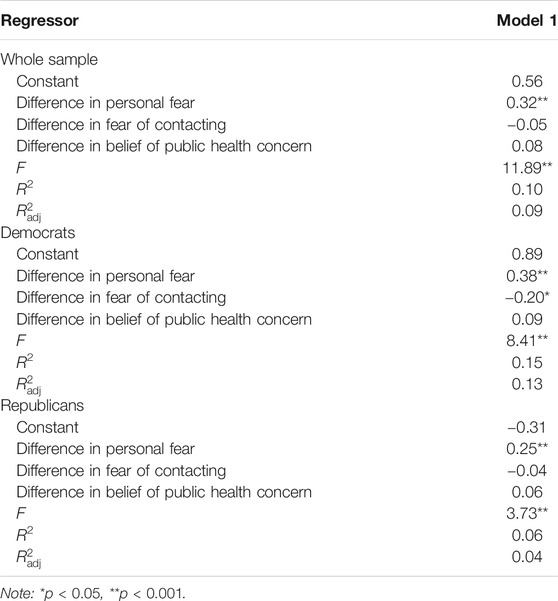
TABLE 3. Regression model for change in handwashing.
Discussion
The purpose of this study was to examine the extent to which individuals’ likelihood to adopt COVID-19 preventive behaviors changed longitudinally. The analysis revealed the following key results: First, after the 2020 United States presidential election, mask-wearing and handwashing frequency increased among Democrats, while frequency decreased among Republicans. Second, personal fear of COVID-19 had a positive effect on change in frequency of handwashing and mask-wearing among the entire sample (Democrats and Republicans). Third, difference in belief that the virus is a public health concern had no effect on frequency of handwashing and mask-wearing. Fourth, difference in fear of contact with the virus had a significant negative effect on change in frequency of handwashing and mask-wearing.
The evidence supports Social Determination Theory (SDT), particularly in relation to how SDT explains the link between political affiliation and motivation to enact behavioral change. Previous research has demonstrated a person’s political affiliation influences their decision to adopt health preventive behaviors (Allcott et al., 2020; Hao et al., 2021), as individuals desire approval from others in their political ingroup. The results of the current study add to this body of research by demonstrating that during a period of heightened attention to political ideologies (a national election), one’s adherence to a particular ideology heightens an individual’s behavior response. For Democrats, over time the response was an increased likelihood to wear a mask and wash hands. In contrast, for Republicans it was a decreased likelihood to wear a mask and wash hands to combat COVID-19.
Increased mask-wearing and handwashing among Democrats after the United States election may be the result of several factors. United States President-elect Joe Biden and Vice President-elect Kamala Harris both appeared speaking wearing masks when the election result was clear. They may have acted as strong role models to Democrats illustrating how easy it was to wear masks in public, thereby increasing feelings of self-efficacy among their supporters to wear masks and increase their handwashing. As the PMT predicts, if individuals have strong feelings of self-efficacy, then they are more likely to engage in health preventive behaviors. Furthermore, Biden’s victory may have acted as a mandate for Democrats to wear masks in public. Therefore, in accordance with the SDT, Democrats may have been more inclined to wear masks because of contingent rewards and social approval they would receive after the election, when the political rhetoric had changed to encourage mask-wearing and other health preventive behaviors. Prior to the election, mask-wearing may have brought them into conflict with pro-Trump supporters due to the espoused anti-mask-wearing rhetoric. In contrast, the drop in Republicans wearing masks may be explained by their faith in then President Trump who downplayed the need for mask-wearing and social distancing and even encouraged defiance of such measures (Graham et al., 2020). When combined with President Trump’s constant rhetoric of election fraud, those who believed in Trump may have increased their defiance of such measures to show their continued loyalty to the now former president.
The results of the current study were consistent with research that shows an individual’s perception of personal risk leads to increased likelihood of adopting health preventive behaviors (Harper et al., 2020; Jørgensen et al., 2020). Among Democrats, the perception that COVID-19 was a personal risk to one’s own health had a positive effect on change in likelihood of mask-wearing and handwashing. Essentially, as fear of COVID-19 increased, so did engaging in preventive behaviors such as handwashing and mask-wearing. For Republicans, the results were counter to previous literature. For Republican respondents, the results showed the more fear of the virus increased, the more they did not wear a mask or wash hands, as both behaviors decreased in likeliness after the election. While fear is an important factor in fostering preventative behaviors, it is also known that feelings of efficacy in enacting those health behaviors is also a major influence (Jørgensen et al., 2020). It may be that Republican’s felt more fear of the virus post-election (as evidenced here), while simultaneously feeling lower levels of self-efficacy, leading to a decrease in health preventive behaviors. Trump’s departure from office did lead to disbelief among his supporters (something that was regularly reported by news media), potentially introducing a helpless state of mind.
Fear of exposure to the virus had a negative effect on handwashing and mask-wearing with Democrats lowering their likelihood to engage in these activities. The questions in the scale examined attitudes about exposure to the virus through interactions with people to whom they have close contact. Jørgensen et al. (2020) found people who fear the virus tended to avoid others they do not know, therefore by default exercising social distancing, while Dijker et al. (1996), in a study examining attitudes toward people with AIDS (PWA), found those who displayed more prosocial emotions, for example pity, were more likely to physically engage with people with AIDS. These prosocial emotions may have also been reinforced by President-elect Joe Biden, who called for people to come together and stated his COVID-19 recovery plan “...will be built on bedrock science. It will be constructed out of compassion, empathy and concern” (Washington Post, 2020).
Limitations and Future Research
This research has limitations that should be considered when interpreting the results. First, while sampling from firms such as Qualtrics is comparable to other populations in published research, it is convenience sampling. Thus, the findings need to be interpreted with this knowledge. Second, participants were asked to self-identify their political affiliation, though strength of political affiliation was not measured. Thus, while an individual might identify as a Democrat or Republican, the results do not indicate the strength of that identification. Third, as a longitudinal study, the design is not experimental in nature, and therefore does not include a control group nor random assignment. Thus, while the results showed change around the time of the election, it is critical to note that the study does not and cannot prove that the election caused such changes to occur.
While the results of the present study offer theoretical contributions to our understanding of preventive health behaviors, there are directions for future research. First, the current study only included native-born individuals. Future studies should include immigrants to better understand preventive health behaviors among a more representative United States population. Second, the current study was longitudinal in its exploration of change in handwashing and mask-wearing behaviors before and after the 2020 United States presidential election. Future research would benefit from an experimental (or at least quasi-experimental) design, which would provide more evidence that change in the dependent variables was caused by and not related to the prevailing political climate. Third, to better understand change in behaviors, future research could also examine the impact of misinformation on the likelihood of adopting such behaviors. Misinformation online has significantly distorted COVID-19 policies and behaviors and it is difficult to know the full extent of its impact (Rothwell and Desai, 2020). Fourth, it is necessary to further investigate the contribution of fear and self-efficacy as motivators for preventive health behaviors separately and in a combined fashion. Different populations may require different health messaging to encourage wanted behaviors dependent on their levels of fear, self-efficacy, and the potential mediating variable of political ideology.
This research has advanced our understanding of health behavior. Specifically, this study has longitudinally demonstrated how individuals adopt preventive behaviors during a politically charged pandemic response. It is vital to continue exploring individuals’ behavioral responses in pandemic situations, as understanding and improving such responses are critical to enhancing our collective response to current and future pandemics.
Data Availability Statement
The raw data supporting the conclusion of this article will be made available by the authors, without undue reservation.
Ethics Statement
The studies involving human participants were reviewed and approved by Massey University. Written informed consent for participation was not required for this study in accordance with the national legislation and the institutional requirements.
Author Contributions
All authors listed have made a substantial, direct, and intellectual contribution to the work and approved it for publication.
Conflict of Interest
The authors declare that the research was conducted in the absence of any commercial or financial relationships that could be construed as a potential conflict of interest.
Supplementary Material
The Supplementary Material for this article can be found online at: https://www.frontiersin.org/articles/10.3389/fcomm.2021.689974/full#supplementary-material
Footnotes
1When comparing the difference between Republicans and Democrats on the overall change in mask wearing (difference), a follow-up independent samples t-test revealed a significant difference between Democrats(M=1.40;SD=1.37) and Republicans(M=-.92;SD =1.55) in overall change in mask wearing: t(343) = 14.50, p < 0.001.
2When comparing the difference between Republicans and Democrats on the overall change in handwashing (difference), a follow-up independent samples t-test revealed a significant difference between Democrats(M=1.05;SD=1.39) and Republicans(M=.28;SD =1.90) in overall change in handwashing: t(343) = 12.81, p < 0.001.
References
Abraham, C., and Sheeran, P. (2005). “The Health Belief Model,” in Predicting Health Behaviour: Research and Practice with Social Cognition Models. Editors M. Conner, and P. Norman 2nd ed. (Open University Press), 28–80.
Abrams, D., Ando, K., and Hinkle, S. (1998). Psychological Attachment to the Group: Cross-Cultural Differences in Organizational Identification and Subjective Norms as Predictors of Workers' Turnover Intentions. Pers Soc. Psychol. Bull. 24 (10), 1027–1039. doi:10.1177/01461672982410001
Adunlin, G., Adedoyin, A. C. A., Adedoyin, O. O., Njoku, A., Bolade-Ogunfodun, Y., and Bolaji, B. (2020). Using the protection Motivation Theory to Examine the Effects of Fear Arousal on the Practice of Social Distancing during the COVID-19 Outbreak in Rural Areas. J. Hum. Behav. Soc. Environ. 31, 168–172. doi:10.1080/10911359.2020.1783419
Allcott, H., Boxell, L., Conway, J. C., Gentzkow, M., Thaler, M., and Yang, Y. D. (2020). Polarization and Public Health: Partisan Differences in Social Distancing during the Coronavirus Pandemic. J. Public Econ. 191. doi:10.1016/j.j.pubeco.2020.104254
Babazadeh, T., Nadrian, H., Banayejeddi, M., and Rezapour, B. (2017). Determinants of Skin Cancer Preventive Behaviors Among Rural Farmers in Iran: An Application of Protection Motivation Theory. J. Canc Educ. 32, 604–612. doi:10.1007/s13187-016-1004-7
Baccini, L., Brodeur, A., and Weymouth, S. (2021). The COVID-19 Pandemic and the 2020 US Presidential Election. J. Popul. Econ. 34, 739–767.
Bashirian, S., Jenabi, E., Khazaei, S., Barati, M., Karimi-Shahanjarini, A., Zareian, S., et al. (2020). Factors Associated with Preventive Behaviours of COVID-19 Among Hospital Staff in Iran in 2020: An Application of the Protection Motivation Theory. J. Hosp. Infect. 105, 430–433. doi:10.1016/j.jhin.2020.04.035
Baum, M. A. (2011). Red State, Blue State, Flu State: Media Self-Selection and Partisan Gaps in Swine Flu Vaccinations. J. Health Polit. Pol. L. 36 (6), 1021–1059. doi:10.1215/03616878-1460569
Bouton, R. A., Gallaher, P. E., Garlinghouse, P. A., Leal, T., Rosenstein, L. D., and Young, R. K. (1987). Scales for Measuring Fear of AIDS and Homophobia. J. Personal. Assess. 51, 606–614. doi:10.1207/s15327752jpa5104_13
Callow, M. A., Callow, D. D., and Smith, C. (2020). Older Adults' Intention to Socially Isolate once COVID-19 Stay-At-Home Orders Are Replaced with "Safer-at-Home" Public Health Advisories: A Survey of Respondents in Maryland. J. Appl. Gerontol. 39 (11), 1175–1183. doi:10.1177/0733464820944704
Clase, C. M., Fu, E. L., Joseph, M., Beale, R. C. L., Dolovich, M. B., Jardine, M., et al. (2020). Cloth Masks May Prevent Transmission of COVID-19: An Evidence-Based, Risk-Based Approach. Ann. Intern. Med. 173, 489–491. doi:10.7326/M20-2567
Clinton, J., Cohen, J., Lapinski, J. S., and Trussler, M. (2020). Partisan Pandemic: How Partisanship and Public Health Concerns Affect Individuals' Social Distancing during COVID-19. SSRN J. doi:10.2139/ssrn.3633934
Conner, M., and Norman, P. (2005). “Predicting Health Behaviour: A Social Cognition Approach,” in Predicting Health Behaviour: Research and Practice with Social Cognition Models. Editors M. Conner, and P. Norman 2nd ed. (Open University Press), 1–27.
Croucher, S. M., Nguyen, T., Pearson, E., Murray, N., Feekery, A., Spencer, A., et al. (2021). A Comparative Analysis of Covid-19-Related Prejudice: the United States, Spain, Italy, and New Zealand. Commun. Res. Rep. 38, 79–89. doi:10.1080/08824096.2021.1885371
Croucher, S. M., Nguyen, T., and Rahmani, D. (2020). Prejudice toward Asian-Americans in the Covid-19 Pandemic. The Effects of Social media Use in the United StatesFrontiers in Health Communication. doi:10.3389/fcomm.2020.00039
Dessie, Y., Berhane, Y., and Worku, A. (2015). Parent-adolescent Sexual Reproductive Health Communication Is Very Limited and Associated with Adolescent Poor Behavioral Beliefs and Subjective Norms: Evidence from a Community Based Cross-Sectional Study in Eastern Ethiopia. PlosOne. doi:10.1371/journal.pone.0129941
Dijker, A. J., Kok, G., and Koomen, W. (1996). Emotional Reactions to People with AIDS. J. Appl. Psychol. 26 (8), 731–748.
Eikenberry, S. E., Mancuso, M., Iboi, E., Phan, T., Eikenberry, K., Kuang, Y., et al. (2020). To Mask or Not to Mask: Modeling the Potential for Face Mask Use by the General Public to Curtail the COVID-19 Pandemic. Infect. Dis. Model. 5, 293–308. doi:10.1016/j.idm.2020.04.001
Goldberg, M. H., Gustafson, A., Maibach, E. W., Ballew, M. T., Bergquist, P., Kotcher, J. E., et al. (2020). Mask-wearing Increased after a Government Recommendation: A Natural experiment in the U.S. During the COVID-19 Pandemic. Front. Commun. 5. doi:10.3389/fcomm.2020.00044
Government of Canada. (2020). Considerations in the Use of Homemade Masks to Protect against COVID-19. Notice to General Public and Healthcare Professionals.Available at:https://www.canada.ca/en/health-canada/services/drugs-health-products/medical-devices/activities/announcements/covid19-notice-home-made-masks.html
Government of Czech Republic (2020). The Government Requires the Wearing of Protective Equipment and Reserved Time for Pensioners to Do Their Food Shopping. Available at: https://www.vlada.cz/en/media-centrum/aktualne/the-government-has-decided-to-require-the-wearing-of-protective-equipment-and-reserved-time-for-senior-citizens-to-do-their-food-shopping-180465/
Graham, A., Cullen, F. T., Pickett, J. T., JonsonHaner, C. L. M., and Sloan, M. M. (2020). Faith in Trump, Moral Foundations and Social Distancing defiance during the Coronavirus Pandemic. Socius: Sociological Res. a dynamic World 6, 1–23. doi:10.1177/2378023120956815
Hao, F., Shao, W., and Huang, W. (2021). Understanding the Influence of Contextual Factors and Individual Social Capital on American Public Mask Wearing in Response to COVID-19, Health & Place, 68. Health & Place, 102537. doi:10.1016/j.healthplace.2021.102537
Harper, C. A., Satchell, L. P., Fido, D., and Latzman, R. D. (2020). Functional Fear Predicts Public Health Compliance in the COVID-19 Pandemic. Int. J. Ment. Health Addict. doi:10.1007/s11469-020-00281-5
Hornik, R., Kikut, A., Jesch, E., Woko, C., Siegel, L., and Kim, K. (2021). Association of COVID-19 Misinformation with Face Mask Wearing and Social Distancing in a Nationally Representative US Sample. Health Commun. 36, 6–14. doi:10.1080/10410236.2020.1847437
Hu, L. T., and Bentler, P. M. (1999). Cutoff Criteria for Fit Indexes in Covariance Structure Analysis: Conventional Criteria versus New Alternatives. Struct. Equation Model. A Multidisciplinary J. 6, 1–55. doi:10.1080/10705519909540118
Jørgensen, F., Bor, A., and Petersen, M. B. (2020). Compliance without Fear: Predictors of Protective Behavior during the First Wave of the COVID-19 Pandemic. PsychArXiv, 1–61. doi:10.31234/osf.io/uzwgf
Johns Hopkins Coronavirus Resource Center. (2020). Covid-19 Dashboard to the Center for Systems for Science and Engineering (CSSE) at Johns Hopkins University. Available at:https://coronavirus.jhu.edu/map.html
Jones, C. L., Jensen, J. D., Scherr, C. L., Brown, N. R., Christy, K., and Weaver, J. (2015). The Health Belief Model as an Explanatory Framework in Communication Research: Exploring Parallel, Serial, and Moderated Mediation. Health Commun. 30 (6), 566–576. doi:10.1080/10410236.2013.873363
Kahane, L. H. (2021). Politicizing the Mask: Political, Economic and Demographic Factors Affecting Mask Wearing Behavior in the USA. East. Econ. J. 47, 163–183. doi:10.1057/s41302-020-00186-0
Kim, J. K., and Crimmins, E. M. (2020). Age Differences in the Relationship between Threatening and Coping Mechanisms and Preventive Behaviors in the Time of COVID-19 in the United States: Protection Motivation Theory. ResPsy 23, 239–246. doi:10.4081/ripppo.2020.485
Kowalski, R. M., and Black, K. J. (2021). Protection Motivation and the COVID-19 Virus. Health Commun. 36 (1), 15–22. doi:10.1080/10410236.2020.1847448
Latkin, C. A., Dayton, L., Moran, M., Strickland, J. C., and Collins, K. (2021). Behavioral and Psychosocial Factors Associated with COVID-19 Skepticism in the United States. Curr. Psychol. doi:10.1007/s12144-020-01211-3
Lee, H. K. (2020). South Korea Takes New Measures to Have Enough Face Masks Domestically amid Coronavirus. ABC News. doi:10.33737/gpps20-tc-118 Available at: https://abcnews.go.com/International/south-korea-takes-measures-face-masks-domestically-amid/story?id=69254114.
Li, T., Liu, Y., Li, M., Qian, X., and Dai, S. Y. (2020). Mask or No Mask for COVID-19: A Public Health and Market Study. PLoS ONE 15 (8), e0237691. doi:10.1371/journal.pone.0237691
Liao, M., Liu, H., Wang, X., Hu, X., Huang, Y., Liu, X., et al. (2021). A Technical Review of Face Mask Wearing in Preventing Respiratory COVID-19 Transmission. Curr. Opin. Colloid Interf. Sci. 52, 101417. doi:10.1016/j.cocis.2021.101417
Lin, C.-Y., Broström, A., Griffiths, M. D., and Pakpour, A. H. (2020). Investigating Mediated Effects of Fear of COVID-19 and COVID-19 Misunderstanding in the Association between Problematic Social media Use, Psychological Distress, and Insomnia. Internet Interventions 21, 100345. doi:10.1016/j.invent.2020.100345
Malecki, K. M. C., Keating, J. A., and Safdar, N. (2021). Crisis Communication and Public Perception of COVID-19 Risk in the Era of Social media. Clin. Infect. Dis. 72 (4), 697–702. doi:10.1093/cid/ciaa758
Pew Research Centre. (2020). Most Americans Say They Regularly Wore a Mask in Stores in the Past Month; Fewer See Others Doing it. Retrieved from. Available at:https://www.pewresearch.org/fact-tank/2020/06/23/most-americans-say-they-regularly-wore-a-mask-in-stores-in-the-past-month-fewer-see-others-doing-it/ft_2020-06-23masks02/
Qanche, Q., Asefa, A., Nigussie, T., Hailemariam, S., and Duguma, T. (2021). Knowledge of COVID-19 and Preventive Behaviors Among Waiters Working in Food and Drinking Establishments in Southwest Ethiopia. PLoS ONE 16 (1). doi:10.1371/journal.pone.0245753
Rainear, A. M., and Christensen, J. L. (2017). Protection Motivation Theory as an Explanatory Framework for Proenvironmental Behavioral Intentions. Commun. Res. Rep. 34 (3), 239–248. doi:10.1080/08824096.2017.1286472
Reimann, N. (2020). All States with Democratic Governors Now Have Mask Mandates, but Most with Republicans Don’t. Forbes. Available at: https://www.forbes.com/sites/nicholasreimann/2020/07/30/all-states-with-democratic-governors-now-have-mask-mandates-but-most-with-republicans-dont/?sh=3eaa42cf7e25.
Rieger, M. O. (2020). To Wear or Not to Wear? Factors Influencing Wearing Face Masks in Germany during the COVID-19 Pandemic. Soc. Health Behav. 3 (2), 50–54. doi:10.4103/SHB.SHB_23_20
Rogers, R. W. (1975). A protection Motivation Theory of Fear Appeals and Attitude Change. J. Psychol. 91 (1), 93–114. doi:10.1080/00223980.1975.9915803
Rothwell, J., and Desai, S. (2020). How Misinformation Is Distorting COVID Policies and Behaviors. Brookings Institute. Available at: https://www.brookings.edu/research/how-misinformation-is-distorting-covid-policies-and-behaviors/ (Accessed December 22, 2020).
Sample, I. (2020). Face Masks Cannot Stop Healthy People Getting COVID-19, Says WHO. The GuardianAvailable at: https://www.theguardian.com/world/2020/apr/07/face-masks-cannot-stop-healthy-people-getting-covid-19-says-who
Scerri, M., and Grech, V. (2020). To Wear or Not to Wear? Adherence to Face Mask Use during the COVID-19 and Spanish Influenza Pandemics. Early Human Development. doi:10.1016/j.earlhumdev.2020.105253
Stephenson, M. T., Morgan, S. E., Roberts-Perez, S. D., Harrison, T., Afifi, W., and Long, S. D. (2008). The Role of Religiosity, Religious Norms, Subjective Norms, and Bodily Integrity in Signing an Organ Donor Card. Health Commun. 23 (5), 436–447. doi:10.1080/10410230802342119
Troia, G. A., and Graham, S. (2017). Use and Acceptability of Writing Adaptations for Studentswith Disabilities: Survey of Grade 3–8 Teachers. Learn. Disabilities Res. Pract. 32, 257–269. doi:10.1111/ldrp.12135
Wang, J., Liu-Lastres, B., Ritchie, B. W., and Mills, D. J. (2019). Travellers' Self-Protections against Health Risks: An Application of the Full Protection Motivation Theory. Ann. Tourism Res. doi:10.1016/j.annals.2019.102743
Washington Post (2020). Joe Biden’s Victory Speech Annotated. Available at: https://www.washingtonpost.com/politics/2020/11/07/annotated-biden-victory-speech/ November 8 2020
WHO (2020). Advice on the Use of Masks in the Context of COVID-19: Interim Guidance.Available at:https://www.who.int/publications-detail/advice-on-the-use-of-masks-in-the-community-during-home-care-and-in-healthcare-settings-in-the-context-of-the-novel-coronavirus-(2019-ncov)-outbreak
Witte, K., and Allen, M. (2000). A Meta-Analysis of Fear Appeals: Implications for Effective Public Health Campaigns. Health Education Behav. 27 (5), 591–615. doi:10.1177/109019810002700506
Yıldırım, M., and Güler, A. (2020). COVID-19 Severity, Self-Efficacy, Knowledge, Preventive Behaviors, and Mental Health in Turkey. Death Studies. Available at:https://www.tandfonline.com/doi/full/10.1080/07481187.2020.1793434
Keywords: health preventive behaviors, protection motivation theory, longitudinal design, mask-wearing, hand-washing
Citation: Croucher S, Ashwell D, Murray N, Condon SM and Fletcher P (2021) A Longitudinal Analysis of Handwashing and Mask-Wearing During COVID-19. Front. Commun. 6:689974. doi: 10.3389/fcomm.2021.689974
Received: 01 April 2021; Accepted: 14 June 2021;
Published: 29 June 2021.
Edited by:
Rukhsana Ahmed, University at Albany, United StatesReviewed by:
Han-Kuang Tien, Chinese Culture University, TaiwanVinita Agarwal, Salisbury University, United States
Copyright © 2021 Croucher, Ashwell, Murray, Condon and Fletcher. This is an open-access article distributed under the terms of the Creative Commons Attribution License (CC BY). The use, distribution or reproduction in other forums is permitted, provided the original author(s) and the copyright owner(s) are credited and that the original publication in this journal is cited, in accordance with accepted academic practice. No use, distribution or reproduction is permitted which does not comply with these terms.
*Correspondence: Stephen Croucher, cy5jcm91Y2hlckBtYXNzZXkuYWMubno=