 Sheena Angra
 Shinnu Jangra
 Yonis Gulzar
 Bhanu Sharma
 Gurjinder Singh
 Choo Wou Onn3
- 1Chitkara University Institute of Engineering and Technology, Chitkara University, Rajpura, Punjab, India
- 2Department of Management Information Systems, College of Business Administration, King Faisal University, Al Ahsa, Saudi Arabia
- 3Faculty of Data Science and Information Technology, INTI International University, Nilai, Malaysia
Purpose: The study aimed to investigate the utilization of immersive technologies, such as augmented reality (AR) and virtual reality (VR), in various domains, with a particular focus on the teaching–learning process. In addition, the study sought to conduct a bibliometric analysis of relevant articles indexed in the SCOPUS database.
Methods: A comprehensive search was conducted to identify papers related to AR and VR. Subsequently, a bibliometric analysis was carried out using articles retrieved from the SCOPUS database. In addition, a systematic literature review (SLR) was undertaken to elucidate the application of immersive technologies across diverse fields, such as machine learning (ML), Internet of Things (IoT), and artificial intelligence (AI).
Results: The findings indicated a gradual consolidation of studies on immersive technologies over the past two decades, with a notable turning point around 2015. The analysis identified the United States as the most influential country in this domain. However, despite advancements, research specific to AR and VR is still in the early stages, suggesting the necessity for further investigation to achieve a comprehensive understanding and utilization of these technologies. The SLR provided insights into the integration of immersive technologies across various disciplines, highlighting their potential applications beyond the teaching–learning context.
Conclusion: While immersive technologies have demonstrated significant potential in enhancing learning experiences, their widespread adoption and utilization across different sectors remain in nascent stages. The study investigates key technological effects, global research collaborations, and developing themes to determine critical trends and knowledge gaps. The findings suggest insights into how AR/VR research has grown in response to user needs and technological innovations, providing a roadmap for future analyses. The study underscores the importance of continued research efforts to explore the full capabilities of AR and VR and their integration with emerging technologies such as machine learning and artificial intelligence.
1 Introduction
The process of learning never ends. Learning is improved through imagining, hearing, reflecting, and visualizing. Visualization is a crucial component of today’s world in every industry (Kucera et al., 2018). Compared to text, people are better at remembering visuals and movies. As a result, the domains of augmented and virtual reality are in high demand (Cisternino et al., 2021). These technologies are highly beneficial in fields such as education, medicine, gaming, and more. A career in this field requires more than just theoretical knowledge; it demands practical skills in working with immersive technology and incorporating virtual items into real-world scenes using industry-specific tools (Manjrekar et al., 2014). The researcher has conducted extensive research on AR/VR technology across various domains to enhance user experience and promote the adoption of new technologies, improving visualization, enjoyment, and immersion. Fazlida et al. conducted a systematic literature review (SLR) on educational learning and game-based learning in 2022, and they focused on how users improve learning using gamified immersive technology. This study suggested that more research is required to identify the use of gamification to enhance educational training (Dahalan et al., 2024). In 2024, Tauqeer Faiz et al. conducted a review on hazard prevention using AR/VR technology, analyzing 22 articles. Their findings highlight that using AR/VR significantly benefited users by teaching new skills, improving health safety, enhancing learning, and increasing satisfaction (Faiz et al., 2024). Based on the previous research, we identified much research was conducted on the specific domains of AR/VR, such as education, cultural heritage, health science, AI, ML, and gamified AR/VR. However, the bibliometric review and systematic literature review (SLR) had limitations, as they encompassed multiple domains within individual articles, incorporating details about authors, highly cited papers, and contributing countries in the AR/VR field. Based on the identified research gaps, this article includes both the bibliometric analysis and SLR to cover all applications of AR/VR technology. It also examines the educational and learning impacts of AR/VR, while outlining the timelines of AR/VR technology and the challenges faced by the researchers.
1.1 Virtual reality
Virtual reality (VR), created by Jaron Lanier, is a computer simulation technology that enables human interaction in a made-up or actual environment (Sharples et al., 2008). It is often described as the arrow connecting the past, present, and future. It is a means of creating a personalized version of our environment (Wang et al., 2010). VR can be categorized into non-immersive and immersive types. It is also referred to as the I4 Quadrilateral, combining imagination, immersion, interaction, and intelligence (Bustamante et al., 2022). Although there is minimal user contact with this technology, the system is quite immersive. Early VR systems were primarily used in research and military training, but with the advent of affordable consumer VR headsets, such as Oculus Rift and HTC Vive, the technology has moved into mainstream use (Manjrekar et al., 2014). In education, VR has been shown to enhance student engagement and learning outcomes by offering immersive simulations that allow students to explore complex subjects, such as science, history, and geography, in an interactive manner (Sharples et al., 2008). In healthcare, VR is used for pain management, physical therapy, and mental health treatments, including exposure therapy for PTSD (Wang et al., 2010). Figure 1 shows the I4 Quadrilateral of VR (Borges et al., 2018).
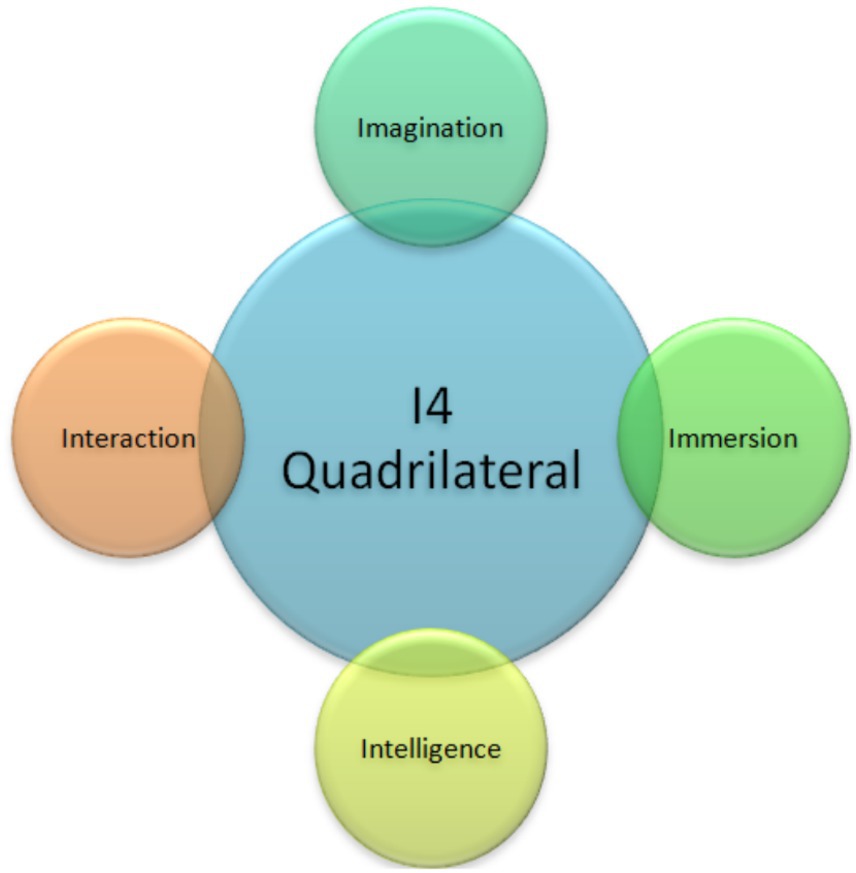
Figure 1. Virtual reality I4 quadrilateral.
1.2 Augmented reality
AR is an emerging technology that overlays the real world with imaginary or fantastical elements (Handa et al., 2012). AR plays a key role in creating unique educational environments and improving user/learner engagement. In AR, computer-generated content interacts with actual items in real time, bridging the gap between the real and virtual worlds(Rolland, 2019). It interacts with the virtual world and is an immersive technology. The use of AR has the potential to improve teamwork between students and teachers by enticing and motivating students to learn experimental concepts (Kaneda et al., 2022). Figure 2 represents the working of augmented reality in different phases. Mehdi Mekni et al. researched the applications of AR technology, suggesting that it is a trending research area in educational training and the medical field. AR is favored for its ability to offer handheld interaction without hardware limitations and at a relatively low development cost (Bustamante et al., 2022). AR technology enhances the physical environment by using mobile devices to include virtual objects in the real world. AR can effectively enhance accessibility and inclusivity by addressing barriers such as cognitive, sensory, and physical challenges. It offers tools such as speech-to-text visualization, navigation assistance, and sign language translation to support individuals with visual or other disabilities. Inclusive learning is enabled with the help of real-time guidance for tasks in the educational domain with immersive workplace solutions. Accessible entertainment is also supported by AR through voice controls and customizing experiences on the basis of a person’s requirements. By integrating all such features, AR helps foster empowerment and independence, making technology accessible and inclusive for all (Handa et al., 2012).
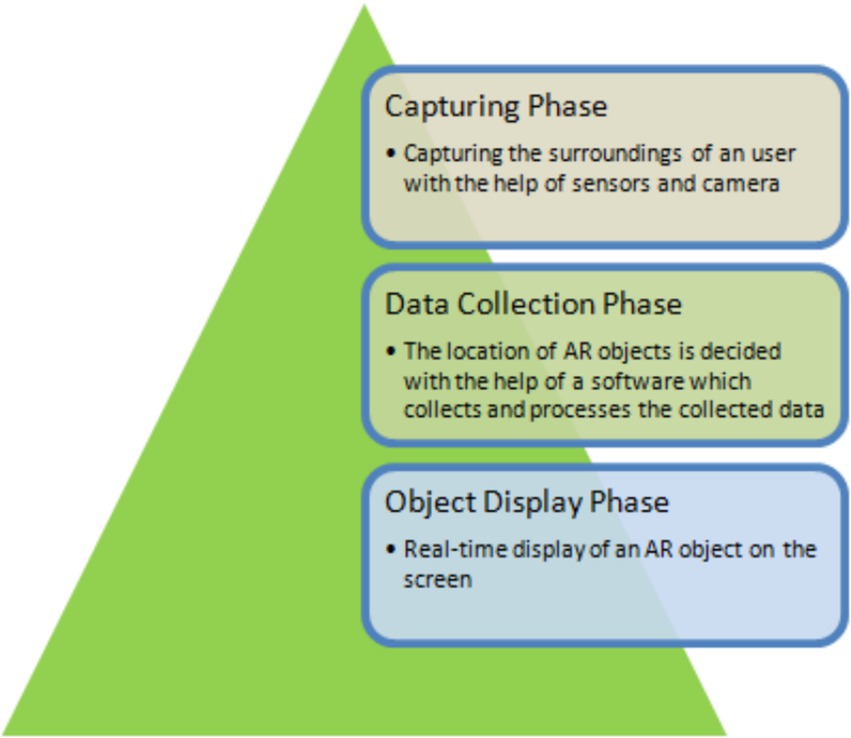
Figure 2. Phases of augmented reality.
2 Materials and methods
This study focuses on research papers published between 2001 and 2023 in the field of AR and VR, providing researchers with valuable insights into their applications. It also highlights the top authors, leading journals, most frequently used keywords, top countries that are working in the above-mentioned fields, and the most cited documents (Mendis, 2015). This in-depth content and bibliometric analysis will benefit many emerging researchers by making it easier for them to navigate the field they wish to explore (Zhang et al., 2022). The research questions (RQ) addressed in this study focus solely on entries in the ‘SCOPUS’ database, and are as follows:
RQ 1: Which countries are making significant contributions to these fields?
RQ 2: What are the key areas where AR and VR are applied?
RQ 3: Who are the top authors working in the immersive technologies domain?
RQ 4: Which are the most relevant journals on the basis of citations?
RQ 5: What are the most frequently used keywords in these fields?
2.1 Article selection process
In this interpretation, articles published between 2001 and 2023 were considered, and the source of literature was the SCOPUS database. “English” language was selected, and “Augmented Reality” and “Virtual Reality” were taken as keywords using the Advanced Search option followed by the AND operator (Access Date: November 2023) (Okanovic et al., 2022). A total of 2,000 documents were retrieved according to the highest citations, including publications from journals, conferences, book chapters, and so on. From these, only 782 journal articles were selected for analysis (Silva et al., 2022). Subsequently, a comprehensive analysis was conducted on these documents using Biblioshiny software. First, the csv file with a csv extension was imported, and the entire analysis was performed on this dataset (Srisusilawati et al., 2021). The documents were then classified based on their type and access, providing more clarity for researchers (Clark, 2019; Papoutsi et al., 2021). Figure 3 shows the PRISMA approach for article selection.
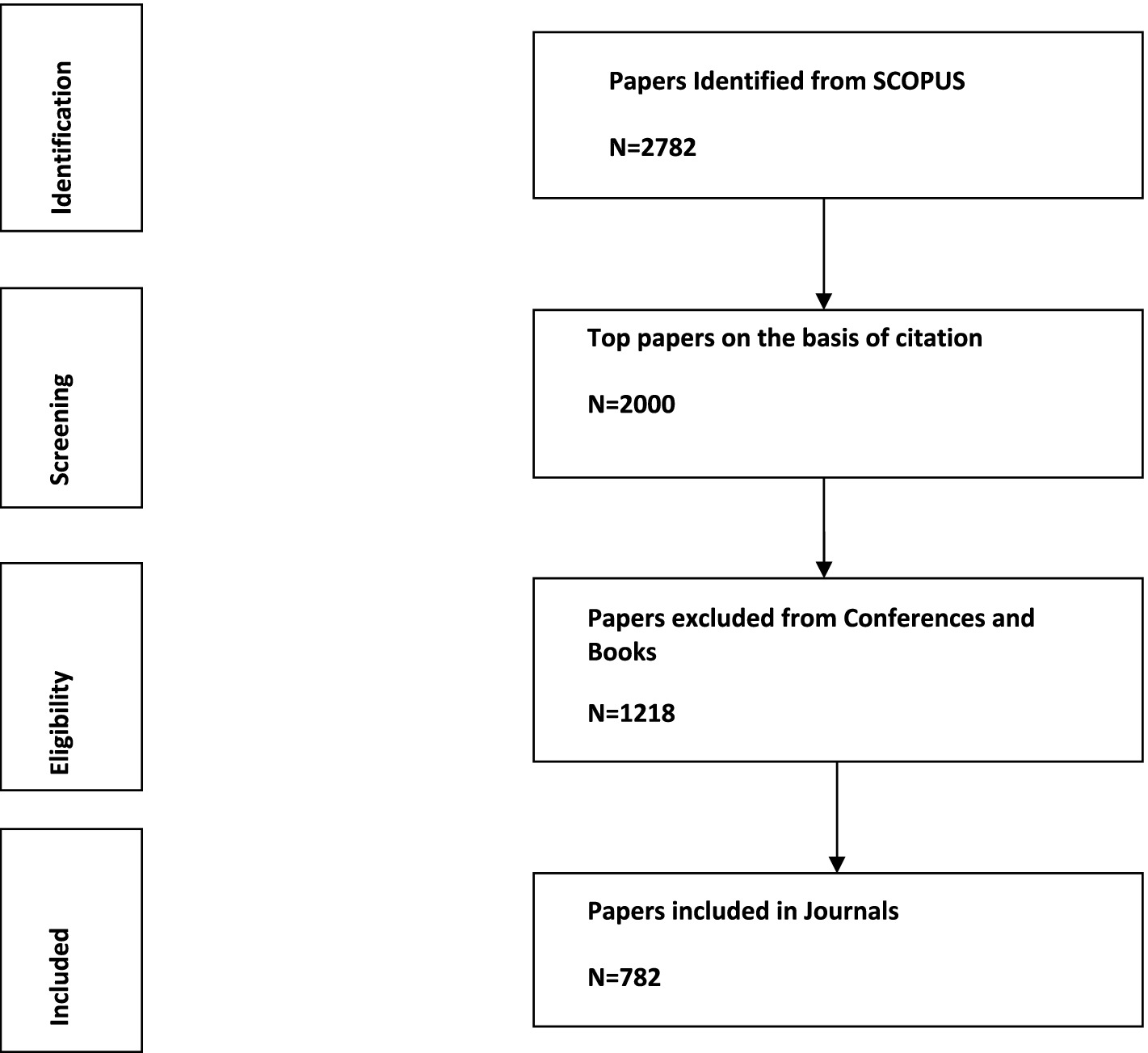
Figure 3. PRISMA approach.
In addition, this section contains the complete PRISMA model for selecting articles for the SLR. The inclusion and exclusion criteria were used to identify the AR/VR articles related to the different domains. The search string was applied, and the article search was included until 2024. Research was conducted on various aspects of AR and VR, including their applications in general, gamified VR, AR in education, VR in education, AR in medical, VR in medical, and the use of AR/VR in learning and teaching, among others. A total of 2,782 articles were fetched from the Scopus database. Only journal articles, English language articles, AR/VR articles, and gamified AR/VR articles were selected using the inclusion criteria. Based on the exclusion criteria, articles with the lowest citations, book chapters, and conference articles were excluded. In the end, a total of 782 articles were selected for the bibliometric analysis and SLR in this research.
2.2 Basic bibliometric indicators and their discussion
2.2.1 RQ 1: which countries are making significant contributions to these fields?
This section represents the top 25 countries that are contributing the most in these fields. Figure 4 represents the countries arranged in descending order on the basis of the number of contributions made by them (Kumar et al., 2019; Tuli and Mantri, 2020; Kumar and Mantri, 2022).
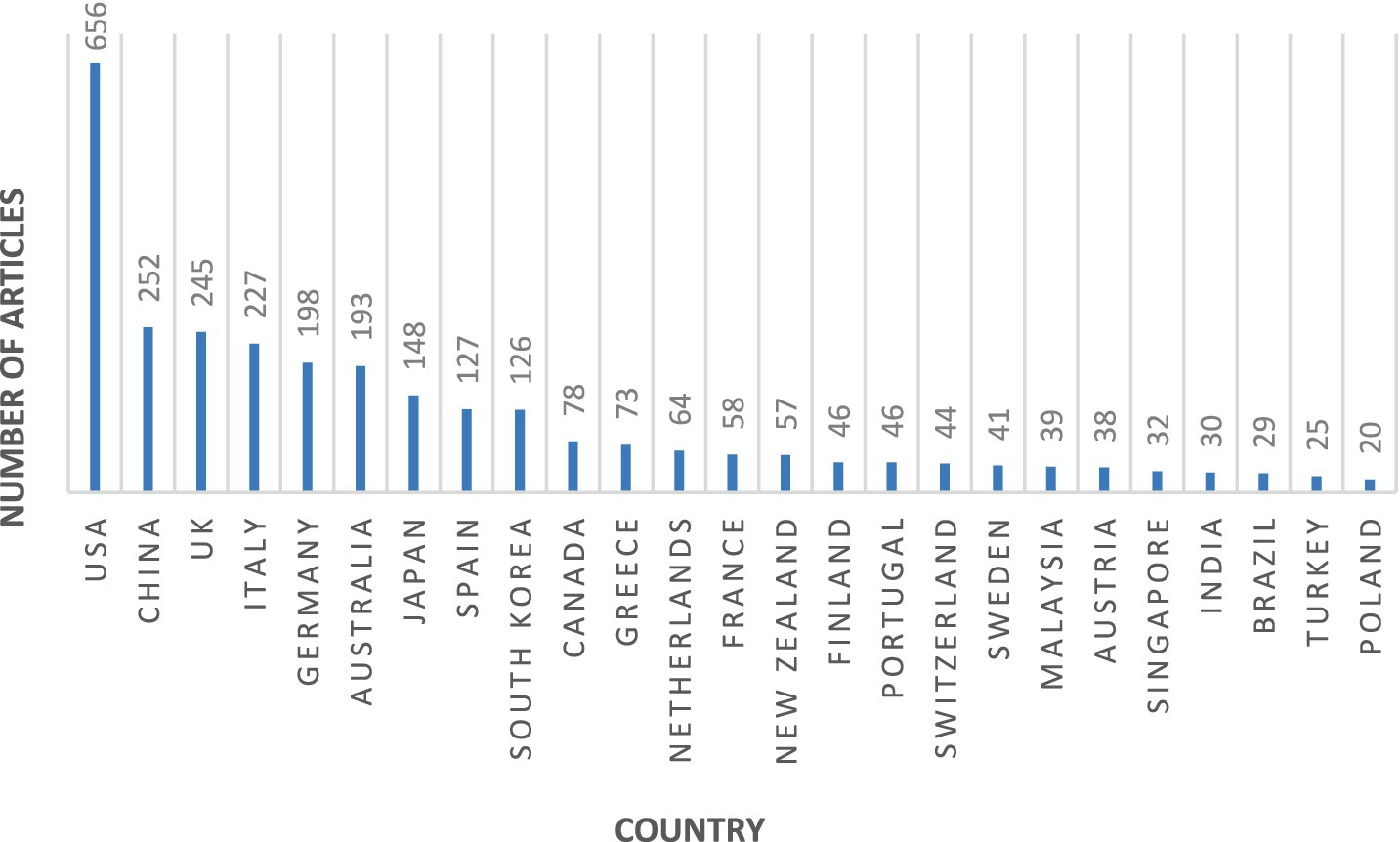
Figure 4. Number of articles published by a specific country.
2.2.2 RQ 2: what are the key areas where AR and VR are applied?
AR and VR have transformative applications across various sectors. They improve experiential education by creating immersive environments that will enhance engagement and comprehension in education. Healthcare leverages AR/VR for surgical simulations, medical training, and therapy for disorders such as PTSD and phobias. In the entertainment and gaming industry, VR delivers highly immersive experiences, redefining user interaction. Cultural heritage and museums utilize these technologies to create virtual tours and interactive exhibits, improving accessibility and engagement. Manufacturing and engineering benefit from AR/VR for design visualization, prototyping, and remote collaboration. Retail and real estate also use AR/VR to offer virtual development demonstrations and property tours, enhancing customer experience and decision-making processes. These various applications highlight the versatility and possibility of AR/VR in changing traditional approaches across industries. Figure 5 shows the areas in descending order according to the number of publications (Phon et al., 2014). This figure shows that the highest number of articles are published in the field of computer science and the lowest number in pharmaceutics.
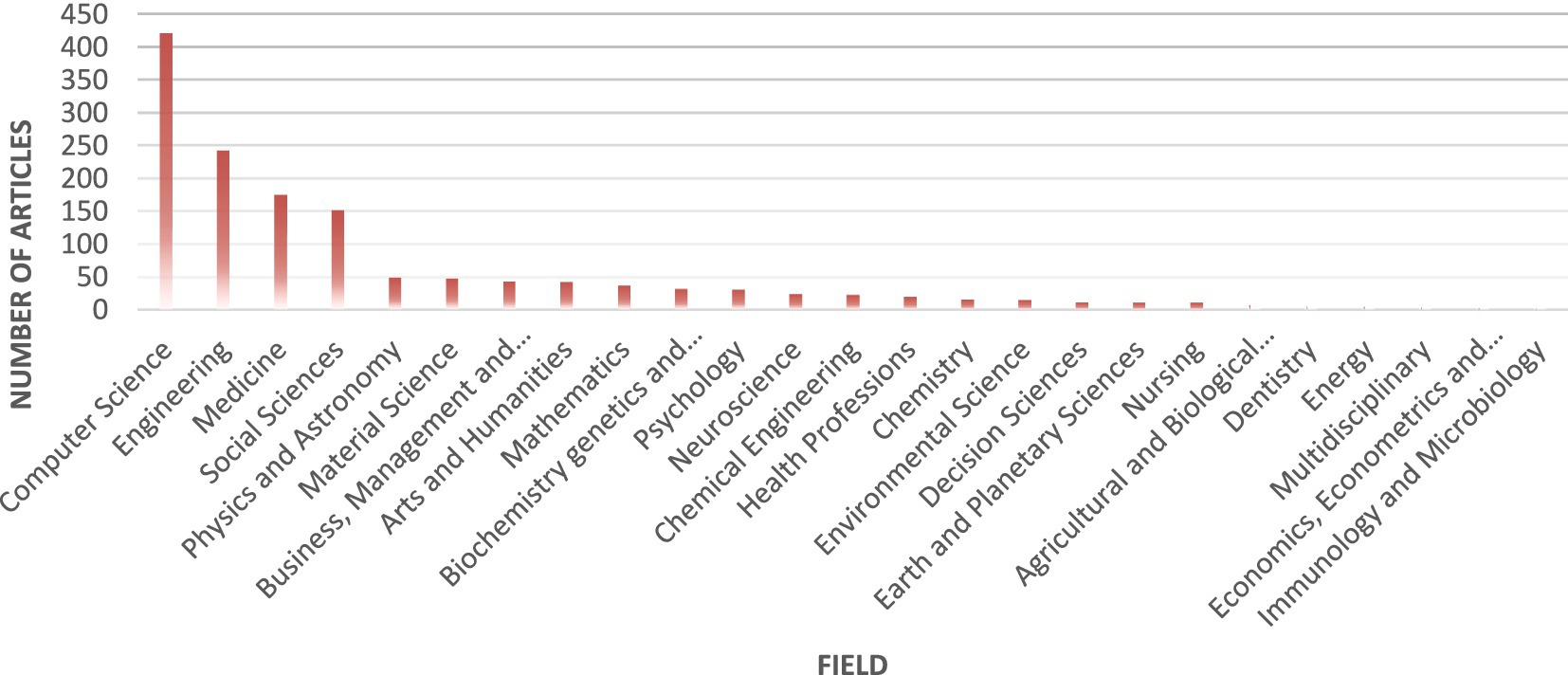
Figure 5. Number of articles published per field.
2.2.3 RQ3: who are the top authors working in the immersive technologies domain?
This section displays the top 10 authors who are contributing to society in AR and VR. Figure 6 shows the top authors in relation to the number of documents penned by them (Chong et al., 2022), and Figure 7 represents the countries of the corresponding authors who have collaboratively worked to achieve their targets (Ramasamy Ramamurthy and Roy, 2018).
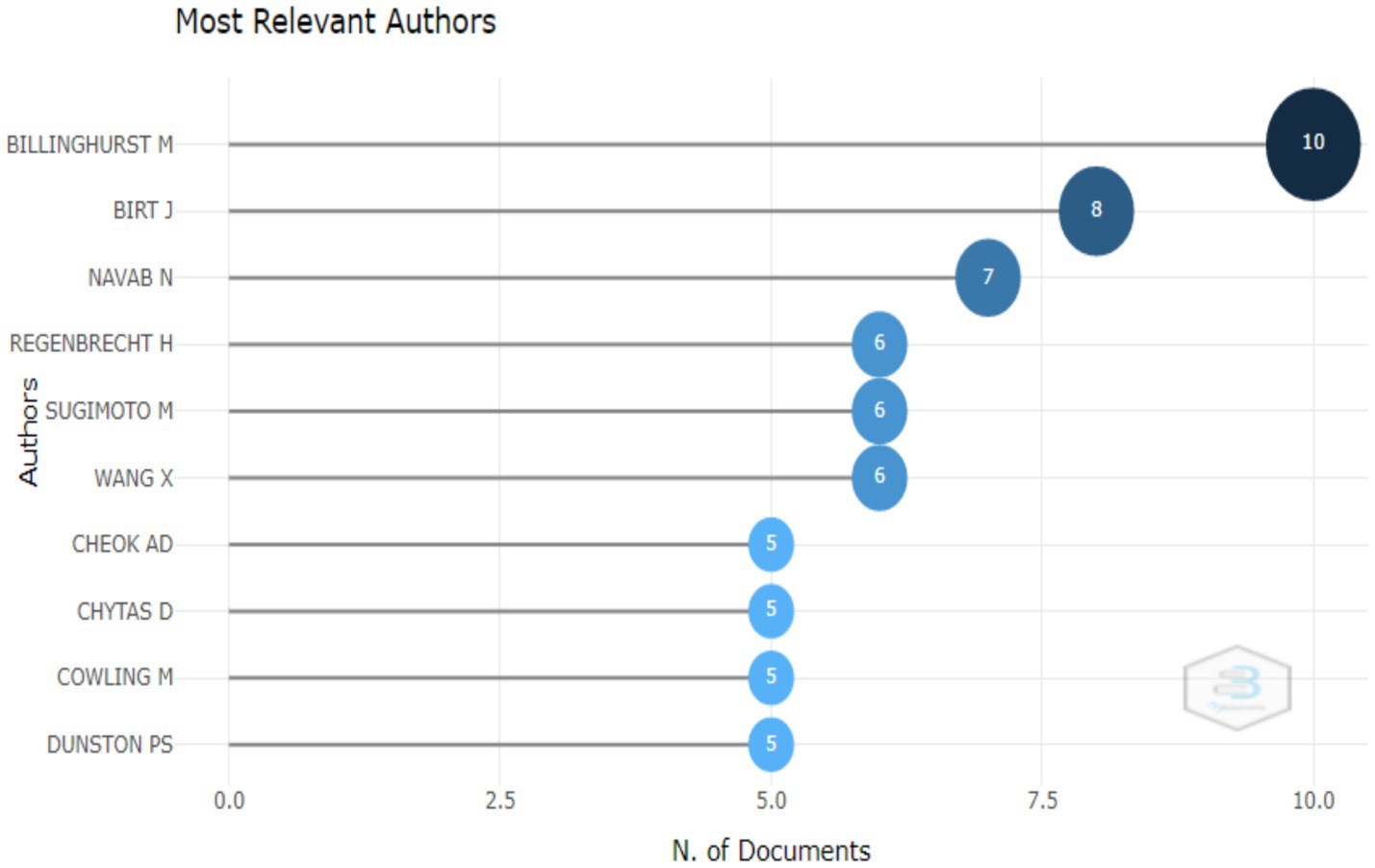
Figure 6. Articles penned by top authors.
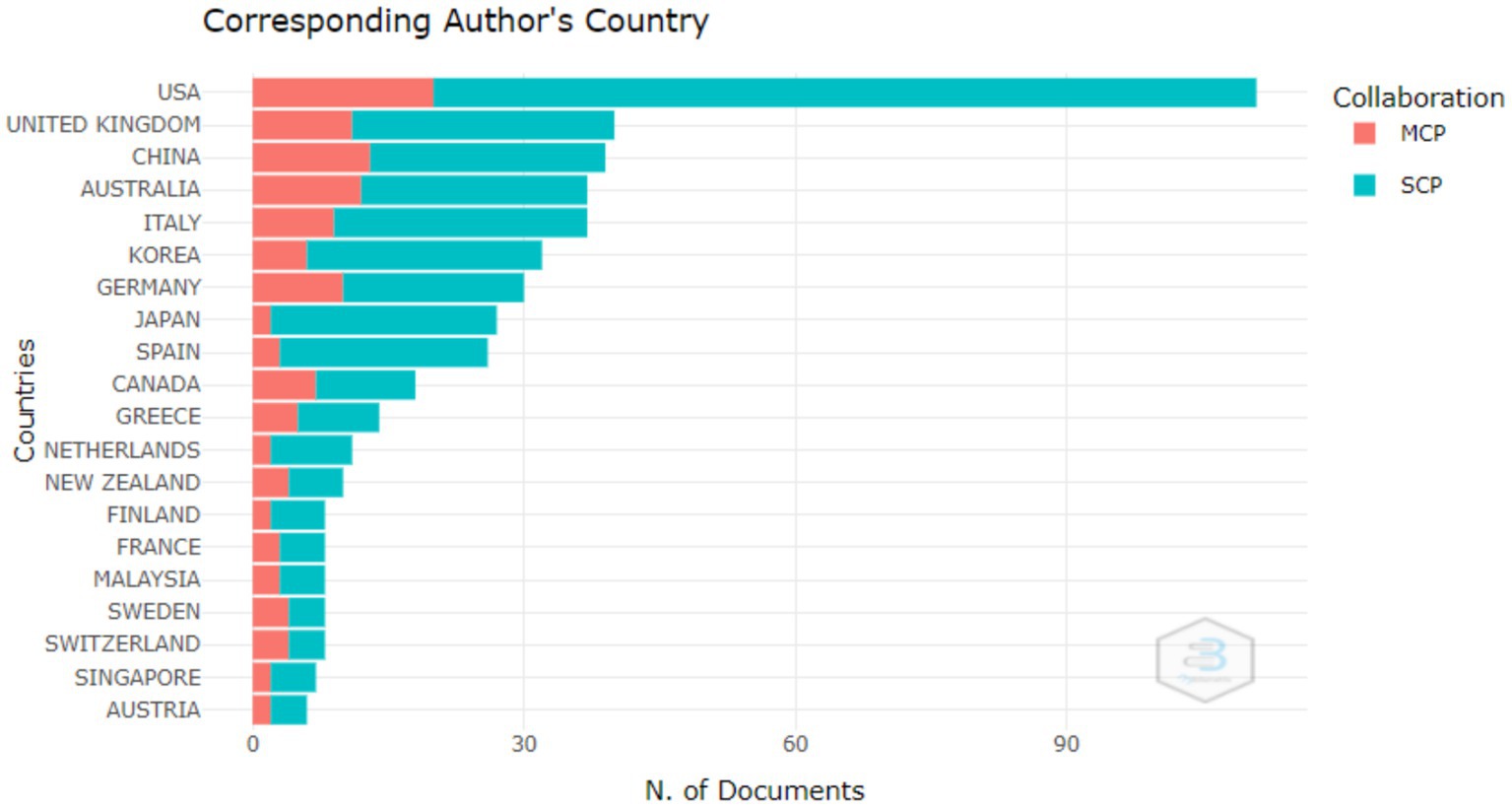
Figure 7. Representation of the corresponding author’s country.
2.2.4 RQ 4: which are the most relevant journals on the basis of citations?
This section focuses on the top 10 most cited journals in which AR and VR papers are published on the basis of the H-index measure (Jo and Kim, 2019). Figure 8 shows that, out of these 10 journals, IEEE Transactions on Visualization and Computer Graphics has the highest citation count (H-index:14), while Applied Sciences (Switzerland) has the lowest citation count (H-index:4).
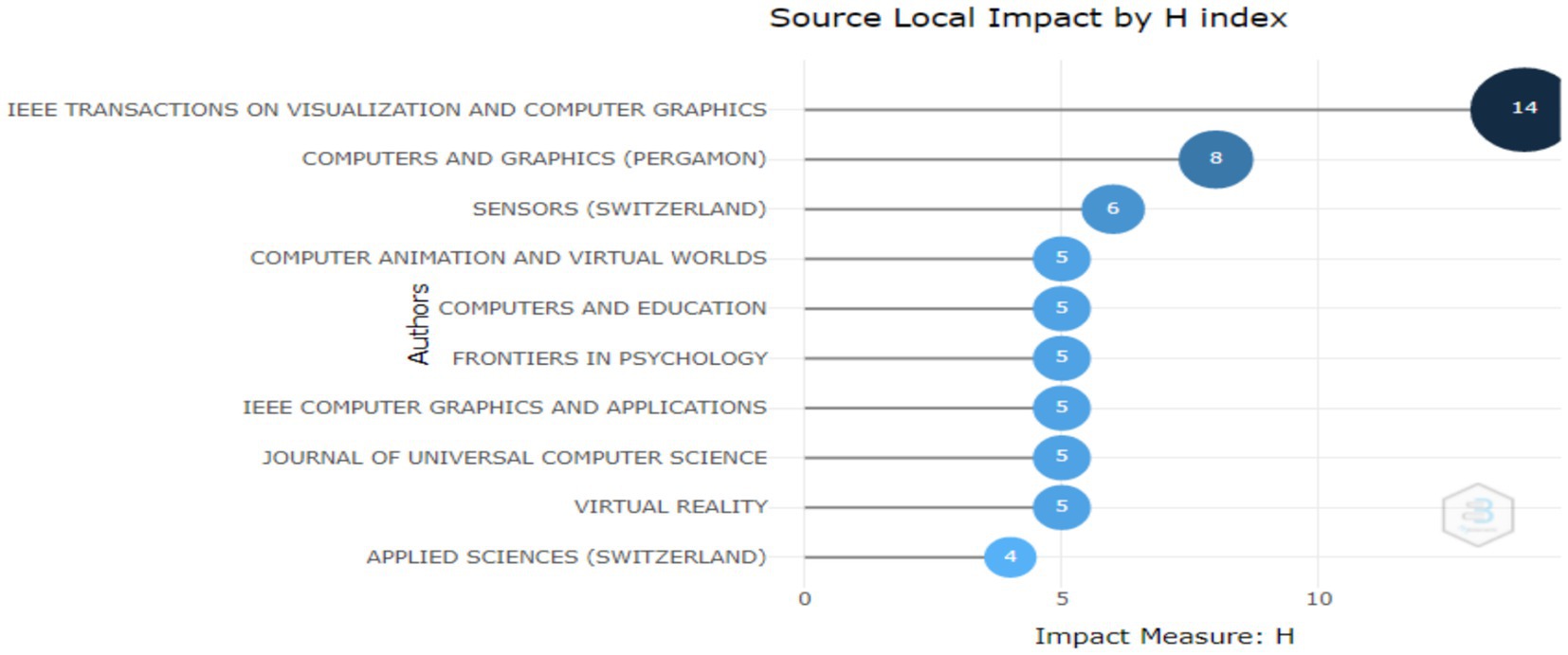
Figure 8. Representation of top sources on the basis of H-index.
2.2.5 RQ 5: what are the most frequently used keywords in these fields?
This section represents the words that are frequently used in an article so as to make it easy for researchers to get proper insight regarding the field and what to write when searching for an article. Figure 9 represents the frequently used words in a particular period of time (Alzahrani and Alfouzan, 2022).
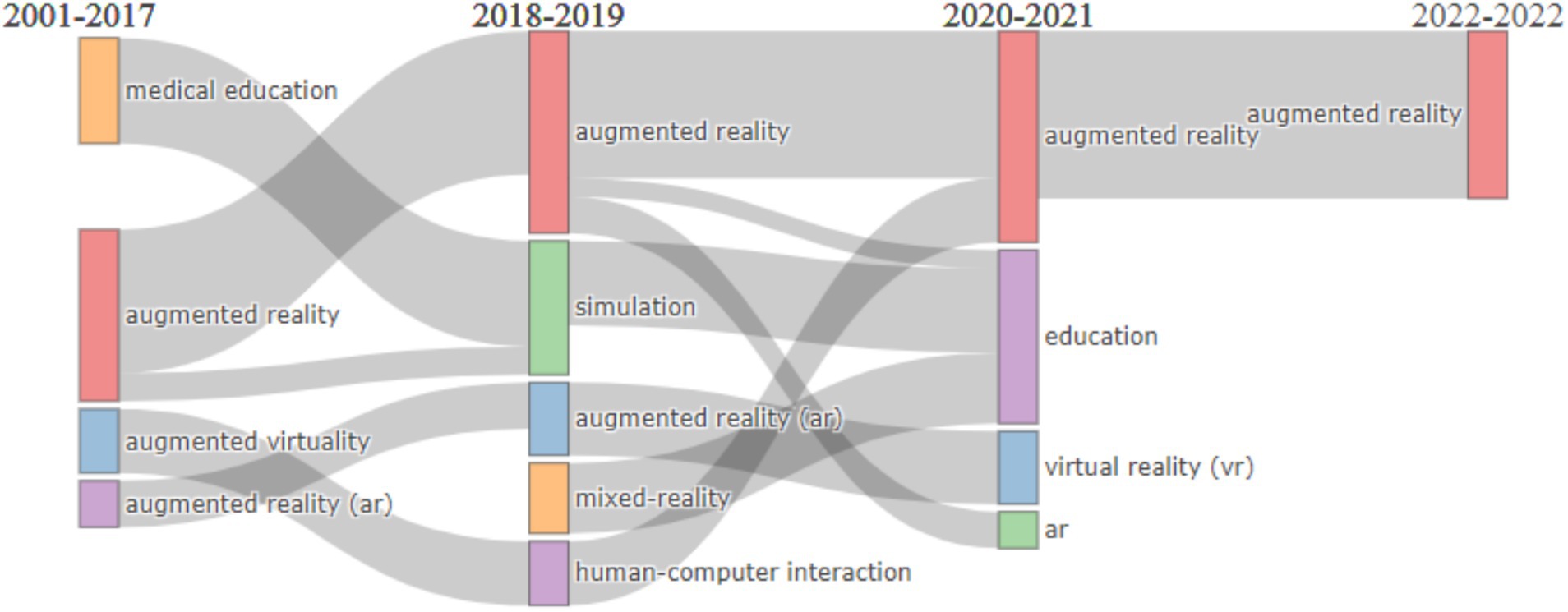
Figure 9. Frequently used words in a particular period of time.
3 Systematic literature review
Table 1 presents a detailed analysis of the work carried out by various authors in key fields such as machine learning (ML), artificial intelligence (AI), the Internet of Things (IoT), education, and healthcare, among others.
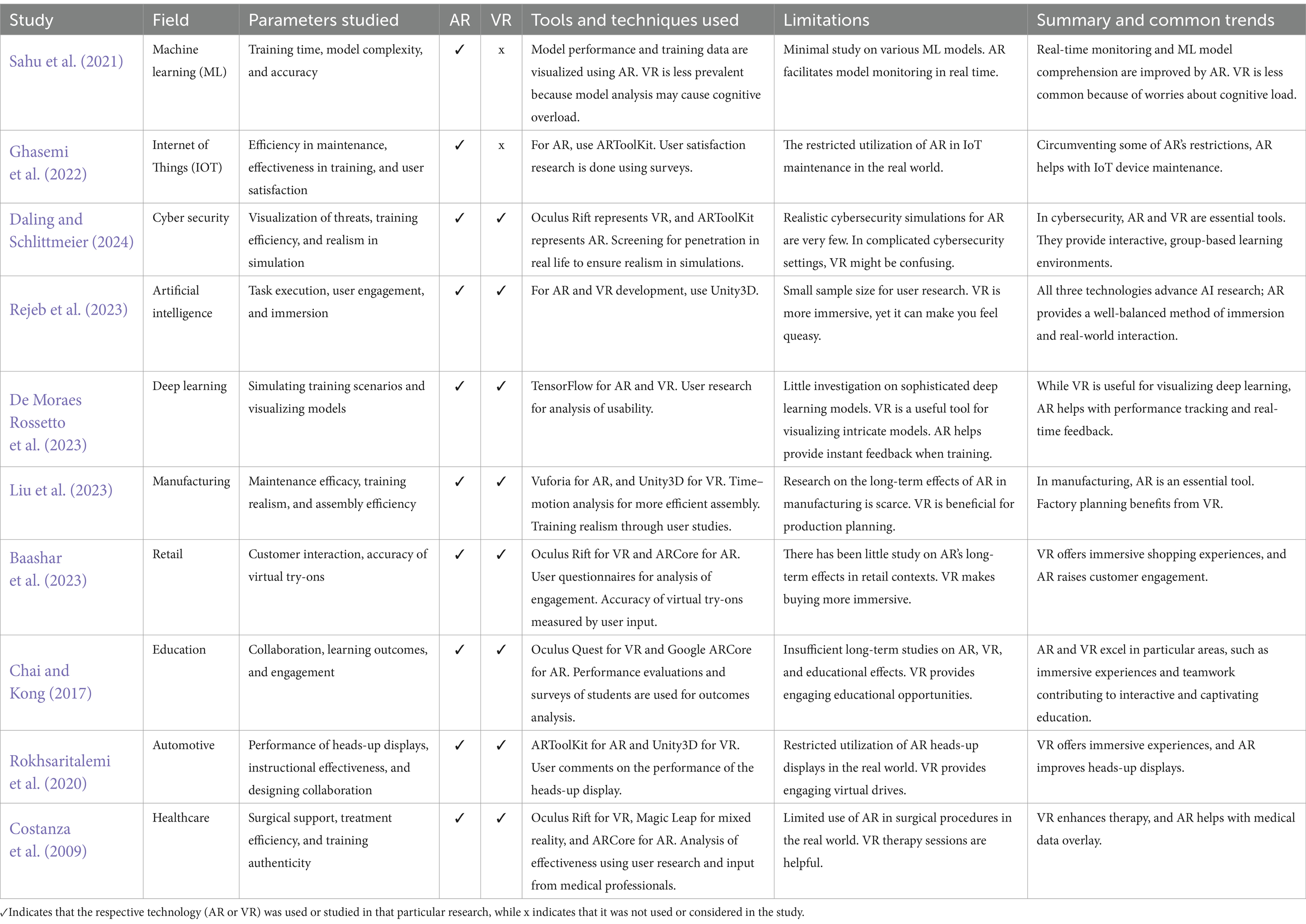
Table 1. Comparative analysis of AR and VR on the basis of various fields.
In machine learning, research primarily focuses on developing algorithms for tasks such as data prediction, classification, and pattern recognition. ML is being widely adopted in areas such as predictive analytics, recommendation systems, and automated decision-making. Similarly, artificial intelligence explores advancements in deep learning, natural language processing (NLP), and computer vision to solve real-world problems across industries, including robotics and virtual assistants (Tao et al., 2020).
The Internet of Things (IoT) emphasizes smart devices and sensor-based systems for real-time monitoring, data collection, and automation. Applications in IoT include smart homes, industrial automation, and healthcare monitoring, enhancing operational efficiency and resource optimization (Torres Vega et al., 2020).
In the field of education, emerging technologies such as AI and VR are being used to create interactive and immersive learning experiences. Studies highlight the role of intelligent tutoring systems, virtual classrooms, and AR/VR platforms in improving knowledge retention and student engagement (Turan and Karabey, 2023).
Healthcare research focuses on applications such as disease diagnostics, patient monitoring, mental health therapy, and personalized treatment plans. Technologies such as AI-based diagnostic tools, IoT-enabled devices for remote monitoring, and VR-based therapies are transforming patient care and mental wellness solutions (Aloqaily et al., 2023).
Collectively, these studies demonstrate the transformative impact of emerging technologies in addressing challenges, improving efficiencies, and enabling innovative solutions across multiple domains.
The current study identified several trending studies that are ongoing in the field of AR/VR technology. AR and VR are increasingly trending topics in education due to their ability to create immersive, interactive, and engaging learning experiences. AR improves the physical world by overlaying digital information, which helps students visualize complex concepts in real time. For illustration, in subjects such as biology, AR can project 3D models of organs or cells, allowing students to interact with them in ways that traditional methods cannot. Conversely, VR provides fully immersive environments that enable students to explore and learn through experience, such as virtual field travels to historical sites or simulations of scientific experiments. These technologies allow personalized learning, cater to learning styles, and improve retention through hands-on engagement. The trend is also fueled by the growing accessibility of AR/VR tools and platforms, making them more feasible for integration into mainstream education. Moreover, educators are increasingly recognizing the potential of AR/VR to foster deeper engagement, collaboration, and critical thinking, particularly in remote and hybrid learning environments. As a result, AR/VR is seen as a cutting-edge educational tool that is reshaping the future of teaching and learning globally.
4 Timeline of AR/VR advancements
Promoting AR/VR technologies has profoundly impacted different sectors, changing how users interact and experience content. In education, AR/VR promotes immersive learning by allowing virtual field trips, simulations, and interactive lessons, as well as improving engagement and retention. AR/VR technologies revolutionize training, therapy, and patient care in healthcare, delivering realistic surgical simulations and stress-reducing therapeutic environments. Entertainment and gaming have evolved more interactive, with VR delivering immersive, interactive worlds that offer deeper engagement. AR/VR enhances manufacturing by improving design, prototyping, and maintenance processes, boosting efficiency, and decreasing errors. In retail, AR enhances shopping experiences with virtual try-ons, while in cultural heritage, AR/VR enriches museum experiences, making them more accessible and interactive. Visualization technologies, such as 3D modeling, data visualization tools, and immersive environments, significantly impact users by improving their understanding of complex information, fostering emotional connections, and enhancing decision-making. These upgrades improve user engagement and contribute to more effective learning, better healthcare outcomes, and more decadent user adventures across diverse fields. Table 2 presents the timeline of the rapid development and expanding applications of AR/VR technology across various sectors, reflecting their growing significance in everyday life (Aquino, 2024; Varun et al., 2024).
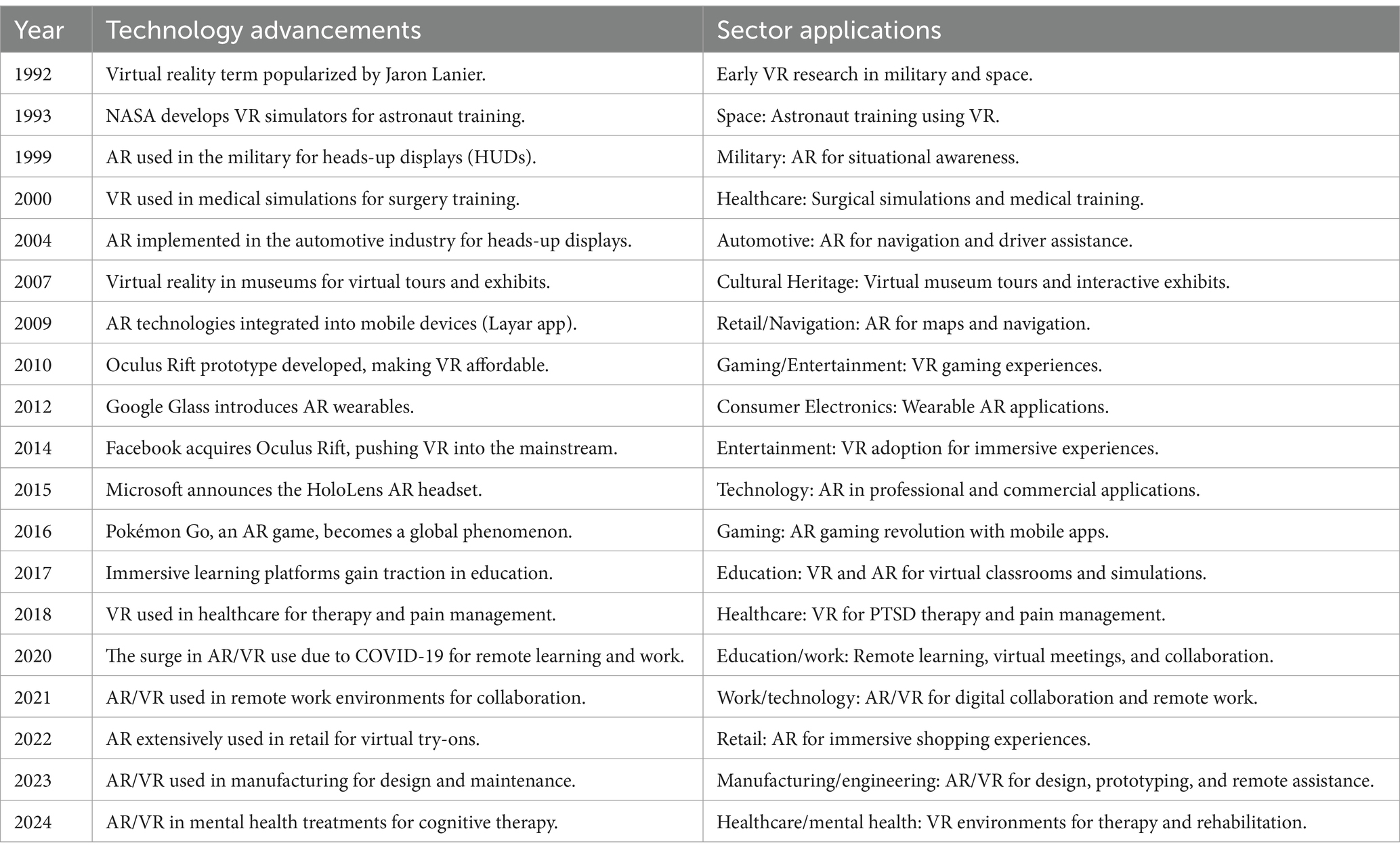
Table 2. Timeline of AR/VR across various sectors.
5 Challenges and limitations
The following is a concise overview of the difficulties involved in implementing immersive technologies (Chai and Kong, 2017) across several fields:
i. Integration and interoperability: smooth integration with current technologies and systems.
ii. Data security and privacy: making sure that private information gathered via immersive technologies is secure.
iii. Cost and complexity: both implementation and upkeep are expensive and complex.
iv. Training and skill deficits: Insufficient number of experts in immersive technology and related fields.
v. Acceptance and user experience: the impact of potential discomfort, motion sickness, or disorientation on user experience and acceptance is a matter of concern.
vi. Regulatory compliance: respecting changing rules, particularly in heavily regulated industries, is known as regulatory compliance.
vii. Content creation and maintenance: for immersive experiences, resource-intensive content creation and maintenance are needed.
viii. Network infrastructure: current network infrastructures are being challenged by the increasing demands for high bandwidth and low latency.
ix. Ethics: addiction, psychological effects, and biased algorithms are among the ethical issues to be considered.
x. Accessibility: making immersive experiences accessible to users with disabilities.
Within the fields of AI and ML, the difficulties in incorporating immersive technologies stem from the requirement for smooth interoperability and the possible lack of experts in both ML/AI and immersive technologies. The sensitive nature of the data that are frequently processed makes ensuring data security and privacy even more important. Obstacles include implementation costs and complexity as well as the requirement for ongoing training initiatives. The two challenges in cybersecurity are protecting immersive technologies and the sensitive data they handle. Because of the complexity of the regulatory environment, compliance efforts must be in line with changing standards. User experience is critical in retail, and for immersive experiences to be widely accepted, it is imperative to address any potential discomfort or confusion. The automotive sector must deal with issues with network infrastructure and guarantee accessibility for cars with immersive technology. In the field of education, producing content for immersive learning environments requires a lot of resources, and ethical considerations must always come first. Integrating immersion technology in healthcare requires strict adherence to standards, with heightened ethical considerations due to its impact on human welfare. Each field faces these obstacles differently, necessitating specialized approaches and collaboration for successful integration.
6 Conclusion
Bibliometric analysis is a tool that enables academics to understand the present status of research on a certain subject, as well as its patterns, which is particularly helpful for deciding on future research directions. This study revealed that the volume of articles published on technology has grown significantly during the past few years. The United States holds the first position for publishing the most articles on this topic among all nations. In terms of the subjects, a wide range of articles are written in the field of computer science. This technology is spreading to almost every domain. Therefore, more research is required to add to the limited body of literature on this topic. In addition, it would be advantageous to foster international research collaborations. As a result, this emerging area of study, driven by the adoption of new technology, is expected to become a well-established area of study in the coming years. The SLR reveals various fields with respect to immersive technologies and the parameters associated with them. In addition, it discusses various tools and techniques, along with limitations, key findings, and challenges.
Data availability statement
The original contributions presented in the study are included in the article/supplementary material, further inquiries can be directed to the corresponding authors.
Author contributions
SA: Conceptualization, Data curation, Investigation, Software, Writing – original draft, Writing – review & editing. SJ: Conceptualization, Data curation, Investigation, Methodology, Software, Supervision, Writing – original draft, Writing – review & editing. YG: Conceptualization, Data curation, Formal analysis, Funding acquisition, Investigation, Methodology, Project administration, Resources, Validation, Visualization, Writing – original draft, Writing – review & editing. BS: Conceptualization, Data curation, Formal analysis, Investigation, Methodology, Supervision, Validation, Writing – original draft, Writing – review & editing. GS: Conceptualization, Data curation, Investigation, Methodology, Writing – review & editing. CO: Conceptualization, Data curation, Methodology, Writing – review & editing.
Funding
The author(s) declare financial support was received for the research, authorship, and/or publication of this article. This work was supported by the Deanship of Scientific Research, the Vice Presidency for Graduate Studies and Scientific Research, King Faisal University, Saudi Arabia under the project KFU242833.
Conflict of interest
The authors declare that the research was conducted in the absence of any commercial or financial relationships that could be construed as a potential conflict of interest.
Publisher’s note
All claims expressed in this article are solely those of the authors and do not necessarily represent those of their affiliated organizations, or those of the publisher, the editors and the reviewers. Any product that may be evaluated in this article, or claim that may be made by its manufacturer, is not guaranteed or endorsed by the publisher.
References
Aloqaily, M., Bouachir, O., and Karray, F. (2023). “Digital twin for healthcare immersive services: fundamentals, architectures, and open issues” in Digital twin for healthcare (United States: Academic Press), 39–71.
Alzahrani, N. M., and Alfouzan, F. A. (2022). Augmented reality (AR) and cyber-security for smart cities—a systematic literature review. Sensors 22:2792. doi: 10.3390/s22072792
Baashar, Y., Alkawsi, G., Wan Ahmad, W. N., Alomari, M. A., Alhussian, H., and Tiong, S. K. (2023). Towards wearable augmented reality in healthcare: a comparative survey and analysis of head-mounted displays. Int. J. Environ. Res. Public Health 20:3940. doi: 10.3390/ijerph20053940
Borges, M., Symington, A., Coltin, B., Smith, T., and Ventura, R. (2018). HTC vive: analysis and accuracy improvement. IEEE Int. Conf. Intell. Robot. Syst., 2610–2615. doi: 10.1109/IROS.2018.8593707
Bustamante, A., Belmonte, L. M., Morales, R., Pereira, A., and Fernández-Caballero, A. (2022). Video processing from a virtual unmanned aerial vehicle: comparing two approaches to using OpenCV in Unity. Appl. Sci. 12, 1–17. doi: 10.3390/app12125958
Chai, C. S., and Kong, S. C. (2017). Professional learning for 21st century education. J. Comput. Educ. 4, 1–4. doi: 10.1007/s40692-016-0069-y
Chong, H. T., Lim, C. K., Rafi, A., Tan, K. L., and Mokhtar, M. (2022). Comprehensive systematic review on virtual reality for cultural heritage practices: coherent taxonomy and motivations. Multimedia Systems 28, 711–726. doi: 10.1007/s00530-021-00869-4
Cisternino, D., Corchia, L., Luca, V. D., Gatto, C., Liaci, S., Scrivano, L., et al. (2021). Augmented reality applications to support the promotion of cultural heritage. J. Comput. Cult. Herit. 14, 1–30. doi: 10.1145/3460657
Clark, A. C., “Augmented reality research in education: A bibliometric study,” vol. 15. EURASIA Journal of Mathematics, Science and Technology Education (2019).
Costanza, E., Kunz, A., and Fjeld, M. (2009). Mixed reality: a survey. Lect. Notes Comput. Sci. 5440, 47–68. doi: 10.1007/978-3-642-00437-7_3
Dahalan, F., Alias, N., and Shaharom, M. S. N. (2024). Gamification and game based learning for vocational education and training: a systematic literature review. Educ. Inf. Technol. 29, 1279–1317. doi: 10.1007/s10639-022-11548-w
Daling, L. M., and Schlittmeier, S. J. (2024). Effects of augmented reality-, virtual reality-, and mixed reality–based training on objective performance measures and subjective evaluations in manual assembly tasks: a scoping review. Hum. Factors 66, 589–626. doi: 10.1177/00187208221105135
De Moraes Rossetto, A. G., Martins, T. C., Silva, L. A., Leithardt, D. R., Bermejo-Gil, B. M., and Leithardt, V. R. (2023). An analysis of the use of augmented reality and virtual reality as educational resources. Comput. Appl. Eng. Educ. 31, 1761–1775. doi: 10.1002/cae.22671
Faiz, T., Tsun, M. T. K., Mahmud, A. A., and Sim, K. Y. (2024). A scoping review on Hazard recognition and prevention using augmented and virtual reality. Computers 13:307. doi: 10.3390/computers13120307
Ghasemi, Y., Jeong, H., Choi, S. H., Park, K. B., and Lee, J. Y. (2022). Deep learning-based object detection in augmented reality: a systematic review. Comput. Ind. 139:103661. doi: 10.1016/j.compind.2022.103661
Handa, M., Aul, E. G., and Bajaj, S. (2012). Immersive technology – uses, challenges and opportunities. Int. J. Comput. Bus. Res. 6, 2229–6166.
Jo, D., and Kim, G. J. (2019). AR enabled IoT for a smart and interactive environment: a survey and future directions. Sensors 19:4330. doi: 10.3390/s19194330
Kaneda, A., Nakagawa, T., Tamura, K., Noshita, K., and Nakao, H. (2022). A proposal of a new automated method for SfM/MVS 3D reconstruction through comparisons of 3D data by SfM/MVS and handheld laser scanners. PLoS One 17, e0270660–e0270614. doi: 10.1371/journal.pone.0270660
Kucera, E., Haffner, O., and Kozak, S., “Connection between 3D engine unity and microcontroller arduino: A virtual smart house,” Proc. 29th Int. Conf. Cybern. Informatics, K I (2018), pp. 1–8
Kumar, A., and Mantri, A. (2022). Evaluating ARITE system usability for rendering hands-on experience to engineering undergraduates. ECS Trans. 107, 4601–4608. doi: 10.1149/10701.4601ecst
Kumar, A., Mantri, A., and Dutta, R. (2019). Development of an augmented reality-based scaffold to improve the learning experience of engineering students in embedded system course. Comput. Appl. Eng. Educ. 29, 244–257. doi: 10.1002/cae.22245
Liu, Z., Zhu, Z., Jiang, E., Huang, F., Villanueva, A. M., Qian, X., et al., (2023). InstruMentAR: auto-generation of augmented reality tutorials for operating digital instruments through recording embodied demonstration. In Proceedings of the 2023 CHI Conference on Human Factors in Computing Systems (pp. 1–17).
Manjrekar, S., Sandilya, S., Bhosale, D., Kanchi, S., Pitkar, A., and Gondhalekar, M., “CAVE: an emerging immersive technology -a review,” Proc. - UKSim-AMSS 16th Int. Conf. Comput. Model. Simulation, UKSim (2014), pp. 131–136
Okanovic, V., Ivkovic-Kihic, I., Boskovic, D., Mijatovic, B., Prazina, I., Skaljo, E., et al. (2022). Interaction in eXtended reality applications for cultural heritage. Appl. Sci. 12, 1–16. doi: 10.3390/app12031241
Papoutsi, C., Drigas, A., and Skianis, C. (2021). Virtual and augmented reality for developing emotional intelligence skills. Int. J. Recent Contrib. Eng. Sci. 9, 35–53.
Phon, D. N. Eh, Ali, M. B., and Halim, N. D. A., “Collaborative augmented reality in education: a review,” Proc. - 2014 Int. Conf. Teach. Learn. Comput. Eng. LATICE 2014, pp. 78–83, (2014)
Ramasamy Ramamurthy, S., and Roy, N. (2018). Recent trends in machine learning for human activity recognition—a survey. Wiley Interdiscip. Rev. 8:e1254.
Rejeb, A., Rejeb, K., and Treiblmaier, H. (2023). How augmented reality impacts retail marketing: a state-of-the-art review from a consumer perspective. J. Strateg. Mark. 31, 718–748. doi: 10.1080/0965254X.2021.1972439
Rokhsaritalemi, S., Sadeghi-Niaraki, A., and Choi, S. M. (2020). A review on mixed reality: current trends, challenges and prospects. Appl. Sci. 10, 1–26. doi: 10.3390/app10020636
Rolland, J. (2019). Display systems: head-mounted. Encycl. Opt. Photonic Eng. Second Ed., 1–13. doi: 10.1081/e-eoe2-120009801
Sahu, C. K., Young, C., and Rai, R. (2021). Artificial intelligence (AI) in augmented reality (AR)-assisted manufacturing applications: a review. Int. J. Prod. Res. 59, 4903–4959. doi: 10.1080/00207543.2020.1859636
Sharples, S., Cobb, S., Moody, A., and Wilson, J. R. (2008). Virtual reality induced symptoms and effects (VRISE): comparison of head mounted display (HMD), desktop and projection display systems. Displays 29, 58–69. doi: 10.1016/j.displa.2007.09.005
Silva, M. D. S. T., De Oliveira, V. M., and Correia, S. É. N. (2022). Scientific mapping in Scopus with Biblioshiny: a bibliometric analysis of organizational tensions. Context. – Rev. Contemp. Econ. e Gestão 20, 54–71. doi: 10.19094/contextus.2022.72151
Srisusilawati, P., Rusydiana, A. S., Sanrego, Y. D., and Tubastuvi, N. (2021). Biblioshiny R application on Islamic microfinance research. Libr. Philos. Pract. 2021, 1–24.
Tao, Y., Coltey, E., Wang, T., Alonso, M., Shyu, M. L., Chen, S. C., et al., (2020). Confidence estimation using machine learning in immersive learning environments. In 2020 IEEE conference on multimedia information processing and retrieval (MIPR) (pp. 247–252).
Torres Vega, M., Liaskos, C., Abadal, S., Papapetrou, E., Jain, A., Mouhouche, B., et al. (2020). Immersive interconnected virtual and augmented reality: a 5G and IoT perspective. J. Netw. Syst. Manag. 28, 796–826. doi: 10.1007/s10922-020-09545-w
Tuli, N., and Mantri, A. (2020). ScienceDirect ScienceDirect experience Fleming’ s rule in electromagnetism using augmented reality: analyzing impact on students learning. Procedia Comput. Sci. 172, 660–668. doi: 10.1016/j.procs.2020.05.086
Turan, Z., and Karabey, S. C. (2023). The use of immersive technologies in distance education: a systematic review. Educ. Inf. Technol. 28, 16041–16064. doi: 10.1007/s10639-023-11849-8
Varun, C. M., Kumar, R. A., Gokila, E., Gayathri, S., Nalini, M., and Subramanian, R. S. (2024). Virtual Frontiers navigating the impact and potential of AR and VR. In 2024 2nd international conference on self sustainable artificial intelligence systems (ICSSAS) (pp. 1559–1565).
Wang, S., Mao, Z., Zeng, C., Gong, H., Li, S., and Chen, B., “A new method of virtual reality based on unity3D,” 2010 18th Int. Conf. Geoinformatics, Geoinformatics, (2010)
Keywords: augmented reality, virtual reality, mixed reality, bibliometric analysis, interaction, immersion, quality education
Citation: Angra S, Jangra S, Gulzar Y, Sharma B, Singh G and Onn CW (2025) Twenty-two years of advancements in augmented and virtual reality: a bibliometric and systematic review. Front. Comput. Sci. 7:1470038. doi: 10.3389/fcomp.2025.1470038
Edited by:
Amita Nandal, Manipal University Jaipur, IndiaReviewed by:
Osvaldo Gervasi, University of Perugia, ItalySiddhartha Chauhan, National Institute of Technology, Hamirpur, India
Copyright © 2025 Angra, Jangra, Gulzar, Sharma, Singh and Onn. This is an open-access article distributed under the terms of the Creative Commons Attribution License (CC BY). The use, distribution or reproduction in other forums is permitted, provided the original author(s) and the copyright owner(s) are credited and that the original publication in this journal is cited, in accordance with accepted academic practice. No use, distribution or reproduction is permitted which does not comply with these terms.
*Correspondence: Yonis Gulzar, eWd1bHphckBrZnUuZWR1LnNh; Bhanu Sharma, YmhhbnUuc2hhcm1hQGNoaXRrYXJhLmVkdS5pbg==