 Lu Zhang1,2†
 Hongcai Zhang2†Quan Xie2†
 Shuai Xiong1Fengchen Jin1Fan Zhou3Hongjun Zhou1Jinhong Guo1Chuanbiao Wen1Biao Huang4*Fei Yang2*Yuanwei Dong2*
 Ke Xu5*
- 1Chengdu University of Traditional Chinese Medicine, Chengdu, China
- 2Hospital of Chengdu University of Traditional Chinese Medicine, Chengdu, China
- 3North Sichuan Medical College, Nanchong, China
- 4Affiliated Hospital of Jiangxi University of Traditional Chinese Medicine, Nanchang, China
- 5Department of Oncology, Chongqing General Hospital, Chongqing, China
Background and objectives: Diabetes mellitus is a serious metabolic disease that causes a serious economic burden worldwide. Gut flora is a major component of diabetes research, and the aim of this study was to understand the trends and major components of research related to diabetes and gut flora in the last 11 years.
Methods: We searched the Web of Science Core Collection database for articles on diabetes and gut flora related research from 2011-2021 on July 2, 2022. The literature data were analyzed for country, institution, author, steward, journal, and highly cited literature using Citespace.5.8.R3 and Vosviewer1.6.17.
Results: Finally 4834 articles that met the requirements were included. The overall trend of articles published in the last 11 years is increasing, and the trend of articles published after 2019 is increasing significantly. In total, 109 countries, 4820 institutions, and 23365 authors were involved in the field of research. The highest number of publications was 1262 articles from the United States, the institution with the most publications was the University of Copenhagen with 134 articles, and the author with the most publications was PATRICE D CANI with 52 articles.
Conclusion: The number of studies related to diabetes and intestinal flora is increasing and more and more researchers are involved in this field. Intestinal flora provides a key research direction for the treatment of diabetes. In the future, gut flora will remain the focus of the diabetes field.
Introduction
Chronic hyperglycemia is the primary symptom of diabetes mellitus, which is a broad name for a diverse metabolic condition of the body’s sugars. Currently, diabetes affects more than 425 million individuals globally (1). Type 1 diabetes, type 2 diabetes, and gestational diabetes are the three primary categories of diabetes (2). The greatest microbial system in the body is the flora of the intestines. Diabetes may result from changes in gut flora (3). One important aspect of human health is the kind of bacteria in the gut (4). Human health depends on the gut’s bacteria maintaining equilibrium (5). Individuals with diabetes have significantly different gut flora from healthy people (6). It is unclear how gut flora dysbiosis results in diabetes. It could be connected to the theories of fatty acids, bile acids, and endotoxins. For the prevention of diabetes, the research of diabetes based on gut flora is crucial.
Through statistical techniques, bibliometric analysis enables the quantitative investigation of trends in a topic (7). The method has been created and used in a variety of industries, including climate change (8), architecture (9), and. biology (10). There is, however, no bibliometric study of research on the relationship between gut flora and diabetes. Through a bibliometric examination of trends in research on diabetes and intestinal flora from 2011 to 2021, the goal of this study was to determine research priorities in this area. The study’s findings offer several research resources.
Materials and methods
Data source
The original data for this study were obtained from the Web of Science Core Collection database and were published from 2011-01-01 to 2021-12-31. article type was restricted to Article and Review only. 2 researchers conducted the search process independently, with the search formula: Topic=(“ diabetes mellitus” or “diabete*” or “diabetic*” or “diabetic mellitus”) AND Topic=(“gastrointestinal microbiome*” or “gut microbiome*” or “gut microflora” or “gut microbiota*” or “gastrointestinal flora” or “gut flora” or “gastrointestinal microbiota*” or “gastrointestinal microbial communit*” or “gastrointestinal microflora” or “gastric microbiome* “ or “intestinal microbiome*” or “intestinal microbiota*” or “ intestinal flora”). The search date was July 2, 2022, and the language was limited to: English. Excluding 350 non-compliant articles, 4834 valid articles were finally obtained as shown in Figure 1.
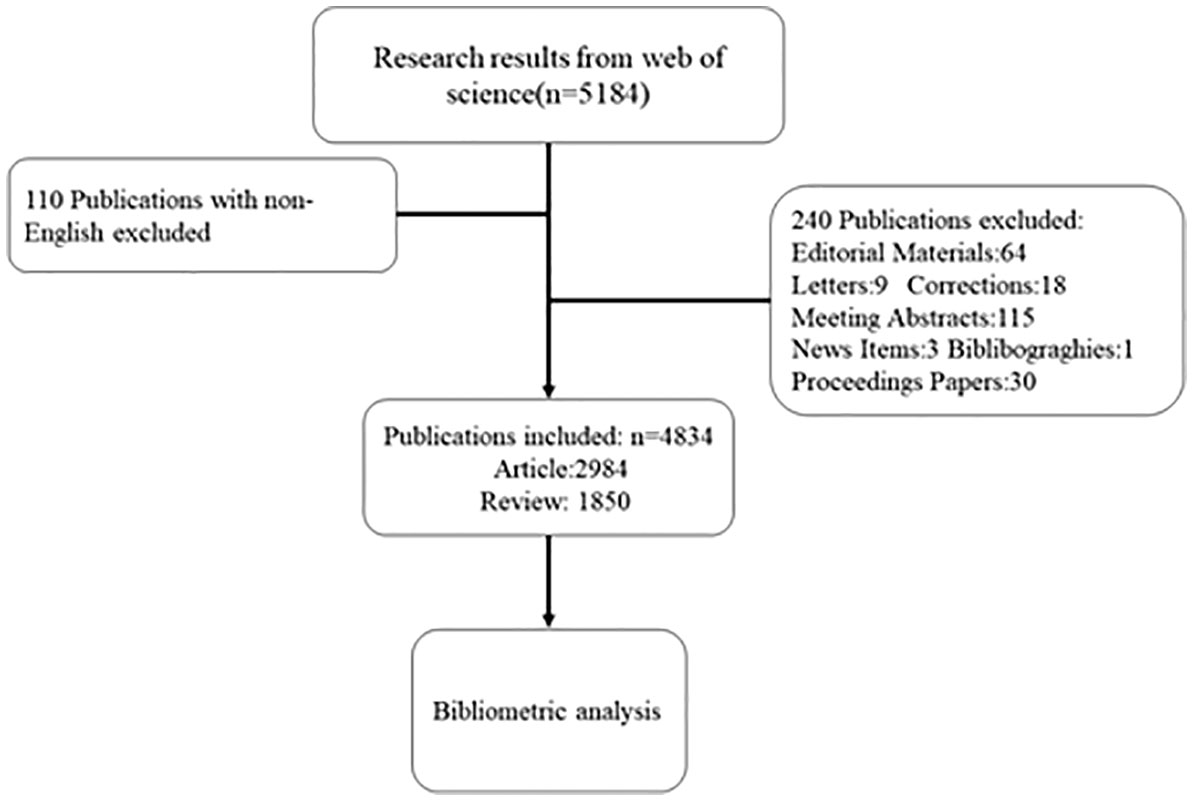
Figure 1 Retrieval process flowchart for the research.
Statistics and analysis
Choose the relevant, legitimate literature for the research and export it in the download* plain text format. To extract the year, nation, author, and keywords of the articles, import the raw data files into Citespace.5.8.R3. Then, use Microsoft Office Excel 2021 to count the years since publication and generate a table. Vosviewer 1.6.17 creates visual graphs while analyzing the raw literary data for journals and highly cited articles.
Results
Annual publication analysis
We used 4834 papers on diabetic gut flora research from 2011 to 2021 for this investigation. Figure 2 illustrates the general upward trend in the number of papers on diabetic gut flora and the continued interest in this field of study. In 2017, there were more than 500 articles, while in 2021 there were a record-high 1107 pieces. Currently, research on the relationship between gut flora and diabetes is increasingly popular.
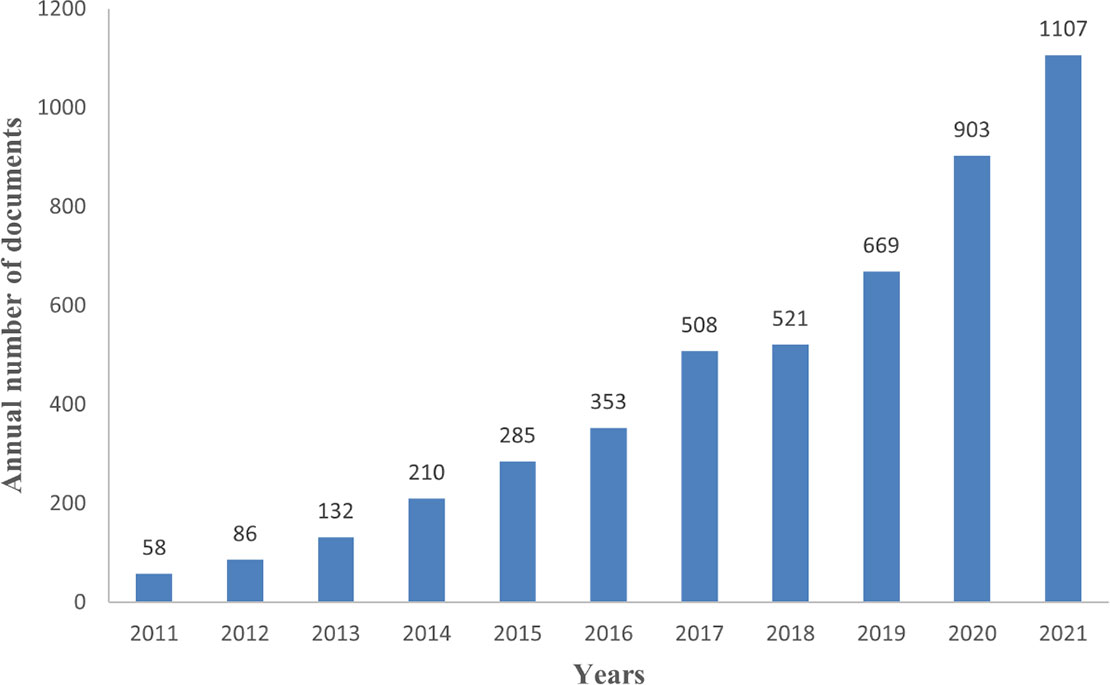
Figure 2 Trends in posting volume annually.
Country/region analysis
The numbers show that from 2011 to 2021, research on gut flora and diabetes would be conducted in 109 different nations. Table 1 lists the top 10 nations by the number of articles produced, with the United States ranking first with 1262. China and the United States are the two nations with more than 1000 articles each. Australia, Canada, France, Italy, and the United Kingdom are among the nations having 200 to 300 pieces each. Japan, Germany, and Spain are among the nations having less than 200 articles. The top 10 countries in Europe are Italy, the United Kingdom, France, Germany, and Spain with 1137 articles each, while the top 10 countries in Asia are the United States, Australia, and Japan with 1568 articles each. The top two countries in the Americas are the United States and Canada with 1505 articles each. The country’s capacity for cooperation increases with centrality.
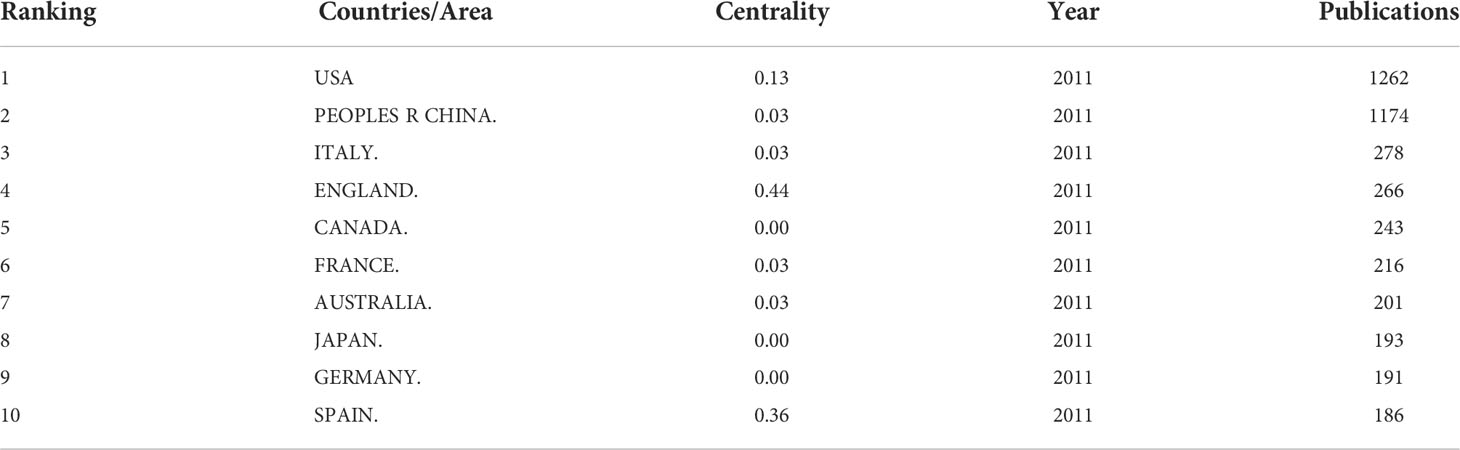
Table 1 Top 10 countries/regions with the most publications.
Analysis of major issuing institutions
Between 2011 and 2021, 4820 institutions were identified as participating in research on gut flora and diabetes. Figure 3 depicts the collaboration partnerships between institutions that have more than 30 papers. University of Florida, Yale University, and University of Illinois are 3 universities with which Baylor College of Medicine has partnerships. Both the University of Helsinki and the University of Amsterdam work together. Shanghai Jiao Tong University and the Chinese Academy of Sciences collaborate with the University of Chinese Academy of Sciences. The top 10 institutions with the most publications are listed in Table 2, with the University of Copenhagen coming in first with 134, followed by the Universities of Gothenburg and Helsinki. The University of Helsinki has the highest centrality (0.23), making it the most collaborative university.
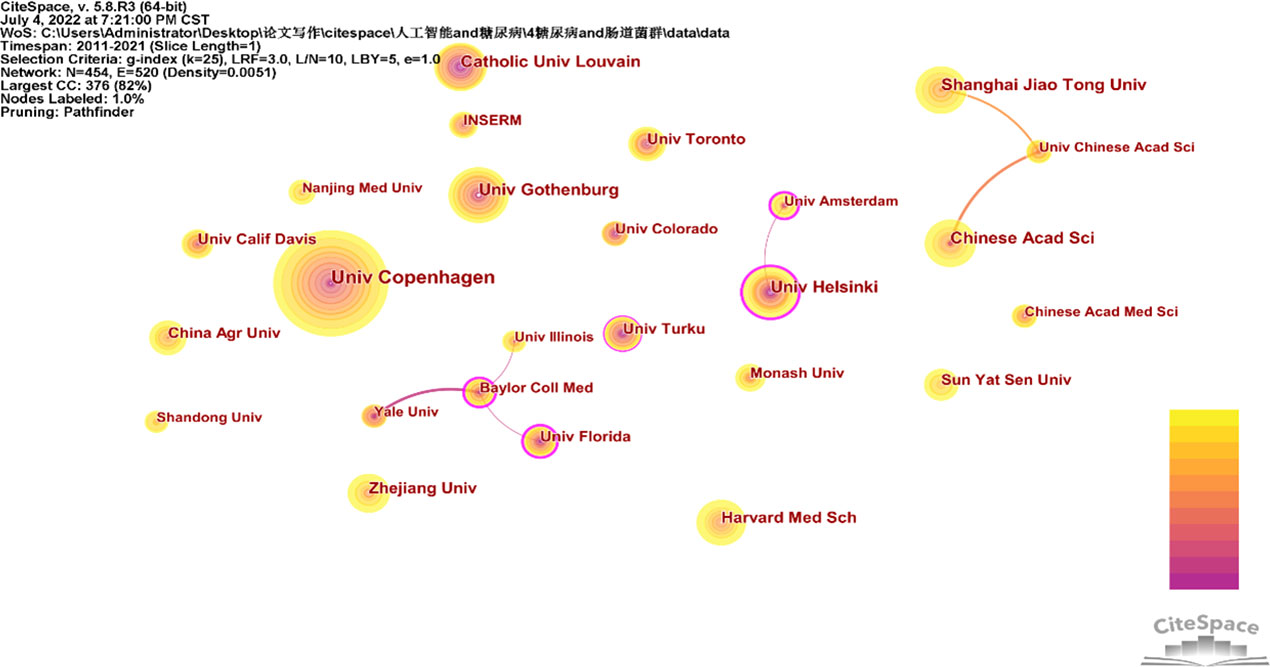
Figure 3 Cooperation network between major institutions.
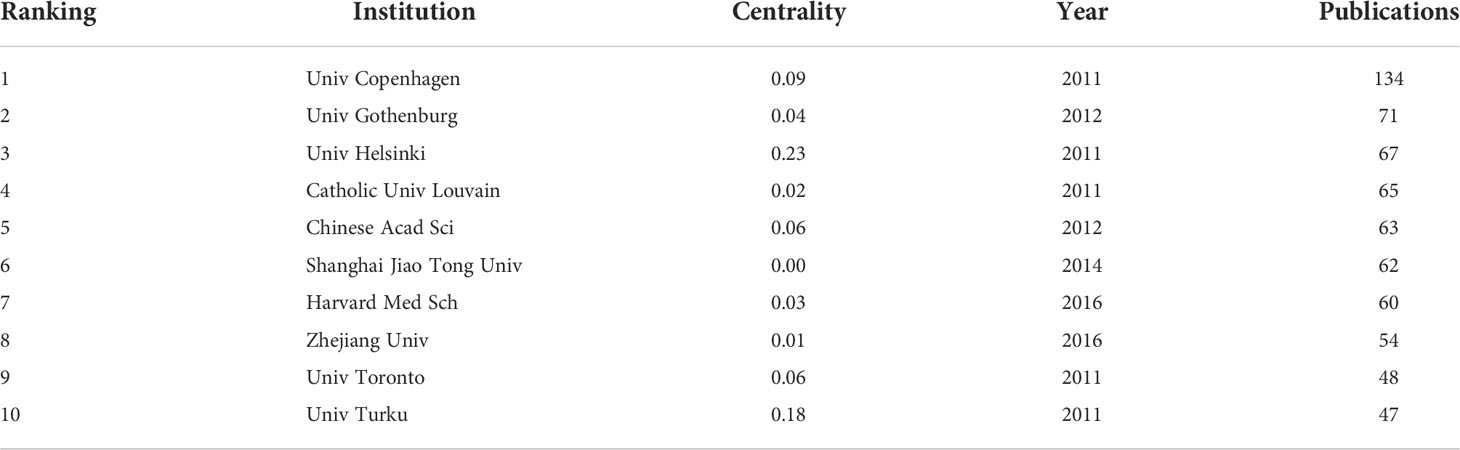
Table 2 Top 10 institutions contributing to the number of articles.
Main author contributions
Figure 4 depicts the network of cooperation between authors who have written 10 or more publications, and there are 23365 authors of research on diabetes and intestinal flora from 2011 to 2021. Along with LI WEN and F SUSAN WONG, PATRICE D CANI and AMANDINE EVERARD have also worked together. MAX NIEUWDORP and FREDRIK BACKHED have also cooperated. With 52 papers, PATRICE D CANI is rated first among the 10 authors in Table 3 who have the most publications in this area. The centrality of ten writers is low, with Fredrik Backhed having the highest centrality (0.07).
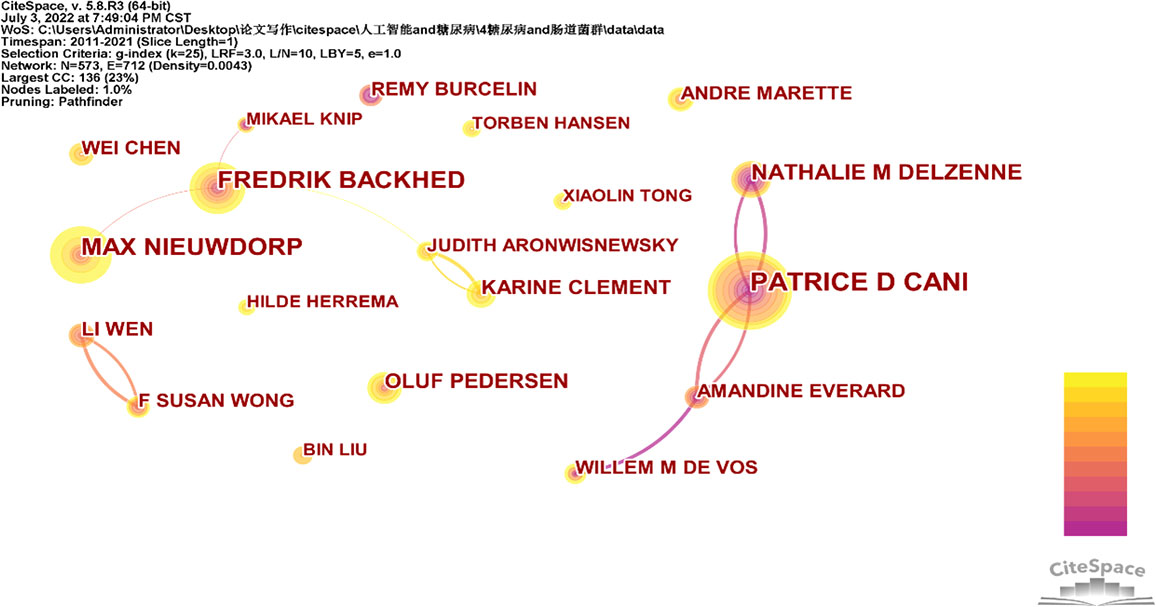
Figure 4 Collaboration between eminent article writers.
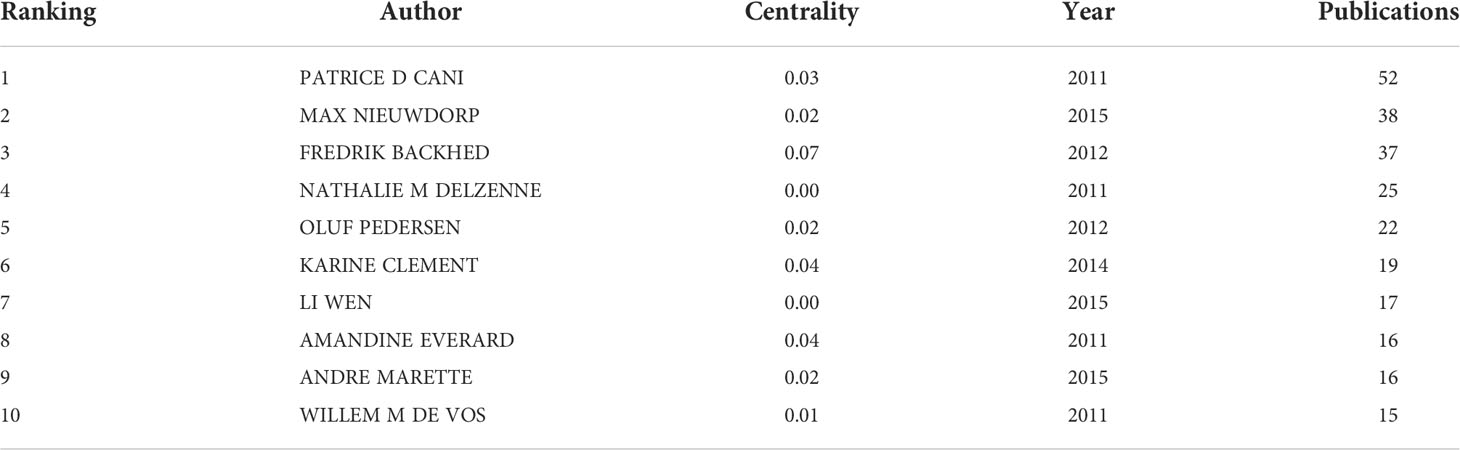
Table 3 Top 10 authors with the highest number of articles.
Keywords analysis
The 4834 articles included in this analysis had 6698 keywords, and Table 4 lists the top 20 terms with the highest frequencies. In terms of frequency, the phrase “gut microbiota” came in first place with a score of 1492, followed by the words “insulin resistance” and “fat.” The co-occurrence network of terms with a frequency exceeding 200 is displayed in Figure 5. Figure 6 displays the top 50 terms in this field with the most intense outbreaks. Keywords like “diet-induced obesity” and “regulatory t cell” have outbreak intensities exceeding 10. Keywords like “pathway,” “polysaccharide,” “strain,” “oligosaccharide,” and “individual” have surfaced in the previous three years.
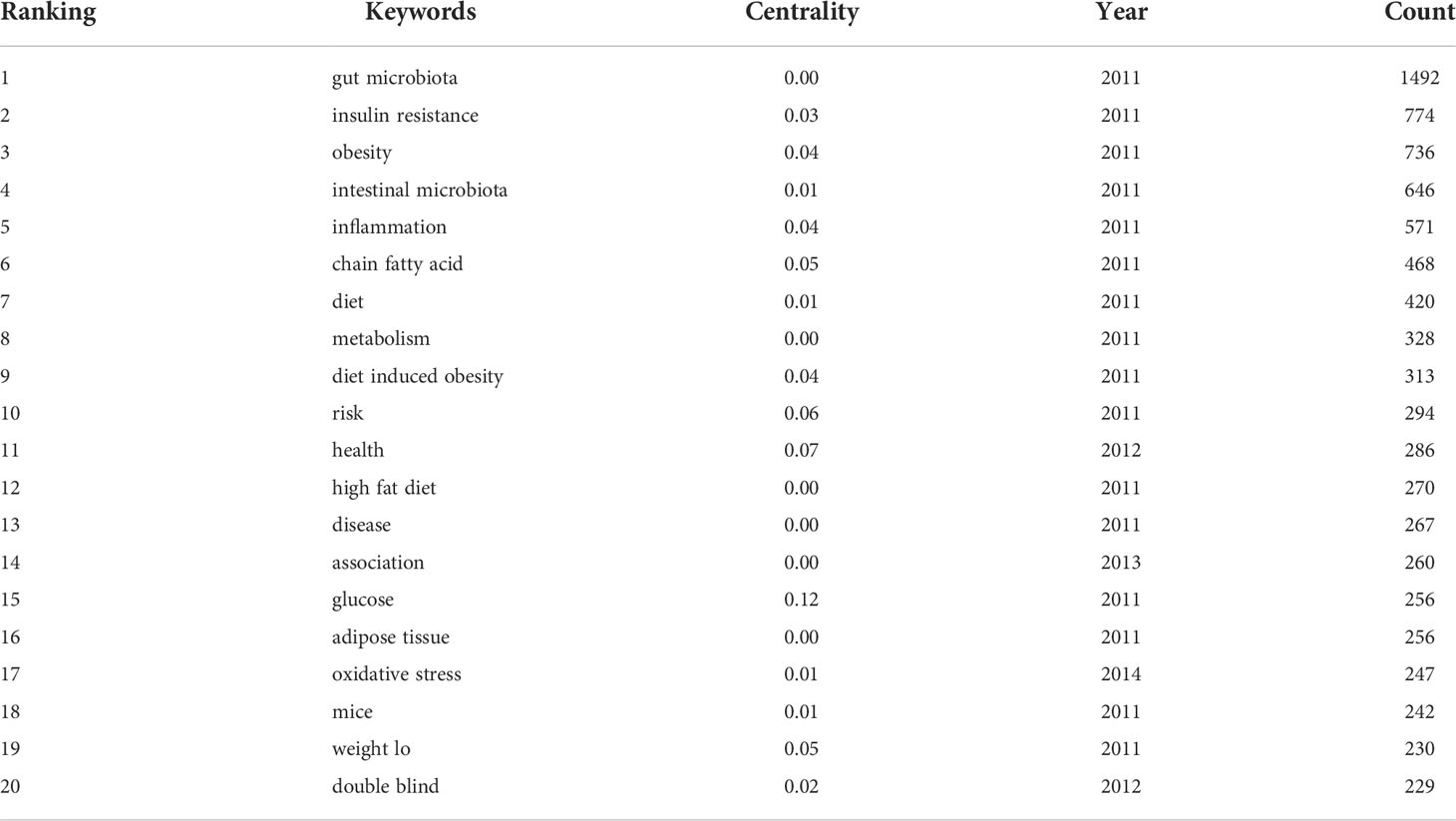
Table 4 The 20 keywords with the highest frequency.
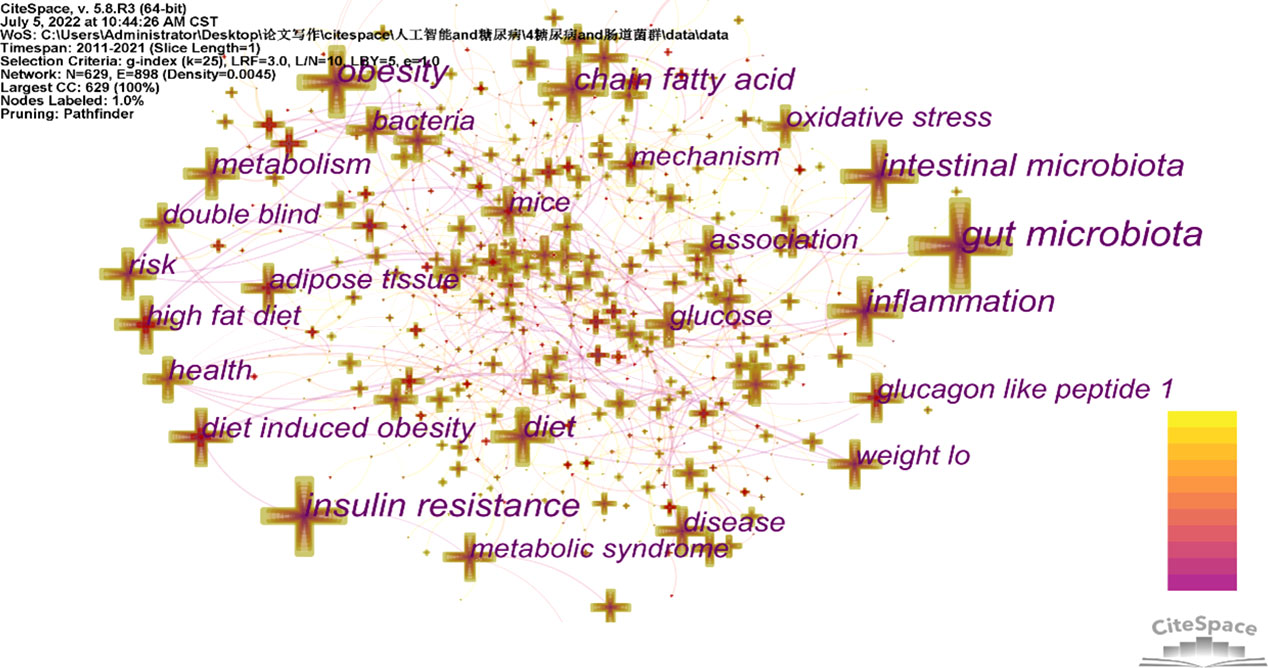
Figure 5 Visualization of keyword co-occurrence.
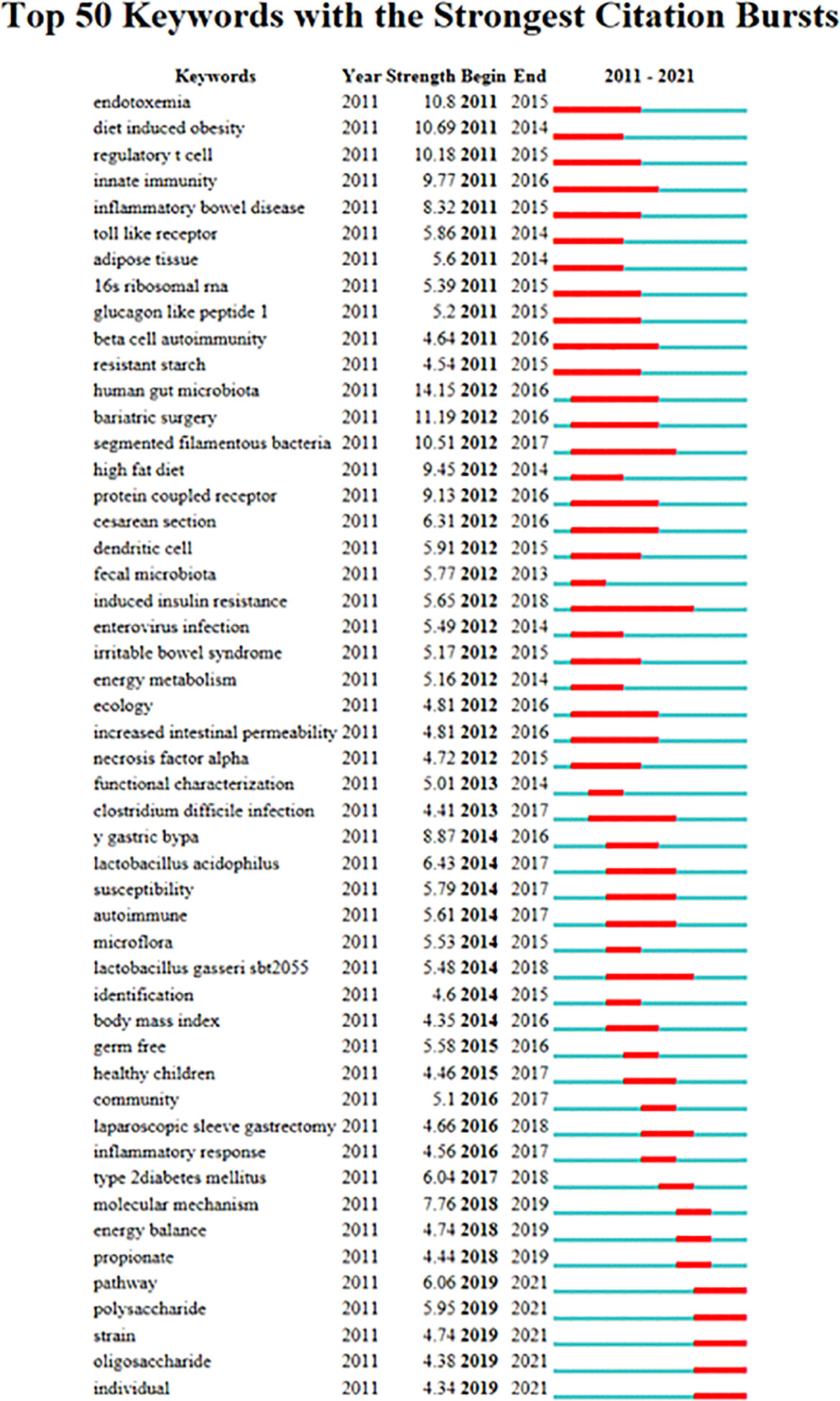
Figure 6 Visualization of Keyword Bursts.
Analysis of high-yielding journals
From 2011 to 2021, 4834 publications on research linked to gut flora and diabetes were published in 1256 journals, 40 of which contained at least 20 articles. Table 5 lists the ten journals with the most publications. Nutrients, plos One, and scientific reports are the journals with more than 100 articles each. Figure 7 depicts the link between the journals with the most articles and time, and the journals with active articles at the moment are international journal of molecular sciences, nutrition, diet & function, and frontiers in endocrinology.
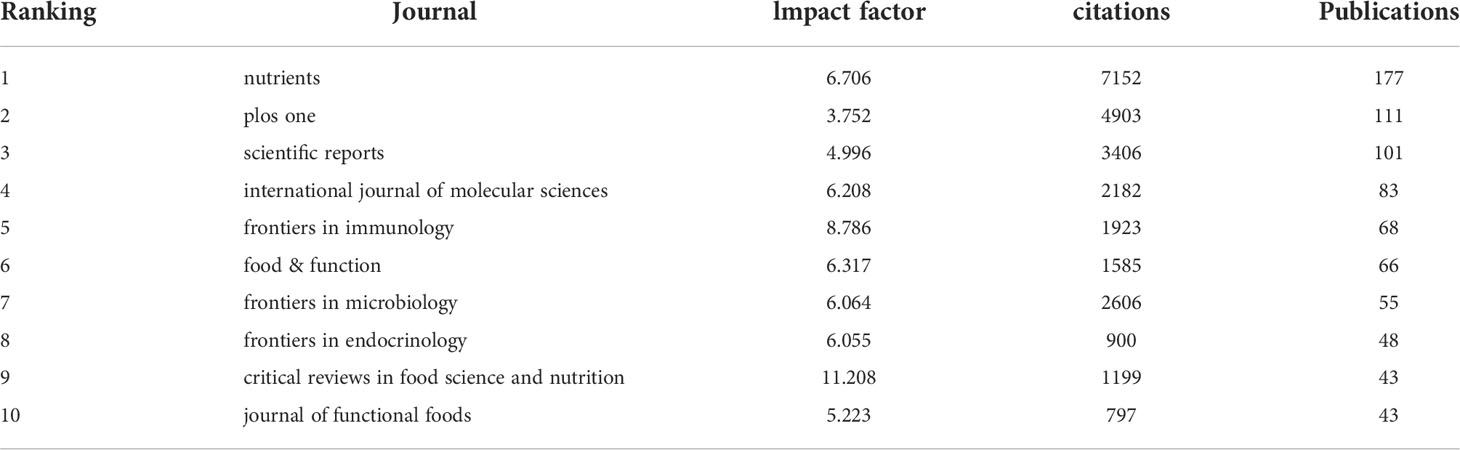
Table 5 Top 10 journals with the highest number of articles.
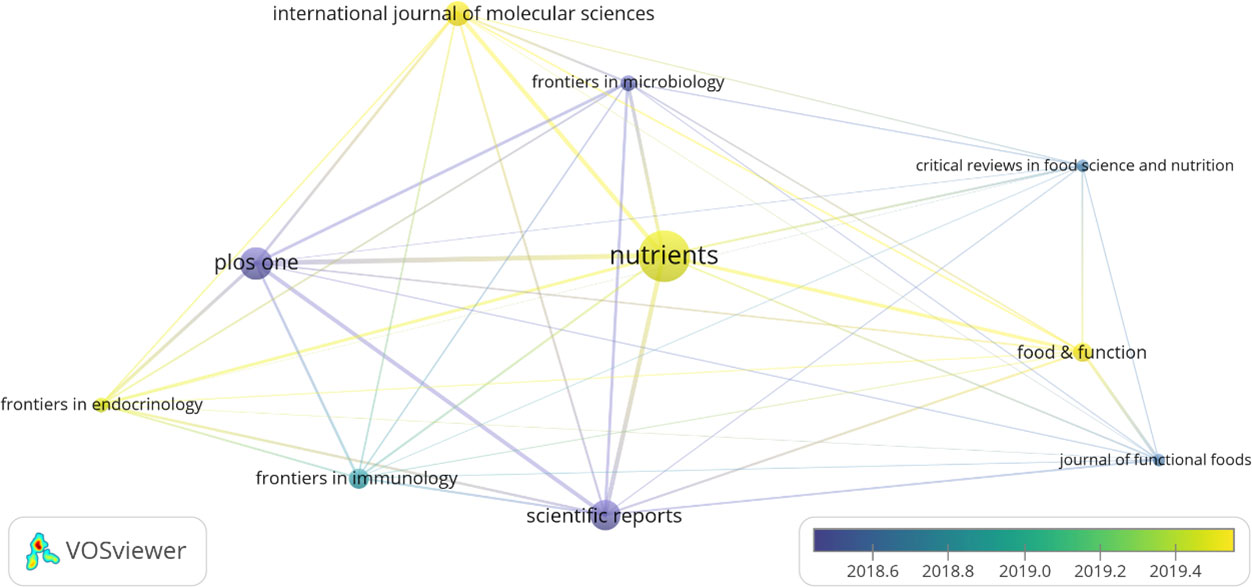
Figure 7 High-yielding journal visualization.
Analysis of highly cited literature
The ten articles with the most citations are included in Table 6, along with three papers that have received more than 2000 citations. Functional interactions between the gut microbiota and the gut microbiota in type 2 diabetes was reported by Tremaroli et al. (11) in Nature and has 3491 citations. “Functional interactions between the gut microbiota and host metabolism” was written by Everard et al. (12), and “Cross-talk between Akkermansia muciniphila and intestinal epithelium controls diet-induced obesity” was published in Proceedings of the National Academy of Sciences of the United States of America.
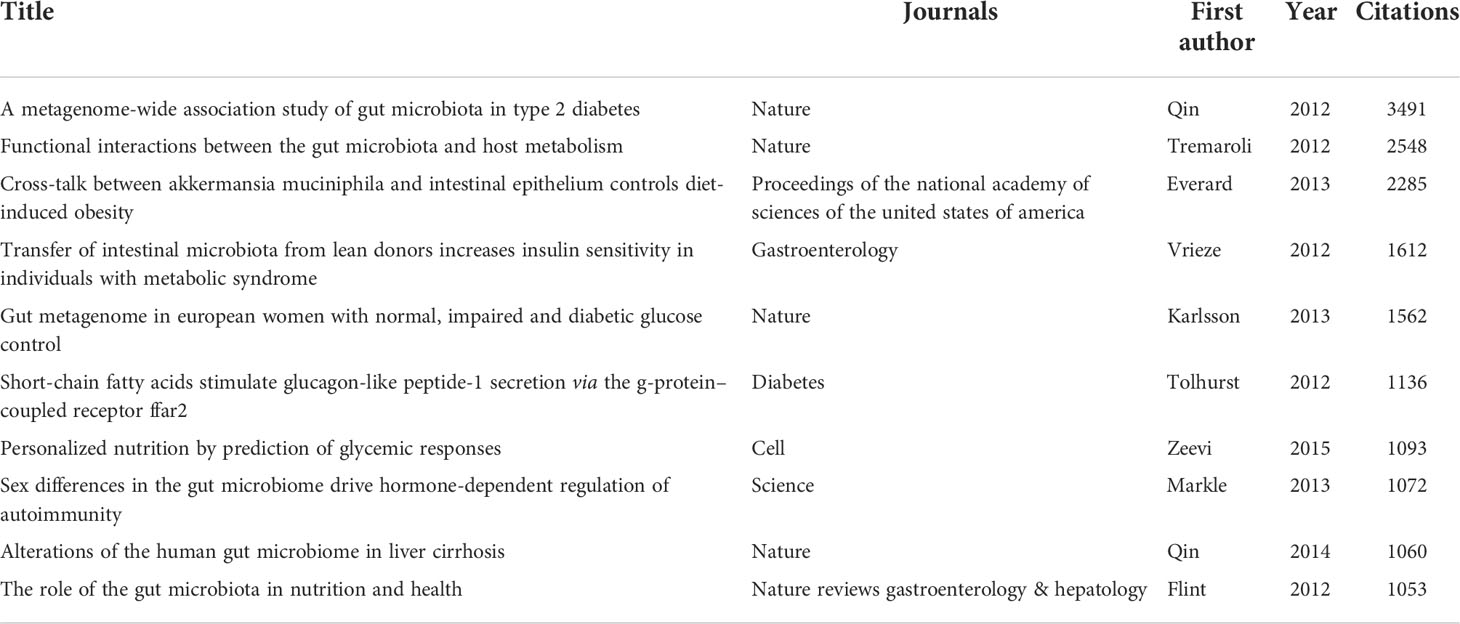
Table 6 10 highly cited literature.
Discussion
This work is the first bibliometric evaluation of research on diabetes and intestinal flora, offering crucial data on this field of study to upcoming researchers. From the Web of Science Core Collection database, 4834 articles were gathered.
We started by looking at the publishing trend. Between 2011 and 2021, more articles on diabetes and gut flora were published each year. After 2019, there was a noticeable surge in publications. This could be connected to the rise in research on gut flora and polysaccharides in diabetes (13). The rise in publications suggests that more scientists are working on projects involving gut flora and diabetes. In 2011, Everard et al. (14) conducted research on how gut flora control helps diabetic mice’s blood glucose levels.
The United States has published 1262 publications during the past 11 years, which is the most of any nation for research on diabetes and gut flora. The United States, which has the most developed economy in the world, also funds the most research on gut flora and diabetes. The University of Copenhagen, which is located in Copenhagen, the capital of Denmark, is the organization with the most publications. This facility has demonstrated that controlling gut flora can stop type 2 diabetes (15). Patricia D. Cani is the author with the most publications, and her research suggests that changes in gut flora may contribute to diabetic inflammation (16). Patients with prodromal diabetes have abnormalities in their gut flora (16). Dysosmobacter welbionis, a human commensal bacteria, was shown to be able to prevent diet-induced obesity and metabolic problems (17). Nutrients is the most widely read publication, with 177 articles on gut flora and diabetes. In type 1 diabetes, nutritional variables play a significant role in controlling the gut flora (18). In diabetic individuals, mung bean seed coat extract can modify the gut flora (19).
Short-chain fatty acids (SCFAs), organic fatty acids produced by bacterial fermentation of large fibrous material in the distal gut, may improve characteristics of type 2 diabetes (20). Their main beneficial activities lie in reducing serum glucose levels, insulin resistance and inflammation, and increasing protective glucagon-like peptide-1 (GLP-1) secretion.Liu et al. (21) investigated how proanthocyanidins may alter intestinal flora to improve insulin resistance in gestational diabetes, which is a crucial aspect of the research of intestinal flora in diabetes. Proanthocyanidins from peanut peels can control gut flora to reduce type 2 diabetes’s insulin resistance (22). Dietary changes that alter gut flora can reduce insulin resistance (23). In-demand right now is the subject of pathways. Wu et al. (24)’s study on the effects of rhubarb tea extract on metabolic syndrome found that it reduced adipogenesis and altered microbiota through the SIRT6/SREBP1 pathway. Urolithin A was investigated by xiao et al. (25) to treat intestinal barrier malfunction and cognitive impairment brought on by diabetes. Dioscorea and Cornus officinalis were found by chen et al. (26) to reduce testicular damage in diabetic rats via the butyric acid/glucagon-like peptide-1/glucagon-like peptide-1 receptor pathway, which is mediated by the intestinal microbiota. In recent years, polysaccharides have also played a significant role in research. Pumpkin polysaccharides can alter the flora in type 2 diabetics’ digestive tracts (27). In type 2 diabetes, ganoderma lucidum polysaccharides can control the flora in the gut (28). Polysaccharides increase the amount of Lactobacillus that controls the flora in the digestive tract (29). In addition, bariatric surgery affects the gut flora of diabetes patients (30, 31). There will be more information regarding diabetes and gut flora as research advances.
Strengths and limitations
The bibliometric evaluation of works on diabetes and intestinal flora is presented in this paper for the first time. Our bibliometric study was more thorough and clear than the literature review because we employed a systematic search and quantitative statistical analysis. Our study does have certain shortcomings, though. Although the great majority of articles are in the Web of Science Core Collection database, the information might not be full.
Conclusion
In this study, Citespace.5.8.R3 and Vosviewer1.6.17 were used to evaluate 4834 publications on studies relating diabetes and gut flora from 2011 to 2021. Over the past 11 years, research on diabetes and gut flora has grown, most significantly in the last 3 years. Research in this field is being conducted by 23365 authors in 109 nations and 4820 institutions. This bibliometric analysis serves as a resource for scholars.
Data availability statement
The original contributions presented in the study are included in the article/Supplementary Material. Further inquiries can be directed to the corresponding authors.
Author contributions
The data were compiled by SX and FJ, the manuscript was written by LZ, it was reviewed by HZ and FZ, and it was financially supported by FY, JG, YD, BH, and CW. KX, HZ, QX and FY revised the manuscript. All authors contributed to the article and approved the submitted version.
Funding
This research was funded by National Natural Science Foundation of China (82174236), Hospital of Chengdu University of Traditional Chinese Medicine (19PJ04), Sichuan Administration of Traditional Chinese Medicine (CKY2021106), Jiangxi Provincial Natural Science Foundation Youth Fund (20202BAL216065), Jiangxi Provincial Education Department Science Program (GJJ201259), Jiangxi Provincial Science and Technology Department (20212BAG70037), Sichuan Provincial Department of Science and Technology(2021YFS0268), Sichuan Provincial Department of Science and Technology (2022JDKP0082), Sichuan Provincial Department of Finance (CJJ2022055).
Acknowledgments
For supplying the original data for this work, we are grateful to the web of science core collection.
Conflict of interest
The authors declare that the research was conducted in the absence of any commercial or financial relationships that could be construed as a potential conflict of interest.
Publisher’s note
All claims expressed in this article are solely those of the authors and do not necessarily represent those of their affiliated organizations, or those of the publisher, the editors and the reviewers. Any product that may be evaluated in this article, or claim that may be made by its manufacturer, is not guaranteed or endorsed by the publisher.
Supplementary material
The Supplementary Material for this article can be found online at: https://www.frontiersin.org/articles/10.3389/fendo.2022.990133/full#supplementary-material
References
1. Eid S, Sas KM, Abcouwer SF, Feldman EL, Gardner TW, Pennathur S, et al. New insights into the mechanisms of diabetic complications: role of lipids and lipid metabolism. Diabetologia (2019) 62(9):1539–49. doi: 10.1007/s00125-019-4959-1
2. Solis-Herrera C, Triplitt C, Reasner C, DeFronzo RA, Cersosimo E. Classification of diabetes mellitus. In: Feingold KR, et al., editors. Endotext MDText.com, Inc (2018).
3. Ma QT, Li YQ, Li PF, Wang M, Wang JK, Tang ZY, et al. Research progress in the relationship between type 2 diabetes mellitus and intestinal flora. Biomed Pharmacother (2019) 117:109138. doi: 10.1016/j.biopha.2019.109138
4. Gilbert JA, Blaser MJ, Caporaso JG, Jansson JK, Lynch SV, Knight R. Current understanding of the human microbiome. Nat Med (2018) 24(4):392–400. doi: 10.1038/nm.4517
5. Zhao L. The gut microbiota and obesity: from correlation to causality. Nat Rev Microbiol (2013) 11(9):639–47. doi: 10.1038/nrmicro3089
6. Larsen N, Vogensen FK, van den Berg FW, Nielsen DS, Andreasen AS, Pedersen BK, et al. Gut microbiota in human adults with type 2 diabetes differs from non-diabetic adults. PloS One (2010) 5(2):e9085. doi: 10.1371/journal.pone.0009085
7. Ellegaard O, Wallin JA. The bibliometric analysis of scholarly production: How great is the impact? Scientometrics (2015) 105(3):1809–31. doi: 10.1007/s11192-015-1645-z
8. Milán-García JA-O, Caparrós-Martínez JL, Rueda-López N, de Pablo Valenciano J. Climate change-induced migration: A bibliometric review. Glob Health (2021) 17(1):74. doi: 10.1186/s12992-021-00722-3
9. Bellemo V, Lim ZW, Lim G, Nguyen QD, Xie YC, Yip MYT, et al. Artificial intelligence using deep learning to screen for referable and vision-threatening diabetic retinopathy in Africa: a clinical validation study. Lancet Digital Health (2019) 1(1):E35–44. doi: 10.1016/s2589-7500(19)30004-4
10. Yang G, Wu L. Trend in H2S biology and medicine research-a bibliometric analysis. Molecules (Basel Switzerland) (2017) 22(12):2087. doi: 10.3390/molecules22122087
11. Tremaroli V, Backhed F. Functional interactions between the gut microbiota and host metabolism. Nature (2012) 489(7415):242–9. doi: 10.1038/nature11552
12. Everard A, Belzer C, Geurts L, Ouwerkerk JP, Druart C, Bindels LB, et al. Cross-talk between akkermansia muciniphila and intestinal epithelium controls diet-induced obesity. Proc Natl Acad Sci USA (2013) 110(22):9066–71. doi: 10.1073/pnas.1219451110
13. Chen YQ, Liu D, Wang DY, Lai SS, Zhong RT, Liu YY, et al. Hypoglycemic activity and gut microbiota regulation of a novel polysaccharide from grifola frondosa in type 2 diabetic mice. Food Chem Toxicol (2019) 126:295–302. doi: 10.1016/j.fct.2019.02.034
14. Everard A, Lazarevic V, Derrien M, Girard M, Muccioli GM, Neyrinck AM, et al. Responses of gut microbiota and glucose and lipid metabolism to prebiotics in genetic obese and diet-induced leptin-resistant mice. Diabetes (2011) 60(11):2775–86. doi: 10.2337/db11-0227
15. Wu H, Tremaroli V, Schmidt C, Lundqvist A, Olsson LM, Kramer M, et al. The gut microbiota in prediabetes and diabetes: A population-based cross-sectional study. Cell Metab (2020) 32(3):379–+. doi: 10.1016/j.cmet.2020.06.011
16. Suriano F, Manca C, Flamand N, Depommier C, Van Hul M, Delzenne NM, et al. Exploring the endocannabinoidome in genetically obese (ob/ob) and diabetic (db/db) mice: Links with inflammation and gut microbiota. Biochim Et Biophys Acta Mol Cell Biol Lipids (2022) 1867(1):159056. doi: 10.1016/j.bbalip.2021.159056
17. Le Roy T, de Hase EM, Van Hul M, Paquot A, Pelicaen R, Regnier M, et al. Dysosmobacter welbionis is a newly isolated human commensal bacterium preventing diet-induced obesity and metabolic disorders in mice. Gut (2022) 71(3):534–43. doi: 10.1136/gutjnl-2020-323778
18. Winiarska-Mieczan A, Tomaszewska E, Donaldson J, Jachimowicz K. The role of nutritional factors in the modulation of the composition of the gut microbiota in people with autoimmune diabetes. Nutrients (2022) 14(12):2498. doi: 10.3390/nu14122498
19. Charoensiddhi S, Chanput WP, Sae-tan S. Gut microbiota modulation, anti-diabetic and anti-inflammatory properties of polyphenol extract from mung bean seed coat (Vigna radiata l.). Nutrients (2022) 14(11):2275. doi: 10.3390/nu14112275
20. Puddu A, Sanguineti R, Montecucco F, Viviani GL. Evidence for the gut microbiota short-chain fatty acids as key pathophysiological molecules improving diabetes. Mediators Inflammation (2014) 2014:162021. doi: 10.1155/2014/162021
21. Liu Y, Sun RF, Lin XP, Wu LL, Chen HY, Shen SW, et al. Procyanidins and its metabolites by gut microbiome improves insulin resistance in gestational diabetes mellitus mice model via regulating NF-kappa b and NLRP3 inflammasome pathway. Biomed Pharmacother (2022) 151:113078. doi: 10.1016/j.biopha.2022.113078
22. Liu M, Huang BJ, Wang L, Lu Q, Liu R. Peanut skin procyanidins ameliorate insulin resistance via modulation of gut microbiota and gut barrier in type 2 diabetic mice. J Sci Food Agric (2022) 102(13):5935–47. doi: 10.1002/jsfa.11945
23. Gojda J, Cahova M. Gut microbiota as the link between elevated BCAA serum levels and insulin resistance. Biomolecules (2021) 11(10):1414. doi: 10.3390/biom11101414
24. Wu GH, Sun XY, Cheng HJ, Xu S, Li DX, Xie ZW. Large Yellow tea extract ameliorates metabolic syndrome by suppressing lipogenesis through SIRT6/SREBP1 pathway and modulating microbiota in leptin receptor knockout rats. Foods (2022) 11(11):1638. doi: 10.3390/foods11111638
25. Xiao Y, Li KL, Bian J, Liu H, Zhai XT, El-Omar E, et al. Urolithin a attenuates diabetes-associated cognitive impairment by ameliorating intestinal barrier dysfunction via n-glycan biosynthesis pathway. Mol Nutr Food Res (2022) 66(9):e2100863. doi: 10.1002/mnfr.202100863
26. Chen YP, Song SY, Shu AM, Liu LP, Jiang JJ, Jiang M, et al. The herb pair radix rehmanniae and cornus officinalis attenuated testicular damage in mice with diabetes mellitus through butyric Acid/Glucagon-like peptide-1/Glucagon-Like peptide-1 receptor pathway mediated by gut microbiota. Front Microbiol (2022) 13:831881. doi: 10.3389/fmicb.2022.831881
27. Liu GM, Liang L, Yu GY, Li QH. Pumpkin polysaccharide modifies the gut microbiota during alleviation of type 2 diabetes in rats. Int J Biol Macromol (2018) 115:711–7. doi: 10.1016/j.ijbiomac.2018.04.127
28. Chen M, Xiao D, Liu W, Song Y, Zou B, Li L, et al. Intake of ganoderma lucidum polysaccharides reverses the disturbed gut microbiota and metabolism in type 2 diabetic rats. Int J Biol Macromol (2020) 155:890–902. doi: 10.1016/j.ijbiomac.2019.11.047
29. Fang Q, Hu J, Nie Q, Nie S. Effects of polysaccharides on glycometabolism based on gut microbiota alteration. Trends Food Sci Technology. (2019) 92:65–70. doi: 10.1016/j.tifs.2019.08.015
30. Murphy R, Tsai P, Jullig M, Liu A, Plank L, Booth M. Differential changes in gut microbiota after gastric bypass and sleeve gastrectomy bariatric surgery vary according to diabetes remission. Obes Surg (2017) 27(4):917–25. doi: 10.1007/s11695-016-2399-2
Keywords: diabetes, gut flora, bibliometric study, citespace, vosviewer
Citation: Zhang L, Zhang H, Xie Q, Xiong S, Jin F, Zhou F, Zhou H, Guo J, Wen C, Huang B, Yang F, Dong Y and Xu K (2022) A bibliometric study of global trends in diabetes and gut flora research from 2011 to 2021. Front. Endocrinol. 13:990133. doi: 10.3389/fendo.2022.990133
Received: 09 July 2022; Accepted: 04 October 2022;
Published: 21 October 2022.
Edited by:
Kais Rtibi, University of Jendouba, TunisiaReviewed by:
Dhouha Alimi, University of Jendouba, TunisiaMezni Ali, University of Jendouba, Tunisia
Barkaoui Taha, University of Carthage, Tunisia
Saber Jedidi, Chief of Laboratory of Silvo-pastoral Resources, Tunisia
Copyright © 2022 Zhang, Zhang, Xie, Xiong, Jin, Zhou, Zhou, Guo, Wen, Huang, Yang, Dong and Xu. This is an open-access article distributed under the terms of the Creative Commons Attribution License (CC BY). The use, distribution or reproduction in other forums is permitted, provided the original author(s) and the copyright owner(s) are credited and that the original publication in this journal is cited, in accordance with accepted academic practice. No use, distribution or reproduction is permitted which does not comply with these terms.
*Correspondence: Biao Huang, ODYzNjUzNzc4QHFxLmNvbQ==; Fei Yang, NTU3N0BjZHV0Y20uZWR1LmNu; Yuanwei Dong, ZG9uZ3l1YW53ZWkxMDA4NjExQDE2My5jb20=; Ke Xu, bnNtY3h1a2VAMTYzLmNvbQ==
†These authors have contributed equally to this work and share first authorship