 Delia I. Chiarello1*
 Javier Ustáriz2
 Reinaldo Marín3Ivo Carrasco-Wong1Marcelo Farías4Ady Giordano5
 Felipe S. Gallardo4
 Sebastián E. Illanes6,7,8Jaime Gutiérrez1*
- 1Cellular Signaling and Differentiation Laboratory (CSDL), School of Medical Technology, Faculty of Medicine and Science, Universidad San Sebastián, Santiago, Chile
- 2Department of Chemical and Bioprocess Engineering, Pontificia Universidad Católica de Chile, Santiago, Chile
- 3Center for Biophysics and Biochemistry (CBB), Venezuelan Institute for Scientific Research (IVIC), Caracas, Venezuela
- 4Faculty of Medicine, Pontificia Universidad Católica de Chile, Santiago, Chile
- 5Inorganic Chemistry Department, Faculty of Chemistry and of Pharmacy, Pontificia Universidad Católica de Chile, Santiago, Chile
- 6Reproductive Biology Program, Center for Biomedical Research and Innovation (CiiB), Universidad de los Andes, Santiago, Chile
- 7IMPACT, Center of Interventional Medicine for Precision and Advanced Cellular Therapy, Santiago, Chile
- 8Department of Obstetrics and Gynecology, Faculty of Medicine, Universidad de los Andes, Santiago, Chile
Pregnancies are a critical window period for environmental influences over the mother and the offspring. There is a growing body of evidence associating indoor and outdoor air pollution exposure to adverse pregnancy outcomes such as preterm birth and hypertensive disorders of pregnancy. Particulate matter (PM) could trigger oxi-inflammation and could also reach the placenta leading to placental damage with fetal consequences. The combination of strategies such as risk assessment, advise about risks of environmental exposures to pregnant women, together with nutritional strategies and digital solutions to monitor air quality can be effective in mitigating the effects of air pollution during pregnancy.
1 Introduction
Urban daily exposures to chemical mixtures originated from air pollution have a profound effect on health, especially during vulnerable periods of development such as intrauterine life (1, 2). Pregnancy exposome has been emerging as a focal point in developmental origins of diseases, because of its ability to influence the epigenome and thus to affect gene activity and expression, modifying the likelihood of maternal comorbidities and perinatal outcomes risk (2–4). The exposome, defined as the totality of environmental exposure of an individual over the lifespan, is proposed to complement the genome information since the exposome is highly variable and dynamic (5). The exposome includes the general external environment factors, for example, environmental pollution, climate, and sociodemographic factors (6). According to the World Health Organization (WHO), air pollution (indoor and outdoor) “represents the single largest environmental risk to health globally” (7). Moreover, exposure to air pollutants is emerging as another key factor to determine the susceptibility of an adverse pregnancy outcome (8).
Fetal development is a critical window for every single mammal on earth, including human beings (9). During this period, the embryos depend on the health, nutrition, activities, and emotional status of the mother, which can modify the fetal exposome (2). According to Barker’s theory, embryonic development determines the physiological and metabolic responses that the individual will have into adulthood, in a process known as fetal programming. Thus, any stimulus or insult during embryonic development will result in developmental adaptations that produce permanent structural, physiological, and metabolic changes that predispose to cardiovascular, metabolic, and endocrine disease in adult life (10). Epidemiological data associates air pollution exposure during pregnancy with adverse outcomes such as preterm birth (<37 weeks of gestation) (11, 12), low birth weight (< 2500 g at birth) (13), miscarriage (14), preeclampsia and hypertensive disorders of pregnancy (15). Although the mechanisms responsible for the adverse pregnancy outcomes related to air pollution are not elucidated, recent experimental evidence indicates that the placenta is a direct target tissue for air pollution (16, 17). It is suggested that oxidative stress, endocrine disruption, inflammatory response, and DNA damage are the main contributors (18, 19). The immature metabolism and cellular proliferation period that characterizes the growing fetus is highly vulnerable to pollutants exposure (20).
The aim of this review is to provide an updated overview of the evidence linking exposure to outdoor or indoor air pollution during pregnancy with effects at the cellular level and some ways to mitigate these effects will also be discussed.
2 Air pollution
Air pollution is defined as environmental contamination by toxic chemical compounds, gases, and particles that could modify the natural characteristics of the atmosphere with potential adverse health effects (21). Air pollution encompasses a mixture of different pollutants including particulate matter (PM), among many sources of PM, the combustion emissions from fossil fuel engines and degradation of vehicle parts and road surfaces abrasions represent substantial contributions (22). PM are defined according to their aerodynamic diameter as ultrafine particles PM0.1 (median aerodynamic diameter <0.1 μm), fine particles PM2.5 (median aerodynamic diameter <2.5 μm), coarse particles PM10 (median aerodynamic diameter <10 μm) and gaseous components like ozone (O3), carbon monoxide (CO), sulfur dioxide (SO2), nitrogen dioxide (NO2), carbon dioxide (CO2), black carbon (BC), diesel exhaust fumes, a wide variety of toxic chemicals such as polycyclic aromatic hydrocarbons (PAHs) and volatile and semi-volatile organic compounds (VOCs) (23, 24). Air pollution is a dynamic phenomenon where both outdoor and indoor pollutants interact and affect air quality (25).
The particulate matter often derives from a different source and has different chemical compositions. PM10 commonly includes pollen debris, dust from landfills or construction sites, industrial sources, wildfires, brush or waste burning, wind-blown dust from open lands, and microbial fragments (26). PM0.1 and PM2.5, often linked to biomass and traffic combustion (27, 28), are relevant in rural and urban environments, since they can be inhaled deeply into the lungs and enter the bloodstream, increasing the potential risk for cardiovascular diseases (29), lung cancer (30) and adverse pregnancy outcome (31). PM2.5 is composed of a mixture of natural crustal materials (carbonates, silicates), metals (copper, arsenic, and vanadium), inorganic molecules (sulfate, nitrate, sodium, potassium, and ammonium), black carbon and organic compounds (such as polycyclic aromatic hydrocarbons) (32). Polycyclic aromatic hydrocarbons (PAHs) are a large family of organic compounds, formed as products of incomplete combustion from natural (fly ash and soot from wood burning) and anthropogenic sources (motor vehicle exhaust, tobacco smoking, industrial processes, demolition waste), and are often present in the air, soil, and water (33). PAHs are comprised of two or more fused benzene rings in different arrangements (linear, clustered, and angular) highly lipophilic with relatively low solubility in water, that are stable and resistant to hydrolysis (34). Ambient air is one of the major sources of PAHs exposure (35). In the atmosphere, most PAHs present on PM2.5 have low volatility (particle-phase), which is characteristic of PAHs containing five or six aromatic rings such as benzo[b]fluoranthene, benzo[g,h,i]perylene, and benzo[a]pyrene (B[a]P). These compounds are linked to mutagenic, teratogenic, and carcinogenic properties (34).
PAHs have short half-lives in the blood (36). Inside the cells, the first phase of biotransformation starts with the recognition of the PAHs by the aryl hydrocarbon receptor (AhR), the complex PAH-AhR is translocated into the nucleus and induces cytochrome P450 (Cyp)1a1 gene expression, that encodes for xenobiotic-metabolizing enzyme CYP1A. The specific metabolites (several phenols) can bind DNA and form PAH–DNA adducts (37). In the second phase of biotransformation, the resulting phenolic compounds from the metabolization reactions are conjugated to glutathione, glucuronides, and sulfate esters to enhance the aqueous solubility to finally be excreted in urine (38). B[a]P (five-ring) is a member of the PAH family that can accumulate in the placenta (39, 40) inhibiting trophoblast cells differentiation and proliferation (41), disrupting the endocrine placental function (42), disturbing the redox balance (39) and forming DNA adducts (43).
3 Air pollution exposure during pregnancy
3.1 Pregnancy outcomes and outdoor air pollution
Outdoor air pollution exposure during pregnancy has been linked to fetal development problems, preterm birth, and pregnancy complications, including pregnancy-induced hypertensive disorders (44–49). In general, outdoor pollutants refer to exhaust emissions from vehicle emissions, however, in recent years these emissions have been significantly reduced, especially in developed countries (50). While non-exhaust PM emissions have gained interest in the developed countries (51), these emissions are generated by clutch and engine wear, abrasion of wheel bearings, corrosion of other vehicle components, street furniture, crash barriers or resuspension of road dust has been rising (52). Only a few studies distinguish between exhaust and non-exahust airbone particles. Regarding this, a retrospective population-based cohort study performed in 540 365 singleton births used two pollutant models including source specific PM2.5 and found that the magnitude of the association between low birth weight (LBW) and the exhaust PM2.5 component was consistently stronger than with non-exhaust PM2.5 (53). A cohort study with 34,705 singleton births delivered at Pittsburgh, between 1999 and 2002, reports the association between preeclampsia, gestational hypertension, and preterm delivery with increased exposure to an ambient source of PAHs (PM2.5) during the first trimester of pregnancy (54). Non-exhaust emissions contribute primarily to PM10 and to a lesser extent PM2.5 however the effects have been less explored compared to those of exhaust PM (55). PM10 has been associated with fetal overgrowth (56), with preeclampsia, particularly during humid periods (autumn/winter seasons) (57); conversely PM10 has also been associated with small for gestational age (a birth weight of less than 10th percentile for gestational age) in twins born between 32 and 36 weeks, but not associated in term twins (58). Suggesting that PM10 increases the risk of abnormal fetal growth (59). Additionally, it has been reported that exposure to PM10 during the first trimester can alter the fetal heart response rate without evidence of acidemia or fetal asphyxia (60). Regarding other compounds, several studies have concluded that outdoor SO2 exposure during the third trimester was associated with early-term births (birth between 37 and 38 weeks) (61). While the associations for NO2, NO, CO and O3 were inconclusive in some cases (62), in other cases NO2 was linked to preterm birth, even among pregnant women living in an area with relatively low average air pollution concentrations (63) and consistently associated with term low birth weight (64). On the other hand, a systematic review of 84 studies found that most types of particulate matter (PM) were associated with low birth weight, but these associations had many inconsistencies in terms of PM sources and the characteristics of the built environment, proximity to traffic, and green spaces near the residence of the pregnant women (65). A recent study that analyzed the records of almost 600,000 pregnant patients demonstrated a positive association between preterm birth and PM10, PM2.5, SO2, NO2 and CO, where NO2 was the largest pollutant contributor while the third trimester was identified as the most sensitive exposure window (66). Meanwhile, a recent report showed a positive association between three-month mean residential NO2 concentrations and maternal hair cortisol as a biomarker for longer-term biological stress during pregnancy (67). Another meta-analysis that included more than 60 studies found that exposure to PM2.5, PM10, and O3 during pregnancy correlates with the risk of preterm birth at 32-35 weeks, 28-31 weeks, and before 28 weeks (68). Exposure to PM2.5 pollution during pregnancy is significantly associated with preeclampsia and hypertensive disorders of pregnancy (69). Preeclampsia is a pregnancy pathology associated with placental dysfunction and defined by a new onset of hypertension with or without proteinuria after 20 weeks of gestation (70). A recent meta-analysis performed with data up to March 2020, summarized 9 cohort studies and concluded that maternal exposure to PM2.5 during the third trimester of pregnancy elevates the risk of preeclampsia (71). Some epidemiological studies, use the distributed lag linear model, which is a statistical analysis model that distributes the effect of a single exposure event over a specific time period, in order to estimate the lag effect between exposure to ambient air pollutants and a health outcome (72). During pregnancy, several studies have analyzed the lag effect of different air pollutants exposure and its association with the risk of adverse pregnancy outcomes for example, a study reported a significant association between preconceptional air pollution exposure (PM2.5, PM10, and O3) during the cold season and the termination of pregnancy (73). A recent study applied distributed lag nonlinear model to investigate the association between early pregnancy to midpregnancy exposures to PM2.5, PM10, and NO2 and lower birth weight (74). Another study found that the acute and lag effects of high levels PM2.5, PM10, NO2, and SO2 exposure of the calculated fertilization time was associated with spontaneous abortion preterm birth (75). The identification of critical windows of susceptibility in which exposure to air pollutants may alter pregnancy outcome is key to improve environmental health interventions and prevent vulnerable populations, currently remains inconsistent across studies, further research is needed to investigate the most likely window of exposure, as well as to estimate the lag and acute effect of exposure to air pollutants during pregnancy (76).
3.2 Maternal physiological adaptation during pregnancy and particulate matter exposure
Normal pregnancy implies profound cardiovascular changes necessary to meet the increased demands of the growing fetoplacental unit (77). These changes occur very early in pregnancy, then, the exposure to PM2.5 in this period could have a detrimental effect on cardiovascular adaptations during pregnancy leading to the development of hypertensive disorders (78). It has been shown that the smaller particles are more harmful than the larger particles inducing adverse health effects, as the deposition rate is strongly influenced by particle size (79). Fine particles (PM2.5) are stable in the atmosphere with a residence time of 7 to 30 days, being wet deposition by precipitation the predominant removal mechanism (80), in addition dry deposition by gravitational settling has been reported (81). Recent work showed an association between the PM2.5 exposure during the first trimester and the development of hypertensive disorders of pregnancy (82) and maternal thyroid dysfunction (75). Since pregnancy is associated with maternal respiratory adaptations, mainly related to significantly increasing tidal volume, pregnant women could inhale more polluted air (83). The acute or chronic exposure to PM2.5 causes activation of inflammatory responses (Table 1) together with structural damage to the alveoli, which facilitates the passage of PM2.5 into the systemic circulation (84, 104).
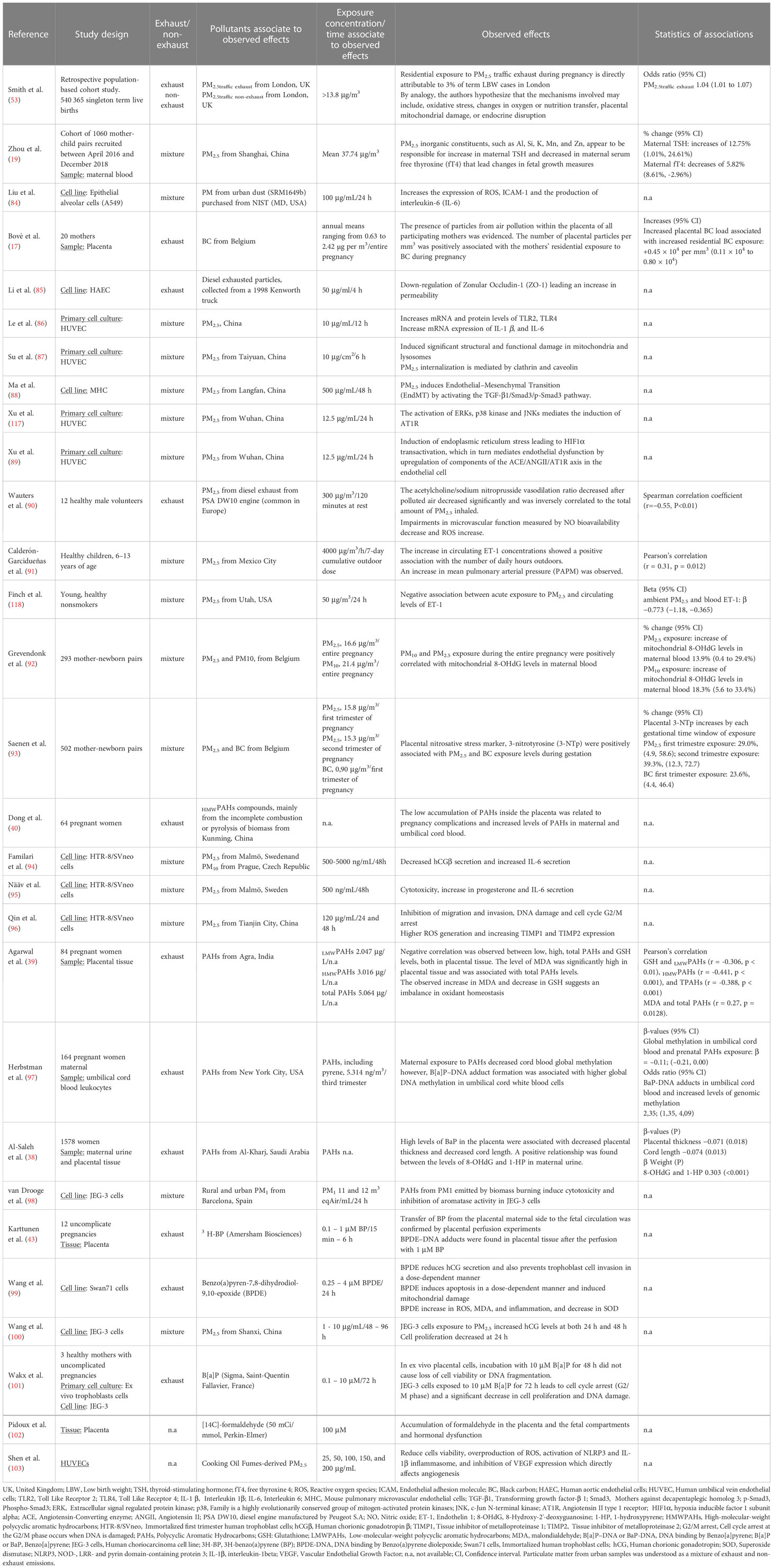
Table 1 Cellular effects associated to air pollution exposure during pregnancy.
3.3 Fetal and maternal vascular alteration by particulate matter exposure
Translocation of inhaled PM2.5 into the systemic circulation has been associated with vascular endothelial cell damage, promoting increased risk of cardiovascular disease (105, 106). The most prominent mechanisms associated with PM2.5 health effects are oxidative stress and inflammation (Table 1) (107).
This crosstalk between altered redox homeostasis and inflammation-related pathways has been termed “oxi-inflammation” to describe the pre-pathological condition (108). This issue requires a special attention for pregnant women since normal pregnancy itself is characterized by systemic inflammatory activity and the placenta is a great source of reactive oxygen species (ROS) (109). In this regard, increased levels of 8-hydroxy-2′-deoxyguanosine (8-OHdG), an indicator of ROS-mediated mitochondrial damage, have been found in both maternal and cord blood during pregnancy in women exposed to both PM2.5 and PM10 (92). This has been interpreted as that exposure to air pollution in the first years of life plays an important role in the appearance of oxidative stress, both at the mitochondrial and systemic level (92). Furthermore, high levels of 8-OHdG in the cord blood increase the probability of intrauterine growth restriction as compared with newborns below the median level of mitochondrial damage (110). Moreover, HUVEC incubation with 10 μg/cm2 of PM2.5 induces alterations in the mitochondria, leading to an increase in the mitochondrial fusion gene Mfn1 and a decrease in the fission genes Opa1 and Drp1 (87). Authors suggest that fusion-fission imbalance is associated with mitochondrial dysfunction that could induce cardiovascular disease (87), and during pregnancy this imbalance has been associated with preeclampsia (111, 112). In vitro experiments in HUVEC demonstrated that PM2.5 increases the expression of adhesion proteins (ICAM-1 and VCAM-1) and decreases the expression of a tight junction protein, zonula occludens-1 (ZO-1) leading to endothelial activation and increases the endothelial barrier permeability, respectively (85, 113). In this experimental setup, PM2.5 triggers the secretion of inflammatory interleukins such as IL-6 and IL-1β, increasing the inflammatory response (85, 86). A breakdown of intercellular junctions and increased adhesion molecules are characteristic events of inflammation and endothelial dysfunction, which are observed in pregnancy pathologies such as gestational diabetes, preeclampsia and obesity (114). On the other hand, the endothelial damage related to PM2.5 exposure involves endothelial-mesenchymal transition (EndMT), triggered by the activation of the transforming growth factor-β (TGF-β) pathway, linked to high levels of reactive oxygen species (ROS) and PAHs (88, 115). Interestingly, it has been reported that EndMT contributes to the development of atherosclerotic lesions, which could explain the role of air pollution in the development and progression of cardiovascular disease (116), where upregulation of angiotensinogen and the angiotensin-converting enzyme has been shown, resulting in increased circulating angiotensin II and activation of the angiotensin II receptor type 1, thus favoring vascular contractility (89, 117). Furthermore, exposure to PM2.5 causes a reduction in the bioavailability of NO in the vessel wall, impairing the endothelial-dependent vasorelaxation (90). On the other hand, a study performed in children (7.9 ± 1.3 years of age) chronically exposed to outdoor air pollution showed increased levels of circulating endothelin-1 (ET-1), a potent vasoconstrictor, with a positive correlation with PM2.5 exposure levels (91). However, a study conducted in young healthy adults who were exposed to natural variations in PM2.5 showed a negative correlation between ET-1 levels and PM2.5 exposure levels (118). Another mechanism that could explain the endothelial dysfunction induced by PM2.5 exposure, is the interleukin 22/interleukin 22 receptor (IL22/IL-22R) pathway (119, 120). The exposure to PM2.5 activates the AhR in circulating innate lymphoid cells and induces cytokine IL-22 gene expression (121). IL-22 is a cytokine that plays pro- and anti-inflammatory functions, through interactions with hematopoietic cells, such as macrophages and with endothelial and epithelial cells (122). Endothelial cells express IL-22R, the interaction of IL-22 with its receptor can induce the production of adhesion molecules, endothelial activation, and the secretion of numerous proinflammatory mediators (123). Increased IL-22 has been observed in the blood of pregnant women with preeclampsia and premature rupture of membranes (124, 125).
3.4 Placental tissue and particulate matter exposure
It was reported that black carbon particles from air pollution can translocate from the maternal lungs into the maternal circulation reaching the placenta (17). The PM2.5 exposure during the first and second trimesters of gestation has been positively associated with the amount of 3-nitrotyrosine (3-NTp) in the placental tissue from 330 mother-newborn pair cohorts (93). 3-NTp is a well-known biomarker of peroxynitrite because of its positive association with the rate of protein degradation and therefore for a biomarker of both nitrosative and oxidative stress and inflammation (126).
On the other hand, placental methylation status of circadian pathway genes (CLOCK, BMAL1, NPAS2, CRY1-2, and PER1-3) were positively and significantly associated with intrauterine PM2.5 exposure during the third trimester (127). Genetic abnormalities in the molecular circadian pathway have been associated with chronic noncommunicable diseases, such as obesity (128), metabolic syndrome (129) and diabetes (130). It has been reported that the accumulation of PAHs in the placenta from healthy pregnancies decreases the presence of PAHs in fetal blood, suggesting that under normal conditions the placenta acts as a reservoir decreasing the transfer of PAHs from the mother to the fetus (40). While, in placental tissues from pregnancies associated with hypertensive disorders, diabetes, or preterm delivery, PAHs concentration decreases together with an increase of PAHs in fetal blood (40). Familari and colleagues (94) reported that the exposure of HTR-8/SVneo cells (immortalized first trimester trophoblast cell line) to urban pollution particles led to reduced cellular growth, increased proinflammatory cytokines (IL-6), upregulated expression of endocytosis and intracellular transport proteins, as well as an alteration in the amino acid metabolism and autoimmune responses. Similarly, another study showed that the cell line exposed to PM2.5 for 48 h, undergoes cytotoxicity, diminution of hCG secretion, and an increase of IL-6 production (95). The exposure of these cells to PM2.5 (120 µg/ml) induced cell-cycle arrest and inhibited migration and invasion of HTR-8 cells by up-regulating the expression of tissue inhibitors of metalloproteinases (TIMP1 and TIMP2) and down-regulating Collagen I expression (96).
Elevated levels of B[a]P in placental tissue from women with preterm delivery shows a significant correlation with lower glutathione (GSH) levels and higher levels of thiobarbituric acid-reactive substances (TBARS) in this tissue (39). This has been taken as an indication of a possible contribution of PAHs in preterm delivery through redox imbalance (39). Moreover, PAHs exposure (between 0.24 and 2.47 ng/m3), during the third trimester of pregnancy, was associated with lower global DNA methylation in umbilical cord white blood cells (97). Additionally, the presence of detectable PAH-DNA adducts in cord blood was shown to be positively associated with global methylation levels. Since both global hypomethylation and hypermethylation of specific genes have been associated with cancer and other diseases in humans, it is remarkable that maternal PAHs exposure can modify genomic DNA methylation status in the fetus (97). In this regard, the presence of PAHs from air pollution in placental tissue is inversely associated with placental weight and cord length (38).
The PAHs are linked with endocrine disruption in trophoblast cells, since a steroidogenic enzyme, aromatase that catalyzes the aromatization of fetal and maternal androgens into estrogens is inhibited in placental JEG-3 cells exposed to organic extracts from biomass burning collected in winter (98). The most abundant and studied PAHs, B[a]P, enters human cells and is metabolized by cytochrome P450 1A1 (CYP1A1) into different compounds. The benzo(a)pyrene-7,8-dihydrodiol-9,10-epoxide (BPDE) metabolite can cross the placenta and reach the fetal compartments leading to toxicity and DNA damage through the generation of BPDE-DNA adducts (43). In addition, the incubation of human trophoblast cells Swan 71 with 2.0 µM of BPDE for 24 h reduces the human chorionic gonadotropin (hCG) secretion, promotes the increase of pro-inflammatory cytokines IL-6 (27.5-fold), TNF-α (51.9-fold), and induces mitochondrial fragmentation and dysfunction due to an increase in mRNA and protein levels of mitochondrial fission genes in these cells (99). On the other hand, JEG-3 cells exposed to PM2.5 increase their hCG secretion, and an important inhibition of progesterone synthesis, which could be an indication that PM2.5 may directly inhibit the phosphorylation status of Protein Kinase A in JEG-3, with a concomitant inhibition of the protein expression in progesterone-synthesis, leading to a suppression of the progesterone levels (100). Furthermore, placental JEG-3 cells exposed to 10 μM B[a]P for 72 h leads to cell cycle arrest (G2/M phase) and a significant decrease in cell proliferation, likely through the phosphorylation of histone H2A variant H2AX (γ-H2AX) (101).
The exact concentration of PM2.5 that reaches the placenta of a woman exposed to air pollution is unknown. It is not valid to convert from the unit used in most experimental studies (μg/ml or ng/ml) to the unit reported by air quality sensors (μg/m3). However, one study indicates that levels of 5000 ng/ml (5 μg/ml) could correspond to 25 μg/m3 (95). The same study indicates that 10,000 ng/ml (10 ug/ml) could correspond to levels that can be observed in a more polluted city with PM2.5 concentrations of 50 μg/m3 (95). The reference value for 24 h exposure to PM2.5 established by WHO global air quality guidelines is 15 ug/m3 (7, 131).
3.5 Pregnancy outcomes and indoor air pollution
The main literature on-air quality-related mortality is focused on pollutant measurements taken outdoors. However, the influx of outdoor air influences indoor air quality, which already includes specific indoor emissions sources, relationships between building systems/construction methods, and occupant behavior (7). According to the United States federal government agency called Environmental Protection Agency (EPA), the levels of indoor air pollutants are often 2 to 5-fold higher than outdoor levels (23). Since people spend most of their time inside, indoor conditions play a prominent part in the overall human exposure to air pollution (132). This is particularly relevant since pregnant women spend most of their time indoors, especially toward the end of pregnancy (133). Indoor pollutants are mostly caused by human interaction at home and in classrooms, but they can also be found in daycare centers, social entertainment settings, and micro-environments, including automobiles, buses, trains, and airplanes (132, 134). Indoor air pollutants can become outdoor air pollutants, resulting in the so-called “neighborhood” pollution effect (132); this is especially relevant in disadvantaged neighborhoods that may use biomass for cooking or heating, which increases the concentration of pollutants in their living area, compared to people living in more socioeconomically advantaged neighborhoods (135). Allergens, mainly house dust mites and insects, pollen, animal sources, molds, and bacterial endotoxins, are examples of biological indoor air pollutants (136). Chemical air pollutants such as gases, particulate matter, formaldehyde, and volatile organic compounds (VOCs) are also present (134). The latter derive from various sources, the most common indoor are burning wood, household chemicals (disinfectants, bleach, dry cleaning fluid, aerosols, air fresheners, paint, varnish, and pesticides), also incense, candles, and cooking (137–140). Cooking with polluting fuels such as gasoline, kerosene, and biomass (wood, charcoal, crop residues, and animal manure) causes household air pollution, which is a global environmental health problem (132). There is evidence that the exposure to labeled carbon particles (less than 100 nm) for 1 min is sufficient to appear in the blood of healthy volunteers and to remain detectable for 60 min (141). However, there are very few studies that have evaluated the effect of indoor exposures to PM2.5 on pregnancy and delivery outcomes (142–144). A predominantly indoor air pollutant, formaldehyde has been associated with reduced birth weight (142). The kinetics of transplacental transfer (from the maternal to the fetal compartment) of formaldehyde was studied with a perfused human placental cotyledon model, showing that the compound can accumulate in the placenta and fetus (102). In addition, formaldehyde exposure reduced the synthesis and secretion of the peptide placental hormones (pGH: placental growth hormone, hPL: human placental lactogen, and hCG: human chorionic gonadotrophin), a fact that appears to be mediated by oxidative stress, since hCG production was restored by n-acetylcysteine (102). The cooking oil fumes-derived PM2.5, is another source of indoor air pollution that has been associated with preterm birth (145) and low birth weight (57). Human umbilical vein endothelial cells (HUVEC) exposed in vitro to PM2.5 derived from cooking oil fumes lead to overproduction of ROS, inflammation, and inhibition of angiogenesis (103).
A study conducted on 68 pregnant women using kerosene stoves, found that cooking with kerosene is associated with reduced birth weight and low levels of micronutrients such as iodine, vitamin B6 and homocysteine in mothers and newborns (146). Solid fuel for cooking has been associated with an increased risk of cesarean delivery, low birth weight, neonatal mortality, and acute respiratory infection among children (147). While another study performed on 695 pregnant women using biomass fuels for cooking in Temuco (Chile) and Bariloche (Argentina), found no association between perinatal morbidity (pre-term birth and low birth weight) and household air pollution exposure; the study highlights that these results may be related to the fact that the studied population cooks in ventilated rooms compared to other studies (148). The link between poor ventilation and persistent indoor air pollution has been explored by different studies, suggesting its association with the development of adverse pregnancy outcomes (147, 149–151). The assessment of exposure to indoor air pollution during intrauterine life has some limitations. For example, some studies have evaluated the personal exposure of pregnant women to various pollutants, however, they do not distinguish indoor and outdoor concentrations of these pollutants and therefore cannot specifically explore associations between indoor air pollutants and birth (142, 152). In this regard, an attempt has been made to evaluate compartmentalized exposure, using passive sampling techniques and surveys that include questions about the types of chemicals used to clean, the type of kitchen, and the time spent indoors (142). When analyzing the personal variability of indoor and outdoor exposures, some of them may be misclassified, furthermore, in many cases, seasonal changes and spatio-temporal variability are not considered during pregnancy exposition measurements (153, 154). The source of individual pollutants is challenging; therefore, it is necessary to apply integrated approaches (i.e. survey and exposure models) (155).
4 Mitigation strategies
The most obvious way to avoid the deleterious effect of air pollution is not to be exposed to it. However, this recommendation is not practical since everyone must breathe the available air. We need to reduce the air pollution in our cities, but unfortunately is a long-term process that demands a government commitment, along with education and other strategies related to reduce the sources of pollution. While in some cities it is possible to avoid busy roads or highways at least during pregnancy, however in many cities this is not possible. Thus, individual and public strategies focused to reduce the harmful effects of the available polluted air are needed (Figure 1).
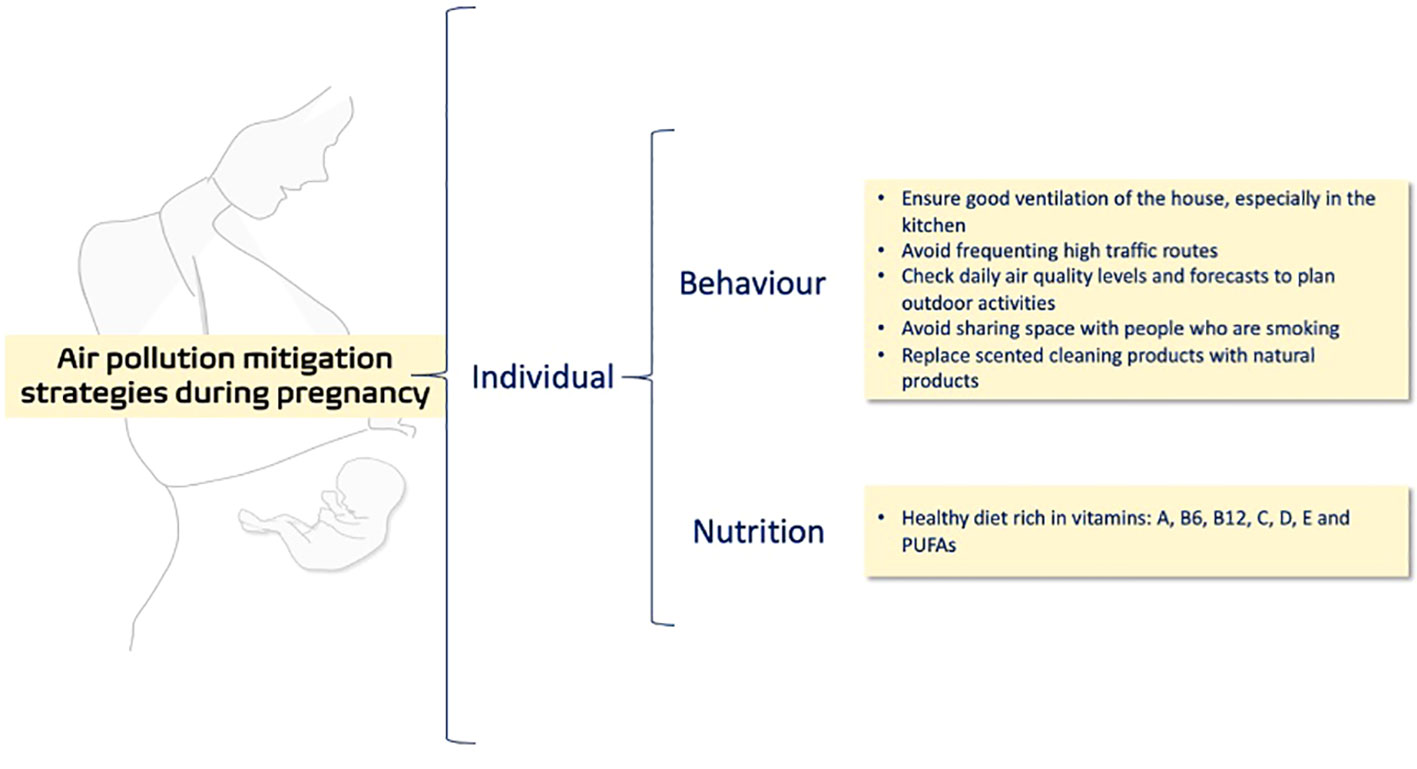
Figure 1 Proposed approaches to reduce exposure to air pollution during pregnancy.
4.1 Behavior actions
Reducing exposure to air pollution during pregnancy is a key opportunity to provide better health to the child (156). A primary prevention measure that can be given to the mother at prenatal care, is to ensure good ventilation to reduce the exposure to indoor air pollution (157). One of the biggest sources of pollution in homes is the use of the kitchen. To reduce or to eliminate air pollution in the kitchen, the American Lung Association recommends using the exhaust fan and ensuring ventilation in the kitchen (158). Another recommendation made by the same association is to get rid of fragrant and scented products such as air fresheners and cleaners, replacing them with natural products such as vinegar, peroxide, and baking soda, or non-toxic brands. Another individual measure is to check daily air quality levels and to perform outdoor activities when pollution levels are lower. It is also recommended that pregnant women avoid sharing space with people who are smoking.
4.2 Nutrition
Since the imbalance in oxidant production is one of the prominent mechanisms leading to cellular damage linked to air pollution, the presence of antioxidants from nutrition represents an opportunity to mitigate the air pollution effects (159–164). According to the Food and Drug Administration antioxidants are substances that, following absorption from the gastrointestinal tract, participate in physiological, biochemical, or cellular processes that inactivate or prevent free radical-initiated chemical reactions (165). The common antioxidants from diet or supplementation, are DL-alpha-tocopherol acetate (vitamin E), ascorbic acid (vitamin C), beta-carotene (vitamin A), omega-3 polyunsaturated fatty acids (omega-3), and selenium, that has been reported to be involved in the deactivation of free radicals (166, 167). About the antioxidant air pollution mitigation, a study conducted in individuals chronically exposed to PM2.5 shows that supplementation with omega-3 could modulate the plasma levels of cellular redox systems by increasing glutathione (GSH) and Cu/Zn superoxide dismutase (SOD) activity (168). Additionally, another study shows that oxidized low-density lipoprotein (OxLDL) decreased following the fish oil supplementation in a cohort of healthy university students exposed to the average level of PM2.5 of 38 ug/m3 for four months (169). Simultaneous treatment of human umbilical vein endothelial cells (HUVECs) with vitamin E and PM2.5 protects against the reactive oxygen species (ROS) production and the increased levels of lipid peroxidation (161). An epidemiologic cohort study found that women in the first and second trimesters of pregnancy with lower vitamin A intakes have higher negative effects on birth weight due to prenatal PM2.5 exposure than women with higher intakes (170). Indeed, concurrent air pollution and poor nutritional status are associated with adverse health and pregnancy outcomes such as low birth weight and preterm birth (171). The lack of vitamin D is mainly due to low exposure to ultraviolet B (UVB) radiation since the skin synthesis provides 90% of all the body’s requirements (172). The levels of air pollution influence the percentage of the ground level of UVB (173). In this way, a longitudinal cohort study conducted in 3285 pregnant women, found that the PM2.5 exposure during the third trimester and the entire pregnancy was inversely associated with 25(OH)D levels (174). In addition, the mediating effect of total net daily UV-B radiation (radiation reaching ground level) on the inverse association between prenatal PM2.5 exposure and maternal circulating 25(OH)D levels was 70% (174). Similar results were found in a study performed in 375 mother-child cohorts. It was found that the exposure to ambient urban air pollution during late pregnancy may contribute to hypovitaminosis D in the offspring and suggest that this factor could affect the child’s risk of developing diseases later in life (175). Epidemiological data associates the presence of urban particulate matter in polluted air with respiratory diseases, and vitamin D deficiency (176). This could be linked to the induction of a proinflammatory and potentially pathogenic T helper 17 cell (Th17) profile (176). Lower levels of vitamin D could increase the risk of low birth weight (177, 178). In addition, the incidence of asthma linked to air pollution exposure is higher among low-term-birthweight children (179). It has been proposed that restoring levels of vitamin D may mitigate the urban particulate matter adverse effect associated with respiratory health (176).
On the other hand, a study found that maternal exposure to NO2 from traffic-related air pollution, along with low dietary intake of methyl nutrients such as folate, vitamins B6 and B12 are related to the greatest odds of congenital heart defects (180). Recent experimental evidence suggests that vitamin B (folates, vitamin B12, and B6) supplementation in healthy non-smoking volunteers could mitigate the effect of PM2.5 exposure on cardiac autonomic dysfunction and inflammation (181). More data of the same studied population showed that vitamin B supplementation prevents alterations in mitochondrial DNA content in circulating CD4+ Th cell induced by PM2.5 exposure (182). Folate (vitamin B9) and vitamin B12 (cyanocobalamin) are hydrosoluble vitamins naturally present in some foods, added to others, and in the dietary supplement (183). Folate together with vitamin B12, acts as a coenzyme in the metabolism of 1-carbon compounds, required for numerous cellular functions such as de novo synthesis of purines, thymidylate, and the generation of the methyl groups for the methylation reactions of DNA, RNA, proteins, and lipids (184, 185). Considering all this information, monitoring the levels of vitamin D as well as those of B12 during pregnancy should receive more attention in clinical practice. An important educational campaign could be aimed at raising awareness among pregnant women about the importance of dietary practices to mitigate the health risks of air pollution (164).
5 Concluding remarks
This study reviews the experimental evidence on the effects of indoor and outdoor pollution during pregnancy and discusses some mitigation strategies. The deposition of air pollutants on the air-blood barrier triggers oxidative stress and inflammation, during pregnancy increasing the risk of developing complications that affect the health of the mother and the offspring. Mitigation strategies should include advice to pregnant women on ways to reduce exposure to indoor and outdoor pollution and the importance of this issue during pregnancy. There is a knowledge gap regarding the effects of non-exhaust emissions on intrauterine development. Greater efforts and interaction between different disciplines are needed to develop effective prevention and risk assessment strategies that can significantly reduce the adverse effects of air pollution during pregnancy.
Author contributions
DC, JG, and JU contributed to conception and design of the study. DC and AG organized the database. DC and JU wrote the first draft of the manuscript. RM, IC-W, MF, FG, SI wrote sections of the manuscript. All authors contributed to the article and approved the submitted version.
Funding
FONDECYT 1221362 to JG (Universidad San Sebastián, Chile). CONICYT, PAI Convocatoria Nacional Subvención a Instalación en la Academia, Convocatoria Año 2019, Folio N°PAI77190060 to DC. PAI Convocatoria Nacional Subvención a Instalación en la Academia, Convocatoria Año 2021, Folio N°SA77210087 to IC-W.
Conflict of interest
The authors declare that the research was conducted in the absence of any commercial or financial relationships that could be construed as a potential conflict of interest.
Publisher’s note
All claims expressed in this article are solely those of the authors and do not necessarily represent those of their affiliated organizations, or those of the publisher, the editors and the reviewers. Any product that may be evaluated in this article, or claim that may be made by its manufacturer, is not guaranteed or endorsed by the publisher.
References
1. Tonne C, Adair L, Adlakha D, Anguelovski I, Belesova K, Berger M, et al. Defining pathways to healthy sustainable urban development. Environ Int (2021) 146:106236. doi: 10.1016/j.envint.2020.106236
2. Wright ML, Starkweather AR, York TP. Mechanisms of the maternal exposome and implications for health outcomes. ANS Adv Nurs Sci (2016) 39:E17–30. doi: 10.1097/ANS.0000000000000110
3. Lavigne E, Yasseen AS, Stieb DM, Hystad P, van Donkelaar A, Martin RV, et al. Ambient air pollution and adverse birth outcomes: Differences by maternal comorbidities. Environ Res (2016) 148:457–66. doi: 10.1016/j.envres.2016.04.026
4. Ferguson KK, Chin HB. Environmental chemicals and preterm birth: Biological mechanisms and the state of the science. Curr Epidemiol Rep (2017) 4:56–71. doi: 10.1007/s40471-017-0099-7
5. Wild CP. Complementing the genome with an "Exposome": The outstanding challenge of environmental exposure measurement in molecular epidemiology. Cancer Epidemiol Biomarkers Prev (2005) 14:1847–50. doi: 10.1158/1055-9965.EPI-05-0456
6. Miller GW. The exposome in environmental health sciences and related disciplines. In: The exposome. Academic Press (2014), 39–53. doi: 10.1016/B978-0-12-417217-3.00004-5
7. WHO. Ambient air pollution (2021). Available at: https://www.who.int/news-room/fact-sheets/detail/ambient-(outdoor)-air-quality-and-health (Accessed 29 October 2021).
8. Koman PD, Hogan KA, Sampson N, Mandell R, Coombe CM, Tetteh MM, et al. Examining joint effects of air pollution exposure and social determinants of health in defining “At-risk” populations under the clean air act: Susceptibility of pregnant women to hypertensive disorders of pregnancy. World Med Health Policy (2018) 10:7–54. doi: 10.1002/wmh3.257
9. DiPietro JA. Prenatal development. In: Encyclopedia of infant and early childhood development (Second Edition). Elsevier (2008). p. 604–7. doi: 10.1016/B978-0-12-809324-5.21831-2
10. Barker DJ. The fetal and infant origins of adult disease. BMJ (1990) 301:1111. doi: 10.1136/bmj.301.6761.1111
11. Malley CS, Kuylenstierna JCI, Vallack HW, Henze DK, Blencowe H, Ashmore MR. Preterm birth associated with maternal fine particulate matter exposure: A global, regional and national assessment. Environ Int (2017) 101:173–82. doi: 10.1016/j.envint.2017.01.023
12. Porpora M, Piacenti I, Scaramuzzino S, Masciullo L, Rech F, Benedetti Panici P. Environmental contaminants exposure and preterm birth: A systematic review. Toxics (2019) 7:11. doi: 10.3390/toxics7010011
13. Lamichhane DK, Leem J-H, Lee J-Y, Kim H-C. A meta-analysis of exposure to particulate matter and adverse birth outcomes. Environ Health Toxicol (2015) 30:e2015011. doi: 10.5620/eht.e2015011
14. Linscheid C, Heitmann E, Singh P, Wickstrom E, Qiu L, Hodes H, et al. Trophoblast expression of the minor histocompatibility antigen HA-1 is regulated by oxygen and is increased in placentas from preeclamptic women HHS public access. Placenta (2015) 36:832–8. doi: 10.1016/j.placenta.2015.05.018
15. Pedersen M, Halldorsson TI, Olsen SF, Hjortebjerg D, Ketzel M, Grandström C, et al. Impact of road traffic pollution on pre-eclampsia and pregnancy-induced hypertensive disorders. Epidemiology (2017) 28:99–106. doi: 10.1097/EDE.0000000000000555
16. Liu A, Qian N, Yu H, Chen R, Kan H. Estimation of disease burdens on preterm births and low birth weights attributable to maternal fine particulate matter exposure in shanghai, China. Sci Total Environ (2017) 609:815–21. doi: 10.1016/j.scitotenv.2017.07.174
17. Bové H, Bongaerts E, Slenders E, Bijnens EM, Saenen ND, Gyselaers W, et al. Ambient black carbon particles reach the fetal side of human placenta. Nat Commun (2019) 10(1):3866. doi: 10.1038/s41467-019-11654-3
18. Yan Q, Liew Z, Uppal K, Cui X, Ling C, Heck JE, et al. Maternal serum metabolome and traffic-related air pollution exposure in pregnancy HHS public access. Environ Int (2019) 130:104872. doi: 10.1016/j.envint.2019.05.066
19. Zhou Y, Zhu Q, Wang P, Li J, Luo R, Zhao W, et al. Early pregnancy PM2.5 exposure and its inorganic constituents affect fetal growth by interrupting maternal thyroid function. Environ pollut (2022) 307:119481. doi: 10.1016/j.envpol.2022.119481
20. Gernand AD, Schulze KJ, Stewart CP, West KP, Christian P. Micronutrient deficiencies in pregnancy worldwide: health effects and prevention. Nat Rev Endocrinol (2016) 12:274–89. doi: 10.1038/nrendo.2016.37
21. Sanidas E, Papadopoulos DP, Grassos H, Velliou M, Tsioufis K, Barbetseas J, et al. Air pollution and arterial hypertension. a new risk factor is in the air. J Am Soc Hypertens (2017) 11:709–15. doi: 10.1016/j.jash.2017.09.008
22. Stafoggia M, Faustini A. Impact on public health–epidemiological studies. In: Non-exhaust emissions. Academic Press (2018). p. 67–88. doi: 10.1016/B978-0-12-811770-5.00003-0
23. Esworthy R. Air quality: EPA’s 2013 changes to the particulate matter (PM) standard. Congressional Research Service (2015), 7–5700. https://sgp.fas.org/crs/misc/R42934.pdf.
24. Azarmi F, Kumar P, Marsh D, Fuller G. Assessment of the long-term impacts of PM10 and PM2.5 particles from construction works on surrounding areas. Environ Sci Process Impacts (2016) 18:208–21. doi: 10.1039/c5em00549c
25. Shrestha PM, Humphrey JL, Carlton EJ, Adgate JL, Barton KE, Root ED, et al. Impact of outdoor air pollution on indoor air quality in low-income homes during wildfire seasons. Int J Environ Res Public Health (2019) 16(19):3535. doi: 10.3390/ijerph16193535
26. Fischer PH, Marra M, Ameling CB, Velders GJM, Hoogerbrugge R, de Vries W, et al. Particulate air pollution from different sources and mortality in 7.5 million adults — the Dutch environmental longitudinal study (DUELS). Sci Total Environ (2020) 705:135778. doi: 10.1016/j.scitotenv.2019.135778
27. Xue J, Xue W, Sowlat MH, Sioutas C, Lolinco A, Hasson A, et al. Seasonal and annual source appointment of carbonaceous ultrafine particulate matter (PM 0.1) in polluted California cities. Environ Sci Technol (2019) 53(1):39–49. doi: 10.1021/acs.est.8b04404
28. Merk R, Heßelbach K, Osipova A, Popadić D, Schmidt-Heck W, Kim G-J, et al. Particulate matter (PM2.5) from biomass combustion induces an anti-oxidative response and cancer drug resistance in human bronchial epithelial BEAS-2B cells. Int J Environ Res Public Health (2020) 17(21):8193. doi: 10.3390/ijerph17218193
29. Vidale S, Campana C. Ambient air pollution and cardiovascular diseases: From bench to bedside. Eur J Prev Cardiol (2018) 25:818–25. doi: 10.1177/2047487318766638
30. WHO. Ambient (outdoor) air quality and health (2018). Available at: http://www.who.int/en/news-room/fact-sheets/detail/ambient-(outdoor)-air-quality-and-health (Accessed 16 May 2018).
31. Ebisu K, Malig B, Hasheminassab S, Sioutas C, Basu R. Cause-specific stillbirth and exposure to chemical constituents and sources of fine particulate matter. Environ Res (2018) 160:358–64. doi: 10.1016/j.envres.2017.10.015
32. Snider G, Weagle CL, Murdymootoo KK, Ring A, Ritchie Y, Stone E, et al. Variation in global chemical composition of PM 2.5 : emerging results from SPARTAN. Atmos Chem Phys (2016) 16:9629–53. doi: 10.5194/acp-16-9629-2016
33. Abdel-Shafy HI, Mansour MSM. A review on polycyclic aromatic hydrocarbons: Source, environmental impact, effect on human health and remediation. Egyptian J Petroleum (2016) 25:107–23. doi: 10.1016/J.EJPE.2015.03.011
34. Pissinatti R, de Souza SVC. HC-0A-02: Analysis of polycyclic aromatic hydrocarbons from food. Singapore: Springer (2017) p. 67–104.
35. Liu YN, Tao S, Dou H, Zhang TW, Zhang XL, Dawson R. Exposure of traffic police to polycyclic aromatic hydrocarbons in Beijing, China. Chemosphere (2007) 66:1922–8. doi: 10.1016/j.chemosphere.2006.07.076
36. Barr DB, Wang RY, Needham LL. Biologic monitoring of exposure to environmental chemicals throughout the life stages: requirements and issues for consideration for the national children’s study. Environ Health Perspect (2005) 113:1083–91. doi: 10.1289/EHP.7617
37. Barouki R, Aggerbeck M, Aggerbeck L, Coumoul X. The aryl hydrocarbon receptor system. Drug Metabol Drug Interact (2012) 27(1):3–8. doi: 10.1515/dmdi-2011-0035
38. Al-Saleh I, Alsabbahen A, Shinwari N, Billedo G, Mashhour A, Al-Sarraj Y, et al. Polycyclic aromatic hydrocarbons (PAHs) as determinants of various anthropometric measures of birth outcome. Sci Total Environ (2013) 444:565–78. doi: 10.1016/j.scitotenv.2012.12.021
39. Agarwal P, Singh L, Anand M, Taneja A. Association between placental polycyclic aromatic hydrocarbons (PAHS), oxidative stress, and preterm delivery: A case–control study. Arch Environ Contam Toxicol (2018) 74:218–27. doi: 10.1007/s00244-017-0455-0
40. Dong X, Wang Q, Peng J, Wu M, Pan B, Xing B. Transfer of polycyclic aromatic hydrocarbons from mother to fetus in relation to pregnancy complications. Sci Total Environ (2018) 636:61–8. doi: 10.1016/j.scitotenv.2018.04.274
41. Chen Y, Mi BB, Zhao YL, Yang JM, Tao YL, Yan H. [Prenatal exposure to outdoor air pollution and preterm birth: a meta-analysis]. Zhonghua Liu Xing Bing Xue Za Zhi (2016) 37:880–5. doi: 10.1016/j.envres.2021.111654
42. Wierzba W, Radowicki S, Bojar I, Pinkas J. Effects of environmental pollution with aromatic hydrocarbons on endocrine and metabolic functions of the human placenta. Ann Agric Environ Med (2018) 25:157–61. doi: 10.26444/aaem/74406
43. Karttunen V, Myllynen P, Prochazka G, Pelkonen O, Segerbäck D, Vähäkangas K. Placental transfer and DNA binding of benzo(a)pyrene in human placental perfusion. Toxicol Lett (2010) 197:75–81. doi: 10.1016/j.toxlet.2010.04.028
44. Šrám RJ, Binková B, Dejmek J, Bobak M. Ambient air pollution and pregnancy outcomes: A review of the literature. Environ Health Perspect (2005) 113:375–82. doi: 10.1289/ehp.6362
45. Sapkota A, Chelikowsky AP, Nachman KE, Cohen AJ, Ritz B. Exposure to particulate matter and adverse birth outcomes: a comprehensive review and meta-analysis. Air Qual Atmos Health (2012) 5:369–81. doi: 10.1007/s11869-010-0106-3
46. Dadvand P, Ostro B, Amato F, Figueras F, Minguillón M-C, Martinez D, et al. Particulate air pollution and preeclampsia: a source-based analysis. Occup Environ Med (2014) 71:570–7. doi: 10.1136/oemed-2013-101693
47. Jia L, Liu Q, Hou H, Guo G, Zhang T, Fan S, et al. Association of ambient air pollution with risk of preeclampsia during pregnancy: a retrospective cohort study. BMC Public Health (2020) 20:1663. doi: 10.1186/s12889-020-09719-w
48. Khamirchi R, Moslem A, Agah J, Pozo ÓJ, Miri M, Dadvand P. Maternal exposure to air pollution during pregnancy and cortisol level in cord blood. Sci Total Environ (2020) 713:136622. doi: 10.1016/j.scitotenv.2020.136622
49. Liu Y, Xu J, Chen D, Sun P, Ma X. The association between air pollution and preterm birth and low birth weight in guangdong, China. Int J Womens Health (2020) 12:313–25. doi: 10.1186/s12889-018-6307-7
50. Choma EF, Evans JS, Gómez-Ibáñez JA, Di Q, Schwartz JD, Hammitt JK, et al. Health benefits of decreases in on-road transportation emissions in the united states from 2008 to 2017. Proc Natl Acad Sci (2021) 118(51):e2107402118. doi: 10.1073/pnas.2107402118
51. Harrison RM, Allan J, Carruthers D, Heal MR, Lewis AC, Marner B, et al. Non-exhaust vehicle emissions of particulate matter and VOC from road traffic: A review. Atmos Environ (2021) 262:118592. doi: 10.1016/j.atmosenv.2021.118592
52. Piscitello A, Bianco C, Casasso A, Sethi R. Non-exhaust traffic emissions: Sources, characterization, and mitigation measures. Sci Total Environ (2021) 766:144440. doi: 10.1016/j.scitotenv.2020.144440
53. Smith RB, Fecht D, Gulliver J, Beevers SD, Dajnak D, Blangiardo M, et al. Impact of london’s road traffic air and noise pollution on birth weight: retrospective population based cohort study. BMJ (2017) 359:j5299. doi: 10.1136/bmj.j5299
54. Lee P-C, Roberts JM, Catov JM, Talbott EO, Ritz B. First trimester exposure to ambient air pollution, pregnancy complications and adverse birth outcomes in Allegheny county, PA. Matern Child Health J (2013) 17:545–55. doi: 10.1007/s10995-012-1028-5
55. Timmers VRJH, Achten PAJ. Non-exhaust PM emissions from electric vehicles. Atmos Environ (2016) 134:10–7. doi: 10.1016/j.atmosenv.2016.03.017
56. Zhao N, Qiu J, Ma S, Zhang Y, Lin X, Tang Z, et al. Effects of prenatal exposure to ambient air pollutant PM10 on ultrasound-measured fetal growth. Int J Epidemiol (2018) 47:1072–81. doi: 10.1093/ije/dyy019
57. Wang L, Hu W, Guan Q, Du G, Chen T, Wu W, et al. The association between cooking oil fume exposure during pregnancy and birth weight: A prospective mother-child cohort study. Sci Total Environ (2018) 612:822–30. doi: 10.1016/j.scitotenv.2017.08.031
58. Bijnens EM, Derom C, Gielen M, Winckelmans E, Fierens F, Vlietinck R, et al. Small for gestational age and exposure to particulate air pollution in the early-life environment of twins. Environ Res (2016) 148:39–45. doi: 10.1016/j.envres.2016.03.006
59. Guo P, Chen Y, Wu H, Zeng J, Zeng Z, Li W, et al. Ambient air pollution and markers of fetal growth: A retrospective population-based cohort study of 2.57 million term singleton births in China. Environ Int (2020) 135:105410. doi: 10.1016/j.envint.2019.105410
60. Morokuma S, Michikawa T, Yamazaki S, Nitta H, Kato K. Association between exposure to air pollution during pregnancy and false positives in fetal heart rate monitoring. Sci Rep (2017) 7:12421. doi: 10.1038/s41598-017-12663-2
61. Chen Q, Ren Z, Liu Y, Qiu Y, Yang H, Zhou Y, et al. The association between preterm birth and ambient air pollution exposure in Shiyan, China 2015–2017. Int J Environ Res Public Health (2021) 18(8):4326. doi: 10.3390/ijerph18084326
62. Shah PS, Balkhair T. Air pollution and birth outcomes: A systematic review. Environ Int (2011) 37:498–516. doi: 10.1016/j.envint.2010.10.009
63. Siddika N, Rantala AK, Antikainen H, Balogun H, Amegah AK, Ryti NRI, et al. Short-term prenatal exposure to ambient air pollution and risk of preterm birth - a population-based cohort study in Finland. Environ Res (2020) 184:109290. doi: 10.1016/j.envres.2020.109290
64. Zou Z, Liu W, Huang C, Cai J, Fu Q, Sun C, et al. Gestational exposures to outdoor air pollutants in relation to low birth weight: A retrospective observational study. Environ Res (2021) 193:110354. doi: 10.1016/j.envres.2020.110354
65. Tsoli S, Ploubidis GB, Kalantzi O-I. Particulate air pollution and birth weight: A systematic literature review. Atmos pollut Res (2019) 10:1084–122. doi: 10.1016/j.apr.2019.01.016
66. Zhou G, Wu J, Yang M, Sun P, Gong Y, Chai J, et al. Prenatal exposure to air pollution and the risk of preterm birth in rural population of henan province. Chemosphere (2022) 286:131833. doi: 10.1016/j.chemosphere.2021.131833
67. Verheyen VJ, Remy S, Lambrechts N, Govarts E, Colles A, Poelmans L, et al. Residential exposure to air pollution and access to neighborhood greenspace in relation to hair cortisol concentrations during the second and third trimester of pregnancy. Environ Health (2021) 20(1):11. doi: 10.1186/s12940-021-00697-z
68. Ju L, Li C, Yang M, Sun S, Zhang Q, Cao J, et al. Maternal air pollution exposure increases the risk of preterm birth: Evidence from the meta-analysis of cohort studies. Environ Res (2021) 202:111654. doi: 10.1016/j.envres.2021.111654
69. Daniel S, Kloog I, Factor-Litvak P, Levy A, Lunenfeld E, Kioumourtzoglou M-A. Risk for preeclampsia following exposure to PM2.5 during pregnancy. Environ Int (2021) 156:106636. doi: 10.1016/j.envint.2021.106636
70. Duhig KE, Shennan AH. Recent advances in the diagnosis and management of pre-eclampsia. F1000Prime Rep (2015) 7:24. doi: 10.12703/P7-24
71. Yu H, Yin Y, Zhang J, Zhou R. The impact of particulate matter 2.5 on the risk of preeclampsia: an updated systematic review and meta-analysis. Environ Sci pollut Res (2020) 27:37527–39. doi: 10.1007/s11356-020-10112-8
72. Kriit HK, Andersson EM, Carlsen HK, Andersson N, Ljungman PLS, Pershagen G, et al. Using distributed lag non-linear models to estimate exposure lag-response associations between long-term air pollution exposure and incidence of cardiovascular disease. Int J Environ Res Public Health (2022) 19:2630. doi: 10.3390/ijerph19052630
73. Sun S, Wang X, Ding L, Zhang Q, Li N, Sui X, et al. Association between preconceptional air pollution exposure and medical purposes for selective termination of pregnancy. Environ Res (2021) 202:111743. doi: 10.1016/j.envres.2021.111743
74. Niu Z, Habre R, Chavez TA, Yang T, Grubbs BH, Eckel SP, et al. Association between ambient air pollution and birth weight by maternal individual- and neighborhood-level stressors. JAMA Netw Open (2022) 5:e2238174. doi: 10.1001/jamanetworkopen.2022.38174
75. Zhou W, Ming X, Chen Q, Liu X, Yin P. The acute effect and lag effect analysis between exposures to ambient air pollutants and spontaneous abortion: a case-crossover study in China 2017–2019. Environ Sci pollut Res (2022) 29:67380–9. doi: 10.1007/s11356-022-20379-8
76. Gómez-Roig MD, Pascal R, Cahuana MJ, García-Algar O, Sebastiani G, Andreu-Fernández V, et al. Environmental exposure during pregnancy: Influence on prenatal development and early life: A comprehensive review. Fetal Diagn Ther (2021) 48:245–57. doi: 10.1159/000514884
77. Cornette JMJ, Roos-Hesselink JW. Normal cardiovascular adaptation to pregnancy. In: Evidence-based cardiology consult. Springer-Verlag London Ltd (2013). p. 423–32. doi: 10.1007/978-1-4471-4441-0_29
78. Ferrari L, Carugno M, Bollati V. Particulate matter exposure shapes DNA methylation through the lifespan. Clin Epigenet (2019) 11(1):129. doi: 10.1186/s13148-019-0726-x
79. Schraufnagel DE. The health effects of ultrafine particles. Exp Mol Med (2020) 52:311–7. doi: 10.1038/s12276-020-0403-3
80. Thuy NTT, Dung NT, Sekiguchi K, Thuy LB, Hien NTT, Yamaguchi R. Mass concentrations and carbonaceous compositions of PM0.1, PM2.5, and PM10 at urban locations of Hanoi, Vietnam. Aerosol Air Qual Res (2018) 18:1591–605. doi: 10.4209/aaqr.2017.11.0502
81. Wu Y, Liu J, Zhai J, Cong L, Wang Y, Ma W, et al. Comparison of dry and wet deposition of particulate matter in near-surface waters during summer. PloS One (2018) 13:e0199241. doi: 10.1371/journal.pone.0199241
82. Su X, Zhao Y, Yang Y, Hua J. Correlation between exposure to fine particulate matter and hypertensive disorders of pregnancy in shanghai, China. Environ Health (2020) 19:101. doi: 10.1186/s12940-020-00655-1
83. Chang J, Streitman D. Physiologic adaptations to pregnancy. Neurol Clin (2012) 30:781–9. doi: 10.1016/j.ncl.2012.05.001
84. Liu C-W, Lee T-L, Chen Y-C, Liang C-J, Wang S-H, Lue J-H, et al. PM2.5-induced oxidative stress increases intercellular adhesion molecule-1 expression in lung epithelial cells through the IL-6/AKT/STAT3/NF-κB-dependent pathway. Part Fibre Toxicol (2018) 15:4. doi: 10.1186/s12989-018-0240-x
85. Li R, Ning Z, Cui J, Yu F, Sioutas C, Hsiai T. Diesel exhaust particles modulate vascular endothelial cell permeability: Implication of ZO-1 expression. Toxicol Lett (2010) 197(3):163–8. doi: 10.1016/j.toxlet.2010.05.017
86. Le Y, Hu X, Zhu J, Wang C, Yang Z, Lu D. Ambient fine particulate matter induces inflammatory responses of vascular endothelial cells through activating TLR-mediated pathway. Toxicol Ind Health (2019) 35(10):670–8. doi: 10.1177/0748233719871778
87. Su R, Jin X, Li H, Huang L, Li Z. The mechanisms of PM2.5 and its main components penetrate into HUVEC cells and effects on cell organelles. Chemosphere (2020) 241:125127. doi: 10.1016/j.chemosphere.2019.125127
88. Ma K, Li C, Xu J, Ren F, Xu X, Liu C, et al. LncRNA Gm16410 regulates PM2.5-induced lung endothelial-mesenchymal transition via the TGF-β1/Smad3/p-Smad3 pathway. Ecotoxicol Environ Saf (2020) 205:111327. doi: 10.1016/j.ecoenv.2020.111327
89. Xu X, qimuge A, Wang H, Xing C, Gu Y, Liu S, et al. IRE1α/XBP1s branch of UPR links HIF1α activation to mediate ANGII-dependent endothelial dysfunction under particulate matter (PM) 2.5 exposure. Sci Rep (2017) 7:13507. doi: 10.1038/s41598-017-13156-y
90. Wauters A, Dreyfuss C, Pochet S, Hendrick P, Berkenboom G, van de Borne P, et al. Acute exposure to diesel exhaust impairs nitric oxide–mediated endothelial vasomotor function by increasing endothelial oxidative stress. Hypertension (2013) 62(2):352–8. doi: 10.1161/HYPERTENSIONAHA.111.00991
91. Calderón-Garcidueñas L, Vincent R, Mora-Tiscareño A, Franco-Lira M, Henríquez-Roldán C, Barragán-Mejía G, et al. Elevated plasma endothelin-1 and pulmonary arterial pressure in children exposed to air pollution. Environ Health Perspect (2007) 115(8):1248–53. doi: 10.1289/ehp.9641
92. Grevendonk L, Janssen BG, Vanpoucke C, Lefebvre W, Hoxha M, Bollati V, et al. Mitochondrial oxidative DNA damage and exposure to particulate air pollution in mother-newborn pairs. Environ Health (2016) 15:10. doi: 10.1186/s12940-016-0095-2
93. Saenen ND, Vrijens K, Janssen BG, Madhloum N, Peusens M, Gyselaers W, et al. Placental nitrosative stress and exposure to ambient air pollution during gestation: A population study. Am J Epidemiol (2016) 184(6):442–9. doi: 10.1093/aje/kww007
94. Familari M, Nääv Å, Erlandsson L, de Iongh RU, Isaxon C, Strandberg B, et al. Exposure of trophoblast cells to fine particulate matter air pollution leads to growth inhibition, inflammation and ER stress. PloS One (2019) 14(7):e0218799. doi: 10.1371/journal.pone.0218799
95. Nääv Å, Erlandsson L, Isaxon C, Åsander Frostner E, Ehinger J, Sporre MK, et al. Urban PM2.5 induces cellular toxicity, hormone dysregulation, oxidative damage, inflammation, and mitochondrial interference in the HRT8 trophoblast cell line. Front Endocrinol (Lausanne) (2020) 11:75. doi: 10.3389/fendo.2020.00075
96. Qin Z, Hou H, Fu F, Wu J, Han B, Yang W, et al. Fine particulate matter exposure induces cell cycle arrest and inhibits migration and invasion of human extravillous trophoblast, as determined by an iTRAQ-based quantitative proteomics strategy. Reprod Toxicol (2017) 74:10–22. doi: 10.1016/j.reprotox.2017.08.014
97. Herbstman JB, Tang D, Zhu D, Qu L, Sjödin A, Li Z, et al. Prenatal exposure to polycyclic aromatic hydrocarbons, benzo[a]pyrene-DNA adducts, and genomic DNA methylation in cord blood. Environ Health Perspect (2012) 120:733–8. doi: 10.1289/ehp.1104056
98. van Drooge BL, Marqueño A, Grimalt JO, Fernández P, Porte C. Comparative toxicity and endocrine disruption potential of urban and rural atmospheric organic PM1 in JEG-3 human placental cells. Environ pollut (2017) 230:378–86. doi: 10.1016/j.envpol.2017.06.025
99. Wang W, Wang R, Zhang Q, Mor G, Zhang H. Benzo(a)pyren-7,8-dihydrodiol-9,10-epoxide induces human trophoblast swan 71 cell dysfunctions due to cell apoptosis through disorder of mitochondrial fission/fusion. Environ pollut (2018) 233:820–32. doi: 10.1016/j.envpol.2017.11.022
100. Wang C, Yang J, Hao Z, Gong C, Tang L, Xu Y, et al. Suppression of progesterone synthesis in human trophoblast cells by fine particulate matter primarily derived from industry. Environ pollut (2017) 231:1172–80. doi: 10.1016/j.envpol.2017.08.029
101. Wakx A, Regazzetti A, Dargère D, Auzeil N, Gil S, Evain-Brion D, et al. New in vitro biomarkers to detect toxicity in human placental cells: The example of benzo[A]pyrene. Toxicol In Vitro (2016) 32:76–85. doi: 10.1016/j.tiv.2015.11.022
102. Pidoux G, Gerbaud P, Guibourdenche J, Thérond P, Ferreira F, Simasotchi C, et al. Formaldehyde crosses the human placenta and affects human trophoblast differentiation and hormonal functions. PloS One (2015) 10:e0133506. doi: 10.1371/journal.pone.0133506
103. Shen C, Liu J, Zhu F, Lei R, Cheng H, Zhang C, et al. The effects of cooking oil fumes-derived PM2.5 on blood vessel formation through ROS-mediated NLRP3 inflammasome pathway in human umbilical vein endothelial cells. Ecotoxicol Environ Saf (2019) 174:690–8. doi: 10.1016/j.ecoenv.2019.03.028
104. Li T, Hu R, Chen Z, Li Q, Huang S, Zhu Z, et al. Fine particulate matter (PM2.5): The culprit for chronic lung diseases in China. Chronic Dis Transl Med (2018) 4:176–86. doi: 10.1016/j.cdtm.2018.07.002
105. Liang S, Zhang J, Ning R, Du Z, Liu J, Batibawa JW, et al. The critical role of endothelial function in fine particulate matter-induced atherosclerosis. Part Fibre Toxicol (2020) 17(1):61. doi: 10.1186/s12989-020-00391-x
106. Miller MR. Oxidative stress and the cardiovascular effects of air pollution. Free Radic Biol Med (2020) 151:69–87. doi: 10.1016/j.freeradbiomed.2020.01.004
107. Thangavel P, Park D, Lee Y-C. Recent insights into particulate matter (PM2.5)-mediated toxicity in humans: An overview. Int J Environ Res Public Health (2022) 19:7511. doi: 10.3390/ijerph19127511
108. Valacchi G, Virgili F, Cervellati C, Pecorelli A. OxInflammation: From subclinical condition to pathological biomarker. Front Physiol (2018) 9:858. doi: 10.3389/fphys.2018.00858
109. Scaife PJ, Simpson A, Kurlak LO, v. BL, DS G, Broughton Pipkin F, et al. Increased placental cell senescence and oxidative stress in women with pre-eclampsia and normotensive post-term pregnancies. Int J Mol Sci (2021) 22:7295. doi: 10.3390/ijms22147295
110. Rossner P, Tabashidze N, Dostal M, Novakova Z, Chvatalova I, Spatova M, et al. Genetic, biochemical, and environmental factors associated with pregnancy outcomes in newborns from the Czech republic. Environ Health Perspect (2011) 119:265–71. doi: 10.1289/ehp.1002470
111. Ausman J, Abbade J, Ermini L, Farrell A, Tagliaferro A, Post M, et al. Ceramide-induced BOK promotes mitochondrial fission in preeclampsia. Cell Death Dis (2018) 9:298. doi: 10.1038/s41419-018-0360-0
112. Marín R, Chiarello DI, Abad C, Rojas D, Toledo F, Sobrevia L. Oxidative stress and mitochondrial dysfunction in early-onset and late-onset preeclampsia. Biochim Biophys Acta (BBA) - Mol Basis Dis (2020) 1866:165961. doi: 10.1016/j.bbadis.2020.165961
113. Montiel-Dávalos A, Alfaro-Moreno E, López-Marure R. PM 2.5 and PM 10 induce the expression of adhesion molecules and the adhesion of monocytic cells to human umbilical vein endothelial cells. Inhal Toxicol (2007) 19(Suppl 1):91–8. doi: 10.1080/08958370701495212
114. Echeverria C, Eltit F, Santibanez JF, Gatica S, Cabello-Verrugio C, Simon F. Endothelial dysfunction in pregnancy metabolic disorders. Biochim Biophys Acta (BBA) - Mol Basis Dis (2020) 1866:165414. doi: 10.1016/j.bbadis.2019.02.009
115. Xu Z, Ding W, Deng X. PM2.5, fine particulate matter: A novel player in the epithelial-mesenchymal transition? Front Physiol (2019) 10:1404. doi: 10.3389/fphys.2019.01404
116. Evrard SM, Lecce L, Michelis KC, Nomura-Kitabayashi A, Pandey G, Purushothaman K-R, et al. ARTICLE endothelial to mesenchymal transition is common in atherosclerotic lesions and is associated with plaque instability. Nat Commun (2016) 7:11853. doi: 10.1038/ncomms11853
117. Xu X, Xu H, qimuge A, Liu S, Wang H, Hu M, et al. MAPK/AP-1 pathway activation mediates AT1R upregulation and vascular endothelial cells dysfunction under PM2.5 exposure. Ecotoxicol Environ Saf (2019) 170:188–94. doi: 10.1016/j.ecoenv.2018.11.124
118. Finch J, Riggs D W, O’Toole T E, Arden Pope IIIC, Bhatnagar A, J. Conklin D. Acute exposure to air pollution is associated with novel changes in blood levels of endothelin-1 and circulating angiogenic cells in young, healthy adults. AIMS Environ Sci (2019) 6(4):265–76. doi: 10.3934/environsci.2019.4.265
119. Che Y, Su Z, Xia L. Effects of IL-22 on cardiovascular diseases. Int Immunopharmacol (2020) 81:106277. doi: 10.1016/j.intimp.2020.106277
120. Xuan X, Zhang L, Tian C, Wu T, Ye H, Cao J, et al. Interleukin-22 and connective tissue diseases: emerging role in pathogenesis and therapy. Cell Biosci (2021) 11:2. doi: 10.1186/s13578-020-00504-1
121. Xue J, Nguyen DTC, Habtezion A. Aryl hydrocarbon receptor regulates pancreatic IL-22 production and protects mice from acute pancreatitis. Gastroenterology (2012) 143:1670–80. doi: 10.1053/j.gastro.2012.08.051
122. Alabbas SY, Begun J, Florin TH, Oancea I. The role of IL-22 in the resolution of sterile and nonsterile inflammation. Clin Transl Immunol (2018) 7:e1017. doi: 10.1002/cti2.1017
123. Luo J-W, Hu Y, Liu J, Yang H, Huang P. Interleukin-22: a potential therapeutic target in atherosclerosis. Mol Med (2021) 27:88. doi: 10.1186/s10020-021-00353-9
124. Bersani I, de Carolis MP, Foell D, Weinhage T, Rossi ED, de Carolis S, et al. Interleukin-22: Biomarker of maternal and fetal inflammation? Immunol Res (2015) 61:4–10. doi: 10.1007/s12026-014-8568-2
125. Behram M, Oğlak SC, Başkıran Y, Süzen Çaypınar S, Akgöl S, Tunç Ş, et al. Maternal serum IL-22 concentrations are significantly upregulated in patients with preterm premature rupture of membranes. Ginekol Pol (2021) 92(9):631–6. doi: 10.5603/GP.a2021.0036
126. Lin A, Biscop E, Breen C, Butler SJ, Smits E, Bogaerts A. Critical evaluation of the interaction of reactive oxygen and nitrogen species with blood to inform the clinical translation of nonthermal plasma therapy. Oxid Med Cell Longev (2020) 2020:1–10. doi: 10.1155/2020/9750206
127. Nawrot TS, Saenen ND, Schenk J, Janssen BG, Motta V, Tarantini L, et al. Placental circadian pathway methylation and in utero exposure to fine particle air pollution. Environ Int (2018) 114:231–41. doi: 10.1016/j.envint.2018.02.034
128. Maury E, Navez B, Brichard SM. Circadian clock dysfunction in human omental fat links obesity to metabolic inflammation. Nat Commun (2021) 12:2388. doi: 10.1038/s41467-021-22571-9
129. Shimizu I, Yoshida Y, Minamino T. A role for circadian clock in metabolic disease. Hypertens Res (2016) 39:483–91. doi: 10.1038/hr.2016.12
130. Javeed N, Matveyenko Av. Circadian etiology of type 2 diabetes mellitus. Physiology (2018) 33:138–50. doi: 10.1152/physiol.00003.2018
131. WHO. . world health organization. (2021). WHO global air quality guidelines: particulate matter (PM2.5 and PM10), ozone, nitrogen dioxide, sulfur dioxide and carbon monoxide (2022). World Health Organization. Available at: https://apps.who.int/iris/bitstream/handle/10665/345329/9789240034228-eng.pdf?sequence=1&isAllowed=y (Accessed 19 March 2022).
132. Rosário Filho NA, Urrutia-Pereira M, D’Amato G, Cecchi L, Ansotegui IJ, Galán C, et al. Air pollution and indoor settings. World Allergy Organ J (2021) 14:100499. doi: 10.1016/j.waojou.2020.100499
133. Ouidir M, Giorgis-Allemand L, Lyon-Caen S, Morelli X, Cracowski C, Pontet S, et al. Estimation of exposure to atmospheric pollutants during pregnancy integrating space–time activity and indoor air levels: Does it make a difference? Environ Int (2015) 84:161–73. doi: 10.1016/j.envint.2015.07.021
134. Schraufnagel DE, Balmes JR, Cowl CT, de Matteis S, Jung S-H, Mortimer K, et al. Air pollution and noncommunicable diseases. Chest (2019) 155:409–16. doi: 10.1016/j.chest.2018.10.042
135. Brazil N. Environmental inequality in the neighborhood networks of urban mobility in US cities. Proc Natl Acad Sci (2022) 119(17):e2117776119. doi: 10.1073/pnas.2117776119
136. Tran V, Park D, Lee Y-C. Indoor air pollution, related human diseases, and recent trends in the control and improvement of indoor air quality. Int J Environ Res Public Health (2020) 17(8):2927. doi: 10.3390/ijerph17082927
137. Ding J, Zhong J, Yang Y, Li B, Shen G, Su Y, et al. Occurrence and exposure to polycyclic aromatic hydrocarbons and their derivatives in a rural Chinese home through biomass fuelled cooking. Environ pollut (2012) 169:160–6. doi: 10.1016/j.envpol.2011.10.008
138. Manoukian A, Quivet E, Temime-Roussel B, Nicolas M, Maupetit F, Wortham H. Emission characteristics of air pollutants from incense and candle burning in indoor atmospheres. Environ Sci pollut Res (2013) 20(7):4659–70. doi: 10.1007/s11356-012-1394-y
139. Seguel JM, Merrill R, Seguel D, Campagna AC. Indoor air quality. Am J Lifestyle Med (2017) 11(4):284–95. doi: 10.1177/1559827616653343
140. Zulauf N, Dröge J, Klingelhöfer D, Braun M, Oremek GM, Groneberg DA. Indoor air pollution in cars: An update on novel insights. Int J Environ Res Public Health (2019) 16:2441. doi: 10.3390/ijerph16132441
141. Nemmar A, Hoet PHM, Vanquickenborne B, Dinsdale D, Thomeer M, Hoylaerts MF, et al. Passage of inhaled particles into the blood circulation in humans. Circulation (2002) 105:411–4. doi: 10.1161/hc0402.104118
142. Franklin P, Tan M, Hemy N, Hall GL. Maternal exposure to indoor air pollution and birth outcomes. Int J Environ Res Public Health (2019) 16:1364. doi: 10.3390/ijerph16081364
143. Younger A, Alkon A, Harknett K, Jean Louis R, Thompson LM. Adverse birth outcomes associated with household air pollution from unclean cooking fuels in low- and middle-income countries: A systematic review. Environ Res (2022) 204:112274. doi: 10.1016/j.envres.2021.112274
144. Jayaraj NP, Rathi A, Taneja DK. Exposure to household air pollution during pregnancy and birthweight. Indian Pediatr (2019) 56:875–6. doi: 10.1007/s13312-019-1616-1
145. Hu P, Wang C, Ding P, He Y-H, Xie C, Tian F-Y, et al. Placental weight mediates association between prenatal exposure to cooking oil fumes and preterm birth. J Maternal-Fetal Neonatal Med (2021) 35(25):7248–58. doi: 10.1080/14767058.2021.1946783
146. Arinola G, Dutta A, Oluwole O, Olopade C. Household air pollution, levels of micronutrients and heavy metals in cord and maternal blood, and pregnancy outcomes. Int J Environ Res Public Health (2018) 15(12):2891. doi: 10.3390/ijerph15122891
147. Khan MN, Nurs CZ B, Mofizul Islam M, Islam MR, Rahman MM. Household air pollution from cooking and risk of adverse health and birth outcomes in Bangladesh: a nationwide population-based study. Environ Health (2017) 16(1):57. doi: 10.1186/s12940-017-0272-y
148. Rey-Ares L, Irazola V, Althabe F, Sobrino E, Mazzoni A, Serón P, et al. Lower tract respiratory infection in children younger than 5 years of age and adverse pregnancy outcomes related to household air pollution in bariloche (Argentina) and temuco (Chile). Indoor Air (2016) 26(6):964–75. doi: 10.1111/ina.12274
149. Naeher LP, Smith KR, Leaderer BP, Neufeld L, Mage DT. Carbon monoxide as a tracer for assessing exposures to particulate matter in wood and gas cookstove households of highland Guatemala. Environ Sci Technol (2001) 35(3):575–81. doi: 10.1021/es991225g
150. Pope DP, Mishra V, Thompson L, Siddiqui AR, Rehfuess EA, Weber M, et al. Risk of low birth weight and stillbirth associated with indoor air pollution from solid fuel use in developing countries. Epidemiol Rev (2010) 32:70–81. doi: 10.1093/epirev/mxq005
151. Nazaroff WW. Exploring the consequences of climate change for indoor air quality. Environ Res Lett (2013) 8(1). doi: 10.1088/1748-9326/8/1/015022
152. Schembari A, Triguero-Mas M, de Nazelle A, Dadvand P, Vrijheid M, Cirach M, et al. Personal, indoor and outdoor air pollution levels among pregnant women. Atmos Environ (2013) 64:287–29. doi: 10.1016/j.atmosenv.2012.09.053
153. Steinle S, Reis S, Sabel CE, Semple S, Twigg MM, Braban CF, et al. Personal exposure monitoring of PM 2.5 in indoor and outdoor microenvironments. Sci Total Environ (2015) 508:383–94. doi: 10.1016/j.scitotenv.2014.12.003
154. Blanchard O, Deguen S, Kihal-Talantikite W, François R, Zmirou-Navier D. Does residential mobility during pregnancy induce exposure misclassification for air pollution? Environ Health (2018) 17(1):72. doi: 10.1186/s12940-018-0416-8
155. Shezi B, Mathee A, Cele N, Ndabandaba S, Street RA. Occupational exposure to fine particulate matter (PM4 and PM2.5) during hand-made cookware operation: Personal, indoor and outdoor levels. Int J Environ Res Public Health (2020) 17:7522. doi: 10.3390/ijerph17207522
156. Megahed NA, Ghoneim EM. Indoor air quality: Rethinking rules of building design strategies in post-pandemic architecture. Environ Res (2021) 193:110471. doi: 10.1016/j.envres.2020.110471
157. Jin Z-Y, Wu M, Han R-Q, Zhang X-F, Wang X-S, Liu A-M, et al. Household ventilation may reduce effects of indoor air pollutants for prevention of lung cancer: A case-control study in a Chinese population. PloS One (2014) 9(7):e102685. doi: 10.1371/journal.pone.0102685
158. American Lung Association. Ventilation: How buildings breathe (2020). Available at: https://www.lung.org/clean-air/at-home/ventilation-buildings-breathe.
159. Péter S, Holguin F, Wood L, Clougherty J, Raederstorff D, Antal M, et al. Nutritional solutions to reduce risks of negative health impacts of air pollution. Nutrients (2015) 7(12):10398–416. doi: 10.3390/nu7125539
160. Schulz AJ, Mentz GB, Sampson NR, Dvonch JT, Reyes AG, Izumi B. Effects of particulate matter and antioxidant dietary intake on blood pressure. Am J Public Health (2015) 105(6):1254–61. doi: 10.2105/AJPH.2014.302176
161. Bo L, Jiang S, Xie Y, Kan H, Song W, Zhao J. Effect of vitamin e and omega-3 fatty acids on protecting ambient PM2.5-induced inflammatory response and oxidative stress in vascular endothelial cells. PloS One (2016) 11(3):e0152216. doi: 10.1371/journal.pone.0152216
162. Lim CC, Hayes RB, Ahn J, Shao Y, Silverman DT, Jones RR, et al. Mediterranean Diet and the association between air pollution and cardiovascular disease mortality risk. Circulation (2019) 139(15):1766–75. doi: 10.1161/CIRCULATIONAHA.118.035742
163. McLoughlin RF, Berthon BS, Williams EJ, Wood LG. Vitamin e and air pollution. In: Vitamin e in human health. Cham: Springer International Publishing (2019).
164. Barthelemy J, Sanchez K, Miller MR, Khreis H. New opportunities to mitigate the burden of disease caused by traffic related air pollution: Antioxidant-rich diets and supplements. Int J Environ Res Public Health (2020) 17(2):630. doi: 10.3390/ijerph17020630
165. FDA. Guidance for industry food labeling; nutrient content claims; definition for “High potency” and definition for “Antioxidant” for use in nutrient content claims for dietary supplements and conventional foods. Guidance for Industry Food Labeling (2008). Available at: https://www.govinfo.gov/app/details/FR-1997-09-23/97-24732.
166. van Meeteren ME, Teunissen CE, Dijkstra CD, van Tol EAF. Antioxidants and polyunsaturated fatty acids in multiple sclerosis. Eur J Clin Nutr (2005) 59(12):1347–61. doi: 10.1038/sj.ejcn.1602255
167. Dewell A, Tsao P, Rigdon J, Gardner CD. Antioxidants from diet or supplements do not alter inflammatory markers in adults with cardiovascular disease risk. A pilot randomized controlled trial. Nutrition Res (2018) 50:63–72. doi: 10.1016/j.nutres.2017.10.017
168. Romieu I, Garcia-Esteban R, Sunyer J, Rios C, Alcaraz-Zubeldia M, Velasco SR, et al. The effect of supplementation with omega-3 polyunsaturated fatty acids on markers of oxidative stress in elderly exposed to PM 2.5. Environ Health Perspect (2008) 116(9):1237–42. doi: 10.1289/ehp.10578
169. Lin Z, Chen R, Jiang Y, Xia Y, Niu Y, Wang C, et al. Cardiovascular benefits of fish-oil supplementation against fine particulate air pollution in China. J Am Coll Cardiol (2019) 73(16):2076–85. doi: 10.1016/j.jacc.2018.12.093
170. Jedrychowski W, Masters E, Choi H, Sochacka E, Flak E, Mroz E, et al. Pre-pregnancy dietary vitamin a intake may alleviate the adverse birth outcomes associated with prenatal pollutant exposure: Epidemiologic cohort study in Poland. Int J Occup Environ Health (2007) 13(2):175–80. doi: 10.1179/oeh.2007.13.2.175
171. Hennig B, Ettinger AS, Jandacek RJ, Koo S, McClain C, Seifried H, et al. Using nutrition for intervention and prevention against environmental chemical toxicity and associated diseases. Environ Health Perspect (2007) 115:493–5. doi: 10.1289/ehp.9549
172. Hosseinpanah F, Pour SH, Heibatollahi M, Moghbel N, Asefzade S, Azizi F. The effects of air pollution on vitamin d status in healthy women: a cross sectional study. BMC Public Health (2010) 10:519. doi: 10.1186/1471-2458-10-519
173. Hoseinzadeh E, Taha P, Wei C, Godini H, Ashraf GM, Taghavi M, et al. The impact of air pollutants, UV exposure and geographic location on vitamin d deficiency. Food Chem Toxicol (2018) 113:241–54. doi: 10.1016/j.fct.2018.01.052
174. Zhao Y, Wang L, Liu H, Cao Z, Su X, Cai J, et al. Particulate air pollution exposure and plasma vitamin d levels in pregnant women: A longitudinal cohort study. J Clin Endocrinol Metab (2019) 104(8):3320–26. doi: 10.1210/jc.2018-02713
175. Baïz N, Dargent-Molina P, Wark JD, Souberbielle J-C, Slama R, Annesi-Maesano I. Gestational exposure to urban air pollution related to a decrease in cord blood vitamin d levels. J Clin Endocrinol Metab (2012) 97(11):4087–95. doi: 10.1210/jc.2012-1943
176. Mann EH, Ho T-R, Pfeffer PE, Matthews NC, Chevretton E, Mudway I, et al. Vitamin d counteracts an IL-23–dependent IL-17A + IFN- γ+ response driven by urban particulate matter. Am J Respir Cell Mol Biol (2017) 57:355–66. doi: 10.1165/rcmb.2016-0409OC
177. Khalessi N, Kalani M, Araghi M, Farahani Z. The relationship between maternal vitamin d deficiency and low birth weight neonates. J Family Reprod Health (2015) 9:113–7.
178. Larqué E, Morales E, Leis R, Blanco-Carnero JE. Maternal and foetal health implications of vitamin d status during pregnancy. Ann Nutr Metab (2018) 72(3):179–92. doi: 10.1159/000487370
179. Sbihi H, Tamburic L, Koehoorn M, Brauer M. Perinatal air pollution exposure and development of asthma from birth to age 10 years. Eur Respir J (2016) 47:1062–71. doi: 10.1183/13993003.00746-2015
180. Stingone JA, Luben TJ, Carmichael SL, Aylsworth AS, Botto LD, Correa A, et al. Maternal exposure to nitrogen dioxide, intake of methyl nutrients, and congenital heart defects in offspring. Am J Epidemiol (2017) 186:719–29. doi: 10.1093/aje/kwx139
181. Zhong J, Karlsson O, Wang G, Li J, Guo Y, Lin X, et al. B vitamins attenuate the epigenetic effects of ambient fine particles in a pilot human intervention trial. Proc Natl Acad Sci U.S.A. (2017) 114:3503–8. doi: 10.1073/pnas.1618545114
182. Zhong J, Trevisi L, Urch B, Lin X, Speck M, Coull BA, et al. B-vitamin supplementation mitigates effects of fine particles on cardiac autonomic dysfunction and inflammation: A pilot human intervention trial. Sci Rep (2017) 7:45322. doi: 10.1038/srep45322
183. Sanchez H, Hossain MB, Lera L, Hirsch S, Albala C, Uauy R, et al. High levels of circulating folate concentrations are associated with DNA methylation of tumor suppressor and repair genes p16, MLH1, and MGMT in elderly chileans. Clin Epigenet (2017) 9:74. doi: 10.1186/s13148-017-0374-y
184. Castaño E, Piñuñuri R, Hirsch S, Ronco AM. [Folate and pregnancy, current concepts: It is required folic acid supplementation]? Rev Chil Pediatr (2017) 88:199–206. doi: 10.4067/S0370-41062017000200001
Keywords: exposome, pregnancy, indoor - outdoor pollution, mitigation strategies, cell damage, PM2.5
Citation: Chiarello DI, Ustáriz J, Marín R, Carrasco-Wong I, Farías M, Giordano A, Gallardo FS, Illanes SE and Gutiérrez J (2023) Cellular mechanisms linking to outdoor and indoor air pollution damage during pregnancy. Front. Endocrinol. 14:1084986. doi: 10.3389/fendo.2023.1084986
Received: 31 October 2022; Accepted: 30 January 2023;
Published: 15 February 2023.
Edited by:
Prashant Rajput, Banaras Hindu University, IndiaReviewed by:
Nora Saraco, Garrahan Hospital, ArgentinaRodrigo Azevedo Loiola, Université d’Artois, France
Copyright © 2023 Chiarello, Ustáriz, Marín, Carrasco-Wong, Farías, Giordano, Gallardo, Illanes and Gutiérrez. This is an open-access article distributed under the terms of the Creative Commons Attribution License (CC BY). The use, distribution or reproduction in other forums is permitted, provided the original author(s) and the copyright owner(s) are credited and that the original publication in this journal is cited, in accordance with accepted academic practice. No use, distribution or reproduction is permitted which does not comply with these terms.
*Correspondence: Delia I. Chiarello, ZGVsaWEuY2hpYXJlbGxvQHVzcy5jbA==; Jaime Gutiérrez, amFpbWUuZ3V0aWVycmV6QHVzcy5jbA==