 Rongsheng Jiang1
 Zhengri Cong1Likun Zheng1Long Zhang1Qifan Guan1Sixian Wang1Jinxu Fang1
 Jiahao Chen2Mingjun Liu1*
- 1College of Acupuncture and Tuina, Changchun University of Chinese Medicine, Changchun, China
- 2College of Medical Information, Changchun University of Chinese Medicine, Changchun, China
Background: Gut microbiome (GM) and type 2 diabetes mellitus (T2DM) have two-way effects. Improving T2DM by modulating GM in various ways, such as diet, exercise, and medication, is gradually becoming popular, and related studies have yielded positive results. However, there is still a lack of high-quality bibliometric analyses of research in this area. This study aims to systematize and comprehensively summarize the knowledge structure, research tropics, and research trends of GM and T2DM through bibliometric analysis.
Methods: Publications related to GM and T2DM before January 9, 2024, in the Web of Science Core Collection (WOSCC) were searched in this study. Microsoft Excel 2019 was used to analyze publishing trends and CiteSpace (v.6.1.R6 Advanced) was used to analyze institutions, cited journals, references, and keywords.SCImago Graphica (v.1.0.39) was used to analyze countries/regions, institutions’ collaborations, cited authors, and published journals.
Results: We finally included 1004 articles published from 2008 to 2023. The number of published articles showed an upward trend and reached its peak in 2022. China is the country with the largest number of articles, Univ Copenhagen is the institution with the largest number of articles, Fukui, Michiaki, Hamaguchi, Masahide are the scholars with the largest number of articles, and Cani and Patrice D. are the scholars with the largest number of citations. NUTRIENTS(Q1/5.9) published the most publications, while Nature (Q1/64.8; Cited 804 times) is the most frequently cited journal. Gut microbiota, Obesity, and insulin resistance are the most frequently used keywords. This study found that current researches focus on the effects of diet, exercise, and pharmacological modification of GM to improve T2DM and explores specific mechanisms. Future researches will focus on three areas: complications of T2DM and specific physiological processes, methods and measures to regulate GM, and new experimental techniques and assays.
Conclusion: The current researches confirmed the effects and specific mechanisms of modulating GM to improve T2DM. Further exploration of the effects of modulating GM on T2DM complications and specific physiologic processes is a future trend of research. Exploring specific methods for regulating GM and developing new experimental techniques and assays are important for future research.
1 Introduction
T2DM is a common chronic disease characterized by hyperglycemia, insufficient insulin secretion, and insulin resistance (1, 2). T2DM accounts for up to 90% of all diabetic patients (3), and often leads to a wide range of comorbidities such as retinopathy, neuropathy, renal damage, and cardiovascular disease (4, 5). T2DM and its complications place an enormous burden on the global health system. In 2013, diabetes was identified as the ninth leading cause of shortened life expectancy globally. In 2015, approximately 5 million people died as a result of T2DM and its complications (6). In recent years, with changing lifestyles and diets, T2DM has become a pandemic worldwide. Data from the International Diabetes Federation show that diabetes will have an impact on the health of 540 million people by 2030 (7).
Combined with recent studies, we found that there is a strong association between GM and obesity & T2DM. Regulating GM has a positive impact on the treatment of T2DM (8–11). GM disorders are typical of patients with T2DM. This phenomenon interferes with the digestion and absorption of fats and carbohydrates and exacerbates disturbances in glucose and lipid metabolism. Adverse alterations in GM derivatives also exacerbate the symptoms of T2DM, such as a decrease in short-chain fatty acids (SCFAs) and bile acids (BAs), and an increase in lipopolysaccharides, exacerbating inflammation and insulin resistance (12, 13). As early as 2008, researchers have found that changes in GM can control intestinal permeability and metabolic endotoxemia in high-fat-fed mice, a phenomenon that can have an impact on inflammation in obesity and diabetes (14) and that pharmacological interventions can also improve glucose tolerance in mice by modulating GM (15). Several subsequent studies have further confirmed the interaction between GM and T2DM (16, 17), and more and more scholars have begun to intervene with GM as a therapeutic target for T2DM, and a series of research results have been achieved (18, 19). It has been found that the longer duration of T2DM may lead to a decrease in the abundance of Bacteroides anthropophilus in the gut, which in turn down-regulates the expression of GLP-1 and leads to an increase in blood glucose (20, 21). Reduced abundance of Mycobacterium avium and Mycobacterium faecalis may induce an inflammatory response by triggering the RLR signaling pathway and activating the downstream NF-κB signaling pathway (21). The results of clinical trial showed that administration of Gegen Qinlian decoction improved GM homeostasis and increased the abundance of Faecalibacterium, which in turn improved the metabolic disorders and inflammatory state in T2DM patients (22). A recent study noted that polysaccharides from Phellinus linteus promote GLP-1 secretion, increase insulin release, and lower blood glucose by regulating SCFAs and Bas metabolism (23). In conclusion, current studies have identified the restoration of GM homeostatic balance by regulating the number and abundance of each genus of GM and thus improving the metabolism of related derivatives as an effective measure for the treatment of T2DM (24–26).
Currently, studies of GM and T2DM are becoming more common. However, there is still a lack of organizing and summarizing the current research hotspots and future research trends in the field. Bibliometric analysis allows quantitative analysis and summarization of relevant publications in a research area using information visualization methods (27). This will allow us to visualize the knowledge structure of the field and identify current research frontiers and hotspots (28). The aim of this study was to use bibliometric analysis to comprehensively and systematically organize the literature related to the modulation of GM for the treatment of T2DM, and to provide references and directions for future research in this field.
2 Materials and methods
2.1 Data sources and search strategy
We collected literatures from the WOSCC database and conducted a search of the literatures on January 9, 2024. To improve the reliability and representativeness of the literatures, we used the MeSH terms provided by Pubmed as the keywords for the search.The specific search strategy is:TS=(“Gastrointestinal Microbiome*” OR “Microbiome, Gastrointestinal” OR “Gut Microbiome*” OR “Microbiome, Gut” OR “Gut Microflora” OR “Microflora, Gut” OR “Gut Microbiota*” OR “Microbiota, Gut” OR “Gastrointestinal Flora” OR “Flora, Gastrointestinal” OR “Gut Flora” OR “Flora, Gut” OR “Gastrointestinal Microbiota*” OR “Microbiota, Gastrointestinal” OR “Gastrointestinal Microbial Community*” OR “Microbial Community, Gastrointestinal” OR “Gastrointestinal Microflora” OR “Microflora, Gastrointestinal” OR “Gastric Microbiome*” OR “Microbiome, Gastric” OR “Intestinal Microbiome*” OR “Microbiome, Intestinal” OR “Intestinal Microbiota*” OR “Microbiota, Intestinal” OR “Intestinal Microflora” OR “Microflora, Intestinal” OR “Intestinal Flora” OR “Flora, Intestinal”) AND (“Diabetes Mellitus, Type 2” OR “Diabetes Mellitus, Non Insulin Dependent” OR “Stable Diabetes Mellitus” OR “Diabetes Mellitus, Type II” OR “NIDDM” OR “Diabetes Mellitus, Noninsulin Dependent” OR “Type 2 Diabetes Mellitus” OR “Noninsulin Dependent Diabetes Mellitus” OR “Type 2 Diabetes” OR “Diabetes, Type 2”).
2.2 Data processing and analysis
To ensure the accuracy of the results of the data analysis, the retrieved publications were screened, first by excluding duplicates through EndNote X9.3.3 software, and then by manually reading the titles and abstracts to screen for publications that met the inclusion criteria. This process was carried out independently by 2 researchers (CZR and GQF), and when disagreements arose, the decision was made by a third researcher (FJX). The inclusion criteria for publications were (1) The types of publications were ARTICLE or REVIEW.(2) English language publications. (3) Study species were not restricted and both animal models and human studies could be included.The exclusion criteria for publications were (1) Publications that were not relevant to the topic of the study. (2) Publications for which full text was not available. Since there were fewer publications from 2024 to form convincing results, we included only publications from 2023 and earlier.We finally screened 1004 publications, including 780 publications of Article type and 224 publications of Review type. Figure 1 illustrates the specific screening process. The data analysis of the screened publications was performed by a researcher (CJH) who independently operated the software.

Figure 1 Schematic of data collection and screening.
Microsoft Excel 2019, CiteSpace (v.6.1.R6 Advanced) and SCImago Graphica (v.1.0.39) were applied to analyze the data. Microsoft Excel 2019 exported the trend of annual number of publications; CiteSpace (v.6.1.R6 Advanced) was used to analyze institution co-occurrence, cited journals, dual map overlay of journals, references, keywords; SCImago Graphica (v.1. 0.39) was used to analyze countries/regions, institution clustering, cited authors, and published journals.
The parameters of CiteSpace (v.6.1.R6 Advanced) software were set as follows: Time Span: 2008-2023; Slice Length: 1 year; Selection Criteria: gindex(k=25); Pruning: pathfinder, pruningsliced networks. after the setup was completed, authors, institutions, and keywords were selected as network nodes for visualization and analysis, respectively.The main parameters of SCImago Graphica (v.1.0.39) software are set as follows: Size: frequency; Color:clusters; Lable: choose according to the content of the analysis, Use the same color as marks; Layout: Circular; Edges: Use the same color as marks.
3 Results
3.1 Trends in the growth of publications
Figure 2 illustrates the annual volume of publications. 1004 publications were published between 2008 and 2023, and the number of publications showed an upward trend. The number of publications exceeded 50 in 2017 and 150 in 2020. 2022 had the highest number of publications with more than 200.The analysis of the number of publications shows that the current number of publications is in a relatively stable state. This theme continues to attract the attention of researchers.

Figure 2 Trends in the posting of papers on the relationship between GM and T2DM.
3.2 Countries/Regions distribution and cooperation
A total of 187 countries/regions contributed to the publications. Table 1 shows the top 15 countries in terms of the number of publications, none of which has published less than 20 publications. Figure 3A illustrates the co-occurrence relationship among these countries. The results show that the studies’ citations related to this theme are widely popular around the world. China and the United States are the main contributors with 571 and 118 publications respectively, far ahead of other countries/regions. It can be seen that China and the United States have invested a lot of money and energy in conducting relevant research. This may be due to the adverse human health and socio-economic effects caused by the widespread prevalence of T2DM in the two countries.
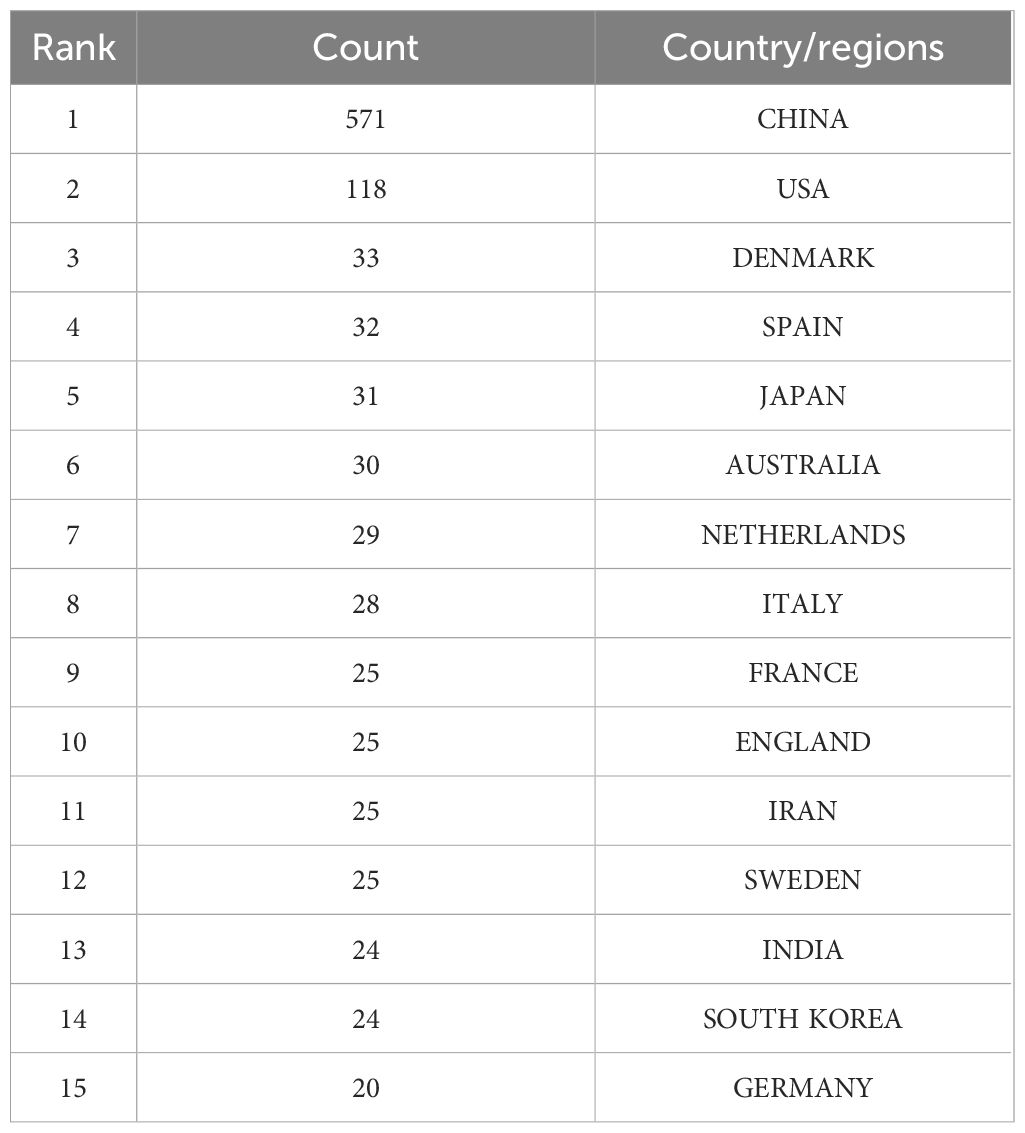
Table 1 Top 15 countries/regions in terms of number of articles published.
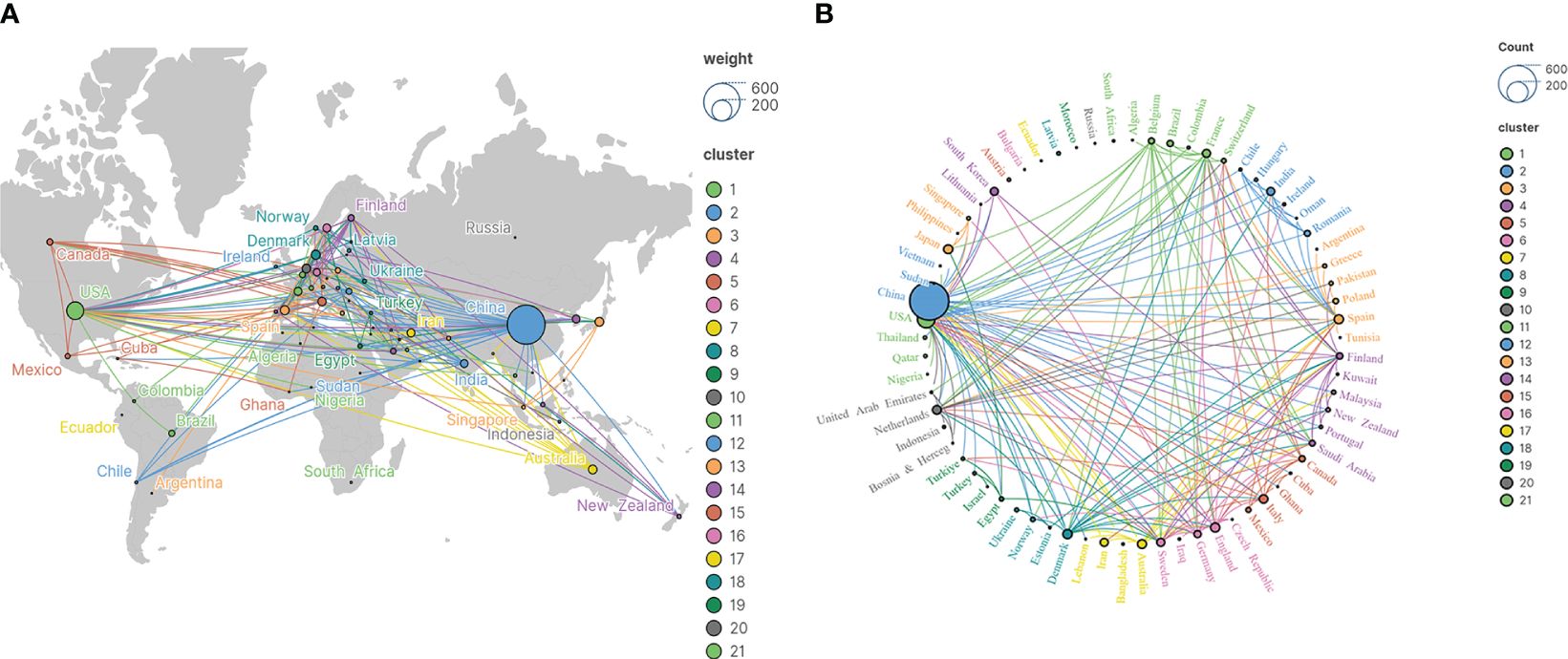
Figure 3 Country/region visual analysis. (A) Country/region world distribution. (B) Country/region cooperation analysis.
Figure 3B illustrates the cooperative relationships of relevant countries/regions worldwide, which can be categorized into 21 clusters, indicating that a wide range of cooperative relationships exist among these countries. The cooperative relationship between two clusters, China-UK-Germany-Sweden and USA-India-Romania, is more prominent. France and Japan also have cooperative relationships with several countries respectively. It can be seen that cooperation between countries/regions has promoted the development of researches.
3.3 Distribution and cooperation between institutions
A total of 3683 institutions contributed to publications on this topic. Table 2 shows the top 15 institutions in terms of publication volume. 15 institutions have no less than 12 publications.The number of publications of Univ Copenhagen is 27, the centrality is 0.21, and the total link strength is 49, indicating that this organization has an important position in this field of research.The number of publications of Shanghai Jiao Tong Univ is also 27, with a centrality of 0.09 and a total link strength of 40, indicating that this organization has also achieved a great deal of researches and has greater influence. In addition, Chinese Acad Sci achieved a total link strength of 42, indicating that this organization has more cooperation with other organizations. Figure 4A illustrates the network view of co-occurrence analysis for these institutions. Figure 4B illustrates the network view of cluster analysis for these institutions. These institutions are divided into 5 cooperative clusters, and there is close cooperation between the organizations in each cluster, and there is also obvious cooperation between the clusters.

Table 2 Top 15 institutions in terms of number of articles published.
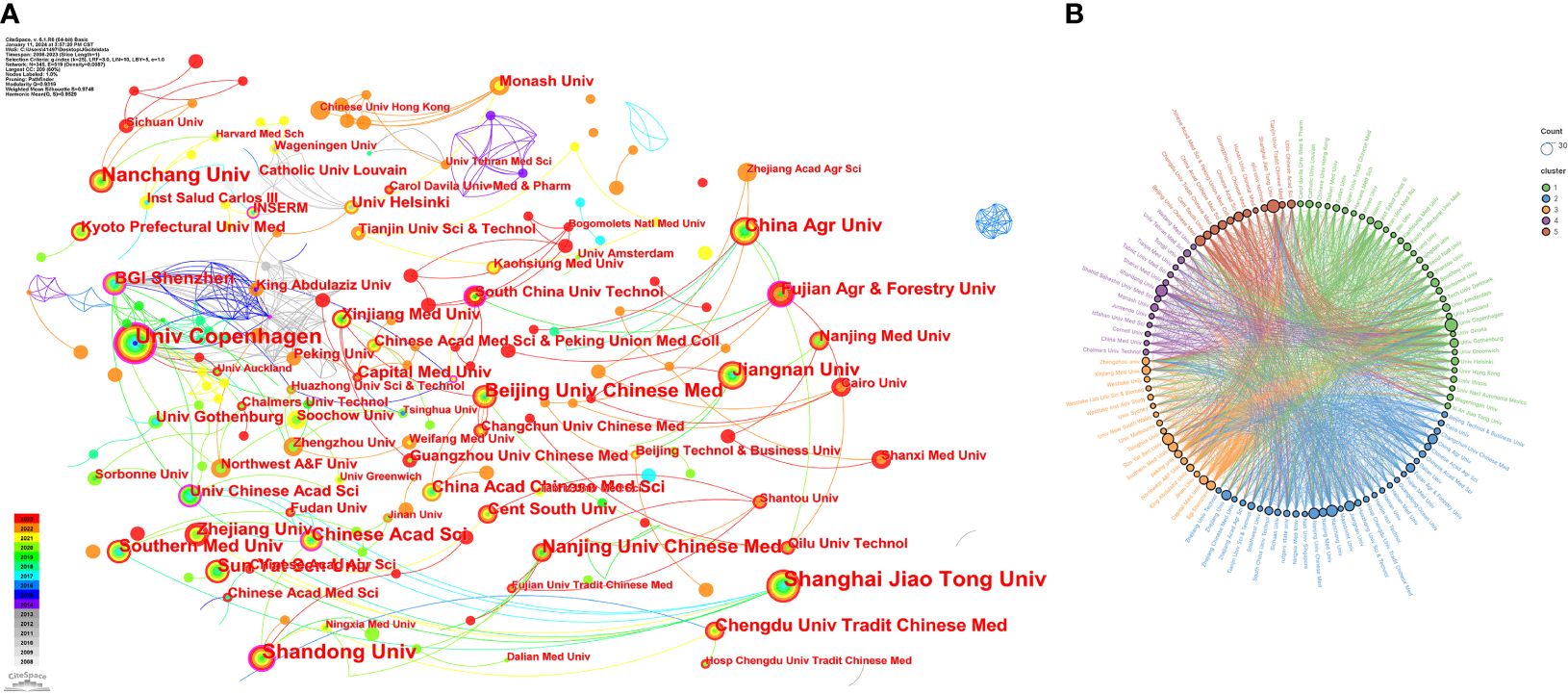
Figure 4 Visual analysis of the organization. (A) Co-occurrence network view of institutions. (B) Cluster analysis network view of the organization.
3.4 Authors’ publications analysis and collaborations
A total of 6425 authors have contributed to publications in the field. Table 3 demonstrates the authors who are in the top 15 in terms of the amount of published literature. Fukui Michiaki and Hamaguchi Masahide both published 8 articles, placing them in the top 2. Backhed, Fredrik’s centrality of 0.03 ranks first. Table 4 demonstrates the top 15 authors with the highest number of citations to their publications, with Cani, Patrice’s article has the highest number of citations at 5172. Figure 5 presents a cluster analysis network view of the highly cited authors, which form 20 distinct clusters with stable collaborations between several authors. This suggests that studies in this field have formed research teams in the course of its development.
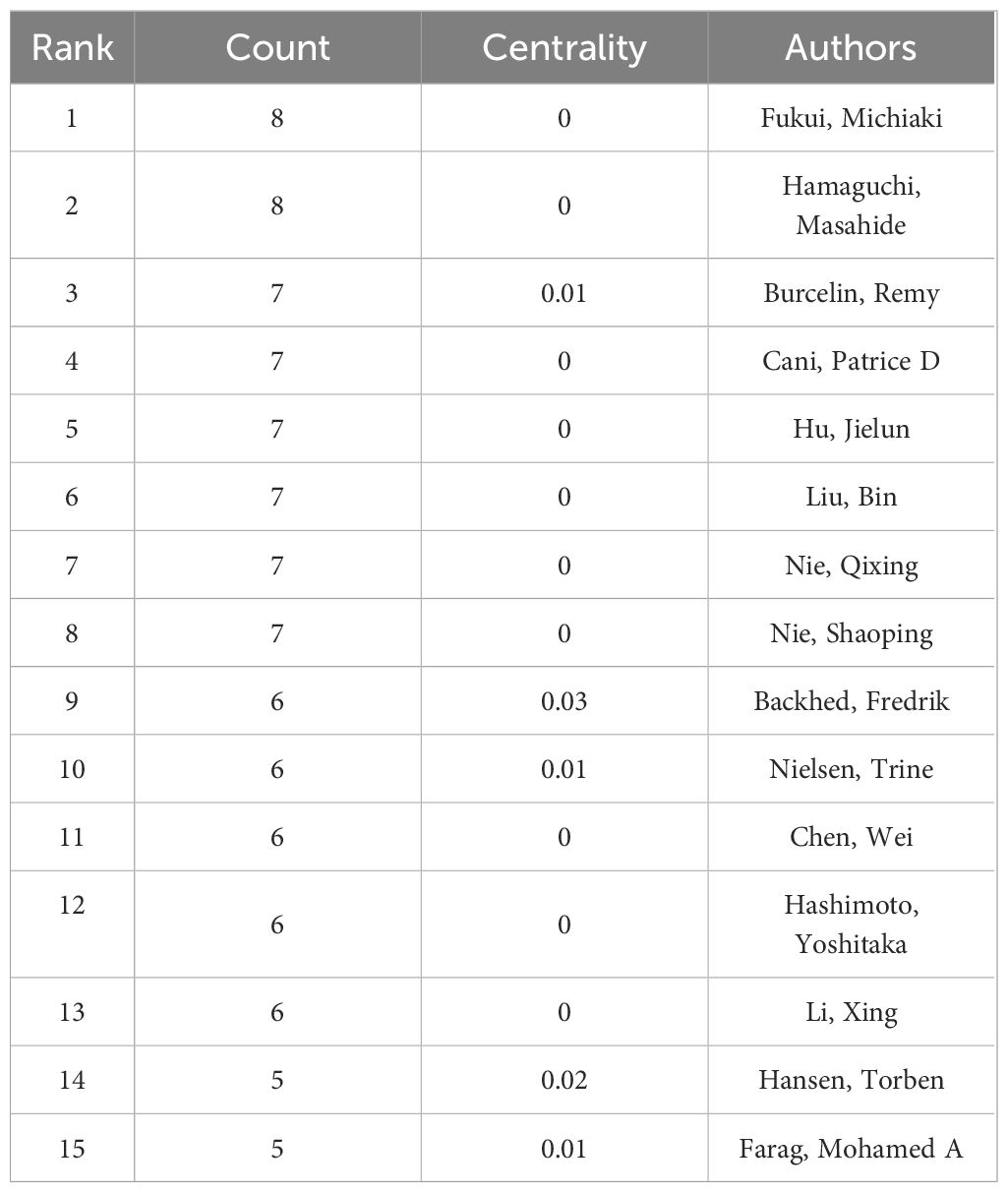
Table 3 Top 15 authors in terms of number of publications.
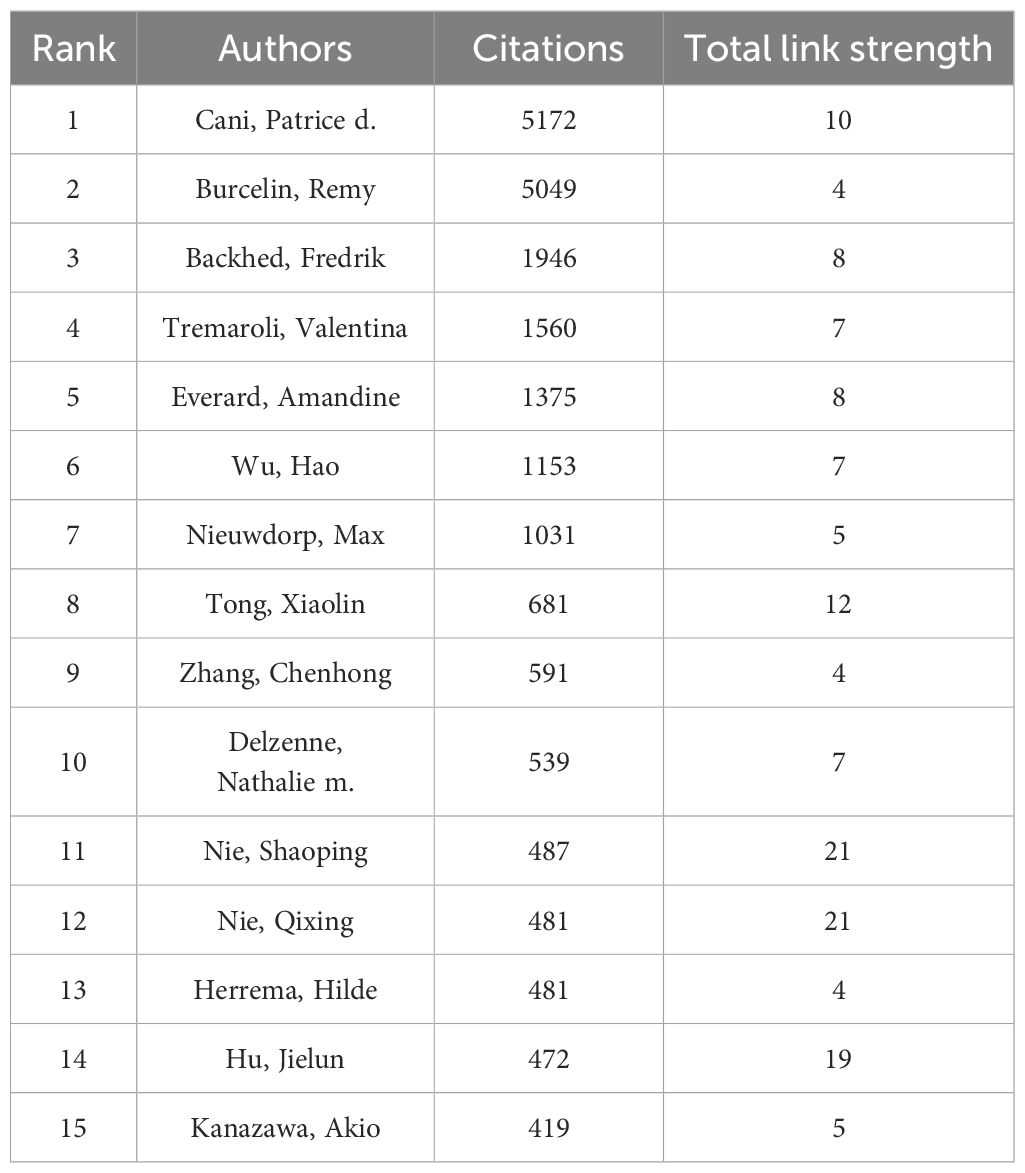
Table 4 Top 15 authors with cited papers.
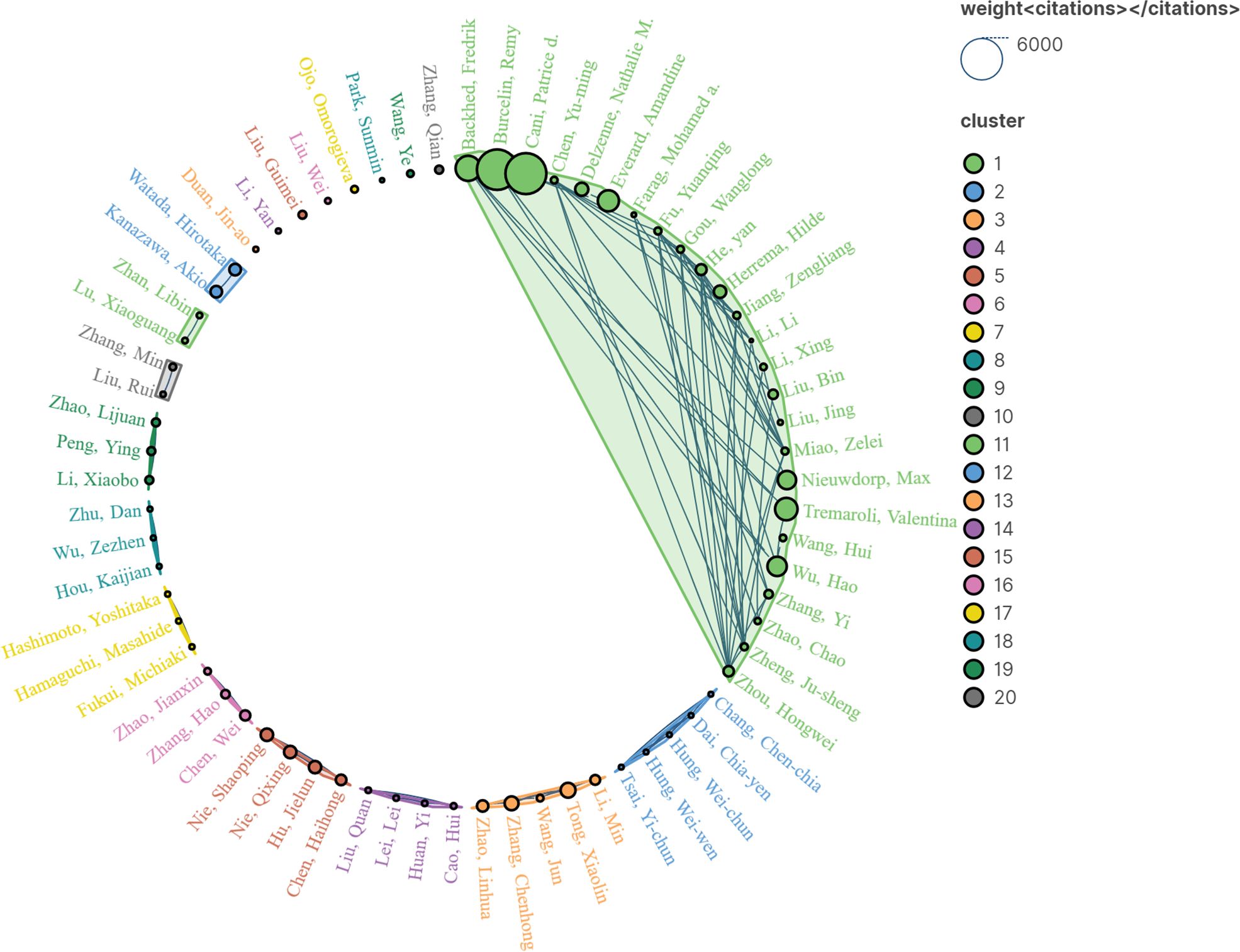
Figure 5 Network view of cited authors.
3.5 Analysis of journals and cited journals
A total of 318 journals published publications related to this topic. Table 5 demonstrates the 15 journals with the highest number of publications. The 15 journals published a total of 328 publications which represents 32.67% of all publications. INTERNATIONAL JOURNAL OF BIOLOGICAL MACROMOLECULES has the highest impact factor of 8.2. 10 of the 15 journals are in Q1 and 5 are in Q2. Figure 6 illustrates a network view of the issuing journals, with a larger area of nodes indicating more issues. These journals can be clustered into 4 clusters and there is a correlation between journals citing each other.
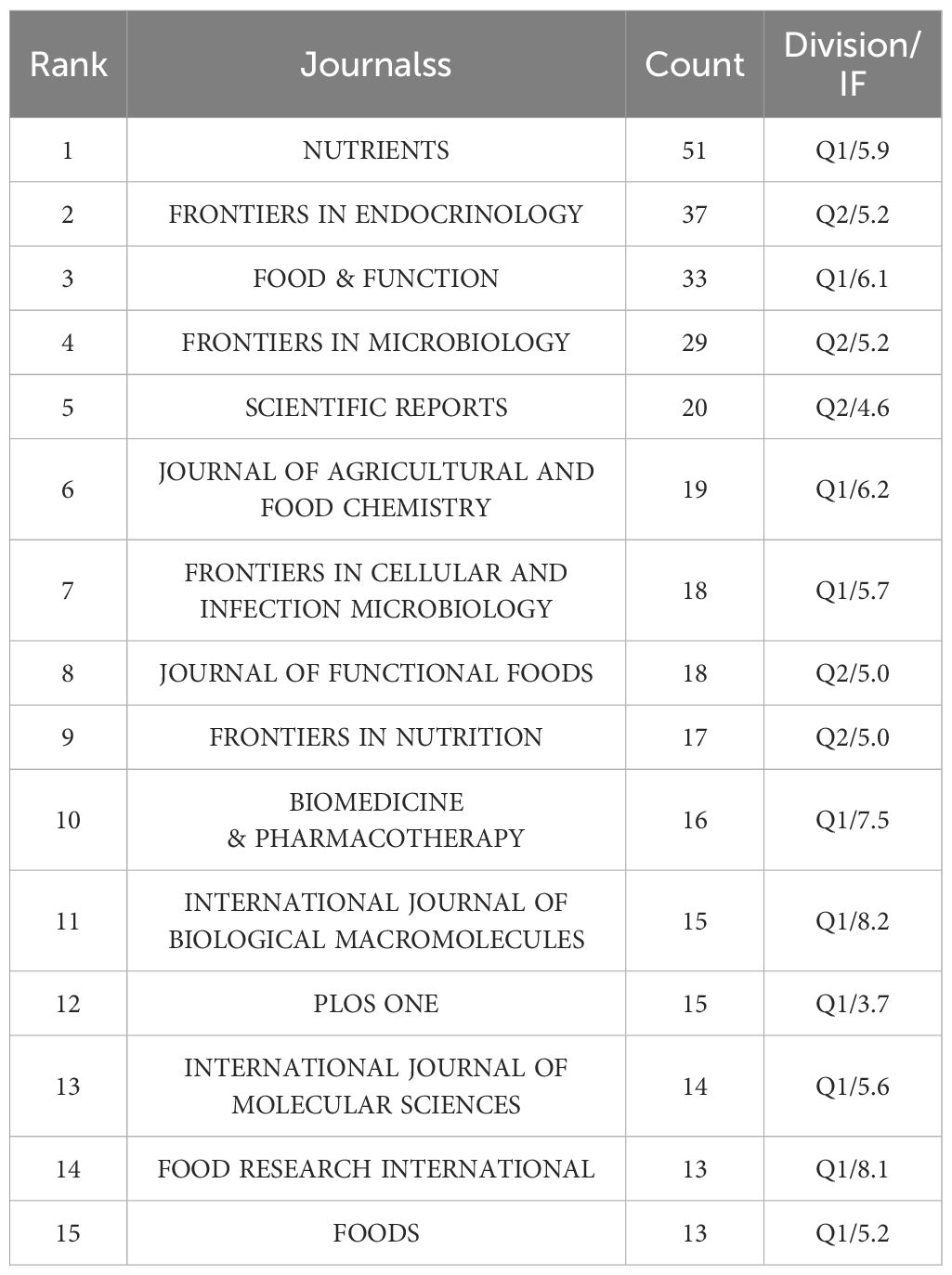
Table 5 Top 15 journals in terms of publications.

Figure 6 Network view of issuing journals.
Table 6 shows the top 15 most frequently cited journals, and Figure 7 shows the network analysis view of cited journals. NATURE (Q1/64.8; 804 citations) is the most frequently cited journal. NATURE, PLOS ONE, and DIABETOLOGIA all have a centrality of 0.03, making them the 3 journals with the highest centrality. 13 journals were in Q1 and 2 journals were in Q2. Nat Med had the highest impact factor of 82.9.

Table 6 Top 15 most cited journals.
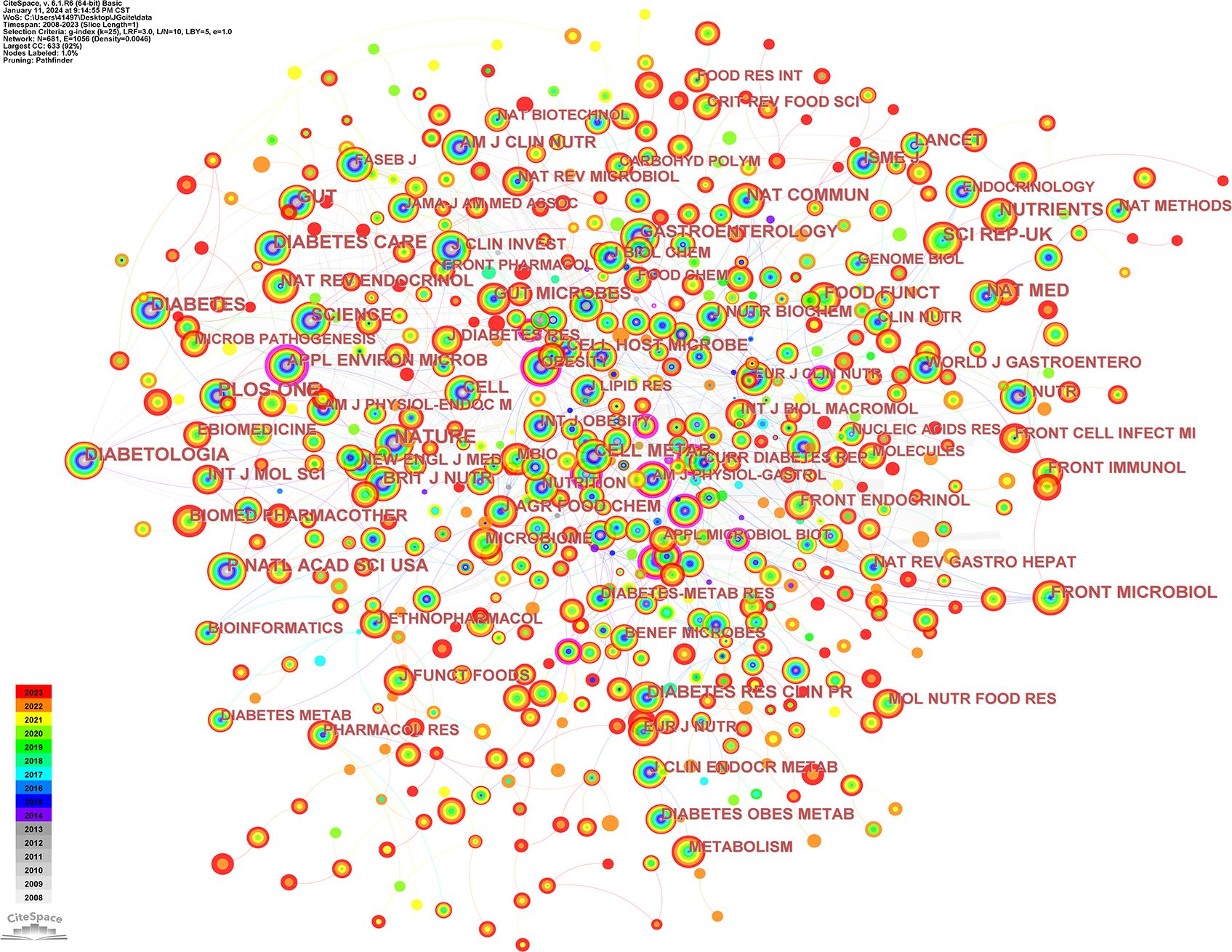
Figure 7 Network co-occurrence view of cited journals.
In Figure 8, dual map overlay of journals shows the distribution of topics. The labels indicate the subject topics covered and the colored paths indicate the citation relationships. The results show four significant citation paths. It can be seen that journals under the theme “MOLECULAR,BIOLOGY,GENETICS” are often cited by “VETERINARY,ANIMAL,SCIENCE” “ MOLECULAR, BIOLOGY, IMMUNOLOGY” and “MEDICINE, MEDICAL, CLINICAL”;Journals under the theme “HEALTH, NURSING, MEDICINE” are often cited by journals under the theme “MEDICINE, MEDICAL, CLINICAL”.

Figure 8 Analyzed view of the bimorphic overlay of the journals.
3.6 Analysis of co-cited references
Co-citation relationships are formed when multiple documents are cited multiple times by different documents, and such co-citation relationships are often used to determine the degree of association between different documents. Table 7 demonstrates the top 15 cited references and Figure 9A shows the network view of co-occurrence analysis for these references. The most cited reference is “Role of gut microbiota in Type 2 diabetes pathophysiology” by Gurung M published on EBIOMEDICINE in 2020. The next is “Gut bacteria selectively promoted by dietary fibers alleviate type 2 diabetes” by Zhao LP published on SCIENCE in 2018. The third is “Metformin alters the gut microbiome of individuals with treatment-naive type 2 diabetes, contributing to the therapeutic effects of the drug” by Wu H published on NAT MED in 2017. These papers focus on the direct association between GM and T2DM, exploring the physiological links between GM and T2DM the effects of different interventions on GM, and the ameliorative effects on T2DM. Figure 9B illustrates the network view of the cluster analysis. The results showed that current research hotspots between GM and T2DM include “intestinal microbial metabolite” “non-diabetic adult” “metformin acarbose” “research frontier” and “clinical trial”. Q= 0.8379 > 0.3 and S = 0.9453 > 0.7, suggesting that this analysis resulted in a significant clustering structure and a convincing conclusion.
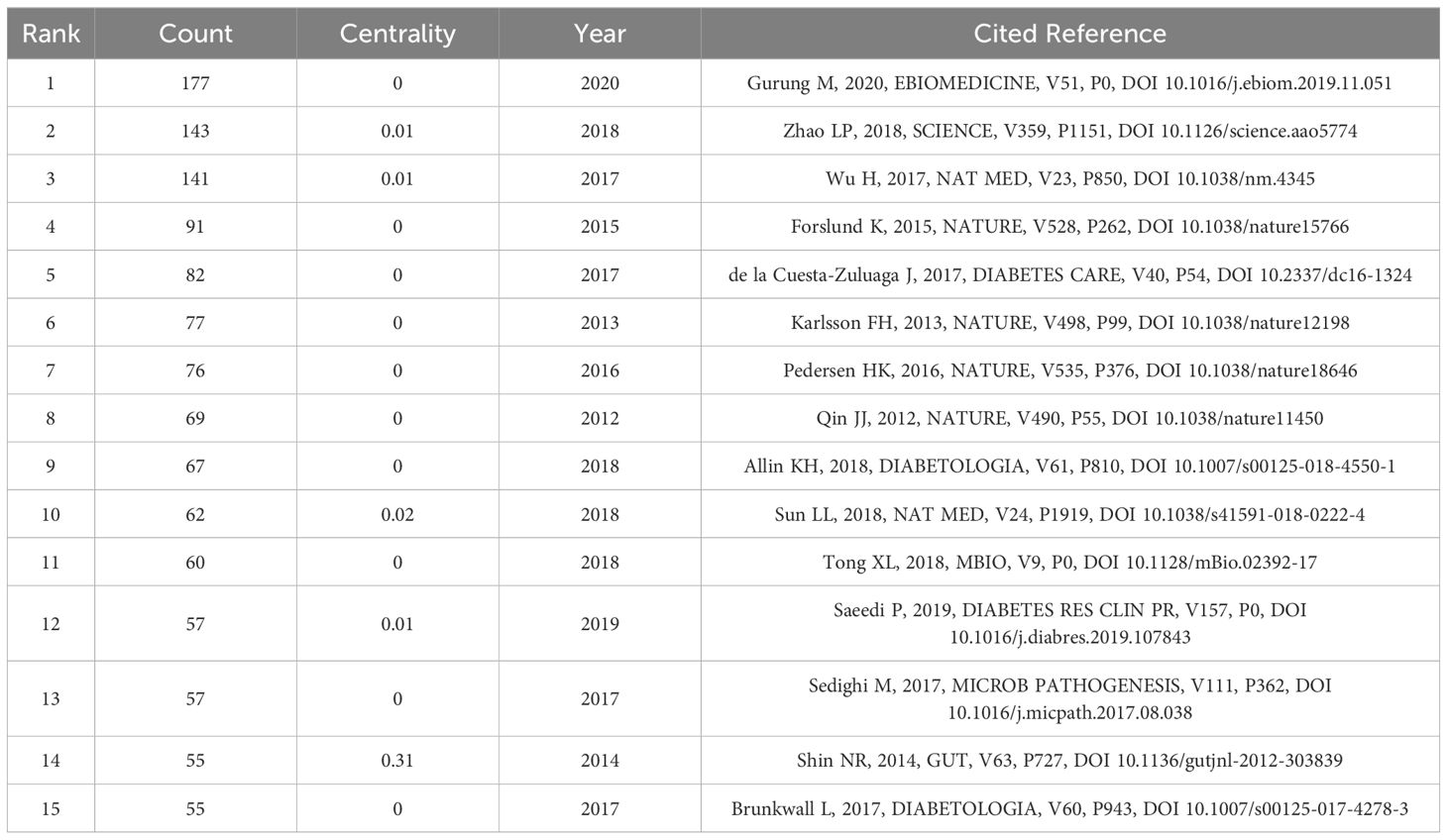
Table 7 Top 15 most frequently cited references.
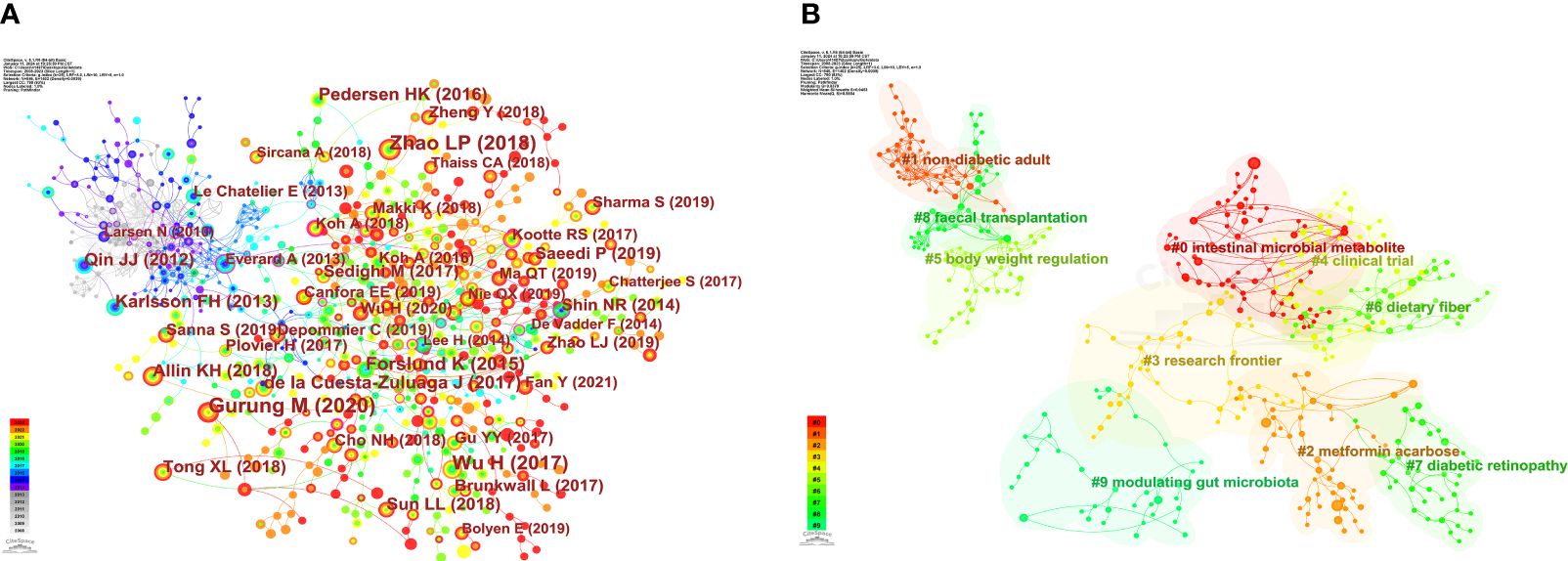
Figure 9 Network analysis view of co-cited references. (A) Co-occurrence analysis network view. (B) Cluster analysis network view.
3.7 Keywords analysis
3.7.1 Keywords co-occurrence analysis
Keywords that appear in the same literature with associations form co-occurrence relationships, and the co-occurrence network view reflects the research focus and connections in this area.A total of 527 keywords were found in 1004 publications. Table 8 shows the 15 keywords with the highest frequency of occurrence.The most frequent keywords were “gut microbiota”, “type 2 diabetes mellitus”, “obesity”, “insulin resistance” and “inflammation”. “insulin resistance” and “inflammation”, which reflect the current research hotspots in this field.The co-occurrence network view of the keywords is shown in Figure 10, and the size of the nodes reflects the frequency of keyword occurrence.

Table 8 15 keywords with the highest frequency of occurrence.
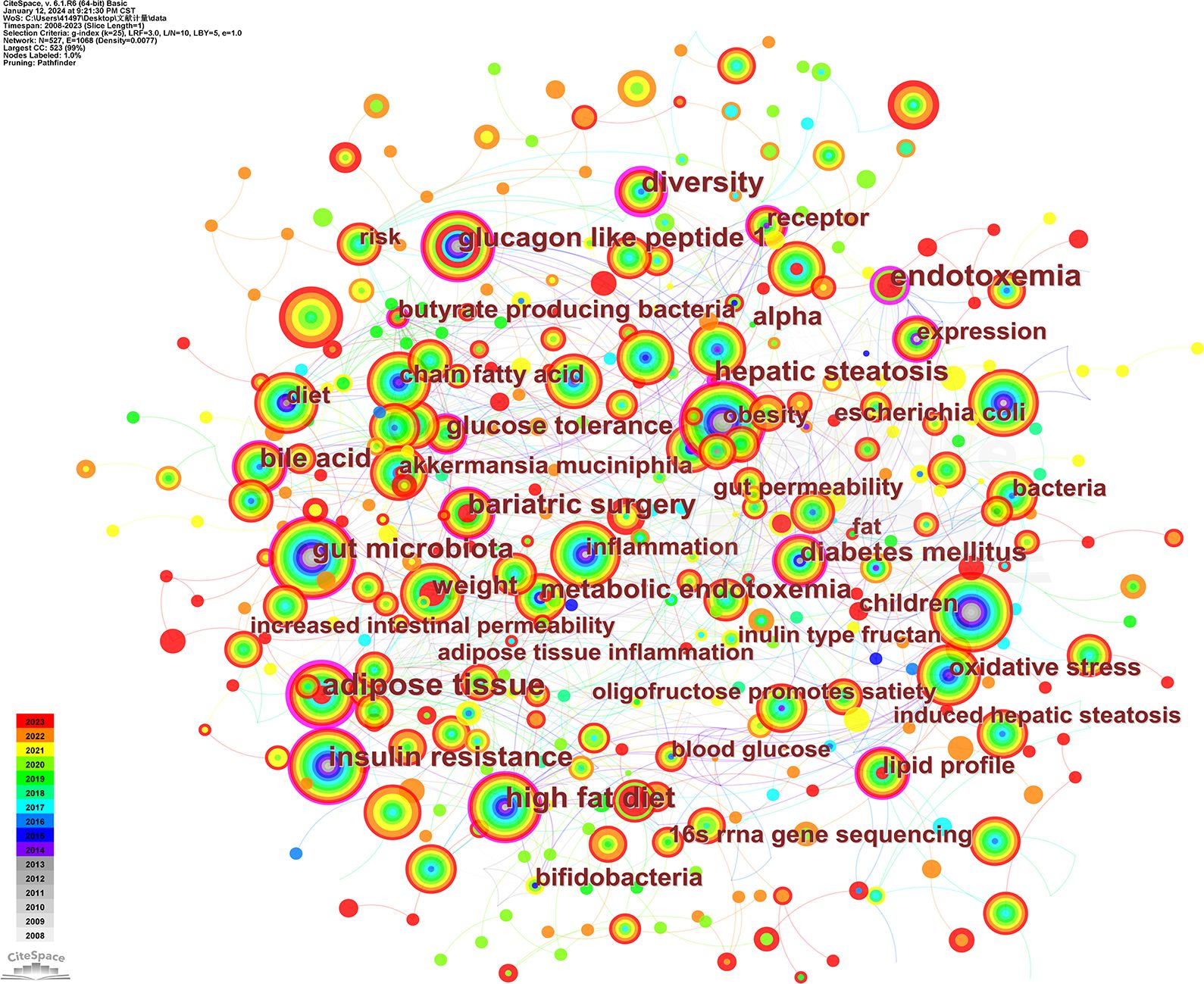
Figure 10 Co-occurrence network view of keywords.
3.7.2 Keywords clustering analysis
Figure 11 illustrates the network view of the keyword clustering analysis. The results of the analysis show Q = 0.7285 > 0.3 and S = 0.89 > 0.7, indicating that the clustering structure of this analysis is significant and the results are convincing. The 18 notable clusters that relate to diabetes and related physiological processes are #1 methionine metabolism, #2 diabetes remission, #9 diabetes mellitus, and #15 pancreatic dysfunction. Relate to GM and intervention modalities are #5 composite probiotics, #7 dietary supplementation, #8 intestinal health, #10 dietary pattern, #11 intensive lifestyle intervention, #12 fecal microbiota transplantation, #13 changing ileum, #17 prebiotic effect; Relate to the type of study, experimental technique, and assay were #0 grade-assessed systematic review meta-analysis, #3 double-blind placebo-controlled trial, #6 metabolomic insight, #14 gut microbiome serum level, #16 mendelilan randomization study.
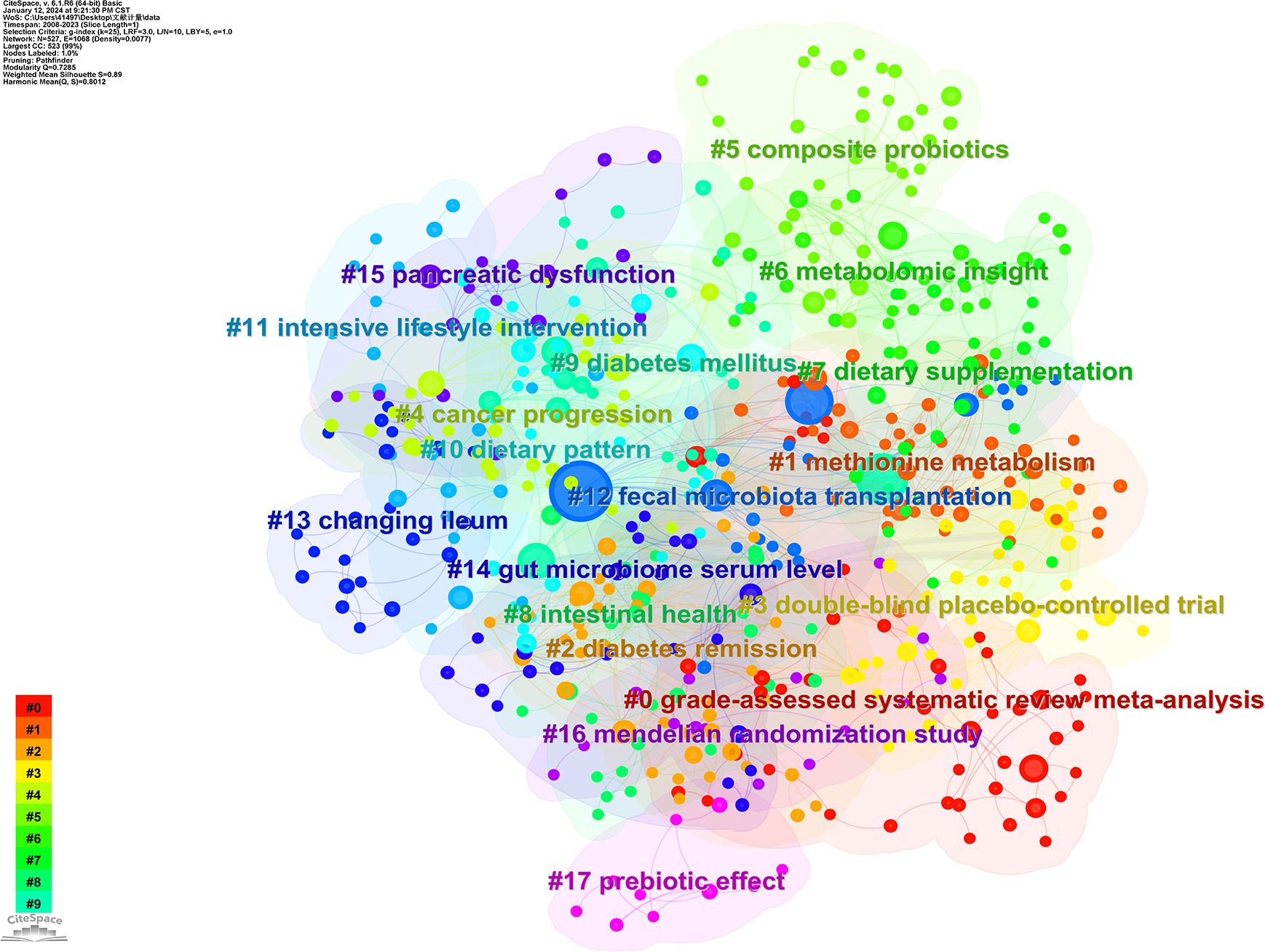
Figure 11 Network view of keywords cluster analysis.
3.7.3 Keywords bursts analysis
The keywords burst analysis shows the hotspot changes in the field, and Figure 12 demonstrates the results of the analysis.”Endotoxemia” and “adipose tissue” were the first two keywords to show up in persistent heat. The most recent keywords to show persistent heat were “glucagon-like peptide” and “propionate”. “Endotoxemia” is the keyword with the longest duration.

Figure 12 View of keywords bursts analysis.
3.7.4 Keywords timeline analysis
To further analyze the changes in keywords, we conducted a timeline analysis of the keywords, which is detailed in Supplementary Figure S1. “Grade-assessed systematic review meta-analysis” has been a hot research topic since 2014 and is the most prominent cluster. The research hotspot for this cluster is lipid profile. The 2nd most prominent cluster is “methionine metabolism”, which has been a research hotspot since 2011, and its research hotspot is fat. The 3rd most prominent cluster is “diabetes remission”, and research in this cluster focuses on diabetes mellitus.
4 Discussion
4.1 Overview of research between GM and T2DM
In this study, we conducted a bibliometric analysis by analyzing the relevant literature about GM and T2DM in the WOSCC database. We have mainly reviewed the current research overview in this field from the perspectives of trends in the number of publications, distribution, and cooperation of countries/regions, distribution and cooperation of institutions, number of publications and cooperation of authors, journals, and cited journals, co-cited references, and keywords.
In terms of the number of publications, the overall research output in this field has been on an upward trend since 2008 and will reach its peak in 2022. Although the number of publications declined in 2023, it still maintains a high number of publications, which indicates that the research in this field is still a hotspot and has high research value.
In terms of countries/regions, the 187 countries involved in this area of research are spread across five continents. China and the US are the 2 countries with the largest number of publications. In terms of collaborations, there are closer collaborations between China-UK-Germany-Sweden and US-India-Romania.
In terms of issuing institutions, among the 3683 institutions involved, Univ Copenhagen and Shanghai Jiao Tong Univ were the 2 institutions with the largest number of publications.Univ Copenhagen has the highest centrality among all the institutions and the strongest collaborative relationship with other institutions.
In terms of authors, 6425 authors are involved in the field. The highest number of publications is by Fukui, Michiaki, and Hamaguchi, Masahide, the highest centrality is by Backhed, Fredrik, and the most cited article is by Cani, Patrice d. These authors form distinct clusters, with stable collaborations between them.
In terms of journals, the journal with the highest number of publications was NUTRIENTS (Q1/5.9), and the journal with the highest number of citations was NATURE (Q1/64.8; 804 citations). The top 15 journals in terms of publications totaled 328 publications or 32.67% of all publications. The most centrally cited journals were NATURE, PLOS ONE, and DIABETOLOGIA. The cited journals were mainly distributed in the themes of “MOLECULAR, BIOLOGY, GENETICS” and “HEALTH, NURSING, MEDICINE”.
Analysis of the co-cited references showed that the top 3 cited publications were from Gurung M, Zhao LP, and Wu H. These publications mainly focused on the physiological link between GM and T2DM and the improvement of T2DM by regulating GM.
The analysis of keywords showed that gut microbiota, type 2 diabetes mellitus, Obesity, insulin resistance, and inflammation appeared at the top of the frequency list. This reflects the current research hotspot in this field, obesity and T2DM often occur together, and patients with both diseases suffer from chronic low-level inflammation and insulin resistance, so these conditions should be comprehensively considered in related studies. High-frequency keywords also included GM derivatives and related experimental techniques. The clustering analysis results suggested that evidence-based medical research has received focused attention from scholars, which can provide a research basis and high-quality evidence for research in this field. The bursts analysis revealed that glucagon-like peptides and propionate are two recently emerged hotspots for ongoing research.
4.2 Research progress on the link between GM and T2DM
4.2.1 Regulating GM to improve T2DM is gradually becoming popular
GM plays a significant role in the pathogenesis of T2DM (29, 30), GM dysregulation is a common state in patients with T2DM. Bifidobacterium and Mycobacterium spp. are considered to be the most relevant genera to T2DM (31–33). In animal experiments, researchers have found that Bifidobacterium inhibits fat accumulation, reduces obesity, attenuates insulin resistance, lowers blood glucose levels, and improves glucose tolerance (34, 35). Cross-sectional studies have demonstrated a negative association between Bifidobacterium spp. and T2DM (33, 36). However, one study found that the accumulation of an ovine Anopheles strain drove the expansion of IL-17-producing CD27-MAIT cells (37). In addition to Bifidobacterium and Anaplasma spp. other genera have also shown association with T2DM (38). In conclusion, regulating GM will probably be an effective measure to improve T2DM (39–41).
4.2.2 Main pathways of action for regulating GM to improve T2DM
GM improves T2DM by modulating inflammation, maintaining intestinal barrier function, and correcting disorders of glucolipid metabolism.Although lipopolysaccharides as GM derivatives promote endotoxemia and low-level inflammation (42, 43), more microorganisms and their metabolites produce anti-inflammatory factors and chemokines, which can improve inflammation in the organism. Short-chain fatty acids, as the main derivatives of GM, influence the inflammatory state of the organism. Butyric acid modulates macrophage function by inhibiting HDACs and decreases the expression levels of pro-inflammatory mediators NO, IL-6, and IL-12 (44). A 2009 study has confirmed that GM has a positive effect on maintaining intestinal barrier function (45). Probiotic supplementation reduces the expression of TNF-α and IL-6 (46), promotes the expression of ZO-1, and maintains intestinal barrier function (47, 48). Data from a scoping review showed that 40 GM taxa were associated with glucose and 17 with insulin (49). Of these, Enterobacteriaceae were directly associated with fasting and postprandial glucose (50–52). Probiotic supplementation significantly improved glycemic and lipid parameters in mice and also promoted GLP-1 expression by up-regulating the activities of GPR43/41, GCG, and PC1/3 thereby promoting insulin secretion (53). In conclusion, the use of GM as a therapeutic target for T2DM is increasingly supported by combining the results of current clinical studies and animal experiments.
Despite the promising findings of current researches related to GM and T2DM, there are still questions that hinder the further development of related researches. Although researchers have discovered a link between GM and T2DM, and the modulation of GM through medication, diet, and exercise has improved the symptoms of T2DM, what role do specific genera play in this process? At what level of abundance and number of these genera is optimal? Limited by current technology, we are unable to directly assay genera directly in the human body. These are questions that current researchers need to overcome.
4.3 Current hot spots and development prediction of GM and T2DM-related studies
We explore current research themes based on studies conducted by influential scholars, Fukui Michiaki and Hamaguchi Masahide, who have co-authored a number of research studies focusing on the improvement of GM and T2DM with diet and exercise, and further exploring specific mechanisms of action (54–58). Burcelin and Remy’s researches focus on “brain-gut interactions”, but they also focus on the effects of pharmacological interventions on GM and the specific mechanisms involved (14, 39, 59–61). Several other high-impact scholars have focused on the same topic, addressing the effects of diet, exercise, and medications on GM and T2DM (62–67).
In terms of keywords, in addition to gut microbiota and type 2 diabetes mellitus, obesity, insulin resistance, inflammation, and other related symptoms and diseases have been the focus of scholars. This suggests that current research is focused on exploring the link between GM and T2DM and its complications. The 18 significant clusters in the results of the cluster analysis relate to the content of three topics: (1) Diabetes mellitus and its physiological processes. (2) GM and methods of regulating GM. (3) Types of studies, experimental techniques, and testing metrics. These three topics are important components for conducting relevant research.
Combined with the results of the above analysis, future research may have the following trends: (1) Future research will not only focus on T2DM itself, but will also expand to other T2DM-related diseases or specific physiological processes. (2) The way to regulate GM will be further refined, and the specific mechanisms of exercise, diet, and drug regulation of GM will become the focus of research. (3) New experimental techniques and detection indexes will be applied in related studies to help form more convincing research conclusions.
5 Conclusion
In this study, we systematically sorted out and quantitatively analyzed the relevant studies on regulating GM to improve T2DM, demonstrating the current research status and future research trends in this field. The results of this study can help researchers gain a comprehensive understanding of the current state of research and provide a reference for future researches. For researchers, future studies will delve more deeply into the specific mechanisms that regulate GM to ameliorate T2DM and will extend to T2DM-related diseases and symptoms. Therefore, the development of new experimental techniques and new assays is necessary. For clinicians, further optimization of GM interventions and development of individualized therapeutic strategies for patients with T2DM may lead to better clinical outcomes.
6 Strengths and limitations of this study
In this study we searched only publications in the WOSCC database and limited the language of the publications to English. Therefore, there may be omissions in the included publications. In addition, although we considered all possible search terms, we still could not guarantee that there were no omissions in the search results. In conclusion, our study is sufficiently precise but may not be complete.
Author contributions
RJ: Conceptualization, Writing – original draft. ZC: Data curation, Formal analysis, Writing – original draft. LiZ: Conceptualization, Methodology, Writing – original draft. LoZ: Validation, Writing – review & editing. QG: Data curation, Writing – review & editing. SW: Formal analysis, Writing – original draft. JF: Investigation, Methodology, Writing – review & editing. JC: Writing – original draft. ML: Supervision, Writing – review & editing.
Funding
The author(s) declare financial support was received for the research, authorship, and/or publication of this article. This research was funded by the National Natural Science Foundation of China, grant number: 82174525; Jilin Provincial Natural Science Foundation, grant number: YDZJ202201ZYTS195.
Acknowledgments
We thank those who participated in and supported this study.
Conflict of interest
The authors declare that the research was conducted in the absence of any commercial or financial relationships that could be construed as a potential conflict of interest.
Publisher’s note
All claims expressed in this article are solely those of the authors and do not necessarily represent those of their affiliated organizations, or those of the publisher, the editors and the reviewers. Any product that may be evaluated in this article, or claim that may be made by its manufacturer, is not guaranteed or endorsed by the publisher.
Supplementary material
The Supplementary Material for this article can be found online at: https://www.frontiersin.org/articles/10.3389/fendo.2024.1401070/full#supplementary-material
Supplementary Figure S1 | Keyword timeline analysis view.
References
1. Eizirik DL, Pasquali L, Cnop M. Pancreatic β-cells in type 1 and type 2 diabetes mellitus: different pathways to failure. Nat Rev Endocrinol. (2020) 16:349–62. doi: 10.1038/s41574-020-0355-7
2. Galicia-Garcia U, Benito-Vicente A, Jebari S, Larrea-Sebal A, Siddiqi H, Uribe KB, et al. Pathophysiology of type 2 diabetes mellitus. Int J Mol Sci. (2020) 21(17):6275. doi: 10.3390/ijms21176275
3. Javeed N, Matveyenko AV. Circadian etiology of type 2 diabetes mellitus. Physiol (Bethesda Md). (2018) 33:138–50. doi: 10.1152/physiol.00003.2018
4. Zheng Y, Ley SH, Hu FB. Global aetiology and epidemiology of type 2 diabetes mellitus and its complications. Nat Rev Endocrinol. (2018) 14:88–98. doi: 10.1038/nrendo.2017.151
5. American Diabetes Association. 2. Classification and diagnosis of diabetes: standards of medical care in diabetes-2021. Diabetes Care. (2021) 44:S15–s33. doi: 10.2337/dc21-S002
6. GBD 2015 Risk Factors Collaborators. Global, regional, and national comparative risk assessment of 79 behavioural, environmental and occupational, and metabolic risks or clusters of risks, 1990-2015: a systematic analysis for the Global Burden of Disease Study 2015. Lancet (London England). (2016) 388:1659–724. doi: 10.1016/S0140-6736(16)31679-8
7. International Diabetes Federation. Five questions on the IDF diabetes atlas. Diabetes Res Clin Pract. (2013) 102:147–8. doi: 10.1016/j.diabres.2013.10.013
8. Zhou X, Chen R, Cai Y, Chen Q. Fecal microbiota transplantation: A prospective treatment for type 2 diabetes mellitus. Diabetes Metab syndrome obesity: Targets Ther. (2024) 17:647–59. doi: 10.2147/DMSO.S447784
9. Tsai CY, Liu PY, Huang MC, Chang CI, Chen HY, Chou YH, et al. Abundance of Prevotella copri in gut microbiota is inversely related to a healthy diet in patients with type 2 diabetes. J Food Drug analysis. (2023) 31:599–608. doi: 10.38212/2224-6614.3484
10. Zhang H, Ma L, Peng W, Wang B, Sun Y. Association between gut microbiota and onset of type 2 diabetes mellitus: a two-sample Mendelian randomization study. Front Cell Infect Microbiol. (2024) 14:1327032. doi: 10.3389/fcimb.2024.1327032
11. Zhang L, Wang P, Huang J, Xing Y, Wong FS, Suo J, et al. Gut microbiota and therapy for obesity and type 2 diabetes. Front endocrinol. (2024) 15:1333778. doi: 10.3389/fendo.2024.1333778
12. Nayman EI, Schwartz BA, Polmann M, Gumabong AC, Nieuwdorp M, Cickovski T, et al. Differences in gut microbiota between Dutch and South-Asian Surinamese: potential implications for type 2 diabetes mellitus. Sci Rep. (2024) 14:4585. doi: 10.1038/s41598-024-54769-4
13. Krautkramer KA, Fan J, Bäckhed F. Gut microbial metabolites as multi-kingdom intermediates. Nat Rev Microbiol. (2021) 19:77–94. doi: 10.1038/s41579-020-0438-4
14. Cani PD, Bibiloni R, Knauf C, Neyrinck AM, Neyrinck AM, Delzenne NM, et al. Changes in gut microbiota control metabolic endotoxemia-induced inflammation in high-fat diet-induced obesity and diabetes in mice. Diabetes. (2008) 57:1470–81. doi: 10.2337/db07-1403
15. Membrez M, Blancher F, Jaquet M, Bibiloni R, Cani PD, Burcelin RG, et al. Gut microbiota modulation with norfloxacin and ampicillin enhances glucose tolerance in mice. FASEB J. (2008) 22:2416–26. doi: 10.1096/fj.07-102723
16. Kootte RS, Vrieze A, Holleman F, Dallinga-Thie GM, Zoetendal EG, de Vos WM, et al. The therapeutic potential of manipulating gut microbiota in obesity and type 2 diabetes mellitus. Diabetes Obes Metab. (2012) 14:112–20. doi: 10.1111/j.1463-1326.2011.01483.x
17. Everard A, Cani PD. Diabetes, obesity and gut microbiota. Best Pract Res Clin Gastroenterol. (2013) 27:73–83. doi: 10.1016/j.bpg.2013.03.007
18. Meng X, Shi M, Guo G, Xing J, Liu Z, Song F, et al. In-depth investigation of the therapeutic effect of Tribulus terrestris L. @ on type 2 diabetes based on intestinal microbiota and feces metabolomics. J Ethnopharmacol. (2024) 325:117815. doi: 10.1016/j.jep.2024.117815
19. Ma X, Qiu Y, Mao M, Lu B, Zhao H, Pang Z, et al. PuRenDan alleviates type 2 diabetes mellitus symptoms by modulating the gut microbiota and its metabolites. J Ethnopharmacol. (2024) 322:117627. doi: 10.1016/j.jep.2023.117627
20. Zhang GD, Liu XX, Liang JL, Hu QM. The distribution pattern of traditional Chinese medicine syndromes in 549 patients with type 2 diabetes. Diabetes Metab syndrome obesity: Targets Ther. (2021) 14:2209–16. doi: 10.2147/DMSO.S295351
21. Liu N, Yan X, Lv B, Wu Y, Hu X, Zheng C, et al. A study on the association between gut microbiota, inflammation, and type 2 diabetes. Appl Microbiol Biotechnol. (2024) 108:213. doi: 10.1007/s00253-024-13041-5
22. Gao Z, Zhang W, He L, Wang H, Li Y, Jiang X, et al. Double-blinded, randomized clinical trial of Gegen Qinlian decoction pinpoints Faecalibacterium as key gut bacteria in alleviating hyperglycemia. Precis Clin Med. (2024) 7:pbae003. doi: 10.1093/pcmedi/pbae003
23. Liu T, Zhao M, Zhang Y, Xu R, Fu Z, Jin T, et al. Polysaccharides from Phellinus linteus attenuate type 2 diabetes mellitus in rats via modulation of gut microbiota and bile acid metabolism. Int J Biol Macromol. (2024) 262:130062. doi: 10.1016/j.ijbiomac.2024.130062
24. Xie X, Liao J, Ai Y, Gao J, Zhao J, Qu F, et al. Pi-Dan-Jian-Qing decoction ameliorates type 2 diabetes mellitus through regulating the gut microbiota and serum metabolism. Front Cell infection Microbiol. (2021) 11:748872. doi: 10.3389/fcimb.2021.748872
25. Su M, Tang T, Tang W, Long Y, Wang L, Liu M. Astragalus improves intestinal barrier function and immunity by acting on intestinal microbiota to treat T2DM: a research review. Front Immunol. (2023) 14:1243834. doi: 10.3389/fimmu.2023.1243834
26. Yang B, Xiong Z, Lin M, Yang Y, Chen Y, Zeng J, et al. Astragalus polysaccharides alleviate type 1 diabetes via modulating gut microbiota in mice. Int J Biol macromolecules. (2023) 234:123767. doi: 10.1016/j.ijbiomac.2023.123767
27. Yu Y, Li Y, Zhang Z, Gu Z, Zhong H, Zha Q, et al. A bibliometric analysis using VOSviewer of publications on COVID-19. Ann Transl Med. (2020) 8:816. doi: 10.21037/atm
28. Musbahi A, Rao CB, Immanuel A. A bibliometric analysis of robotic surgery from 2001 to 2021. World J surg. (2022) 46:1314–24. doi: 10.1007/s00268-022-06492-2
29. Liu L, Zhang J, Cheng Y, Zhu M, Xiao Z, Ruan G, et al. Gut microbiota: A new target for T2DM prevention and treatment. Front endocrinol. (2022) 13:958218. doi: 10.3389/fendo.2022.958218
30. Tanase DM, Gosav EM, Neculae E, Costea CF, Ciocoiu M, Hurjui LL, et al. Role of gut microbiota on onset and progression of microvascular complications of type 2 diabetes (T2DM). Nutrients. (2020) 12(12):3719. doi: 10.3390/nu12123719
31. Gao R, Zhu C, Li H, Yin M, Pan C, Huang L, et al. Dysbiosis signatures of gut microbiota along the sequence from healthy, young patients to those with overweight and obesity. Obes (Silver Spring Md). (2018) 26:351–61. doi: 10.1002/oby.22088
32. Sedighi M, Razavi S, Navab-Moghadam F, Khamseh ME, Alaei-Shahmiri F, Mehrtash A, et al. Comparison of gut microbiota in adult patients with type 2 diabetes and healthy individuals. Microb Pathog. (2017) 111:362–9. doi: 10.1016/j.micpath.2017.08.038
33. Lippert K, Kedenko L, Antonielli L, Kedenko I, Gemeier C, Leitner M, et al. Gut microbiota dysbiosis associated with glucose metabolism disorders and the metabolic syndrome in older adults. Benef Microbes. (2017) 8:545–56. doi: 10.3920/BM2016.0184
34. Kikuchi K, Ben Othman M, Sakamoto K. Sterilized bifidobacteria suppressed fat accumulation and blood glucose level. Biochem Biophys Res Commun. (2018) 501:1041–7. doi: 10.1016/j.bbrc.2018.05.105
35. Aoki R, Kamikado K, Suda W, Takii H, Mikami Y, Suganuma N, et al. A proliferative probiotic Bifidobacterium strain in the gut ameliorates progression of metabolic disorders via microbiota modulation and acetate elevation. Sci Rep. (2017) 7:43522. doi: 10.1038/srep43522
36. Yamaguchi Y, Adachi K, Sugiyama T, Shimozato A, Ebi M, Ogasawara N, et al. Association of intestinal microbiota with metabolic markers and dietary habits in patients with type 2 diabetes. Digestion. (2016) 94:66–72. doi: 10.1159/000447690
37. Li Y, Yang Y, Wang J, Cai P, Li M, Tang X, et al. Bacteroides ovatus-mediated CD27(-) MAIT cell activation is associated with obesity-related T2D progression. Cell Mol Immunol. (2022) 19:791–804. doi: 10.1038/s41423-022-00871-4
38. de la Cuesta-Zuluaga J, Mueller NT, Corrales-Agudelo V, Velásquez-Mejía EP, Carmona JA, Abad JM, et al. Metformin is associated with higher relative abundance of mucin-degrading akkermansia muciniphila and several short-chain fatty acid-producing microbiota in the gut. Diabetes Care. (2017) 40:54–62. doi: 10.2337/dc16-1324
39. Wu H, Esteve E, Tremaroli V, Khan MT, Caesar R, Mannerås-Holm L, et al. Metformin alters the gut microbiome of individuals with treatment-naive type 2 diabetes, contributing to the therapeutic effects of the drug. Nat Med. (2017) 23:850–+. doi: 10.1038/nm.4345
40. Ng SC, Xu Z, Mak JWY, Yang K, Liu Q, Zuo T, et al. Microbiota engraftment after faecal microbiota transplantation in obese subjects with type 2 diabetes: a 24-week, double-blind, randomised controlled trial. Gut. (2022) 71:716–23. doi: 10.1136/gutjnl-2020-323617
41. Chen L, Liu B, Ren L, Du H, Fei C, Qian C, et al. High-fiber diet ameliorates gut microbiota, serum metabolism and emotional mood in type 2 diabetes patients. Front Cell Infect Microbiol. (2023) 13:1069954. doi: 10.3389/fcimb.2023.1069954
42. Ghosh SS, Wang J, Yannie PJ, Ghosh S. Intestinal barrier dysfunction, LPS translocation, and disease development. J Endocrine Soc. (2020) 4:bvz039. doi: 10.1210/jendso/bvz039
43. Janssen AW, Kersten S. Potential mediators linking gut bacteria to metabolic health: a critical view. J Physiol. (2017) 595:477–87. doi: 10.1113/JP272476
44. Chang PV, Hao L, Offermanns S, Medzhitov R. The microbial metabolite butyrate regulates intestinal macrophage function via histone deacetylase inhibition. Proc Natl Acad Sci U S A. (2014) 111:2247–52. doi: 10.1073/pnas.1322269111
45. Cani PD, Delzenne NM. The role of the gut microbiota in energy metabolism and metabolic disease. Curr Pharm design. (2009) 15:1546–58. doi: 10.2174/138161209788168164
46. Ojo BA, O'Hara C, Wu L, El-Rassi GD, Ritchey JW, Chowanadisai W, et al. Wheat germ supplementation increases lactobacillaceae and promotes an anti-inflammatory gut milieu in C57BL/6 mice fed a high-fat, high-sucrose diet. J Nutr. (2019) 149:1107–15. doi: 10.1093/jn/nxz061
47. Zakostelska Z, Kverka M, Klimesova K, Rossmann P, Mrazek J, Kopecny J, et al. Lysate of probiotic Lactobacillus casei DN-114 001 ameliorates colitis by strengthening the gut barrier function and changing the gut microenvironment. PLoS One. (2011) 6:e27961. doi: 10.1371/journal.pone.0027961
48. Persborn M, Gerritsen J, Wallon C, Carlsson A, Akkermans LM, Söderholm JD. The effects of probiotics on barrier function and mucosal pouch microbiota during maintenance treatment for severe pouchitis in patients with ulcerative colitis. Alimentary Pharmacol Ther. (2013) 38:772–83. doi: 10.1111/apt.2013.38.issue-7
49. Palmnäs-Bédard MSA, Costabile G, Vetrani C, Åberg S, Hjalmarsson Y, Dicksved J, et al. The human gut microbiota and glucose metabolism: a scoping review of key bacteria and the potential role of SCFAs. Am J Clin Nutr. (2022) 116:862–74. doi: 10.1093/ajcn/nqac217
50. Zeevi D, Korem T, Zmora N, Israeli D, Rothschild D, Weinberger A, et al. Personalized nutrition by prediction of glycemic responses. Cell. (2015) 163:1079–94. doi: 10.1016/j.cell.2015.11.001
51. Fei N, Bernabé BP, Lie L, Baghdan D, Bedu-Addo K, Plange-Rhule J, et al. The human microbiota is associated with cardiometabolic risk across the epidemiologic transition. PLoS One. (2019) 14:e0215262. doi: 10.1371/journal.pone.0215262
52. Gonai M, Shigehisa A, Kigawa I, Kurasaki K, Chonan O, Matsuki T, et al. Galacto-oligosaccharides ameliorate dysbiotic Bifidobacteriaceae decline in Japanese patients with type 2 diabetes. Benef Microbes. (2017) 8:705–16. doi: 10.3920/BM2016.0230
53. Wang Y, Dilidaxi D, Wu Y, Sailike J, Sun X, Nabi XH. Composite probiotics alleviate type 2 diabetes by regulating intestinal microbiota and inducing GLP-1 secretion in db/db mice. Biomedicine pharmacotherapy = Biomedecine pharmacotherapie. (2020) 125:109914. doi: 10.1016/j.biopha.2020.109914
54. Okamura T, Hamaguchi M, Bamba R, Nakajima H, Yoshimura Y, Kimura T, et al. Brazilian green propolis improves gut microbiota dysbiosis and protects against sarcopenic obesity. J cachexia sarcopenia muscle. (2022) 13:3028–47. doi: 10.1002/jcsm.13076
55. Hashimoto Y, Hamaguchi M, Fukui M. Fermented soybean foods and diabetes. J Diabetes Investig. (2023) 14(12):1329–40. doi: 10.1111/jdi.14088
56. Hashimoto Y, Takahashi F, Okamura T, Hamaguchi M, Fukui M. Diet, exercise, and pharmacotherapy for sarcopenia in people with diabetes. Metabolism: Clin experimental. (2023) 144:155585. doi: 10.1016/j.metabol.2023.155585
57. Imai S, Kajiyama S, Kitta K, Miyawaki T, Matsumoto S, Ozasa N, et al. Eating vegetables first regardless of eating speed has a significant reducing effect on postprandial blood glucose and insulin in young healthy women: randomized controlled cross-over study. Nutrients. (2023) 15(5):1174. doi: 10.3390/nu15051174
58. Okamura T, Hamaguchi M, Hasegawa Y, Hashimoto Y, Majima S, Senmaru T, et al. Oral exposure to polystyrene microplastics of mice on a normal or high-fat diet and intestinal and metabolic outcomes. Environ Health perspectives. (2023) 131:27006. doi: 10.1289/EHP11072
59. Cani PD, Amar J, Iglesias MA, Poggi M, Knauf C, Bastelica D, et al. Metabolic endotoxemia initiates obesity and insulin resistance. Diabetes. (2007) 56:1761–72. doi: 10.2337/db06-1491
60. Nicholson JK, Holmes E, Kinross J, Burcelin R, Gibson G, Jia W, et al. Host-gut microbiota metabolic interactions. Science. (2012) 336:1262–7. doi: 10.1126/science.1223813
61. Grasset E, Burcelin R. The gut microbiota to the brain axis in the metabolic control. Rev Endocr Metab Disord. (2019) 20:427–38. doi: 10.1007/s11154-019-09511-1
62. Wieërs G, Belkhir L, Enaud R, Leclercq S, Philippart de Foy JM, Dequenne I, et al. How probiotics affect the microbiota. Front Cell Infect Microbiol. (2019) 9:454. doi: 10.3389/fcimb.2019.00454
63. Van Hul M, Cani PD. The gut microbiota in obesity and weight management: microbes as friends or foe? Nat Rev Endocrinol. (2023) 19:258–71. doi: 10.1038/s41574-022-00794-0
64. Hu JL, Nie SP, Xie MY. Antidiabetic mechanism of dietary polysaccharides based on their gastrointestinal functions. J Agric Food Chem. (2018) 66:4781–6. doi: 10.1021/acs.jafc.7b05410
65. Wen JJ, Li MZ, Hu JL, Tan HZ, Nie SP. Resistant starches and gut microbiota. Food Chem. (2022) 387:132895. doi: 10.1016/j.foodchem.2022.132895
66. Ley RE, Bäckhed F, Turnbaugh P, Lozupone CA, Knight RD, Gordon JI. Obesity alters gut microbial ecology. Proc Natl Acad Sci U S A. (2005) 102:11070–5. doi: 10.1073/pnas.0504978102
Keywords: gut microbiome, type 2 diabetes mellitus, research hotspot, research trend, bibliometric analysis
Citation: Jiang R, Cong Z, Zheng L, Zhang L, Guan Q, Wang S, Fang J, Chen J and Liu M (2024) Global research trends in regulating gut microbiome to improve type 2 diabetes mellitus: bibliometrics and visual analysis. Front. Endocrinol. 15:1401070. doi: 10.3389/fendo.2024.1401070
Received: 14 March 2024; Accepted: 17 May 2024;
Published: 03 June 2024.
Edited by:
Pedro Alexandre Duarte-Mendes, Polytechnic Institute of Castelo Branco, PortugalReviewed by:
Guilherme Eustaquio Furtado, Polytechnical Institute of Coimbra, PortugalFernanda M. Silva, University of Coimbra, Portugal
Copyright © 2024 Jiang, Cong, Zheng, Zhang, Guan, Wang, Fang, Chen and Liu. This is an open-access article distributed under the terms of the Creative Commons Attribution License (CC BY). The use, distribution or reproduction in other forums is permitted, provided the original author(s) and the copyright owner(s) are credited and that the original publication in this journal is cited, in accordance with accepted academic practice. No use, distribution or reproduction is permitted which does not comply with these terms.
*Correspondence: Mingjun Liu, Y2N6dGxtakAxNjMuY29t