 Gudeta Kaweti
 Tihun Feleke
- 1Department of Social and Population Health, Yirgalem Hospital Medical College, Yirgalem, Ethiopia
- 2Hawassa College of Health Science, Research and Community Service Directorate, Hawassa, Ethiopia
Background: Needlestick and sharp object injuries affect healthcare workers. However, there are limitations in the evidence available for informed decision-making by stakeholders, as individual research shows inconsistent results. Therefore, this study aims to assess the pooled prevalence of needlestick and sharp object injuries and their associated factors.
Methods: MEDLINE/PubMed, EMBASE, Web of Science, Google Scholar, and other databases were searched from 5 September 2023 to 10 October 2023 using the following search terms: “Prevalence” OR “Burden” OR “Magnitude” AND “Associated factors” OR “related factors” OR “Risk factors” OR “determinants” OR “Predictors” AND “Needle stick Injury” OR “Sharp Injury” OR “Health care Workers” OR “ Health Care Personnel” OR “Nurses” OR “Professional” AND “Ethiopia”.
Results: The pooled prevalence of needle sticks and sharp objects injury was 40.5 (95% CI: 35.0, 45.9). Needle-stick (AOR, 2.3; 95% CI: 1.6, 3.3, P < 0.001], absence of routine precaution [AOR, 2.3; 95% CI: 1.1, 4.5, P < 0.01] and lack of training (AOR = 2.4; 95% CI: 1.4, 4.1, p < 0.001) had increased odds of needle-sticks and sharp objects injury.
Conclusion: Forty percent of healthcare workers in Ethiopia have experienced needlestick and sharp object injuries. The identified factors included recapping, absence of routine precautions, and lack of training.
Systematic Review Registration: PROSPERO, identifier (CRD42023462311).
Introduction
Needlestick and sharp object injuries affect healthcare workers (HCWs) in both industrialized and developing nations, although their severity and extent may vary. The World Health Organization (WHO) estimates that illnesses related to the workplace account for around 11% of the global disease burden (1). In US hospitals, an estimated 385,000 injuries occur annually (2). The burden is significantly more in the facilities of the countries of sub-Saharan Africa, including Ethiopia (3–5). The rapid expansion of service delivery and production industries in Ethiopia needs adequate attention to protect the health and safety of HCWs. Poor-quality equipment, substandard work practices, and a high burden of communicable diseases force the country to do so. The Awareness status, nature of medical devices, handling practices for sharp objects, and use of personal protective equipment (PPE) are among the major determinants for exposure to needlestick and sharp object injuries (6, 7).
Healthcare workers may sustain injuries during blood sample collection, surgical procedures, intravenous line administration, needle recapping, and due to inadequate waste disposal methods (8). The greatest risk, following needlestick and sharp object injuries, is the transmission of blood-borne infections from patients to HCWs (4). The type of injury, the amount of blood delivered to the HCWs during the exposure, the immunological status of the worker, and source patient factors all influence the risk of transmission (9). Globally, 3 million HCWs are exposed to blood-borne viruses annually; of these, 2 million are linked to HBV, 900,000 are linked to HCV, and 300,000 are linked to HIV (10). The risk of acquiring HBV, HCV, and HIV infections via needlestick and sharp object injuries can range from 2% to 40%, 3% to 10%, and 0.2% to 0.5%, respectively, if the source patient is positive (11, 12).
As far as we know, there is no nationally representative empirical study finding on the prevalence and associated factors of needlestick and sharp object injuries among HCWs in Ethiopia. However, numerous scattered and limited research studies have been carried out to determine the magnitude of needlestick and sharp object injuries and associated factors (13). One published study in 2019 had limited scope since it only focused on needlestick injuries, excluding injuries due to other sharp objects (14). The main objective of this systematic review and meta-analysis is therefore to estimate the national pooled prevalence and associated factors of needlestick and sharp object injuries. The results of the study will be used to provide nationwide insight for occupational health and safety policymakers and implementers to inform, plan, implement, and evaluate their strategies.
Objectives
The aim of this study is to assess the pooled prevalence of needlestick and sharp object injuries and associated factors among healthcare workers in Ethiopia.
Research questions
1. What is the pooled prevalence of needlestick and sharp object injuries among healthcare workers in Ethiopia?
2. What are the determinants of needlestick and sharp object injuries among healthcare workers in Ethiopia?
Methods
Study review protocol
This study was conducted in accordance with the guidelines of Preferred Reporting Items for Systematic reviews and Meta-Analyses (PRISMA). The protocol was registered in the international prospective register of systematic reviews (PROSPERO) under an identification code CRD42023462311.
Inclusion criteria
Full-text papers published in English from Ethiopian healthcare facilities that passed quality assessment standards and reported both needlestick and sharp object injuries were included regardless of their study design and publication time. These included studies were conducted before 10 October 2023.
Population (P) stands for healthcare workers/healthcare providers/health professionals, while intervention or exposure (I) stands for determinants/predictors/factors affecting needlestick and sharp object injuries. Comparison (C) is not applicable, while the outcome (O) of the study was the pooled prevalence of needlestick and sharp object injuries among healthcare workers.
Exclusion criteria
Studies that were not fully accessed, had difficulty in data extraction, had irretrievable full texts, and did not properly report the outcome of interest were excluded. In addition, articles with unrelated outcome measures or those with missing or insufficient outcomes were also excluded.
Selection of studies
All search results were exported to the EndNote X7 citation manager, and duplicates were removed. Articles were then screened and evaluated independently by authors GK and TF through a careful reading of the title and abstract. The titles and abstracts of studies that clearly mentioned the outcomes of the review were considered for further evaluation.
The full texts of the retained studies were further evaluated by the authors against the Joanna Briggs Institute (JBI) critical appraisal tool for cross-sectional study checklists based on the quality of their objectives, methods, participants/populations, and key findings. In case of disagreement between the authors, the differences were resolved by consensus for the inclusion. The overall study selection process is presented using the PRISMA statement flow diagram (Figure 1).
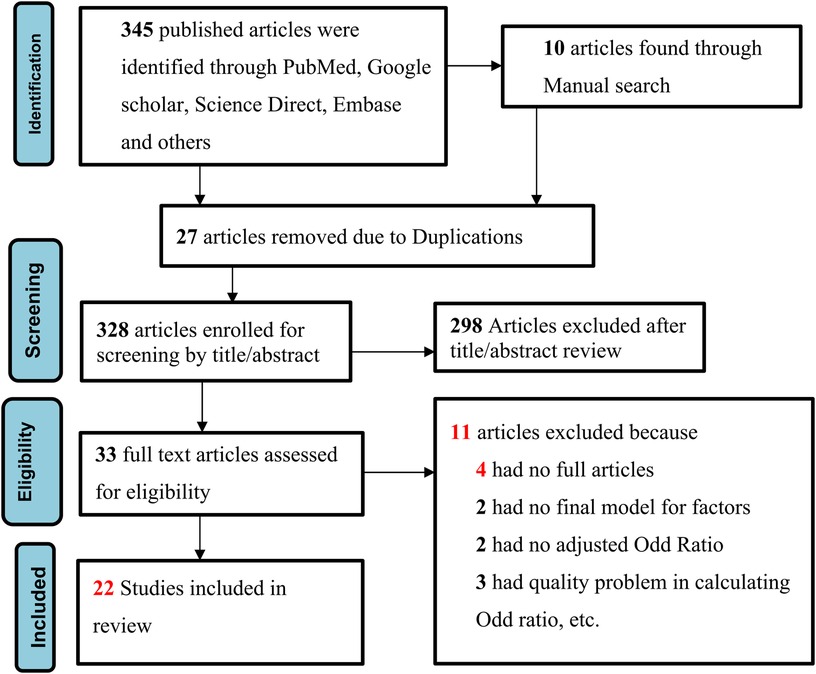
Figure 1 Flowchart of selected articles included in this systematic review and meta-analysis conducted in Ethiopia in 2023.
Search engines
Major databases such as MEDLINE/PubMed, EMBASE, Web of Science, and others, including Google Scholar, were searched to identify information that was pertinent and closely related to the variables of interest.
Searching strategies
The authors used selected keywords and MeSH terms with Boolean logic operators (AND, OR), both individually and in conjunctions, by extracting them from the review questions as follows. The search strategy included the following keywords: “Prevalence” OR “Burden” OR “Magnitude” AND “Associated factors” OR “related factors” OR “Risk factors” OR “determinants” OR “Predictors” AND “Needle stick Injury” OR “Sharp Injury” OR “Health care Workers” OR “ Health Care Personnel” OR “Nurses” OR “Professional” AND “Ethiopia”. A manual search of various repositories was conducted to retrieve unpublished studies. The overall search result was compiled using EndNote X7 citation manager software. The search was conducted between 5 September 2023 and 10 October 2023.
Data extraction
The authors (GK and TF) independently extracted data using the standardized data extraction format adapted from the JBI. The format developed for the first objective included the name of the first author with publication year, region, study design, sample size, and study response rate.
The data extraction format for the second objective included the most frequently reported predictors of percutaneous injuries. The included predictors were sex (male or female), recapping (yes or no), using personal protective equipment (yes or no), training (yes or no), and working hours per week (40 and below 40 h or more than 40 h).
Outcome measurements
Two objectives were addressed by this systematic review and meta-analysis. The first objective of this study was to assess the pooled prevalence of needlestick and sharp object injuries among healthcare workers in Ethiopia. The second objective was to determine the pooled effects of factors associated with needlestick and sharp object injuries among healthcare workers in Ethiopia.
Quality assessment and risk of bias
The JBI’s critical appraisal checklist, developed for analytical cross-sectional study, was applied to evaluate the reliability and methodological validity of the included studies. The checklist has eight criteria that are measured with the options “Yes,” “No,” “Unclear,” and “Not applicable.” We classified “Yes” scores below 50%, 50%–80%, and more than 80% for each JBI criterion as indicating high, medium, and low publication bias, respectively.
To minimize bias, the authors (GK and TF) independently screened the studies. Funnel plot asymmetry and Egger's test were used to check for publication bias. After running Egger's test, a p-value of less than 0.05 as a cutoff point was used to declare the presence of publication bias.
Results
Search results
This study covers the period from 5 September 2023 to 10 October 2023. A total of 355 articles were identified through electronic database search (345 articles) and manual search (10 articles), of which 27 articles were excluded due to duplication. Subsequently, 298 primary publications were excluded after a review of their titles and abstracts revealed that they were conducted in other contexts and were not relevant to our study. We removed another 11 articles for other reasons and finally included 22 primary research articles for the study, based on our eligibility criteria, after reading their entire texts (Figure 1).
Characteristics of included articles
All 22 original articles that were included were cross-sectional studies. The sample sizes ranged from 112 (15) to 760 (16), giving a total sample size of 8,087 participants. The response rate ranged from 82% (16) to 100% (17), with an average of 94.17%. Among the included original articles, eight studies were conducted in Amhara regional state (17–24), two were conducted in the Addis Ababa city administration (25, 26), four studies each were conducted in the Oromia regional state (27–30) and the South Nations, Nationalities, and Peoples’ Region (SNNPR) (15, 16, 31), and one study each was conducted in the Tigray regional state (32), Dire Dawa (33), Gambella (34), Sidama (35), and Somali (36) (Table 1).
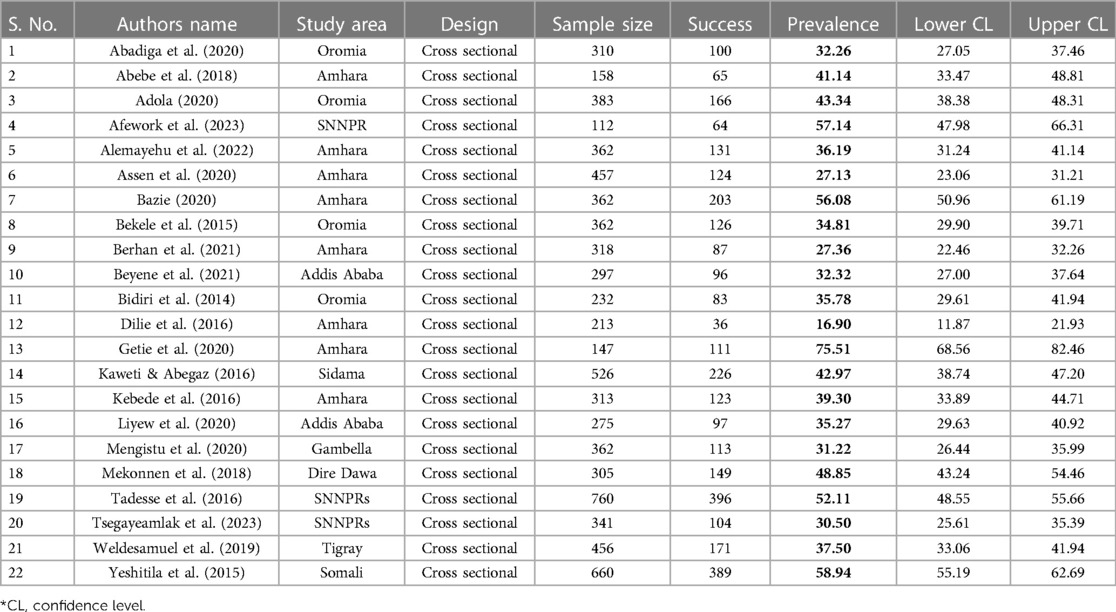
Table 1 List of included studies with their key characteristics conducted in Ethiopia, 2023.
Types of injuries
The attempt to classify injuries by needlesticks and other sharp objects to check the burden areas of the problem was unsuccessful due to the absence of clear classifications in the included studies (Table 2).
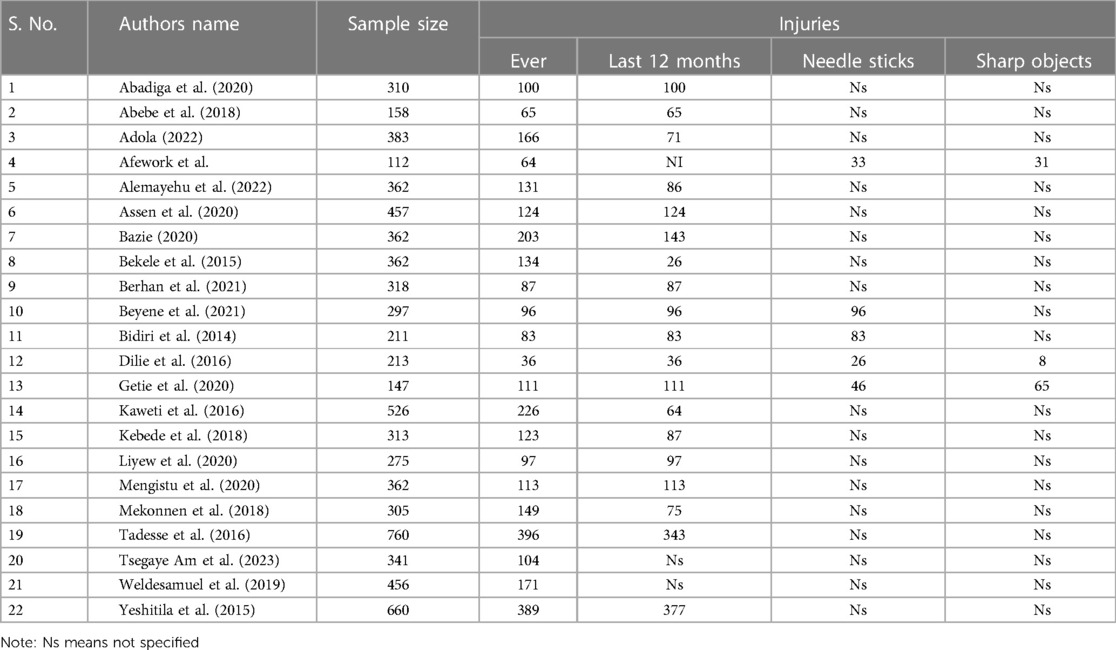
Table 2 Characteristics of injuries for the included studies conducted in Ethiopia, 2023.
Overall quality of included studies
Based on the JBI critical appraisal checklist, the overall quality of the studies was supposed to be 22 × 8 = 176. Based on our evaluation, the quality score was 83.5% (147/176 × 100), which met the JBI requirement (Table 3).
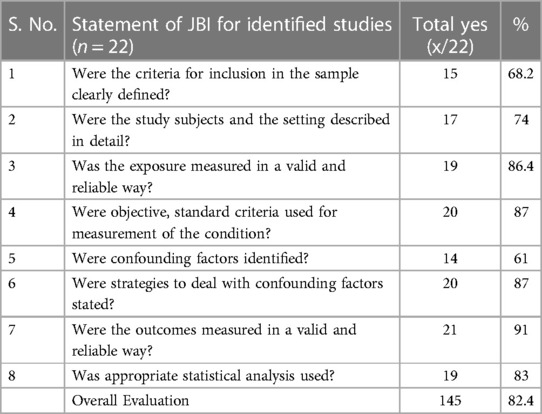
Table 3 Overall paper quality of eligible studies based on nine statements of JBI.
Meta-analysis
The forest plot below indicated that the pooled prevalence of needlestick and sharp object injuries among healthcare workers in Ethiopia was 40.5 (95% CI: 35.0, 45.9). With regard to heterogeneity, I2 was determined, and there was high heterogeneity as evidenced by I2 = 96.18% and p < 0.001. Therefore, a random effects model was used to estimate the pooled prevalence of needlestick and sharp object injuries among healthcare workers in Ethiopia (Figure 2).
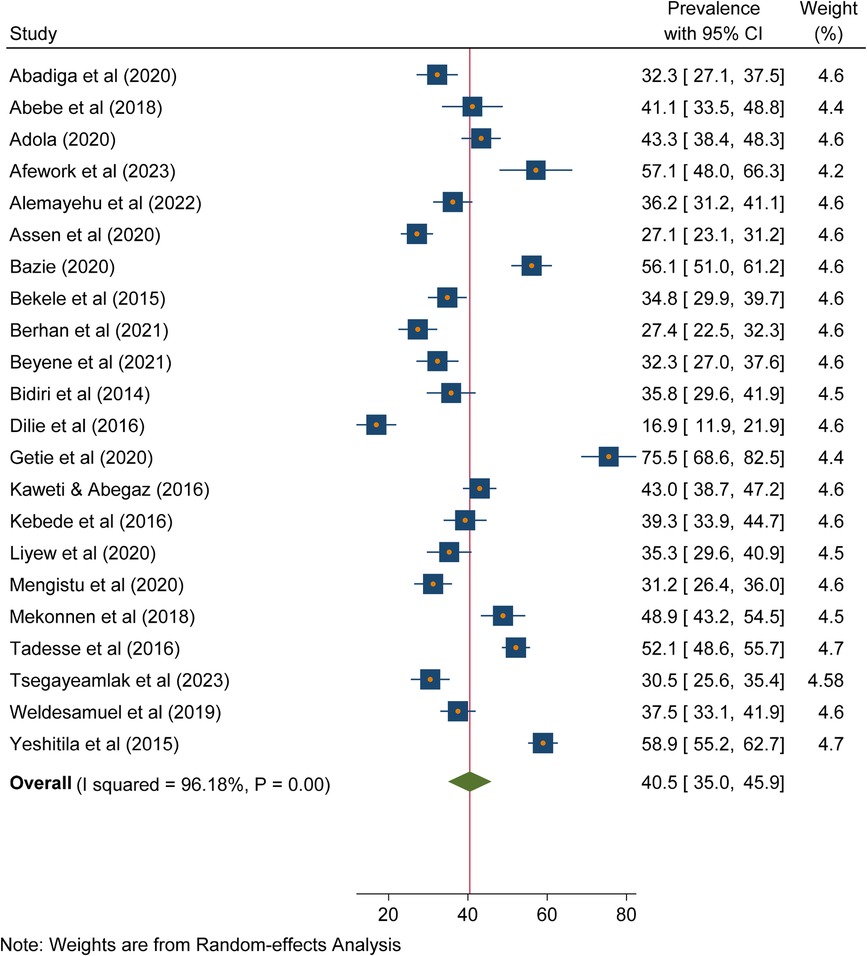
Figure 2 Forest plot of the included studies to determine the pooled prevalence of needlestick and sharp object injuries among healthcare workers in Ethiopia, 2023.
Publication bias
Publication bias was detected, as we can observe in the funnel plot in Figure 3. In addition, Eggers’ tests were done, and there was evidence for publication bias with a p-value of 0.4626.
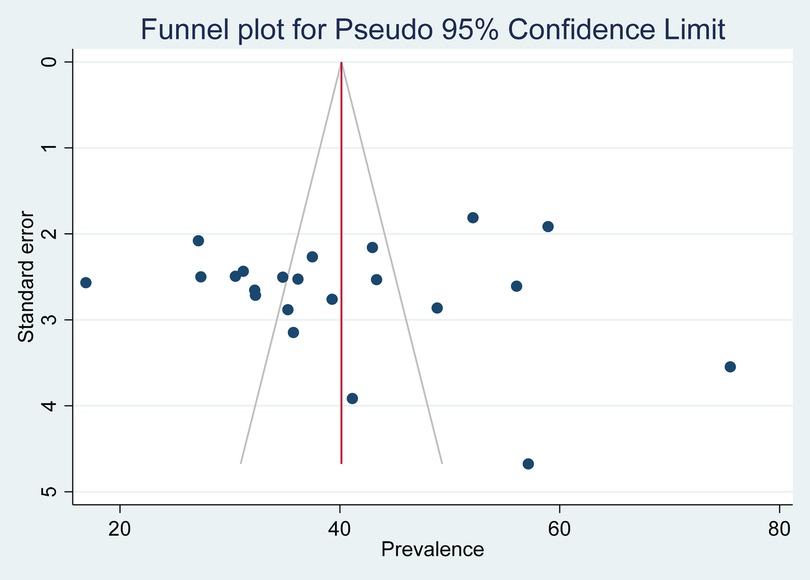
Figure 3 Funnel plot with pseudo-95% CI for the prevalence of needlestick and sharp object injuries in Ethiopia, 2023.
Contributing factors
This systematic review and meta-analysis was not limited to the study of the pooled prevalence of needlestick and sharp object injuries. We reviewed contributing factors for needlestick and sharp object injuries using the adjusted odds ratio (AOR) of the included articles. That means that we excluded articles with crude odd ratios but without adjusted odd ratios.
Sex of the participants
There is no statistically significant association between the sex of the healthcare workers and the occurrence of needlestick and sharp object injuries in Ethiopia (Figure 4). This figure indicates the odds of a male's exposure to needlestick and sharp object injuries compared to a female’s.
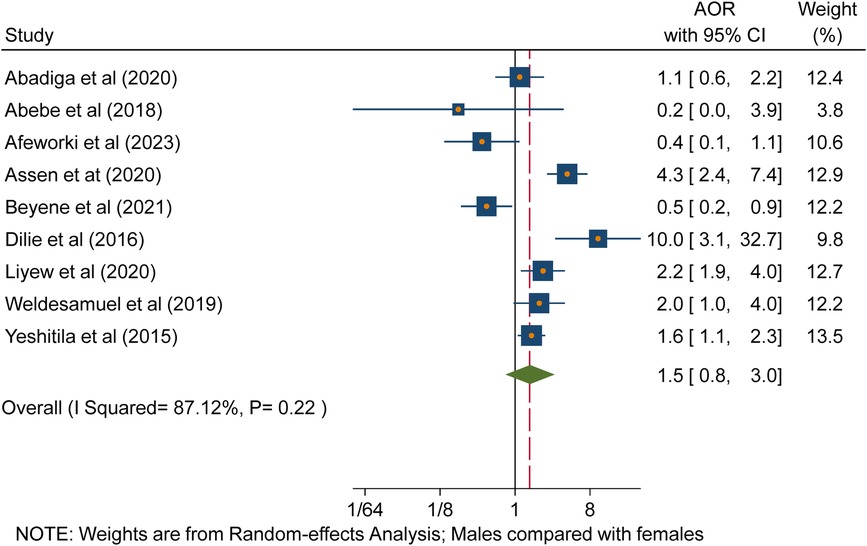
Figure 4 Forest plot indicating the association between sex and needlestick and sharp object injuries in Ethiopia, 2023.
Needlestick recapping
According to the findings of this review, there was a statistically significant association between needlestick recapping and needlestick and sharp object injuries (AOR, 2.3; 95% CI: 1.6, 3.3, P<0.001]. Accordingly, needle-stick recapping increases the odds of needle sticks and sharp objects injuries by 2.3 folds. A heterogeneity test indicated an I2 of 77.23% (Figure 5).
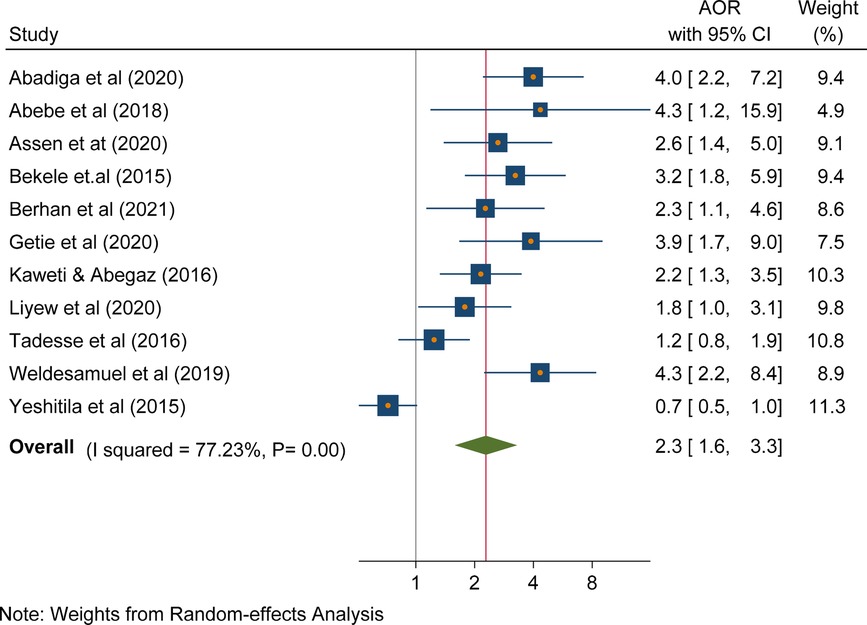
Figure 5 Forest plot indicating the association between needlestick recapping and needlestick and sharp object injuries in Ethiopia, 2023.
Standard precautions
According to the results of this review, there was a statistically significant association between the absence of routine follow-up of standard precautions and needlestick and sharp object injuries (AOR, 2.3; 95% CI: 1.1, 4.5, p < 0.01). Healthcare workers who did not follow standard precautions were 2.2 times more likely to suffer needlestick and sharp object injuries compared to their remaining counterparts. A heterogeneity test indicated an I2 of 83.63% (Figure 6).
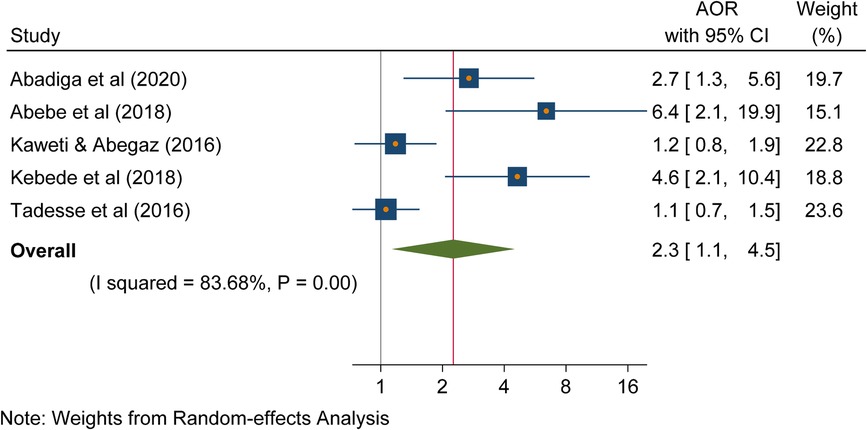
Figure 6 Forest plot indicating the association between following standard precautions and needlestick and sharp object injuries in Ethiopia, 2023.
Training
The findings of the review indicated a significant association between training and needlestick and sharp object injuries. Healthcare workers who had not received training were 2.41 times more likely to be exposed to needlestick and sharp object injuries compared to healthcare workers who had been trained on injuries (AOR = 2.4; 95% CI: 1.4, 4.1, p < 0.001). A heterogeneity test indicated an I2 = 88.25% (Figure 7).
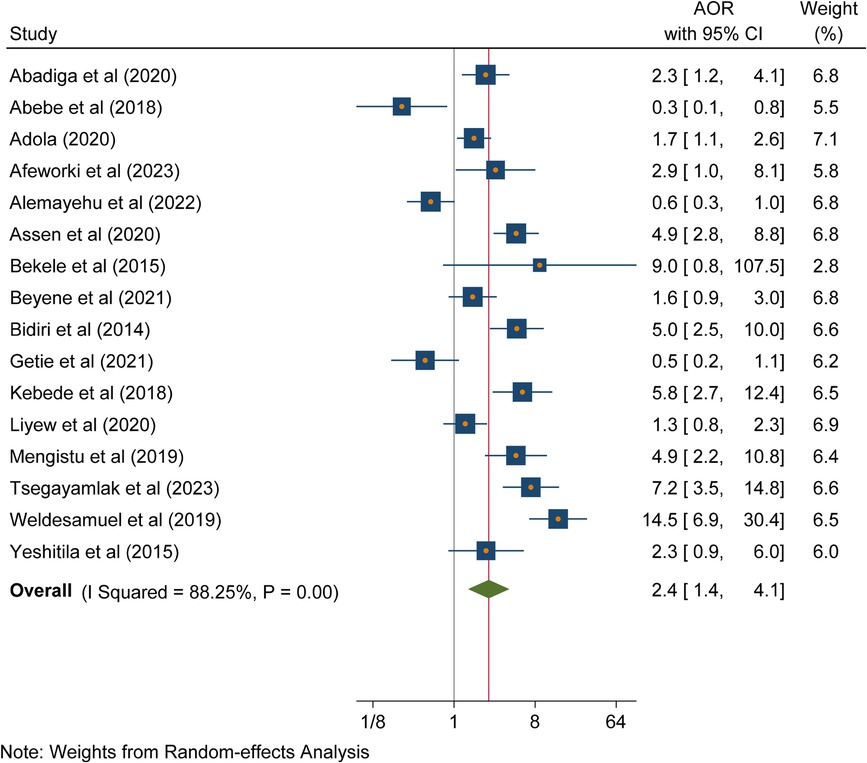
Figure 7 Forest plot indicating the association between training and needlestick and sharp object injuries in Ethiopia, 2023.
Working more than 40 h per week
According to the findings of this study, there is no association between working hours and needlestick and sharp object injuries (Figure 8).
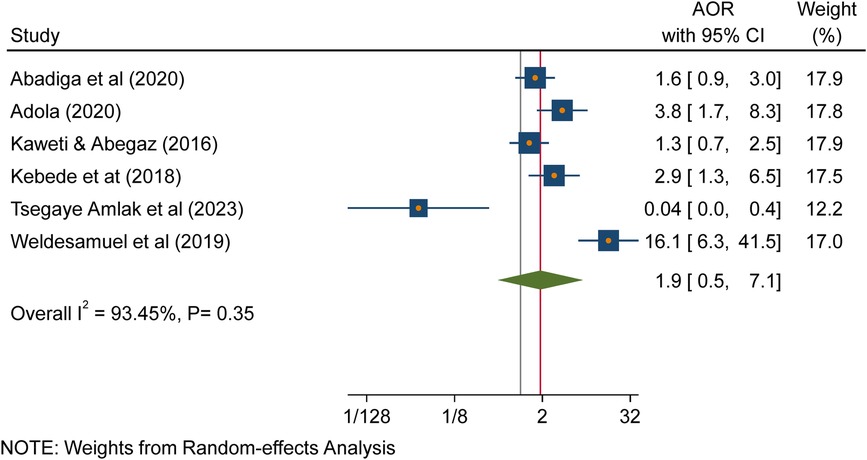
Figure 8 Forest plot indicating the association between working hours and needlestick and sharp object injuries in Ethiopia, 2023.
Discussion
The aim of this systematic review and meta-analysis was to investigate the burden of needlestick and sharp object injuries among Ethiopian HCWs. A total of 345 studies were identified from published and unpublished sources, with final selections of 22 eligible articles after removing duplications, inappropriate titles, and articles with no full text, quality problems, and no adjusted odds ratio. All eligible articles were considered in the forest plot to determine the pooled prevalence of needlestick and sharp object injuries. Regarding the distributions of the included studies, the majority were conducted in the Amhara region (3, 18, 19, 22–24, 38), followed by Oromia (27–30), SNNPRs (15, 16, 31), Addis Ababa (25, 26), and one each in Dire Dawa (33), Gambella (34), Sidama (35), Somali (36), and Tigray (32). All included studies used cross-sectional study designs.
Based on the findings of this study, the burden of needlestick and sharp objects injuries among healthcare workers in Ethiopia was high, and significantly influenced by needle stick recapping, the absence of workplace health and safety training, and the lack of routine precautionary measures.
The pooled prevalence of needlestick and sharp object injuries among healthcare workers in Ethiopia was 40.01 (95% CI: 34.72–45.30). This study finding was almost in line with the study conducted in Mongolia (38.4%) (39). However, it was higher than the studies conducted in Ghana (29.7%) (27), Nigeria (27%) (40), Thailand (23.7%) (41), Saudi Arabia (29.8%) (42), and Turkey (30.1%) (43). In contrast, the pooled prevalence was low than in studies conducted in Iran (67.8%) (27) and China (64.9%) (44).
The lack of routine precautionary measures among healthcare workers was positively associated with the occurrence of needlestick and sharp object injuries, which is consistent with the previous studies (27, 39, 45). Unsafe injection practices, such as reusing and recapping needles after injection, were identified by various studies conducted in Ethiopia. Poor waste segregation and disposal practices, a shortage of safety boxes, and inadequate awareness still remain major gaps in practice. Strengthening educational and training systems is thus important to enhance health care workers awareness of the standard precautions and protocols; a knowledge of which seems to be still far from adequacy in Ethiopia.
This study identified that needlestick recapping was another important factor for the occurrence of needlestick and sharp object injuries, a finding that is in accordance with previous studies in other countries (46, 47). This finding confirms the need to create awareness among healthcare workers on how to follow standard precautions in general and, specifically, on how to avoid needlestick recapping. If healthcare workers are required to administer an excessive number of injections, the likelihood of unsafe injections and ensuing needlestick and sharp object injuries may increase.
Training was another crucial factor in preventing the occurrence of needlestick and sharp object injuries among the healthcare workers in our study, which is consistent with the studies conducted in other countries (48, 49). According to this study, healthcare workers who had no occupational health and safety training were more exposed to needlestick and sharp object injuries compared to their counterparts.
Limitations
This study has limitations that need to be considered when interpreting the results. One of the major limitations was the cross-sectional nature of the included studies, which could not establish a temporal relationship between needlestick and sharp object injuries and the independent variables. This results in a high chance of selection and information biases at the sample selection stage. There is likelihood for confounders to influence the results, resulting in incorrect interpretations. The second limitation of the study was the presence of heterogeneity among studies. The third limitation was the existence of publication bias, as could be observed from the funnel plot and Egger's test result. Fourth, the included studies were those with an abstract those fully tractable from major databases, which could affect the inclusiveness of the study. The last limitation was the disproportionate distribution of the studies in regions of Ethiopia, with the majority originating from the northern parts of the country.
Conclusions
According to this systematic review and meta-analysis, 40.5% of the healthcare workers in Ethiopia had experienced needlestick and sharp object injuries. The lack of occupational health and safety training, the lack of routine adherence to standard precautions, and the practice of needlestick recapping practices increased the odds of needlestick and sharp object injuries in Ethiopia. The impact of needlestick and sharp object injuries in Ethiopia extends beyond individual healthcare workers; it can also affect the productivity of the country. Therefore, it is essential to give adequate emphasis to these factors to minimize injuries, morbidity, and mortality due to needlestick and sharp object injuries. The implementation of workplace safety standards at health facilities, regular follow-ups, and on-the-job training programs are crucial to overcoming this challenge.
Data availability statement
The original contributions presented in the study are included in the article/Supplementary Material, further inquiries can be directed to the corresponding author.
Author contributions
GK: Conceptualization, Data curation, Formal Analysis, Investigation, Methodology, Software, Supervision, Validation, Visualization, Writing – original draft, Writing – review & editing. TF: Conceptualization, Data curation, Formal Analysis, Investigation, Methodology, Software, Supervision, Validation, Visualization, Writing – original draft, Writing – review & editing.
Funding
The authors declare that no financial support was received for the research, authorship, and/or publication of this article.
Acknowledgments
The authors thank the authors of the included studies.
Conflict of interest
The authors declare that the research was conducted in the absence of any commercial or financial relationships that could be construed as a potential conflict of interest.
Publisher's note
All claims expressed in this article are solely those of the authors and do not necessarily represent those of their affiliated organizations, or those of the publisher, the editors and the reviewers. Any product that may be evaluated in this article, or claim that may be made by its manufacturer, is not guaranteed or endorsed by the publisher.
Abbreviations
AOR, adjusted odds ratio; CI, confidence interval; JBI, Joanna Briggs Institute; PPE, personal protective equipment; PROSPERO, prospective register of systematic reviews; PRISMA, Preferred Reporting Items for Systematic reviews and Meta-Analyses; WHO, World Health Organization.
References
1. Prüss-Üstün A, Wolf J, Corvalán C, Bos R, Neira M. Preventing Disease Through Healthy Environments: A Global Assessment of the Burden of Disease from Environmental Risks. Geneva: World Health Organization (2016).
2. Panlilio AL, Orelien JG, Srivastava PU, Jagger J, Cohn RD, Cardo DM. Estimate of the annual number of percutaneous injuries among hospital-based healthcare workers in the United States, 1997–1998. Infect Cont Hosp Epidemiol. (2015) 25(7):556–62. doi: 10.1086/502439
3. Bazie GW. Factors associated with needle stick and sharp injuries among healthcare workers in north east Ethiopia. Risk Manag Healthc Policy. (2020) 13:2449–56. doi: 10.2147/RMHP.S284049
4. Kaweti G, Abegaz T. Prevalence of percutaneous injuries and associated factors among health care workers in Hawassa Referral and Adare District hospitals, Hawassa, Ethiopia, January 2014. BMC Public Health. (2016) 16(1):8. doi: 10.1186/s12889-015-2642-0
5. Assen S, Wubshet M, Kifle M, Wubayehu T, Aregawi BG. Magnitude and associated factors of needle stick and sharps injuries among health care workers in Dessie city hospitals, north east Ethiopia. BMC Nurs. (2020) 19(1):31. doi: 10.1186/s12912-020-00422-0
6. Auta A, Adewuyi EO, Tor-Anyiin A, Edor JP, Kureh GT, Khanal V, et al. Global prevalence of percutaneous injuries among healthcare workers: a systematic review and meta-analysis. Int J Epidemiol. (2018) 47(6):1972–80. doi: 10.1093/ije/dyy208
7. Rodrigues C. Needle stick injuries & the health care worker–the time to act is now. Indian J Med Res. (2010) 131(3):384–6. PMID: 20418551.20418551
8. Edmond M, Khakoo R, McTaggart B, Solomon R. Effect of bedside needle disposal units on needle recapping frequency and needlestick injury. Infect Cont Hosp Epidemiol. (1988) 9(3):114–6. doi: 10.1086/645806
9. Mbaisi EM, Ng’ang’a Z, Wanzala P, Omolo J. Prevalence and factors associated with percutaneous injuries and splash exposures among health-care workers in a provincial hospital, Kenya, 2010. Pan Afr Med J. (2013) 14:10. doi: 10.11604/pamj.2013.14.10.1373
10. Tadesse M, Tadesse T. Epidemiology of needlestick injuries among health-care workers in Awassa city, southern Ethiopia. Trop Dr. (2010) 40(2):111–3. doi: 10.1258/td.2009.090191
11. Gerberding JL. Management of occupational exposures to blood-borne viruses. N Engl J Med. (1995) 332(7):444–51. doi: 10.1056/NEJM199502163320707
12. Gebriel Y, Tesfaye FP. 508 assessment of the safety of injections and related medical practices in health institutions at Sidama Zone, SNNPRS. J Clin Virol. (2006) 36:S217. doi: 10.1016/S1386-6532(06)80681-5
13. Negussie A, Getie A, Manaye E, Tekle T. Prevalence and outcome of injury in patients visiting the emergency department of Yirgalem General Hospital, southern Ethiopia. BMC Emerg Med. (2018) 18:1–5. doi: 10.1186/s12873-018-0165-6
14. Yazie TD, Chufa KA, Tebeje MG. Prevalence of needlestick injury among healthcare workers in Ethiopia: a systematic review and meta-analysis. Environ Health Prev Med. (2019) 24(1):52. doi: 10.1186/s12199-019-0807-7
15. Afework A, Tamene A, Tafa A, Tesfaye A, Gemede S. The prevalence of occupational accidents and the associated factors among janitorial staff at a university teaching hospital in south Ethiopia. Risk Manag Healthc Policy. (2023) 16:1499–507. doi: 10.2147/RMHP.S425313
16. Tadesse M, Meskele M, Tadesse A. Needle-stick and sharps injuries among health care workers in Wolaita zone, southern Ethiopia. Med Saf Glob Health. (2016) 5:2–7. doi: 10.4172/2574-0407.1000130
17. Getie A, Wondmieneh A, Tesfaw G. The prevalence of needlesticks and sharp injuries, and the associated factors among midwives and nurses in north Wollo zone public hospitals, north east Ethiopia: an institution-based cross-sectional study. Drug Healthc Patient Saf. (2020) 12:187–93. doi: 10.2147/DHPS.S273669
18. Abebe AM, Kassaw MW, Shewangashaw NE. Prevalence of needle-stick and sharp object injuries and its associated factors among staff nurses in Dessie Referral Hospital Amhara Region, Ethiopia, 2018. BMC Res Notes. (2018) 11(1):840. doi: 10.1186/s13104-018-3930-4
19. Alemayehu A, Baye Z, Indracanti M. Prevalence of sharp injuries and associated factors among healthcare workers in north Gondar (Debark), west Gondar (Metema), and south Gondar (Addis Zemen) primary hospitals, northwest Ethiopia. Indian J Sci Technol. (2022) 15(39):1987–96. doi: 10.17485/IJST/v15i39.1615
20. Assen S, Wubshet M, Kifle M, Wubayehu T, Aregawi BG. Magnitude and associated factors of needle stick and sharps injuries among health care workers in Dessie city hospitals, north east Ethiopia. BMC Nurs. (2020) 19:1–8. doi: 10.1186/s12912-020-00422-0
21. Bazie GW. Factors associated with needle stick and sharp injuries among healthcare workers in north east Ethiopia. Risk Manag Healthc Policy. (2020) 13:2449–56. doi: 10.2147/RMHP.S284049
22. Berhan Z, Malede A, Gizeyatu A, Sisay T, Lingerew M, Kloos H, et al. Prevalence and associated factors of needle stick and sharps injuries among healthcare workers in northwestern Ethiopia. PLoS One. (2021) 16(9):e0252039. doi: 10.1371/journal.pone.0252039
23. Dilie A, Amare D, Gualu T. Occupational exposure to needle stick and sharp injuries and associated factors among health care workers in Awi zone, Amhara regional state, northwest Ethiopia, 2016. J Environ Public Health. (2017) 2017:2438713. doi: 10.1155/2017/2438713
24. Kebede A, Gerensea H. Prevalence of needle stick injury and its associated factors among nurses working in public hospitals of Dessie town, northeast Ethiopia, 2016. BMC Res Notes. (2018) 11(1):413. doi: 10.1186/s13104-018-3529-9
25. Beyene EG, Tarekegn TK, Gebrehiwot YA, Minase MM, Tafesse TM, Cantillo Aguila E, et al. Magnitude and factors associated with needle stick injuries among nurses at Yekatit 12 hospital medical 2021. Am J Biomed Res. (2023) 11(1):14–26. doi: 10.12691/ajbr-11-1-3
26. Liyew B, Sultan M, Michael M, Tilahun AD, Kassew T. Magnitude and determinants of needlestick and sharp injuries among nurses working in Tikur Anbessa specialized hospital, Addis Ababa, Ethiopia. BioMed Res Int. (2020) 2020:6295841. doi: 10.1155/2020/6295841
27. Abadiga M, Mosisa G, Abate Y. Magnitude of needlestick and sharp injury and its associated factors among nurses working at health institutions in western Ethiopia, 2020. Risk Manag Healthc Policy. (2020) 13:1589–602. doi: 10.2147/RMHP.S254641
28. Adola SG. The status of sharp injury and risk factors among health care staffs in the Bule Hora hospital, south Ethiopia, 2020. Stem Cell Res Int. (2022) 6(1):13–20. doi: 10.21203/rs.3.rs-1290554/v1
29. Bekele T, Gebremariam A, Kaso M, Ahmed K. Factors associated with occupational needle stick and sharps injuries among hospital healthcare workers in Bale zone, southeast Ethiopia. PLoS One. (2015) 10(10):e0140382. doi: 10.1371/journal.pone.0140382
30. Bidira K, Woldie M, Nemera G. Prevalence and predictors of needlestick injury among nurses in public hospitals of Jimma zone, south west Ethiopia. Int J Nurs Midwifery. (2014) 6(7):90–6. doi: 10.5897/IJNM2014.0135
31. Tsegaye Amlak B, Tesfa S, Tesfamichael B, Abebe H, Zewudie BT, Mewahegn AA, et al. Needlestick and sharp injuries and its associated factors among healthcare workers in southern Ethiopia. SAGE Open Med. (2023) 11:20503121221149536. doi: 10.1177/20503121221149536
32. Weldesamuel E, Gebreyesus H, Beyene B, Teweldemedhin M, Welegebriel Z, Tetemke D. Assessment of needle stick and sharp injuries among health care workers in central zone of Tigray, northern Ethiopia. BMC Res Notes. (2019) 12(1):1–6. doi: 10.1186/s13104-019-4683-4
33. Mekonnen R, Yosef H, Teklegiorgis K, Tesfaye F, Dagne I. Magnitude and impact of occupational related needle stick and sharp injuries and associated factors among health care workers in Dire Dawa, eastern Ethiopia. Med Saf Glob Health. (2018) 7(1):1–7. doi: 10.4172/2574-0407.1000141
34. Mengistu YB, Desta AA, Fekadu SA. The pattern of sharp injuries and its associated factors among healthcare workers in Gambella town, southwest Ethiopia. Int J Sci Rep. (2021) 7(2):101. doi: 10.18203/issn.2454-2156.IntJSciRep20210093
35. Kaweti G, Abegaz T. Prevalence of percutaneous injuries and associated factors among health care workers in Hawassa referral and Adare district hospitals, Hawassa, Ethiopia, January 2014. BMC Public Health. (2016) 16:8. doi: 10.1186/s12889-015-2642-0
36. Yeshitila M, Mengistie B, Demessie A, Godana W. Prevalence and associated factors of needle stick injury among nursing and midwifery students an Haramaya and Jigjiga university, eastern Ethiopia. Prim Health Care. (2015) 5(1):1–6. doi: 10.4172/2167-1079.1000186
37. Bidira K, Woldie M, Germossa G. Prevalence and predictors of needle stick injury among nurse in public hospitals of Jimma Zone, Southwest Ethiopia. Int J Nurs Midwifery. (2014) 6(7):90–6. doi: 10.5897/IJNM2014.0135
38. Assen S, Wubshet M, Kifle M, Wubayehu T, Aregawi BG. Magnitude and associated factors of needle stick and sharps injuries among health care workers in Dessie city hospitals, north east Ethiopia. BMC Nurs. (2020) 19:31. doi: 10.1186/s12912-020-00422-0
39. Kakizaki M, Ikeda N, Ali M, Enkhtuya B, Tsolmon M, Shibuya K, et al. Needlestick and sharps injuries among health care workers at public tertiary hospitals in an urban community in Mongolia. BMC Res Notes. (2011) 4(1):1–6. doi: 10.1186/1756-0500-4-184
40. Adegboye AA, Moss GB, Soyinka F, Kreiss JK. The epidemiology of needlestick and sharp instrument accidents in a Nigerian hospital. Infect Cont Hosp Epidemiol. (1994) 15(1):27–31. doi: 10.2307/30148382
41. Kasatpibal N, Whitney JD, Katechanok S, Ngamsakulrat S, Malairungsakul B, Sirikulsathean P, et al. Prevalence and risk factors of needlestick injuries, sharps injuries, and blood and body fluid exposures among operating room nurses in Thailand. Am J Infect Control. (2016) 44(1):85–90. doi: 10.1016/j.ajic.2015.07.028
42. AlDakhil L, Yenugadhati N, Al-Seraihi O, Al-Zoughool M. Prevalence and associated factors for needlestick and sharp injuries (NSIs) among dental assistants in Jeddah, Saudi Arabia. Environ Health Prev Med. (2019) 24(1):60. doi: 10.1186/s12199-019-0815-7
43. Irmak Z. Needlestick and sharps injury among nurses at a state hospital in Turkey. Aust J Adv Nurs. (2012) 30(2):48–55. https://search.informit.org/doi/10.3316/ielapa.089813477479400
44. Zhang X, Gu Y, Cui M, Stallones L, Xiang H. Needlestick and sharps injuries among nurses at a teaching hospital in China. Workplace Health Saf. (2015) 63(5):219–25. doi: 10.1177/2165079915580035
45. Gershon RR, Pearson JM, Sherman MF, Samar SM, Canton AN, Stone PW. The prevalence and risk factors for percutaneous injuries in registered nurses in the home health care sector. Am J Infect Control. (2009) 37(7):525–33. doi: 10.1016/j.ajic.2008.10.022
46. Doebbeling BN, Vaughn TE, McCoy KD, Beekmann SE, Woolson RF, Ferguson KJ, et al. Percutaneous injury, blood exposure, and adherence to standard precautions: are hospital-based health care providers still at risk? Clin Infect Dis. (2003) 37(8):1006–13. doi: 10.1086/377535
47. Joukar F, Mansour-Ghanaei F, Naghipour M, Asgharnezhad M. Needlestick injuries among healthcare workers: why they do not report their incidence? Iran J Nurs Midwifery Res. (2018) 23(5):382–7. doi: 10.4103/ijnmr.IJNMR_74_17
48. Nsubuga FM, Jaakkola MS. Needle stick injuries among nurses in Sub-Saharan Africa. Trop Med Int Health. (2005) 10(8):773–81. doi: 10.1111/j.1365-3156.2005.01453.x
Keywords: Ethiopia, needlestick injury, sharp objects injury, pooled prevalence, systematic review, meta-analysis
Citation: Kaweti G and Feleke T (2024) Prevalence and associated factors of needlestick and sharp object injuries among healthcare workers in Ethiopia: a systematic review and meta-analysis. Front. Epidemiol. 4:1385417. doi: 10.3389/fepid.2024.1385417
Received: 12 February 2024; Accepted: 28 May 2024;
Published: 25 June 2024.
Edited by:
Tobias Kurth, Charité University Medicine Berlin, GermanyReviewed by:
Sernia Sabina, Sapienza University of Rome, ItalyAna Cláudia Coelho, University of Trás-os-Montes and Alto Douro, Portugal
© 2024 Kaweti and Feleke. This is an open-access article distributed under the terms of the Creative Commons Attribution License (CC BY). The use, distribution or reproduction in other forums is permitted, provided the original author(s) and the copyright owner(s) are credited and that the original publication in this journal is cited, in accordance with accepted academic practice. No use, distribution or reproduction is permitted which does not comply with these terms.
*Correspondence: Gudeta Kaweti, ay5ndWRldGEyMDE5QGdtYWlsLmNvbQ==
†ORCID:
Gudeta Kaweti
orcid.org/0000-0003-3268-3013
Tihun Feleke
orcid.org/0000-0002-7514-256X