 Zolder Marinho Silva1,2†
 Débora Nonato Miranda Toledo1,2†Sirlaine Pio1,2Bianca Alves Almeida Machado1,3,4
 Priscilla Vilela dos Santos1,2
 Flávia Galvão Hó1,4Yasmim Nogueira Medina1,4Paulo Henrique de Miranda Cordeiro1,4Luiza Oliveira Perucci1,5
 Kelerson Mauro de Castro Pinto1,6
 André Talvani1,2,7*
- 1Laboratório de Imunobiologia da Inflamação, Departamento de Ciências Biológicas/ICEB, Universidade Federal de Ouro Preto, Ouro Preto, MG, Brazil
- 2Programa de Pós-Graduação em Saúde e Nutrição, Universidade Federal de Ouro Preto, Ouro Preto, MG, Brazil
- 3Programa de Pós-Graduação em Evolução Crustal e Recursos Naturais, Universidade Federal de Ouro Preto, Ouro Preto, MG, Brazil
- 4Escola de Medicina, Universidade Federal de Ouro Preto, Ouro Preto, MG, Brazil
- 5Department of Obstetrics Gynecology and Reproductive Sciences, California University, San Diego, CA, United States
- 6Escola de Educação Física, Universidade Federal de Ouro Preto, Ouro Preto, MG, Brazil
- 7Programa de Pós-Graduação em Infectologia e Medicina Tropical, Universidade Federal de Minas Gerais, Belo Horizonte, MG, Brazil
Introduction: Depressive syndrome (DS) is a common complication during pregnancy and the postpartum period, and is triggered by multiple organic/genetic and environmental factors. Clinical and biochemical follow-up is essential for the early diagnosis and prognosis of DS. The protozoan Toxoplasma gondii causes infectious damage to the fetus during parasite primary-infection. However, in long-term infections, pregnant women develop immune protection to protect the fetus, although they remain susceptible to pathological or inflammatory effects induced by T. gondii. This study aimed to investigate plasma inflammatory biomarkers in pregnant women seropositive and seronegative for T. gondii, with diagnoses of minor and moderate/severe DS.
Methods: Pregnant women (n=45; age=18–39 years) were recruited during prenatal care at health centers in Ouro Preto, Minas Gerais, Brazil. Participants were asked to complete a socio-demographic questionnaire to be submitted to well-standardized DS scale calculators (Beck Depression Inventory Questionnaire, Edinburgh Postnatal Depression Scale, and Major Depressive Episode Module). Additionally, 4 mL of blood was collected for plasma neuroserpin, CCL2, IL-17A, and IL-33 analysis.
Results: Pregnant volunteers with chronic T. gondii contact were all IgG+ (44%; n=21) and exhibited increased plasma IL-33, IL-17A, and neuroserpin levels, but not CCL2, compared to uninfected pregnant women. Using Beck’s depression inventory, we observed an increase in plasma IL-17A and IL-33 in women with T. gondii infeCction diagnosed with mild DS, whereas neuroserpin was associated with minor and moderate/severe DS.
Discussion: Our data suggest a close relationship between DS in pregnant women with chronic T. gondii infection and neurological conditions, which may be partially mediated by plasma neuroserpin, IL-33, and IL-17A levels.
1 Introduction
Toxoplasmosis, a widely disseminated zoonosis, is caused by the intracellular parasite Toxoplasma gondii, which is found in warm-blooded animals, including humans. Transmission occurs through the ingestion of oocysts shed by infected felines or the ingestion of cysts (bradyzoites) in fresh meats (1, 2). In immunocompromised individuals, primo-infected pregnant women, and immunocompetent individuals, there are significant risks to the host’s life, including death, malformation, abortion, and ocular and neurological disturbances (3–5).
T. gondii sustains a lifelong presence in the central nervous system, altering neurological structures and neurotransmitters, and inducing behavioral and cognitive changes that facilitate the predation of infected hosts, thereby maintaining the parasite’s life cycle (6). Furthermore, during the chronic stage of infection, the immune response within the central nervous system may potentiate neuronal plasticity and other cognitive patterns in infected hosts (7). Alternatively, it is suggested that T. gondii manipulates host behavior to increase the transmission rates by infected brain cells (8). Latent toxoplasmosis is also associated with the development of schizophrenia, anxiety disorder, aggressivity and impulsivity, suicidal attempts and depression (9). Depression, in particular, is suggested to be related to IFN-γ blocking during T. gondii growth, which occurs by inducing indoleamine-2,3-dioxygenase activation and tryptophan depletion, causing a reduction of serotonin in the central nervous system area (10).
Depressive syndrome (DS) is a mood mental/cognitive disorder characterized by persistent feelings of sadness and loss of pleasure or interest in activities, affecting thousands of individuals worldwide (11, 12). Physiological conditions that alter hormone and neurotransmitter networks, such as premenstrual and menopause syndromes and pregnancy, can trigger or exacerbate DS (13, 14). Pregnancy, typically a 40-week period during which the fetus develops inside a woman’s womb or uterus, is accompanied by significant hormonal and physiological alterations in the pregnant woman (15, 16). DS occurs in 1–5 pregnancies, with a higher frequency during the prenatal period. Symptoms include a loss of humor and motivation, anxiety, feelings of guilt, sadness, and suicidal thoughts (17).
Chronic T. gondii infection may trigger neurological disturbances, and the host immune response to parasites can contribute to central nervous system disorders. Therefore, this study aimed to evaluate neuroserpin, IL-33, IL-17A, and CCL2 as biomarkers for DS in Brazilian pregnant women with T. gondii infection.
2 Materials and methods
2.1 Study population
A cross-sectional study was conducted between December 2020 and October 2021. A total of 45 pregnant women volunteered, and their plasma levels of specific immunoglobulin (Ig)M and IgG antibodies against T. gondii were evaluated at the Pilot Laboratory of the Pharmacy School at the Federal University of Ouro Preto (UFOP). A microparticle enzyme Immunoassay was used to detect anti-T. gondii IgG and IgM antibodies in biological samples. Reference values for IgG were: > 3 UI/mL: reactive; between 2-3 UI/mL: indeterminate; and < 2 UI/mL: nonreactive. Reference values for IgM were: > 0.600 UI/mL: reactive; between 0.500-0.600 UI/mL: indeterminate; and < 0.500 UI/mL: nonreactive (18). Sociodemographic, environmental, and gestational patterns were investigated using a semi-structured questionnaire (Santos et al., 2023) after clinical attendance.
To ascertain the incidence of DS in pregnant women, the volunteers completed a formally structured questionnaire/interview based on the Diagnostic and Statistical Manual of Mental Disorders (DSM-IV and TR) (19), and included the Beck Depression Inventory Questionnaire, Edinburgh Postnatal Depression Scale, and Major Depressive Episode Module.
This study was approved by the Institutional Research Ethics Committee (UFOP CAAE:23467219.7.0000.5150). All volunteers provided a signed the Informed Consent Term. For pregnant participants under 18 years of age, a parent or guardian also provided consent by signing the form.
2.2 Immunological analysis
Venous blood samples (4 mL) were collected in polypropylene tubes - Vacuette (GreinerBio-One, Kremsmünster, Austria) containing EDTA. The samples were centrifuged (3500 ×g, 4°C, 10 min) to separate the plasma, which was then aliquoted and stored at −80°C in an ultra-freezer until the immunoassays (ELISA) were performed.
According to the manufacturer’s protocols, plasma biomarkers were measured, in duplicate, using quantitative human ELISA kits for IL-17A, IL-33, CCL2, and neuroserpin from PeproTech ® (New Jersey, USA). The absorbance reading was performed on a microplate reader (SpectraMax® 190, Molecular Devices, CA, USA), using 450/630nm ratio of wavelength.
2.3 Statistical analysis
GraphPad Prism 8 (GraphPad, San Diego, CA, EUA) was used for data analysis in this study. To evaluate differences in plasma biomarkers and the DS questionnaires, the Shapiro-Wilk normality test was performed. For normally distributed data, the Student’s t-test was performed and the Mann-Whitney test was performed for non-parametric data. Statistical significance was set at p < 0.05.
3 Results
Among 45 pregnant women, 24 were seronegative (IgM- and IgG-) for T. gondii, whereas 21 were chronically seropositive (IgG+). In the seropositive women, IgM levels were low (index < 0.5 UI/mL), whereas levels of IgG were > 3,0 UI/mL, indicating the chronic nature of the infection in these patients.
According to the sociodemographic questionnaire, the majority of the pregnant women were single (71.1%), 57.8% had multiple children, and 17.8% reported experiencing spontaneous abortion. The questionnaire also revealed that 46.7% of the pregnant women were overweight or obese, 48.9% were in their second gestational trimester, and 33.3% owned cats with free-roaming habits. Additionally, 95.6% reported consuming uncooked vegetables, and 37.8% washed food under running water (Table 1).
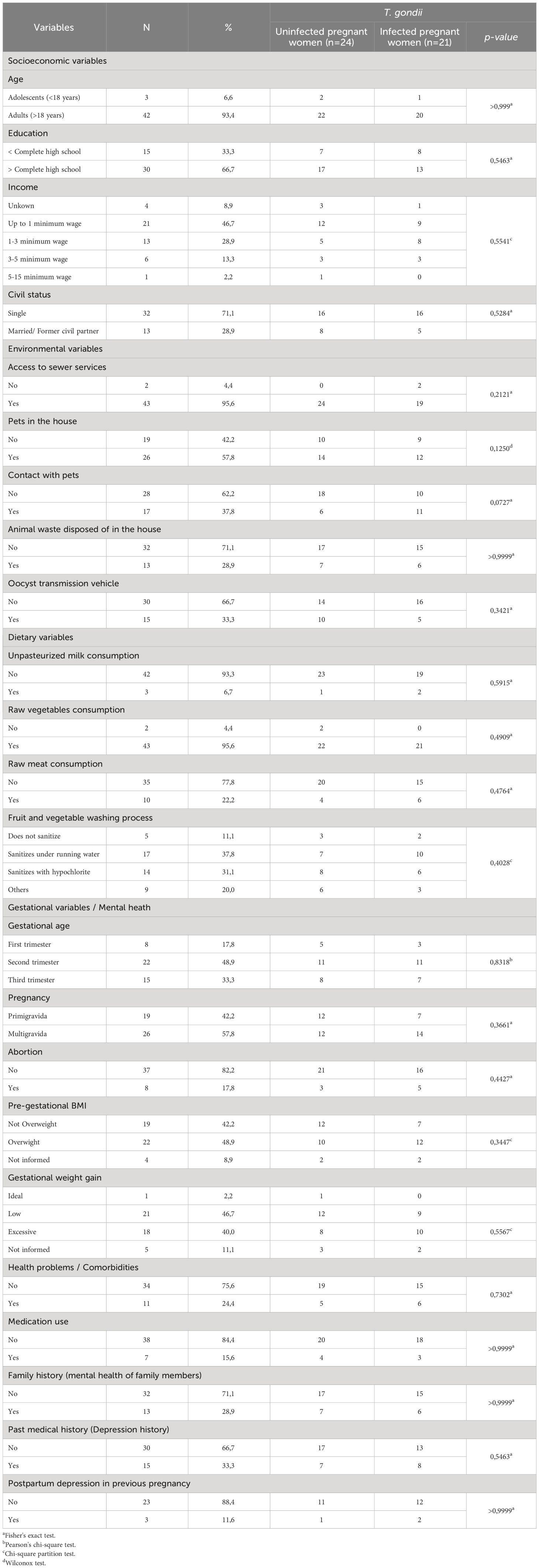
Table 1 Univariate analysis with the characterization of pregnant women evaluated in 2020/2021- Ouro Preto, MG, Brasil.
Based on the questionnaire/interview focusing on DS, 27.7% of the volunteers reported a family history of mental health issues, 36.1% disclosed previous episodes of depression, and 8.5% had experienced postpartum depression (Table 2). Regarding DS, 22.2% of the volunteers exhibited moderate to severe symptoms, whereas 28.9% experienced DS exclusively after childbirth (as measured by the Edinburgh scale). Additionally, 31.1% presented with increased and recurrent episodes of depression (as indicated by the EDM scale).
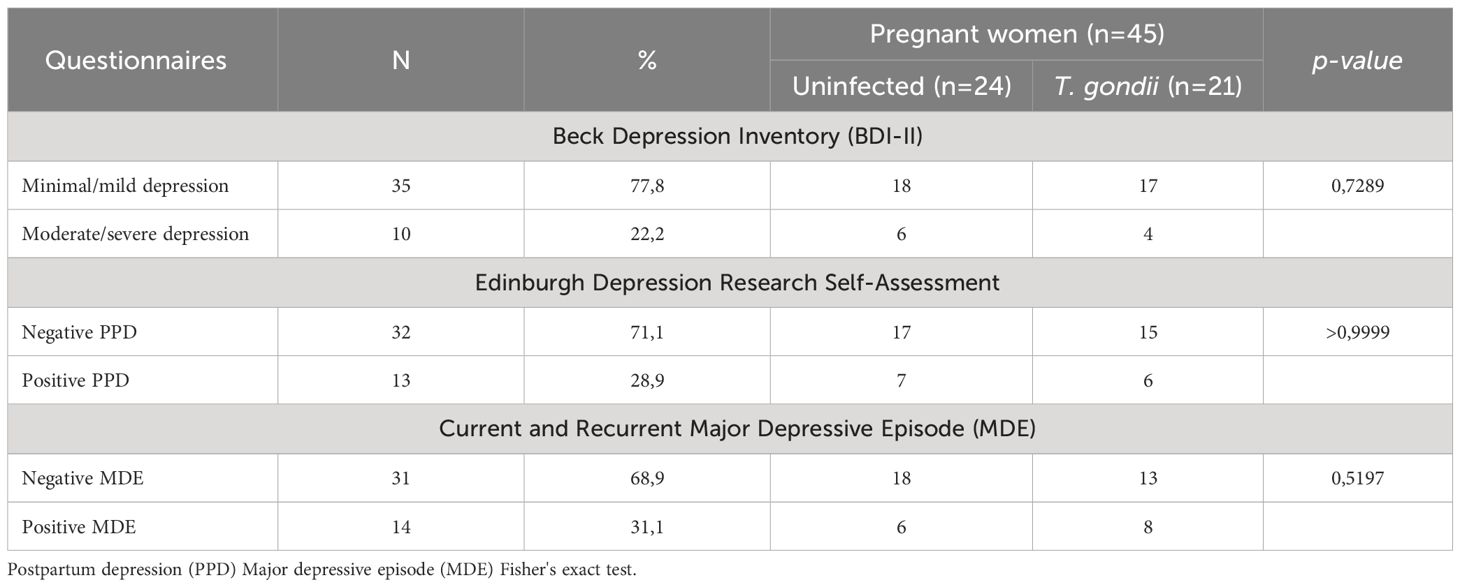
Table 2 Mental health analysis of pregnant women evaluated in 2020/2021- Ouro Preto, MG, Brasil.
Upon evaluating plasma biological markers, IL-33 (Figure 1A), IL-17A (Figure 1B), and neuroserpin (Figure 1D) were found to be elevated in the chronic presence of T. gondii. This pattern was not observed for the chemokine CCL2 (Figure 1C). Moreover, the data on these inflammatory mediators were re-distributed based on the results from the Beck Depression Inventory Questionnaire, the Edinburgh Postnatal Depression Scale, and the Major Depressive Episode Module. The Beck Depression Inventory Questionnaire data revealed that plasma concentrations of IL-33 (Figure 2A) and IL-17A (Figure 2B) were higher in T. gondii-infected pregnant women diagnosed with mild DS. Neuroserpin was the sole inflammatory marker with increased plasma levels in infected women diagnosed with both mild and moderate or severe DS (Figure 2D), whereas no difference was observed in CCL2 levels between the two groups (Figure 2C). Data obtained from the Edinburgh Postnatal Depression Scale and the Major Depressive Episode Module did not reveal any differences in plasma inflammatory mediators (data not shown).
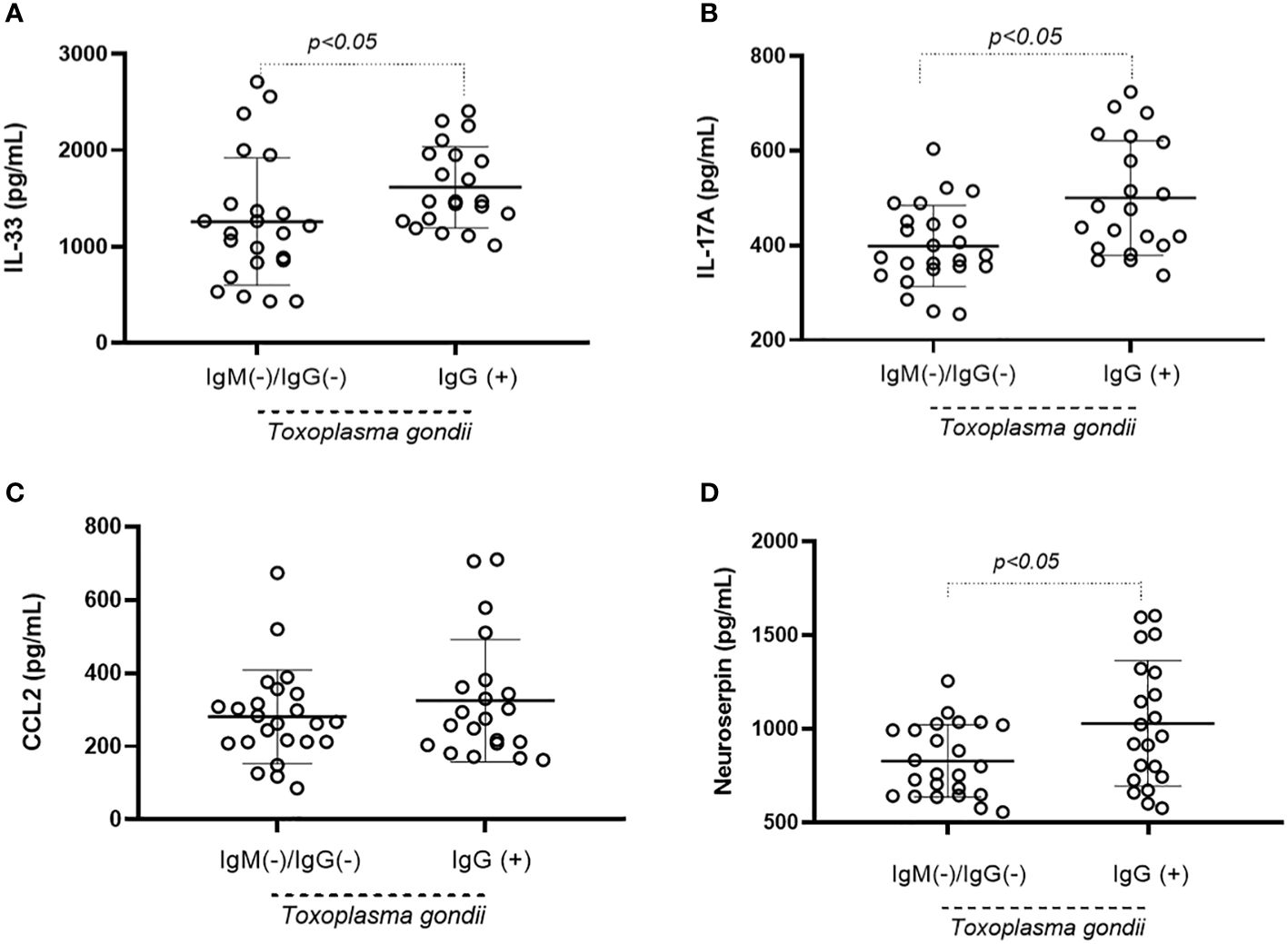
Figure 1 Plasma inflammatory mediators in pregnant women based on T. gondii serotyping. Pregnant women were categorized as seronegative (IgM- and IgG-) and as seropositive (IgG+) for T. gondii and plasma concentrations of IL-33 (A), IL-17A (B), CCL2 (C) and neuroserpin (D) presented. Statistical analysis was performed using the Mann-Whitney test. Mean, mean of concentrations; S. E, Std. mean error.
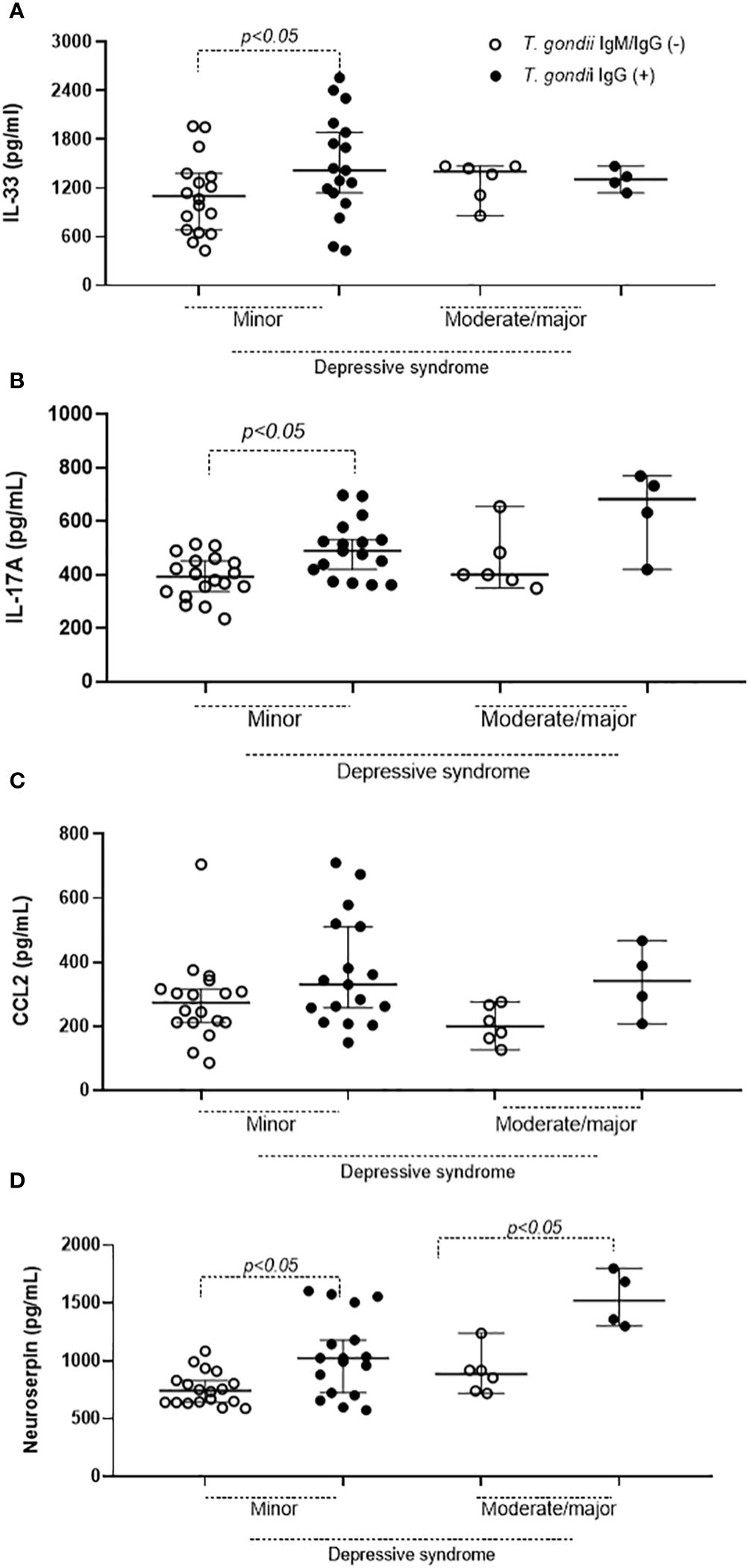
Figure 2 Plasma inflammatory mediators in pregnant women according to serotyping for T. gondii and classification by Beck Depression Inventory (DBI-II). The pregnant women were diagnosed as seronegative (IgM- and IgG-) and as seropositive (IgG+) for T. gondii and concentrations of IL-33 (A), IL-17A (B), CCL2 (C) and neuroserpin (D) measured in plasma samples. Statistical analysis was performed using the Student’s T test for parametric data and the Mann-Whitney test for non-parametric data. Mean, mean of concentrations; S.E, Std. mean error.
4 Discussion
DS has emerged as a pandemic disorder that affects individuals across different ages, genders, and socioeconomic and cultural backgrounds in recent decades, reaching its peak following the COVID-19 pandemic (20). Genetic risk factors for DS may accelerate the onset of the disorder through the activation of endocrine and/or environmental stimuli or stress (21–23). There is compelling evidence that the immune response plays a significant role in the neurobiological underpinnings of depression, altering the anatomy and function of neurons and modifying neurotransmitters and neuronal synaptic plasticity (24–26).
Beyond the genetic factors contributing to DS, a pathogenic hypothesis has garnered new support which characterizes DS as a host-parasite nonadaptive condition, supported by genes (27). DS manifests as an inflammatory condition mediated by pathogen-associated molecular patterns. These patterns activate innate immune mediators, including the nuclear factor Kappa B and extracellular-signal-regulated kinases pathways, within the central nervous system (28). In this context, T. gondii has been highlighted as a protozoan that preferentially infects nucleated cells of the central nervous system, both in vitro and in immunodeficient and immunocompetent individuals (29). It is estimated that > 60% of the global population has a chronic central nervous system T. gondii infection, which affects children, men, and women, including those in the gestational period (30).
The gestational cycle is a critical phase in women´s lives, as they experience physical, hormonal, psychic, and social changes that generally have a direct effect on their mental health. A limitation of this study was the no dosage of Vitamins B1, B3, B6, B9 and B12 in these pregnant women, since they are essential for neuronal function and for depressive syndrome symptoms. The precocious supplementation of Vitamin B12 has been shown to delay the onset of depressive symptoms and, improve the effects of anti-depressive therapies (31, 32). However, no one volunteer subject was diagnosed with anaemia in this present study, according to the hemogram. Despite this being the case after the first pregnancy, 10–15% of women experience mild, moderate, or severe anxiety and depressive symptoms, including feelings of guilt and a lack of appetite and energy to move forward (33). In pregnant women with DS, high plasma levels of inflammatory mediators, such as IL-1b, IL-1, and IL-6, have been observed (34, 35). A similar immunological pattern has been observed in non-pregnant individuals diagnosed with severe DS, where IL-1b, IL-6, Tumor Necrosis Factor, and C-reactive protein levels are elevated. Interestingly, after partially blocking these inflammatory mediators, there is a documented reduction in depressive symptoms.
In this study, DS was investigated in pregnant women with chronic T. gondii infection. We observed elevated levels of three mediators–neuroserpin, IL-33, and IL-17A–in women with mild DS. Previously, our group demonstrated the involvement of IL-33, CCL2, and IL-17A in pregnant women with T. gondii infection (36–38). However, neuroserpin was a novel target of this investigation in the context of T. gondii infection and was the only marker elevated in plasma of pregnant women with T. gondii infection having both mild and moderate/severe DS.
Neuroserpin is a serine protease inhibitor associated with synapse formation and neurogenesis, cellular adhesion and vascular permeability in the central nervous system, and inhibition of the tissue plasminogen activator, and acts as a protective factor against neurological disturbances (39–42). In the context of gestation, neuroserpin has been proposed to be an important mediator in early-onset severe preeclampsia (43). Regarding DS, one study associated neuroserpin with the fibrinolytic system, which performs essential neurological functions. Rats exposed to chronic and unpredictable mild stress, as well as individuals with mild depression, exhibited reductions in neuroserpin mRNA and tissue plasminogen activator in tissues and peripheral blood mononuclear cells (44). In our study involving pregnant women, T. gondii infection bias increased neuroserpin concentration in the presence of mild to severe DS, suggesting a potential neuroprotective role of neuroserpin due to a long-term host-parasite relationship.
The alarmin IL-33, IL-17A, and the chemokine CCL2 have been highlighted in studies of depressive disorders (45–47), and their high production/expression was demonstrated in chronic T. gondii research in both experimental models and humans (38, 48–50). IL-33, which shows high expression in glial cells and astrocytes, has been associated with neurological diseases such as Alzheimer’s, post-traumatic stress disorder, major depressive disorder, and schizophrenia (51, 52). IL-17A can induce depression-like symptoms through the NF-kB and p38MAPK pathways in mice (53) and hospitalized patients (54). Both IL-33 and IL-17A have been identified as potential prognostic markers in human toxoplasmosis and depressive disorders, as evidenced by their high plasma levels in pregnant women with T. gondii infection having mild DS.
CCL2 is a potential chemokine for monocytes and various immune cells via its CCR2 receptor. Generally, CCL2 shows a local and systemic activity associated with T. gondii elimination in experimental models and humans, and its elevated expression and production correspond with the chronic state of toxoplasmosis of the central nervous system (49, 55). CCL2 upregulation is also implicated in depressive disorders (56, 57); however, its plasma concentration in pregnant women with T. gondii infection having DS did not reach statistical significance in this study.
The IL-17A (58), IL-33 (59), CCL2 (60) and Neuroserpin (42, 43) are maternal inflammatory markers released to the improvement of pregnancy outcomes, neurological and immunological development in fetuses in normal conditions, in the experimental models and human subjects. After recognition of T. gondii by the maternal immune system and, activation and recruitment of a new repertoire of inflammatory cells, a new inflammatory environment must be established by the release of a new set of inflammatory and regulatory mediators (including IL-17A, IL-33, CCL2 and neuroserpin), which are essential to contain parasites and, to mitigate the fetus infection ameliorating the prognosis of T. gondii-infected newborns (37).
Finally, sociocultural status, lifestyle, and environmental factors, including food quality and hygiene, play a crucial role in the physiological and mental health of pregnant women globally. In particular, toxoplasmosis and immune system patterns can alter physiological and mental health in affected individuals (9, 10, 48). Physical and emotional factors can contribute to perinatal depression, independent of T. gondii infectious status, such as demands at work, familiar traumatic experiences and fear or insecurity about childbirth and the care of the new baby. In addition, reduced neuroplasticity and neurocircuitry activity changes in prefrontal dorsolateral cortex with hypofunction of the left dorsolateral prefrontal cortex, together with dysfunctional fronto-limbic control mechanisms exert an important role in the onset and development of depression (61). However, T. gondii can infect any area of the brain related to depressive syndrome (frontal lobe, thalamus, hippocampus, striatum, temporal lobe and amygdala), and, in practice, there is no how to predict where this parasite cist has been forming until the clinical manifestations. The presence of T. gondii cist might coordinate a multi-variable local immune response that changes the functionality and behaviour of neurological cells from multiple brain regions involved in DS (62). In advance, the regulation of a specific biomarker or its precocious association with DS in T. gondii could improve clinical management with pregnant women. In summary, further studies are necessary to confirm whether chronic human toxoplasmosis might exacerbate DS in pregnant women and, to evaluate the potentiality of neuroserpin, IL-33, and IL-17 as biomarkers for DS in T. gondii infection focusing on pregnant women from different genetic backgrounds.
Data availability statement
The raw data supporting the conclusions of this article will be made available by the authors, without undue reservation.
Ethics statement
The studies involving humans were approved by Institutional Research Ethics Committee (Federal University of Ouro Preto) Register number: CAAE:23467219.7.0000.5150. The studies were conducted in accordance with the local legislation and institutional requirements. Written informed consent for participation in this study was provided by the participants’ legal guardians/next of kin.
Author contributions
ZS: Conceptualization, Investigation, Methodology, Resources, Writing – original draft. DD: Conceptualization, Data curation, Formal analysis, Investigation, Methodology, Resources, Writing – original draft. SP: Investigation, Methodology, Resources, Writing – review & editing. BM: Investigation, Project administration, Resources, Writing – review & editing. PS: Investigation, Methodology, Resources, Writing – review & editing. FH: Investigation, Methodology, Writing – review & editing. YM: Investigation, Methodology, Resources, Writing – review & editing. PC: Data curation, Methodology, Writing – review & editing. LP: Data curation, Formal analysis, Investigation, Writing – review & editing. KP: Data curation, Methodology, Visualization, Writing – review & editing. AT: Conceptualization, Data curation, Formal analysis, Funding acquisition, Project administration, Supervision, Writing – original draft, Writing – review & editing.
Funding
The author(s) declare financial support was received for the research, authorship, and/or publication of this article. This research was supported by Federal University of Ouro Preto, Conselho Nacional de Desenvolvimento Científico e Tecnológico - CNPQ (# 405946/2021-0), and Fundação de Amparo à Pesquisa do Estado de Minas Gerais-FAPEMIG (#APQ-00720-23) and Coordination for the Improvement of Higher Education CAPES (# 88887.952910/2024-00). AT is grateful for CNPq fellowship support (# 305634/2017-8).
Conflict of interest
The authors declare that the research was conducted in the absence of any commercial or financial relationships that could be construed as a potential conflict of interest.
Publisher’s note
All claims expressed in this article are solely those of the authors and do not necessarily represent those of their affiliated organizations, or those of the publisher, the editors and the reviewers. Any product that may be evaluated in this article, or claim that may be made by its manufacturer, is not guaranteed or endorsed by the publisher.
References
1. Dubey JP. Advances in the life cycle of Toxoplasma gondii. Int J Parasitol. (1998) 28:1019–24. doi: 10.1016/S0020-7519(98)00023-X
2. Halonen SK, Weiss LM. Toxoplasmosis. Handb Clin Neurol. (2013) 114:125–45. doi: 10.1016/B978-0-444-53490-3.00008-X
3. Silveira C, Vallochi AL, Rodrigues da Silva U, Muccioli C, Holland GN, Nussenblatt RB, et al. Toxoplasma gondii in the peripheral blood of patients with acute and chronic toxoplasmosis. Br J Ophthalmol. (2011) 95:396–400. doi: 10.1136/bjo.2008.148205
4. Kalantari N, Gorgani-Firouzjaee T, Moulana Z, Chehrazi M, Ghaffari S. Toxoplasma gondii infection and spontaneous abortion: A systematic review and meta-analysis. Microb Pathog. (2021) 158:105070. doi: 10.1016/j.micpath.2021.105070
5. Matta SK, Rinkenberger N, Dunay IR, Sibley LD. Toxoplasma gondii infection and its implications within the central nervous system. Nat Rev Microbiol. (2021) 19:467–80. doi: 10.1038/s41579-021-00518-7
6. Tong WH, Pavey C, O’Handley R, Vyas A. Behavioral biology of Toxoplasma gondii infection. Parasites Vectors. (2021) 14(1):77. doi: 10.1186/s13071-020-04528-x
7. Corrêa FM, Chieffi PP, Lescano SA, Santos SV. Behavioral and memory changes in Mus musculus coinfected by Toxocara canis and Toxoplasma gondii. Rev Inst Med Trop Sao Paulo. (2014) 56:353–6. doi: 10.1590/s0036-46652014000400014
8. Flegr J. Influence of latent Toxoplasma infection on human personality, physiology and morphology: Pros and cons of the Toxoplasma-human model in studying the manipulation hypothesis. J Exp Biol. (2013) 216:127–33. doi: 10.1242/jeb.073635
9. Schlüter D, Barragan A. Advances and challenges in understanding cerebral toxoplasmosis. Front.Immunol. (2019) 10:242. doi: 10.3389/fimmu.2019.00242
10. Hsu PC, Groer M, Beckie T. New findings: depression, suicide, and Toxoplasma gondii infection. J Am Assoc Nurse Pract. (2014) 26:629–37. doi: 10.1002/2327-6924.12129
11. Koukopoulos A, Tundo A. A mixed depressive syndrome. Clin Neuropharmacol. (1992) 15 Suppl 1:626A–7A. doi: 10.1097/00002826-199201001-00324
12. Oliver-Quetglas A, Torres E, March S, Socias IM, Esteva M. Risk factors of depressive syndrome in young adults. Actas Esp Psiquiatr. (2013) 41:84–96.
13. Maki PM, Kornstein SG, Joffe H, Bromberger JT, Freeman EW, Athappilly G, et al. Guidelines for the evaluation and treatment of perimenopausal depression: summary and recommendations. Menopause. (2018) 25:1069–85. doi: 10.1097/GME.0000000000001174
14. Kołomańska D, Zarawski M, Mazur-Bialy A. Physical activity and depressive disorders in pregnant women-A systematic review. Medicina (Kaunas). (2019) 55:212. doi: 10.3390/medicina55050212
15. Spong CY. Defining "term" pregnancy: recommendations from the defining "Term" Pregnancy workgroup. JAMA. (2013) 309(23):2445–6. doi: 10.1001/jama.2013.6235
16. Venkatesh KK, Riley L, Castro VM, Perlis RH, Kaimal AJ. Association of antenatal depression symptoms and antidepressant treatment with preterm birth. Obstetrics Gynecology. (2016) 127(5):926–33. doi: 10.1097/AOG.0000000000001397
17. Swenson CW, DePorre JA, Haefner JK, Berger MB, Fenner DE. Postpartum depression screening and pelvic floor symptoms among women referred to a specialty postpartum perineal clinic. Am J Obstetrics Gynecology. (2018) 218:3. doi: 10.1016/j.ajog.2017.11.604
18. Sensini A. Toxoplasma gondii infection in pregnancy: opportunities and pitfalls of serological diagnosis. Clin Microbiol Infect. (2006) 12:504–12. doi: 10.1111/j.1469-0691.2006.01444.x
19. American Psychiatric Association. Diagnostic and statistical manual of mental disorders. 5th ed. Arlington (2013). doi: 10.1176/appi.books.9780890425596
20. COVID-19 Mental Disorders Collaborators. Global prevalence and burden of depressive and anxiety disorders in 204 countries and territories in 2020 due to the COVID-19 pandemic. Lancet. (2021) 398:1700–12. doi: 10.1016/S0140-6736(21)02143-7
21. Lima-Ojeda JM, Rupprecht R, Baghai TC. Neurobiology of depression: A neurodevelopmental approach. World J Biol Psychiatry. (2018) 19:349–59. doi: 10.1080/15622975.2017.1289240
22. Lever-van Milligen BA, Verhoeven JE, Schmaal L, van Velzen LS, Révész D, Black CN, et al. The impact of depression and anxiety treatment on biological aging and metabolic stress: study protocol of the MOod treatment with antidepressants or running (MOTAR) study. BMC Psychiatry. (2019) 30:425. doi: 10.1186/s12888-019-2404-0
23. David FS, Stein F, Andlauer TFM, Streit F, Witt SH, Herms S, et al. Genetic contributions to transdiagnostic symptom dimensions in patients with major depressive disorder, bipolar disorder, and schizophrenia spectrum disorders. Schizophr Res. (2023) 252:161–71. doi: 10.1016/j.schres.2023.01.002
24. Hodes GE, Kana V, Menard C, Merad M, Russo SJ. Neuroimmune mechanisms of depression. Nat Neurosci. (2015) 18:1386–93. doi: 10.1038/nn.4113
25. Niraula A, Wang Y, Godbout JP, Sheridan JF. Corticosterone production during repeated social defeat causes monocyte mobilization from the bone marrow, glucocorticoid resistance, and neurovascular adhesion molecule expression. J Neurosci. (2018) 38:2328–40. doi: 10.1523/JNEUROSCI.2568-17.2018
26. Kokkosis AG, Madeira MM, Hage Z, Valais K, Koliatsis D, Resutov E, et al. Chronic psychosocial stress triggers microglial-/macrophage-induced inflammatory responses leading to neuronal dysfunction and depressive-related behavior. Glia. (2024) 2:111–32. doi: 10.1002/glia.24464
27. Raison CL, Miller AH. The evolutionary significance of depression in Pathogen Host Defense (PATHOS-D). Mol Psychiatry. (2013) 18:15–37. doi: 10.1038/mp.2012.2
28. Dantzer R. Neuroimmune interactions: from the brain to the immune system and vice versa. Physiol Rev. (2018) 98:477–504. doi: 10.1152/physrev.00039.2016
29. ;Cabral CM, Tuladhar S, Dietrich HK, Nguyen E, MacDonald WR, Trivedi T, et al. Neurons are the primary target cell for the brain-tropic intracellular parasite toxoplasma gondii. PloS Pathog. (2016) 12:e1005447. doi: 10.1371/journal.ppat.1005447
30. Elsheikha HM, Marra CM, Zhu XQ. Epidemiology, pathophysiology, diagnosis, and management of cerebral toxoplasmosis. Clin Microbiol Rev. (2020) 34:e00115–19. doi: 10.1128/CMR.00115-19
31. Sangle P, Sandhu O, Aftab Z, Anthony AT, Khan S. Vitamin B12 supplementation: preventing onset and improving prognosis of depression. Cureus. (2020) 12:e11169. doi: 10.7759/cureus.11169
32. Markun S, Gravestock I, Jäger L, Rosemann T, Pichierri G, Burgstaller JM. Effects of vitamin B12 supplementation on cognitive function, depressive symptoms, and fatigue: A systematic review, meta-analysis, and meta-regression. Nutrients. (2021) 13:923. doi: 10.3390/nu13030923
33. Amiel Castro RT, Pinard Anderman C, Glover V, O'Connor TG, Ehlert U, Kammerer M. Associated symptoms of depression: patterns of change during pregnancy. Arch Womens Ment Health. (2017) 20:123–8. doi: 10.1007/s00737-016-0685-6
34. Maes M, Ombelet W, De Jongh R, Kenis G, Bosmans E. The inflammatory response following delivery is amplified in women who previously suffered from major depression, suggesting that major depression is accompanied by a sensitization of the inflammatory response system. J Affect Disord. (2001) 63:1–3. doi: 10.1016/S0165-0327(00)00156-7
35. Corwin EJ, Johnston N, Pugh L. Symptoms of postpartum depression associated with elevated levels of interleukin-1 beta during the first month postpartum. Biol Res Nurs. (2008) 10(2):128–33. doi: 10.1177/1099800408323220
36. Abbott R, Whear R, Nikolaou V, Bethel A, Coon JT, Stein K, et al. Tumour necrosis factor-α inhibitor therapy in chronic physical illness: A systematic review and meta-analysis of the effect on depression and anxiety. J Psychosomatic Res. (2015) 79:3. doi: 10.1016/j.jpsychores.2015.04.008
37. Santos PVD, Toledo DNM, Guimarães NS, Perucci LO, Andrade-Neto VF, Talvani A. Upregulation of IL-33, CCL2, and CXCL16 levels in Brazilian pregnant women infected by Toxoplasma gondii. Acta Trop. (2023a) 243:106931. doi: 10.1016/j.actatropica.2023
38. Santos PV, de Toledo DNM, de Souza DMS, Menezes TP, Perucci LO, Silva ZM, et al. The imbalance in the relationship between inflammatory and regulatory cytokines during gestational toxoplasmosis can be harmful to fetuses: A systematic review. Front Immunol. (2023b) 14:1074760. doi: 10.3389/fimmu.2023.1074760
39. Miranda E, Lomas DA. Neuroserpin: A serpin to think about. Cell Mol Life Sci. (2006) 63(6):709–22. doi: 10.1007/s00018-005-5077-4
40. Lee TW, Tsang VW, Loef EJ, Birch NP. Physiological and pathological functions of neuroserpin: Regulation of cellular responses through multiple mechanisms. Semin Cell Dev Biol. (2017) 62:152–9. doi: 10.1016/j.semcdb.2016.09.007
41. D’Acunto E, Fra A, Visentin C, Manno M, Ricagno S, Galliciotti G, et al. Neuroserpin: structure, function, physiology and pathology. Cell Mol Life Sci. (2021) 78:19–20. doi: 10.1007/s00018-021-03907-6
42. Godinez A, Rajput R, Chitranshi N, Gupta V, Basavarajappa D, Sharma S, et al. Neuroserpin, a crucial regulator for axogenesis, synaptic modelling and cell-cell interactions in the pathophysiology of neurological disease. Cell Mol Life Sci. (2022) 79:172. doi: 10.1007/s00018-022-04185-6
43. Perucci LO, da Silva SPG, Bearzoti E, de Castro Pinto KM, Alpoim PN, de Barros Pinheiro M, et al. Neuroserpin: A potential biomarker for early-onset severe preeclampsia. Immunobiology. (2023) 228:2. doi: 10.1016/j.imbio.2023.152339
44. Han W, Dang R, Xu P, Li G, Zhou X, Chen L, et al. Altered fibrinolytic system in rat models of depression and patients with first-episode depression. Neurobiol Stress. (2019) 11:100188. doi: 10.1016/j.ynstr.2019.100188
45. Saraykar S, Cao B, Barroso LS, Pereira KS, Bertola L, Nicolau M, et al. Plasma IL-17A levels in patients with late-life depression. Braz J Psychiatry. (2017) 40:212–5. doi: 10.1590/1516-4446-2017-2299
46. Curzytek K, Leśkiewicz M. Targeting the CCL2-CCR2 axis in depressive disorders. Pharmacol Rep. (2021) 73:1052–62. doi: 10.1007/s43440-021-00280-w
47. Liu R, Liu L, Ren S, Wei C, Wang Y, Li D, et al. The role of IL-33 in depression: a systematic review and meta-analysis. Front Psychiatry. (2023) 14:1242367. doi: 10.3389/fpsyt.2023.1242367
48. Andrade JMA, de Oliveira CBS, Meurer YDSR, Santana JE, de Almeida YGB, Vilela Dos Santos P, et al. Genetic polymorphism in IL17RA induces susceptibility to Toxoplasma gondii infection in Brazilian pregnant women. Acta Trop. (2020) 211:105594. doi: 10.1016/j.actatropica.2020.105594
49. Castaño Barrios L, Da Silva Pinheiro AP, Gibaldi D, Silva AA, MaChado Rodrigues E Silva P, Roffê E, et al. Behavioral alterations in long-term Toxoplasma gondii infection of C57BL/6 mice are associated with neuroinflammation and disruption of the blood brain barrier. PloS One. (2021) 16:e0258199. doi: 10.1371/journal.pone.0258199
50. Yousif WT. Expression of interleukin-33 gene in hemodialysis patients with chronic toxoplasmosis in Baghdad, Iraq. Arch Razi Institute. (2022) 77(4):1491–5. doi: 10.22092/ARI.2022.357619.2072
51. de Campos-Carli SM, Miranda AS, Dias ICS, de Oliveira A, Cruz BF, Vieira É.LM, et al. Serum levels of interleukin-33 and its soluble form receptor (sST2) are associated with cognitive performance in patients with schizophrenia. Compr Psychiatry. (2017) 74:96–101. doi: 10.1016/j.comppsych.2017.01.008
52. Miller ES, Sakowicz A, Roy A, Yang A, Sullivan JT, Grobman WA, et al. Plasma and cerebrospinal fluid inflammatory cytokines in perinatal depression. Am J Obstetrics Gynecology. (2019) 220:3. doi: 10.1016/j.ajog.2018.12.015
53. Nadeem A, Ahmad SF, Al-Harbi NO, Fardan AS, El-Sherbeeny AM, Ibrahim KE, et al. IL-17A causes depression-like symptoms via NFκB and p38MAPK signaling pathways in mice: Implications for psoriasis associated depression. Cytokine. (2017) 97:14–24. doi: 10.1016/j.cyto.2017.05.018
54. Wang C, Huo H, Li J, Zhang W, Liu C, Jin B, et al. The longitudinal changes of serum JKAP and IL-17A, and their linkage with anxiety, depression, and cognitive impairment in acute ischemic stroke patients. J Clin Lab Anal. (2022) 36:e24762. doi: 10.1002/jcla.24762
55. Del Rio L, Butcher BA, Bennouna S, Hieny S, Sher A, Denkers EY. Toxoplasma gondii triggers myeloid differentiation factor 88-dependent IL-12 and chemokine ligand 2 (monocyte chemoattractant protein 1) responses using distinct parasite molecules and host receptors. J Immunol. (2004) 172:6954–60. doi: 10.4049/jimmunol.172.11.6954
56. Eyre HA, Air T, Pradhan A, Johnston J, Lavretsky H, Stuart MJ, et al. A meta-analysis of chemokines in major depression. Prog Neuropsychopharmacol Biol Psychiatry. (2016) 68:1–8. doi: 10.1016/j.pnpbp.2016.02.006
57. Brás JP, Pinto S, von Doellinger O, Prata J, Coelho R, Barbosa MA, et al. Combining inflammatory miRNA molecules as diagnostic biomarkers for depression: a clinical study. Front Psychiatry. (2023) 14:1227618. doi: 10.3389/fpsyt.2023.1227618
58. Lawrence SM, Ruoss JL, Wynn JL. IL-17 in neonatal health and disease. Am J Reprod Immunol. (2018) 79:e12800. doi: 10.1111/aji.12800
59. Valero-Pacheco N, Tang EK, Massri N, Loia R, Chemerinski A, Wu T, et al. Maternal IL-33 critically regulates tissue remodeling and type 2 immune responses in the uterus during early pregnancy in mice. Proc Natl Acad Sci U S A. (2022) 119:e2123267119. doi: 10.1073/pnas.2123267119
60. Lin Z, Shi JL, Chen M, Zheng ZM, Li MQ, Shao J. CCL2: An important cytokine in normal and pathological pregnancies: A review. Front Immunol. (2023) 13:1053457. doi: 10.3389/fimmu.2022.1053457
61. Grimm S, Beck J, Schuepbach D, Hell D, Boesiger P, Bermpohl F, et al. Imbalance between left and right dorsolateral prefrontal cortex in major depression is linked to negative emotional judgment: an fMRI study in severe major depressive disorder. Biol Psychiatry. (2008) 63:369–76. doi: 10.1016/j.biopsych.2007.05.033
Keywords: pregnant women, depressive syndrome, neuroserpin, IL-33, toxoplasma gondii
Citation: Silva ZM, Toledo DNM, Pio S, Machado BAA, Santos PVd, Hó FG, Medina YN, Cordeiro PHdM, Perucci LO, Pinto KMdC and Talvani A (2024) Neuroserpin, IL-33 and IL-17A as potential markers of mild symptoms of depressive syndrome in Toxoplasma gondii-infected pregnant women. Front. Immunol. 15:1394456. doi: 10.3389/fimmu.2024.1394456
Received: 04 March 2024; Accepted: 29 April 2024;
Published: 17 May 2024.
Edited by:
Andréa Wieck, Pontifical Catholic University of Rio Grande do Sul, BrazilReviewed by:
Celio Geraldo Freire-de-Lima, Federal University of Rio de Janeiro, BrazilIsabela Resende Pereira, Fluminense Federal University, Brazil
Copyright © 2024 Silva, Toledo, Pio, Machado, Santos, Hó, Medina, Cordeiro, Perucci, Pinto and Talvani. This is an open-access article distributed under the terms of the Creative Commons Attribution License (CC BY). The use, distribution or reproduction in other forums is permitted, provided the original author(s) and the copyright owner(s) are credited and that the original publication in this journal is cited, in accordance with accepted academic practice. No use, distribution or reproduction is permitted which does not comply with these terms.
*Correspondence: André Talvani, dGFsdmFuaUB1Zm9wLmVkdS5icg==
†These authors have contributed equally to this work