 Qi Gao
 Lena L. N. Wong
 Fei Chen
- 1Department of Electrical and Electronic Engineering, Southern University of Science and Technology, Shenzhen, China
- 2Faculty of Education, The University of Hong Kong, Pokfulam, Hong Kong SAR, China
Objective: This paper reviewed the literature on the development of and factors affecting speech perception of Mandarin-speaking children with cochlear implantation (CI). We also summarized speech outcome measures in standard Mandarin for evaluating auditory and speech perception of children with CI.
Method: A comprehensive search of Google Scholar and PubMed was conducted from March to June 2021. Search terms used were speech perception/lexical tone recognition/auditory perception AND cochlear implant AND Mandarin/Chinese.
Conclusion: Unilateral CI recipients demonstrated continuous improvements in auditory and speech perception for several years post-activation. Younger age at implantation and longer duration of CI use contribute to better speech perception. Having undergone a hearing aid trial before implantation and having caregivers whose educational level is higher may lead to better performance. While the findings that support the use of CI to improve speech perception continue to grow, much research is needed to validate the use of unilateral and bilateral implantation. Evidence to date, however, revealed bimodal benefits over CI-only conditions in lexical tone recognition and sentence perception in noise. Due to scarcity of research, conclusions on the benefits of bilateral CIs compared to unilateral CI or bimodal CI use cannot be drawn. Therefore, future research on bimodal and bilateral CIs is needed to guide evidence-based clinical practice.
Introduction
In Western societies, the advantages of bilateral cochlear implantation (CI) over unilateral CI for speech perception in quiet and in noise, preverbal communication development and sound localization in the pediatric population have been well demonstrated (Sparreboom et al., 2010). The effects of adding a contralateral hearing aid (HA) among children implanted in the other ear (i.e., bimodal stimulation) have been demonstrated through extensive comparative studies as well (e.g., Beijen et al., 2008). However, unilateral CI is still the norm in mainland China, with the other two modes of amplification gaining popularity in the past decade only. With emerging research on this topic and the gradual reduction in the age of implantation, it is necessary to synthesize new evidence regarding speech perception of Mandarin-speaking children with unilateral CI, bimodal stimulation and bilateral CIs in order to guide clinical application and identify knowledge gaps. This review attempts to cover areas not addressed in the review by Chen and Wong (2017).
The first multi-channel CI operation was conducted in mainland China in 1995 (Liang and Mason, 2013). Since then, CI has become a well-accepted intervention for patients with severe-to-profound hearing loss (HL), funded by local and the central government, due to its cost-effectiveness compared to no intervention or HA (Qiu et al., 2017). Han and Wang (2013) reported over 30,000 persons in mainland China have received CIs, and among them 85% were children. In several provinces, unilateral CI for pediatric population is included in the basic medical insurance scheme (Li J. N. et al., 2017). Despite the fact that CI penetration in the pediatric population is less than 5% (Liang and Mason, 2013), the rate of implantation is expected to grow with the number of qualified specialists and hearing service providers (Li J. N. et al., 2017).
Unlike English, Mandarin is a tonal language with four lexical tones that carry lexical meaning at the monosyllabic level. Lexical tone recognition plays an important role in Mandarin sentence perception (Fu et al., 1998). Superior sentence recognition was noted in normal-hearing (NH) individuals listening to vocoded speech and pediatric CI users when sentences were presented with natural tone contours compared to flattened or randomized tones in quiet, and greater benefit was observed in noise, suggesting the importance of lexical tone contour (Chen F. et al., 2014; Huang et al., 2020). In addition, CI users needed a greater fundamental frequency (F0) range to detect lexical tones at a comparable level as NH listeners (He et al., 2016). Mandarin vowels also convey more intelligibility information than consonants in sentence perception in a ratio of 3:1 compared to 2:1 in English (Chen F. et al., 2013). Furthermore, Mandarin listeners relied more heavily on temporal fine structure when recognizing sentences in competing speech compared with English native listeners who rely more on temporal envelope (Wang et al., 2014). As CIs provide limited access to temporal fine structure and pitch information because of the coarse frequency resolution, it is reasonable to speculate that some findings regarding speech perception among English-speaking CI users may not apply directly to the Mandarin-speaking CI population. Thus, there is a need to synthesize evidence from studies that targeted this population.
Prior to the review, standard Mandarin speech outcome measures are summarized, highlighting their use and limitations. We then reviewed the current evidence related to speech perception with CI and factors influencing speech perception among pediatric users who speak Mandarin as their first language. Evidence on unilateral, bimodal, and bilateral CI use will be presented in separate sections.
Method
Between March and June 2021, Google Scholar and PubMed were searched for relevant studies. The search terms were speech perception/lexical tone recognition/auditory perception AND cochlear implant AND Mandarin/Chinese. Due to the advancement of CI algorithms in the past two decades, we limited the search on publication year from 2000 onward. We focused on speech perception of participants with congenital HL, who spoke Mandarin as their first language and received CI. Only studies that were conducted in mainland China and published in English were included.
The search generated a total of 3954 records relevant to the topic. After removing duplicates, 3815 records remained. After screening the titles and/or abstracts, 3719 records were discarded because they were not published in peer-reviewed journals, written in English and/or involved irrelevant content. Among the 96 articles that were retrieved for full-text screening, 58 articles were further excluded because results from children and adults were not reported separately (n = 25), the studies were conducted outside of mainland China (n = 19), the studies did not focus on speech perception (n = 10), findings from non-CI participants were not reported separately (n = 4), and only an abstract was available (n = 1). Finally, 37 articles remained for review. A flowchart of the screening process can be found in Figure 1. Among the 37 articles, 30 studies targeted Mandarin-speaking children with unilateral CI, and 5 studies focused on Mandarin-speaking children with bimodal stimulation. One study considered both populations. One study was identified to be relevant to bilateral CI pediatric recipients.
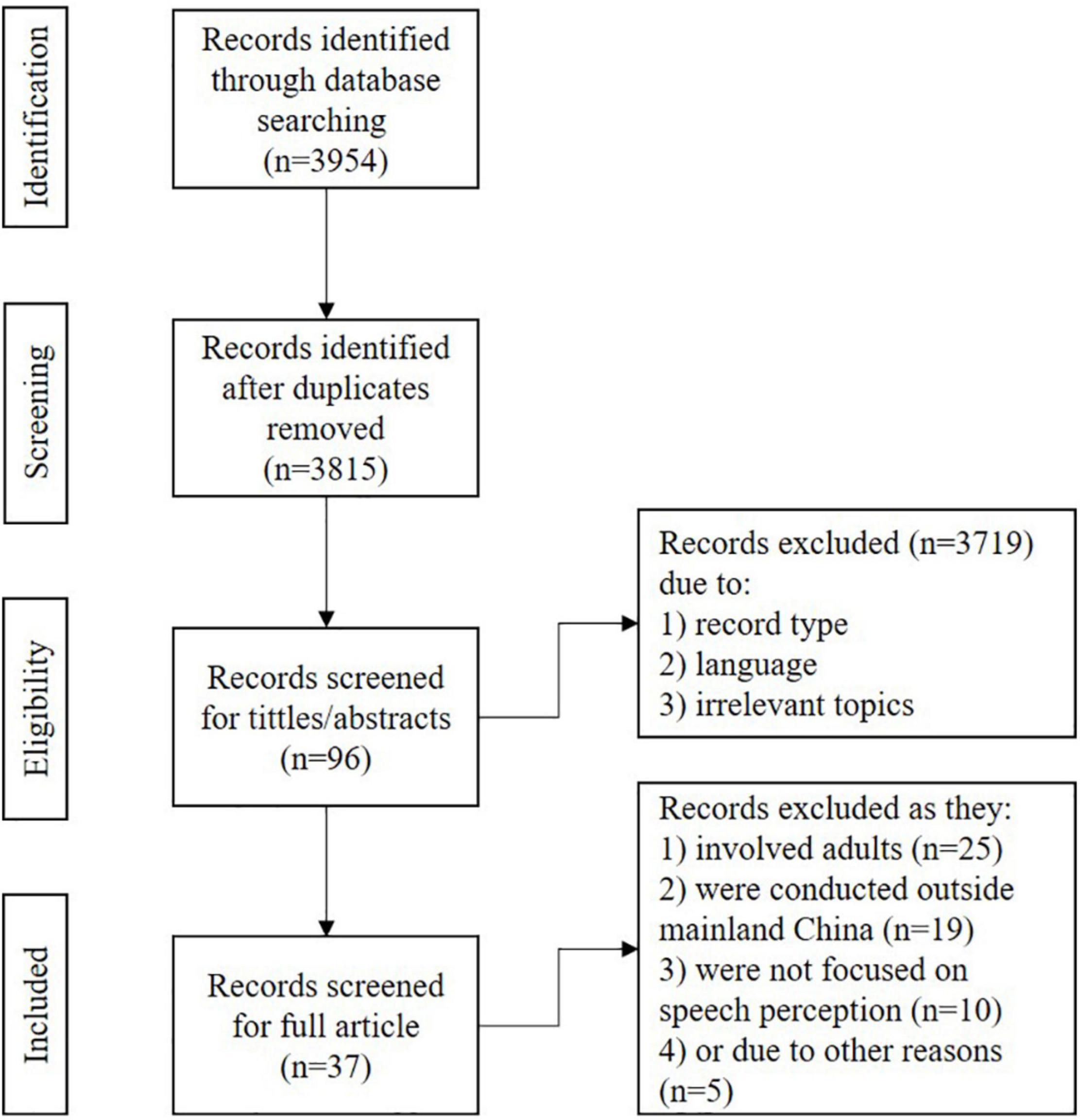
Figure 1. A flowchart of searching and screening.
Review
Auditory and Speech Perception Measures
When selecting outcome measures for children, it is important to take into account a variety of factors, including chronological age, developmental status, vocabulary and language competency. Age-appropriate auditory and speech perception outcomes may include self-report questionnaires and behavioral measures (see Tables 1, 2 for a summary). Four parental questionnaires were identified, including the Meaningful Auditory Integration Scale (MAIS)/Infant-Toddler Meaningful Auditory Integration Scale (ITMAIS; Zheng et al., 2009c), the LittleEARS® Auditory Questionnaire (LEAQ; Wang et al., 2013), the Categories of Auditory Performance Questionnaire (CAPQ; Wang et al., 2020), and the Parent’s Evaluation of Aural/Oral of Children (PEACH) rating scale (Zhang et al., 2021). These parental questionnaires could be utilized to evaluate preverbal, early auditory, and speech perception in children up to 6 years of age, when children have limited language skills and speech perception measures are difficult to administer. The IT-MAIS/MAIS, LEAQ and CAPQ have been used extensively in research institutes and clinics in China. Since the PEACH rating scale is newly developed, few studies have employed this measure.
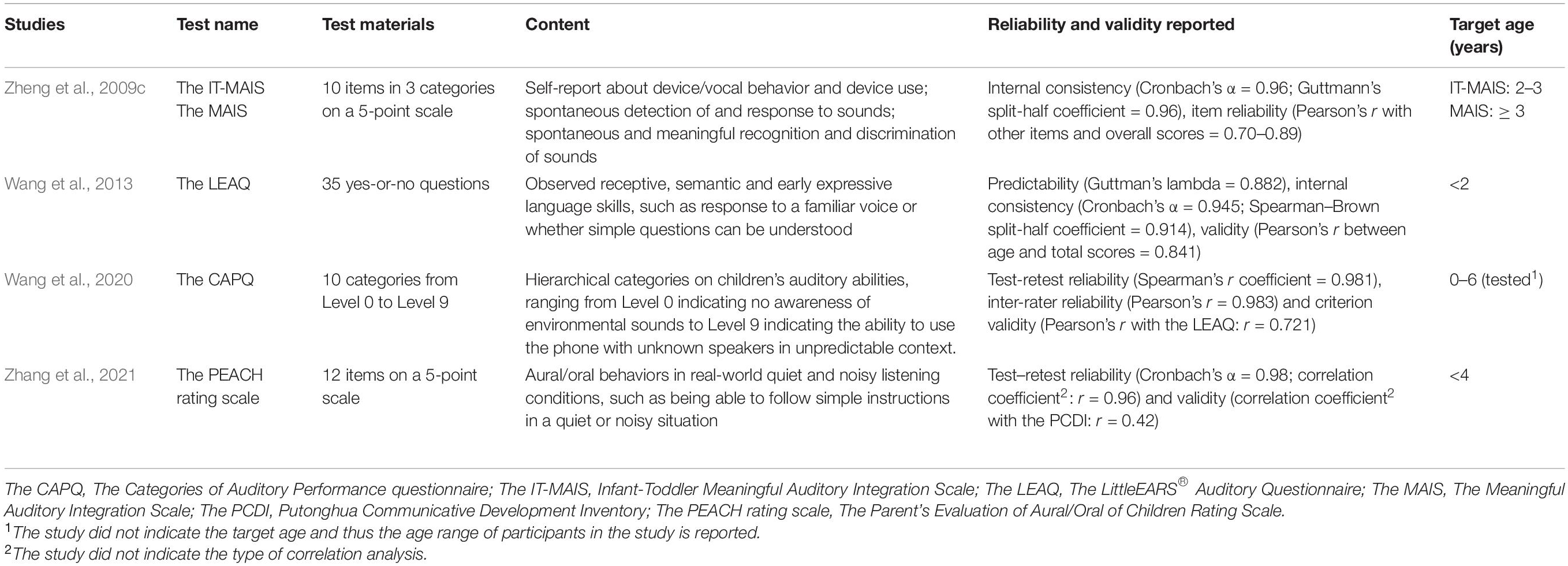
Table 1. Parental questionnaires.
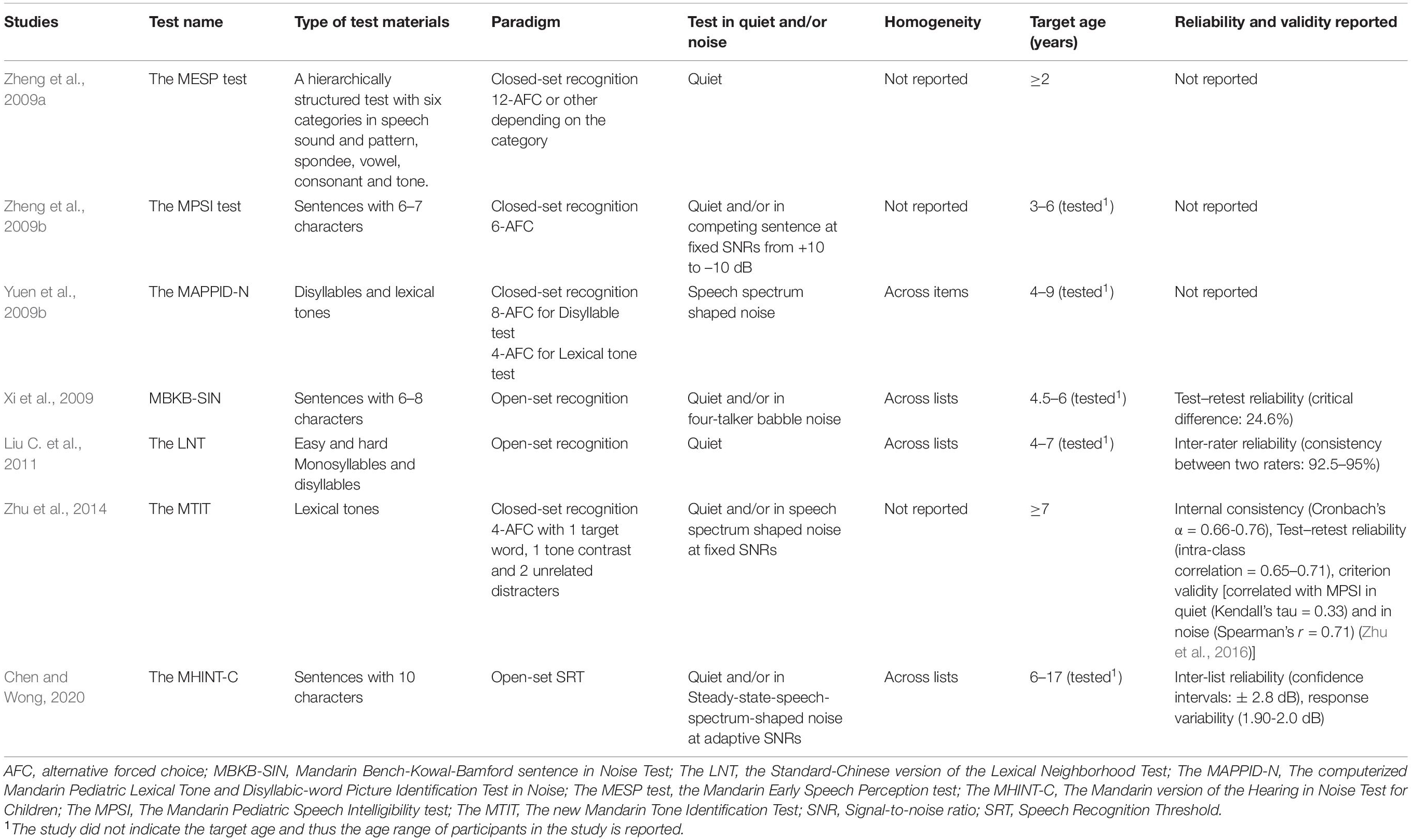
Table 2. Speech perception tests.
Multiple measures were developed to evaluate the perception of phonemes, lexical tones, mono- and multi-syllables, and sentences in quiet and/or in noise. Considering the developmental capabilities of young children, the majority of tests are administered in a closed-set paradigm, in which children point to objects or select answers from a picture panel (Figure 2). Open-set tests are used for older children by requesting them to verbally repeat words they heard. Although materials developed by Sun et al. (1993) and Chen X. et al. (2007) are popular, they were mainly developed for use in rehabilitation. Thus, they are not presented in the summary table. Phoneme perception could be evaluated using the vowel (category 4) and consonant (category 5) sub-tests of the Mandarin Early Speech Perception (MESP) test (Zheng et al., 2009a). Lexical tone perception is evaluated using category 6 of the MESP test, the Mandarin Tone Identification Test (MTIT; Zhu et al., 2014), and tone test of the computerized Mandarin Pediatric Lexical Tone and Disyllabic-word Picture Identification Test in Noise (MAPPID-N; Yuen et al., 2009b). Syllable perception could be measured using the spondee perception (category 2) sub-test of the MESP test, disyllables test of the MAPPID-N, and Standard-Chinese version of the Lexical Neighborhood Test (LNT; Liu C. et al., 2011). Sentence recognition is evaluated using the Mandarin Pediatric Speech Intelligibility (MPSI) test (Zheng et al., 2009b), the Mandarin Bench–Kowal–Bamford sentences in noise test (MBKB-SIN; Xi et al., 2009), and the Mandarin version of the Hearing in Noise Test for Children (MHINT-C; Chen and Wong, 2020).
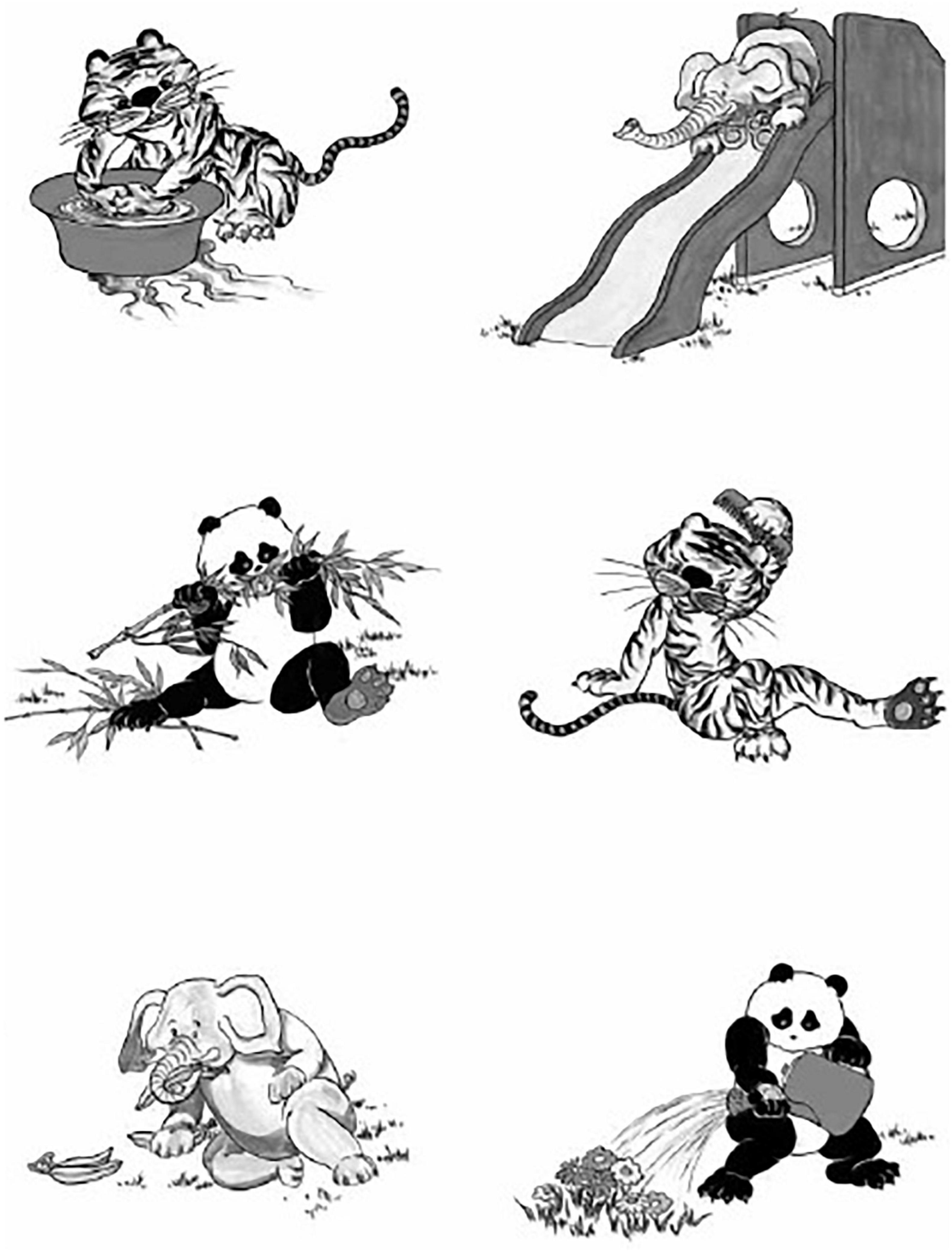
Figure 2. A picture plate for the MPSI test from Zheng et al. (2009b).
Accuracy of tests depends on the reliability and validity of speech outcome measures. Reliability of a speech test refers to how consistent it measures listeners’ speech perception ability. The consistency across time, raters, and measurement itself are recognized as test–retest reliability, inter-rater reliability, and internal consistency, respectively. Validity refers to how accurate a speech test truly measures the listener’s speech perception ability. These types of validity were commonly evaluated. Construct validity refers to the adherence of speech audiometry to existing theory or knowledge of speech perception. Content validity refers to the extent to which speech audiometry measures all aspects of speech perception. Criterion validity reflects how comparable the measure is to other valid speech audiometry.
All four self-report questionnaires considered one or two reliability assessments in the development process, in the form of internal consistency (Zheng et al., 2009c; Wang et al., 2013), test–retest reliability (Wang et al., 2020; Zhang et al., 2021), and inter-rater reliability (Wang et al., 2020). Criterion validity was assessed for the CAPQ and the PEACH rating scale.
Among the behavioral measures, item or list equivalence was mostly established by measuring psychometric functions and adjusting the intensity of corresponding mean recognition scores and/or mean slope at 50%. While inter-list or test-retest reliability was assessed for some measures (i.e., the MBKB-SIN and the MHINT-C), and certain criteria were applied in constructing the items (e.g., vocabulary, familiarity, phonetically balancing for phoneme distribution and lexical tones), other types of validity was seldom reported. In fact, normative data were mostly collected on NH listeners and researchers rarely validated these measures on listeners with HL or CI, whose performance varies greatly within the group and the error patterns in performance may differ from NH listeners (Li et al., 2016).
Outcomes With Unilateral Cochlear Implantation
The majority of CI users in mainland China are using unilateral implants. There are 31 studies examining outcomes from unilateral CI; among them, 16 are cross-sectional and 15 are longitudinal. Demographic factors were evaluated in both types of studies in order to explain performance variability. As all but one study on lexical tone perception have been reviewed by Chen and Wong (2017), they are not reviewed here. For this review, we focused on longitudinal studies on unilateral CI to synthesize evidence. A summary of results from cross-sectional studies can be found in Supplementary Material.
Longitudinal Studies on the Development of Auditory and Speech Perception
The 15 longitudinal studies focused on the developmental trajectory of children with congenital HL and used unilateral CI for not more than 7 years (see Table 3 for a summary). The age of implantation ranged from an average of 1.58–8.86 years across studies. Auditory behavior, perception of phonemes, syllables and sentences in quiet and in noise were evaluated, demonstrating continuous improvement in early auditory behavior and early speech perception after the device activation, up to 5 years post implantation.
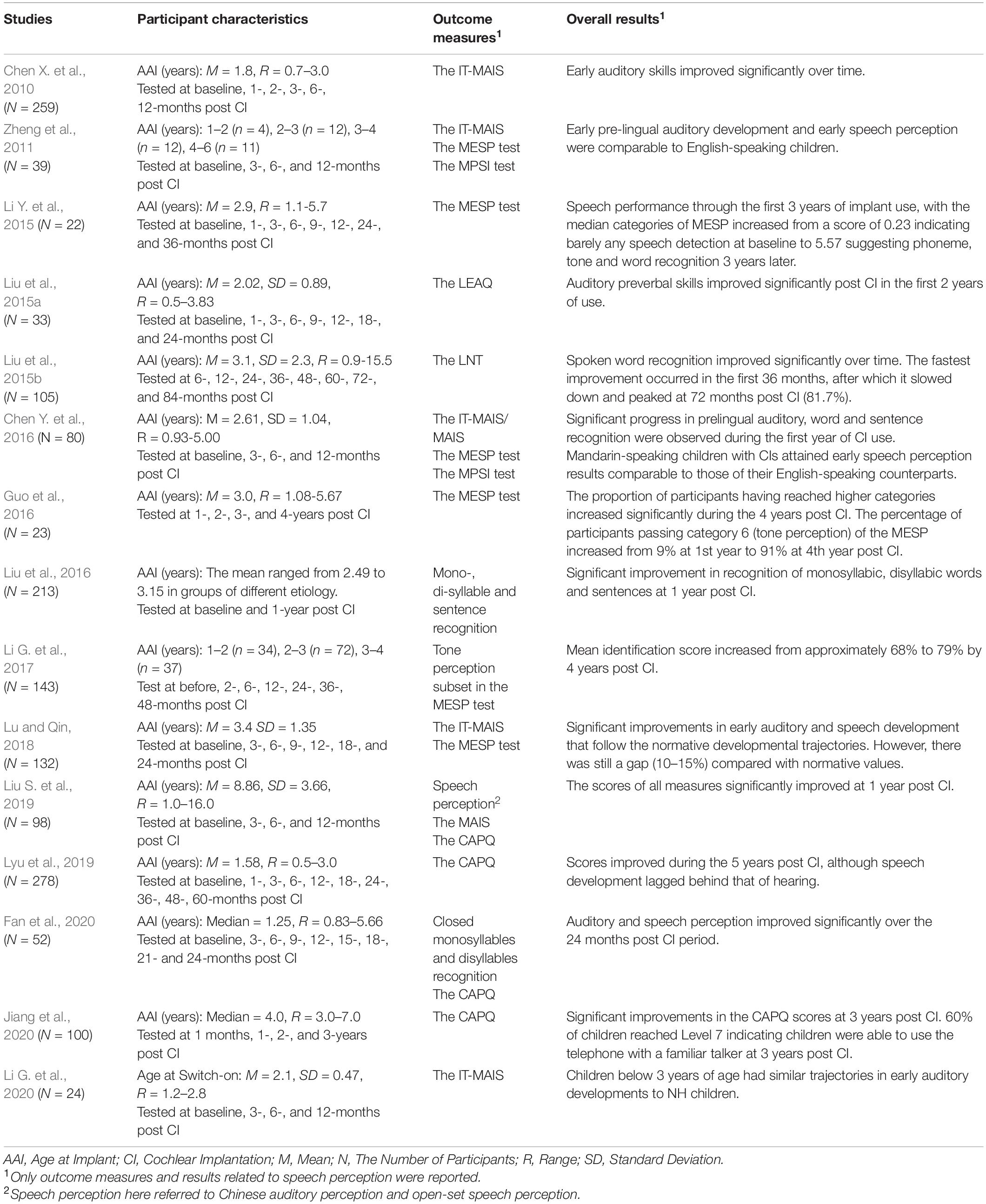
Table 3. Longitudinal studies on speech perception with unilateral CI.
Data showed no or very low level of auditory skills pre-implant. After 6 months of CI use, these children could achieve a score of about 50∼60% on the IT-MAIS/MAIS (Chen Y. et al., 2016; Lu and Qin, 2018; Li G. et al., 2020) and reach category 3 (i.e., recognizes environmental sounds) on the CAPQ (Lyu et al., 2019; Chen Y. et al., 2020; Jiang et al., 2020). About 40∼88% of children reached category 2 (i.e., speech pattern perception) or higher on the MESP test (Zheng et al., 2011; Chen Y. et al., 2016; Guo et al., 2016; Lu and Qin, 2018). Approximately 7.9∼20.6% of children could obtain a score of 25∼42% for close-set sentence perception on the MPSI in quiet (Zheng et al., 2011; Chen Y. et al., 2016) and participants in Liu et al. (2015b) achieved an average score of 30.9% for mono- and disyllable recognition on the LNT. These results suggest that at 6 months post CI, children begin to develop closed-set word recognition and sentence recognition in quiet, as well as open-set word recognition in quiet. At 12 months post CI, children could obtain scores of about 70∼80% on the IT-MAIS/MAIS (Chen Y. et al., 2016, 2020; Lu and Qin, 2018; Li G. et al., 2020) and reach category 4 (i.e., discriminates at least two speech sounds) on the CAPQ (Lyu et al., 2019; Chen Y. et al., 2020; Jiang et al., 2020). More than half of the children could achieve category 4 (i.e., vowel perception) and category 5 (i.e., consonant perception) on the MESP test (Zheng et al., 2011; Chen Y. et al., 2016; Guo et al., 2016; Lu and Qin, 2018). About 33.9–56.7% of the children could achieve a mean score of 60–70% for closed-set sentence recognition on the MPSI test in quiet and a similar proportion of children could obtain a mean score of 46–59% on the MPSI test in noise (Zheng et al., 2011; Chen Y. et al., 2016). The mean recognition scores in monosyllables, disyllables and sentences increased significantly to 78.60, 88.57, and 89.79% respectively at 1-year post-operatively from a baseline of 13∼42% pre-implant (Liu et al., 2016). These results suggest that at one-year post-operation, children with unilateral CI could demonstrate a good ability to identify closed-set words and sentences in quiet; and some children could develop the ability to identify sentences in noise. Greatest improvement in open-set word recognition occurs between 1 and 3 years after surgery and then reaches a plateau at 48 months (Liu et al., 2015b). All children could develop tone recognition ability (category 6 of the MESP test) after 4 to 5 years of CI use, and 60–80% of children showed lexical tone recognition significantly higher than the chance level (Li G. et al., 2017).
From these findings, a clear trajectory of development on auditory behaviors and closed-set phoneme recognition is observed. However, there are few reports on sentence and open-set words recognition. Many studies (6 out of 15) reported findings from 1-year post-implantation, thus allowing insufficient time to develop mastery of complex grammatical skills and lexicons to be assessed in open-set word recognition tasks or sentence tests, which is more demanding than phoneme and closed-set word recognition. Longer follow-up period is necessary in order to observe the performance trajectory over time. In addition, considering various tests were used on participants with different demographic factors such as age at implantation (AAI) [e.g., mean AAI was 1.58 years in Lyu et al. (2019) and 8.86 years in Liu S. et al. (2019)], whether HAs were trialed pre-implant, and whether speech therapy was provided post-implant, performance varied across participants and studies, decreasing the ability of this review in generalizing findings.
Important Factors That Affect Speech Perception
A summary of frequently examined factors among studies can be found in Table 4. Details about less-frequently examined factors (≤3 studies) are presented in Supplementary Materials. AAI, duration of CI use (DCI), whether there was a pre-CI hearing aid trial (HAT), and caregiver education level (CEL) are discussed below and more than half of analyses that investigated these variables show that they significantly impacted speech perception outcomes.
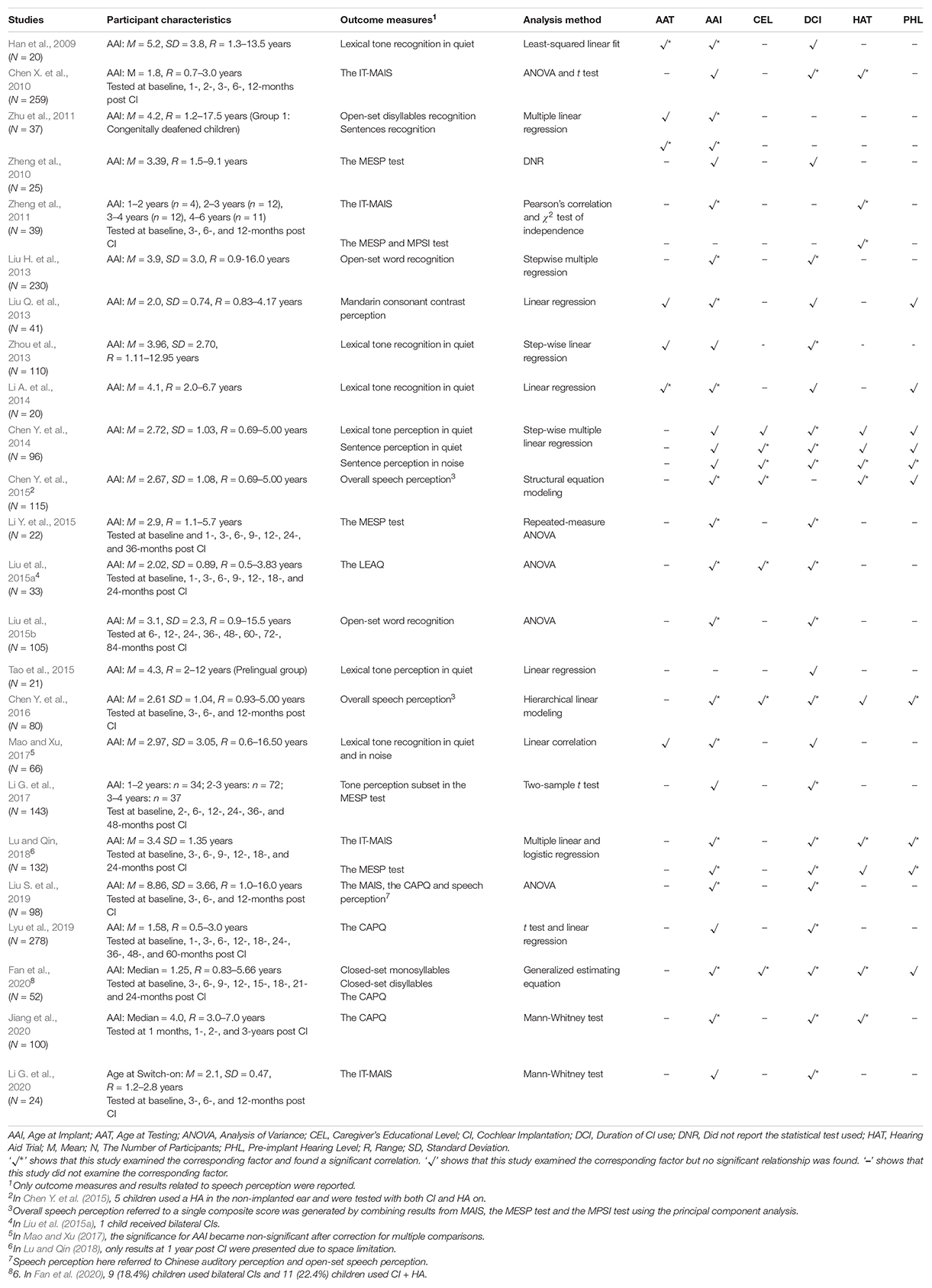
Table 4. Frequently examined factors that affect speech perception of children with unilateral CI.
Early AAI, similar to studies on an English-speaking population (see a review from, for example, Bruijnzeel et al., 2016; Sharma et al., 2020), is associated with enhanced speech perception in children. Seven longitudinal studies reported that early implantation contributed positively to prelingual auditory skills and early speech perception evaluated on the IT-MAIS/MAIS, the LEAQ, the MESP test, the MPSI test, and the LNT (Liu et al., 2015a; Chen Y. et al., 2016; Lu and Qin, 2018; Liu S. et al., 2019; Lyu et al., 2019; Fan et al., 2020; Jiang et al., 2020).
Longer DCI significantly contributes to better auditory skills and speech perception in all longitudinal studies. Open-set word recognition and sentence recognition were significantly correlated with longer DCI in cross-sectional studies, as reported in the previous review (Liu H. et al., 2013; Chen Y. et al., 2014). Lexical tone recognition, however, was not correlated with DCI in 4 out of 6 cross-sectional studies that conducted such analyses (Han et al., 2009; Li A. et al., 2014; Tao et al., 2015; Mao and Xu, 2017). Participants in studies that demonstrated a lack of effects of DCI used their devices longer (M = 2.36–6.50 years) than those in the two studies (Mean DCI = 1.27–1.64) that found significant correlations (Zhou et al., 2013; Chen Y. et al., 2014). The only study assessing the effect of DCI on Mandarin consonant contrast perception also showed no significant correlation (Liu Q. et al., 2013).
Having undergone a HAT before CI is a factor that positively influences the auditory development and speech perception. All longitudinal studies that assessed the relationship between receiving HAT prior to implantation and auditory scores showed significant effects (Chen X. et al., 2010; Lu and Qin, 2018; Fan et al., 2020; Jiang et al., 2020). However, mixed findings were reported among studies on early speech perception, with Zheng et al. (2011) and Fan et al. (2020) reporting significant effects of HAT on closed monosyllable and disyllable recognition and the MESP scores, but Chen Y. et al. (2016) and Lu and Qin (2018) did not observe such correlations with early speech perception. In a cross-sectional study, having undergone HAT was associated with better sentence recognition in noise, but not with sentence and tone recognition in quiet (Chen Y. et al., 2016).
Better caregiver’s education contributed positively to preverbal auditory skills (Liu et al., 2015a), overall early speech perception (Chen Y. et al., 2015, 2016; Fan et al., 2020) and sentence perception in quiet and in noise (Chen Y. et al., 2014). However, Chen Y. et al. (2014) did not find parental education relate to lexical tone recognition in quiet. Such variables are specified as parents’ education levels in Liu et al. (2015a) and maternal education level in Chen Y. et al. (2020, 2014, 2015) and therefore cannot be directly compared. Interestingly, Fan et al. (2020) found that children who were cared for by their mothers exhibited better closed monosyllable recognition rates, than those who were cared for by their grandparents.
Outcomes With Bimodal Stimulation
With improving socioeconomics and greater recognition of the importance of binaural hearing, bimodal stimulation is gradually becoming a key focus of researchers, clinicians and parents in mainland China. Bimodal stimulation refers to the combination of a CI in the implanted ear and a HA in the non-implanted ear. Adding a contralateral HA allows unilateral CI users to exploit the residual hearing in the non-implanted ear, reducing auditory deprivation and enabling binaural hearing (Hurley, 1999; Polonenko et al., 2018). Bimodal benefits in sound localization, music perception, and speech perception for non-tonal language speakers such as English have been established by a huge body of evidence (Ching et al., 2007). For example, speech perception in noise could be enhanced through binaural summation, head shadow effect, and squelch effect (Lotfi et al., 2019).
The contribution of the F0 in the low-frequency range is important for Mandarin perception. Thus, a contralateral HA that delivers amplification in this frequency range may produce unique bimodal benefits for the Mandarin-speaking population. One longitudinal and five cross-sectional studies were identified through the literature search, comparing speech perception with bimodal stimulation and CI only condition (see Table 5 for a summary).
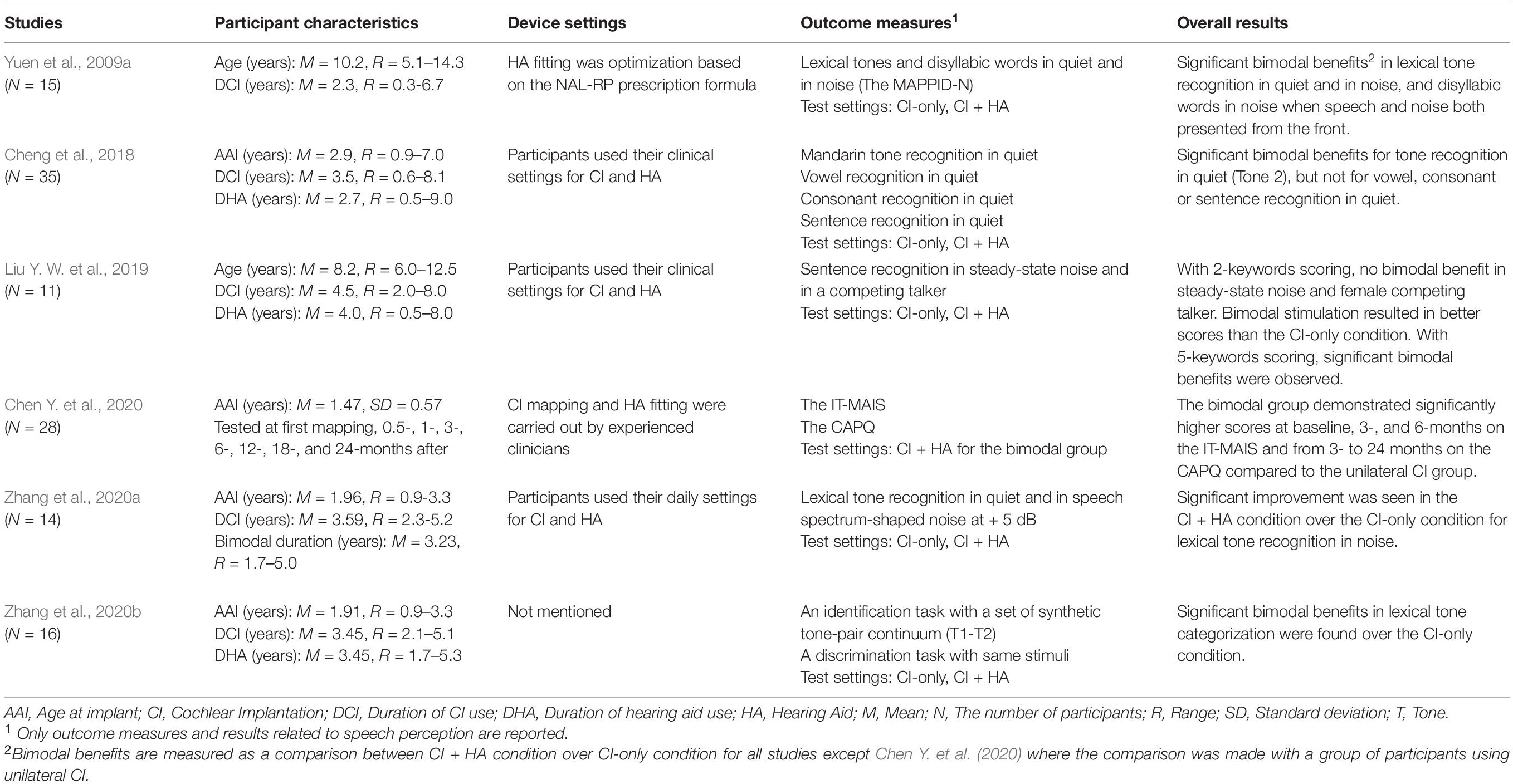
Table 5. Speech perception of children with bimodal stimulation.
Chen Y. et al. (2020) was the only study that retrospectively compared the auditory skills of children with unilateral CI and bimodal stimulation during the 24 months post CI. The AAI in the bimodal group and unilateral CI group was on average of 1.47 and 1.58 years respectively. The bimodal group had better averaged scores compared with the unilateral CI group on the IT-MAIS and CAPQ obtained during follow-up period. The bimodal group obtained nearly full scores on the IT-MAIS faster than the unilateral CI group (18 months vs. 24 months post-implantation). Also, they outperformed the unilateral CI group from 3-months post CI on the CAPQ.
Four out of seven studies evaluated lexical tone perception in quiet and/or in noise. Three of these studies focused on bimodal benefits on lexical tone identification (Yuen et al., 2009a; Cheng et al., 2018; Zhang et al., 2020a), specified as the performance differences of bimodal stimulation (i.e., CI + HA) condition over CI-only condition. All studies found significant bimodal benefits in lexical tone recognition in quiet and/or in noise. Although significant improvement in the recognition of Tone 2 in quiet with bimodal stimulation was noted in Cheng et al. (2018), a ceiling effect was evident where listeners performed nearly perfectly regardless of conditions (CI + HA or CI-only). Zhang et al. (2020a) showed bimodal benefits in lexical tone recognition in speech spectrum-shaped noise at +5 dB but not in quiet, whereas Yuen et al. (2009a) also found significant bimodal benefits in lexical tone recognition when speech was presented from the front and noise from the CI side. Zhang et al. (2020b) investigated categorial perception using synthetic tone-pair continuums, showing enhanced categorical perception in Tone 1–2 continuums with bimodal stimulation compared to CI-only condition.
Vowel, consonant, disyllable and sentence recognition was assessed in three studies (Yuen et al., 2009a; Cheng et al., 2018; Liu Y. W. et al., 2019). Yuen et al. (2009a) reported significant benefits in disyllable recognition when speech was presented from the front and noise was presented on the CI side. Vowel, consonant and sentence recognition were measured in quiet and no significant bimodal benefits were found (Cheng et al., 2018). Liu Y. W. et al. (2019) compared speech reception thresholds (SRTs) in different maskers with and without HAs using 2-keywords scoring. While performance in steady-state noise (SSN) and the female competing talker did not differ, SRTs with bimodal listening was worse when competing and target voices were the same, indicating bimodal interference. In the second experiment of this study, using 5-keywords scoring, a significant bimodal benefit in SRTs in the presence of SSN was evident, indicating bimodal benefits in more challenging tasks.
Four out of six studies examined the correlation between demographic factors and speech perception (Yuen et al., 2009a; Cheng et al., 2018; Liu Y. W. et al., 2019; Zhang et al., 2020a). A summary of these studies can be found in Table 6. Effects of hearing thresholds in the non-implanted ear were examined in all four studies. Significant correlations were found between low-frequency hearing thresholds in the non-implanted ear and disyllables recognition in noise (Yuen et al., 2009a), lexical tone recognition in noise (Zhang et al., 2020a); and sentence recognition in quiet (Cheng et al., 2018) and in noise (Liu Y. W. et al., 2019) (please see Table 6). Similar to studies in unilateral CI use, age at testing, AAI and DCI were examined. Cheng et al. (2018) found that AAI significantly correlated with lexical tone and consonant recognition in quiet with bimodal stimulation. Cheng et al. (2018) and Zhang et al. (2020a) both found that DCI significantly correlated with lexical tone recognition in quiet with bimodal stimulation. Duration of deafness was examined in two studies, but only Cheng et al. (2018) found bimodal stimulation significantly correlated with consonant recognition in quiet. Duration of bimodal use was examined in Zhang et al. (2020a) only and the study revealed that bimodal CI was significantly related to lexical tone recognition both in quiet and in noise.
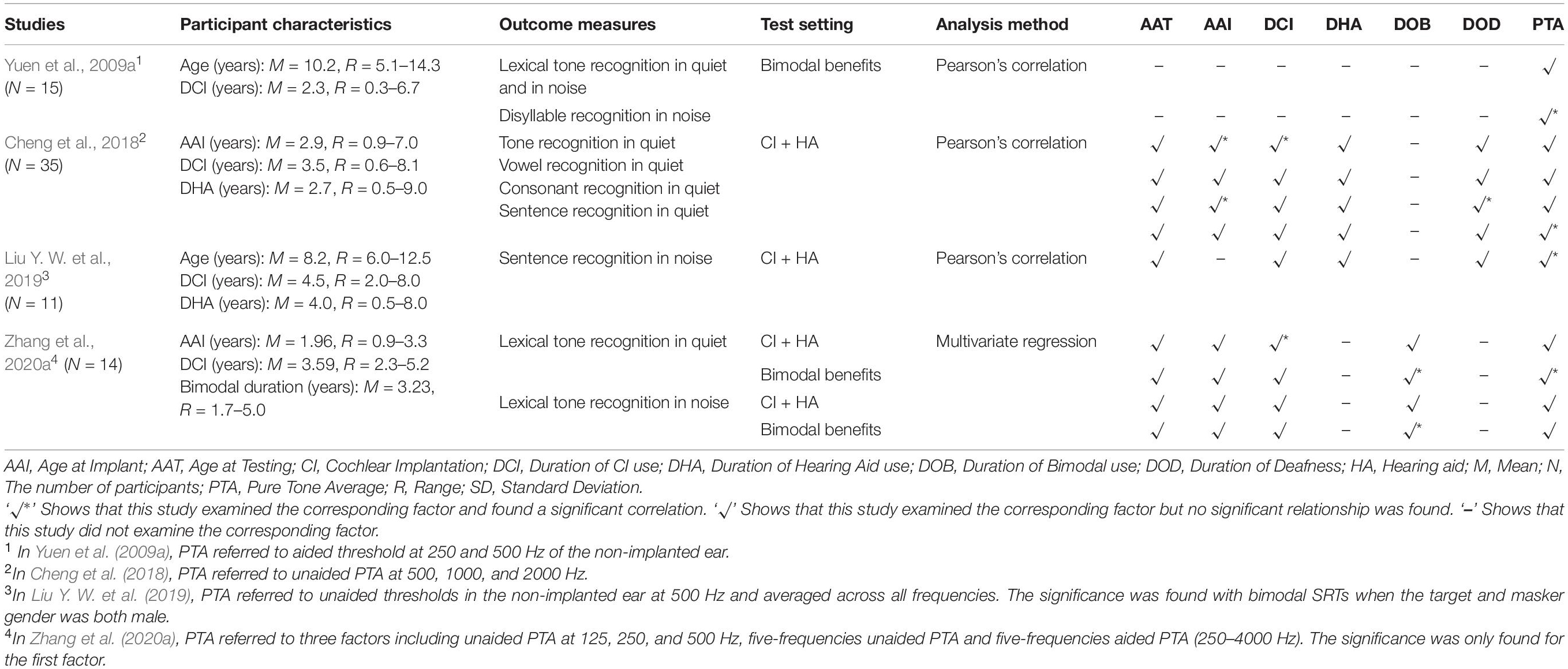
Table 6. Factors that affect speech perception of children with bimodal stimulation.
Overall, Mandarin-speaking children with bimodal stimulation seem to outperform unilateral CI users in the development of auditory skills post-implantation, demonstrated as higher scores on the IT-MAIS and CAP during the 24 months post CI (Chen Y. et al., 2020). Better lexical tone recognition in quiet and/or noise is noted with bimodal stimulation, compared to the CI-only condition. Bimodal benefits in speech perception may be related to the task difficulty and more benefits are noted in more challenging situations such as in noise. Apart from lexical tone identification and sentence perception in noise, there is only one study each concerning vowel, consonant and disyllable recognition in quiet, long-term speech perception and the effect of duration of bimodal use. In addition, HA optimization before testing was performed only in Yuen et al. (2009a), which makes comparison with other studies difficult. Therefore, more studies are needed to understand the benefits of bimodal CI compared with unilateral CI.
Outcomes With Bilateral Cochlear Implantations
Although bilateral CIs have been found to improve speech recognition in noisy conditions over unilateral CI among English-speaking populations (e.g., Asp et al., 2015), reports on bilateral CIs in mainland China did not emerge until 2018. Long et al. (2018) was the only study we identified that investigated the development of early auditory skills in 19 children with simultaneous bilateral CIs. The averaged age at implant was 1.89 years. Participants exhibited continuous improvement in overall LEAQ scores and categorial scores in receptive, semantic auditory behavior and expressive language skills during the 2-year post CI. Children with bilateral CIs obtained significantly higher scores at 1-, 3-, and 6-months post CI than those using unilateral CI (data from Liu et al., 2015a) and the difference nearly disappeared at 24 months post CI. This is possibly due to both groups performing at ceiling. They also found that children whose caregivers have better education and those implanted early tended to exhibit higher LEAQ scores.
Conclusion
This paper reviewed the literature on speech perception of Mandarin-speaking children with congenital HL and who used CI. Important factors that contribute to individual variations in speech perception outcomes were discussed.
Unilateral CI recipients demonstrated continuous improvements in auditory and speech perception for several years post-activation. Younger AAI and longer DCI contribute to better speech perception. Having undergone a HAT before implantation and having caregivers whose educational level is higher may lead to better performance. While the findings that support the use of CI to improve speech perception continue to grow, much research is needed to validate the use of bimodal and bilateral implantation. Evidence to date, however, revealed bimodal benefits over CI-only conditions in lexical tone recognition and sentence perception in noise. Due to scarcity of research, conclusions on the benefits of bilateral CIs compared to unilateral CI or bimodal CI use cannot be drawn. Therefore, future research on bimodal and bilateral CIs is needed to guide evidence-based clinical practice.
Author Contributions
QG contributed to the literature review and manuscript drafting. LW contributed to providing review comments. FC contributed to manuscript drafting. All the authors contributed to the article and approved the submitted version.
Conflict of Interest
The authors declare that the research was conducted in the absence of any commercial or financial relationships that could be construed as a potential conflict of interest.
Publisher’s Note
All claims expressed in this article are solely those of the authors and do not necessarily represent those of their affiliated organizations, or those of the publisher, the editors and the reviewers. Any product that may be evaluated in this article, or claim that may be made by its manufacturer, is not guaranteed or endorsed by the publisher.
Supplementary Material
The Supplementary Material for this article can be found online at: https://www.frontiersin.org/articles/10.3389/fnins.2021.773694/full#supplementary-material
References
Asp, F., Mäki-Torkko, E., Karltorp, E., Harder, H., Hergils, L., Eskilsson, G., et al. (2015). A longitudinal study of the bilateral benefit in children with bilateral cochlear implants. Int. J. Audiol. 54, 77–88. doi: 10.3109/14992027.2014.973536
Beijen, J.-W., Mylanus, E. A. M., Leeuw, A. R., and Snik, A. F. M. (2008). Should a hearing aid in the contralateral ear be recommended for children with a unilateral cochlear implant? Ann. Otol. Rhinol. Laryngol. 117, 397–403. doi: 10.1177/000348940811700601
Bruijnzeel, H., Ziylan, F., Stegeman, I., Topsakal, V., and Grolman, W. (2016). A systematic review to define the speech and language benefit of early (<12 Months) pediatric cochlear implantation. Audiol. Neurootol. 21, 113–126. doi: 10.1159/000443363
Chen, F., Wong, L. L., and Wong, E. Y. (2013). Assessing the perceptual contributions of vowels and consonants to Mandarin sentence intelligibility. J. Acoust. Soc. Am. 134, EL178–EL184. doi: 10.1121/1.4831541
Chen, F., Wong, L. L. N., and Hu, Y. (2014). Effects of lexical tone contour on mandarin sentence intelligibility. J. Speech Lang. Hear. Res. 57, 338–345. doi: 10.1044/1092-4388(2013/12-0324)
Chen, X., Liu, H., and Chen, A. (2007). The formation of auditory and visual material in Chinese utilized in aural rehabilitation for hearing impaired children. J. Audiol. Speech Pathol. 24, 316–318.
Chen, X., Liu, S., Liu, B., Mo, L., Kong, Y., Liu, H., et al. (2010). The effects of age at cochlear implantation and hearing aid trial on auditory performance of Chinese infants. Acta Laryngol. 130, 263–270. doi: 10.3109/00016480903150528
Chen, Y., Huang, M., Li, B., Wang, Z., Zhang, Z., Jia, H., et al. (2020). Bimodal stimulation in children with bilateral profound sensorineural hearing loss: a suitable intervention model for children at the early developmental stage. Otol. Neurotol. 41, 1357–1362. doi: 10.1097/MAO.0000000000002812
Chen, Y., Wong, L. L., Chen, F., and Xi, X. (2014). Tone and sentence perception in young Mandarin-speaking children with cochlear implants. Int. J. Pediatr. Otorhinolaryngol. 78, 1923–1930. doi: 10.1016/j.ijporl.2014.08.025
Chen, Y., Wong, L. L., Zhu, S., and Xi, X. (2015). A structural equation modeling approach to examining factors influencing outcomes with cochlear implant in mandarin-speaking children. PLoS One 10:e0136576. doi: 10.1371/journal.pone.0136576
Chen, Y., Wong, L. L., Zhu, S., and Xi, X. (2016). Early speech perception in Mandarin-speaking children at one-year post cochlear implantation. Res. Dev. Disabil. 49-50, 1–12. doi: 10.1016/j.ridd.2015.11.021
Chen, Y., and Wong, L. L. N. (2017). Speech perception in Mandarin-speaking children with cochlear implants: a systematic review. Int. J. Audiol. 56, S7–S16. doi: 10.1080/14992027.2017.1300694
Chen, Y., and Wong, L. L. N. (2020). Development of the mandarin hearing in noise test for children. Int. J. Audiol. 59, 707–712. doi: 10.1080/14992027.2020.1750717
Cheng, X., Liu, Y., Wang, B., Yuan, Y., Galvin, J. J. III, Fu, Q.-J., et al. (2018). The benefits of residual hair cell function for speech and music perception in pediatric bimodal cochlear implant listeners. Neural Plast. 2018:4610592. doi: 10.1155/2018/4610592
Ching, T. Y., van Wanrooy, E., and Dillon, H. (2007). Binaural-bimodal fitting or bilateral implantation for managing severe to profound deafness: a review. Trends Amplif. 11, 161–192. doi: 10.1177/1084713807304357
Fan, X., Sui, R., Qi, X., Yang, X., Wang, N., Qin, Z., et al. (2020). Analysis of the developmental trajectory and influencing factors of auditory and speech functions after cochlear implantation in Mandarin Chinese speaking children. Acta Laryngol. 140, 501–508. doi: 10.1080/00016489.2020.1736622
Fu, Q. J., Zeng, F. G., Shannon, R. V., and Soli, S. D. (1998). Importance of tonal envelope cues in Chinese speech recognition. J. Acoust. Soc. Am. 104, 505–510. doi: 10.1121/1.423251
Guo, Q., Li, Y., Fu, X., Liu, H., Chen, J., Meng, C., et al. (2016). The relationship between cortical auditory evoked potentials (CAEPs) and speech perception in children with Nurotron(§) cochlear implants during four years of follow-up. Int. J. Pediatr. Otorhinolaryngol. 85, 170–177. doi: 10.1016/j.ijporl.2016.03.035
Han, D., Liu, B., Zhou, N., Chen, X., Kong, Y., Liu, H., et al. (2009). Lexical tone perception with HiResolution and HiResolution 120 sound-processing strategies in pediatric Mandarin-speaking cochlear implant users. Ear Hear. 30, 169–177. doi: 10.1097/AUD.0b013e31819342cf
Han, D. Y., and Wang, C. C. (2013). The current status and focus of cochlear implantation. Chin. Sci. J. Hear. Speech Rehabil. 5, 330–334.
He, A., Deroche, M. L., Doong, J., Jiradejvong, P., and Limb, C. J. (2016). Mandarin tone identification in cochlear implant users using exaggerated pitch contours. Otol. Neurotol. 37, 324–331. doi: 10.1097/MAO.0000000000000980
Huang, W., Wong, L. L. N., Chen, F., Liu, H., and Liang, W. (2020). Effects of fundamental frequency contours on sentence recognition in mandarin-speaking children with cochlear implants. J. Speech Lang. Hear. Res. 63, 3855–3864. doi: 10.1044/2020_JSLHR-20-00033
Jiang, F., Alimu, D., Qin, W. Z., and Kupper, H. (2020). Long-term functional outcomes of hearing and speech rehabilitation efficacy among paediatric cochlear implant recipients in Shandong, China. Disabil. Rehabil. 43, 2860–2865. doi: 10.1080/09638288.2020.1720317
Li, A., Wang, N., Li, J., Zhang, J., and Liu, Z. (2014). Mandarin lexical tones identification among children with cochlear implants or hearing aids. Int. J. Pediatr. Otorhinolaryngol. 78, 1945–1952. doi: 10.1016/j.ijporl.2014.08.033
Li, G., Soli, S. D., and Zheng, Y. (2017). Tone perception in Mandarin-speaking children with cochlear implants. Int. J. Audiol. 56, S49–S59. doi: 10.1080/14992027.2017.1324643
Li, G., Zhao, F., Tao, Y., Zhang, L., Yao, X., and Zheng, Y. (2020). Trajectory of auditory and language development in the early stages of pre-lingual children post cochlear implantation: a longitudinal follow up study. Int. J. Pediatr. Otorhinolaryngol. 128:109720. doi: 10.1016/j.ijporl.2019.109720
Li, J. N., Chen, S., Zhai, L., Han, D. Y., Eshraghi, A. A., Feng, Y., et al. (2017). The advances in hearing rehabilitation and cochlear implants in China. Ear Hear. 38, 647–652. doi: 10.1097/AUD.0000000000000441
Li, Y., Dong, R., Zheng, Y., Xu, T., Zhong, Y., Fong, S. Y., et al. (2015). Speech performance in pediatric users of nurotron (R) Venus cochlear implants. Int. J. Pediatr. Otorhinolaryngol. 79, 1017–1023. doi: 10.1016/j.ijporl.2015.04.016
Li, Y., Wang, S., Su, Q., Galvin, J. J., and Fu, Q. J. (2016). Validation of list equivalency for Mandarin speech materials to use with cochlear implant listeners. Int. J. Audiol. 56, S31–S40. doi: 10.1080/14992027.2016.1204564
Liang, Q., and Mason, B. (2013). Enter the dragon–China’s journey to the hearing world. Cochlear Implants Int. 14, Suppl. 1, S26–S31. doi: 10.1179/1467010013Z.00000000080
Liu, C., Liu, S., Zhang, N., Yang, Y., Kong, Y., and Zhang, L. (2011). Standard-chinese lexical neighborhood test in normal-hearing young children. Int. J. Pediatr. Otorhinolaryngol. 75, 774–781. doi: 10.1016/j.ijporl.2011.03.002
Liu, H., Jin, X., Li, J., Liu, L., Zhou, Y., Zhang, J., et al. (2015a). Early auditory preverbal skills development in Mandarin speaking children with cochlear implants. Int. J. Pediatr. Otorhinolaryngol. 79, 71–75. doi: 10.1016/j.ijporl.2014.11.010
Liu, H., Liu, H. X., Kang, H. Y., Gu, Z., and Hong, S. L. (2016). Evaluation on health-related quality of life in deaf children with cochlear implant in China. Int. J. Pediatr. Otorhinolaryngol. 88, 136–141. doi: 10.1016/j.ijporl.2016.06.027
Liu, H., Liu, S., Kirk, K. I, Zhang, J., Ge, W., Zheng, J., et al. (2015b). Longitudinal performance of spoken word perception in Mandarin pediatric cochlear implant users. Int. J. Pediatr. Otorhinolaryngol. 79, 1677–1682. doi: 10.1016/j.ijporl.2015.07.023
Liu, H., Liu, S., Wang, S., Liu, C., Kong, Y., Zhang, N., et al. (2013). Effects of lexical characteristics and demographic factors on Mandarin Chinese open-set word recognition in children with cochlear implants. Ear Hear. 34, 221–228. doi: 10.1097/AUD.0b013e31826d0bc6
Liu, Q., Zhou, N., Berger, R., Huang, D., and Xu, L. (2013). Mandarin consonant contrast recognition among children with cochlear implants or hearing aids and normal-hearing children. Otol. Neurotol. 34, 471–476. doi: 10.1097/MAO.0b013e318286836b
Liu, S., Wang, F., Chen, P., Zuo, N., Wu, C., Ma, J., et al. (2019). Assessment of outcomes of hearing and speech rehabilitation in children with cochlear implantation. J. Otol. 14, 57–62. doi: 10.1016/j.joto.2019.01.006
Liu, Y. W., Tao, D. D., Chen, B., Cheng, X., Shu, Y., Galvin, J. J. III, et al. (2019). Factors affecting bimodal benefit in pediatric mandarin-speaking Chinese cochlear implant users. Ear Hear. 40, 1316–1327. doi: 10.1097/AUD.0000000000000712
Long, Y., Liu, H., Li, Y., Jin, X., Zhou, Y., Li, J., et al. (2018). Early auditory skills development in Mandarin speaking children after bilateral cochlear implantation. Int. J. Pediatr. Otorhinolaryngol. 114, 153–158. doi: 10.1016/j.ijporl.2018.08.039
Lotfi, Y., Hasanalifard, M., Moossavi, A., Bakhshi, E., and Ajaloueyan, M. (2019). Binaural hearing advantages for children with bimodal fitting. Int. J. Pediatr. Otorhinolaryngol. 121, 58–63. doi: 10.1016/j.ijporl.2019.02.043
Lu, X., and Qin, Z. (2018). Auditory and language development in Mandarin-speaking children after cochlear implantation. Int. J. Pediatr. Otorhinolaryngol. 107, 183–189. doi: 10.1016/j.ijporl.2018.02.006
Lyu, J., Kong, Y., Xu, T. Q., Dong, R. J., Qi, B. E., Wang, S., et al. (2019). Long-term follow-up of auditory performance and speech perception and effects of age on cochlear implantation in children with pre-lingual deafness. Chin. Med. J. 132, 1925–1934. doi: 10.1097/CM9.0000000000000370
Mao, Y., and Xu, L. (2017). Lexical tone recognition in noise in normal-hearing children and prelingually deafened children with cochlear implants. Int. J. Audiol. 56(suppl. 2), S23–S30. doi: 10.1080/14992027.2016.1219073
Polonenko, M. J., Papsin, B. C., and Gordon, K. A. (2018). Limiting asymmetric hearing improves benefits of bilateral hearing in children using cochlear implants. Sci. Rep. 8:13201. doi: 10.1038/s41598-018-31546-8
Qiu, J., Yu, C., Ariyaratne, T. V., Foteff, C., Ke, Z., Sun, Y., et al. (2017). Cost-effectiveness of pediatric cochlear implantation in rural China. Otol. Neurotol. 38, e75–e84. doi: 10.1097/MAO.0000000000001389
Sharma, S. D., Cushing, S. L., Papsin, B. C., and Gordon, K. A. (2020). Hearing and speech benefits of cochlear implantation in children: a review of the literature. Int. J. Pediatr. Otorhinolaryngol. 133:109984. doi: 10.1016/j.ijporl.2020.109984
Sparreboom, M., van Schoonhoven, J., van Zanten, B. G., Scholten, R. J., Mylanus, E. A., Grolman, W., et al. (2010). The effectiveness of bilateral cochlear implants for severe-to-profound deafness in children: a systematic review. Otol. Neurotol. 31, 1062–1071. doi: 10.1097/MAO.0b013e3181e3d62c
Sun, X., Gao, C., and Yuan, H. (1993). Assessment of Hearing and Speech Rehabilitation for Children with Hearing Impairment. Changchun: Jilin Educational Audio-Visual Publishing Co.
Tao, D. D., Deng, R., Jiang, Y., Galvin, J. J., Fu, Q. J., and Chen, B. (2015). Melodic pitch perception and lexical tone perception in Mandarin-speaking cochlear implant users. Ear Hear. 36, 102–110. doi: 10.1097/AUD.0000000000000086
Wang, D., Kates, J., and Hansen, J. (2014). “Investigation of the relative perceptual importance of temporal envelope and temporal fine structure between tonal and non-tonal languages,” in Proceedings of the INTERSPEECH-2014, Singapore. doi: 10.21437/Interspeech.2014-123
Wang, L., Shen, M., Liang, W., Dao, W., Zhou, L., Zhu, M., et al. (2020). Validation of the Mandarin versions of CAP and SIR. Int. J. Pediatr. Otorhinolaryngol. 139:110413. doi: 10.1016/j.ijporl.2020.110413
Wang, L., Sun, X., Liang, W., Chen, J., and Zheng, W. (2013). Validation of the Mandarin version of the LittlEARS(R) auditory questionnaire. Int. J. Pediatr. Otorhinolaryngol. 77, 1350–1354. doi: 10.1016/j.ijporl.2013.05.033
Xi, X., Chen, A. T., Li, J., Ji, F., Hong, M. D., Hanekom, J., et al. (2009). Standardized Mandarin sentence perception in babble noise test materials for children. J. Audiol. Speech Pathol. 17, 318–322.
Yuen, K. C., Cao, K. L., Wei, C. G., Luan, L., Li, H., Zhang, Z.-Y., et al. (2009a). Lexical tone and word recognition in noise of Mandarin-speaking children who use cochlear implants and hearing aids in opposite ears. Cochlear Implants Int. 10 Suppl. 1, 120–129. doi: 10.1179/cim.2009.10.Supplement-1.120
Yuen, K. C., Luan, L., Li, H., Wei, C. G., Cao, K. L., Yuan, M., et al. (2009b). Development of the computerized Mandarin pediatric lexical tone and disyllabic-word picture identification test in noise (MAPPID-N). Cochlear Implants Int. 10 Suppl. 1, 138–147. doi: 10.1179/cim.2009.10.Supplement-1.138
Zhang, H., Zhang, J., Ding, H., and Zhang, Y. (2020a). Bimodal benefits for lexical tone recognition: an investigation on Mandarin-speaking preschoolers with a cochlear implant and a contralateral hearing aid. Brain Sci. 10:238. doi: 10.3390/brainsci10040238
Zhang, H., Zhang, J., Peng, G., Ding, H., and Zhang, Y. (2020b). Bimodal benefits revealed by categorical perception of lexical tones in Mandarin-speaking kindergarteners with a cochlear implant and a contralateral hearing aid. J. Speech, Lang. 63, 4238–4251. doi: 10.1044/2020_JSLHR-20-00224
Zhang, V., Xu, T., Ching, T., and Chen, X. (2021). The Chinese version of the parents’ evaluation of aural/oral performance of children (PEACH) rating scale for infants and children with normal hearing. Int. J. Audiol. 16, 1–7. doi: 10.1080/14992027.2021.1922768
Zheng, Y., Soli, S. D., Meng, Z., Tao, Y., Wang, K., Xu, K., et al. (2010). Assessment of Mandarin-speaking pediatric cochlear implant recipients with the Mandarin Early Speech Perception (MESP) test. Int. J. Pediatr. Otorhinolaryngol. 74, 920–925. doi: 10.1016/j.ijporl.2010.05.014
Zheng, Y., Meng, Z. L., Wang, K., Tao, Y., Xu, K., and Soli, S. D. (2009a). Development of the Mandarin early speech perception test: children with normal hearing and the effects of dialect exposure. Ear Hear. 30, 600–612. doi: 10.1097/AUD.0b013e3181b4aba8
Zheng, Y., Soli, S. D., Tao, Y., Xu, K., Meng, Z., Li, G., et al. (2011). Early prelingual auditory development and speech perception at 1-year follow-up in Mandarin-speaking children after cochlear implantation. Int. J. Pediatr. Otorhinolaryngol. 75, 1418–1426. doi: 10.1016/j.ijporl.2011.08.005
Zheng, Y., Soli, S. D., Wang, K., Meng, J., Meng, Z., Xu, K., et al. (2009b). Development of the Mandarin pediatric speech intelligibility (MPSI) test. Int. J. Audiol. 48, 718–728. doi: 10.1080/14992020902902658
Zheng, Y., Soli, S. D., Wang, K., Meng, J., Meng, Z., Xu, K., et al. (2009c). A normative study of early prelingual auditory development. Audiol. Neurootol. 14, 214–222. doi: 10.1159/000189264
Zhou, N., Huang, J., Chen, X., and Xu, L. (2013). Relationship between tone perception and production in prelingually deafened children with cochlear implants. Otol. Neurotol. 34, 499–506. doi: 10.1097/MAO.0b013e318287ca86
Zhu, M., Fu, Q. J., Galvin, J. J. III, Jiang, Y., Xu, J., Xu, C., et al. (2011). Mandarin Chinese speech recognition by pediatric cochlear implant users. Int. J. Pediatr. Otorhinolaryngol. 75, 793–800. doi: 10.1016/j.ijporl.2011.03.009
Zhu, S., Wong, L., Chen, F., Chen, Y., and Wang, B. (2016). Known-groups and concurrent validity of the mandarin tone identification test (MTIT). PLoS One 11:e0155595. doi: 10.1371/journal.pone.0155595
Keywords: cochlear implant, Mandarin, children, speech perception, outcome measures
Citation: Gao Q, Wong LLN and Chen F (2021) A Review of Speech Perception of Mandarin-Speaking Children With Cochlear Implantation. Front. Neurosci. 15:773694. doi: 10.3389/fnins.2021.773694
Received: 10 September 2021; Accepted: 15 November 2021;
Published: 14 December 2021.
Edited by:
Ke Liu, Capital Medical University, ChinaReviewed by:
Yonghee Oh, University of Florida, United StatesJinqiu Sang, Institute of Acoustics, Chinese Academy of Sciences (CAS), China
Copyright © 2021 Gao, Wong and Chen. This is an open-access article distributed under the terms of the Creative Commons Attribution License (CC BY). The use, distribution or reproduction in other forums is permitted, provided the original author(s) and the copyright owner(s) are credited and that the original publication in this journal is cited, in accordance with accepted academic practice. No use, distribution or reproduction is permitted which does not comply with these terms.
*Correspondence: Fei Chen, ZmNoZW5Ac3VzdGVjaC5lZHUuY24=