 Samantha D. Farquhar1*
 Nadine Heck2
 Frédéric Maps3
 Eric Wade2
 Rebecca G. Asch4
 Martin Cenek5
 Jon F. Kirchoff6
- 1Integrated Coastal Sciences PhD Program, East Carolina University, Greenville, NC, United States
- 2Department of Coastal Studies, East Carolina University, Greenville, NC, United States
- 3Department of Biology, Université Laval, Québec, QC, Canada
- 4Department of Biology, East Carolina University, Greenville, NC, United States
- 5Department of Computer Science, University of Portland, Portland, OR, United States
- 6Department of Marketing & Supply Chain Management, East Carolina University, Greenville, NC, United States
This systematic review seeks to answer the question: how have previous studies conceptualized and measured food security in relation to industrial fishing? Following the Preferred Reporting Items for Systematic reviews and Meta-Analyses (PRISMA) methodology, initial searches yielded 983 publications, which were distilled to 55 relevant articles for in-depth analysis after the screening process. These studies span from 1997 to 2024, covering a diverse range of geographical contexts, and cover a variety of scales from local community impacts to national and global trends. Overall, four principal themes related to the perceived positive and negative and direct and indirect impacts of industrial fishing on food security were identified: (1) Industrial fishing activities provide jobs to local populations of which earnings are used to purchase other food items; (2) Industrial fishing activities provide fisheries products to local markets which are used as a common food source; (3) Industrial fishing activities damage the environment, leading to a decrease in the availability of catch for food or livelihood; (4) Industrial fishing activities outcompete local users and export catch to distant markets, thereby decreasing available food to local communities. The methodologies used in these studies mainly took a singular methods approach rather than a mixed-methods approach. Specific methodologies were rooted in diverse fields such as econometrics, policy, geography, fisheries science, and public health. The most frequently used data types were fisheries production, consumption, trade, economic, and fisher behavior data. A notable gap in the research is the lack of integration of complex data on industrial fishing, such as detailed catch records and fishing efforts, with the multifaceted aspects of food security, including detailed household consumption trends. This separation has often led to studies focusing on either fishing activities or food security outcomes in isolation, which can oversimplify the relationship between fisheries production and food security. The findings highlight the need for a more integrated research approach that combines fisheries or ecosystem data with a thorough examination of household consumption behaviors and broader food systems. Such an approach is essential for creating effective policies and interventions to support and improve the livelihoods of communities reliant on fisheries.
1 Introduction
Food security is commonly defined as: “when all people at all times have physical, social and economic access to food, which is safe and consumed in sufficient quantity and quality to meet their dietary needs and food preferences, and is supported by an environment of adequate sanitation, health services and care, allowing for a healthy and active life” (FAO, 2000). The concept is often conceptualized as resting on four dimensions: availability, access, stability, and utilization. Food availability refers to the quantity and quality of available food. It is determined by stock levels, food production, and net trade, and can be improved by sustainable farming practices and policies increasing productivity (McCarthy et al., 2018). Food access encompasses people's physical, economic, and social access to food. All four dimensions of food security all interdependent (McCarthy et al., 2018). For example, changes in food availability may have negative impacts on food access and food stability (e.g., price), thereby decreasing an individual's ability to utilize food to meet biological and cultural requirements.
Food security can be studied at multiple scales (e.g., individual, household, regional, national) and assessed across different time scales (e.g., chronic, transitory, seasonal, etc.) (El Bilali et al., 2019). For example, in some places, households experience increased food insecurity during certain times of the year (Sibhatu and Qaim, 2017). Common methods to study food security include using household food recall surveys to estimate consumption. Food security can also be measured through proxy indicators, such as dietary diversity, geographic distance to markets, anthropogenic measurements, food prices, or food production and trade data (Jones et al., 2013). Due to its complexity and inter-relationships, the changing and dynamic nature of food systems, and the multitudes of ways food security can be conceptualized, food security is difficult to measure and quantify especially in terms of generating robust comparative studies (Barrett, 2010; Carletto et al., 2013; Jones et al., 2013; Pérez-Escamilla et al., 2017). Such difficulty in measuring food security consequently makes it difficult to assess how social or environmental changes can consequently impact food security.
For instance, ecosystem changes driven by industrial fishing activities or via the direct competition that occurs between industrial fishing and local users has been thought to negatively impact coastal communities' food security (Shiva, 2001; Pauly et al., 2005; Srinivasan et al., 2010; Vianna et al., 2020). Industrial fishing are defined as capital-intensive fisheries using relatively large vessels with a high degree of mechanization and advanced fish finding and navigational equipment (Lauria et al., 2018). At the global scale, industrial fishing generates about 84 million metric tons of fish and $119 billion annually, generating more than three times the amount of biomass and twice the revenue of small-scale fisheries (SSF) (Pauly and Zeller, 2016). Recent research has shown that the most common type of industrial fishing activity is trawlers followed by fixed gears, purse seiners drifting longliners and squid jiggers (Guiet et al., 2019). Wealthier nations tend to have a larger commercialized fishing industry due to the high level of technical and financial capacity needed to operate industrial fishing fleets (Mccauley et al., 2018). In distant water fishing arrangements, lower-income countries often allow foreign fishing in their waters in return for a portion of the revenue and fish catch generated (Kaczynski and Fluharty, 2002; Nichols et al., 2015). This type of fishing arrangement contributed to almost 80% of all fishing effort in waters under the jurisdiction of lower-income countries (Mccauley et al., 2018).
Yet, and almost contrarily to other narratives, some research suggests that industrial fishing play a crucial role in global food security by providing a significant portion of the world's aquatic animal production. In 2022, the global capture fisheries (including both industrial and SSF) production reached ~91.0 million tons. This production contributes toward the global demand for seafood and aquatic products, which are essential sources of protein and nutrients for populations worldwide. The annual growth of the supply of aquatic animal foods has outpaced population growth, with per capita consumption increasing from 9.1 kg in 1961 to 20.6 kg in 2021 (FAO, 2024).
Thus, while the development of industrial fishing ventures has become an important source of revenue and food for some nations, and may be sustainable based on the species targeted and gears used, industrial fishing has also been associated with the overexploitation and depletion of resources (Kent, 1986; Sahrhage and Lundbeck, 1992; Pauly et al., 2002). Evidence shows that industrial fishing may impact ecosystems through overfishing (Mansfield, 2010). Overfishing occurs when fish are being taken from the environment faster than they can reproduce leading to declines in the abundance of that species (Murawski, 2000). Overfishing not only decreases target species, but also leads to potential habitat destruction from the fishing activity itself, biodiversity loss through the mortality of unintended by-catch, and changes in entire ecosystem structures through trophic cascades (Pauly et al., 1998; Jackson et al., 2001; Scheffer et al., 2005; Coll et al., 2008; Link and Watson, 2019). Coastal communities whose food security is dependent on fisheries are particularly vulnerable to the impacts of anthropogenic shocks such as overfishing and poor fisheries management (Pauly et al., 2005; Garcia and Rosenberg, 2010; Mcclanahan et al., 2015; Ding et al., 2017).
Maintaining food security remains a pressing challenge in fishery-dependent coastal communities where vulnerability to climate change and other stressors is high and fish constitute a significant proportion of the local diet (Katikiro and Macusi, 2012; The World Bank, 2012; Barange et al., 2014; Savo et al., 2017; Bell et al., 2018; Bennett et al., 2018; Lauria et al., 2018; Cabral et al., 2019; Galappaththi et al., 2021). However, existing research on fisheries-based food security and systems research is disconnected from larger food security initiatives or oversimplified (Fabinyi et al., 2017; Bennett et al., 2021). As demand for fish increases and fisheries continue to become more industrialized, it is important to understand how industrial fishing may impact food security, particularly in those lower-income countries or places where fishing livelihoods are an integral part of communities (Golden et al., 2016). Thus, the purpose of this systematic review is to better understand the intersection between food security and industrial fishing. This nexus is particularly complex due to the multifaceted nature of food security and the varied impacts of industrial fishing activities. The review seeks to answer the question: how have previous studies conceptualized and measured food security, in relation to industrial fishing?
2 Methods
The review is based on the Preferred Reporting Items for Systematic Reviews and Meta-Analyses (PRISMA) method. The PRISMA method provides a structured approach to researchers in conducting evidence-based systematic reviews (Page et al., 2021). Web of Science and Scopus databases were systematically searched for articles that studied the relationship between industrial fishing and food security (Table 1). There were no geographical or time constraints regarding the scope of the review. All journals returned in the search were considered equivalent. Initially, 983 records were identified through a comprehensive search in various databases. After removing duplicates, 443 unique records remained. These records' titles and abstracts were screened for relevance, resulting in the exclusion of 396 records that focused exclusively on small-scale, artisanal fisheries, aquaculture, or were not about marine fisheries. The first round of full-text review included 47 articles. An additional 43 articles were identified through the references of the initially screened articles, bringing the total to 90 full-text articles assessed for eligibility in the second round. Of these, 45 articles were excluded for reasons similar to the initial exclusion criteria: focusing exclusively on small-scale, artisanal fisheries, aquaculture, not about marine fisheries, or having little discussion about food security.
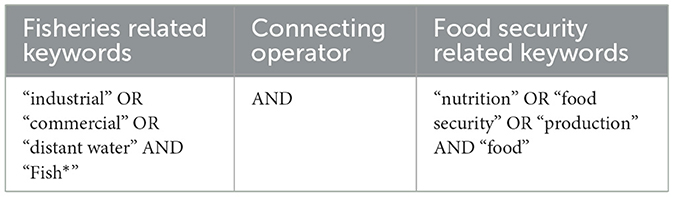
Table 1. Search terms applied in literature search of Web of Science and Scopus databases.
Ultimately, 55 studies were included in the qualitative synthesis. Data extracted from these studies included information on the author, publication year, study location, methods used, how food security was measured (if at all), industrial fishing involved, and claims made about food security (Figure 1).
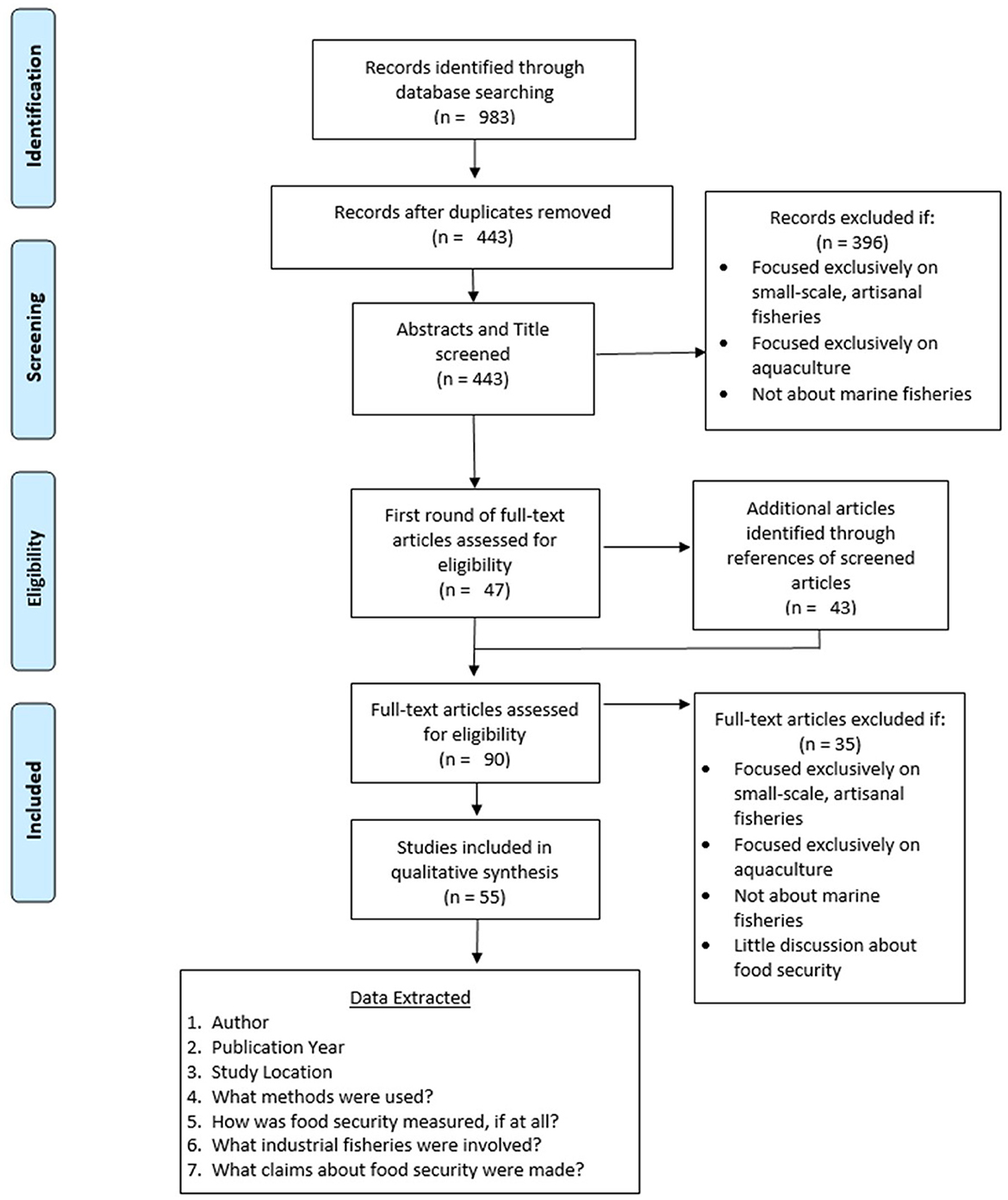
Figure 1. The PRSIMA flow diagram. Adapted from Moher et al. (2009).
3 Results and discussion
3.1 Research trends
Overall, we found 55 studies that related food security impacts to industrial fishing activities published between 1997 and April of 2024 (Figure 2). The full list of studies is available in the Annex. From 1997 to 2003, the research output in this area remained relatively low, with only one article in 1997 and one in 2000, gradually increasing to three in 2003. The period between 2004 and 2007 saw slight fluctuations in the number of articles, ranging from one to three. The years 2008 to 2010 witnessed another dip in research activity, with just one article in 2008, but a subsequent increase to three articles in 2010. From 2012 to 2015, there were modest fluctuations in the number of publications, typically between two and three articles. However, from 2016 onwards, there was a notable upward trend, peaking at eight articles in 2018. In the years 2022 and 2023, the number of articles remained relatively consistent at around three to six per year.
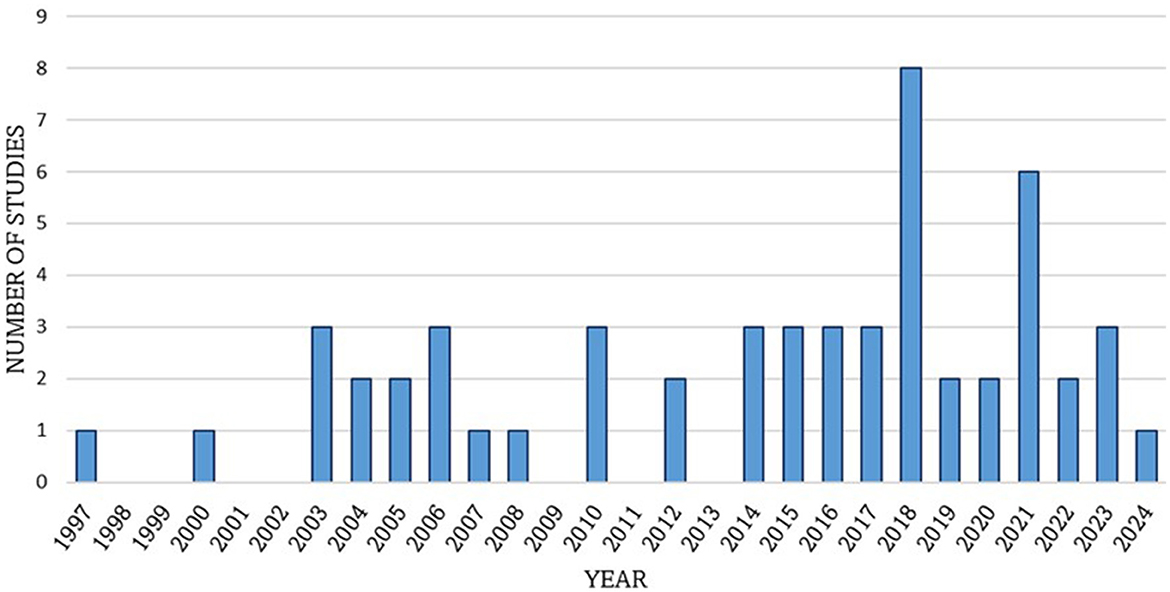
Figure 2. Publications related to industrial fishing and food security by year.
Articles covered a wide range of geographical contexts (Figure 3). Africa emerged as a focal point, with 18 studies dedicated to the region. Following closely, Southeast Asia had the second-highest attention, with nine studies underscoring the significance of this region in the discourse on fisheries and food security. Fifteen studies took a global perspective, addressing overarching concerns in the field. The Pacific region only had seven studies dedicated to it despite it being such a large area. South America and Europe receive comparatively less focus, with two studies each, indicating a moderate research presence. In contrast, North America, the Gulf region, and Asia have the fewest studies, with only one each.
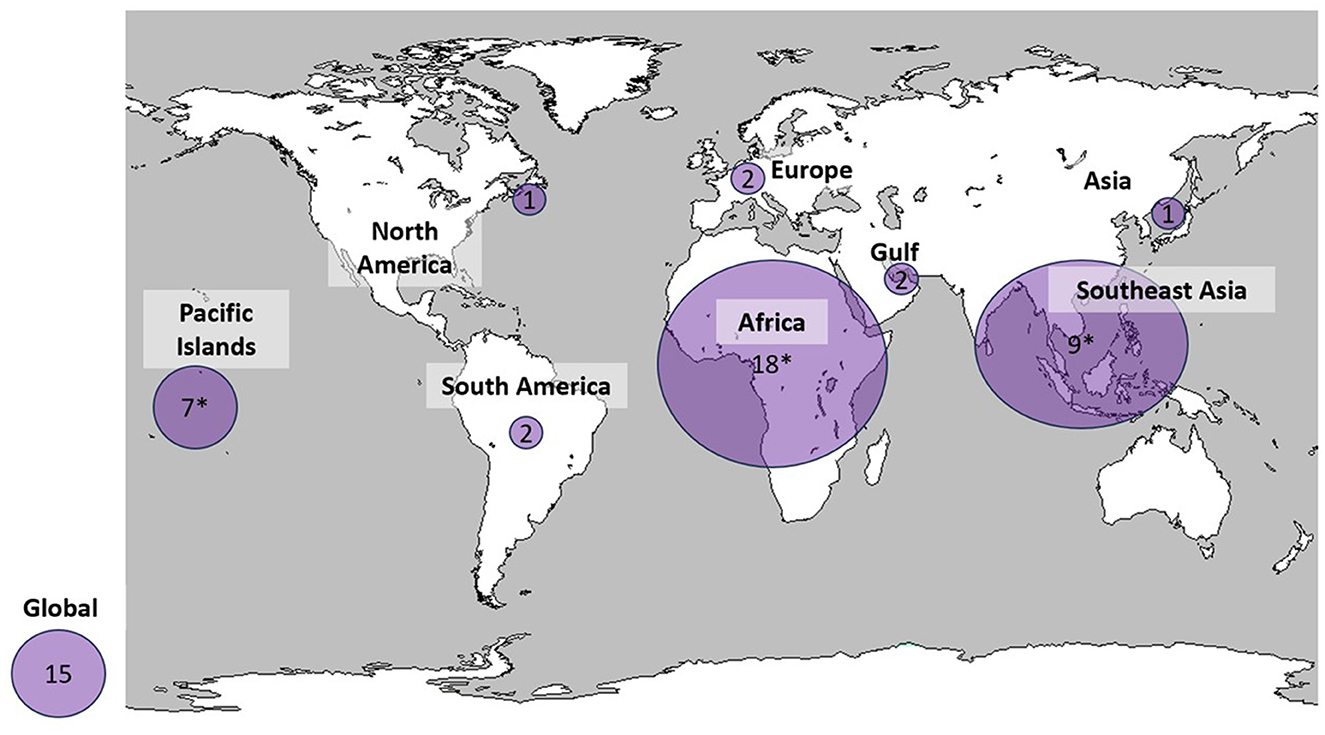
Figure 3. Geographic scope of studies returned from literature review on industrial fishing and food security. Note the * symbolizes that a study contained more than one geographic region and was counted multiple times.
This review showed that the geographic distribution of studies is notably uneven, with Africa and Southeast Asia having a higher concentration of research compared to other regions. This disparity could be attributed to the prominence of food security discourse within the realm of international development. Countries with lower GDP often face more acute food security challenges, making them frequent subjects of such studies. In contrast, countries with higher GDP might not be as heavily represented in the literature, potentially due to a different set of priorities or narratives. The dominance of English in the academic publishing world also skews the representation of research. Many national reports and studies on fisheries and food security might be published in local languages or as government white papers, thus not captured in this review. Consequently, important insights from non-English-speaking regions may be overlooked. The global concern for industrial fishing and food security spans across all geographies, yet the current review does not fully encompass this diversity. Future reviews should aim to include non-English literature and gray literature to provide a more comprehensive understanding of the global landscape of industrial fishing and food security.
3.2 How does industrial fishing affect food security?
Based on this review, we were able to code each literature reviewed to four broad themes in regard to how industrial fishing activities were assumed to affect food security. These affects can be described as positive or negative, or direct and indirect (Figure 4). This framework can be further visualized in the graphic (Figure 5).
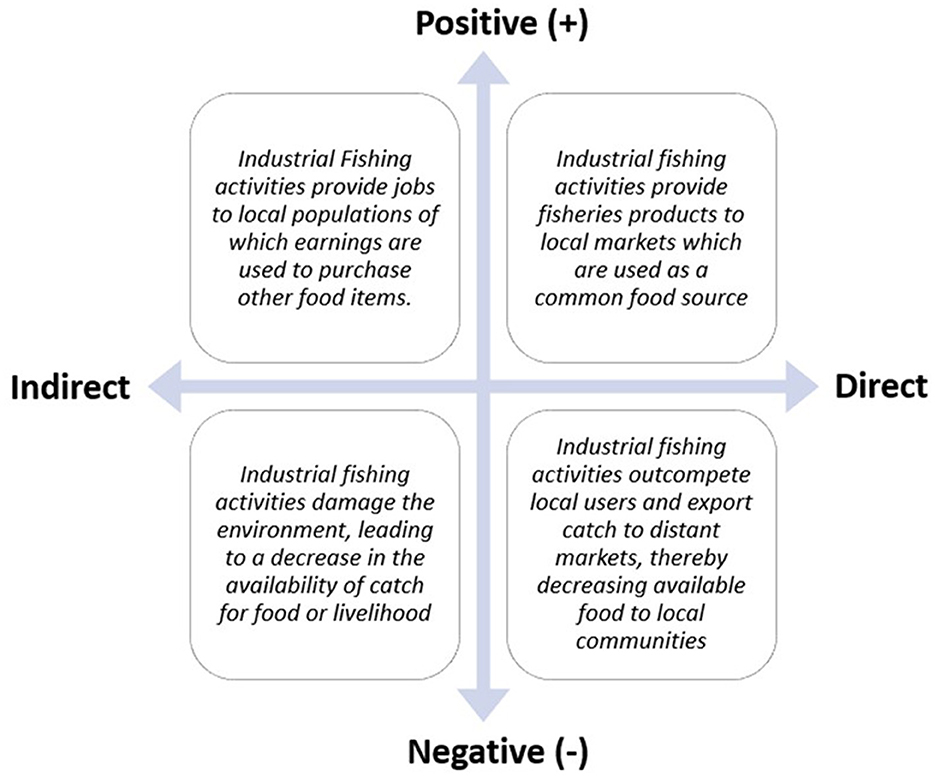
Figure 4. Conceptual diagram organizing the impacts of industrial fishing on food security as positive or negative and direct or indirect.
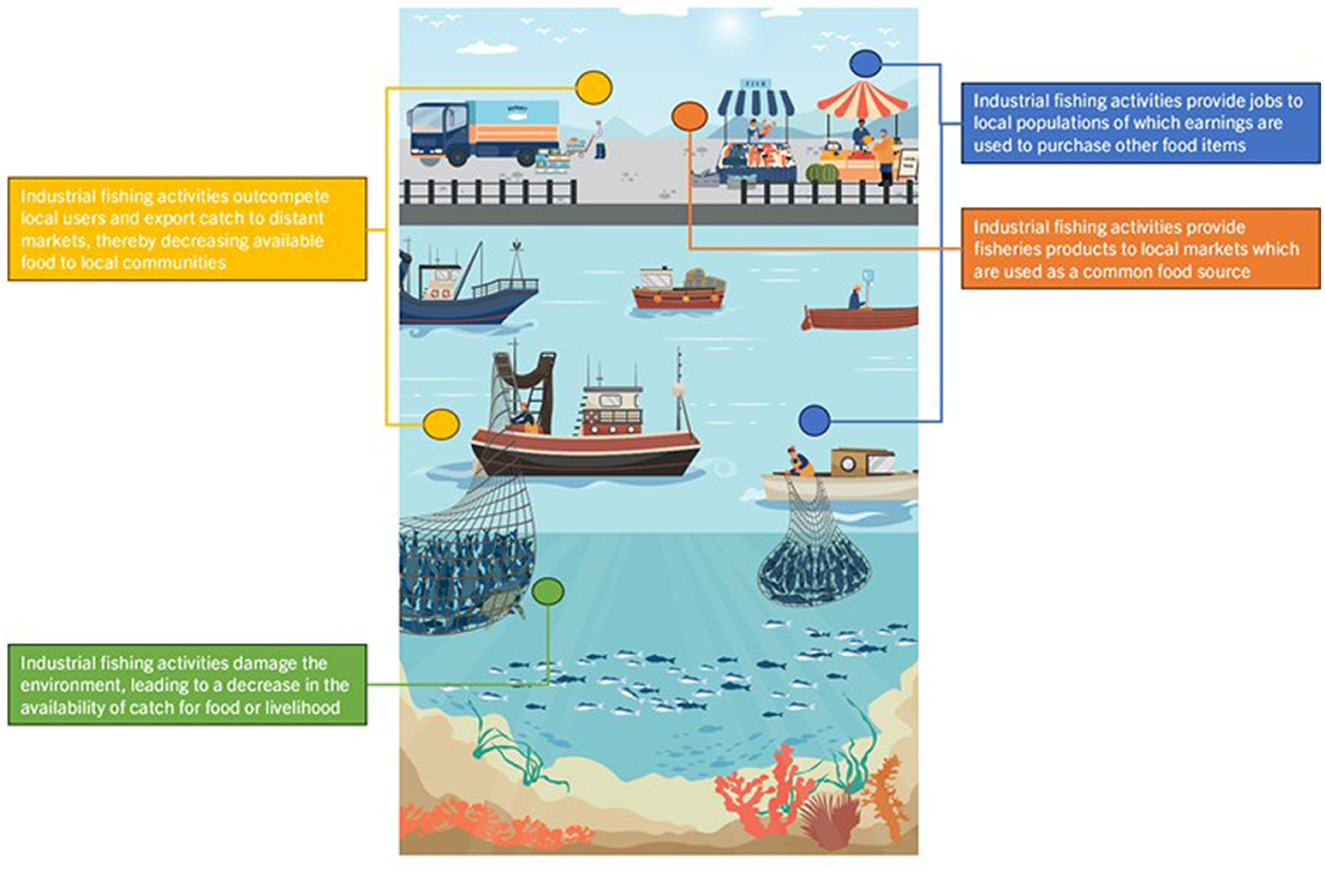
Figure 5. An illustration of the four themes detailing the relationship between industrial fishing and food security.
The first theme that emerged from the literature review was that industrial fishing activities may provide jobs to local populations, with the earnings used to purchase other food items (Feidi, 2003; Trondsen, 2003; Al-Habsi et al., 2010; Garcia and Rosenberg, 2010; Bondad-Reantaso et al., 2012; Lowitt, 2014; Fabinyi et al., 2017; Asiedu et al., 2018; Bennett et al., 2018; Teneva et al., 2018; Vianna et al., 2020; Marco et al., 2021; Warren and Steenbergen, 2021; Alsaleh, 2023; Elzaki, 2024). In this case, industrial fishing indirectly supports food security in a positive way by increasing the financial resources available for the purchase of diverse food items.
The second theme recognized is that industrial fishing activities may provide fisheries products to local markets, which are used as a common food source. This direct provision of fish enhances food availability within communities, positively impacting food security (Hotta, 2000; Trondsen, 2003; Al-Habsi et al., 2010; Bondad-Reantaso et al., 2012; Lowitt, 2014; Fabinyi et al., 2017; Wamukota and McClanahan, 2017; Asiedu et al., 2018; Bennett et al., 2018; Teh and Pauly, 2018; Teneva et al., 2018; Vianna et al., 2020; Marco et al., 2021; Sampantamit et al., 2021; Alsaleh, 2023; Elzaki, 2024).
The third theme indicated that industrial fishing activities may damage the environment, leading to a decrease in the availability of catch for food or livelihood. This environmental degradation, documented in numerous studies (Alder and Sumaila, 2004; Atta-Mills et al., 2004; MRAG, 2005; Neiland, 2006; Salayo et al., 2006; van Mulekom et al., 2006; Cruz-Trinidad et al., 2014; Belhabib et al., 2015, 2020; Gillett, 2016; Golden et al., 2016; Pomeroy et al., 2016; de Abreu-Mota et al., 2018; James et al., 2018; Mccauley et al., 2018; Merem et al., 2019; Taylor et al., 2019; Danquah et al., 2021; White et al., 2022; Ayilu et al., 2023), indirectly threatens food security by reducing the populations of both target species and other species important for maintaining ecosystem health and local livelihoods.
The final theme from the literature review suggested that industrial fishing activities may outcompete local users and export catch to distant markets, thus decreasing the available food for local communities. This competition and exportation, often linked to foreign actors or illegal, unreported, and unregulated (IUU) fishing practices, negatively impact local food security (Kent, 1997, 2003; Alder and Sumaila, 2004; Atta-Mills et al., 2004; MRAG, 2005; Pauly et al., 2005; Neiland, 2006; Salayo et al., 2006; van Mulekom et al., 2006; Ovetz, 2007; Garcia and Rosenberg, 2010; Srinivasan et al., 2010; Le Manach et al., 2012; Campbell and Hanich, 2014; Cruz-Trinidad et al., 2014; Belhabib et al., 2015, 2020; Mcclanahan et al., 2015; Gillett, 2016; Golden et al., 2016; Pomeroy et al., 2016; Teh et al., 2017; Bell et al., 2018; Bennett et al., 2018; de Abreu-Mota et al., 2018; James et al., 2018; Mccauley et al., 2018; Schiller et al., 2018; Merem et al., 2019; Taylor et al., 2019; Vianna et al., 2020; Carlson et al., 2021; Danquah et al., 2021; Warren and Steenbergen, 2021; Nash et al., 2022; Touron-Gardic et al., 2022; White et al., 2022; Ayilu et al., 2023).
A notable observation was the often-ambiguous definition of “industrial fishing” in the existing literature. Only a handful of studies clearly articulate the specific characteristics or types of industrial fishing they focus on. This lack of precise definition is a concern, given the diversity of fishing methods and operations encompassed under the umbrella of industrial fishing. The term can include a wide range of activities, from large-scale trawling operations to long-lining and purse-seining, each with distinct environmental impacts and implications for local communities and food security. Without a clear understanding of what constitutes industrial fishing activities in each study, drawing generalized conclusions or comparisons across different research works becomes difficult. While this review defined four overarching themes that describe the relationship between industrial fishing and food security, it should be noted that more positive and negative, direct and indirect relationships likely exist. For example, many industrial fishing activities produce fishmeal for the aquaculture or livestock industry which also has implications for food security.
3.3 Previous methods and data types used to draw conclusions about industrial fishing and food security
To understand the rationale and process in determining the four general themes identified, various methodological approaches and data sources were identified based on the research design (Figure 6). The majority of studies employed a singular method (49 studies), while only eight studies utilized a mixed-methods approach. These methodologies spanned econometric models, anthropological studies, catch reconstruction, conceptual frameworks, value chains, food balance, meta-analysis and review, policy analysis, geospatial analysis, coupled models, and fisheries performance indicators (Figure 5).
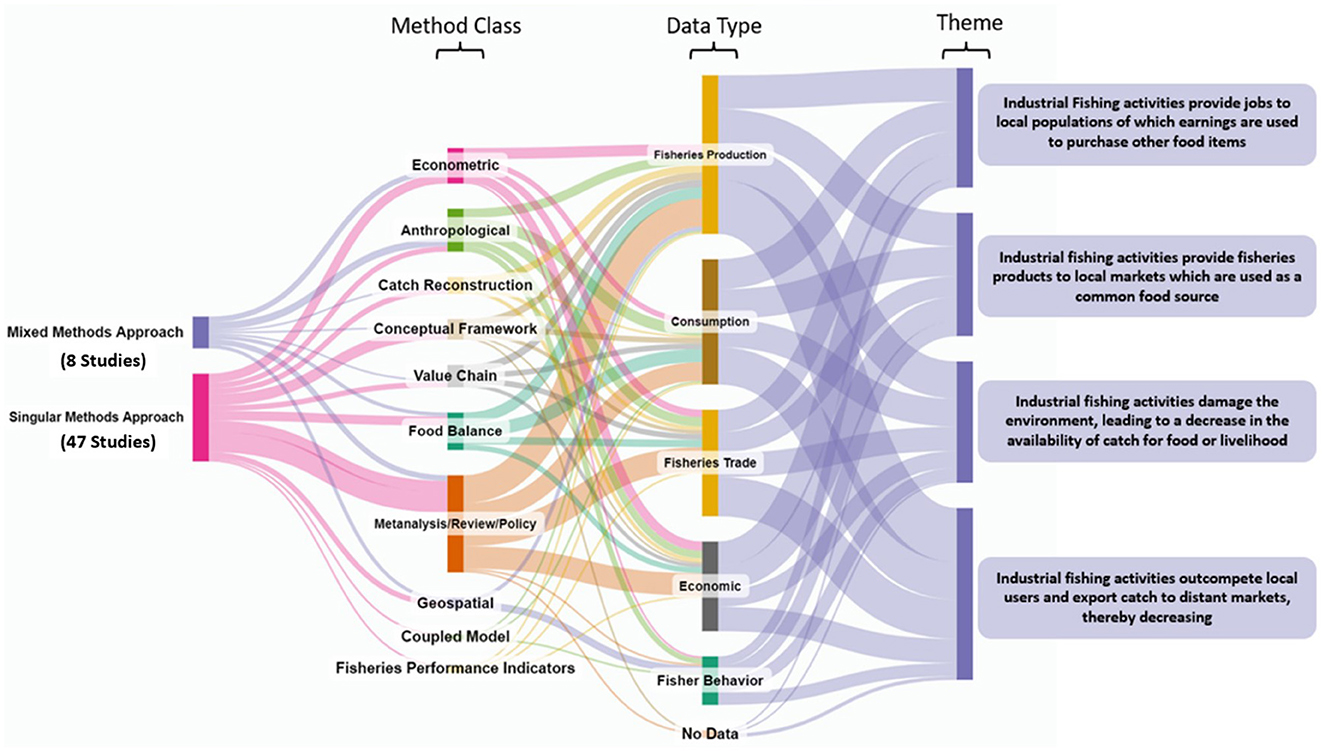
Figure 6. Sankey diagram showing the breakdown of methods and data types used in the studies reviewed and the resulting theme of the study.
Econometric methods applied statistical and mathematical modeling to economic datasets for hypothesis testing and forecasting (MRAG, 2005; Béné, 2008; Wamukota and McClanahan, 2017; James et al., 2018; Alsaleh, 2023; Elzaki, 2024). In contrast, anthropological methods are deeply qualitative and typically involved ethnographic techniques, including participant observation and interviews (Atta-Mills et al., 2004; Fabinyi et al., 2017; Asiedu et al., 2018; Merem et al., 2019; Danquah et al., 2021; Warren and Steenbergen, 2021; Ayilu et al., 2023). The catch reconstruction method was characterized by the analysis of historical catch data, often reconstructing records to include underreported or missed data in order offer insights into past fisheries trends (Le Manach et al., 2012; Belhabib et al., 2015, 2018; Teh and Pauly, 2018). Studies utilizing conceptual frameworks deployed theoretical constructs to structure their research or arguments, providing a basis for both singular and mixed-method analyses (Trondsen, 2003; Salayo et al., 2006; Lowitt, 2014; Pomeroy et al., 2016; de Abreu-Mota et al., 2018; Taylor et al., 2019; Roberts et al., 2023). Value chain studies examined the sequence of fish products from catch to consumer, shedding light on production processes and access to fisheries resources (Schiller et al., 2018; Touron-Gardic et al., 2022; Roberts et al., 2023). The food balance method focused on assessing nutrient availability and potential nutritional deficiencies (Srinivasan et al., 2010; Gillett, 2016; Golden et al., 2016; Sampantamit et al., 2021; Nash et al., 2022). Meta-analysis/review/policy-oriented studies synthesized existing literature or presented descriptive statistics as a foundation for their discussions (Kent, 1997, 2003; Hotta, 2000; Feidi, 2003; Alder and Sumaila, 2004; Pauly et al., 2005; Neiland, 2006; van Mulekom et al., 2006; Ovetz, 2007; Al-Habsi et al., 2010; Garcia and Rosenberg, 2010; Bondad-Reantaso et al., 2012; Campbell and Hanich, 2014; Cruz-Trinidad et al., 2014; Mcclanahan et al., 2015; Bell et al., 2018; Bennett et al., 2018; Vianna et al., 2020). These types of papers were purposefully included and lumped together as this category because they made assumptions about industrial fishing and food security but not necessarily based on new data or through a clear methodology. Geospatial studies employed spatial data to discern patterns and trends, particularly in fisher behavior (James et al., 2018; Mccauley et al., 2018; Merem et al., 2019; Belhabib et al., 2020; White et al., 2022). A single study implemented a coupled social-ecological systems model, integrating ecological and social frameworks to interpret the interplay between marine ecosystems and human communities (Carlson et al., 2021). Another distinct study assessed fisheries using Fisheries Performance Indicators, evaluating triple bottom line outcomes regarding sustainability, profitability, and community impact (Marco et al., 2021).
In terms of data types, diverse datasets were used to make conclusions about industrial fishing and food security (Figure 5). Fisheries production data was the most commonly used, including fisheries catch or landings data, often collected from national statistics (Alder and Sumaila, 2004; Pauly et al., 2005; Garcia and Rosenberg, 2010; Le Manach et al., 2012; Campbell and Hanich, 2014; Belhabib et al., 2015; Teh and Pauly, 2018; Sampantamit et al., 2021). Consumption data were also quite commonly used, encompassing household food recall surveys, higher-level food security indicators, perceptions about food security, consumer behavior information, or nutrient information (Asiedu et al., 2018; Taylor et al., 2019; Danquah et al., 2021; Nash et al., 2022; Ayilu et al., 2023). Fisheries trade data included import or export data, usually derived from national statistics, or through questionnaires to individual households or stakeholders to understand the flow of fisheries products within their community (Feidi, 2003; Trondsen, 2003; Bondad-Reantaso et al., 2012; Schiller et al., 2018; Teneva et al., 2018; Touron-Gardic et al., 2022). Economic data, encompassing fish price, gross domestic product, and household income, provided insights into the economic impacts of fisheries on local and national economies (Trondsen, 2003; MRAG, 2005; Béné, 2008; Wamukota and McClanahan, 2017; Alsaleh, 2023; Elzaki, 2024). Fisher behavior presented data that showed the patterns in fishing effort of industrial fishers and sometimes local users or the preferences of local users. This type of data offered insights into the dynamics between different fishing practices and their impact on fisheries sustainability and community livelihoods (James et al., 2018; Belhabib et al., 2020; Warren and Steenbergen, 2021; White et al., 2022).
This review showed that the majority of studies used a single methods approach, rather than a mixed methods approach to address industrial fishing and food security. Further, the majority of studies used fisheries production data in their analysis. However, a critical limitation of studies focused primarily on fisheries production is their potential oversimplification of the food security equation (Béné et al., 2016a,b; Fabinyi et al., 2017; Bennett et al., 2021). While it is true that many communities are heavily dependent on fisheries, the assumption that reduced fish catch directly equates to food insecurity does not always hold. Food systems are dynamic, adaptive systems of which food security is a complex issue, influenced by a myriad of factors beyond immediate access to fish (Ericksen, 2008; Hall and Clark, 2010). Households in fisheries-dependent communities often exhibit resilience and adaptability in the face of changing circumstances (Coulthard, 2008; Blythe et al., 2014; Leite et al., 2019; Satumanatpan and Pollnac, 2020). For instance, in scenarios of low fish harvests, these communities may shift their dietary reliance to terrestrial foods. This adaptability is a crucial aspect of food security that needs to be considered in any comprehensive analysis. Additionally, these communities may leverage other coping strategies, such as seeking governmental support services or relying on social networks like friends and family for assistance. These strategies reflect the broader socio-economic and cultural contexts that influence food security. Therefore, while fisheries production data is undoubtedly valuable, it represents only a part of the broader food system.
A major finding of this research is that despite previous studies making claims about the relationship between food security and industrial fishing very few of these studies managed to produce empirical results to actually support these claims. It is clear that addressing the linkage between industrial fishing activities and food security is difficult due to the lack of comprehensive, long-term datasets that encapsulate both the intricacies of industrial fishing and local resource users (such as catch data and fishing effort) and the multifaceted nature of food security (including household consumption patterns). This data gap has led researchers to often concentrate on one side of the equation—either industrial fishing or food security—before attempting to theorize or establish connections to the other side. The rarity of studies that empirically link industrial fishing activities directly to food security outcomes highlights a significant gap in current research.
4 Conclusion
To truly understand the impact of industrial fishing on food security, an integrated, mixed-methods approach rooted in specific local contexts will be essential. Such an approach must consider not only the direct effects of fishing activities but also household behavior, community resilience, and socio-economic structures. Future studies that combine detailed fisheries and ecosystem data with household consumption patterns, coping strategies, social safety nets, and the local food system will provide a more nuanced and accurate picture of this complex relationship. This holistic approach is crucial for developing effective policies and interventions to ensure food security in fisheries-dependent communities especially as fishing continues to be industrialized.
Data availability statement
The original contributions presented in the study are included in the article/Supplementary material, further inquiries can be directed to the corresponding author.
Author contributions
SF: Writing – original draft, Writing – review & editing. NH: Funding acquisition, Project administration, Supervision, Writing – review & editing. FM: Conceptualization, Project administration, Supervision, Writing – review & editing. EW: Supervision, Writing – review & editing. RA: Supervision, Writing – review & editing. MC: Supervision, Writing – review & editing. JK: Supervision, Writing – review & editing.
Funding
The author(s) declare that no financial support was received for the research, authorship, and/or publication of this article.
Conflict of interest
The authors declare that the research was conducted in the absence of any commercial or financial relationships that could be construed as a potential conflict of interest.
The author(s) declared that they were an editorial board member of Frontiers, at the time of submission. This had no impact on the peer review process and the final decision.
Publisher's note
All claims expressed in this article are solely those of the authors and do not necessarily represent those of their affiliated organizations, or those of the publisher, the editors and the reviewers. Any product that may be evaluated in this article, or claim that may be made by its manufacturer, is not guaranteed or endorsed by the publisher.
Supplementary material
The Supplementary Material for this article can be found online at: https://www.frontiersin.org/articles/10.3389/focsu.2024.1419236/full#supplementary-material
References
Alder, J., and Sumaila, U. R. (2004). Western Africa: a fish basket of europe past and present. J. Environ. Dev. 13, 156–178. doi: 10.1177/1070496504266092
Al-Habsi, S., Al-Marzouqi, A., Bose, S., Al-Mazrouai, A., Al-Busaidi, I., and Al-Nahdi, A. (2010). Fisheries and Food Security: The Case of the Sultanate of Oman. Available at: https://www.researchgate.net/publication/264419724 (accessed May 16, 2024).
Alsaleh, M. (2023). The role of the fishery industry in the shift towards sustainable food security: a critical study of blue food. Environ. Sci. Pollut. Res. 30, 105575–105594. doi: 10.1007/s11356-023-29747-4
Asiedu, B., Failler, P., and Beygens, Y. (2018). Ensuring food security: an analysis of the industrial smoking fishery sector of Ghana. Agric. Food Sec. 7, 1–11. doi: 10.1186/s40066-018-0187-z
Atta-Mills, J., Alder, J., and Sumaila, U. R. (2004). The decline of a regional fishing nation: the case of Ghana and West Africa. Nat. Resour. Forum 28, 13–21. doi: 10.1111/j.0165-0203.2004.00068.x
Ayilu, R. K., Fabinyi, M., Barclay, K., and Bawa, M. A. (2023). Blue economy: industrialisation and coastal fishing livelihoods in Ghana. Rev. Fish Biol. Fish 33:1. doi: 10.1007/s11160-022-09749-0
Barange, M., Merino, G., Blanchard, J. L., Scholtens, J., Harle, J., Allison, E. H., et al. (2014). Impacts of climate change on marine ecosystem production in societies dependent on fisheries. Nat. Clim. Change 4, 211–216. doi: 10.1038/nclimate2119
Barrett, C. B. (2010). Measuring food insecurity. Science 327, 825–828. doi: 10.1126/science.1182768
Belhabib, D., Cheung, W. W. L., Kroodsma, D., Lam, V. W. Y., Underwood, P. J., and Virdin, J. (2020). Catching industrial fishing incursions into inshore waters of Africa from space. Fish Fish. 21, 379–392. doi: 10.1111/faf.12436
Belhabib, D., Greer, K., and Pauly, D. (2018). Trends in industrial and artisanal catch per effort in West African fisheries. Conserv. Lett. 11:e12360. doi: 10.1111/conl.12360
Belhabib, D., Sumaila, U. R., and Pauly, D. (2015). Feeding the poor: contribution of West African fisheries to employment and food security. Ocean Coast. Manag. 111, 72–81. doi: 10.1016/j.ocecoaman.2015.04.010
Bell, J. D., Cisneros-Montemayor, A., Hanich, Q., Johnson, J. E., Lehodey, P., Moore, B. R., et al. (2018). Adaptations to maintain the contributions of small-scale fisheries to food security in the Pacific Islands. Mar. Policy 88, 303–314. doi: 10.1016/j.marpol.2017.05.019
Béné, C. (2008). Global Change in African Fish Trade: Engine of Development or Threat to Local Food Security? Paris: OECD Publishing.
Béné, C., Arthur, R., Norbury, H., Allison, E. H., Beveridge, M., Bush, S., et al. (2016a). Contribution of fisheries and aquaculture to food security and poverty reduction: assessing the current evidence. World Dev. 79, 177–196. doi: 10.1016/j.worlddev.2015.11.007
Béné, C., Headey, D., Haddad, L., and von Grebmer, K. (2016b). Is resilience a useful concept in the context of food security and nutrition programmes? Some conceptual and practical considerations. Food Sec. 8, 123–138. doi: 10.1007/s12571-015-0526-x
Bennett, A., Basurto, X., Virdin, J., Lin, X., Betances, S. J., Smith, M. D., et al. (2021). Recognize fish as food in policy discourse and development funding. Ambio 50, 981–989. doi: 10.1007/s13280-020-01451-4
Bennett, A., Patil, P., Kleisner, K., Rader, D., Virdin, J., Basurto, X., et al. (2018). Contribution of Fisheries to Food and Nutrition Security Current Knowledge, Policy, and Research. Durham, NC: Environmental Defense Fund.
Blythe, J. L., Murray, G., and Flaherty, M. (2014). Strengthening threatened communities through adaptation: insights from coastal Mozambique. Ecol. Soc. 19:9. doi: 10.5751/ES-06408-190206
Bondad-Reantaso, M. G., Subasinghe, R. P., Josupeit, H., Cai, J., and Zhou, X. (2012). The role of crustacean fisheries and aquaculture in global food security: past, present and future. J. Invertebr. Pathol. 110, 158–165. doi: 10.1016/j.jip.2012.03.010
Cabral, R. B., Halpern, B. S., Lester, S. E., White, C., Gaines, S. D., and Costello, C. (2019). Designing MPAs for food security in open-access fisheries. Sci. Rep. 9:8033. doi: 10.1038/s41598-019-44406-w
Campbell, B., and Hanich, Q. (2014). Fish for the Future: Fisheries Development and Food Security for Kiribati. Available at: https://books.google.com/books?id=RRCEBQAAQBAJanddq=2014+Campbell+fisheries+food+securityandlr=andsource=gbs_navlinks_s (accessed May 16, 2024).
Carletto, C., Zezza, A., and Banerjee, R. (2013). Towards better measurement of household food security: harmonizing indicators and the role of household surveys. Glob. Food Sec. 2, 30–40. doi: 10.1016/j.gfs.2012.11.006
Carlson, A. K., Rubenstein, D. I., and Levin, S. A. (2021). Modeling Atlantic herring fisheries as multiscalar human-natural systems. Fish. Res. 236:105855. doi: 10.1016/j.fishres.2020.105855
Coll, M., Libralato, S., Tudela, S., Palomera, I., and Pranovi, F. (2008). Ecosystem overfishing in the ocean. PLoS ONE 3:e3881. doi: 10.1371/journal.pone.0003881
Coulthard, S. (2008). Adapting to environmental change in artisanal fisheries-Insights from a South Indian Lagoon. Glob. Environ. Change 18, 479–489. doi: 10.1016/j.gloenvcha.2008.04.003
Cruz-Trinidad, A., Aliño, P. M., Geronimo, R. C., and Cabral, R. B. (2014). linking food security with coral reefs and fisheries in the coral triangle. Coast. Manag. 42, 160–182. doi: 10.1080/08920753.2014.877761
Danquah, J. A., Roberts, C. O., and Appiah, M. (2021). Effects of decline in fish landings on the livelihoods of coastal communities in central region of Ghana. Coast. Manag. 49, 617–635. doi: 10.1080/08920753.2021.1967562
de Abreu-Mota, M. A., Medeiros, R. P., and Noernberg, M. A. (2018). Resilience thinking applied to fisheries management: perspectives for the mullet fishery in Southern-Southeastern Brazil. Reg. Environ. Change 18, 2047–2058. doi: 10.1007/s10113-018-1323-9
Ding, Q., Chen, X., Hilborn, R., and Chen, Y. (2017). Vulnerability to impacts of climate change on marine fisheries and food security. Mar. Policy 83, 55–61. doi: 10.1016/j.marpol.2017.05.011
El Bilali, H., Callenius, C., Strassner, C., and Probst, L. (2019). Food and nutrition security and sustainability transitions in food systems. Food Energy Sec. 8:e00154. doi: 10.1002/fes3.154
Elzaki, R. M. (2024). Does fish production influence the GDP and food security in Gulf Cooperation Council countries? Evidence from the dynamic panel data analysis. Aquaculture 578:740058. doi: 10.1016/j.aquaculture.2023.740058
Ericksen, P. J. (2008). Conceptualizing food systems for global environmental change research. Global Environ. Change 18, 234–245. doi: 10.1016/j.gloenvcha.2007.09.002
Fabinyi, M., Dressler, W. H., and Pido, M. D. (2017). Fish, trade and food security: moving beyond ‘availability' discourse in marine conservation. Hum. Ecol. 45, 177–188. doi: 10.1007/s10745-016-9874-1
FAO (2000). The State of Food Insecurity in the World 2000. Food Insecurity: When People Live With Hunger and Fear Starvation. Food and Agriculture Organization of the United Nations, Rome, Italy.
Feidi, I. (2003). Impact of International Fish Trade on Food Security in Egypt. researchgate.net. Available at: https://www.researchgate.net/profile/Izzat-Feidi/publication/327402544_IMPACT_OF_INTERNATIONAL_FISH_TRADE_ON_FOOD_SECURITY_IN_EGYPT/links/5b8d4c5192851c6b7eb916f9/IMPACT-OF-INTERNATIONAL-FISH-TRADE-ON-FOOD-SECURITY-IN-EGYPT (accessed May 16, 2024).
Galappaththi, E. K., Ford, J. D., Bennett, E. M., and Berkes, F. (2021). Adapting to climate change in small-scale fisheries: insights from indigenous communities in the global north and south. Environ. Sci. Policy 116, 160–170. doi: 10.1016/j.envsci.2020.11.009
Garcia, S. M., and Rosenberg, A. A. (2010). Food security and marine capture fisheries: characteristics, trends, drivers and future perspectives. Philos. Transact. R. Soc. B Biol. Sci. 365, 2869–2880. doi: 10.1098/rstb.2010.0171
Gillett, R. (2016). Fisheries in the Economies of Pacific Island Countries and Territories. Available at: http://www.spc.int (accessed May 16, 2024).
Golden, C. D., Allison, E. H., Cheung, W. W. L., Dey, M. M., Halpern, B. S., McCauley, D. J., et al. (2016). Nutrition: fall in fish catch threatens human health. Nature 534, 317–320. doi: 10.1038/534317a
Guiet, J., Galbraith, E., Kroodsma, D., and Worm, B. (2019). Seasonal variability in global industrial fishing effort. PLoS ONE 14:e0216819. doi: 10.1371/journal.pone.0216819
Hall, A., and Clark, N. (2010). What do complex adaptive systems look like and what are the implications for innovation policy? J. Int. Dev. 22, 308–324. doi: 10.1002/jid.1690
Hotta, M. (2000). Sustainable Contribution of Fisheries to Food Security. Bangkok: Asia-Pacific Fishery Commission.
Jackson, J. B. C., Kirby, M. X., Berger, W. H., Bjorndal, K. A., Botsford, L. W., Bourque, B. J., et al. (2001). Historical overfishing and the recent collapse of coastal ecosystems. Science 293, 629–637. doi: 10.1126/science.1059199
James, P. A. S., Tidd, A., and Kaitu, L. P. (2018). The impact of industrial tuna fishing on small-scale fishers and economies in the Pacific. Mar. Policy 95, 189–198. doi: 10.1016/j.marpol.2018.03.021
Jones, A. D., Ngure, F. M., Pelto, G., and Young, S. L. (2013). What are we assessing when we measure food security? A compendium and review of current metrics. Adv. Nutr. 4, 481–505. doi: 10.3945/an.113.004119
Kaczynski, V. M., and Fluharty, D. L. (2002). European policies in West Africa: who benefits from fisheries agreements? Mar. Policy 26, 75–93. doi: 10.1016/S0308-597X(01)00039-2
Katikiro, R. E., and Macusi, E. D. (2012). Impacts of climate change on West African fisheries and its implications on food production. J. Environ. Sci. Manag. 15, 83–95.
Kent, G. (1997). Fisheries, food security, and the poor. Food Policy 22, 393–404. doi: 10.1016/S0306-9192(97)00030-4
Kent, G. (2003). Fish Trade, Food Security and the Human Right to Adequate Food. Available at: https://www.fao.org/3/y4961e/y4961e06.htm (accessed May 16, 2024).
Lauria, V., Das, I., Hazra, S., Cazcarro, I., Arto, I., Kay, S., et al. (2018). Importance of fisheries for food security across three climate change vulnerable deltas. Sci. Total Environ. 640–641, 1566–1577. doi: 10.1016/j.scitotenv.2018.06.011
Le Manach, F., Gough, C., Harris, A., Humber, F., Harper, S., and Zeller, D. (2012). Unreported fishing, hungry people and political turmoil: the recipe for a food security crisis in Madagascar? Mar. Policy 36, 218–225. doi: 10.1016/j.marpol.2011.05.007
Leite, M., Ross, H., and Berkes, F. (2019). Interactions between individual, household, and fishing community resilience in southeast Brazil. Ecol. Soc. 24:2. doi: 10.5751/ES-10910-240302
Link, J. S., and Watson, R. A. (2019). Global ecosystem overfishing: clear delineation within real limits to production. Sci. Adv. 5:aav0474. doi: 10.1126/sciadv.aav0474
Lowitt, K. N. (2014). A coastal foodscape: examining the relationship between changing fisheries and community food security on the west coast of Newfoundland. Ecol. Soc. 19:9. doi: 10.5751/ES-06498-190348
Mansfield, B. (2010). “Modern” Industrial Fisheries and the Crisis of Overfishing. Global Political Ecology. London: Taylor and Francis, 84–99.
Marco, J., Valderrama, D., and Rueda, M. (2021). Evaluating management reforms in a Colombian shrimp fishery using fisheries performance indicators. Mar. Policy 125:104258. doi: 10.1016/j.marpol.2020.104258
McCarthy, U., Uysal, I., Badia-Melis, R., Mercier, S., O'Donnell, C., and Ktenioudaki, A. (2018). Global food security – Issues, challenges and technological solutions. Trends Food Sci. Technol. 77, 11–20. doi: 10.1016/j.tifs.2018.05.002
Mccauley, D. J., Jablonicky, C., Allison, E. H., Golden, C. D., Joyce, F. H., Mayorga, J., et al. (2018). Wealthy countries dominate industrial fishing. Sci. Adv. 4:aau2161. doi: 10.1126/sciadv.aau2161
Mcclanahan, T., Allison, E. H., and Cinner, J. E. (2015). Managing fisheries for human and food security. Fish Fish. 16, 78–103. doi: 10.1111/faf.12045
Merem, E. C., Twumasi, Y., Wesley, J., Alsarari, M., Fageir, S., Crisler, M., et al. (2019). Analyzing the tragedy of illegal fishing on the West African coastal region. Int. J. Food Sci. Nutr. Eng. 9, 1–15. doi: 10.5923/j.food.20190901.01
Moher, D., Liberati, A., Tetzlaff, J., Altman, D. G., and PRISMA Group (2009). Preferred reporting items for systematic reviews and meta-analyses: the PRISMA statement. PLoS Med. 6:e1000097. doi: 10.1371/journal.pmed.1000097
MRAG (2005). Review of Impacts of Illegal, Unreported and Unregulated Fishing on Developing Countries FINAL REPORT. London.
Murawski, S. A. (2000). Definitions of overfishing from an ecosystem perspective. ICES J. Mar. Sci. 57, 649–658. doi: 10.1006/jmsc.2000.0738
Nash, K. L., Macneil, M. A., Blanchard, J. L., Cohen, P. J., Farmery, A. K., Graham, N. A. J., et al. (2022). Trade and foreign fishing mediate global marine nutrient supply. Proc. Natl. Acad. Sci. U. S. A. 119:e2120817119. doi: 10.1073/pnas.2120817119
Neiland, A. E. (2006). Contribution of Fish Trade to Development and Livelihoods and Food Security in West Africa: Key Issues for Future Policy Debate. Portsmouth: IDDRA.
Nichols, R., Yamazaki, S., Jennings, S., and Watson, R. A. (2015). Fishing access agreements and harvesting decisions of host and distant water fishing nations. Mar. Policy 54, 77–85. doi: 10.1016/j.marpol.2014.12.019
Ovetz, R. (2007). The bottom line: an investigation of the economic, cultural and social costs of high seas industrial longline fishing in the Pacific and the benefits of conservation. Mar. Policy 31, 217–228. doi: 10.1016/j.marpol.2006.09.002
Page, M. J., McKenzie, J. E., Bossuyt, P. M., Boutron, I., Hoffmann, T. C., Mulrow, C. D., et al. (2021). The PRISMA 2020 statement: an updated guideline for reporting systematic reviews. BMJ 372:n71. doi: 10.1136/bmj.n71
Pauly, D., Christensen, V., Dalsgaard, J., Froese, R., and Torres, F. (1998). Fishing down marine food webs. Science 279, 860–863. doi: 10.1126/science.279.5352.860
Pauly, D., Christensen, V., Guénette, S., Pitcher, T. J., Sumaila, U. R., Walters, C. J., et al. (2002). Towards sustainability in world fisheries. Nature 418, 689–695. doi: 10.1038/nature01017
Pauly, D., Watson, R., and Alder, J. (2005). Global trends in world fisheries: impacts on marine ecosystems and food security. Philos. Transact. R. Soc. B Biol. Sci. 360, 5–12. doi: 10.1098/rstb.2004.1574
Pauly, D., and Zeller, D. (2016). Catch reconstructions reveal that global marine fisheries catches are higher than reported and declining. Nat. Commun. 7, 1–9. doi: 10.1038/ncomms10244
Pérez-Escamilla, R., Gubert, M. B., Rogers, B., and Hromi-Fiedler, A. (2017). Food security measurement and governance: assessment of the usefulness of diverse food insecurity indicators for policy makers. Global Food Sec. 14, 96–104. doi: 10.1016/j.gfs.2017.06.003
Pomeroy, R., Parks, J., Mrakovcich, K. L., and LaMonica, C. (2016). Drivers and impacts of fisheries scarcity, competition, and conflict on maritime security. Mar. Policy 67, 94–104. doi: 10.1016/j.marpol.2016.01.005
Roberts, N., Mengge, B., Oaks, B., Sari, N., Irsan, and Humphries, A. (2023). Fish consumption pathways and food security in an Indonesian fishing community. Food Sec. 15, 1–19. doi: 10.1007/s12571-022-01323-7
Salayo, N., Viswanathan, K., Ahmed, M., and Garces, L. (2006). An Overview of Fisheries Conflicts in South and Southeast Asia: Recommendations, Challenges and Directions. Penang: Worldfish Center.
Sampantamit, T., Ho, L., Lachat, C., Hanley-Cook, G., and Goethals, P. (2021). The contribution of thai fisheries to sustainable seafood consumption: National trends and future projections. Foods 10:880. doi: 10.3390/foods10040880
Satumanatpan, S., and Pollnac, R. (2020). Resilience of small-scale fishers to declining fisheries in the Gulf of Thailand. Coast. Manag. 48, 1–22. doi: 10.1080/08920753.2020.1689769
Savo, V., Morton, C., and Lepofsky, D. (2017). Impacts of climate change for coastal fishers and implications for fisheries. Fish Fish. 18, 877–889. doi: 10.1111/faf.12212
Scheffer, M., Carpenter, S., and De Young, B. (2005). Cascading effects of overfishing marine systems. Trends Ecol. Evol. 20, 579–581. doi: 10.1016/j.tree.2005.08.018
Schiller, L., Bailey, M., Jacquet, J., and Sala, E. (2018). High seas fisheries play a negligible role in addressing global food security. Sci. Adv. 4, 8351–8359. doi: 10.1126/sciadv.aat8351
Sibhatu, K. T., and Qaim, M. (2017). Rural food security, subsistence agriculture, and seasonality. PLoS ONE 12:e0186406. doi: 10.1371/journal.pone.0186406
Srinivasan, U. T., Cheung, W. W. L., Watson, R., Rashid Sumaila, U., Srinivasan, U. T., Cheung, W. W. L., et al. (2010). Food security implications of global marine catch losses due to overfishing. J. Bioecon. 12, 183–200. doi: 10.1007/s10818-010-9090-9
Taylor, S. F. W., Roberts, M. J., Milligan, B., and Ncwadi, R. (2019). Measurement and implications of marine food security in the Western Indian Ocean: an impending crisis? Food Sec. 11, 1395–1415. doi: 10.1007/s12571-019-00971-6
Teh, L., Lam, V., Cheung, W., Miller, D., Teh, L., and Sumaila, U. R. (2017). Impact of High Seas Closure on Food Security in Low-Income Fish-Dependent Countries. Handbook on the Economics and Management of Sustainable Oceans (Cheltenham: Edward Elgar Publishing Limited), 232–262.
Teh, L. C. L., and Pauly, D. (2018). Who brings in the fish? The relative contribution of small-scale and industrial fisheries to food security in Southeast Asia. Front. Mar. Sci. 4:323694. doi: 10.3389/fmars.2018.00044
Teneva, L. T., Schemmel, E., and Kittinger, J. N. (2018). State of the plate: assessing present and future contribution of fisheries and aquaculture to Hawai‘i's food security. Mar. Policy 94, 28–38. doi: 10.1016/j.marpol.2018.04.025
The World Bank (2012). Hidden Harvest : The Global Contribution of Capture Fisheries. Economic and Sector Work. Available at: http://www.worldbank.org (accessed May 16, 2024).
Touron-Gardic, G., Hermansen, Ø., Failler, P., Dia, A. D., Tarbia, M. O. L., Brahim, K., et al. (2022). The small pelagics value chain in Mauritania–Recent changes and food security impacts. Mar. Policy 143:105190. doi: 10.1016/j.marpol.2022.105190
Trondsen, T. (2003). Criteria and Methodology to Improve the Effects of International Trade on Food Security in Fish-Exporting and Fish-Importing Developing Countries. FAO Fisheries Reports, 87–101. Available at: https://www.fao.org/3/Y4961E/y4961e0a.htm (accessed May 16, 2024).
van Mulekom, L., Axelsson, A., Batungbacal, E. P., Baxter, D., Siregar, R., and de la Torre, I. (2006). Trade and export orientation of fisheries in Southeast Asia: Under-priced export at the expense of domestic food security and local economies. Ocean Coast. Manag. 49, 546–561. doi: 10.1016/j.ocecoaman.2006.06.001
Vianna, G. M. S., Zeller, D., and Pauly, D. (2020). Fisheries and policy implications for human nutrition. Curr. Environ. Health Rep. 7, 161–169. doi: 10.1007/s40572-020-00286-1
Wamukota, A. W., and McClanahan, T. R. (2017). Global fish trade, prices, and food security in an african coral reef fishery. Coast. Manag. 45, 143–160. doi: 10.1080/08920753.2017.1278146
Warren, C., and Steenbergen, D. J. (2021). Fisheries decline, local livelihoods and conflicted governance: an Indonesian case. Ocean Coast. Manag. 202:105498. doi: 10.1016/j.ocecoaman.2020.105498
Keywords: industrial fishing, food security, food system, Preferred Reporting Items for Systematic Reviews and Meta-Analyses (PRISMA), blue economy
Citation: Farquhar SD, Heck N, Maps F, Wade E, Asch RG, Cenek M and Kirchoff JF (2024) Industrial fishing and its impacts on food security: a systematic review. Front. Ocean Sustain. 2:1419236. doi: 10.3389/focsu.2024.1419236
Received: 17 April 2024; Accepted: 29 July 2024;
Published: 16 August 2024.
Edited by:
Jian Yang, Chinese Academy of Fishery Sciences (CAFS), ChinaReviewed by:
Harry Gorfine, Victorian Fisheries Authority, AustraliaRam Chandra Bhujel, Asian Institute of Technology, Thailand
Copyright © 2024 Farquhar, Heck, Maps, Wade, Asch, Cenek and Kirchoff. This is an open-access article distributed under the terms of the Creative Commons Attribution License (CC BY). The use, distribution or reproduction in other forums is permitted, provided the original author(s) and the copyright owner(s) are credited and that the original publication in this journal is cited, in accordance with accepted academic practice. No use, distribution or reproduction is permitted which does not comply with these terms.
*Correspondence: Samantha D. Farquhar, ZmFycXVoYXJzYW1hbnRoYTZAZ21haWwuY29t