 Yu-Xin Guo
 Yuan Zhang
 Yu-Han Gao
 Si-Ying Deng
 Li-Mei Wang
 Cui-Qin Li
 Xing Li
- 1National Engineering Laboratory for Resource Development of Endangered Crude Drugs in Northwest China, The Key Laboratory of Medicinal Resources and Natural Pharmaceutical Chemistry, The Ministry of Education, College of Life Sciences, Shaanxi Normal University, Xi’an, China
- 2Department of Neurology, The First Affiliated Hospital of Zhengzhou University, Zhengzhou, China
Multiple sclerosis (MS) is an autoimmune disease of the central nervous system that is mainly mediated by pathological T-cells. Experimental autoimmune encephalomyelitis (EAE) is a well-known animal model of MS that is used to study the underlying mechanism and offers a theoretical basis for developing a novel therapy for MS. Good therapeutic effects have been observed after the administration of natural compounds and their derivatives as treatments for EAE. However, there has been a severe lag in the research and development of drug mechanisms related to MS. This review examines natural products that have the potential to effectively treat MS. The relevant data were consulted in order to elucidate the regulated mechanisms acting upon EAE by the flavonoids, glycosides, and triterpenoids derived from natural products. In addition, novel technologies such as network pharmacology, molecular docking, and high-throughput screening have been gradually applied in natural product development. The information provided herein can help improve targeting and timeliness for determining the specific mechanisms involved in natural medicine treatment and lay a foundation for further study.
Introduction
Multiple sclerosis (MS) is an autoimmune disease that occurs in the central nervous system (CNS) (Alroughani et al., 2020). Experimental autoimmune encephalomyelitis (EAE) is an animal model used to study the pathogenesis or treatment of MS (Orefice et al., 2020). T-cell-mediated inflammation at the cellular level occurs in EAE and involves abundant inflammatory cell infiltration into the CNS when the blood-brain barrier (BBB) is damaged (Bagnoud et al., 2020). Also, the death of oligodendrocytes and the lack of neurotrophic factor production lead to further deterioration of the patient and disease advancement (Li et al., 2016).
The therapeutic effects of natural compounds have long been known (Maior and Dobrotă, 2013). Nearly 30% of the pharmaceuticals developed over the past 20 years have been derivatives of natural compounds (Patridge et al., 2016). For instance, the plant-derived compound artemisinin has been widely used in the treatment of malaria. In 2015, Youyou Tu was awarded the Nobel Prize in Physiology or Medicine for her contribution to this antimalarial drug (Di Nardo and Gilardi, 2020).
Traditional Chinese medicine (TCM) includes plants, animals, fungi, and minerals, with plants accounting for the largest proportion of therapeutic agents (Wang et al., 2014). There have been many studies of the treatment of EAE by TCM monomers containing flavonoids, phenol, and glycosides, among others (Ciumărnean et al., 2020; Ikram et al., 2020; Yang L. et al., 2020). Moreover, many researchers have studied the effect of chemical monomers by molecular docking, high-throughput screening, and network pharmacology (Chen et al., 2020; Liu J. et al., 2020; Xu et al., 2020a). Over the past 8 years, glycosides have been the most commonly studied compounds, and have been examined and developed with the intent of using them as a potential treatment for EAE (Giacoppo et al., 2013; Yin et al., 2014; Haghmorad et al., 2017; Madhu et al., 2019; Yang L. et al., 2020). Additionally, many studies of EAE and flavonoids have been conducted during the last 5 years (Chen et al., 2017; Xie et al., 2018; Cree et al., 2020a). By contrast, there have been few studies on phenols and triterpenes and their potential for EAE treatment. Therapeutic studies of EAE mainly concentrate on identifying traditional TCM monomers that have the ability to protect BBB integrity and possess anti-inflammatory or neuroprotective properties. Indeed, natural products have considerable therapeutic potential to ameliorate EAE for the treatment of MS (Cree et al., 2020b). At the cellular level, the deep mechanisms of TCM monomers that act during the treatment of diseases have been explored. However, the mechanism used by TCM monomers during the treatment of EAE is still not clear. The purpose of this review is to provide a theoretical basis and potential targets for natural small molecule compounds that can successfully treat EAE.
Nature Products
Flavonoid
Kurarinone
Kurarinone is a flavonoid that is extracted from the roots of shrubby sophora (Sophora flavescens) and is used to treat fever, acute dysentery, gastrointestinal hemorrhage, and eczema (Yang et al., 2018). Ethyl acetate is used to isolate kurarinone from S. flavescens roots (Yamahara et al., 1990). It has been reported that kurarinone can inhibit the development of tumors via promoting pathological cell apoptosis (Chung et al., 2019). Kurarinone is also an anti-inflammatory agent (Nishikawa et al., 2020) that plays an essential role in the immune regulation of Th1/Th17/Th2 when the i.p. injection dose is 100 mg/kg, which leads to a balance between pro-inflammatory cells and anti-inflammatory cells in the EAE model (Xie et al., 2018).
Naringenin
Naringenin is rich in fruits and can be extracted from dried navel orange (Citrus sinensis) peel powder by soaking it in 70% ethanol solution for 3 days (Ahmed et al., 2019). Several studies have shown that naringenin has a beneficial effect on Alzheimer’s disease, type 2 diabetes, and cancer (Aroui et al., 2020; Syed et al., 2020; Wu et al., 2020). Experiments have been conducted by adding 5% naringenin to the diet of mice or administering a therapeutic dose of 20–80 mg/kg naringenin by injection (Ahmad et al., 2014; Wang J. et al., 2018). Naringenin controls immunomodulatory functions, and it can regulate Tregs and balance the proportion of Th1/Th2, resulting in reduced inflammation in autoimmune arthritis (Ahmad et al., 2014). Moreover, naringenin inhibits the expression levels of transcription factors such as T-bet, PU.1, and RoR-γt that drive the differentiation of Th1, Th9, and Th17 and block the polarization of pathogenicity subsets of CD4+ T cells in the EAE model (Wang J. et al., 2018).
Hesperidin
The flavanone hesperidin is derived from citrus species, and it has demonstrated neuroprotective effects accompanied by reduced infiltration of leukocytes (Ciftci et al., 2015; Gandhi et al., 2020). The extraction agent referred to as a deep eutectic solvent is a green solvent that is effective for the extraction of hesperidin (Liu et al., 2019a). The therapeutic effect of hesperidin has been shown to be beneficial for neurodegenerative disorders such as Alzheimer’s disease, Parkinson’s disease, amyotrophic lateral sclerosis, and multiple sclerosis (Khan et al., 2020). In animal models, doses of hesperidin up to 50 mg/kg through subcutaneous injection resulted in obvious disease-relieving effects (Ciftci et al., 2015). Correspondingly, hesperidin can ameliorate clinical symptoms and suppress disease development via decreasing inflammatory factors, including tumor necrosis factor (TNF)-α and interleukin (IL)-1β, which results in a reduction of inflammation in the lesion sites in the EAE model (Ciftci et al., 2015). Hesperidin can adjust T cells to balance the ratio of pro-inflammatory and anti-inflammatory phenotypes, which is manifested by reduced expression of IL-6, IL-17, and TNF-α and subsequent enhanced levels of IL-10 and transforming growth factor (TGF)-β (Haghmorad et al., 2017).
Luteolin
Luteolin (Lut), a flavonoid obtained from various plants, has been shown to confer anti-inflammatory, anti-oxidative, and neuroprotective effects (Zhou W. et al., 2020). The methods for Lut extraction involve maceration, Soxhlet, reflux, ultrasound-assisted, enzyme-assisted, and supercritical fluid extraction (Manzoor et al., 2019). Lut is neuroprotective in various diseases including epilepsy, autism spectrum disorders, Alzheimer’s disease, Parkinson’s disease, traumatic brain injury, and MS (Nabavi et al., 2015a). Oral administration and intraperitoneal injection are the main administration routes for Lut for a number of disorder models (El-Deeb et al., 2019; Imran et al., 2019). The dosages of Lut range from 1.2 to 50 mg/kg, and in vivo studies have verified that it has a significant effect in alleviating various diseases such as cancer and MS (El-Deeb et al., 2019; Imran et al., 2019). Lut promotes ciliary neurotrophic factor (CNTF) expression and has the ability to increase cAMP and the total antioxidant capacity. Also, Lut can decrease TNF and IL-1 expression through the NF-κb signaling pathway in EAE (El-Deeb et al., 2019).
Icariin
Epimedium, commonly known as barrenwort or bishop’s hat (Epimedium brevicornu Maxim), is primarily used as a tonic, anti-rheumatic, and anti-cancer agent and is also is involved in neuroplasticity (Dietz et al., 2016; Tan et al., 2016). Epimedium A, B, and C, similar to icariin (ICA), are beneficial for osteoporosis and confer immunoregulatory effects (Meng et al., 2005). They are obtained by boiling extraction and Soxhlet extraction, as well as a new method known as ultrasound-assisted extraction (Zhang et al., 2008). Epimedium flavonoids, primarily containing ICA and epimedin A, regulate cells and inflammatory response to relieve the symptoms of EAE via a host of mechanisms such as reducing the level of Iba-1 and GFAP, which indicate reduced astrogliosis and decreased production of various inflammatory factors (Yin et al., 2012). Up to 300 mg/kg of ICA can be delivered to mice by gavage and at high doses (Wei et al., 2016). ICA relieved the inflammation of EAE induced by the MOG35-55 peptide (Wei et al., 2016). In addition, ICA alleviated the severity of relapsing-remitting EAE induced by PLP139–151via the inhibition of microglial activation (Cong et al., 2020). ICA also decreases the number of Th17 and Th1 cells and protects the BBB (Shen et al., 2015).
Baicalin
Chinese/Baikal skullcap (Scutellaria baicalensis Georgi) contains flavonoids, terpenoids, and glycosides with anti-cancer, anti-oxidative, and anti-inflammatory effects (Shen et al., 2021). Baicalin (Ba) and aglycon baicalin are the principal flavonoid derivatives obtained from the roots of S. baicalensis, and they possess structural similarities (de Oliveira et al., 2015). Ba, with anti-inflammatory and immunomodulatory properties, plays a tremendous role in neuroinflammatory diseases (Li et al., 2020a). At present, the latest technology used to extract baicalin is the deep eutectic solvent ultra-high pressure method (Hao et al., 2020). The study has shown that intraperitoneal administration of Ba at a dose of 100 mg/kg can effectively alleviate the development of EAE in mice (Zhang et al., 2015). There is additional evidence that Ba inhibits the development of Th17 cells via promoting the expression of SOCS3 and reducing the production of pro-inflammatory factors IFN-γ and IL-17, leading to amelioration of EAE severity (Zhang et al., 2015; Li et al., 2020b).
Eriodictyol
Eriodictyol (EDT) is a flavonoid that is obtained from various fruits and possesses several bioactive activities, including anti-inflammatory, neuronal protection, and anti-oxidation (He et al., 2018; Habtemariam, 2019). EDT is usually extracted by ultrasound-assisted methods (Chotphruethipong et al., 2019). EDT has demonstrated a wide range of therapeutic effects, with an apparent pharmacological effect at doses from 0.25 to 100 mg/kg (He et al., 2018; Islam et al., 2020; Yang T. et al., 2020), and intraperitoneal injection is the primary mode of administration (He et al., 2018; Islam et al., 2020). Specifically, the anti-inflammatory effect of EDT is achieved via multiple signaling pathways, such as p38 mitogen-activated protein kinases (MAPK), Jun-N terminal kinase (JNK), and cyclooxygenase (COX)-2 (Lee et al., 2013). In addition, EDT inhibits the development of EAE by decreasing the polarization of Th17 and Th1 cells and increasing the number of Treg cells (Yang T. et al., 2020). Further research showed that EDT directly entered into the binding pocket of ROR-γt and prompted a conformational alteration that led to the suppression of the receptor's activity (Yang T. et al., 2020).
Quercetin
Quercetin, a flavonoid found in apple (Malus domestica) peel and vegetables, is obtained by ultrasonic-assisted extraction and the application of natural deep eutectic solvents (Vasantha Rupasinghe et al., 2011; Wei et al., 2020). Quercetin possesses anti-inflammatory, antioxidant, and neuroprotective properties (Costa et al., 2016; Marunaka et al., 2017; Xu et al., 2019). Besides, it can increase the survival rate of neural precursor cells (Ichwan et al., 2021). In a variety of mouse animal models, quercetin has shown prominent immunomodulatory activity. For example, based on a dose of 50 mg/kg daily i.p., quercetin significantly reduced clinical scores and prevented leukocyte infiltration in mice with acute EAE (Hendriks et al., 2004). It had been previously shown that quercetin exhibits inflammatory, inhibitory, and demyelinating blockade functions in EAE mice, following treatment with 2.5 or 5 mg/kg (Muthian, 2004). After analysis, it was determined that it alleviates the disease by blocking Th1 differentiation (Muthian, 2004).
Glycoside
Glucosinolates
Glucosinolates can be hydrolyzed as sulforaphane, which is widely used to treat acute and chronic neurodegenerative diseases (Tarozzi et al., 2013). The usual dose is 10 mg/kg administered intraperitoneally (Foti Cuzzola et al., 2013; Galuppo et al., 2013; Giacoppo et al., 2013). A practical method to extract glucosinolates consists of grinding seed material and adding it to columns with petroleum ether and 10.8-fold water to extract the effective ingredients and then using 70% ethanol precipitation to separate the glucosinolates (Chen et al., 2019). Glucosinolates, which are obtained from Brassicaceae, can relieve inflammatory response and regulate various inflammatory factors. By significantly preventing the loss of axons, demyelination, and neurodegeneration via regulating the signaling pathways of NF-κB and IkB-α, glucosinolates slow the progression of EAE (Giacoppo et al., 2013).
Ginsenoside
Ginsenosides are extracted from Asian ginseng (Panax ginseng) and notoginseng (Panax notoginseng), which are commonly consumed as herbs, functional food, and health supplements (Zhu et al., 2014; Piao et al., 2020; Sharma and Lee, 2020). Several novel widely used technologies for ginsenoside extraction include a deep eutectic solvent-salt aqueous two-phase system, microwave-assisted extraction, ultra-high-pressure, and aqueous ionic liquid-based ultrasonic methods (Zhang et al., 2006; Liang et al., 2019; Zhao et al., 2019). Different types of ginsenosides have various pharmacological effects. Administration methods include gavage, tail vein injection, and intraperitoneal injection (Li X. et al., 2020). The doses used in various animal experiments range from 5 to 400 mg/kg (Li X. et al., 2020). With multiple pharmacological activities, ginsenoside Rd possesses anti-inflammatory, antioxidative, antiapoptotic, and neuroprotective abilities. It decreases the differentiation of Th1 cells, increases the polarization of Th2 cells, promotes trophic factor production, and protects BBB integrity, resulting in amelioration of EAE development (Zhu et al., 2014; Nabavi et al., 2015b). Moreover, ginsenoside Rg1 can prevent and treat inflammatory disease (Li X. et al., 2020), and ginsenoside Rh2 possesses anticancer properties (Li X. et al., 2020).
Astragaloside IV
Astragaloside IV (ASI) is abundant in astragalus/milkvetch (Astragalus membranaceus (Fisch.) Bunge) (He et al., 2013; Wang et al., 2017). The extraction method for ASI is ultrasonic-assisted liquid extraction (Qin et al., 2011). Doses of ASI ranging from 25 to 50 mg/kg have produced markedly therapeutic pharmacological effects (Wang et al., 2017; Yang L. et al., 2020). ASI is administered intraperitoneally (Wang et al., 2017), and anti-inflammatory properties that benefit diabetes treatment have been observed (Xie and Du, 2011; Tan et al., 2020; Zhou X. et al., 2020). In addition, in the EAE model, ASI inhibits the differentiation and maturation of dendritic cells by inhibiting CD11c, CD86, CD40, and MHC II activation. At the molecular level, ASI reduces the RNA expression levels of cytokines IL-6, IL-12p35, and IL-12p40 by regulating the NF-κB signaling pathway (Yang L. et al., 2020).
Paeoniflorin
Paeoniflorin (PF), which is derived from Chinese peony (Paeonia lactiflora), has demonstrated effective anti-inflammatory regulation of rheumatoid arthritis and systemic lupus erythematosus (Tu et al., 2019). The processes used to extract PF include ultrasonic and reflux extraction (Ji et al., 2020). PF also exhibits positive actions on liver cancer via hepatic, cholestatic, and liver fiber attenuation, and prevents nonalcoholic fatty liver disease (Ma X. et al., 2020). PF is administered orally, intraperitoneally, and intravenously, and specific pharmacological effects have been observed for the dose range of 5–200 mg/kg (Zhang et al., 2017; Ma X. et al., 2020; Zhou Y. et al., 2020). PF regulates the activity of B lymphocytes, T cells, and dendritic cells (DCs) and decreases IL-1, TNF-α, IL-17, and IFN-γ expression (Baldwin, 2001; Zhou Y. et al., 2020). It also induces activation of the NF-κB and mitogen-activated protein kinase (MAPK) signaling pathways and thus confers anti-inflammatory and immunoregulatory effects (Baldwin, 2001; Zhou Y. et al., 2020). Also, PF efficiently blocks the activation of pro-inflammatory cells and balances pro-inflammation and regulatory cells in various inflammatory diseases (Zhang and Wei, 2020). Similarly, PF inhibits the progression of EAE by decreasing Th17 cell polarization and DC cell activation, which can be induced by IKK/NF-κB and JNK (Zhang et al., 2017).
Anemoside A3
In mouse models, the mice were dosed with anemoside (AA3) at 30–300 mg/kg (Ip et al., 2015; Ip et al., 2017; Wang C. et al., 2019). AA3 is usually administered intraperitoneally and orally (Ip et al., 2015; Ip et al., 2017). AA3 is the primary effective component from pulsatilla (Pulsatilla chinensis), and it offers neuroprotection and (Ip et al., 2015) inhibits inflammation via modulation of toll-like receptor 4 (TLR4)/myeloid differential protein-88 (MyD88) (He et al., 2020). In addition, AA3 reduced the infiltration of inflammatory cells, regulated Th1 and Th17 cells, and decreased the expression of transcription factors STAT4 and STAT3 in the EAE model (Ip et al., 2017). AA3, with anti-tumor, neuroprotective, and immunomodulatory effects, can be regarded as a possible drug for the treatment of neurodegenerative and autoimmune diseases (Yoo and Park, 2012; Li et al., 2020c).
Triterpenoid
Ursolic Acid
Ursolic acid (UA) is a triterpenoid that plays an important role in neurodegenerative disease (Yoo and Park, 2012). The sources of UA are extensive, and it can be extracted from plants, fruits, and vegetables (Khwaza et al., 2020). Ultrasonic extraction, microwave extraction, and supercritical fluid extraction are the primary techniques used for UA extraction (Xia et al., 2011; Alves Monteath et al., 2017; López-Hortas et al., 2018). Furthermore, conventional maceration, Soxhlet extraction, and heat reflux extraction can be applied to extract UA. At present, UA is known to have various pharmacological effects such as anti-inflammatory, anti-cancer and anti-oxidation (Mlala et al., 2019). UA treatment at 5–150 mg/kg is usually given to rats by gavage or intraperitoneally (Xu et al., 2011; Shin et al., 2012; López-Hortas et al., 2018; Zhang Y. et al., 2020). In terms of the differentiation of CD4+ T cells, UA suppresses the expression of pro-inflammatory cytokine IL-17, mainly through inhibiting the function of transcriptional factor ROR-γt, which results in the blockage of Th17 cell differentiation in EAE (Xu et al., 2011). Additionally, UA induced ciliary neurotrophic factor production in astrocytes through peroxisome proliferation activated receptor γ (PPARγ)/CREB signaling and enhanced the level of myelin-related gene by activating PPARγ during the maturation of oligodendrocytes (OLG) (Zhang Y. et al., 2020).
Carnosol
Carnosol (CA) is a diterpene derived from rosemary (Rosmarinus officinalis) that possesses anti-oxidative and anti-inflammatory properties (de Oliveira, 2015). Supercritical fluid extraction, ultrasound, microwave, or deep eutectic solvents can be used to isolate CA (Jacotet-Navarro et al., 2015; Jakovljević et al., 2021; Lefebvre et al., 2021). Nicole et al. reported that CA attenuated dendritic cell glycolysis and spare respiratory capacity under the stimulation of lipopolysaccharide (LPS) (Campbell et al., 2019). Effects were noted in mice when intraperitoneal injection of CA was administered at doses of 10 and 50 mg/kg (Rodrigues et al., 2012; Li X. et al., 2018). Furthermore, CA displayed a significant therapeutic effect on active and passive EAE. CA decreased the differentiation of Th17 cells by suppressing signal transducer and activator of transcription 3 (STAT3) phosphorylation and blocking transcription factor NF-κB nuclear translocation. Also, CA switched the phenotypes of microglia, and it was observed that M1-type microglia transformed to M2-type (Li X. et al., 2018).
Cornel Iridoid Glycosides
Cornel iridoid glycoside (CIG), which is obtained from Japanese cornelian dogwood (Cornus officinalis), reduced inflammatory cell infiltration and expression of proinflammatory factors from pathogenic Th1 and Th17 cells in the EAE model (Yin et al., 2014). In addition, microglial cells are closely associated with inflammation and can affect the progression of MS (Pinto and Fernandes, 2020). CIG treatment markedly decreased the number of M1-type microglial cells, which are characterized by pro-inflammatory effects, and increased the number of M2-type microglial cells, which possess anti-inflammatory characteristics (Qu et al., 2019). CIG promotes brain-derived neurotrophic factor (BDNF) and nerve growth factor (NGF), which are neurotrophic factors that control survival, differentiation, and growth of neurons (Qu et al., 2016). Intragastric administration of CIG at 30–120 mg/kg resulted in significant therapeutic activity (Yin et al., 2014; Qu et al., 2019).
Glycyrrhizic Acid
Glycyrrhizic acid (GA), isolated from Chinese licorice (Glycyrrhiza uralensis), exhibits anti-viral, anti-bacterial (Wang et al., 2015), anti-inflammatory, and neuroprotective activities (Kao et al., 2014). Hot water extraction and microwave extraction are used to isolate GA (Sun et al., 2008; Shabkhiz et al., 2016). GA has been used to treat COVID-19 (Bailly et al., 2020) and liver disease (Li et al., 2019). And therapeutic effects have been observed when it is orally and intraperitoneally administered at a dose of 2–80 mg/kg (Liu et al., 2011; Akman et al., 2015). GA decreases the expression of high-mobility group box protein 1 (HMGB1), which subsequently ameliorates neuroinflammation in the EAE model (Li J. et al., 2018). This beneficial effect may be attributed to GA downregulating Iba1 expression and inhibiting microglial activation (Song et al., 2013; Zhou et al., 2015). Significantly, GA induces oligodendrocyte precursor cell (OPC) differentiation via regulation of the glycogen synthase kinase-3 (GSK-3β) signaling pathway and promotion of remyelination in EAE (Tian et al., 2020).
Others
Matrine
Matrine (MAT), an alkaloid derived from Sophora flavescens, possesses multiple pharmacological activities, including anti-cancer (Cao and He, 2020), anti-inflammatory, and immunosuppressive (Oveissi et al., 2019). Molecularly imprinted solid-phase and ultrasound-assisted enzymatic methods are used to extract MAT (Guo et al., 2011; Wang H. et al., 2018), which has been used to treat Alzheimer’s disease, spinal cord injury, and rheumatoid arthritis (Zhang H. et al., 2020). MAT is injected intraperitoneally at 10–250 mg/kg, and within this range, the injected drugs may have corresponding pharmacological effects (Wang M. et al., 2019; Balkrishna et al., 2020; Sun N. et al., 2020). In the development of EAE, astrogliosis played a significant role (Hibbits et al., 2012; Moreno et al., 2013). Correspondingly, MAT inhibits astrogliosis by downregulating the expression of S1P, leading to alleviation of the severity of EAE (Ma W. et al., 2020). Otherwise, MAT can inhibit OLG apoptosis, resulting in decreased demyelination in the EAE model (Wang M. et al., 2019). Apart from this, Wang et al., also showed that MAT upregulated autophagy-related protein Beclin1 and enhanced mitochondrial autophagy, thereby alleviating demyelination (Wang M. et al., 2019).
Scopoletin
Scopoletin, a phenolic coumarin derived from various medical or edible plants, possesses various medical properties and exhibits anti-inflammatory, anti-hypotensive (Balkrishna et al., 2020), anti-diabetic (Choi et al., 2017), and anti-aging activities (Nam and Kim, 2015). Supercritical extraction and a new modern pressurized cyclic solid-liquid method are used for scopoletin extraction (Jokić et al., 2016; Zarrelli et al., 2019). Under the inflammatory condition of EAE, DCs and antigen-presenting cells play an important role in disease occurrence, which can activate T cells after antigen presentation (Zozulya et al., 2010). Intraperitoneal injection of scopoletin at 50 mg/kg decreases the expression of MHC class II, CD80, and CD86 costimulatory molecules and inhibits NF-κB phosphorylation (Banihani, 2018). Scopoletin also downregulates the pathogenic Th1/Th17 inflammatory cell response after the suppression of the activation of DCs, which alleviates EAE severity (Zhang et al., 2019a).
6-Gingerol
6-Gingerol (6-Gin), the main active compound from ginger (Zingiber officinale)(Banihani, 2018), possesses anti-tumor and immunomodulatory properties (Chen et al., 2018; Liu et al., 2019b). The ultrasonic-assisted water method and subcritical water are used to extract 6-Gin (Syed Jaapar et al., 2017; Ko et al., 2019). Mice have been treated with 0.25–15 mg/kg 6-Gin, which is administered orally and intraperitoneally (Kawamoto et al., 2016; Han et al., 2019; Zhang et al., 2019b; Tsai et al., 2020). 6-Gin effectively inhibits the development of neurodegenerative diseases, such as Alzheimer’s disease (Halawany et al., 2017). It has been reported that 6-Gin reduces inflammatory response via the inhibition of T cell activity (Kawamoto et al., 2016). Additionally, 6-Gin suppresses lipopolysaccharide-induced DC activation and induces tolerogenic DCs. Furthermore, 6-Gin blocks the function of DCs by inhibiting the phosphorylation of NF-κB and mitogen-activated protein kinase (MAPK), therefore ameliorating the severity of inflammation in the CNS and reducing the progression of EAE (Han et al., 2019).
Ellagic Acid
Ellagic acid, a polyphenolic compound, is endowed with anti-tumor and anti-angiogenic activity, and it promotes humoral immunity (Zhao et al., 2013; Ceci et al., 2018). It can be extracted from various fruits and bacteria, such as pomegranate (Punica granatum L.) and strawberry (Fragria ananassa Duch.) (Ceci et al., 2018). EA can be extracted by ultrasound-assisted method (Zhang et al., 2010; Assunção et al., 2017). The therapeutic dose range for EA is 0.1–300 mg/kg, and it can be orally and intraperitoneally administered (Baradaran Rahimi et al., 2020). In the animal model of EAE, EA reduced inflammation, and blocked myelin loss and axonal damage (Kiasalari et al., 2021). EA also promotes neuroprotection by decreasing GFAP and Iba1 immunoreactivity (Busto et al., 2018; Kiasalari et al., 2021).
Novel Strategies Used for Developing New Natural Products
Network Pharmacology
The development of new valuable natural products is becoming more and more difficult, so new technologies need to be applied in this field. In this part of the content, we will briefly introduce the application of Network pharmacology, molecular docking, and high-throughput assay for screening technology in the field of natural medicine (Figure 1).
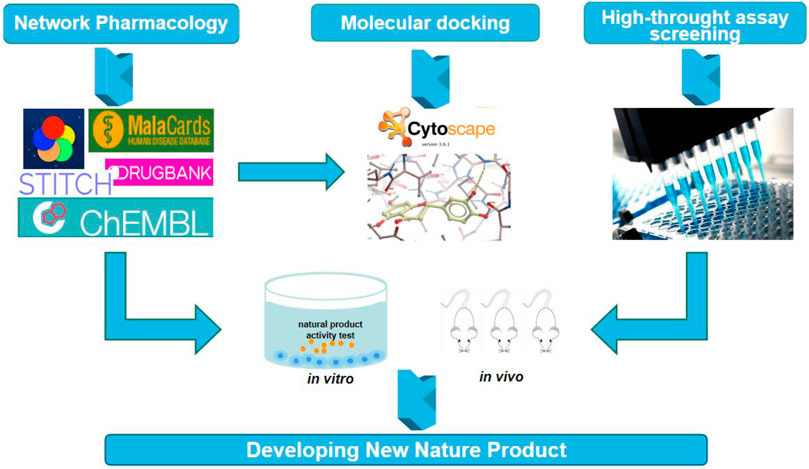
FIGURE 1. Novel strategies applied to developing nature product medicine.
Network pharmacology is an interdisciplinary subject that integrates biological networks, analyzes the relationship between drugs and nodes or network modules, and accelerates the identification of drug targets and the discovery of new biomarkers (Kibble et al., 2015). Our understanding of the biological basis of TCM treatment can be attributed to network pharmacology (Wang et al., 2020)
A study was performed that used network pharmacology to research the molecular mechanisms of Lian Hua Qing Wen (a mix of 13 herbs) in novel coronavirus disease, and the results showed that its mechanisms are closely related to modulating inflammation, antiviral action, and protecting the lungs (Zheng et al., 2020). Network pharmacology was also applied in identifying the active compounds from Kai-Xin-San, which is a TCM that consists of 1) ginseng (Panax ginseng), 2) snakeroot (Polygala tenuifolia Wild.), 3) Shi-Chang-Pu (Acorus tatarinowii Schott), and 4) Poria mushroom (Wolfiporia extensa Ginns.). Additionally, network pharmacology was used to determine which genes correlated with Alzheimer’s disease, for the purpose of finding potential signaling pathways and novel compounds (Yi et al., 2020). Network pharmacology analysis was also used to find various active compounds for treating ulcerative colitis that contained formononetin, kushenol N, and kuraridin, to lay the foundation for studying the disease (Chen et al., 2020). Overall, the study of network pharmacology can preliminarily predict the component monomers and disease targets of TCM to lay a foundation for elucidating the therapeutic mechanism of TCM, and it also can be applied in the study of EAE.
Here, we have summarized multiple online databases of Chinese herbal medicines or small molecule drugs. NPASS (http://bidd2.nus.edu.sg/NPASS) integrates species sources of natural products and connects natural products to biological targets via experimental-derived quantitative activity data (Zeng et al., 2018). TCMSP (http://tcmspw.com/tcmsp.php) contains chemicals, target, and drug-target networks, and is a pharmacology platform for Chinese herbal medicines (Ru et al., 2014). DrugBank (http://www.drugbank.ca) combines chemical and pharmacological drug data with comprehensive drug targets, including sequence, structure, and pathway (Law et al., 2014). STITCH (http://stitch.embl.de/) is a database of compound-protein interactions and can also be used for compound target prediction (Szklarczyk et al., 2016). ChEMBL (http://www.ebi.ac.uk/chembldb) contains 6,900 compounds and provides structure, function, and compound targets (Mendez et al., 2019). Moreover, there are disease databases, such as DisGeNET (http://www.disgenet.org/), which is a comprehensive database of gene-disease associations (Pinero et al., 2020). The MalaCards (http://www.malacards.org/) database includes therapeutic compounds, disease categories, profiles, and related genes (Rappaport et al., 2017). For greater insight, the disease databases can be combined with the active compound target databases via genetic and protein sequences.
Molecular Docking
Molecular docking is a drug design method based on the characteristics of receptors and the interaction mode between receptors and drug molecules. It is mainly a theoretical simulation method used to study the interaction between molecules (ligand and receptor), predict their binding ability and affinity, and verify the experimental results by assay (Liu J. et al., 2020).
Molecular docking analysis plays a significant role in predicting new drugs and medicinal repurposing (Chatterjee et al., 2020). Molecular docking can be widely used in the study of the interaction between various small molecule compounds and protein. A typical example is the use of molecular docking to promote the study of UA’s target molecules. Molecular docking revealed that UA could combine with caspase-3 protein and inhibit caspase-3 activity. Additionally, experiments in vivo and in vitro demonstrated that UA could block hepatocellular apoptosis and relieve liver injury via suppressing apoptotic caspase-3 protein (Morales Torres et al., 2020). Correspondingly, molecular docking has been used to identify a novel ligand of the aryl hydrocarbon receptor (Ahr), namely, garlic acid. Garlic acid regulates the increase in the number of Treg cells and the decrease in pro-inflammatory cytokines in EAE, which clarifies the mechanism used by garlic acid to block Ahr and subsequently achieve disease remission (Abdullah et al., 2019). Molecular docking involves the preliminary prediction of signaling pathways to treat the disease and experimental verification. For confirmation, molecular docking technology can be combined with network pharmacology to identify novel natural compounds in TCM. Cytospace and SwissDock (http://www.swissdock.ch/) can also be used to simulate the interaction between proteins and small molecule compounds (Grosdidier et al., 2011).
High-Throughput Assay For Screening
High-throughput assay for screening (HTS) technology is based on molecular and cellular levels of the experimental method. It is a rapid, sensitive, and accurate method that is used to simultaneously test thousands of novel compounds from natural products (Xu et al., 2020b). Simply, it processes a large amount of information through HTS and finds valuable information from it.
HTS can be used to identify active components of natural products and also small molecular chemical compounds. Some effective flavonoids (Tian et al., 2019), and terpenoids (Jackson et al., 2013) have been identified using Selleckchem’s products, which are helpful in the treatment of diseases (Morales Torres et al., 2020). For example, procyanidin B2 (PCB2) is a natural flavonoid that is found in common foods, and it can activate PPARγ and induce M2 polarization in mouse macrophages that inhibit the activation of inflammation in the lung tissue of rats (Tian et al., 2019). Otherwise, in immune disease, pteryxin, a coumarin derivative, is found via this website, and it can inhibit the production of LPS-induced peritoneal macrophages in mice, with the potential to be used for the treatment of Alzheimer’s disease (Orhan et al., 2017). Therefore, we can use this website to build a dedicated compound library and efficiently identify effective compounds by HTS.
Conclusions and Prospects
Flavonoids, glycosides, triterpenes, and other monomers of TCMs can alleviate EAE through different mechanisms of action, including suppressing inflammatory response, promoting neural protection, and protecting BBB integrity. These data can help formulate a specific theoretical basis for the natural-product treatment of MS diseases.
According to this review, many monomers in TCMs have a significant effect on EAE amelioration. In the EAE model, most of these Chinese herbal monomers can inhibit the production of inflammatory factors such as IL-1β and IL-17; promote anti-inflammatory factors such as IL-10, TGF-β, and others; and regulate pro-inflammatory and anti-inflammatory balance. Among them, ASI, PF, scopoletin, and 6-Gin can inhibit DC proliferation and differentiation. CA, CIG, and GA can promote the transformation of M1-type microglia into M2-type microglia and exert anti-inflammatory action. MAT counteracts inflammation by inhibiting astrocytes. In terms of BBB protection, glucosinolates and ginsenoside Rd can protect the BBB from damage, thereby reducing the severity of EAE. In addition, UA and GA promote OPC maturation and myelin regeneration. Therefore, monomer components derived from natural products have excellent prospects for the treatment of EAE, and finding monomers through the methods mentioned above represents the latest strategy. Overall, in EAE, different TCM monomers can act on various inflammatory cells or other related cells, including DCs, macrophages, T cells, microglia, and astrocytes. TCM monomers were also protective of neural cells and maintained BBB integrity. A summary of these agents is shown in Figure 2 and Table 1.
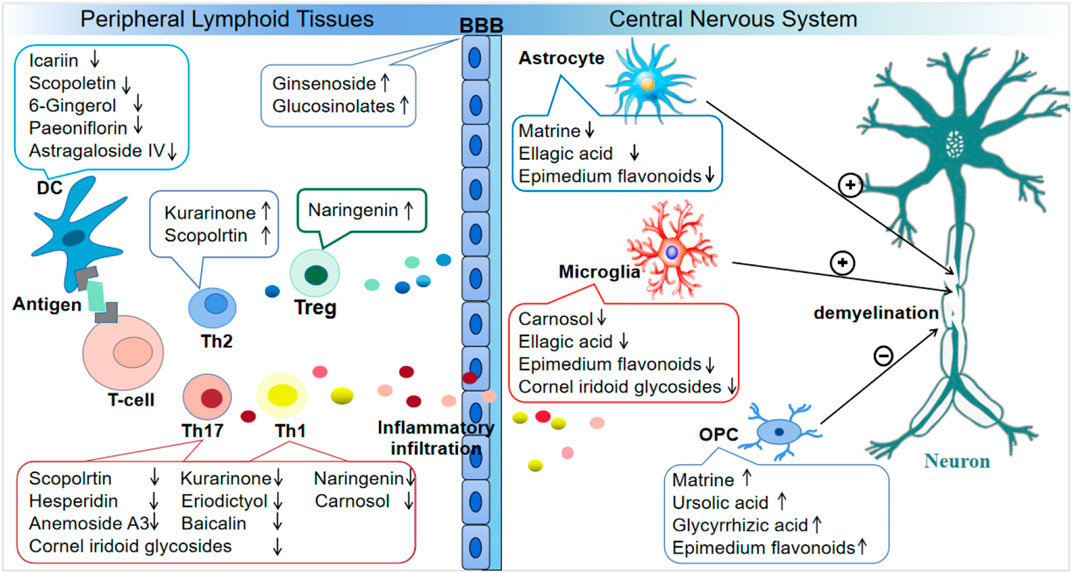
FIGURE 2. Different monomers of TCM act on various objects in EAE.
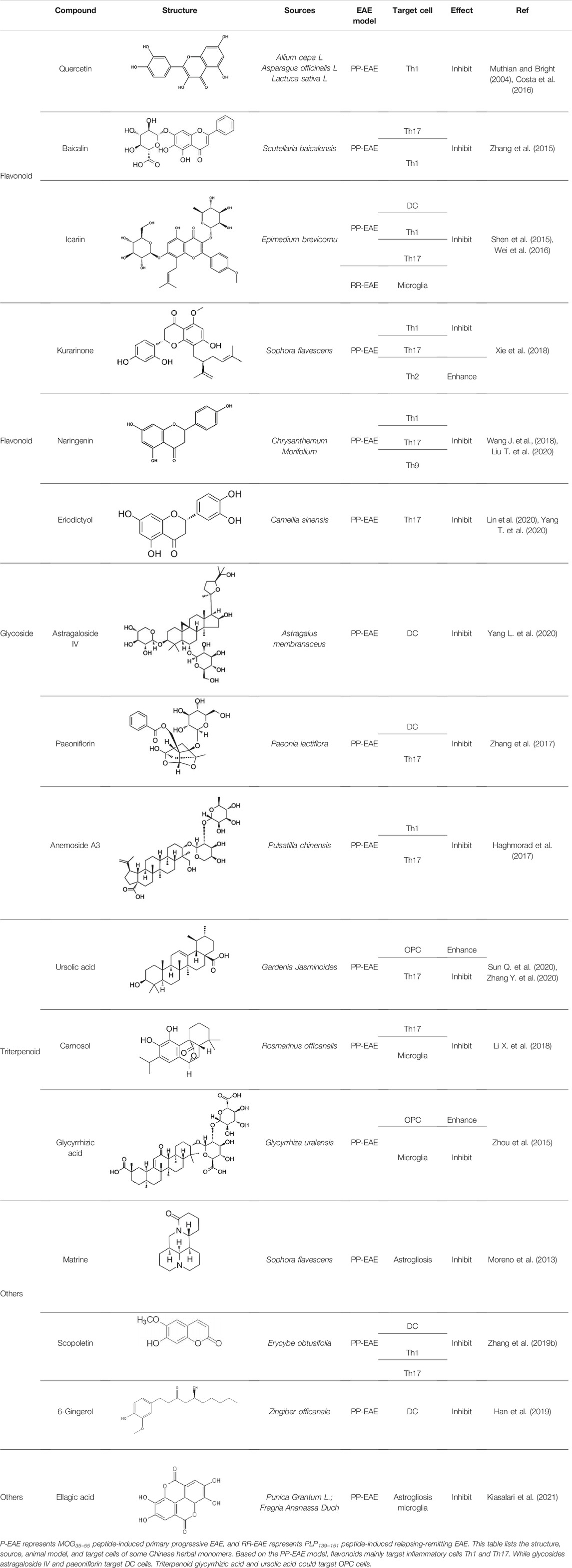
TABLE 1. Natural products act on the target cells of EAE.
It is also worth noting that there is great significance in the elucidation of the molecular mechanisms of TCM monomers. However, in performing research on the mechanism of TCM in the treatment of diseases, there are many components in each type of Chinese medicine, and because of this complexity, coupled with the existence of multiple targets, the identification of practical components is a lengthy process. Thus, network pharmacology, molecular docking, and high-throughput screening, with targeting and timeliness, can be applied to the study of TCM and used for the treatment of EAE. All of these methods can be used to identify TCM monomers and play an essential role in the elucidation of how greater effectiveness in EAE treatment can be obtained from the molecular mechanisms of TCM.
Author Contributions
YZ and XL conceived and designed the framework of this article. Y-XG wrote it. Y-HG and S-YD are responsible for revising. And L-MW and C-QL checked the article.
Funding
This study was supported by the Chinese National Natural Science Foundation (Grant Nos. 31970771, 82071396, 81771345, U1804178z) the Shaanxi Provincial Key R&D Foundation (Grant Nos. 2021ZDLSF03-09, 2020SF-314), the Fundamental Research Funds for the Central Universities (Grant No. GK202007022, GK202105002, GK202006003, TD2020039Y).
Conflict of Interest
The authors declare that the research was conducted in the absence of any commercial or financial relationships that could be construed as a potential conflict of interest.
References
Abdullah, A., Maged, M., Hairul-Islam, M. I., Osama, I. A., Maha, H., Manal, A., et al. (2019). Activation of Aryl Hydrocarbon Receptor Signaling by a Novel Agonist Ameliorates Autoimmune Encephalomyelitis. PLoS One 14, e0215981. doi:10.1371/journal.pone.0215981
Ahmad, S., Zoheir, K., Abdel-Hamied, H., Ashour, A., Bakheet, S., Attia, S., et al. (2014). Amelioration of Autoimmune Arthritis by Naringin Through Modulation of T Regulatory Cells and Th1/Th2 Cytokines. Cell. Immunol. 287, 112–120. doi:10.1016/j.cellimm.2014.01.001
Ahmed, O., Fahim, H., Ahmed, H., Al-Muzafar, H., Ahmed, R., Amin, K., et al. (2019). The Preventive Effects and the Mechanisms of Action of Navel Orange Peel Hydroethanolic Extract, Naringin, and Naringenin in N-Acetyl-p-Aminophenol-Induced Liver Injury in Wistar Rats. Oxid. Med. Cell. Longev. 2019, 2745352. doi:10.1155/2019/2745352
Akman, T. G. M., Aras, A. B., Ozkan, A., Sen, H. M., Okuyucu, A., Kalkan, Y., et al. (2015). The Neuroprotective Effect of Glycyrrhizic Acid on an Experimental Model of Focal Cerebral Ischemia in Rats. Inflammation 38, 1581–1588. doi:10.1007/s10753-015-0133-1
Alroughani, R., Van Wijmeersch, B., Al Khaboori, J., Alsharoqi, I. A., Ahmed, S. F., Hassan, A., et al. (2020). The Use of Alemtuzumab in Patients With Relapsing-Remitting Multiple Sclerosis: The Gulf Perspective. Ther. Adv. Neurol. Disord. 13, 1756286420954119. doi:10.1177/1756286420954119
Alves Monteath, S., Maciel, M., Vega, R., de Mello, H., de Araújo Martins, C., Esteves-Souza, A., et al. (2017). Ultrasound-Assisted Extraction of Ursolic Acid from the Flowers of Linn (Rubiaceae) and Antiproliferative Activity of Ursolic Acid and Synthesized Derivatives. Pharmacogn. Mag. 13, 265–269. doi:10.4103/0973-1296.204557
Aroui, S., Fetoui, H., and Kenani, A. (2020). Natural Dietary Compound Naring in Inhibits Glioblastoma Cancer Neoangiogenesis. BMC Pharmacol. Toxicol. 21, 46. doi:10.1186/s40360-020-00426-1
Assunção, P., da Conceição, E., Borges, L., and de Paula, J. (2017). Development and Validation of a HPLC-UV Method for the Evaluation of Ellagic Acid in Liquid Extracts of L. (Myrtaceae) Leaves and its Ultrasound-Assisted Extraction Optimization. Evid Based Complement. Altern. Med. 2017, 1501038. doi:10.1155/2017/1501038
Bagnoud, M., Briner, M., Remlinger, J., Meli, I., Schuetz, S., Pistor, M., et al. (2020). c-Jun N-Terminal Kinase as a Therapeutic Target in Experimental Autoimmune Encephalomyelitis. Cells 9, 2154. doi:10.3390/cells9102154
Bailly, C., Vergoten, G., and Glycyrrhizin, (2020). An Alternative Drug for the Treatment of COVID-19 Infection and the Associated Respiratory Syndrome?. Pharmacol. Ther. 214, 107618. doi:10.1016/j.pharmthera.2020.107618
Baldwin, A. (2001). Series Introduction: The Transcription Factor NF-kappaB and Human Disease. J. Clin. Invest. 107, 3–6. doi:10.1172/JCI11891
Balkrishna, A., Thakur, P., and Varshney, A. (2020). Phytochemical Profile, Pharmacological Attributes and Medicinal Properties of Convolvulus Prostratus - A Cognitive Enhancer Herb for the Management of Neurodegenerative Etiologies. Front. Pharmacol. 11, 171. doi:10.3389/fphar.2020.00171
Baradaran Rahimi, V., Ghadiri, M., Ramezani, M., and Askari, V. (2020). Antiinflammatory and Anti-Cancer Activities of Pomegranate and its Constituent, Ellagic Acid: Evidence From Cellular, Animal, and Clinical Studies. Phytother. Res. 34, 685–720. doi:10.1002/ptr.6565
Busto, R., Serna, J., Perianes-Cachero, A., Quintana-Portillo, R., García-Seisdedos, D., Canfrán-Duque, A., et al. (2018). Ellagic Acid Protects From Myelin-Associated Sphingolipid Loss in Experimental Autoimmune Encephalomyelitis. Biochim. Biophys. Acta Mol. Cell Biol. Lipids 1863, 958–967. doi:10.1016/j.bbalip.2018.05.009
Campbell, N., Fitzgerald, H., Fletcher, J., and Dunne, A. (2019). Plant-Derived Polyphenols Modulate Human Dendritic Cell Metabolism and Immune Function via AMPK-Dependent Induction of Heme Oxygenase-1. Front. Immunol. 10, 345. doi:10.3389/fimmu.2019.00345
Cao, X., and He, Q. (2020). Anti-Tumor Activities of Bioactive Phytochemicals in Sophora Flavescens for Breast Cancer. Cancer Manag. Res. 12, 1457–1467. doi:10.2147/CMAR.S243127
Ceci, C., Lacal, P., Tentori, L., De Martino, M., Miano, R., and Graziani, G. (2018). Experimental Evidence of the Antitumor, Antimetastatic and Antiangiogenic Activity of Ellagic Acid. Nutrients 10, 1756. doi:10.3390/nu10111756
Chatterjee, S., Saha, S., and Munoz, M. (2020). Molecular Pathogenesis, Immunopathogenesis and Novel Therapeutic Strategy Against COVID-19. Front. Mol. Biosci. 7, 196. doi:10.3389/fmolb.2020.00196
Chen, C. Y., Kao, C. L., and Liu, C. M. (2018). The Cancer Prevention, Anti-Inflammatory and Anti-Oxidation of Bioactive Phytochemicals Targeting the TLR4 Signaling Pathway. Int. J. Mol. Sci. 19 (9), 2729. doi:10.3390/ijms19092729
Chen, L., Shao, J., Luo, Y., Zhao, L., Zhao, K., Gao, Y., et al. (2020). An Integrated Metabolism In Vivo Analysis and Network Pharmacology in UC Rats Reveal Anti-Ulcerative Colitis Effects From Sophora Flavescens EtOAc Extract. J. Pharm. Biomed. Anal. 186, 113306. doi:10.1016/j.jpba.2020.113306
Chen, R., Wang, X., Zhang, Y., Xing, Y., Yang, L., Ni, H., et al. (2019). Simultaneous Extraction and Separation of Oil, Proteins, and Glucosinolates From Moring a Oleifera Seeds. Food Chem. 300, 125162. doi:10.1016/j.foodchem.2019.125162
Chen, S., Wu, C., Hwang, W., and Yang, D. (2017). More Insight into BDNF Against Neurodegeneration: Anti-Apoptosis, Anti-Oxidation, and Suppression of Autophagy. Int. J. Mol. Sci. 18. doi:10.3390/ijms18030545
Choi, R., Ham, J., Lee, H., Cho, H., Choi, M., Park, S., et al. (2017). Scopoletin Supplementation Ameliorates Steatosis and Inflammation in Diabetic Mice. Phytother. Res. 31, 1795–1804. doi:10.1002/ptr.5925
Chotphruethipong, L., Benjakul, S., and Kijroongrojana, K. (2019). Ultrasound Assisted Extraction of Antioxidative Phenolics From Cashew (Anacardium occidentale L.) Leaves. J. Food Sci. Technol. 56, 1785–1792. doi:10.1007/s13197-019-03617-9
Chung, T. W., Lin, C. C., Lin, S. C., Chan, H. L., and Yang, C. C. (2019). Antitumor Effect of Kurarinone and Underlying Mechanism in Small Cell Lung Carcinoma Cells. Onco Targets Ther. 12, 6119–6131. doi:10.2147/OTT.S214964
Ciftci, O., Ozcan, C., Kamisli, O., Cetin, A., and Basak, N. (2015). Aytac B., Hesperidin, a Citrus Flavonoid, Has the Ameliorative Effects Against Experimental Autoimmune Encephalomyelitis (EAE) in a C57BL/J6 Mouse Model. Neurochem. Res. 40, 1111–1120. doi:10.1007/s11064-015-1571-8
Ciumărnean, L., Milaciu, M. V., Runcan, O., Vesa, S. C., Răchişan, A. L., Negrean, V., et al. (2020). The Effects of Flavonoids in Cardiovascular Diseases. Molecules 25 (18), 4320. doi:10.3390/molecules25184320
Cong, H., Zhang, M., Chang, H., Du, L., Zhang, X., and Yin, L. (2020). Icariin Ameliorates the Progression of Experimental Autoimmune Encephalomyelitis by Down-Regulating the Major Inflammatory Signal Pathways in a Mouse Relapse-Remission Model of Multiple Sclerosis. Eur. J. Pharmacol. 885, 173523. doi:10.1016/j.ejphar.2020.173523
Costa, L., Garrick, J., Roquè, P., and Pellacani, C. (2016). Mechanisms of Neuroprotection by Quercetin: Counteracting Oxidative Stress and More. Oxid. Med. Cell. Longev. 2016, 2986796. doi:10.1155/2016/2986796
Cree, B., Goldman, M., Corboy, J., Singer, B., Fox, E., Arnold, D., et al. (2020). Efficacy and Safety of 2 Fingolimod Doses vs Glatiramer Acetate for the Treatment of Patients With Relapsing-Remitting Multiple Sclerosis: A Randomized Clinical Trial. JAMA Neurol. 78 (1), 48. doi:10.1001/jamaneurol.2020.2950
Cree, B., Goldman, M., Corboy, J., Singer, B., Fox, E., Arnold, D., et al. (2020). Efficacy and Safety of 2 Fingolimod Doses vs Glatiramer Acetate for the Treatment of Patients With Relapsing-Remitting Multiple Sclerosis: A Randomized Clinical Trial. JAMA Neurol. 78, 1–13. doi:10.1001/jamaneurol.2020.2950
de Oliveira, M., Nabavi, S., Habtemariam, S., Erdogan Orhan, I., Daglia, M., and Nabavi, S. (2015). The Effects of Baicalein and Baicalin on Mitochondrial Function and Dynamics: A Review. Pharmacol. Res. 100, 296–308. doi:10.1016/j.phrs.2015.08.021
de Oliveira, M. R. (2015). The Dietary Components Carnosic Acid and Carnosol as Neuroprotective Agents: A Mechanistic View. Mol. Neurobiol. 53, 6155–6168. doi:10.1007/s12035-015-9519-1
Di Nardo, G., and Gilardi, G. (2020). Natural Compounds as Pharmaceuticals: The Key Role of Cytochromes P450 Reactivity. Trends Biochem. Sci. 45, 511–525. doi:10.1016/j.tibs.2020.03.004
Dietz, B., Hajirahimkhan, A., Dunlap, T., and Bolton, J. (2016). Botanicals and Their Bioactive Phytochemicals for Women’s Health. Pharmacol. Rev. 68, 1026–1073. doi:10.1124/pr.115.010843
El-Deeb, O., Ghanem, H., El-Esawy, R., and Sadek, M. (2019). The Modulatory Effects of Luteolin on Cyclic AMP/Ciliary Neurotrophic Factor Signaling Pathway in Experimentally Induced Autoimmune Encephalomyelitis. IUBMB Life 71, 1401–1408. doi:10.1002/iub.2099
Foti Cuzzola, V., Galuppo, M., Iori, R., De Nicola, G., Cassata, G., Giacoppo, S., et al. (2013). Beneficial Effects of (RS)-Glucoraphanin on the Tight junction Dysfunction in a Mouse Model of Restraint Stress. Life Sci. 93, 288–305. doi:10.1016/j.lfs.2013.07.003
Galuppo, M., Giacoppo, S., De Nicola, G., Iori, R., Mazzon, E., and Bramanti, P. (2013). RS-glucoraphanin Bioactivated With Myrosinase Treatment Counteracts Proinflammatory Cascade and Apoptosis Associated to Spinal Cord Injury in an Experimental Mouse Model. J. Neurol. Sci. 334, 88–96. doi:10.1016/j.jns.2013.07.2514
Gandhi, G., Vasconcelos, A., Wu, D., Li, H., Antony, P., Li, H., et al. (2020). Citrus Flavonoids as Promising Phytochemicals Targeting Diabetes and Related Complications: A Systematic Review of In Vitro and In Vivo Studies. Nutrients 12 (10), 2907. doi:10.3390/nu12102907
Giacoppo, S., Galuppo, M., Iori, R., De Nicola, G., Cassata, G., Bramanti, P., et al. (2013). Protective Role of (RS )-Glucoraphanin Bioactivated With Myrosinase in an Experimental Model of Multiple Sclerosis. CNS Neurosci. Ther. 19, 577–584. doi:10.1111/cns.12106
Grosdidier, A., Zoete, V., and Michielin, O. (2011). SwissDock, a Protein-Small Molecule Docking Web Service Based on EA Dock DSS. Nucleic. Acids Res. 39, W270–W277. doi:10.1093/nar/gkr366
Guo, Z., Zhang, L., Song, C., and Zhang, X. (2011). Molecularly Imprinted Solid-Phase Extraction of Matrine From Radix Sophorae Tonkinensis. Analyst 136, 3016–3022. doi:10.1039/c1an15281e
Habtemariam, S. (2019). The Nrf2/HO-1 Axis as Targets for Flavanones: Neuroprotection by Pinocembrin, Naringenin, and Eriodictyol. Oxid. Med. Cell. Longev. 2019, 4724920. doi:10.1155/2019/4724920
Haghmorad, D., Mahmoudi, M., Salehipour, Z., Jalayer, Z., Momtazi Brojeni, A., Rastin, M., et al. (2017). Hesperidin Ameliorates Immunological Outcome and Reduces Neuroinflammation in the Mouse Model of Multiple Sclerosis. J. Neuroimmunol. 302, 23–33. doi:10.1016/j.jneuroim.2016.11.009
Halawany, A., Sayed, N., Abdallah, H., and Dine, R. (2017). Protective Effects of Gingerol on Streptozotocin-Induced Sporadic Alzheimer’s Disease: Emphasis on Inhibition of β-amyloid, COX-2, Alpha-, Beta - Secretases and APH1a. Sci. Rep. 7, 2902. doi:10.1038/s41598-017-02961-0
Han, J., Li, X., Ye, Z., Lu, X., Yang, T., Tian, J., et al. (2019). Treatment with 6-Gingerol Regulates Dendritic Cell Activity and Ameliorates the Severity of Experimental Autoimmune Encephalomyelitis. Mol. Nutr. Food Res. 63, e1801356. doi:10.1002/mnfr.201801356
Hao, C., Chen, L., Dong, H., Xing, W., Xue, F., and Cheng, Y. (2020). Extraction of Flavonoids From Scutellariae Radix Using Ultrasound-Assisted Deep Eutectic Solvents and Evaluation of Their Anti-Inflammatory Activities. ACS Omega 5, 23140–23147. doi:10.1021/acsomega.0c02898
He, J., Yuan, R., Cui, X., Cui, Y., Han, S., Wang, Q., et al. (2020). Anemoside B4 Protects Against - and Influenza Virus FM1-induced Pneumonia via the TLR4/Myd88 Signaling Pathway in Mice. Chin. Med. 15, 68. doi:10.1186/s13020-020-00350-w
He, P., Yan, S., Zheng, J., Gao, Y., Zhang, S., Liu, Z., et al. (2018). Eriodictyol Attenuates LPS-Induced Neuroinflammation, Amyloidogenesis, and Cognitive Impairments via the Inhibition of NF-κB in Male C57BL/6J Mice and BV2 Microglial Cells. J. Agric. Food Chem. 66, 10205–10214. doi:10.1021/acs.jafc.8b03731
He, Y., Du, M., Gao, Y., Liu, H., Wang, H., Wu, X., et al. (2013). Astragaloside IV Attenuates Experimental Autoimmune Encephalomyelitis of Mice by Counteracting Oxidative Stress at Multiple Levels. PLoS One 8, e76495. doi:10.1371/journal.pone.0076495
Hendriks, J., Alblas, J., van der Pol, S., van Tol, E., Dijkstra, C., and de Vries, H. (2004). Flavonoids Influence Monocytic GTPase Activity and Are Protective in Experimental Allergic Encephalitis. J. Exp. Med. 200, 1667–1672. doi:10.1084/jem.20040819
Hibbits, N., Yoshino, J., Le, T., and Armstrong, R. (2012). Astrogliosis During Acute and Chronic Cuprizone Demyelination and Implications for Remyelination. ASN Neuro 4, 393–408. doi:10.1042/AN20120062
Ichwan, M., Walker, T., Nicola, Z., Ludwig-Müller, J., Böttcher, C., Overall, R., et al. (2021). Apple Peel and Flesh Contain Pro-Neurogenic Compounds. Stem Cell Rep. 16, 548–565. doi:10.1016/j.stemcr.2021.01.005
Ikram, M., Ullah, R., Khan, A., and Kim, M. O. (2020). Ongoing Research on the Role of Gintonin in the Management of Neurodegenerative Disorders. Cells 9 (6), 1464. doi:10.3390/cells9061464
Imran, M., Rauf, A., Abu-Izneid, T., Nadeem, M., Shariati, M., Khan, I., et al. (2019). Luteolin, a Flavonoid, as an Anticancer Agent: A Review. Biomed. Pharmacother. 112, 108612. doi:10.1016/j.biopha.2019.108612
Ip, F., Fu, W., Cheng, E., Tong, E., Lok, K., Liang, Y., et al. (2015). Anemoside A3 Enhances Cognition through the Regulation of Synaptic Function and Neuroprotection. Neuropsychopharmacology 40, 1877–1887. doi:10.1038/npp.2015.37
Ip, F., Ng, Y., Or, T., Sun, P., Fu, G., Li, J., et al. (2017). Anemoside A3 Ameliorates Experimental Autoimmune Encephalomyelitis by Modulating T Helper 17 Cell Response. PLos One 12, e0182069. doi:10.1371/journal.pone.0182069
Islam, A., Islam, M., Rahman, M., Uddin, M., and Akanda, M. (2020). The Pharmacological and Biological Roles of Eriodictyol. Arch. Pharm. Res. 43, 582–592. doi:10.1007/s12272-020-01243-0
Jackson, M., Chen, X., Du, Y., Nan, J., Zhang, X., Qin, X., et al. (2013). Brevilin A, a Novel Natural Product, Inhibits Janus Kinase Activity and Blocks STAT3 Signaling in Cancer Cells. PLoS One 8, e63697. doi:10.1371/journal.pone.0063697
Jacotet-Navarro, M., Rombaut, N., Fabiano-Tixier, A., Danguien, M., Bily, A., and Chemat, F. (2015). Ultrasound Versus Microwave as green Processes for Extraction of Rosmarinic, Carnosic and Ursolic Acids From Rosemary. Ultrason. Sonochem. 27, 102–109. doi:10.1016/j.ultsonch.2015.05.006
Jakovljević, M., Jokić, S., Molnar, M., and Jerković, I. (2021). Application of Deep Eutectic Solvents for the Extraction of Carnosic Acid and Carnosol from Sage (Salvia officinalis L.) With Response Surface Methodology Optimization. Plants 10, 80. doi:10.3390/plants10010080
Ji, Y., Li, X., Wang, Z., Xiao, W., He, Z., Xiong, Z., et al. (2020). Extraction Optimization of Accelerated Solvent Extraction for Eight Active Compounds From Yaobitong Capsule Using Response Surface Methodology: Comparison With Ultrasonic and Reflux Extraction. J. Chromatogr. A 1620, 460984. doi:10.1016/j.chroma.2020.460984
Jokić, S., Rajić, M., Bilić, B., and Molnar, M. (2016). Supercritical Extraction of Scopoletin from Helichrysum Italicum (Roth) G. Don Flowers. Phytochem. Anal. 27, 290–295. doi:10.1002/pca.2630
Kao, T. C., Wu, C. H., and Yen, G. C. (2014). Bioactivity and Potential Health Benefits of Licorice. J. Agric. Food Chem. 62, 542–553. doi:10.1021/jf404939f
Kawamoto, Y., Ueno, Y., Nakahashi, E., Obayashi, M., Sugihara, K., Qiao, S., et al. (2016). Prevention of Allergic Rhinitis by Ginger and the Molecular Basis of Immunosuppression by 6-Gingerol Through T Cell Inactivation. J. Nutr. Biochem. 27, 112–122. doi:10.1016/j.jnutbio.2015.08.025
Khan, A., Ikram, M., Hahm, J., and Kim, M. (2020). Antioxidant and Anti-inflammatory Effects of Flavonoid Hesperetin: Special Focus on Neurological Disorders. Antioxidants 9, 609. doi:10.3390/antiox9070609
Khwaza, V., Oyedeji, O., and Aderibigbe, B. (2020). Ursolic Acid-Based Derivatives as Potential Anti-Cancer Agents: An Update. Int. J. Mol. Sci. 21, 5920. doi:10.3390/ijms21165920
Kiasalari, Z., Afshin-Majd, S., Baluchnejadmojarad, T., Azadi-Ahmadabadi, E., Esmaeil-Jamaat, E., Fahanik-Babaei, J., et al. (2021). Ellagic Acid Ameliorates Neuroinflammation and Demyelination in Experimental Autoimmune Encephalomyelitis: Involvement of NLRP3 and Pyroptosis. J. Chem. Neuroanat. 111, 101891. doi:10.1016/j.jchemneu.2020.101891
Kibble, M., Saarinen, N., Tang, J., Wennerberg, K., Makela, S., and Aittokallio, T. (2015). Network Pharmacology Applications to Map the Unexplored Target Space and Therapeutic Potential of Natural Products. Nat. Prod. Rep. 32, 1249–1266. doi:10.1039/c5np00005j
Ko, M., Nam, H., and Chung, M. (2019). Conversion of 6-Gingerol to 6-Shogaol in Ginger (Zingiber Officinale) Pulp and Peel during Subcritical Water Extraction. Food Chem. 270, 149–155. doi:10.1016/j.foodchem.2018.07.078
Law, V., Knox, C., Djoumbou, Y., Jewison, T., Guo, A., Liu, Y., et al. (2014). DrugBank 4.0: Shedding New Light on Drug Metabolism. Nucleic. Acids Res. 42, D1091–D1097. doi:10.1093/nar/gkt1068
Lee, E., Jeong, K., Shin, A., Jin, B., Jnawali, H., Jun, B., et al. (2013). Binding Model for Eriodictyol to Jun-N Terminal Kinase and its Anti-Inflammatory Signaling Pathway. BMB Rep. 46, 594–599. doi:10.5483/bmbrep.2013.46.12.092
Lefebvre, T., Destandau, E., and Lesellier, E. (2021). Sequential Extraction of Carnosic Acid, Rosmarinic Acid and Pigments (Carotenoids and Chlorophylls) from Rosemary by Online Supercritical Fluid Extraction-Supercritical Fluid Chromatography. J. Chromatogr. A 1639, 461709. doi:10.1016/j.chroma.2020.461709
Li, J., Shi, J., Sun, Y., and Zheng, F. (2018). Glycyrrhizin, a Potential Drug for Autoimmune Encephalomyelitis by Inhibiting High-Mobility Group Box 1. DNA Cell Biol. 37, 941–946. doi:10.1089/dna.2018.4444
Li, X., Chu, S., Lin, M., Gao, Y., Liu, Y., Yang, S., et al. (2020). Anticancer Property of Ginsenoside Rh2 From Ginseng. Eur. J. Med. Chem. 203, 112627. doi:10.1016/j.ejmech.2020.112627
Li, X., Sun, R., and Liu, R. (2019). Natural Products in Licorice for the Therapy of Liver Diseases: Progress and Future Opportunities. Pharmacol. Res. 144, 210–226. doi:10.1016/j.phrs.2019.04.025
Li, X., Zhang, Y., Yan, Y., Ciric, B., Ma, C.-G., Gran, B., et al. (2016). Neural Stem Cells Engineered to Express Three Therapeutic Factors Mediate Recovery From Chronic Stage CNS Autoimmunity. Mol. Ther. 24, 1456–1469. doi:10.1038/mt.2016.104
Li, X., Zhao, L., Han, J., Zhang, F., Liu, S., Zhu, L., et al. (2018). Carnosol Modulates Th17 Cell Differentiation and Microglial Switch in Experimental Autoimmune Encephalomyelitis. Front. Immunol. 9, 1807. doi:10.3389/fimmu.2018.01807
Li, Y., Liu, T., Li, Y., Han, D., Hong, J., Yang, N., et al. (2020b). Baicalin Ameliorates Cognitive Impairment and Protects Microglia From LPS-Induced Neuroinflammation via the SIRT1/HMGB1 Pathway. Oxid. Med. Cell. Longev. 2020, 4751349. doi:10.1155/2020/4751349
Li, Y., Song, K., Zhang, H., Yuan, M., An, N., Wei, Y., et al. (2020a). Anti-inflammatory and Immunomodulatory Effects of Baicalin in Cerebrovascular and Neurological Disorders. Brain Res. Bull. 164, 314–324. doi:10.1016/j.brainresbull.2020.08.016
Li, Y., Zou, M., Han, Q., Deng, L., and Weinshilboum, R. (2020c). Therapeutic Potential of Triterpenoid Saponin Anemoside B4 from Pulsatilla Chinensis. Pharmacol. Res. 160, 105079. doi:10.1016/j.phrs.2020.105079
Liang, Q., Zhang, J., Su, X., Meng, Q., and Dou, J. (2019). Panax Ginseng Extraction and Separation of Eight Ginsenosides from Flower Buds of Using Aqueous Ionic Liquid-Based Ultrasonic-Assisted Extraction Coupled with an Aqueous Biphasic System. Molecules 24, 778. doi:10.3390/molecules24040778
Lin, S., Dong, Y., Li, X., Xing, Y., Liu, M., and Sun, X. (2020). Camellia Sinensis JA-Ile-Macrolactone 5b Induces Tea Plant (Camellia sinensis) Resistance to Both Herbivore and Pathogen Colletotrichum camelliae. Int. J. Mol. Sci. 21 (5), 1828. doi:10.3390/ijms21051828
Liu, J., Zhang, Q., Li, R. L., Wei, S. J., Gao, Y. X., Ai, L., et al. (2020). Anti-proliferation and Anti-migration Effects of an Aqueous Extract of Cinnamomi Ramulus on MH7A Rheumatoid Arthritis-Derived Fibroblast-like Synoviocytes through Induction of Apoptosis, Cell Arrest and Suppression of Matrix Metalloproteinase. Pharm. Biol. 58, 863–877. doi:10.1080/13880209.2020.1810287
Liu, T., Zhou, N., Xu, R., Cao, Y., Zhang, Y., Liu, Z., et al. (2020). A Metabolomic Study on the Anti-Depressive Effects of Two Active Components from Chrysanthemum morifolium. Artif. Cell Nanomed. Biotechnol. 48, 718–727. doi:10.1080/21691401.2020.1774597
Liu, Y., Liu, J., and Zhang, Y. (2019). Research Progress on Chemical Constituents of Zingiber Officinale Roscoe. Biomed. Res. Int. 2019, 5370823. doi:10.1155/2019/5370823
Liu, Y., Xiang, J., Liu, M., Wang, S., Lee, R., and Ding, H. (2011). Protective Effects of Glycyrrhizic Acid by Rectal Treatment on a TNBS-Induced Rat Colitis Model. J. Pharm. Pharmacol. 63, 439–446. doi:10.1111/j.2042-7158.2010.01185.x
Liu, Y., Zhang, H., Yu, H., Guo, S., and Chen, D. (2019). Deep Eutectic Solvent as a green Solvent for Enhanced Extraction of Narirutin, Naringin, Hesperidin and Neohesperidin from Aurantii Fructus. Phytochem. Anal. : PCA 30, 156–163. doi:10.1002/pca.2801
López-Hortas, L., Pérez-Larrán, P., González-Muñoz, M., Falqué, E., and Domínguez, H. (2018). Recent Developments on the Extraction and Application of Ursolic Acid. A Review. Food Res. Int. 103, 130–149. doi:10.1016/j.foodres.2017.10.028
Ma, W., Zhang, M., Liu, S., Wang, M., Shi, Y., Yang, T., et al. (2020). Matrine Alleviates Astrogliosis through Sphingosine 1-phosphate Signaling in Experimental Autoimmune Encephalomyelitis. Neurosci. Lett. 715, 134599. doi:10.1016/j.neulet.2019.134599
Ma, X., Zhang, W., Jiang, Y., Wen, J., Wei, S., and Zhao, Y. (2020). Paeoniflorin, a Natural Product With Multiple Targets in Liver Diseases-A Mini Review. Front. Pharmacol. 11, 531. doi:10.3389/fphar.2020.00531
Madhu, K., Prakash, T., and Maya, S. (2019). Bacoside-A Inhibits Inflammatory Cytokines and Chemokine in Experimental Autoimmune Encephalomyelitis. Biomed. Pharmacother. 109, 1339–1345. doi:10.1016/j.biopha.2018.10.188
Maior, M., and Dobrotă, C. (2013). Natural Compounds With Important Medical Potential Found in Helleborus sp. Open Life Sci. 8, 272–285. doi:10.2478/s11535-013-0129-x
Manzoor, M., Ahmad, N., Ahmed, Z., Siddique, R., Zeng, X., Rahaman, A., et al. (2019). Novel Extraction Techniques and Pharmaceutical Activities of Luteolin and its Derivatives. J. Food Biochem. 43, e12974. doi:10.1111/jfbc.12974
Marunaka, Y., Marunaka, R., Sun, H., Yamamoto, T., Kanamura, N., Inui, T., et al. (2017). Actions of Quercetin, a Polyphenol, on Blood Pressure. Molecules (Basel, Switzerland) 22, 209. doi:10.3390/molecules22020209
Mendez, D., Gaulton, A., Bento, A., Chambers, J., De Veij, M., Félix, E., et al. (2019). ChEMBL: Towards Direct Deposition of Bioassay Data. Nucleic Acids Res. 47, D930–D940. doi:10.1093/nar/gky1075
Meng, F., Li, Y., Xiong, Z., Jiang, Z., and Li, F. (2005). Osteoblastic Proliferative Activity of Epimedium Brevicornum Maxim. Phytomedicine 12, 189–193. doi:10.1016/j.phymed.2004.03.007
Mlala, S., Oyedeji, A., Gondwe, M., and Oyedeji, O. (2019). Ursolic Acid and its Derivatives as Bioactive Agents. Molecules 24, 2751. doi:10.3390/molecules24152751
Morales Torres, C., Wu, M., Hobor, S., Wainwright, E., Martin, M., Patel, H., et al. (2020). Selective Inhibition of Cancer Cell Self-Renewal Through a Quisinostat-Histone H1.0 Axis. Nat. Commun. 11, 1792. doi:10.1038/s41467-020-15615-z
Moreno, M., Guo, F., Mills Ko, E., Bannerman, P., Soulika, A., and Pleasure, D. (2013). Origins and Significance of Astrogliosis in the Multiple Sclerosis Model, MOG Peptide EAE. J. Neurol. Sci. 333, 55–59. doi:10.1016/j.jns.2012.12.014
Muthian, G. B. J. (2004). Quercetin, a Flavonoid Phytoestrogen, Ameliorates Experimental Allergic Encephalomyelitis by Blocking IL-12 Signaling through JAK-STAT Pathway in T Lymphocyte. J. Clin. Immunol. 24, 542–552. doi:10.1023/B:JOCI.0000040925.55682.a5
Muthian, G., and Bright, J. (2004). Quercetin, a Flavonoid Phytoestrogen, Ameliorates Experimental Allergic Encephalomyelitis by Blocking IL-12 Signaling Through JAK-STAT Pathway in T Lymphocyte. J. Clin. Immunol. 24, 542–552. doi:10.1023/B:JOCI.0000040925.55682.a5
Nabavi, S., Braidy, N., Gortzi, O., Sobarzo-Sanchez, E., Daglia, M., Skalicka-Woźniak, K., et al. (2015). Luteolin as an Anti-Inflammatory and Neuroprotective Agent: A Brief Review. Brain Res. Bull. 119, 1–11. doi:10.1016/j.brainresbull.2015.09.002
Nabavi, S., Sureda, A., Habtemariam, S., and Nabavi, S. (2015). Ginsenoside Rd and Ischemic Stroke; A Short Review of Literatures. J. Ginseng Res. 39, 299–303. doi:10.1016/j.jgr.2015.02.002
Nam, H., and Kim, M. M. (2015). Scopoletin Has a Potential Activity for Anti-aging via Autophagy in Human Lung Fibroblasts. Phytomedicine 22, 362–368. doi:10.1016/j.phymed.2015.01.004
Nishikawa, S., Inoue, Y., Hori, Y., Miyajima, C., Morishita, D., Ohoka, N., et al. (2020). Anti-Inflammatory Activity of Kurarinone Involves Induction of HO-1 via the KEAP1/Nrf2 Pathway. Antioxidants 9, 842. doi:10.3390/antiox9090842
Orefice, N. S., Guillemot-Legris, O., Capasso, R., Bottemanne, P., Hantraye, P., Caraglia, M., et al. (2020). miRNA Profile is Altered in a Modified EAE Mouse Model of Multiple Sclerosis Featuring Cortical Lesions. Elife 9, e56916. doi:10.7554/eLife.56916
Orhan, I., Senol, F., Shekfeh, S., Skalicka-Wozniak, K., and Banoglu, E. (2017). Pteryxin - A Promising Butyrylcholinesterase-Inhibiting Coumarin Derivative from Mutellina Purpurea. Food Chem. Toxicol. 109, 970–974. doi:10.1016/j.fct.2017.03.016
Oveissi, V., Ram, M., Bahramsoltani, R., Ebrahimi, F., Rahimi, R., Naseri, R., et al. (2019). Medicinal Plants and Their Isolated Phytochemicals for the Management of Chemotherapy-Induced Neuropathy: Therapeutic Targets and Clinical Perspective. Daru : J. Fac. Pharm. 27, 389–406. doi:10.1007/s40199-019-00255-6
Patridge, E., Gareiss, P., Kinch, M. S., and Hoyer, D. (2016). An Analysis of FDA-Approved Drugs: Natural Products and Their Derivatives. Drug Discov. Today 21, 204–207. doi:10.1016/j.drudis.2015.01.009
Piao, X., Zhang, H., Kang, J., Yang, D., Li, Y., Pang, S., et al. (2020). Advances in Saponin Diversity of Panax Ginseng. Molecules 25, 3452. doi:10.3390/molecules25153452
Pinero, J., Ramirez-Anguita, J. M., Sauch-Pitarch, J., Ronzano, F., Centeno, E., Sanz, F., et al. (2020). The DisGeNET Knowledge Platform for Disease Genomics: 2019 Update. Nucleic Acids Res. 48, D845–D855. doi:10.1093/nar/gkz1021
Pinto, M., and Fernandes, A. (2020). Microglial Phagocytosis-Rational but Challenging Therapeutic Target in Multiple Sclerosis. Int. J. Mol. Sci. 21, 5960. doi:10.3390/ijms21175960
Qin, J., Feng, J., Li, Y., Mo, K., and Lu, S. (2011). Ultrasonic-Assisted Liquid-Liquid Extraction and HILIC-ELSD Analysis of Ginsenoside Rb(1), Astragaloside IV and Dulcitol in Sugar-Free “Fufangfufangteng Heji”. J. Pharm. Biomed. Anal. 56, 836–840. doi:10.1016/j.jpba.2011.07.033
Qu, Z., Zheng, N., Wei, Y., Chen, Y., Zhang, Y., Zhang, M., et al. (2019). Effect of Cornel Iridoid Glycoside on Microglia Activation through Suppression of the JAK/STAT Signalling Pathway. J. Neuroimmunol. 330, 96–107. doi:10.1016/j.jneuroim.2019.01.014
Qu, Z., Zheng, N., Zhang, Y., Zhang, L., Liu, J., Wang, Q., et al. (2016). Preventing the BDNF and NGF Loss Involved in the Effects of Cornel Iridoid Glycoside on Attenuation of Experimental Autoimmune Encephalomyelitis in Mice. Neurol. Res. 38, 831–837. doi:10.1080/01616412.2016.1200766
Rappaport, N., Twik, M., Plaschkes, I., Nudel, R., Iny Stein, T., Levitt, J., et al. (2017). MalaCards: An Amalgamated Human Disease Compendium With Diverse Clinical and Genetic Annotation and Structured Search. Nucleic Acids Res. 45, D877–D887. doi:10.1093/nar/gkw1012
Rodrigues, M., Kanazawa, L., das Neves, T., da Silva, C., Horst, H., Pizzolatti, M., et al. (2012). Antinociceptive and Anti-Inflammatory Potential of Extract and Isolated Compounds From the Leaves of Salvia Officinalis in Mice. J. Ethnopharmacol. 139, 519–526. doi:10.1016/j.jep.2011.11.042
Ru, J., Li, P., Wang, J., Zhou, W., Li, B., Huang, C., et al. (2014). TCMSP: a Database of Systems Pharmacology for Drug Discovery from Herbal Medicines. J. Cheminform. 6, 13. doi:10.1186/1758-2946-6-13
Shabkhiz, M., Eikani, M., Bashiri Sadr, Z., and Golmohammad, F. (2016). Superheated Water Extraction of Glycyrrhizic Acid From Licorice Root. Food Chem. 210, 396–401. doi:10.1016/j.foodchem.2016.05.006
Sharma, A., and Lee, H. (2020). Ginsenoside Compound K: Insights into Recent Studies on Pharmacokinetics and Health-Promoting Activities. Biomolecules 10 (7), 1028. doi:10.3390/biom10071028
Shen, J., Li, P., Liu, S., Liu, Q., Li, Y., Sun, Y., et al. (2021). Traditional Uses, Ten-Years Research Progress on Phytochemistry and Pharmacology, and Clinical Studies of the Genus Scutellaria. J. Ethnopharmacol. 265, 113198. doi:10.1016/j.jep.2020.113198
Shen, R., Deng, W., Li, C., and Zeng, G. (2015). A Natural Flavonoid Glucoside Icariin Inhibits Th1 and Th17 Cell Differentiation and Ameliorates Experimental Autoimmune Encephalomyelitis. Int. Immunopharmacol. 24, 224–231. doi:10.1016/j.intimp.2014.12.015
Shin, I., Lee, M., Jung, D., Seo, C., Ha, H., and Shin, H. (2012). Ursolic Acid Reduces Prostate Size and Dihydrotestosterone Level in a Rat Model of Benign Prostatic Hyperplasia. Food Chem. Toxicol. 50, 884–888. doi:10.1016/j.fct.2012.01.007
Song, J., Lee, J., Shim, B., Lee, C., Choi, S., Kang, C., et al. (2013). Glycyrrhizin Alleviates Neuroinflammation and Memory Deficit Induced by Systemic Lipopolysaccharide Treatment in Mice. Molecules 18, 15788–15803. doi:10.3390/molecules181215788
Sun, C., Xie, Y., Tian, Q., and Liu, H. (2008). Analysis of Glycyrrhizic Acid and Liquiritin in Liquorice Root with Microwave-Assisted Micellar Extraction and Pre-concentration. Phytochem. Anal. 19, 160–163. doi:10.1002/pca.1031
Sun, N., Zhang, H., Sun, P., Khan, A., Guo, J., Zheng, X., et al. (2020). Matrine Exhibits Antiviral Activity in a PRRSV/PCV2 Co-infected Mouse Model. Phytomedicine 77, 153289. doi:10.1016/j.phymed.2020.153289
Sun, Q., He, M., Zhang, M., Zeng, S., Chen, L., Zhou, L., et al. (2020). Ursolic Acid: A Systematic Review of its Pharmacology, Toxicity and Rethink on its Pharmacokinetics Based on PK-PD Model. Fitoterapia 147, 104735. doi:10.1016/j.fitote.2020.104735
Syed, A., Reza, M., Shafiq, M., Kumariya, S., Singh, P., Husain, A., et al. (2020). Naringin Ameliorates Type 2 Diabetes Mellitus-Induced Steatohepatitis by Inhibiting RAGE/NF-κB Mediated Mitochondrial Apoptosis. Life Sci. 257, 118118. doi:10.1016/j.lfs.2020.118118
Syed Jaapar, S., Morad, N., Iwai, Y., and Nordin, M. (2017). Effects of Processing Parameters in the Sonic Assisted Water Extraction (SAWE) of 6-gingerol. Ultrason. Sonochem. 38, 62–74. doi:10.1016/j.ultsonch.2017.02.034
Szklarczyk, D., Santos, A., von Mering, C., Jensen, L., Bork, P., and Kuhn, M. (2016). STITCH 5: Augmenting Protein-Chemical Interaction Networks With Tissue and Affinity Data. Nucleic Acids Res. 44, D380–D384. doi:10.1093/nar/gkv1277
Tan, H., Chan, K., Pusparajah, P., Saokaew, S., Duangjai, A., Lee, L., et al. (2016). Anti-Cancer Properties of the Naturally Occurring Aphrodisiacs: Icariin and its Derivatives. Front. Pharmacol. 7, 191. doi:10.3389/fphar.2016.00191
Tan, Y., Chen, H., and Li, J. (2020). Astragaloside IV: An Effective Drug for the Treatment of Cardiovascular Diseases. Drug Des. Dev. Ther. 14, 3731–3746. doi:10.2147/DDDT.S272355
Tarozzi, A., Angeloni, C., Malaguti, M., Morroni, F., Hrelia, S., and Hrelia, P. (2013). Sulforaphane as a Potential Protective Phytochemical Against Neurodegenerative Diseases. Oxid Med. Cell Longev. 2013, 415078. doi:10.1155/2013/415078
Tian, J., Li, X., Zhao, L., Shen, P., Wang, Z., Zhu, L., et al. (2020). Glycyrrhizic Acid Promotes Neural Repair by Directly Driving Functional Remyelination. Food Funct. 11, 992–1005. doi:10.1039/c9fo01459d
Tian, Y., Yang, C., Yao, Q., Qian, L., Liu, J., Xie, X., et al. (2019). Procyanidin B2 Activates PPARγ to Induce M2 Polarization in Mouse Macrophages. Front. Immunol. 10, 1895. doi:10.3389/fimmu.2019.01895
Tsai, Y., Xia, C., and Sun, Z. (2020). The Inhibitory Effect of 6-Gingerol on Ubiquitin-Specific Peptidase 14 Enhances Autophagy-Dependent Ferroptosis and Anti-Tumor and In Vivo and In Vitro. Front. Pharmacol. 11, 598555. doi:10.3389/fphar.2020.598555
Tu, J., Guo, Y., Hong, W., Fang, Y., Han, D., Zhang, P., et al. (2019). The Regulatory Effects of Paeoniflorin and its Derivative Paeoniflorin-6'-O-Benzene Sulfonate CP-25 on Inflammation and Immune Diseases. Front. Pharmacol. 10, 57. doi:10.3389/fphar.2019.00057
Vasantha Rupasinghe, H., Kathirvel, P., and Huber, G. (2011). Ultra-sonication-Assisted Solvent Extraction of Quercetin Glycosides from 'Idared' Apple Peels. Molecules 16, 9783–9791. doi:10.3390/molecules16129783
Wang, C., Lin, Z., Lin, Z., Yao, Q., and Zhang, Y. (2019). Anemoside A3 Rapidly Reverses Depression-like Behaviors and Weakening of Excitatory Synaptic Transmission in Mouse Models of Depression. J. Psychopharmacol. 33, 37–50. doi:10.1177/0269881118812099
Wang, C. Y., Bai, X. Y., and Wang, C. H. (2014). Traditional Chinese Medicine: A Treasured Natural Resource of Anticancer Drug Research and Development. Am. J. Chin. Med. 42, 543–559. doi:10.1142/S0192415X14500359
Wang, H., Tong, Y., Li, W., Zhang, X., Gao, X., Yong, J., et al. (2018). Enhanced Ultrasound-Assisted Enzymatic Hydrolysis Extraction of Quinolizidine Alkaloids from Sophora Alopecuroides L. Seeds. J. Nat. medicines 72, 424–432. doi:10.1007/s11418-017-1165-7
Wang, H., Zhou, Q., Xu, M., Zhou, X., and Zheng, G. (2017). Astragaloside IV for Experimental Focal Cerebral Ischemia: Preclinical Evidence and Possible Mechanisms. Oxid. Med. Cell. Longev. 2017, 8424326. doi:10.1155/2017/8424326
Wang, J., Qi, Y., Niu, X., Tang, H., Meydani, S., and Wu, D. (2018). Dietary Naringenin Supplementation Attenuates Experimental Autoimmune Encephalomyelitis by Modulating Autoimmune Inflammatory Responses in Mice. J. Nutr. Biochem. 54, 130–139. doi:10.1016/j.jnutbio.2017.12.004
Wang, L., Yang, R., Yuan, B., Liu, Y., and Liu, C. (2015). The Antiviral and Antimicrobial Activities of Licorice, a Widely-Used Chinese Herb. Acta Pharm. Sin. B 5, 310–315. doi:10.1016/j.apsb.2015.05.005
Wang, M., Zhang, X., Liu, H., Ma, W., Zhang, M., Zhang, Y., et al. (2019). Matrine Protects Oligodendrocytes by Inhibiting Their Apoptosis and Enhancing Mitochondrial Autophagy. Brain Res. Bull. 153, 30–38. doi:10.1016/j.brainresbull.2019.08.006
Wang, X., Wu, M., Lai, X., Zheng, J., Hu, M., Li, Y., et al. (2020). Network Pharmacology to Uncover the Biological Basis of Spleen Qi Deficiency Syndrome and Herbal Treatment. Oxid. Med. Cel Longev. 2020, 2974268. doi:10.1155/2020/2974268
Wei, M., Zhao, R., Peng, X., Feng, C., Gu, H., and Yang, L. (2020). Ultrasound-Assisted Extraction of Taxifolin, Diosmin, and Quercetin From (Abies nephrolepis Trautv.) Maxim: Kinetic and Thermodynamic Characteristics. Molecules 25, 1401. doi:10.3390/molecules25061401
Wei, Z., Wang, M., Hong, M., Diao, S., Liu, A., Huang, Y., et al. (2016). Icariin Exerts Estrogen-Like Activity in Ameliorating EAE via Mediating Estrogen Receptor β, Modulating HPA Function and Glucocorticoid Receptor Expression. Am. J. Transl. Res. 8, 1910–1918.
Wu, B., Guo, J., Wu, M., Liu, Y., Lu, M., Zhou, Y., et al. (2020). Osteoblast-derived Lipocalin-2 Regulated by miRNA-96-5p/Foxo1 Advances the Progression of Alzheimer's Disease. Epigenomics 12, 1501–1513. doi:10.2217/epi-2019-0215
Xia, E., Wang, B., Xu, X., Zhu, L., Song, Y., and Li, H. (2011). Microwave-Assisted Extraction of Oleanolic Acid and Ursolic Acid From Ligustrum lucidum Ait. Int. J. Mol. Sci. 12, 5319–5329. doi:10.3390/ijms12085319
Xie, L., Gong, W., Chen, J., Xie, H., Wang, M., Yin, X., et al. (2018). The Flavonoid Kurarinone Inhibits Clinical Progression of EAE through Inhibiting Th1 and Th17 Cell Differentiation and Proliferation. Int. Immunopharmacol. 62, 227–236. doi:10.1016/j.intimp.2018.06.022
Xie, W., and Du, L. (2011). Diabetes is an Inflammatory Disease: Evidence From Traditional Chinese Medicines. Diabetes Obes. Metab. 13, 289–301. doi:10.1111/j.1463-1326.2010.01336.x
Xu, D., Hu, M., Wang, Y., and Cui, Y. (2019). Antioxidant Activities of Quercetin and its Complexes for Medicinal Application. Molecules 24, 1123. doi:10.3390/molecules24061123
Xu, T., Wang, X., Zhong, B., Nurieva, R., Ding, S., and Dong, C. (2011). Ursolic Acid Suppresses Interleukin-17 (IL-17) Production by Selectively Antagonizing the Function of RORgamma t Protein. J. Biol. Chem. 286, 22707–22710. doi:10.1074/jbc.C111.250407
Xu, Z., Zhu, X., Su, L., Zou, C., Chen, X., Hou, Y., et al. (2020). A High-Throughput Assay for Screening Natural Products That Boost NK Cell-Mediated Killing of Cancer Cells. Pharm. Biol. 58, 357–366. doi:10.1080/13880209.2020.1748661
Xu, Z., Zhu, X., Su, L., Zou, C., Chen, X., Hou, Y., et al. (2020). A High-Throughput Assay for Screening Natural Products that Boost NK Cell-Mediated Killing of Cancer Cells. Pharm. Biol. 58, 357–366. doi:10.1080/13880209.2020.1748661
Yamahara, J. K. G., Iwamoto, M., Chisaka, T., Fujimura, H., Takaishi, Y., Yoshida, M., et al. (1990). Vasodilatory Active Principles of Sophora Flavescens Root. J. Ethnopharmacol. 29, 79–85. doi:10.1016/0378-8741(90)90100-8
Yang, J., Chen, H., Wang, Q., Deng, S., Huang, M., Ma, X., et al. (2018). Inhibitory Effect of Kurarinone on Growth of Human Non-small Cell Lung Cancer: An Experimental Study Both In Vitro and In Vivo Studies. Front. Pharmacol. 9, 252. doi:10.3389/fphar.2018.00252
Yang, L., Han, X., Yuan, J., Xing, F., Hu, Z., Huang, F., et al. (2020). Early Astragaloside IV Administration Attenuates Experimental Autoimmune Encephalomyelitis in Mice by Suppressing the Maturation and Function of Dendritic Cells. Life Sci. 249, 117448. doi:10.1016/j.lfs.2020.117448
Yang, T., Li, X., Yu, J., Deng, X., Shen, P., Jiang, Y., et al. (2020). Eriodictyol Suppresses Th17 Differentiation and the Pathogenesis of Experimental Autoimmune Encephalomyelitis. Food Funct. 11, 6875–6888. doi:10.1039/c9fo03019k
Yi, P., Zhang, Z., Huang, S., Huang, J., Peng, W., and Yang, J. (2020). Integrated Meta-Analysis, Network Pharmacology, and Molecular Docking to Investigate the Efficacy and Potential Pharmacological Mechanism of Kai-Xin-San on Alzheimer's Disease. Pharm. Biol. 58, 932–943. doi:10.1080/13880209.2020.1817103
Yin, L., Chen, Y., Qu, Z., Zhang, L., Wang, Q., Zhang, Q., et al. (2014). Involvement of JAK/STAT Signaling in the Effect of Cornel Iridoid Glycoside on Experimental Autoimmune Encephalomyelitis Amelioration in Rats. J. Neuroimmunol. 274, 28–37. doi:10.1016/j.jneuroim.2014.06.022
Yin, L., Lin, L., Zhang, L., and Li, L. (2012). Epimedium Flavonoids Ameliorate Experimental Autoimmune Encephalomyelitis in Rats by Modulating Neuroinflammatory and Neurotrophic Responses. Neuropharmacology 63, 851–862. doi:10.1016/j.neuropharm.2012.06.025
Yoo, K., and Park, S. (2012). Terpenoids as Potential Anti-alzheimer’s Disease Therapeutics. Molecules 17, 3524–3538. doi:10.3390/molecules17033524
Zarrelli, A., Pollio, A., Aceto, S., Romanucci, V., Carella, F., Stefani, P., et al. (2019). Optimisation of Artemisinin and Scopoletin Extraction from Artemisia Annua With a New Modern Pressurised Cyclic Solid-Liquid (PCSL) Extraction Technique. Phytochem. Anal. 30, 564–571. doi:10.1002/pca.2853
Zeng, X., Zhang, P., He, W., Qin, C., Chen, S., Tao, L., et al. (2018). NPASS: Natural Product Activity and Species Source Database for Natural Product Research, Discovery and Tool Development. Nucleic Acids Res. 46, D1217–D1222. doi:10.1093/nar/gkx1026
Zhang, F., Zhang, Y., Yang, T., Ye, Z. Q., Tian, J., Fang, H. R., et al. (2019). Scopoletin Suppresses Activation of Dendritic Cells and Pathogenesis of Experimental Autoimmune Encephalomyelitis by Inhibiting NF-kappaB Signaling. Front. Pharmacol. 10, 863. doi:10.3389/fphar.2019.00863
Zhang, F., Zhang, Y., Yang, T., Ye, Z., Tian, J., Fang, H., et al. (2019). Corrigendum: Scopoletin Suppresses Activation of Dendritic Cells and Pathogenesis of Experimental Autoimmune Encephalomyelitis by Inhibiting NF-Κb Signaling. Front. Pharmacol. 10, 1037. doi:10.3389/fphar.2019.01037
Zhang, H., Chen, L., Sun, X., Yang, Q., Wan, L., Guo, C., et al. (2020). A Promising Natural Product With Various Pharmacological Activities. Front. Pharmacol. 11, 588. doi:10.3389/fphar.2020.00588
Zhang, H., Qi, Y., Yuan, Y., Cai, L., Xu, H., Zhang, L., et al. (2017). Paeoniflorin Ameliorates Experimental Autoimmune Encephalomyelitis via Inhibition of Dendritic Cell Function and Th17 Cell Differentiation. Sci. Rep. 7, 41887. doi:10.1038/srep41887
Zhang, H., Yang, T., Li, Z., and Wang, Y. (2008). Simultaneous Extraction of Epimedin A, B, C and Icariin from Herba Epimedii by Ultrasonic Technique. Ultrason. Sonochem. 15, 376–385. doi:10.1016/j.ultsonch.2007.09.002
Zhang, L., and Wei, W. (2020). Anti-Inflammatory and Immunoregulatory Effects of Paeoniflorin and Total Glucosides of Paeony. Pharmacol. Ther. 207, 107452. doi:10.1016/j.pharmthera.2019.107452
Zhang, L., Xu, M., Wang, Y., Wu, D., and Chen, J. (2010). Optimizing Ultrasonic Ellagic Acid Extraction Conditions From Infructescence of Platycarya Strobilacea Using Response Surface Methodology. Molecules 15, 7923–7932. doi:10.3390/molecules15117923
Zhang, S., Chen, R., Wu, H., and Wang, C. (2006). Ginsenoside Extraction From Panax Quinquefolium L. (American ginseng) Root by Using Ultrahigh Pressure. J. Pharm. Biomed. Anal. 41, 57–63. doi:10.1016/j.jpba.2005.10.043
Zhang, Y., Li, X., Ciric, B., Curtis, M., Chen, W., Rostami, A., et al. (2020). A Dual Effect of Ursolic Acid to the Treatment of Multiple Sclerosis through Both Immunomodulation and Direct Remyelination. Proc. Natl. Acad. Sci. U.S.A. 117, 9082–9093. doi:10.1073/pnas.2000208117
Zhang, Y., Li, X., Ciric, B., Ma, C., Gran, B., Rostami, A., et al. (2015). Therapeutic Effect of Baicalin on Experimental Autoimmune Encephalomyelitis is Mediated by SOCS3 Regulatory Pathway. Sci. Rep. 5, 17407. doi:10.1038/srep17407
Zhao, J., Zhang, M., and Zhou, H. (2019). Microwave-Assisted Extraction, Purification, Partial Characterization, and Bioactivity of Polysaccharides From Panax Ginseng. Molecules 24, 1605. doi:10.3390/molecules24081605
Zhao, M., Tang, S., Marsh, J., Shankar, S., and Srivastava, R. (2013). Ellagic Acid Inhibits Human Pancreatic Cancer Growth in Balb c Nude Mice. Cancer Lett. 337, 210–217. doi:10.1016/j.canlet.2013.05.009
Zheng, S., Baak, J., Li, S., Xiao, W., Ren, H., Yang, H., et al. (2020). Network Pharmacology Analysis of the Therapeutic Mechanisms of the Traditional Chinese Herbal Formula Lian Hua Qing Wen in Corona Virus Disease 2019 (COVID-19), Gives Fundamental Support to the Clinical Use of LHQW. Phytomedicine 79, 153336. doi:10.1016/j.phymed.2020.153336
Zhou, J., Cai, W., Jin, M., Xu, J., Wang, Y., Xiao, Y., et al. (2015). 18β-glycyrrhetinic Acid Suppresses Experimental Autoimmune Encephalomyelitis through Inhibition of Microglia Activation and Promotion of Remyelination. Sci. Rep. 5, 13713. doi:10.1038/srep13713
Zhou, W., Hu, M., Zang, X., Liu, Q., Du, J., Hu, J., et al. (2020). Luteolin Attenuates Imiquimod-Induced Psoriasis-like Skin Lesions in BALB/c Mice via Suppression of Inflammation Response. Biomed. Pharmacother. = Biomedecine pharmacotherapie 131, 110696. doi:10.1016/j.biopha.2020.110696
Zhou, X., Zou, J., Ao, C., Gong, D., Chen, X., and Ma, Y. (2020). Renal Protective Effects of Astragaloside IV, in Diabetes Mellitus Kidney Damage Animal Models: A Systematic Review, Meta-Analysis. Pharmacol. Res. 160, 105192. doi:10.1016/j.phrs.2020.105192
Zhou, Y., Gong, X., Zhang, H., and Peng, C. (2020). A Review on the Pharmacokinetics of Paeoniflorin and its Anti-inflammatory and Immunomodulatory Effects. Biomed. Pharmacother. 130, 110505. doi:10.1016/j.biopha.2020.110505
Zhu, D., Liu, M., Yang, Y., Ma, L., Jiang, Y., Zhou, L., et al. (2014). Ginsenoside Rd Ameliorates Experimental Autoimmune Encephalomyelitis in C57BL/6 Mice. J. Neurosci. Res. 92, 1217–1226. doi:10.1002/jnr.23397
Keywords: multiple sclerosis, anti-inflammatory, BBB, neuroprotective, nature product
Citation: Guo Y-X, Zhang Y, Gao Y-H, Deng S-Y, Wang L-M, Li C-Q and Li X (2021) Role of Plant-Derived Natural Compounds in Experimental Autoimmune Encephalomyelitis: A Review of the Treatment Potential and Development Strategy. Front. Pharmacol. 12:639651. doi: 10.3389/fphar.2021.639651
Received: 09 December 2020; Accepted: 16 June 2021;
Published: 28 June 2021.
Edited by:
Nigel H. Greig, National Institute on Aging (NIH), United StatesReviewed by:
Nasiara Karim, University of Malakand, PakistanMassimo Grilli, University of Genoa, Italy
Copyright © 2021 Guo, Zhang, Gao, Deng, Wang, Li and Li. This is an open-access article distributed under the terms of the Creative Commons Attribution License (CC BY). The use, distribution or reproduction in other forums is permitted, provided the original author(s) and the copyright owner(s) are credited and that the original publication in this journal is cited, in accordance with accepted academic practice. No use, distribution or reproduction is permitted which does not comply with these terms.
*Correspondence: Cui-Qin Li, bGljdWlxaW4xNkBzbm51LmVkdS5jbg==; Xing Li, eGluZ2xpX3hpYW5AMTI2LmNvbQ==
†These authors have contributed equally to this work