 Beata Olas
- Department of General Biochemistry, Faculty of Biology and Environmental Protection, University of Lodz, Lodz, Poland
Hyperactivation of blood platelets, one of the causes of heart attack, and other cardiovascular diseases (CVDs), is influenced by various dietary components, including phenolic compounds from vegetables, fruits, teas, wines, cocoa and its products, including chocolate. The present paper sheds new light on the effect of cocoa and its products, especially dark chocolate, on the number and function of blood platelets, and the anti-platelet activity of their constituent phenolic compounds. A review was performed of papers identified in various electronic databases, including PubMed, Science Direct, Scopus, Web of Knowledge, and Google Scholar, with the aim of determining whether their anti-platelet activity may serve as part of a sweet strategy in countering CVDs. Various studies demonstrate that cocoa consumption, especially in the form of dark chocolate, with a high flavanol concentration, has anti-platelet activity and may play a significant role in cardioprotection; they also note that cocoa consumption may be a good strategy in diminishing cardiovascular risk, including hyperactivation of blood platelets.
Introduction
Cardiovascular diseases (CVDs), disorders related to the heart and circulatory system, include various disease units (Zhang et al., 2019; Desai et al., 2023). Among them, coronary artery disease and cerebrovascular artery disease are two of the most common causes of death globally (Zhang et al., 2019; Desai et al., 2023). For many of these conditions, especially stroke and ischemic heart disease, the etiology is based around atherosclerosis and blood platelet activation.
Blood platelets are small, discoid-shaped circulatory cells. Their cell membrane contains various receptors (including glycoprotein GPIIb/IIIa, also known as integrin αIIbβ3), that regulate the interaction between blood platelets, leukocytes, and intracellular matrix. Upon activation (inducted by various agonists, including thrombin), blood platelets change their shape and release more adhesion receptors, exposing them on their surface (Sang et al., 2021). Although blood platelets are known to play an important role in developing atherothrombosis, its occurrence is also associated with hypertension, smoking, abnormal cholesterol levels, physical inactivity, diabetes, obesity, and a family history of CVD (Teissedre et al., 2018; Bittner, 2020). However, it has been found that blood platelet activation can also be modulated by certain dietary components, including phenolic compounds from herbs, vegetables, fruits, teas and wines, as well as cocoa and its products, including chocolate (Kerimi and Williamson, 2015; Sperkowska et al., 2021).
A number of in vitro, in vivo and epidemiological studies indicate that diets rich in flavonoids, a subgroup of phenolic compounds, may protect against CVDs by inhibiting blood platelet function (Mozaffarian, 2016). A number of epidemiological studies (Almoosawi et al., 2012; Arranz et al., 2013; Ferri et al., 2015; Vlachojannis et al., 2016; Dong et al., 2017; Lee et al., 2017; Loffredo et al., 2017; Barrios et al., 2018; Garcia et al., 2018; Rees et al., 2018; Zięba et al., 2019; Latif and Majeed, 2020; Tyc et al., 2021; Seecheran et al., 2022), highlight a relationship between the consumption of flavanol-rich cocoa products and a lower incidence of CVDs, including ischemic heart disease and stroke. These studies included consumption of various cocoa products, including dark chocolate, milk chocolate, cocoa powder, and drinks with theobromine. Most importantly, consumption of cocoa and its products was often associated with positive modulation of blood platelet-mediated hemostasis and CVDs (Seecheran et al., 2022). Although a number of review papers indicate that cocoa and its products have cardioprotective potential, these present little information about their anti-platelet action (Fernandez-Murga et al., 2011; Andjuar et al., 2012; Senturk and Gunay, 2015; Loffredo et al., 2017; Gammone et al., 2018; Santos and Macedo, 2018; Zięba et al., 2019; Ghaffari and Roshanravan, 2020). While other studies have found the phenolic compounds from cocoa and its products to have anti-platelet activity, little is known of the mechanisms behind it (Almoosawi et al., 2012; Dong et al., 2017; Lee et al., 2017; Loffredo et al., 2017; Barrios et al., 2018; Latif and Majeed, 2020; Otreba et al., 2021; Seecheran et al., 2022).
The aim of the present study was to review the most recent literature concerning the possible mechanisms behind the anti-platelet activity of the phenolic compounds in cocoa and its products, especially dark chocolate. It sheds new light on the effect of cocoa and its products on blood platelet number and function. It presents a review of 70 review papers and 254 research papers published over the last 20 years. The papers were drawn from various electronic databases, including PubMed, Science Direct, Scopus, Web of Knowledge, and Google Scholar, with extra papers identified by manually reviewing the references. The search was restricted to English language publications (reviews and articles). The following terms were used: cocoa, cocoa product, blood platelet, platelet, flavonoid, and cardiovascular disease. The last search was run on 8 February 2024.
Cocoa and chocolate–chemical content
Although cocoa and chocolate are two different terms, their main component is the cocoa bean (Theobroma cocoa). The term cocoa refers to the natural products, i.e., the non-fat component of cocoa liquor, the pure extract of cocoa beans. Although chocolate is a processed food, in some countries such as Spain, it is also taken as a beverage (Fernandez-Murga et al., 2011; Andjuar et al., 2012; Senturk and Gunay, 2015; Tyc et al., 2021). Cocoa contains about 380 known chemical compounds (Fernandez-Murga et al., 2011; Andjuar et al., 2012).
Cocoa and its products are widely consumed throughout the world. Of these products, chocolate is the most popular, and due to its unique texture and teste, it is usually consumed for pleasure. Chocolate is a confectionery product made from cocoa beans, cocoa lipids, and sugar; however, it often contains other ingredients, including nuts, milk, coffee, alcohol and fruits, typically raisins. The type of chocolate depends on the content of cocoa beans, added sugar and other ingredients. Dark chocolate contains the most cocoa beans (50%–85% of total weight), followed by dessert chocolate (30%–70%) and milk chocolate (20%–30%). Some regional differences exist: commercially-produced dark chocolate has about 15% cocoa in the USA and 35%–50% in Europe (Senturk and Gunay, 2015). White chocolate does not contain cocoa beans, but only cocoa butter, fat, milk and sugar.
Cocoa and its products are rich sources of bioactive compounds. For example, cocoa contains about 30%–50% lipids, with this value consisting of approximately 30% stearic acid (saturated fatty acid) and 25% palmitic acid (saturated fatty acid), as well as 30% oleic acid: an unsaturated fatty acid which may play an important role in the prevention and treatment of CVDs through different mechanisms, including inhibition of blood platelet activation (Olas, 2020). Moreover, stearic acid exerts a neutral cholesterolemic response in humans (Fernandez-Murga et al., 2011).
Another important group of ingredients in chocolate, representing up to 10% of the dry weight of the bean, comprises phenolic compounds. However, their precise content depends on the manufacturing process (Andjuar et al., 2012; Senturk and Gunay, 2015; Sperkowska et al., 2021) and its place of origin, for example, the concentration of catechin is 16.52 mg/g in Costa Rican cocoa, and 2.66 mg/g in cocoa grown in Jamaica (Andjuar et al., 2012). The phenolic compound content is also reduced by several production processes, including fermentation, storage, drying and roasting (Loffredo et al., 2017).
Phenolic compounds can be classified according to their chemical structure, biological properties and source of origin. For example, according to Vermerris and Nicholson (Vermerris and Nicholson, 2006), these compounds can be classified into three groups: 1) simple phenols and phenolic acids, 2) flavonoids (including flavanones, flavonols, flavanols, anthocyanins, flavones, and isoflavones), and 3) other polyphenols. Flavonoids are made up of three rings A, B, and C; they usually occur in nature in a bound form, most often as glycosides. An important subclass of flavonoids are the flavanols, which differ from the other flavonoids by the presence of an OH group attached to the C3 carbon in the heterocyclic C ring, and the lack of double bonds and carbonyl groups.
In addition, chocolate is also recommended as a valuable source of other compounds, including vitamins, minerals (especially magnesium, and phosphorus), trace elements and low concentrations of theobromine (Senturk and Gunay, 2015; Davinelli et al., 2018; Montagna et al., 2019; Febrianto et al., 2021). The chemical composition of dark chocolate is presented in Table 1. It important to note that cocoa also contains small amounts of fiber and plant sterols, which may contribute to lower serum lipids (Fernandez-Murga et al., 2011).
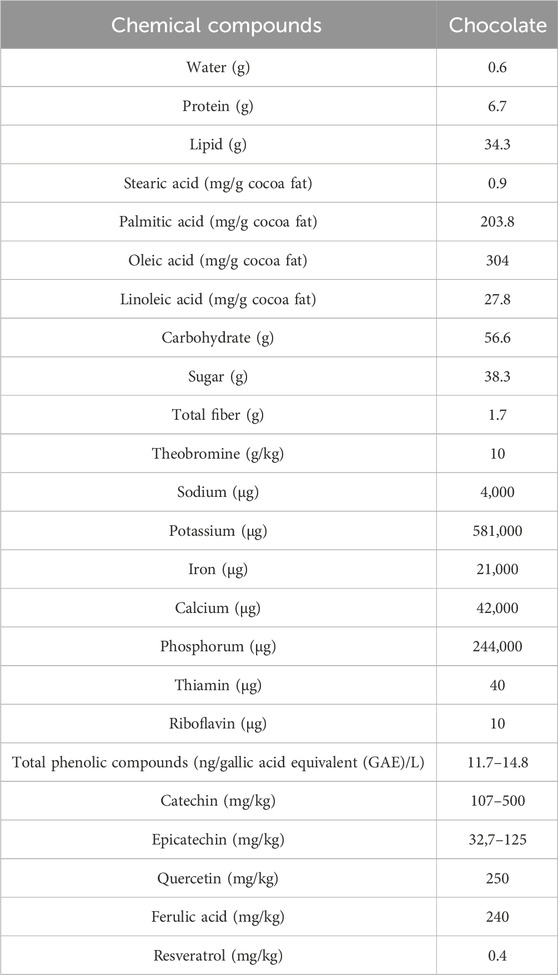
TABLE 1. Chemical content of dark chocolate (Sperkowska et al., 2021).
Intake of phenolic compounds and their bioavailability
The intake of phenolic compounds, including flavonoids, varies greatly from population to population, and the daily intake of flavonoids is believed to range from 20 to 650 mg per day in terms of aglycan content. In addition, it has been suggested that the mean flavonoid consumption is 189.7 mg per day, of which as much as 83.5% are flavanols (catechins), 7.6% flavanones, 6.8% flavonols and 1.6% anthocyanins (Williamson and Holst, 2008; Loffredo et al., 2017; Azad et al., 2021). For example, Williamson and Holst (Williamson and Holst, 2008) note that >500 mg of phenolic compounds daily can be obtained from “five-a-day,” i.e., consuming five portions of fruit or vegetables each day. Consumption of cocoa could easily increase this by 500–1,000 mg. Recently, Crowe-White et al. (Crowe-White et al., 2022) have described that consumption of 400–600 mg/day flavan-3-ols can reduce risk associated with CVDs.
Flavonoids, including flavanols (catechins), are generally considered to be the main phenolic compounds in cocoa and chocolate. Catechin, epicatechin, and their analogs (gallocatechins) are abundant in cocoa beans (1.4 g/kg). Flavanols are also found in many other plant foods, like grape seeds, grapes, apples, apricots, green tea, black tea, and red wines (Murkovic, 2016; Prasain et al., 2018) (Table 2). According to the USA Department database (USDA), 100 g of blueberries yields 3 mg of flavanols while 100 g of apple yields 9 mg (Williamson and Holst, 2008). After oral ingestion, they are processed by the gut microflora, resulting in the generation of a large variety of metabolites. Flavanols reach their peak concentration within two to 3 hours after intake; the final concentration is dose dependent, and the products are detectable in the plasma even after 8 hours (Dugo et al., 2018). For example, Li et al. (Li et al., 2000) detected two catechin metabolites in the plasma and urine of human volunteers: 5-(3′,4′,5′-trihydroxyphenyl)-gamma-valerolactone and 5-(3′,4′-dihydroxyphenyl)-gamma-valerolactone. These metabolites have also been also monitored in other studies. Figure 1 demonstrates the chemical structure of the main flavanols (catechin and epicatechin) in cocoa and their metabolites.
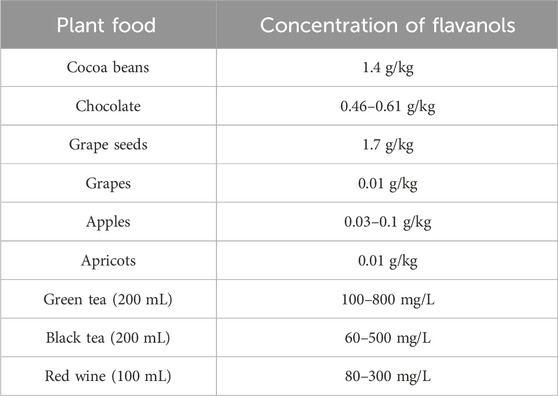
TABLE 2. The concentration of flavanols in selected plant foods (Fernandez-Murga et al., 2011).
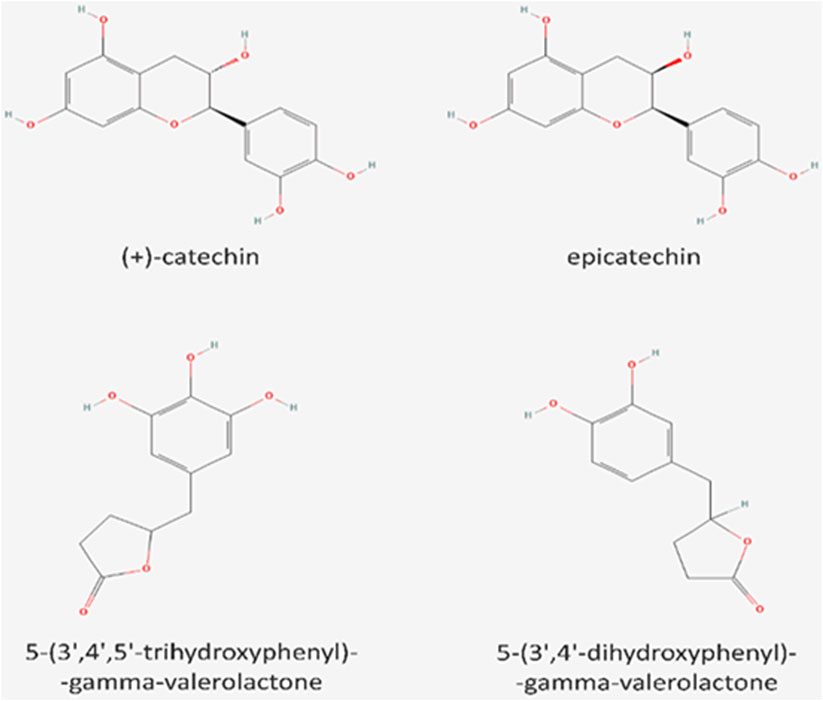
FIGURE 1. The chemical structure of the main flavanols in cocoa: catechin and epicatechin and their metabolites (5-(3′,4′,5′-trihydroxyphenyl)-gamma-valerolactone and 5-(3′,4′-dihydroxyphenyl)-gamma-valerolactone).
However, the bioavailability of flavanols is low, with a maximum plasma concentration rarely exceeding 1 µM (Andjuar et al., 2012). In addition, the degree of absorption varies between flavanols. For example, the concentration of the catechin monomer is less than 10% of that of epicatechin. However, different interactions with foods may change bioavailability and biological activity. For example, milk chocolate demonstrates lower antioxidant capacity than dark chocolate, which has been attributed to the presence of milk proteins. In addition, if a meal is rich in carbohydrates, absorption has been found to increase by up to 40%; however, no such change is observed if the mean is rich in proteins or lipids (Serafini et al., 2003; Fernandez-Murga et al., 2011; Loffredo et al., 2017). The bioavailability of cocoa phenolic compounds has been reviewed by Andjuar et al. (2012).
Effect of cocoa and its products on blood platelet concentration
Although studies indicate that consumption of cocoa products may affect blood platelet count, their observations are sometimes controversial. For example, Calderon-Garciduenas et al. (2013) noted that consumption of dark chocolate (30 g with 680 mg of total flavanols, for 9–24 days) increases the number of blood platelets isolated from children who are exposed to air pollution. However, this increase was not statistically significant. Esser et al. (2014) report that consumption of 70 g normal and high flavanol chocolate for 1 month in obese men has no effect on blood platelet number. Another study revealed that four-week consumption of 50 g dark chocolate with low and high flavanols results in no change in blood platelet count in patients with chronic heart failure. Recently, Raguzzini et al. (2019) found no differences in blood platelet count between chocolate consumers (1–3 times/week) and non-consumers; however, the authors did not describe the kind of chocolate or its chemical content.
Cardioprotective mechanisms of cocoa phenolic compounds
Many studies indicate that cocoa phenolic compounds are bioactive and demonstrate cardioprotective properties deriving from several mechanisms. The cardioprotective properties of phenolic compounds, especially flavanols and other flavonoids, are partially attributed to their antioxidant and anti-inflammatory properties (Anger et al., 2016). Cocoa phenolic compounds have been also confirmed to have anti-platelet properties in a number of studies (Holt et al., 2006; Almoosawi et al., 2012; Andjuar et al., 2012; Anger et al., 2016; Vlachojannis et al., 2016; Dong et al., 2017; Lee et al., 2017; Loffredo et al., 2017; Latif and Majeed, 2020; Seecheran et al., 2022). For example, Kim et al. (2017) report that cocoa phenolic compounds exert potent anti-platelet properties both directly and indirectly via endothelial cells, and conclude that they have the potential for lowering the risk of CVD-related hypercoagulation due to hypercholesterolemia.
Murphy et al. (2003) observed that after 28-day exposure to flavanols and procyanidins from cocoa resulted in an increase of catechin and epicatechin concentration in plasma (by 28% and 81%, respectively), and a decrease of blood platelet function.
Another recent paper by D’Amico et al. (2022) studied the relationship between blood platelet activation, oxidative stress and muscular injuries stimulated by physical exercise, as well as the role of cocoa-derived phenolic compounds, in elite athletes. Their results suggest that the cocoa-derived phenolic compounds: catechin and epicatechin significantly reduce oxidative stress and muscle injury in supernatants of human skeletal muscle myoblast cell cultures treated with plasma. They observed downregulation of NADPH oxidase 2 (NOX2) activation, H2O2 production and reduction of creatine kinase (CK) and α-actin after cell treatment. However, the authors do not indicate the concentrations of the phenolic compounds.
A recent study by Li R. et al. (2022) found that flavonoids exert anti-inflammatory properties in ischemic stroke by acting as modulators of microglia polarization via the toll-like receptor (TLR4)/nuclear factor-κB (NF-κB) signaling pathway. Catechin, an important cacao flavonoid, facilitates the cardioprotective role of nuclear factor-erythroid 2-related factor 2 (Nrf2) and its downstream molecules through inter alia NF-κB, glutathione peroxidase and kinases (Talebi et al., 2021). Moreover, quercetin, another phenolic compound, can demonstrate cardioprotective potential by affecting molecular pathways such as phosphoinositide 3–kinase (PI3K)/protein kinase B (Akt) and mitogen-activated protein kinase (MAPK) (Askrafizadeh et al., 2021; Li Q. et al., 2022).
Proposed cardioprotective mechanism of action of flavanols from cocoa and its products is presented on Figure 2. For example, these compounds may induce a decrease of reactive oxygen species and nitric oxide production. The decrease of intracellular ROS level may be accompanied by the recovery of phosphatase activity. Reactivated phosphatases may inhibit the activity of tyrosine kinases, and thus blood platelet aggregation (by inhibition of GPIIb/IIIa exposition). These compounds may also reduce the activity of cyclooxygenase and reduce arachidonic acid metabolism. Moreover, consumption of flavonol-rich dark chocolate is believed to result in decreased low-density lipoprotein (LDL) and triglyceride (TG) concentrations, inhibition of LDL oxidation, reduced endothelial nitric oxide synthase (eNOS) activity, and reduced expression of several inflammatory genes (interleukins and TNF-α); it also reduces the expression of cellular adhesion molecules such as intracellular adhesion molecule 1 (ICAM-1) and vascular cell adhesion molecule 1 (VCAM-1), and inhibition of angiotensin-converting enzyme (Almoosawi et al., 2012; Andjuar et al., 2012; Anger et al., 2016; Vlachojannis et al., 2016; Dong et al., 2017; Kim et al., 2017; Lee et al., 2017; Loffredo et al., 2017; Latif and Majeed, 2020; Seecheran et al., 2022) (Figure 2). However, further studies are needed to clarity the cardioprotective mechanisms of their action.
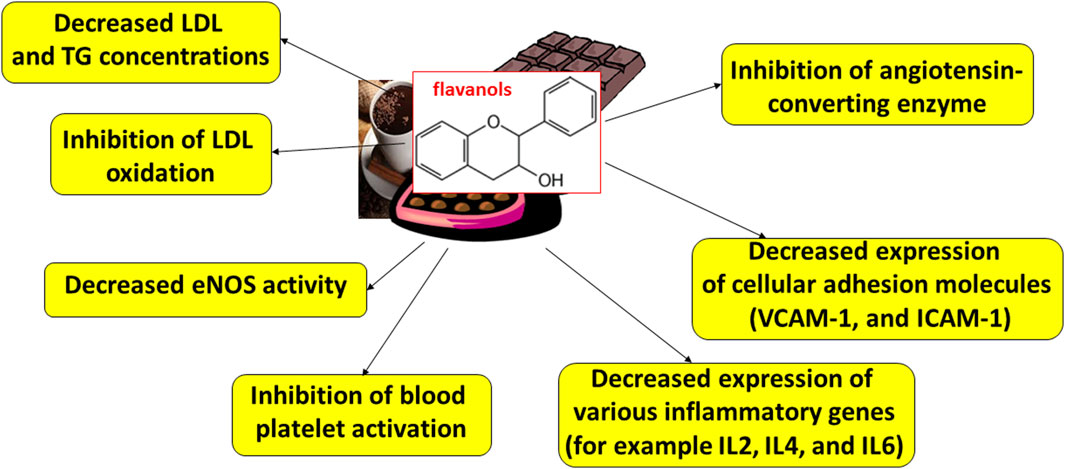
FIGURE 2. Cardioprotective mechanisms of flavanol-rich dark chocolate (Rees et al., 2018). eNOS, endothelial nitric oxide synthase; ICAM-1, intracellular adhesion molecule 1; IL, interleukin; LDL, low-density lipoprotein; TG, triglycerides; VCAM-1, vascular cell adhesion molecule 1. More details in text.
Anti-platelet properties of cocoa phenolic compounds and cocoa products
Blood platelet functions may be determined by various approaches based on blood platelet aggregation, blood platelet adhesion, ATP release or exposure of the activated conformation of glycoprotein (GP) IIb/IIIa and P selectin. A number of methods can be used to achieve this including blood platelet analysis and flow cytometry based on a range of biological materials, particularly whole blood, platelet-rich plasma, and washed blood platelets (Sang et al., 2021).
About 20 years ago, Rein et al. (2000) observed that consumption of cocoa, containing 897 mg total epicatechin and olimeric procyanidin, decreases platelet aggregation stimulated by various agonists, viz. ADP, collagen, and adrenaline. A similar effect was observed after consumption of moderate amounts of cocoa phenolic compound (220 mg). These anti-aggregatory properties were associated with reduced exposure of the activated conformation of GPIIb/IIIa on the blood platelet surface, revealed by a PFA100 platelet function analyzer (ex vivo model). Similarly, Pearson et al. (2002) found that flavanol-rich cocoa has an inhibitory effect on the activation of blood platelets stimulated by epinephrine (ex vivo model).
Flammer et al. (2007) found blood platelet adhesion to be reduced 2 hours after consumption of dark chocolate containing 0.27 mg/g of catechin an 0.9 mg/g of epicatechin, and a total phenolic compound content of 15.6 mg of epicatechin equivalent per Gram. This effect was observed in 22 heart transplant recipients in a double-blind, randomized study (ex vivo model).
Carnevale et al. (2012) found that dark chocolate reduces blood platelet activation by lowering oxidative stress in smokers; however, no such effect was observed in healthy subjects. Twenty healthy subjects and smokers received 40 g of dark chocolate (cocoa >85%) or milk chocolate (cocoa <35%). The level of oxidative stress was measured by different biomarkers, including generation of reactive oxygen species (ROS) and eicosanoids (in vivo model).
A recent meta-analysis of randomized clinical trials by Azad et al. (2021) found consumption of cocoa products to have beneficial effects on blood platelet functions in healthy adults regardless of age; this was especially true in men and when consumption was for 4 weeks or longer. This review paper included 21 articles, and 388 participants, including both non-smokers and smokers, as well as individuals with mild hypertension, chronic heart failure, and postmenopausal hypercholesterolemia. Moreover, a randomized clinical trial by Sesso et al. (2022) found that while cocoa supplementation has no effect on the primary outcome of total CV events, consumption significantly reduces CV mortality by 27%.
A recent paper by Seecheran et al. (2022) examined the effect of consumption of dark chocolate (30 g/day; 65% cocoa, for 1 week) on blood platelet function in patients with coronary artery disease (n = 20) receiving maintenance dual anti-platelet therapy: clopidogrel (75 mg/day) and aspirin (81 mg/day). Blood platelet function was determined by aspirin reaction unit (ARU) assays and the VerifyNow P2Y2 reaction unit (PRU) using blood sample. The authors indicate that consumption of dark chocolate augments the inhibitory effect of clopidogrel, but not aspirin (in vivo model).
The anti-platelet potential of cocoa and its various food products, as indicated in other ex vivo and in vivo models, are summarized in Table 3 and Figure 3. It is an important to note that many of the studies presented in Table 3 were based on flavanol-rich cocoa administration in both healthy subjects and patients with mild hypertension or coronary artery problems. However, their anti-platelet activity appears to be dependent on various factors, including the type of cocoa product and its chemical content, the method used for measuring blood platelet function, and the type of blood platelet agonist. Moreover, many studies fail to describe the glucose, protein, lipid and caloric content of the tested chocolate, or to demonstrate the plasma concentrations of flavanols with relatively low bioavailability; in addition, their downstream plasma metabolite concentrations may not correlate with their positive effects on CVDs. Many studies fail to consider the effects of long-term consumption. Therefore, there is a need for longer studies examining the anti-platelet action and safety of cocoa flavanols and other components.
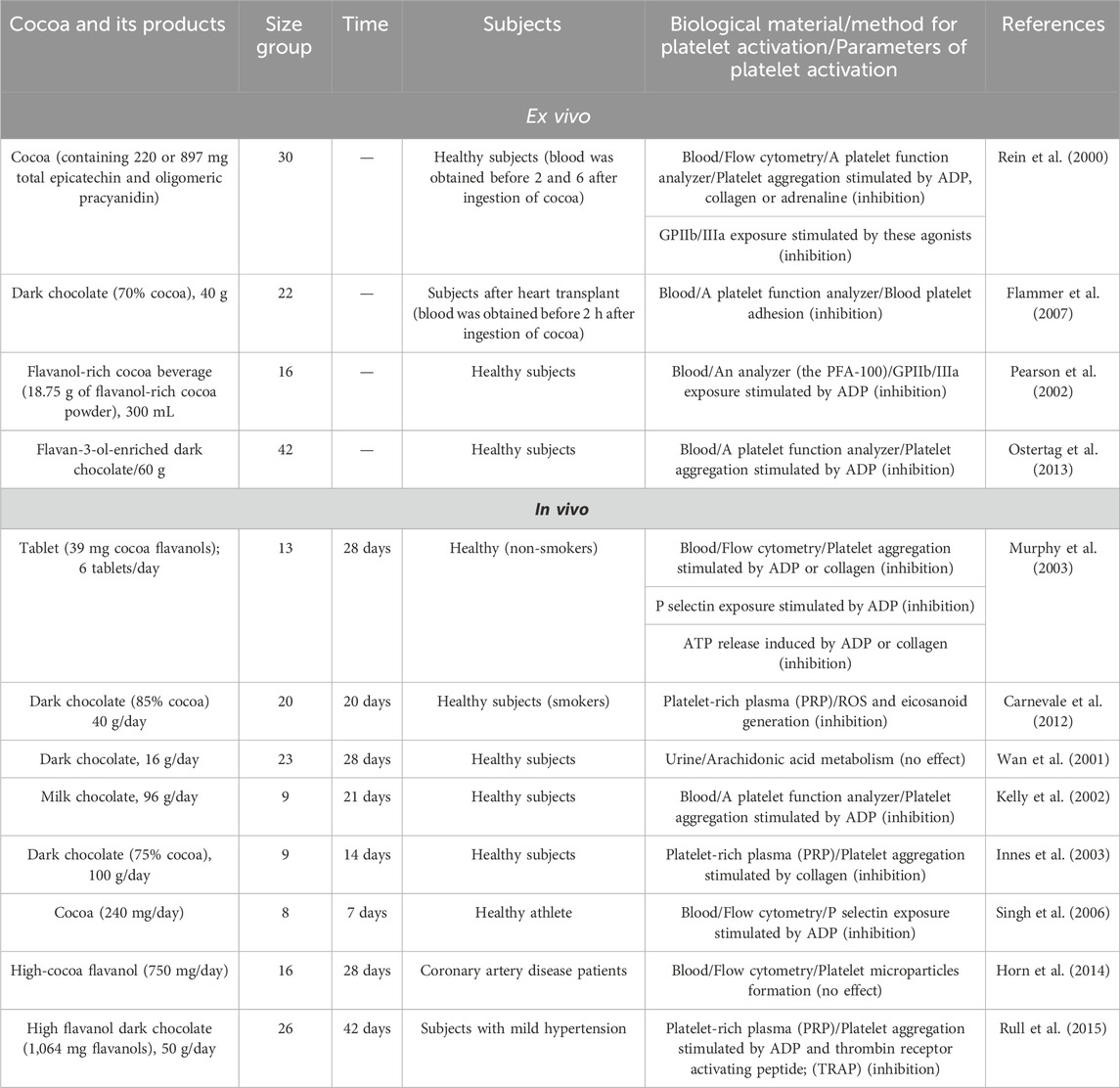
TABLE 3. Anti-platelet properties of cocoa and its products in various ex vivo and in vivo models.
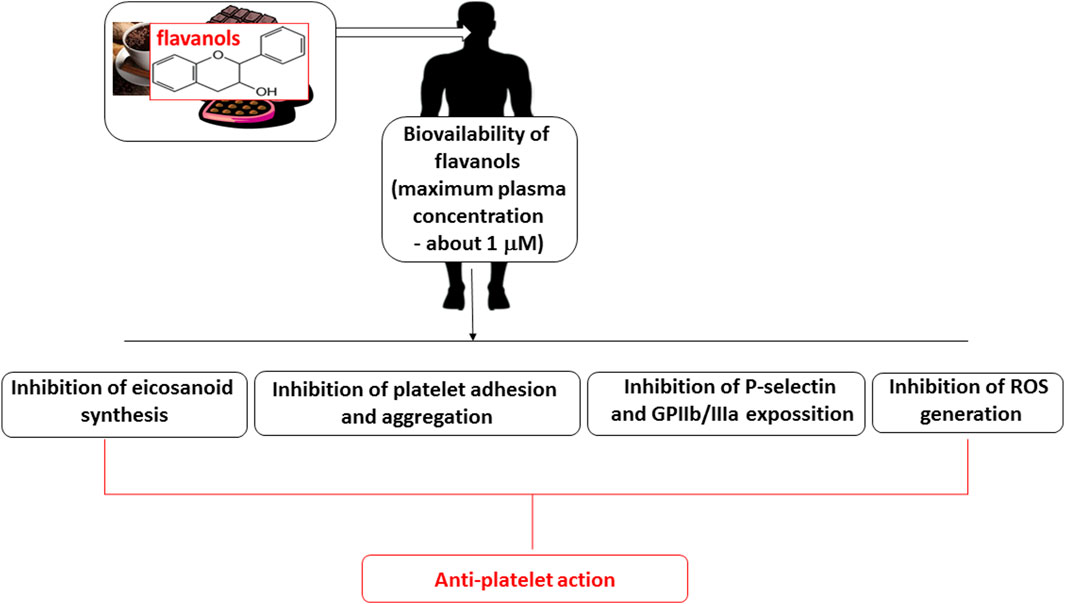
FIGURE 3. Proposed anti-platelet action of cocoa flavanols.
A review by Holt et al. (2006) indicates that flavanol-rich food products, including cocoa and its products, may modulate various elements of hemostasis; for example, the authors suggest that these compounds can inhibit blood platelet adhesion and aggregation, ROS generation, eicosanoid synthesis, P-selectin and GPIIb/IIIa exposure.
The proposed mechanism of action of cocoa flavanols on blood platelets is presented in Figure 3. The mechanism by which the phenolic compounds in cocoa, especially flavanols, inhibit blood platelet function remains complex and ambiguous. It is possible that flavanols decrease ROS generation and inhibit eicosanoid biosynthesis and platelet aggregation by inhibiting GPIIb/IIIa exposure. However, without knowing at least one direct cellular target of flavanols and their metabolites, their specific mode of action remains unclear. Therefore, further studies are needed to clarify the mechanism of their anti-platelet action.
Conclusion
In recent years, cocoa and its products have been objects of various studies examining their cardioprotective action. Their findings demonstrate that cocoa consumption, especially in the form of dark chocolate, with a high flavanol concentration, has anti-platelet activity and may play a significant role in cardioprotection; they also note that cocoa consumption may be a good strategy in diminishing cardiovascular risk, including hyperactivation of blood platelets (Fernandez-Murga et al., 2011; Andjuar et al., 2012; Senturk and Gunay, 2015; Loffredo et al., 2017; Zięba et al., 2019).
Studies have described the interactions between chocolate and various drugs, such as antibiotics and statins (Antal et al., 2001; Piotrowicz et al., 2008; Scolaro et al., 2018), and these interactions are considered crucial for the efficacy of treatment in different diseases. In the case of the two antiplatelet drugs aspirin and clopidogrel, Collyer et al. (2009) suggest that chocolate acts synergistically with them by the inhibition of cyclooxygenase–I (COX-I), and this may lead to bleeding. Recently, Seecheran et al. (2022) found that the consumption of dark chocolate augments the inhibitory effect of clopidogrel in patients with coronary artery disease. However, little is known of the precise mechanisms behind the interactions of antiplatelet drugs or supplements with cocoa, its products (especially chocolate) and components (e.g., phenolic compounds and lipids), or the absorption of anti-platelet drugs and supplements after consuming cocoa and its products. Hence, the effect of cocoa on platelet activity, and the question of whether it may be part of a sweet strategy in diminishing CVDs, remains open.
Author contributions
BO: Writing–review and editing, Writing–original draft, Visualization, Validation, Supervision, Software, Resources, Project administration, Methodology, Investigation, Funding acquisition, Formal Analysis, Data curation, Conceptualization.
Funding
The author(s) declare that no financial support was received for the research, authorship, and/or publication of this article.
Conflict of interest
The author declares that the research was conducted in the absence of any commercial or financial relationships that could be construed as a potential conflict of interest.
Publisher’s note
All claims expressed in this article are solely those of the authors and do not necessarily represent those of their affiliated organizations, or those of the publisher, the editors and the reviewers. Any product that may be evaluated in this article, or claim that may be made by its manufacturer, is not guaranteed or endorsed by the publisher.
Abbreviations
ARU, aspirin reaction unit; CK, creatine kinase; COX-1, cyclooxygenase-1; CVDs, cardiovascular diseases; eNOS, endothelial nitric oxide synthase; GAE, gallic acid equivalent; GP, glycoprotein; ICAM-1, intracellular adhesion molecule 1; IL, interleukin; LDL, low-density lipoprotein; NOX2, NADPH oxidase 2; PFA100, platelet function analyzer; PRU, P2Y2 reaction unit; ROS, reactive oxygen species; TG, triglycerides; TRAP, thrombin receptor activating peptide; VCAM-1, vascular cell adhesion molecule 1.
References
Almoosawi, S., Tsang, C., Ostertag, L. M., Fyfe, L., and Al-Dujaili, E. A. S. (2012). Differential effect of polyphenol-rich dark chocolate on biomarkers of glucose metabolism and cardiovascular risk factors in healthy, overweight and obese subjects: a randomized clinical trial. Food Funct. 3, 1035–1043. doi:10.1039/c2fo30060e
Andjuar, I., Recio, M. C., Giner, R. M., and Rios, J. L. (2012). Cocoa polyphenols and their potential benefits for human health. Oxid. Med. Cell. Long. 1, 1–23. doi:10.1155/2012/906252
Anger, C., Said, A., Nguyen, P. N., Chabert, P., Idis-Khodja, N., and Schini-Kerth, V. B. (2016). Potential of food and natural products to promote endothelial and vascular health. J. Cardiovasc. Pharmacol. 68, 11–18. doi:10.1097/FJC.0000000000000382
Antal, E. J., Hendershot, P. E., Batts, D. H., Sheu, W. P., Hopkins, N. K., and Donaldson, K. M. (2001). Linezolid, a novel oxazolidinone antibiotic: assessment of monoamine oxidase inhibition using pressor response to oral tyramine. J. Clin. Pharmacol. 41, 552–562. doi:10.1177/00912700122010294
Arranz, S., Valderas-Martinez, P., Chiva-Blanch, G., Casa, R., Urpi-Sarda, M., Lamuela-Raventos, R. M., et al. (2013). Cardioprotective effects of cocoa: clinical evidence from randomized clinical intervention trials in humans. Mol. Nutr. Food Res. 57, 936–947. doi:10.1002/mnfr.201200595
Askrafizadeh, M., Samarghndin, S., Hushmandi, K., Zabolian, A., Shahinozznan, E., Saleki, H., et al. (2021). Quercetin in attenuation of ischemic/reperfusion injury: a review. Curr. Mol. Pharmacol. 25, 537–558.
Azad, B. J., Daneshzad, E., Meysamide, A. P., and Koohdani, F. (2021). Chronic and acute effects of cocoa products intake on arterial stiffness and platelet count and function: a systematic review and dose-response meta-analysis of randomized clinical trials. Crit. Rev. Food Sci. Nutr. 61, 357–379. doi:10.1080/10408398.2020.1733484
Barrios, M., Orozco, L. C., and Stashenko, E. E. (2018). Cocoa ingestion protects plasma lipids in healthy males against ex vivo oxidative conditions: a randomized clinical trial. Clin. Nutr. ESPEN 26, 1–7. doi:10.1016/j.clnesp.2018.05.001
Bittner, V. (2020). The new 2019 AHA/ACC guideline on the primary prevention of cardiovascular disease. Circulation 142, 2402–2404. doi:10.1161/CIRCULATIONAHA.119.040625
Calderon-Garciduenas, L., Mora-Tiscareno, A., Franco-Lira, M., Cross, J. V., Engle, R., Aragon-Flores, M., et al. (2013). Early alzheimer’s and Parkinson’s disease pathology in urban children: friend versus foe responses—it is time to face the evidence. Front. Pharmacol. 1, 1–16. doi:10.1155/2013/161687
Carnevale, R., Loffredo, L., Pignatelli, P., Nocella, C., Bartimoccia, S., Di Santo, S., et al. (2012). Dark chocolate inhibits platelet isoprostanes via NOX2 down-regulation in smokers. J. Thromb. Haemost. 10, 125–132. doi:10.1111/j.1538-7836.2011.04558.x
Collyer, T. C., Gray, D. J., Sandhu, R., Berridge, J., and Lyons, G. (2009). Assessment of platelet inhibition secondary to clopidogrel and aspirin therapy in preoperative acute surgical patients measured by Thrombelstography® Platelet MappingTM. Br. J. Anaesth. 102, 492–498. doi:10.1093/bja/aep039
Crowe-White, K. M., Evans, L. W., Kuhnle, G. G. C., Milenkovic, D., Stote, K., Wallace, T., et al. (2022). Perspective: falvan-3-ols and cardiometabolic health: first ever dietary bioactive guideline. Adv. Nutr. 13, 20270–22083.
D’Amico, A., Cavarrretta, E., Fossati, C., Borrione, P., Pigozzi, F., Frati, G., et al. (2022). Platelet activation favours NOX2-medited muscle damage in elite athletes: the role of cocoa-derived polyphenols. Nutrients 14, 1–15.
Davinelli, S., Corbi, G., Zarrelli, A., Arisi, M., Calzavara-Pinton, P., Grassi, D., et al. (2018). Short-term supplementation with flavanol-rich cocoa improves lipid profile, antioxidant status and positively influences the AA/EPA ratio in healthy subjects. J. Nutr. Biochem. 61, 33–39. doi:10.1016/j.jnutbio.2018.07.011
Desai, Y., Khraishah, H., and Alahmad, B. (2023). Heat and the heart. Yale J. Biol. Med. 96, 197–203. doi:10.59249/HGAL4894
Dong, Y. S., Iso, H., Yamagishi, K., Sawada, N., and Tsugane, S.Japan Public Health Center–based Prospective Study Group (2017). Chocolate consumption and risk of stroke among men and women: a large population-based prospective cohort study. Atherosclerosis 260, 8–12. doi:10.1016/j.atherosclerosis.2017.03.004
Dugo, L., Tripodo, G., Santi, L., and Fanali, C. (2018). Cocoa polyphenols: chemistry, bioavailability and effects on cardiovascular performance. Curr. Med. Chem. 25, 4903–4917. doi:10.2174/0929867323666160919094339
Esser, D., Mars, M., Oosterink, E., Stalmach, A., Muller, M., and Afinan, L. A. (2014). Dark chocolate consumption improves leukocyte adhesion factors an vascular function in overweight men. FEBS J. 3, 1464–1473.
Febrianto, N. A., Wang, S., and Zhu, F. (2021). Chemical and biological properties of cocoa beans affected by processing: a review. Crit. Rev. Food Sci. Nutr. 62, 8403–8434. doi:10.1080/10408398.2021.1928597
Fernandez-Murga, L., Tarin, J. J., Garcia-Perez, M. A., and Cano, A. (2011). The impact of chocolate on cardiovascular health. Maturitas 69, 312–321. doi:10.1016/j.maturitas.2011.05.011
Ferri, C., Desideri, G., Ferri, L., Proietti, I., Di Agostino, S., Martella, L., et al. (2015). Cocoa, blood pressure, and cardiovascular health. J. Agric. Food Chem. 63, 9901–9909. doi:10.1021/acs.jafc.5b01064
Flammer, A. J., Hermann, F., Sudano, I., Spieker, L., Hermann, M., Cooper, K. A., et al. (2007). Dark chocolate improves coronary vasomotion and reduces platelet reactivity. Circulation 116, 2376–2382. doi:10.1161/CIRCULATIONAHA.107.713867
Gammone, M. A., Ethymakis, K., Pluchinotta, F. R., Bergante, S., Tettamanti, G., Riccioni, G., et al. (2018). Impact of chocolate on the cardiovascular health. Front. Biosci. 23, 852–864. doi:10.2741/4620
Garcia, J. P., Santana, A., Baruqui, D. L., and Suraci, N. (2018). The cardiovascular effects of chocolate. Rev. Cardiovasc. Med. 19, 123–127. doi:10.31083/j.rcm.2018.04.3187
Ghaffari, S., and Roshanravan, N. (2020). The role of nutraceuticals in prevention and treatment of hypertension: an updated review of the literature. Food Res. Int. 128, 108749–108820. doi:10.1016/j.foodres.2019.108749
Holt, R. R., Actis-Goretta, L., Momma, T. Y., and Keen, C. L. (2006). Dietary flavanols and platelet reactivity. J. Cardiovasc. Pharmacol. 47, 187–S196. doi:10.1097/00005344-200606001-00014
Horn, P., Amabile, N., Angeli, F. S., Sansone, R., Stegemann, B., Kelm, M., et al. (2014). Dietary flavanol intervention lowers the levels of endothelial microparticles in coronary artery disease patients. Br. J. Nutr. 111, 1245–1252. doi:10.1017/S0007114513003693
Innes, A. J., Kennedy, G., McLaren, M., Bancroft, A. J., and Belch, J. J. (2003). Dark chocolate inhibits platelet aggregation in healthy volunteers. Platelets 14, 325–327. doi:10.1080/0953710031000123681
Kelly, F. D., Sinclair, A. J., Mann, N. J., Turner, A. H., Raffin, F. L., Blandford, M. V., et al. (2002). Short-term diets enriched in stearic or palmitic acids do not alter plasma lipids, platelet aggregation or platelet activation status. Eur. J. Clin. Nutr. 56, 490–499. doi:10.1038/sj.ejcn.1601332
Kerimi, A., and Williamson, G. (2015). The cardiovascular benefits of dark chocolate. Vasc. Pharmacol. 71, 11–15. doi:10.1016/j.vph.2015.05.011
Kim, S. J., Park, S. H., Lee, H. W., Schini-Kerth, V. B., Kwon, O., Lee, K. W., et al. (2017). Cacao polyphenols potentiate anti-platelet effect of endothelial cells and ameliorate hypercoagulatory states associated with hypercholesterolemia. J. Nanosci. Nanotechnol. 17, 2817–2823. doi:10.1166/jnn.2017.13317
Latif, R., and Majeed, F. (2020). Association between chocolate consumption frequency and heart rate variability indices. Explore 16, 372–375. doi:10.1016/j.explore.2019.12.009
Lee, Y., Berryman, C. E., West, S. G., Chen, C. Y. O., Blumberg, J. B., Lapsley, K. G., et al. (2017). Effects of dark chocolate and almonds on cardiovascular risk factors in overweight and obese individuals: a randomized controlled-feeding trial. J. Am. Heart Assoc. 6, 0051622–e5214. doi:10.1161/JAHA.116.005162
Li, C., Lee, M. J., Sheng, S., Meng, X., Prabhu, S., Winnik, B., et al. (2000). Structural identification of two metabolites of catechins and their kinetics in human urine and blood after tea ingestion. Chem. Res. Toxicol. 13, 177–184. doi:10.1021/tx9901837
Li, Q., Van Herreweghen, F., De Mey, M., Goeminne, G., and Van de Wiele, T. (2022b). The donor-dependent and colon-region-dependent metabolism of (+)-catechin by colonic microbiota in the stimulator of the human intestinal microbial ecosystem. Molecules 27, 1–12.
Li, R., Zhou, Y., Zhang, S., Li, J., Zheng, Y., and Fan, X. (2022a). The natural (poly)phenols as modulators of microglia polarization via TLR4/NF-κB pathway exert anti-inflammatory activity in ischemic stroke. Eur. J. Pharmacol. 5, 174660–174710. doi:10.1016/j.ejphar.2021.174660
Loffredo, L., Perri, L., Nocella, , and Violi, F. (2017). Antioxidant and antiplatelet activity by polyphenol-rich nutrients: focus on extra virgin olive oil and cocoa. Br. J. Clin. Pharmacol. 83, 96–102. doi:10.1111/bcp.12923
Montagna, M. T., Diella, G., Triggiano, F., Caponio, G. R., De Giglio, O., Caggiano, G., et al. (2019). Chocolate, "food of the gods": history, science, and human health. Int. J. Environ. Res. Public Health 16, 4960–5021. doi:10.3390/ijerph16244960
Mozaffarian, D. (2016). Dietary and policy priorities for cardiovascular disease, diabetes, and obesity: a comprehensive review. Circulation 133, 187–225. doi:10.1161/CIRCULATIONAHA.115.018585
Murkovic, M. (2016). Phenolic compounds: occurrence, clases, and analysis. Encycl. Food Health, 346–351.
Murphy, K. J., Chronopoulos, A. K., Singh, I., Francis, M. A., Moriarty, H., Pike, M. J., et al. (2003). Dietary flavanols and procyanidin oligomers from cocoa (Theobroma cocoa) inhibit platelet function. Am. J. Clin. Nutr. 77, 1466–1473. doi:10.1093/ajcn/77.6.1466
Olas, B. (2020). Biochemistry of blood platelet activation and the beneficial role of plant oils in cardiovascular diseases. Adv. Clin. Chem. 95, 219–243. doi:10.1016/bs.acc.2019.08.006
Ostertag, L. M., Kroon, P. A., Wood, S., Horgan, W., Cienfuegos-Jovellanos, E., Saha, S., et al. (2013). Flavan-3-ol-enriched dark chocolate and white chocolate improve acute measures of platelet function in a gender-specific way--a randomized-controlled human intervention trial. Mol. Nutr. Food Res. 57, 191–202. doi:10.1002/mnfr.201200283
Otreba, M., Kosmider, L., and Rzepecka-Stojko, A. (2021). Polyphenols’ cardioprotective potential: review of rat fibroblasts as well as rat and human cardiomyocyte cell lines research. Molecules 26, 774–813. doi:10.3390/molecules26040774
Pearson, D. A., Paglieroni, T. G., Rein, D., Wun, T., Schramm, D. D., Wang, J. F., et al. (2002). The effects of flavanol-rich cocoa and aspirin on ex vivo platelet function. Thromb. Res. 106, 191–197. doi:10.1016/s0049-3848(02)00128-7
Piotrowicz, J., Pazur, A., and Zachwieja, Z. (2008). Statyny i ich interakcje z pożywieniem. Bromat. Chem. Toksykol. 41, 1023–1029.
Prasain, J. K., Barness, S., and Wyss, J. M. (2018). “Chapter 24 – analyzing ingredients in dietary supplements and their metabolites,” in Polyphenols: mechanism of action in human health and disease. 2nd Edition (Academic Press), 337–346.
Raguzzini, A., Poce, G., Consalvi, S., Toti, E., Palmcci, F., Biava, M., et al. (2019). Chocolate consumers and lymphocyte-to-monocyte ratio: a working hypothesis from a preliminary report of a pilot study in celiac subjects. Antioxidants 8, 440–447. doi:10.3390/antiox8100440
Rees, A., Dodd, G. F., and Spencer, J. P. E. (2018). The effects of flavonoids on cardiovascular health: a review of human intervention trials and implications for cerebrovascular function. Nutrients 10, 1852–1914. doi:10.3390/nu10121852
Rein, D., Paglieroni, T. G., Wun, T., Pearson, D. A., Schmitz, H. H., Gosselin, R., et al. (2000). Cocoa inhibits platelet activation and function. Am. J. Clin. Nutr. 72, 30–35. doi:10.1093/ajcn/72.1.30
Rull, G., Mohd-Zain, Z. N., Shiel, J., Lundberg, M. H., Collier, D. J., Johnston, A., et al. (2015). Effects of high flavanol dark chocolate on cardiovascular function and platelet aggregation. Vasc. Pharm. 71, 70–78. doi:10.1016/j.vph.2015.02.010
Sang, Y., Roest, M., de Laat, B., de Groot, P. G., and Huskens, D. (2021). Interplay between platelets and coagulation. Blood Rev. 46, 100733–100811. doi:10.1016/j.blre.2020.100733
Santos, H. O., and Macedo, R. C. O. (2018). Cocoa-induced (Theobroma cacao) effects on cardiovascular system: HDL modulation pathways. Clin. Nutr. ESPEN 27, 10–15. doi:10.1016/j.clnesp.2018.06.001
Scolaro, B., Nogueira, M. S., Paiva, A., Bertolami, A., Barroso, L. P., Vaisar, T., et al. (2018). Statin dose reduction with complementary diet therapy: a pilot study of personalized medicine. Mol. Metab. 11, 137–144. doi:10.1016/j.molmet.2018.02.005
Seecheran, N. A., Sukha, D., Grimaldos, K., Grimaldos, G., Richard, S., Ishmael, A., et al. (2022). Effect of cocoa (Theobroma cacao L.) on platelet function testing profiles in patients with coronary artery disease: ÉCLAIR pilot study. Open Heart 9, e002066–e002067. doi:10.1136/openhrt-2022-002066
Senturk, T., and Gunay, S. (2015). The mysterious light of dark chocolate. Arch. Turk. Soc. Cardiol. 43, 199–207. doi:10.5543/tkda.2015.70360
Serafini, M., Bugianesi, R., Maiani, G., Valtuena, S., De Santis, S., and Crozier, A. (2003). Plasma antioxidants from chocolate. Nature 424, 1013. doi:10.1038/4241013a
Sesso, H. D., Manson, J. E., Aragaki, A. K., Rist, P. M., Johnson, L. G., Friedenberg, G., et al. (2022). Effect of cocoa flavanol supplementation for the prevention of cardiovascular disease events: the cocoa supplement and multivitamin outcomes study (Cosmos) randomized clinical trial. Am. J. Clin. Nutr. 115, 1490–1500. doi:10.1093/ajcn/nqac055
Singh, I., Quinn, H., Mok, M., Southgate, R. J., Turner, A. H., Li, D., et al. (2006). The effect of exercise and training status on platelet activation: do cocoa polyphenols play a role? Platelets 17, 361–367. doi:10.1080/09537100600746953
Sperkowska, B., Murawska, J., Przybylska, A., Gackowski, M., Kruszewski, S., Durmowicz, M., et al. (2021). Cardiovascular effects of chocolate and wine-narrative review. Nutrients 13, 4269–4329. doi:10.3390/nu13124269
Talebi, M., Talebi, M., Forkhondeh, T., Mishra, G., Hgun, S., and Samarghandian, S. (2021). New insights into the role of the Nrf2 signaling pathway in green tea catechin applications. Phytother. Res. 35, 3078–3112. doi:10.1002/ptr.7033
Teissedre, P. L., Stockley, C., Boban, M., Gambert, P., Alba, M. O., Flesh, M., et al. (2018). The effects of wine consumption on cardiovascular disease and associated risk factors: a narrative review. Oeno One 50, 67–79. doi:10.20870/oeno-one.2018.52.1.2129
Tyc, T., Lim, X. Y., Yeo, J. H. H., Lee, S. W. H., and Lai, N. M. (2021). The health effects of chocolate and cocoa: a systematic review. Nutrients 13, 1–14.
Vlachojannis, J., Erne, P., Zimmermann, B., and Chrubasik-Hausmann, S. (2016). The impact of cocoa flavanols on cardiovascular health. Phyther. Res. 30, 1641–1657. doi:10.1002/ptr.5665
Wan, Y., Vinson, J. A., Etherton, T. D., Proch, J., Lazuras, S. A., and Kris-Etherton, P. M. (2001). Effects of cocoa powder and dark chocolate on LDL oxidative susceptibility and prostaglandin concentrations in humans. Am. J. Clin. Nutr. 74, 596–602. doi:10.1093/ajcn/74.5.596
Williamson, G., and Holst, B. (2008). Dietary reference intake (DRI) value for dietary polyphenols: are we heading in the right direction? Br. J. Nutr. 99, 555–S58. doi:10.1017/S0007114508006867
Zhang, Y., Koradia, A., Kamato, D., Popat, A., Little, P. J., and Ta, H. T. (2019). Treatment of atherosclerotic plaque: perspectives on theranostics. J. Pharm. Pharmacol. 71, 1029–1043. doi:10.1111/jphp.13092
Keywords: blood platelets, cocoa, flavanols, flavonoids, phenolic compounds
Citation: Olas B (2024) New light on changes in the number and function of blood platelets stimulated by cocoa and its products. Front. Pharmacol. 15:1366076. doi: 10.3389/fphar.2024.1366076
Received: 05 January 2024; Accepted: 29 February 2024;
Published: 12 March 2024.
Edited by:
Naufal Zagidullin, Bashkir State Medical University, RussiaReviewed by:
Emily Laveriano, University of Barcelona, SpainLourdes M. Varela, Sevilla University, Spain
Copyright © 2024 Olas. This is an open-access article distributed under the terms of the Creative Commons Attribution License (CC BY). The use, distribution or reproduction in other forums is permitted, provided the original author(s) and the copyright owner(s) are credited and that the original publication in this journal is cited, in accordance with accepted academic practice. No use, distribution or reproduction is permitted which does not comply with these terms.
*Correspondence: Beata Olas, YmVhdGEub2xhc0BiaW9sLnVuaS5sb2R6LnBs