 Alfonso J. Rodriguez-Morales1,2,3,4*
 Alberto E. Paniz-Mondolfi5,6
 Álvaro A. Faccini-Martínez7
 Andrés F. Henao-Martínez8
 Julian Ruiz-Saenz9
 Marlen Martinez-Gutierrez9,10
 Lucia E. Alvarado-Arnez3
 Jorge E. Gomez-Marin11
 Ruben Bueno-Marí12,13
 Yenddy Carrero14
 Wilmer E. Villamil-Gomez15,16
 D. Katterine Bonilla-Aldana17
 Ubydul Haque18
 Juan D. Ramirez19
 Juan-Carlos Navarro20
 Susana Lloveras21
 Kovy Arteaga-Livias4,22
 Cristina Casalone23
 Jorge L. Maguiña4
 Angel A. Escobedo24
 Marylin Hidalgo25
 Antonio C. Bandeira26
 Salim Mattar27
 Jaime A. Cardona-Ospina1,2
 Jose A. Suárez28
- 1Grupo de Investigación Biomedicina, Faculty of Medicine, Fundacion Universitaria Autonoma de las Americas, Pereira, Colombia
- 2Emerging Infectious Diseases and Tropical Medicine Research Group, Instituto para la Investigación en Ciencias Biomédicas - Sci-Help, Pereira, Colombia
- 3Coordinación Nacional de Investigación, Universidad Privada Franz Tamayo (UNIFRANZ), Cochabamba, Bolivia
- 4Master Program on Clinical Epidemiology and Biostatistics, Universidad Científica del Sur, Lima, Peru
- 5Department of Pathology, Molecular and Cell-Based Medicine, Laboratory of Microbiology, Icahn School of Medicine at Mount Sinai, New York, NY, United States
- 6Instituto de Investigaciones Biomédicas IDB/Incubadora Venezolana de la Ciencia, Barquisimeto, Venezuela
- 7Department of Pathology, University of Texas Medical Branch, Galveston, TX, United States
- 8Department of Medicine, Division of Infectious Diseases, School of Medicine, University of Colorado Denver, Aurora, CO, United States
- 9Grupo de Investigación en Ciencias Animales - GRICA, Facultad de Medicina Veterinaria y Zootecnia, Universidad Cooperativa de Colombia, Bucaramanga, Colombia
- 10Infettare, Facultad de Medicina, Universidad Cooperativa de Colombia, Medellín, Colombia
- 11Grupo de Estudio en Parasitologia Molecular (GEPAMOL) Group, Facultad de Ciencias de la Salud, Universidad del Quindío, Armenia, Colombia
- 12Departamento de Investigación y Desarrollo (I+D), Laboratorios Lokímica, Paterna, Spain
- 13Área de Parasitología, Departamento de Farmacia y Tecnología Farmaceútica y Parasitología, Universidad de Valencia, Burjasot, Spain
- 14Facultad de Ciencias de la Salud, Carrera de Medicina, Universidad Técnica de Ambato, Ambato, Ecuador
- 15Infectious Diseases and Infection Control Research Group, Hospital Universitario de Sincelejo, Sincelejo, Colombia
- 16Programa Del Doctorado de Medicina Tropical, SUE Caribe, Universidad Del Atlántico, Barranquilla, Colombia
- 17Semillero de Investigación en Zoonosis (SIZOO), Grupo de Investigación BIOECOS, Fundacion Universitaria Autonoma de las Americas, Pereira, Colombia
- 18Department of Biostatistics and Epidemiology, University of North Texas Health Science Center, Fort Worth, TX, United States
- 19Centro de Investigaciones en Microbiología y Biotecnología-UR (CIMBIUR), Facultad de Ciencias Naturales, Universidad del Rosario, Bogotá, Colombia
- 20Research Group of Emerging Diseases, Ecoepidemiology and Biodiversity, Health Sciences Faculty, Universidad Internacional SEK, Quito, Ecuador
- 21Sección Zoopatología Médica, Hospital de Infecciosas FJ Muñiz, Buenos Aires, Argentina
- 22Faculty of Medicine, Universidad Nacional Hermilio Valdizán, Huánuco, Peru
- 23Istituto Zooprofilattico del Piemonte, Torino, Italy
- 24Department of Epidemiology, Institute of Gastroenterology, Havana, Cuba
- 25Infectious Diseases Group, Facultad de Ciencias, Pontificia Universidad Javeriana, Bogotá, Colombia
- 26Faculdade de Medicina, UniFTC, Salvador, Brazil
- 27Instituto de Investigaciones Biologicas del Tropico, Universidad de Cordoba, Monteria, Colombia
- 28Investigador SNI Senacyt Panamá, Instituto Conmemorativo Gorgas de Estudios de la Salud (ICGES), Panama, Panama
Emerging diseases have significantly impacted the last few decades (1–10). The emergence and re-emergence of vector-borne and zoonotic diseases in Africa, Asia, and Latin America have reshaped the epidemiological landscape of these continents. The impact of these diseases and the establishment of local transmission in traditionally non-endemic areas, due to migration and travel, have been revealed over the last years. Diseases such as Chikungunya (11–16), Zika (17–24), Yellow Fever (25–28), Dengue (29–33), Oropouche, Madre de Dios virus, Iquitos virus (34, 35), Mayaro Fever (36, 37), Ebola (38–42), Nipah virus, arenaviruses such as Lassa (43), Machupo (44, 45), Chapare (45, 46), Junin (47), zoonotic Malaria (48), Severe Fever with Thrombocytopenia Syndrome (49), Plague (50), Crimean-Congo Hemorrhagic Fever, Acute Orally Transmitted Chagas Disease (51–54), Visceral and Diffuse Cutaneous Leishmaniasis (55, 56), Toxoplasmosis (57–59), Tick-Borne Diseases (60, 61), Rift Valley Fever, Tuberculosis (62), Leprosy (63–67), Avian Influenza (68–70), Orthohantavirus (71–75), and Toxocariasis (76, 77) have posed a significant impact to human health. Furthermore, zoonotic epidemics and pandemic coronaviruses, such as the Severe Acute Respiratory Syndrome (SARS), the Middle East Respiratory Syndrome (MERS) (78–82), and the ongoing SARS-CoV-2/COVID-19 (83, 84) pandemic, have caused a profound economical and social disruption threatening to overwhelm public health systems globally (85) (Table 1). Most of these pathogens can even cocirculate and coinfect a significant proportion of inhabitants within the same territories (11, 87–94). For example, in arboviral diseases, the occurrence of coinfections has been widely reported –such as Dengue with Chikungunya and/or with Zika virus– and affects diverse populations, including pregnant women and immunocompromised patients (94–97). This may obscure clinical suspicion, as signs and symptoms for many of these pathogens may overlap. In endemic areas, this becomes a particularly pressing issue that must be taken into account in order to ensure accurate diagnosis and provide appropriate management. The ChikDenMaZika syndrome has been previously adopted as a mnemonic device to include Chikungunya, Dengue, Mayaro, and Zika in the broad differential of acute febrile illnesses due to arboviral agents (95). More recently, emerging coinfections, including bacterial and parasitic diseases, such as tuberculosis and Chagas disease, have also been reported (98).
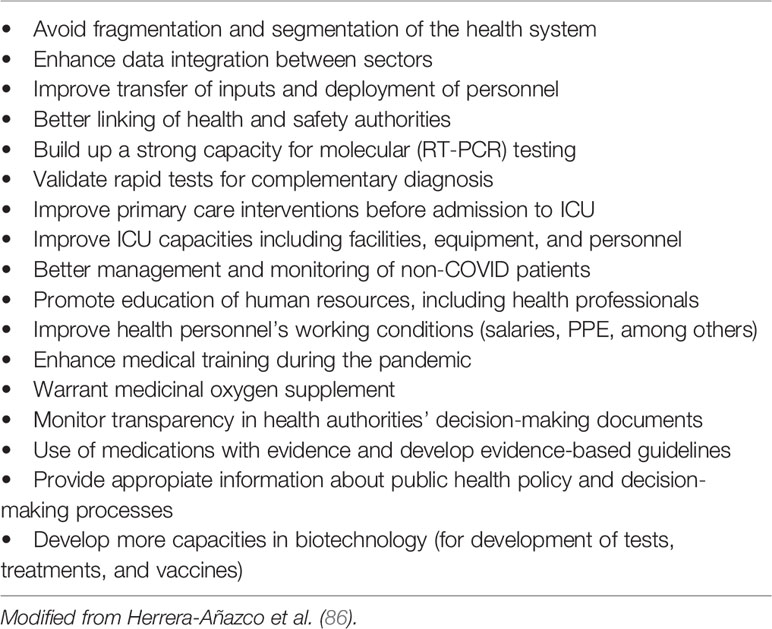
Table 1 Lessons learned from the COVID-19 pandemic in Latin America.
Current times call for more comprehensive ecoepidemiological and bioecosocial approaches (20, 99). Scarce funding and the lack of research (39, 43, 61, 81) in tropical medicine are entirely unacceptable. Human immunodeficiency virus (HIV)/acquired immune deficiency syndrome (AIDS), tuberculosis (TB), and malaria combined receive approximately 70% of neglected diseases funding. As mentioned here, emerging tropical diseases, such as those mentioned here, are worldwide in scope, and many have significant regional implications. Therefore, a different funding paradigm that improves their situation is needed (100). The world is no longer a place with distant countries and shielded territories. Instead, ever increasing interconnectivity has turned it into a “small” global village, where the health status of underprivileged areas may undermine not only their lives and development but extend to the wealthiest. The Ebola crisis in 2014 highlighted how high-consequence emerging diseases could spill over to Europe and North America (38, 40). The ongoing 2020-2021 pandemic of COVID-19, which has reached as far as Antarctica, affecting almost all countries worldwide, is another clear example (8, 29, 84, 101–112). As was expected, coinfections between tropical pathogens and COVID-19 are also now increasingly being reported, especially with dengue (30). Dengue affects over 100 countries worldwide and puts about 2.5-3.9 billion people at risk of infection (113, 114). Within the next century, nearly a billion people are at risk of exposure to virus transmission by both main Aedes spp., Ae. aegypti, and Ae. albopictus (also Chikungunya and Zika) in the worst-case scenario (115). The recent first detection of Ae. vittatus in the Dominican Republic and the Americas generated concern in the region, requiring enhanced surveillance to understand the range and public health risks of this potential invasive mosquito species, deserving more studies (116). Most of these emerging tropical diseases are vector-borne, zoonotically transmitted, or environmentally spread through direct contact, food or water ingestion, as well as a consequence of environmental alterations (including the effects of climate change) (117–125), becoming significant sources of mortality and morbidity worldwide (2).
The impact of these diseases extends well beyond the acute constellation of symptoms, leading in a considerable proportion of patients to chronic sequelae and complications, which can be long lasting and severely incapacitating, as is the case with Chikungunya (15, 126–132), Zika (17, 133–135), Ebola, Chagas disease (52), and even for COVID-19 (136–139).
Many tools have been deployed to counteract emerging infectious diseases. Amongst these are active surveillance (some supported by artificial intelligence) (140–142), leading to the rapid identification of novel pathogens by genome sequencing and phylogenetic tracing studies (36, 105, 107, 143–146) based on computing methods to predict possible interspecies barriers spillover between humans and animals (147). Coupling biotechnological approaches with social sciences—the holistic understanding of humans and their interactions in the disease ecosystems—is also a critical element needed when studying emerging infectious diseases (148, 149).
One of the most significant challenges when studying tropical infectious diseases relies on their complexity and heterogeneity, which usually requires a deep understanding not only of the disease itself but its overall context. In order to better approach these diseases one must keep a broader vision of designing proposed interventions, including multilevel ecoepidemiological studies ranging from molecular and omics to satellite epidemiology (use of data and images derived from geospatial technologies, e.g., satellites, for the study of the occurrence and distribution of health-related events in specified populations, and the application of this knowledge to control the health problems) of pathogens, vectors, hosts, abiotic variables, and other socio-environmental factors (125, 150, 151). While more research is required to fill in the numerous gaps in knowledge for many of these diseases, particular attention should be placed in designing strategies to develop methods to forecast these diseases not only in vulnerable and underserved populations from low-income countries but also in those poverty pockets located in high-income countries. A whole chapter to be considered in emerging tropical diseases is vaccines development. Innovative global partnership between public, private, philanthropic, and civil society organisations, such as the Coalition for Epidemic Preparedness Innovations (CEPI), launched in 2017, are important to develop vaccines to stop future epidemics. To accelerate the development of vaccines against emerging infectious diseases and enable equitable access to these vaccines for people during outbreaks is crucial. Nevertheless, more funding to understand biology, pathogenesis, epidemiology, prevention, and treatment of emerging tropical diseases are urgently needed and expected (152–154).
Tropical Medicine is no more a clinical specialty of “exotic diseases,” as it was conceived at its beginnings, and is no more about “diseases for those entering the jungle.” One dramatic change is the urban installation of diseases that before were observed only after sylvatic or primary forest exposure. The increase of urban outbreaks of Chagas disease in South America is now a horrific reality in Brazil (155–157), Venezuela (158), and Colombia (159, 160), and it is also a new reality for visceral leishmaniasis (161–164). The integrated work of public health experts, veterinarians, entomologists, and parasitologists is an urgent need to face these new challenges and transformations of tropical diseases. Tropical diseases also include non-infectious diseases, such as animal bites and stings (e.g. myiasis and tungiasis) (165, 166). Snake bites, scorpion stings, and spider bites, account for a significant amount of the morbidity and mortality in tropical countries in these changing scenarios, including ecotourism, rural migration, and other related factors (167–170).
There is no doubt that “many things are wrong in the world today”, as the legendary American rock n’roll band Aerosmith has been singing since the 90s. We are “living on the edge”, the edge of neglect and of a surge of many emerging infectious diseases with no hope for resolution in the foreseeable future. Furthermore, “it sure ain’t no surprise” that poverty, inequality, climate change, deforestation, migration, urbanization, wildlife trade, among many other factors, have all contributed to the emergence of novel tropical diseases and the resurgence of other endemic diseases (171). There is no spare place for the arrival of emerging pathogens, and over time pathogens tend to adapt to new environments leading to unforeseen consequences. The next epidemic, the next pandemic, is just around the corner (68). In response to this latent threat, we need to gather real-time information and build collaborative networks aimed to enhance surveillance activities in order to develop high-priority medical countermeasures to prevent and control emerging tropical diseases. Research in Zoonotic and Vector-Borne Emerging Tropical Diseases remains the most critical aspect and the foundation to determine the drivers of emerging and re-emerging infectious diseases.
With that vision, our new Section Emerging Tropical Diseases in the journal Frontiers in Tropical Diseases offers to contribute to the scientific advancement and fill in the many knowledge gaps based on a multi and transdisciplinary approach. Our team of Associate Editors is comprised of a diverse group of experts from different countries, diverse backgrounds, and varied interrelated expertises in a wide range of conditions within the tropical diseases spectrum of diseases, following the One Health approach vision (8, 172).
Grand challenges exist in the fight against the threat of emerging tropical diseases. In the laboratory, our daily work, in the hospitals, in the field, in the community, and in many other places, our shared goal is to understand the drivers of emergence and address their root-causes. We are working collaboratively in social networks to reduce the impact of emerging tropical diseases. Let’s work on this together! We value your work and welcome your submissions to this new section of Frontiers in Tropical Diseases.
Author Contributions
All authors contributed to manuscript conception and design, literature review, manuscript preparation, and critical review. All authors contributed to the article and approved the submitted version.
Conflict of Interest
RB-M was employed by Laboratorios Lokímica, Spain.
The remaining authors declare that the research was conducted in the absence of any commercial or financial relationships that could be construed as a potential conflict of interest.
Acknowledgments
AR-M is the Specialty Chief Editor in Emerging Tropical Diseases of Frontiers in Tropical Diseases. The remaining authors of this article are their Associate Editors. This is a collaborative article of the Network NHEPACHA.
References
1. Alfaro-Toloza P, Clouet-Huerta DE, Rodriguez-Morales AJ. Chikungunya, the Emerging Migratory Rheumatism. Lancet Infect Dis (2015) 15(5):510–2. doi: 10.1016/S1473-3099(15)70160-X
2. McArthur DB. Emerging Infectious Diseases. Nurs Clin North Am (2019) 54(2):297–311. doi: 10.1016/j.cnur.2019.02.006
3. Shi Z. Emerging Infectious Diseases Associated With Bat Viruses. Sci China Life Sci (2013) 56(8):678–82. doi: 10.1007/s11427-013-4517-x
4. Liu SL, Saif L. Emerging Viruses Without Borders: The Wuhan Coronavirus. Viruses (2020) 12(2):130. doi: 10.3390/v12020130
5. Gill CM, Beckham JD, Piquet AL, Tyler KL, Pastula DM. Five Emerging Neuroinvasive Arboviral Diseases: Cache Valley, Eastern Equine Encephalitis, Jamestown Canyon, Powassan, and Usutu. Semin Neurol (2019) 39(4):419–27. doi: 10.1055/s-0039-1687839
6. Millan-Oñate J, Rodríguez-Morales AJ, Camacho-Moreno G, Mendoza-Ramírez H, Rodríguez-Sabogal IA, Álvarez-Moreno C. A New Emerging Zoonotic Virus of Concern: The 2019 Novel Coronavirus (Covid-19). Infectio (2020) 24(3):187–92. doi: 10.22354/in.v24i3.848
7. Carrion M, Madoff LC. ProMED-mail: 22 Years of Digital Surveillance of Emerging Infectious Diseases. Int Health (2017) 9(3):177–83. doi: 10.1093/inthealth/ihx014
8. Bonilla-Aldana DK, Dhama K, Rodriguez-Morales AJ. Revisiting the One Health Approach in the Context of COVID-19: A Look Into the Ecology of This Emerging Disease. Adv Anim Vet Sci (2020) 8(3):234–7. doi: 10.17582/journal.aavs/2020/8.3.234.237
9. de Wit E, van Doremalen N, Falzarano D, Munster VJ. SARS and MERS: Recent Insights Into Emerging Coronaviruses. Nat Rev Microbiol (2016) 14(8):523–34. doi: 10.1038/nrmicro.2016.81
10. Rodriguez-Morales AJ. Zika and Microcephaly in Latin America: An Emerging Threat for Pregnant Travelers? Travel Med Infect Dis (2016) 14(1):5–6. doi: 10.1016/j.tmaid.2016.01.011
11. Rodriguez-Morales AJ, Villamil-Gomez WE, Franco-Paredes C. The Arboviral Burden of Disease Caused by Co-Circulation and Co-Infection of Dengue, Chikungunya and Zika in the Americas. Travel Med Infect Dis (2016) 14(3):177–9. doi: 10.1016/j.tmaid.2016.05.004
12. Escalera-Antezana JP, Murillo-Garcia DR, Rodriguez-Morales AJ. Chikungunya in Bolivia: Still a Neglected Disease? Arch Med Res (2018) 49(4):288. doi: 10.1016/j.arcmed.2018.09.002
13. Zambrano LI, Sierra M, Lara B, Rodriguez-Nunez I, Medina MT, Lozada-Riascos CO, et al. Estimating and Mapping the Incidence of Dengue and Chikungunya in Honduras During 2015 Using Geographic Information Systems (Gis). J Infect Public Health (2017) 10(4):446–56. doi: 10.1016/j.jiph.2016.08.003
14. Bonilla-Aldana DK, Bonilla-Aldana JL, Garcia-Bustos JJ, Lozada CO, Rodriguez-Morales AJ. Geographical Trends of Chikungunya and Zika in the Colombian Amazonian Gateway Department, Caqueta, 2015-2018 - Implications for Public Health and Travel Medicine. Travel Med Infect Dis (2020) 35:101481. doi: 10.1016/j.tmaid.2019.101481
15. Rodriguez-Morales AJ, Cardona-Ospina JA, Fernanda Urbano-Garzon S, Sebastian Hurtado-Zapata J. Prevalence of Post-Chikungunya Infection Chronic Inflammatory Arthritis: A Systematic Review and Meta-Analysis. Arthritis Care Res (Hoboken) (2016) 68(12):1849–58. doi: 10.1002/acr.22900
16. Rodriguez-Morales AJ, Paniz-Mondolfi AE. Venezuela: Far From the Path to Dengue and Chikungunya Control. J Clin Virol (2015) 66:60–1. doi: 10.1016/j.jcv.2015.02.020
17. Villamil-Gomez WE, Guijarro E, Castellanos J, Rodriguez-Morales AJ. Congenital Zika Syndrome With Prolonged Detection of Zika Virus RNA. J Clin Virol (2017) 95:52–4. doi: 10.1016/j.jcv.2017.08.010
18. Cardona-Ospina JA, Henao-SanMartin V, Acevedo-Mendoza WF, Nasner-Posso KM, Martinez-Pulgarin DF, Restrepo-Lopez A, et al. Fatal Zika Virus Infection in the Americas: A Systematic Review. Int J Infect Dis (2019) 88:49–59. doi: 10.1016/j.ijid.2019.08.033
19. Zambrano LI, Fuentes-Barahona IC, Soto-Fernandez RJ, Zuniga C, da Silva JC, Rodriguez-Morales AJ. Guillain-Barre Syndrome Associated With Zika Virus Infection in Honduras, 2016-2017. Int J Infect Dis (2019) 84:136–7. doi: 10.1016/j.ijid.2019.05.008
20. Rodriguez-Morales AJ, Ruiz P, Tabares J, Ossa CA, Yepes-Echeverry MC, Ramirez-Jaramillo V, et al. Mapping the Ecoepidemiology of Zika Virus Infection in Urban and Rural Areas of Pereira, Risaralda, Colombia, 2015-2016: Implications for Public Health and Travel Medicine. Travel Med Infect Dis (2017) 18:57–66. doi: 10.1016/j.tmaid.2017.05.004
21. Rodriguez-Morales AJ, Galindo-Marquez ML, Garcia-Loaiza CJ, Sabogal-Roman JA, Marin-Loaiza S, Ayala AF, et al. Mapping Zika Virus Disease Incidence in Valle Del Cauca. Infection (2017) 45(1):93–102. doi: 10.1007/s15010-016-0948-1
22. Nishiura H, Mizumoto K, Villamil-Gomez WE, Rodriguez-Morales AJ. Preliminary Estimation of the Basic Reproduction Number of Zika Virus Infection During Colombia Epidemic, 2015-2016. Travel Med Infect Dis (2016) 14(3):274–6. doi: 10.1016/j.tmaid.2016.03.016
23. Zambrano LI, Vasquez-Bonilla WO, Fuentes-Barahona IC, Claudio da Silva J, Valle-Reconco JA, Medina MT, et al. Spatial Distribution of Zika in Honduras During 2016-2017 Using Geographic Information Systems (GIS) - Implications for Public Health and Travel Medicine. Travel Med Infect Dis (2019) 31:101382. doi: 10.1016/j.tmaid.2019.01.017
24. Hamer DH, Barbre KA, Chen LH, Grobusch MP, Schlagenhauf P, Goorhuis A, et al. Travel-Associated Zika Virus Disease Acquired in the Americas Through February 2016: A GeoSentinel Analysis. Ann Intern Med (2017) 166(2):99–108. doi: 10.7326/M16-1842
25. Rifakis PM, Benitez JA, De-la-Paz-Pineda J, Rodriguez-Morales AJ. Epizootics of Yellow Fever in Venezuela (2004-2005): An Emerging Zoonotic Disease. Ann N Y Acad Sci (2006) 1081:57–60. doi: 10.1196/annals.1373.005
26. Reno E, Quan NG, Franco-Paredes C, Chastain DB, Chauhan L, Rodriguez-Morales AJ, et al. Prevention of Yellow Fever in Travellers: An Update. Lancet Infect Dis (2020) 20(6):e129–e37. doi: 10.1016/S1473-3099(20)30170-5
27. Chaves T, Orduna T, Lepetic A, Macchi A, Verbanaz S, Risquez A, et al. Yellow Fever in Brazil: Epidemiological Aspects and Implications for Travelers. Travel Med Infect Dis (2018) 23:1–3. doi: 10.1016/j.tmaid.2018.05.001
28. Ortiz-Martinez Y, Patino-Barbosa AM, Rodriguez-Morales AJ. Yellow Fever in the Americas: The Growing Concern About New Epidemics. F1000Res (2017) 6:398. doi: 10.12688/f1000research.11280.1
29. Navarro JC, Arrivillaga-Henriquez J, Salazar-Loor J, Rodriguez-Morales AJ. Covid-19 and Dengue, Co-Epidemics in Ecuador and Other Countries in Latin America: Pushing Strained Health Care Systems Over the Edge. Travel Med Infect Dis (2020) 37:101656. doi: 10.1016/j.tmaid.2020.101656
30. Cardona-Ospina JA, Arteaga-Livias K, Villamil-Gomez WE, Perez-Diaz CE, Katterine Bonilla-Aldana D, Mondragon-Cardona A, et al. Dengue and COVID-19, Overlapping Epidemics? An Analysis From Colombia. J Med Virol (2021) 93(1):522–7. doi: 10.1002/jmv.26194
31. Zambrano LI, Rodriguez E, Espinoza-Salvado IA, Rodriguez-Morales AJ. Dengue in Honduras and the Americas: The Epidemics are Back! Travel Med Infect Dis (2019) 31:101456. doi: 10.1016/j.tmaid.2019.07.012
32. Quintero-Herrera LL, Ramirez-Jaramillo V, Bernal-Gutierrez S, Cardenas-Giraldo EV, Guerrero-Matituy EA, Molina-Delgado AH, et al. Potential Impact of Climatic Variability on the Epidemiology of Dengue in Risaralda, Colombia, 2010-2011. J Infect Public Health (2015) 8(3):291–7. doi: 10.1016/j.jiph.2014.11.005
33. Zambrano LI, Rodriguez E, Espinoza-Salvado IA, Fuentes-Barahona IC, Lyra de Oliveira T, Luciano da Veiga G, et al. Spatial Distribution of Dengue in Honduras During 2016-2019 Using a Geographic Information Systems (GIS)-Dengue Epidemic Implications for Public Health and Travel Medicine. Travel Med Infect Dis (2019) 32:101517. doi: 10.1016/j.tmaid.2019.101517
34. Navarro JC, Giambalvo D, Hernandez R, Auguste AJ, Tesh RB, Weaver SC, et al. Isolation of Madre De Dios Virus (Orthobunyavirus; Bunyaviridae), an Oropouche Virus Species Reassortant, From a Monkey in Venezuela. Am J Trop Med Hyg (2016) 95(2):328–38. doi: 10.4269/ajtmh.15-0679
35. Aguilar PV, Barrett AD, Saeed MF, Watts DM, Russell K, Guevara C, et al. Iquitos Virus: A Novel Reassortant Orthobunyavirus Associated With Human Illness in Peru. PloS Negl Trop Dis (2011) 5(9):e1315. doi: 10.1371/journal.pntd.0001315
36. Auguste AJ, Liria J, Forrester NL, Giambalvo D, Moncada M, Long KC, et al. Evolutionary and Ecological Characterization of Mayaro Virus Strains Isolated During an Outbreak, Venezuela, 2010. Emerg Infect Dis (2015) 21(10):1742–50. doi: 10.3201/eid2110.141660
37. Aguilar-Luis MA, Del Valle-Mendoza J, Sandoval I, Silva-Caso W, Mazulis F, Carrillo-Ng H, et al. A Silent Public Health Threat: Emergence of Mayaro Virus and Co-Infection With Dengue in Peru. BMC Res Notes (2021) 14(1):29. doi: 10.1186/s13104-021-05444-8
38. Rodriguez-Morales AJ, Marin-Rincon HA, Sepulveda-Arias JC, Paniz-Mondolfi AE. Assessing the Potential Migration of People From Ebola Affected West African Countries to Latin America. Travel Med Infect Dis (2015) 13(3):264–6. doi: 10.1016/j.tmaid.2014.12.015
39. Cruz-Calderon S, Nasner-Posso KM, Alfaro-Toloza P, Paniz-Mondolfi AE, Rodriguez-Morales AJ. A Bibliometric Analysis of Global Ebola Research. Travel Med Infect Dis (2015) 13(2):202–4. doi: 10.1016/j.tmaid.2015.02.007
40. Cardona-Ospina JA, Giselle-Badillo A, Calvache-Benavides CE, Rodriguez-Morales AJ. Ebola Virus Disease: An Emerging Zoonosis With Importance for Travel Medicine. Travel Med Infect Dis (2014) 12(6 Pt A):682–3. doi: 10.1016/j.tmaid.2014.10.014
41. Rodriguez-Morales AJ, Henao DE, Franco TB, Mayta-Tristan P, Alfaro-Toloza P, Paniz-Mondolfi AE. Ebola: A Latent Threat to Latin America. Are We Ready? Travel Med Infect Dis (2014) 12(6 Pt A):688–9. doi: 10.1016/j.tmaid.2014.11.002
42. Patino-Barbosa AM, Arroyave-Valencia F, Garcia-Ramirez LM, Vallejo-Atehortua E, Arciniegas-Pantoja M, Rodriguez-Morales AJ, et al. Healthcare Students’ and Workers’ Knowledge About Epidemiology and Symptoms of Ebola in One City of Colombia. J Hosp Infect (2015) 90(4):356–8. doi: 10.1016/j.jhin.2015.05.001
43. Almeida-Guerrero A, Olaya-Gomez JC, Sanchez-Ramirez N, Murillo-Garcia DR, Cardona-Ospina JA, Lagos-Grisales GJ, et al. Mitigation of the Global Impact of Lassa Fever: Have We Investigated Enough About This Arenavirus? - A Bibliometric Analysis of Lassa Fever Research. Travel Med Infect Dis (2018) 24:13–4. doi: 10.1016/j.tmaid.2018.06.012
44. Rodriguez-Morales AJ, Castañeda-Hernández DM, Escalera-Antezana JP, Alvarado-Arnez LE. Organisms of Concern But Not Foodborne or Confirmed Foodborne: Bolivian Hemorrhagic Fever Virus (Machupo Virus)☆. Reference Module Food Sci: Elsevier (2019). doi: 10.1016/B978-0-08-100596-5.22639-5
45. Silva-Ramos CR, Faccini-Martínez ÁA, Calixto O-J, Hidalgo M. Bolivian Hemorrhagic Fever: A Narrative Review. Travel Med Infect Dis (2021) 40:102001. doi: 10.1016/j.tmaid.2021.102001
46. Escalera-Antezana JP, Rodriguez-Villena OJ, Arancibia-Alba AW, Alvarado-Arnez LE, Bonilla-Aldana DK, Rodriguez-Morales AJ. Clinical Features of Fatal Cases of Chapare Virus Hemorrhagic Fever Originating From Rural La Paz, Bolivia, 2019: A Cluster Analysis. Travel Med Infect Dis (2020) 36:101589. doi: 10.1016/j.tmaid.2020.101589
47. Vanella JM, Gonzalez LE, Paglini S, Marquez A. [Laboratory Evidence of the Activity of Junin Virus in the Southeast of Cordoba: Hypothesis on Its Epidemiology]. Dia Med (1964) 36:290–1.
48. Rodriguez-Morales AJ. Malaria: An Eradicable Threat? J Infect Dev Ctries (2008) 2(1):1–2. doi: 10.3855/jidc.316
49. Rodriguez-Morales AJ, Ramirez-Jaramillo V, Patino-Barbosa AM, Bedoya-Arias HA, Henao-SanMartin V, Murillo-Garcia DR, et al. Severe Fever With Thrombocytopenia Syndrome - A Bibliometric Analysis of an Emerging Priority Disease. Travel Med Infect Dis (2018) 23:97–8. doi: 10.1016/j.tmaid.2018.04.010
50. Rodriguez-Morales AJ, Escalera-Antezana JP, Alvarado-Arnez LE. Is Plague Globally Reemerging? Infectio (2019) 23:7–9. doi: 10.22354/in.v23i1.748
51. Franco-Paredes C, Villamil-Gomez WE, Schultz J, Henao-Martinez AF, Parra-Henao G, Rassi A Jr, et al. A Deadly Feast: Elucidating the Burden of Orally Acquired Acute Chagas Disease in Latin America - Public Health and Travel Medicine Importance. Travel Med Infect Dis (2020) 36:101565. doi: 10.1016/j.tmaid.2020.101565
52. Chadalawada S, Sillau S, Archuleta S, Mundo W, Bandali M, Parra-Henao G, et al. Risk of Chronic Cardiomyopathy Among Patients With the Acute Phase or Indeterminate Form of Chagas Disease: A Systematic Review and Meta-Analysis. JAMA Netw Open (2020) 3(8):e2015072. doi: 10.1001/jamanetworkopen.2020.15072
53. Madigan R, Majoy S, Ritter K, Luis Concepcion J, Marquez ME, Silva SC, et al. Investigation of a Combination of Amiodarone and Itraconazole for Treatment of American Trypanosomiasis (Chagas Disease) in Dogs. J Am Vet Med Assoc (2019) 255(3):317–29. doi: 10.2460/javma.255.3.317
54. Villamil-Gomez WE, Echeverria LE, Ayala MS, Munoz L, Mejia L, Eyes-Escalante M, et al. Orally Transmitted Acute Chagas Disease in Domestic Travelers in Colombia. J Infect Public Health (2017) 10(2):244–6. doi: 10.1016/j.jiph.2016.05.002
55. Villamil-Gomez WE, Calderon-Gomezcaseres A, Rodriguez-Morales AJ. Visceral Leishmaniasis in a Patient With Systemic Lupus Erythematosus From Colombia, Latin America. Infez Med (2019) 27(1):106–8.
56. Arteaga-Livias K, Santos-Huerta M, Damaso-Mata B, Panduro-Correa V, Gonzales-Zamora JA, Rodriguez-Morales AJ. Disseminated Cutaneous Leishmaniasis in a Pediatric Patient From Peru. J Trop Pediatr (2020). doi: 10.1093/tropej/fmaa051
57. Hernandez-de-Los-Rios A, Murillo-Leon M, Mantilla-Muriel LE, Arenas AF, Vargas-Montes M, Cardona N, et al. Influence of Two Major Toxoplasma Gondii Virulence Factors (ROP16 and ROP18) on the Immune Response of Peripheral Blood Mononuclear Cells to Human Toxoplasmosis Infection. Front Cell Infect Microbiol (2019) 9:413. doi: 10.3389/fcimb.2019.00413
58. Pfaff AW, de-la-Torre A, Rochet E, Brunet J, Sabou M, Sauer A, et al. New Clinical and Experimental Insights Into Old World and Neotropical Ocular Toxoplasmosis. Int J Parasitol (2014) 44(2):99–107. doi: 10.1016/j.ijpara.2013.09.007
59. El Bissati K, Levigne P, Lykins J, Adlaoui EB, Barkat A, Berraho A, et al. Global Initiative for Congenital Toxoplasmosis: An Observational and International Comparative Clinical Analysis. Emerg Microbes Infect (2018) 7(1):1–14. doi: 10.1038/s41426-018-0164-4
60. Rodriguez-Morales AJ, Bonilla-Aldana DK, Idarraga-Bedoya SE, Garcia-Bustos JJ, Cardona-Ospina JA, Faccini-Martinez AA. Epidemiology of Zoonotic Tick-Borne Diseases in Latin America: Are We Just Seeing the Tip of the Iceberg? F1000Res (2018) 7:1988. doi: 10.12688/f1000research.17649.1
61. Rodriguez-Morales AJ, Bonilla-Aldana DK, Escalera-Antezana JP, Alvarado-Arnez LE. Research on Babesia: A Bibliometric Assessment of a Neglected Tick-Borne Parasite. F1000Res (2018) 7:1987. doi: 10.12688/f1000research.17581.1
62. Cubillos-Angulo JM, Arriaga MB, Melo MGM, Silva EC, Alvarado-Arnez LE, de Almeida AS, et al. Polymorphisms in Interferon Pathway Genes and Risk of Mycobacterium Tuberculosis Infection in Contacts of Tuberculosis Cases in Brazil. Int J Infect Dis (2020) 92:21–8. doi: 10.1016/j.ijid.2019.12.013
63. Alvarado-Arnez LE, Amaral EP, Sales-Marques C, Duraes SM, Cardoso CC, Nunes Sarno E, et al. Association of IL10 Polymorphisms and Leprosy: A Meta-Analysis. PloS One (2015) 10(9):e0136282. doi: 10.1371/journal.pone.0136282
64. Franco-Paredes C, Marcos LA, Henao-Martinez AF, Rodriguez-Morales AJ, Villamil-Gomez WE, Gotuzzo E, et al. Cutaneous Mycobacterial Infections. Clin Microbiol Rev (2018) 32(1):e00069–18. doi: 10.1128/CMR.00069-18
65. Sales-Marques C, Cardoso CC, Alvarado-Arnez LE, Illaramendi X, Sales AM, Hacker MA, et al. Genetic Polymorphisms of the IL6 and NOD2 Genes are Risk Factors for Inflammatory Reactions in Leprosy. PloS Negl Trop Dis (2017) 11(7):e0005754. doi: 10.1371/journal.pntd.0005754
66. de Toledo-Pinto TG, Ferreira AB, Ribeiro-Alves M, Rodrigues LS, Batista-Silva LR, Silva BJ, et al. Sting-Dependent 2’-5’ Oligoadenylate Synthetase-Like Production is Required for Intracellular Mycobacterium Leprae Survival. J Infect Dis (2016) 214(2):311–20. doi: 10.1093/infdis/jiw144
67. Franco-Paredes C, Rodriguez-Morales AJ. Unsolved Matters in Leprosy: A Descriptive Review and Call for Further Research. Ann Clin Microbiol Antimicrob (2016) 15(1):33. doi: 10.1186/s12941-016-0149-x
68. Bonilla-Aldana DK, Aguirre-Florez M, Villamizar-Pena R, Gutierrez-Ocampo E, Henao-Martinez JF, Cvetkovic-Vega A, et al. After SARS-CoV-2, Will H5N6 and Other Influenza Viruses Follow the Pandemic Path? Infez Med (2020) 28(4):475–85.
69. Philippon DAM, Wu P, Cowling BJ, Lau EHY. Avian Influenza Human Infections At the Human-Animal Interface. J Infect Dis (2020) 222(4):528–37. doi: 10.1093/infdis/jiaa105
70. Dhama K, Chauhan R, Kataria J, Mahesh M, Simmi T. Avian Influenza: The Current Perspectives. J Immunol Immunopathol (2005) 7(2):1–33.
71. Chandy S, Mathai D. Globally Emerging Hantaviruses: An Overview. Indian J Med Microbiol (2017) 35(2):165–75. doi: 10.4103/ijmm.IJMM_16_429
72. Kruger DH, Figueiredo LTM, Song J-W, Klempa B. Hantaviruses—Globally Emerging Pathogens. J Clin Virol (2015) 64:128–36. doi: 10.1016/j.jcv.2014.08.033
73. Enria DA, Pinheiro F. Rodent-Borne Emerging Viral Zoonosis: Hemorrhagic Fevers and Hantavirus Infections in South America. Infect Dis Clinics North America (2000) 14(1):167–84. doi: 10.1016/S0891-5520(05)70223-3
74. Chand S, Thapa S, Kon S, Johnson SC, Poeschla EM, Franco-Paredes C, et al. Hantavirus Infection With Renal Failure and Proteinuria, Colorado, USA, 2019. Emerg Infect Dis (2020) 26(2):383–5. doi: 10.3201/eid2602.191349
75. Escalera-Antezana JP, Torrez-Fernandez R, Montalvan-Plata D, Montenegro-Narvaez CM, Aviles-Sarmiento JL, Alvarado-Arnez LE, et al. Orthohantavirus Pulmonary Syndrome in Santa Cruz and Tarija, Bolivia, 2018. Int J Infect Dis (2020) 90:145–50. doi: 10.1016/j.ijid.2019.10.021
76. Gomez-Marin JE, Londono AL, Cabeza-Acevedo N, Torres E, Navarrete-Moncada L, Bueno O, et al. Ocular Toxocariasis in Parasitology Consultation in Quindio, Colombia: Description of Cases and Contact Studies. J Trop Pediatr (2021) 67(1):fmaa096. doi: 10.1093/tropej/fmaa096
77. Rodriguez-Morales AJ, Bonilla-Aldana DK, Gallego-Valencia V, Gómez-DeLaRosa SH, López-Echeverri C, Peña-Verjan NM, et al. Toxocariasis in Colombia: More Than Neglected. Curr Trop Med Rep (2020) 7(1):17–24. doi: 10.1007/s40475-020-00199-x
78. Bonilla-Aldana DK, Cardona-Trujillo MC, Garcia-Barco A, Holguin-Rivera Y, Cortes-Bonilla I, Bedoya-Arias HA, et al. Mers-CoV and SARS-CoV Infections in Animals: A Systematic Review and Meta-Analysis of Prevalence Studies. Infez Med (2020) 28(suppl 1):71–83. doi: 10.20944/preprints202003.0103.v1
79. Dhama K, Patel SK, Sharun K, Pathak M, Tiwari R, Yatoo MI, et al. Sars-CoV-2 Jumping the Species Barrier: Zoonotic Lessons From SARS, MERS and Recent Advances to Combat This Pandemic Virus. Travel Med Infect Dis (2020) 37:101830. doi: 10.1016/j.tmaid.2020.101830
80. Rabaan AA, Al-Ahmed SH, Haque S, Sah R, Tiwari R, Malik YS, et al. SARS-Cov-2, SARS-CoV, and MERS-COV: A Comparative Overview. Infez Med (2020) 28(2):174–84.
81. Bonilla-Aldana DK, Quintero-Rada K, Montoya-Posada JP, Ramirez-Ocampo S, Paniz-Mondolfi A, Rabaan AA, et al. SARS-Cov, MERS-CoV and Now the 2019-Novel CoV: Have We Investigated Enough About Coronaviruses? - A Bibliometric Analysis Travel Med Infect Dis (2020) 33:101566. doi: 10.1016/j.tmaid.2020.101566
82. Al-Tawfiq JA, Rodriguez-Morales AJ. Super-Spreading Events and Contribution to Transmission of MERS, SARS, and SARS-CoV-2 (Covid-19). J Hosp Infect (2020) 105(2):111–2. doi: 10.1016/j.jhin.2020.04.002
83. Sanchez-Duque JA, Arce-Villalobos LR, Rodriguez-Morales AJ. [Coronavirus Disease 2019 (COVID-19) in Latin America: Role of Primary Care in Preparedness and Response]. Aten Primaria (2020) 52(6):369–72. doi: 10.1016/j.aprim.2020.04.001
84. Dhama K, Khan S, Tiwari R, Sircar S, Bhat S, Malik YS, et al. Coronavirus Disease 2019-COVID-19. Clin Microbiol Rev (2020) 33(4):e00028–20. doi: 10.1128/CMR.00028-20
85. Hashem NM, Gonzalez-Bulnes A, Rodriguez-Morales AJ. Animal Welfare and Livestock Supply Chain Sustainability Under the COVID-19 Outbreak: An Overview. Front Vet Sci (2020) 7:582528. doi: 10.3389/fvets.2020.582528
86. Herrera-Anazco P, Uyen-Cateriano A, Mezones-Holguin E, Taype-Rondan A, Mayta-Tristan P, Malaga G, et al. Some Lessons That Peru did Not Learn Before the Second Wave of COVID-19. Int J Health Plann Manage (2021). doi: 10.1002/hpm.3135
87. Carrillo-Hernandez MY, Ruiz-Saenz J, Villamizar LJ, Gomez-Rangel SY, Martinez-Gutierrez M. Co-Circulation and Simultaneous Co-Infection of Dengue, Chikungunya, and Zika Viruses in Patients With Febrile Syndrome At the Colombian-Venezuelan Border. BMC Infect Dis (2018) 18(1):61. doi: 10.1186/s12879-018-2976-1
88. Haqqi A, Awan UA, Ali M, Saqib MAN, Ahmed H, Afzal MS. Covid-19 and Dengue Virus Coepidemics in Pakistan: A Dangerous Combination for an Overburdened Healthcare System. J Med Virol (2021) 93(1):80–2. doi: 10.1002/jmv.26144
89. Sanchez-Duque JA, Orozco-Hernandez JP, Marin-Medina DS, Cvetkovic-Vega A, Aveiro-Robalo TR, Mondragon-Cardona A, et al. Are We Now Observing an Increasing Number of Coinfections Between SARS-CoV-2 and Other Respiratory Pathogens? J Med Virol (2020) 92(11):2398–400. doi: 10.1002/jmv.26089
90. Alberca RW, Yendo TM, Leuzzi Ramos YA, Fernandes IG, Oliveira LM, Teixeira FME, et al. Case Report: Covid-19 and Chagas Disease in Two Coinfected Patients. Am J Trop Med Hyg (2020) 103(6):2353–6. doi: 10.4269/ajtmh.20-1185
91. Touzard-Romo F, Tape C, Lonks JR. Co-Infection With SARS-CoV-2 and Human Metapneumovirus. R I Med J (2013) (2020) 103(2):75–6.
92. Rodriguez JA, Rubio-Gomez H, Roa AA, Miller N, Eckardt PA. Co-Infection With SARS-COV-2 and Parainfluenza in a Young Adult Patient With Pneumonia: Case Report. IDCases (2020) 20:e00762. doi: 10.1016/j.idcr.2020.e00762
93. Rodriguez-Morales AJ, Suarez JA, Risquez A, Delgado-Noguera L, Paniz-Mondolfi A. The Current Syndemic in Venezuela: Measles, Malaria and More Co-Infections Coupled With a Breakdown of Social and Healthcare Infrastructure. Quo Vadis? Travel Med Infect Dis (2019) 27:5–8. doi: 10.1016/j.tmaid.2018.10.010
94. Villamil-Gomez WE, Gonzalez-Camargo O, Rodriguez-Ayubi J, Zapata-Serpa D, Rodriguez-Morales AJ. Dengue, Chikungunya and Zika Co-Infection in a Patient From Colombia. J Infect Public Health (2016) 9(5):684–6. doi: 10.1016/j.jiph.2015.12.002
95. Paniz-Mondolfi AE, Rodriguez-Morales AJ, Blohm G, Marquez M, Villamil-Gomez WE. Chikdenmazika Syndrome: The Challenge of Diagnosing Arboviral Infections in the Midst of Concurrent Epidemics. Ann Clin Microbiol Antimicrob (2016) 15(1):42. doi: 10.1186/s12941-016-0157-x
96. Villamil-Gomez WE, Rodriguez-Morales AJ, Uribe-Garcia AM, Gonzalez-Arismendy E, Castellanos JE, Calvo EP, et al. Zika, Dengue, and Chikungunya Co-Infection in a Pregnant Woman From Colombia. Int J Infect Dis (2016) 51:135–8. doi: 10.1016/j.ijid.2016.07.017
97. Villamil-Gomez WE, Rodriguez-Morales AJ. Reply: Dengue RT-PCR-Positive, Chikungunya IgM-positive and Zika Rt-PCR-positive Co-Infection in a Patient From Colombia. J Infect Public Health (2017) 10(1):133–4. doi: 10.1016/j.jiph.2016.02.003
98. Villamil-Gomez WE, Silvera LA, Henao-Palencia S, Contreras-Arrieta J, Caceres JF, Ortiz-Martinez Y, et al. Coinfection of Trypanosoma Cruzi and Mycobacterium Tuberculosis in a Patient From Colombia. J Infect Public Health (2016) 9(1):113–5. doi: 10.1016/j.jiph.2015.09.004
99. Rifakis PM, Benitez JA, Rodriguez-Morales AJ, Dickson SM, De-La-Paz-Pineda J. Ecoepidemiological and Social Factors Related to Rabies Incidence in Venezuela During 2002-2004. Int J BioMed Sci (2006) 2(1):1–6.
100. Macleod CK, Bright P, Steer AC, Kim J, Mabey D, Parks T. Neglecting the Neglected: The Objective Evidence of Underfunding in Rheumatic Heart Disease. Trans R Soc Trop Med Hyg (2019) 113(5):287–90. doi: 10.1093/trstmh/trz014
101. Rodriguez-Morales AJ, Sánchez-Duque JA, Hernández-Botero S, Pérez-Díaz CE, Villamil-Gómez WE, Méndez CA, et al. Preparación Y Control De La Enfermedad Por Coronavirus 2019 (COVID-19) En América Latina. Acta Med Peruana (2020) 37(1):3–7. doi: 10.35663/amp.2020.371.909
102. Pathak M, Patel SK, Jigyasa R, Tiwari R, Dhama K, Sah R, et al. Global Threat of SARS-CoV-2/COVID-19 and the Need for More and Better Diagnostic Tools. Arch Med Res (2020) 51(5):450–2. doi: 10.1016/j.arcmed.2020.04.003
103. Mousavi SH, Zahid SU, Wardak K, Azimi KA, Reza Hosseini SM, Wafaee M, et al. Mapping the Changes on Incidence, Case Fatality Rates and Recovery Proportion of COVID-19 in Afghanistan Using Geographical Information Systems. Arch Med Res (2020) 51(6):600–2. doi: 10.1016/j.arcmed.2020.06.010
104. Cimerman S, Chebabo A, Cunha CAD, Rodriguez-Morales AJ. Deep Impact of COVID-19 in the Healthcare of Latin America: The Case of Brazil. Braz J Infect Dis (2020) 24(2):93–5. doi: 10.1016/j.bjid.2020.04.005
105. Rodriguez-Morales AJ, Rodriguez-Morales AG, Mendez CA, Hernandez-Botero S. Tracing New Clinical Manifestations in Patients With COVID-19 in Chile and Its Potential Relationship With the SARS-CoV-2 Divergence. Curr Trop Med Rep (2020) 7:75–8. doi: 10.1007/s40475-020-00205-2
106. Bonilla-Aldana DK, Villamil-Gómez WE, Rabaan AA, Rodriguez-Morales AJ. Una Nueva Zoonosis Viral De Preocupación Global: COVID-19, Enfermedad Por Coronavirus 2019. Iatreia (2020) 33(2):107–10. doi: 10.17533/udea.iatreia.85
107. Rodriguez-Morales AJ, Balbin-Ramon GJ, Rabaan AA, Sah R, Dhama K, Paniz-Mondolfi A, et al. Genomic Epidemiology and its Importance in the Study of the COVID-19 Pandemic. Infez Med (2020) 28(2):139–42.
108. Ahmad T, Khan M, Haroon, Musa TH, Nasir S, Hui J, et al. Covid-19: Zoonotic Aspects. Travel Med Infect Dis (2020) 36:101607. doi: 10.1016/j.tmaid.2020.101607
109. Escalera-Antezana JP, Lizon-Ferrufino NF, Maldonado-Alanoca A, Alarcon-De-la-Vega G, Alvarado-Arnez LE, Balderrama-Saavedra MA, et al. Clinical Features of the First Cases and a Cluster of Coronavirus Disease 2019 (Covid-19) in Bolivia Imported From Italy and Spain. Travel Med Infect Dis (2020) 35:101653. doi: 10.1016/j.tmaid.2020.101653
110. Rodriguez-Morales AJ, Cardona-Ospina JA, Gutierrez-Ocampo E, Villamizar-Pena R, Holguin-Rivera Y, Escalera-Antezana JP, et al. Clinical, Laboratory and Imaging Features of COVID-19: A Systematic Review and Meta-Analysis. Travel Med Infect Dis (2020) 34:101623. doi: 10.1016/j.tmaid.2020.101623
111. Rodriguez-Morales AJ, Gallego V, Escalera-Antezana JP, Mendez CA, Zambrano LI, Franco-Paredes C, et al. Covid-19 in Latin America: The Implications of the First Confirmed Case in Brazil. Travel Med Infect Dis (2020) 35:101613. doi: 10.1016/j.tmaid.2020.101613
112. Ahmad T, Haroon, Dhama K, Sharun K, FM K, Ahmed I, et al. Biosafety and Biosecurity Approaches to Restrain/Contain and Counter SARS-CoV-2/ Covid-19 Pandemic: A Rapid-Review. Turk J Biol (2020) 44(Special issue 1):132–45. doi: 10.3906/biy-2005-63
113. Nuraini N, Fauzi IS, Fakhruddin M, Sopaheluwakan A, Soewono E. Climate-Based Dengue Model in Semarang, Indonesia: Predictions and Descriptive Analysis. Infect Dis Model (2021) 6:598–611. doi: 10.1016/j.idm.2021.03.005
114. Hussen MO, Sayed ASM, Abushahba MFN. Sero-Epidemiological Study on Dengue Fever Virus in Humans and Camels At Upper Egypt. Vet World (2020) 13(12):2618–24. doi: 10.14202/vetworld.2020.2618-2624
115. Ryan SJ, Carlson CJ, Mordecai EA, Johnson LR. Global Expansion and Redistribution of Aedes-borne Virus Transmission Risk With Climate Change. PloS Negl Trop Dis (2019) 13(3):e0007213. doi: 10.1371/journal.pntd.0007213
116. Alarcon-Elbal PM, Rodriguez-Sosa MA, Newman BC, Sutton WB. The First Record of Aedes Vittatus (Diptera: Culicidae) in the Dominican Republic: Public Health Implications of a Potential Invasive Mosquito Species in the Americas. J Med Entomol (2020) 57(6):2016–21. doi: 10.1093/jme/tjaa128
117. Chowdhury FR, Ibrahim QSU, Bari MS, Alam MMJ, Dunachie SJ, Rodriguez-Morales AJ, et al. The Association Between Temperature, Rainfall and Humidity With Common Climate-Sensitive Infectious Diseases in Bangladesh. PloS One (2018) 13(6):e0199579. doi: 10.1371/journal.pone.0199579
118. Rodriguez-Morales AJ. Climate Change, Climate Variability and Brucellosis. Recent Pat Antiinfect Drug Discovery (2013) 8(1):4–12. doi: 10.2174/1574891X11308010003
119. Rodriguez-Morales AJ. [Climate Change, Rainfall, Society and Disasters in Latin America: Relations and Needs]. Rev Peru Med Exp Salud Publica (2011) 28(1):165–6. doi: 10.1590/S1726-46342011000100032
120. Chowdhury FR, Ibrahim QSU, Bari MS, Alam MMJ, Dunachie SJ, Rodriguez-Morales AJ, et al. Correction: The Association Between Temperature, Rainfall and Humidity With Common Climate-Sensitive Infectious Diseases in Bangladesh. PloS One (2020) 15(4):e0232285. doi: 10.1371/journal.pone.0232285
121. Mattar S, Morales V, Cassab A, Rodriguez-Morales AJ. Effect of Climate Variables on Dengue Incidence in a Tropical Caribbean Municipality of Colombia, Cerete, 2003-2008. Int J Infect Dis (2013) 17(5):e358–9. doi: 10.1016/j.ijid.2012.11.021
122. Cardenas R, Sandoval CM, Rodriguez-Morales AJ, Franco-Paredes C. Impact of Climate Variability in the Occurrence of Leishmaniasis in Northeastern Colombia. Am J Trop Med Hyg (2006) 75(2):273–7. doi: 10.4269/ajtmh.2006.75.273
123. Zambrano LI, Sevilla C, Reyes-Garcia SZ, Sierra M, Kafati R, Rodriguez-Morales AJ, et al. Potential Impacts of Climate Variability on Dengue Hemorrhagic Fever in Honduras, 2010. Trop BioMed (2012) 29(4):499–507.
124. Herrera-Martinez AD, Rodriguez-Morales AJ. Potential Influence of Climate Variability on Dengue Incidence Registered in a Western Pediatric Hospital of Venezuela. Trop BioMed (2010) 27(2):280–6.
125. Cardenas R, Sandoval CM, Rodriguez-Morales AJ, Vivas P. Zoonoses and Climate Variability. Ann N Y Acad Sci (2008) 1149:326–30. doi: 10.1196/annals.1428.094
126. Rodriguez-Morales AJ, Simon F. Chronic Chikungunya, Still to be Fully Understood. Int J Infect Dis (2019) 86:133–4. doi: 10.1016/j.ijid.2019.07.024
127. Rodriguez-Morales AJ, Cardona-Ospina JA, Villamil-Gomez W, Paniz-Mondolfi AE. How Many Patients With Post-Chikungunya Chronic Inflammatory Rheumatism can We Expect in the New Endemic Areas of Latin America? Rheumatol Int (2015) 35(12):2091–4. doi: 10.1007/s00296-015-3302-5
128. Rodriguez-Morales AJ, Restrepo-Posada VM, Acevedo-Escalante N, Rodriguez-Munoz ED, Valencia-Marin M, Castrillon-Spitia JD, et al. Impaired Quality of Life After Chikungunya Virus Infection: A 12-Month Follow-Up Study of its Chronic Inflammatory Rheumatism in La Virginia, Risaralda, Colombia. Rheumatol Int (2017) 37(10):1757–8. doi: 10.1007/s00296-017-3795-1
129. Rodriguez-Morales AJ. Letter to the Editor: Chikungunya Virus Infection-an Update on Chronic Rheumatism in Latin America. Rambam Maimonides Med J (2017) 8(1):e0013. doi: 10.5041/RMMJ.10288
130. Rodriguez-Morales AJ, Villamil-Gomez W, Merlano-Espinosa M, Simone-Kleber L. Post-Chikungunya Chronic Arthralgia: A First Retrospective Follow-Up Study of 39 Cases in Colombia. Clin Rheumatol (2016) 35(3):831–2. doi: 10.1007/s10067-015-3041-8
131. Rodriguez-Morales AJ, Calvache-Benavides CE, Giraldo-Gomez J, Hurtado-Hurtado N, Yepes-Echeverri MC, Garcia-Loaiza CJ, et al. Post-Chikungunya Chronic Arthralgia: Results From a Retrospective Follow-Up Study of 131 Cases in Tolima, Colombia. Travel Med Infect Dis (2016) 14(1):58–9. doi: 10.1016/j.tmaid.2015.09.001
132. Rodriguez-Morales AJ, Gil-Restrepo AF, Ramirez-Jaramillo V, Montoya-Arias CP, Acevedo-Mendoza WF, Bedoya-Arias JE, et al. Post-Chikungunya Chronic Inflammatory Rheumatism: Results From a Retrospective Follow-Up Study of 283 Adult and Child Cases in La Virginia, Risaralda, Colombia. F1000Res (2016) 5:360. doi: 10.12688/f1000research.8235.2
133. Alvarado-Socarras JL, Idrovo AJ, Contreras-Garcia GA, Rodriguez-Morales AJ, Audcent TA, Mogollon-Mendoza AC, et al. Congenital Microcephaly: A Diagnostic Challenge During Zika Epidemics. Travel Med Infect Dis (2018) 23:14–20. doi: 10.1016/j.tmaid.2018.02.002
134. Rodriguez-Morales AJ, Cardona-Ospina JA, Ramirez-Jaramillo V, Gaviria JA, Gonzalez-Moreno GM, Castrillon-Spitia JD, et al. Diagnosis and Outcomes of Pregnant Women With Zika Virus Infection in Two Municipalities of Risaralda, Colombia: Second Report of the ZIKERNCOL Study. Travel Med Infect Dis (2018) 25:20–5. doi: 10.1016/j.tmaid.2018.06.006
135. Alvarado-Socarras JL, Aux-Cadena CP, Murillo-Garcia DR, Rodriguez-Morales AJ. Ophthalmologic Evaluation in Infants of Mothers With Zika: A Report From Colombia. Travel Med Infect Dis (2019) 32:101449. doi: 10.1016/j.tmaid.2019.07.005
136. Wijeratne T, Crewther S. Covid-19 and Long-Term Neurological Problems: Challenges Ahead With Post-COVID-19 Neurological Syndrome. Aust J Gen Pract (2021) 50. doi: 10.31128/AJGP-COVID-43
137. Chun HJ, Coutavas E, Pine A, Lee AI, Yu V, Shallow M, et al. Immuno-Fibrotic Drivers of Impaired Lung Function in post-COVID-19 Syndrome. medRxiv (2021). doi: 10.1101/2021.01.31.21250870
138. Soriano JB, Waterer G, Penalvo JL, Rello J. Nefer, Sinuhe and Clinical Research Assessing post-COVID-19 Syndrome. Eur Respir J (2021). doi: 10.1183/13993003.04423-2020
139. Borg K, Stam HJ. Rehabilitation of post-Covid - 19 Syndrome - Once Again a Call for Action! J Rehabil Med (2021) 53(1):jrm00132. doi: 10.2340/16501977-2783
140. Walsh DP, Ma TF, Ip HS, Zhu J. Artificial Intelligence and Avian Influenza: Using Machine Learning to Enhance Active Surveillance for Avian Influenza Viruses. Transbound Emerg Dis (2019) 66(6):2537–45. doi: 10.1111/tbed.13318
141. Thiebaut R, Cossin S. Section Editors for the IYSoPH, Epidemiology I. Artificial Intelligence for Surveillance in Public Health. Yearb Med Inform (2019) 28(1):232–4. doi: 10.1055/s-0039-1677939
142. Chiappelli F, Balenton N, Khakshooy A. Future Innovations in Viral Immune Surveillance: A Novel Place for Bioinformation and Artificial Intelligence in the Administration of Health Care. Bioinformation (2018) 14(5):201–5. doi: 10.6026/97320630014201
143. Cardona-Ospina JA, Rojas-Gallardo DM, Garzon-Castano SC, Jimenez-Posada EV, Rodriguez-Morales AJ. Phylodynamic Analysis in the Understanding of the Current COVID-19 Pandemic and its Utility in Vaccine and Antiviral Design and Assessment. Hum Vaccin Immunother (2021), 1–8. doi: 10.1080/21645515.2021.1880254
144. Rabaan AA, Al-Ahmed SH, Sah R, Al-Tawfiq JA, Haque S, Harapan H, et al. Genomic Epidemiology and Recent Update on Nucleic Acid-Based Diagnostics for COVID-19. Curr Trop Med Rep (2020) 7:113–9. doi: 10.1007/s40475-020-00212-3
145. Auguste AJ, Lemey P, Bergren NA, Giambalvo D, Moncada M, Moron D, et al. Enzootic Transmission of Yellow Fever Virus, Venezuela. Emerg Infect Dis (2015) 21(1):99–102. doi: 10.3201/eid2101.140814
146. Solano D, Navarro JC, Leon-Reyes A, Benitez-Ortiz W, Rodriguez-Hidalgo R. Molecular Analyses Reveal Two Geographic and Genetic Lineages for Tapeworms, Taenia Solium and Taenia Saginata, From Ecuador Using Mitochondrial DNA. Exp Parasitol (2016) 171:49–56. doi: 10.1016/j.exppara.2016.10.015
147. Rendon-Marin S, Martinez-Gutierrez M, Whittaker GR, Jaimes JA, Ruiz-Saenz J. Sars CoV-2 Spike Protein in Silico Interaction With ACE2 Receptors From Wild and Domestic Species. Front Genet (2021) 12(27):571707. doi: 10.3389/fgene.2021.571707
148. Elsinga J, Grobusch MP, Tami A, Gerstenbluth I, Bailey A. Health-Related Impact on Quality of Life and Coping Strategies for Chikungunya: A Qualitative Study in Curacao. PloS Negl Trop Dis (2017) 11(10):e0005987. doi: 10.1371/journal.pntd.0005987
149. Proos R, Matheron H, Vas Nunes J, Falama A, Sery Kamal P, Grobusch MP, et al. Perspectives of Health Workers on the Referral of Women With Obstetric Complications: A Qualitative Study in Rural Sierra Leone. BMJ Open (2020) 10(12):e041746. doi: 10.1136/bmjopen-2020-041746
150. Porta M. A Dictionary of Epidemiology: Books.Google.Com. International Association of Epidemiology and Oxford Press (2014). doi: 10.1093/acref/9780199976720.001.0001
151. Rodríguez-Morales AJ. Ecoepidemiología Y Epidemiología Satelital: Nuevas Herramientas En El Manejo De Problemas En Salud Pública. Rev Peruana Medicina Exp y Salud Publica (2005) 22:54–63.
152. Brende B, Farrar J, Gashumba D, Moedas C, Mundel T, Shiozaki Y, et al. CEPI-a New Global R&D Organisation for Epidemic Preparedness and Response. Lancet (2017) 389(10066):233–5. doi: 10.1016/S0140-6736(17)30131-9
153. Gouglas D, Christodoulou M, Plotkin SA, Hatchett R. Cepi: Driving Progress Toward Epidemic Preparedness and Response. Epidemiol Rev (2019) 41(1):28–33. doi: 10.1093/epirev/mxz012
154. Plotkin SA. Vaccines for Epidemic Infections and the Role of CEPI. Hum Vaccin Immunother (2017) 13(12):2755–62. doi: 10.1080/21645515.2017.1306615
155. de Sousa Pereira H, Scofield A, Junior PSB, Lira Dos Santos D, de Sousa Siqueira J, Chaves JF, et al. Chagas Disease in Urban and Periurban Environment in the Amazon: Sentinel Hosts, Vectors, and the Environment. Acta Trop (2021) 217:105858. doi: 10.1016/j.actatropica.2021.105858
156. Bastos CJ, Aras R, Mota G, Reis F, Dias JP, de Jesus RS, et al. Clinical Outcomes of Thirteen Patients With Acute Chagas Disease Acquired Through Oral Transmission From Two Urban Outbreaks in Northeastern Brazil. PloS Negl Trop Dis (2010) 4(6):e711. doi: 10.1371/journal.pntd.0000711
157. Shikanai-Yasuda MA, Carvalho NB. Oral Transmission of Chagas Disease. Clin Infect Dis (2012) 54(6):845–52. doi: 10.1093/cid/cir956
158. Noya BA, Perez-Chacon G, Diaz-Bello Z, Dickson S, Munoz-Calderon A, Hernandez C, et al. Description of an Oral Chagas Disease Outbreak in Venezuela, Including a Vertically Transmitted Case. Mem Inst Oswaldo Cruz (2017) 112(8):569–71. doi: 10.1590/0074-02760170009
159. Diaz ML, Leal S, Mantilla JC, Molina-Berrios A, Lopez-Munoz R, Solari A, et al. Acute Chagas Outbreaks: Molecular and Biological Features of Trypanosoma Cruzi Isolates, and Clinical Aspects of Acute Cases in Santander, Colombia. Parasit Vectors (2015) 8:608. doi: 10.1186/s13071-015-1218-2
160. Rueda K, Trujillo JE, Carranza JC, Vallejo GA. [Oral Transmission of Trypanosoma Cruzi : A New Epidemiological Scenario for Chagas’ Disease in Colombia and Other South American Countries]. Biomedica (2014) 34(4):631–41. doi: 10.7705/biomedica.v34i4.2204
161. Lacerda AFA, Oliveria DS, Salomao JVF, Oliveira LGR, Monte-Alegre A, Santos J, et al. Clinical, Epidemiological and Transmission Cycle Aspects of Leishmaniasis Urbanization in Barreiras, Bahia, Brazil. Spat Spatiotemporal Epidemiol (2021) 36:100395. doi: 10.1016/j.sste.2020.100395
162. da Silva Santana Cruz C, Soeiro Barbosa D, Oliveira VC, Cardoso DT, Guimaraes NS, Carneiro M. Factors Associated With Human Visceral Leishmaniasis Cases During Urban Epidemics in Brazil: A Systematic Review. Parasitology (2021) 148(6):639–47. doi: 10.1017/S0031182021000019
163. Ribeiro CJN, Dos Santos AD, Lima S, da Silva ER, Ribeiro BVS, Duque AM, et al. Space-Time Risk Cluster of Visceral Leishmaniasis in Brazilian Endemic Region With High Social Vulnerability: An Ecological Time Series Study. PloS Negl Trop Dis (2021) 15(1):e0009006. doi: 10.1371/journal.pntd.0009006
164. Zambrano-Hernandez P, Ayala-Sotelo MS, Fuya-Oviedo P, Montenegro-Puentes CA, Aya-Vanegas NM, Aguilera-Jaramillo G, et al. [Urban Outbreak of Visceral Leishmaniasis in Neiva (Colombia)]. Rev Salud Publica (Bogota) (2015) 17(4):514–27. doi: 10.15446/rsap.v17n4.44663
165. Osorio-Pinzon J, Palencia A, Cruz-Calderon S, Rodriguez-Morales AJ. Myiasis and Tungiasis. Curr Trop Med Rep (2021). doi: 10.1007/s40475-021-00233-6
166. Shepard Z, Rios M, Solis J, Wand T, Henao-Martínez AF, Franco-Paredes C, et al. Common Dermatologic Conditions in Returning Travelers. Curr Trop Med Rep (2021). doi: 10.1007/s40475-021-00231-8
167. Pecchio M, Suarez JA, Hesse S, Hersh AM, Gundacker ND. Descriptive Epidemiology of Snakebites in the Veraguas Province of Panama, 2007-2008. Trans R Soc Trop Med Hyg (2018) 112(10):463–6. doi: 10.1093/trstmh/try076
168. Reyes-Lugo M, Sanchez T, Finol HJ, Sanchez EE, Suarez JA, Guerreiro B, et al. Neurotoxic Activity and Ultrastructural Changes in Muscles Caused by the Brown Widow Spider Latrodectus Geometricus Venom. Rev Inst Med Trop Sao Paulo (2009) 51(2):95–101. doi: 10.1590/S0036-46652009000200007
169. Benitez JA, Rifakis PM, Vargas JA, Cabaniel G, Rodriguez-Morales AJ. Trends in Fatal Snakebites in Venezuela, 1995-2002. Wilderness Environ Med (2007) 18(3):209–13. doi: 10.1580/06-WEME-BR-076R.1
170. De Roodt AR, Salomon OD, Lloveras SC, Orduna TA. [Poisoning by Spiders of Loxosceles Genus]. Medicina (B Aires) (2002) 62(1):83–94.
171. Bonilla-Aldana DK, Suarez JA, Franco-Paredes C, Vilcarromero S, Mattar S, Gomez-Marin JE, et al. Brazil Burning! What is the Potential Impact of the Amazon Wildfires on Vector-Borne and Zoonotic Emerging Diseases? - A Statement From an International Experts Meeting. Travel Med Infect Dis (2019) 31:101474. doi: 10.1016/j.tmaid.2019.101474
Keywords: vector-borne diseases, zoonotic diseases, emerging, SARS-CoV-2/COVID-2, tropical diseases, challenges
Citation: Rodriguez-Morales AJ, Paniz-Mondolfi AE, Faccini-Martínez ÁA, Henao-Martínez AF, Ruiz-Saenz J, Martinez-Gutierrez M, Alvarado-Arnez LE, Gomez-Marin JE, Bueno-Marí R, Carrero Y, Villamil-Gomez WE, Bonilla-Aldana DK, Haque U, Ramirez JD, Navarro J-C, Lloveras S, Arteaga-Livias K, Casalone C, Maguiña JL, Escobedo AA, Hidalgo M, Bandeira AC, Mattar S, Cardona-Ospina JA and Suárez JA (2021) The Constant Threat of Zoonotic and Vector-Borne Emerging Tropical Diseases: Living on the Edge. Front. Trop. Dis 2:676905. doi: 10.3389/fitd.2021.676905
Received: 06 March 2021; Accepted: 06 April 2021;
Published: 04 May 2021.
Edited and reviewed by: Jerome Kim, International Vaccine Institute, South Korea
Copyright © 2021 Rodriguez-Morales, Paniz-Mondolfi, Faccini-Martínez, Henao-Martínez, Ruiz-Saenz, Martinez-Gutierrez, Alvarado-Arnez, Gomez-Marin, Bueno-Marí, Carrero, Villamil-Gomez, Bonilla-Aldana, Haque, Ramirez, Navarro, Lloveras, Arteaga-Livias, Casalone, Maguiña, Escobedo, Hidalgo, Bandeira, Mattar, Cardona-Ospina and Suárez. This is an open-access article distributed under the terms of the Creative Commons Attribution License (CC BY). The use, distribution or reproduction in other forums is permitted, provided the original author(s) and the copyright owner(s) are credited and that the original publication in this journal is cited, in accordance with accepted academic practice. No use, distribution or reproduction is permitted which does not comply with these terms.
*Correspondence: Alfonso J. Rodriguez-Morales, YWxmb25zby5yb2RyaWd1ZXpAdWFtLmVkdS5jbw==