 Andreas W. Oehm1*
 Katharina Charlotte Jensen2
 Annegret Tautenhahn3
 Kerstin-Elisabeth Mueller3
 Melanie Feist1
 Roswitha Merle4
- 1Clinic for Ruminants With Ambulatory and Herd Health Services, Ludwig-Maximilians Universität Munich, Munich, Germany
- 2Clinic for Cattle, Foundation, University of Veterinary Medicine, Hanover, Germany
- 3Clinic for Ruminants and Swine, Faculty of Veterinary Medicine, Freie Universität Berlin, Berlin, Germany
- 4Institute for Veterinary Epidemiology and Biostatistics, Freie Universität Berlin, Berlin, Germany
Lameness remains a major concern for animal welfare and productivity in modern dairy production. Even though a trend toward loose housing systems exists and the public expects livestock to be kept under conditions where freedom of movement and the expression of natural behavior are ensured, restrictive housing systems continue to be the predominant type of housing in some regions. Factors associated with lameness were evaluated by application of multiple logistic regression modeling on data of 1,006 dairy cows from 56 tie stall farms in Bavaria, South Germany. In this population, approximately every fourth cow was lame (24.44% of scored animals). The mean farm level prevalence of lameness was 23.28%. In total, 22 factors were analyzed regarding their association with lameness. A low Body Condition Score (BCS) (OR 1.54 [95%-CI 1.05–2.25]) as well as increasing parity (OR 1.41 [95%-CI 1.29–1.54]) entailed greater odds of lameness. Moreover, higher milk yield (OR 0.98 [95%-CI 0.96–1.00]) and organic farming (OR 0.48 [95%-0.25–0.92]) appeared to be protectively associated with lameness. Cows with hock injuries (OR 2.57 [95%-CI 1.41–4.67]) or with swellings of the ribs (OR 2.55 [95%-CI 1.53–4.23]) had higher odds of lameness. A similar association was observed for the contamination of the lower legs with distinct plaques of manure (OR 1.88 [95%-CI 1.14–3.10]). As a central aspect of tie stall housing, the length of the stalls was associated with lameness; with stalls of medium [(>158–171 cm) (OR 2.15 [95%-CI 1.29–3.58]) and short (≤158 cm) length (OR 4.07 [95%-CI 2.35–7.05]) increasing the odds compared with long stalls (>171 cm). These results can help both gaining knowledge on relevant factors associated with lameness as well as approaching the problem of dairy cow lameness in tie stall operations.
Introduction
Lameness, defined as impaired locomotion regardless of the underlying cause (1–3), is the most important matter for economic and animal welfare concerns in modern dairy production (4–8). It has considerable adverse effects on longevity, milk yield, reproductive performance, and general well-being (9–12). Although muscle damage and nerve paralysis contribute to lameness, by far the most cases originate from claw disorders (13). While the source of pain in the initial phase of a claw disorder is the lesion itself, hyperalgesia is present in chronic cases, which does not need to be related to the severity of the lesion (14–16). Painful disorders impair the natural behavior of affected animals (16–19). Lameness is multifactorial by origin with housing conditions, on-farm management practices, and the individual animal having the greatest impact (20, 21).
Even though modern dairy husbandry has been experiencing a shift toward loose housing systems, keeping dairy cows in tie stall facilities is still a common husbandry method worldwide (8, 22, 23). This practice has yet been criticized due to increasing concerns of consumers about the well-being and quality of life of livestock (24, 25). Even though tie stall housing often incorporates pasture access, animals are mostly restrained in their individual stalls throughout their productive life, they are unable to move freely or express natural behavioral patterns. Concerning lameness however, lower prevalence has been reported for tie stall facilities compared with free stall barns (26).
The aim of the present study was to assess the prevalence of lameness in tie stall housed dairy cows in South Germany and to evaluate the association of lameness with potential risk factors.
Materials and Methods
Farm Recruitment
This study was conducted as part of a large cross-sectional study on health, biosecurity, and housing environment on dairy farms in Germany. The project was initiated and funded by the German Federal Ministry of Food and Agriculture (BMEL) through the Federal Office for Agriculture and Food (BLE) grant number 2814HS008. A total amount of 265 dairy farms in the German federal state of Bavaria were visited. Farms were randomly selected stratified by administrative district and farm size within their federal states. Sampling was based on the national animal information data base (HIT) and on the farm data from the Milchprüfring Bayern e.V. Selected farms received a letter including information on the study and an invitation to participate. Interested farmers contacted the study team voluntarily and gave their written consent to participate in the study. Farms were visited once between December 2016 and March 2019. In the present study, farms housing their cows in tie stall facilities were included.
On-Farm Data Collection
Inter-observer reliability between all of the seven researchers collecting the data was assessed three times during the study period. Each of these assessments took place in the form of a 2 day practical course. During the first assessment, 44 cows were scored, 59 cows were scored during the second assessment, and 73 cows were scored at the third assessment date. Furthermore, video as well as photo material was evaluated in group discussions conducted after each of the meetings. Based on these assessments, a weak/moderate, substantial, and fair agreement was present between the observers (overall weak to moderate, kappa values of 0.57, 0.63, and 0.44, respectively) (27, 28).
On each farm, all cows were assessed. The individual ear tag number of the animals (last five digits) was documented. All lactating and dry cows that were tied at the day of the farm visit individually underwent scoring for lameness, body condition, rib swellings, cleanliness of the lower legs and udder, and the presence of observable abnormalities of the hock, neck, back, and tail.
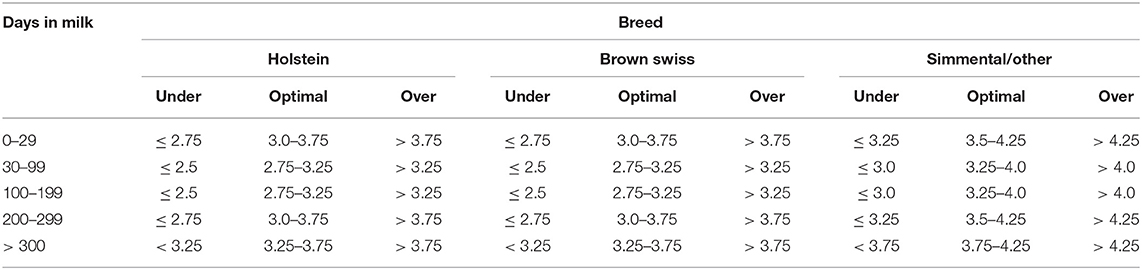
Lameness was assessed using the Stall Lameness Score (SLS) introduced by Leach et al. (29). Four criteria were observed during a 90 s observation period: weight shifting between feet, sparing a foot while standing, unequal weight bearing when stepping from side to side, and standing on the edge of the kerb (29). A cow displaying two out of the four criteria patterns was classified as lame. Body condition was scored according to the Body Condition Score (BCS) established by Edmonson et al. (30), later modified by Metzner et al. (31). As body condition changes during lactation, breed-specific categories exist in regard to days in milk. Therefore, cows were assigned to one of the three body condition categories “under,” “opt,” and “over” in relation to breed and stage of lactation (32–34), which can be seen in Table 1.
The presence of rib swellings was visually assessed in the lateral thoracic region between the 7 and the 9th rib at the transition from the bony part to the cartilaginous part of the rib (35).
A modified scoring approach was implemented to record skin changes of the hock (36, 37). Accordingly, hocks were assessed from a caudolateral perspective as follows: 1 = no skin change, 2 = hairless patch, 3 = swelling (no wound), 4 = wound (no swelling), 5 = wound and swelling, 6 = no assessment possible due to solid plaque of manure. The most severe of the present abnormalities on both sides was recorded. Skin changes of the neck were documented if present in the region between the first cervical and the first thoracic vertebra. A modified score according to Kielland et al. (38) was implemented: 1 = no observable skin change, 2 = hairless patch, 3 = wound or swelling. To assess the back, the region between the first cervical and the first caudal vertebra in an area of 10 cm on both sides of the median line of the back was examined. As for the tail, only visible abnormalities were documented: 1 = no abnormalities, 2 = swelling or deviation of the tail, 3 = amputated tail. Cleanliness of the udder and the lower legs was appraised according to Cook and Reinemann (39): 1 = little or no manure, 2 = minor splashing, 3 = distinct plaques of manure, 4 = solid plaque of manure.
The type of tying system, type of stall base, use of bedding material, and gutter design were assessed by visual inspection. An a priori determined number of stanchions per farm was measured for length and width: up to 30 stanchions with cows: 10 stanchions were measured; 30–49 stanchions: 15 stanchions were measured; 50–99 stanchions: 17 stanchions were measured. This number had been calculated prior to farm visits in accordance with farm size (i.e., the number of stalls present on farm in this context). For example, if 30 stanchions were present on farm and 10 had to be measured according to the pre-defined plan, every 3rd stall was assessed. The median value per farm was calculated and used for further statistical analysis.
Farmers were interviewed during the farm visit in order to collect information on the operational type of the farm (main source of income, organic farming) and if cows were provided with access to pasture or an outdoor exercise area at any given time during the year. Data on milk yield, parity, age, breed, and days in milk were retrieved from the national animal information data base HIT and from the national milk recording system (DHI). Farm records for milk yield were available for each cow up to 12 months prior to the farm visit. Test day milk yield is assessed once a month. In the present study, the most recent test day milk yield was used.
Data Handling and Statistical Analysis
All data were collected using questionnaires and data entry forms. After the farm visit, data were manually entered into a central SQL-data base. From there Microsoft Excel (40) datasheets were extracted and imported into R.
Statistical analyses were conducted with the statistical software R version 1.2.1335 (41). We used the following five packages: tidyverse (42), ggstatsplot (43), sjPlot (44), effects (45), and caret (46).
Descriptive statistics were carried out to investigate the distribution of predictors with the Stall Lameness Score. Abnormalities of the back and the tail were dichotomized. As for hocks, all cows that scored 6 were excluded from further analyses. Moreover, observable skin changes of the hocks were further categorized to 1 (no observable skin changes present), 2 (hairless patches), and 3 (swelling and/or wound). The continuous variables stall length and stall width were transformed into categorical variables depending on their distribution and the values of their quartiles. Three categories were created: short (≤ 158 cm), medium (>158–171 cm), and long (>171 cm). Farm size was grouped into three categories: small (<24 cows), medium (24–30 cows), and large (>30 cows). Subsequently, univariable analyses were performed on cow level for each variable in regard to the targeted variable lame (1/0) using logistic regression. A p ≤ 0.05 was regarded as statistically significant.
Multiple mixed logistic regression models were built on cow level in a manual stepwise forward selection process adding one predictor at a time to the model; farm was included as random factor. Year and farm size (categorized) were included as fixed effects. After every newly included variable, the model was assessed using the Akaike's Information (AIC) and Conditional R2. The lower the AIC the better the quality of the model (47). If a significant improvement of the AIC was perceived, a variable was kept within the model. Furthermore, after each step, the R function car::vif() was implemented for variable inflation in order to detect potential (multi-)collinearity among predictors.
Results
A total number of 1,170 dairy cows on 56 farms in the south German state of Bavaria were included in the data set of this study based on the housing system of their cows. If cows were housed in tie stalls at farm visit, these farms were included in the present analysis which led to the inclusion of 56 farms out of the initial 265 farms. The mean farm size was 25.60 cows (range 4–61 animals). Of the 56 farms, 47 were run conventionally whereas 9 farms were managed according to principles of organic farming. The predominant breed was German Simmental (84.53%), followed by Brown Swiss (10.77%), German Holstein (2.65%) and others (2.05%), i.e., crossbreds of the aforementioned. On 33 farms, dairy farming was the main source of income, whereas dairy farming provided subsidiary income on 23 farms. Among the 1,170 cows, 286 were classified as lame which equals a lameness prevalence of 24.44%. On farm level, the mean lameness prevalence was 23.28% (5.26–51.58%). Descriptive statistics of all categorical variables within the data set are presented in Table 2. Descriptive statistics of numerical variables within the data set can be seen in Table 3.
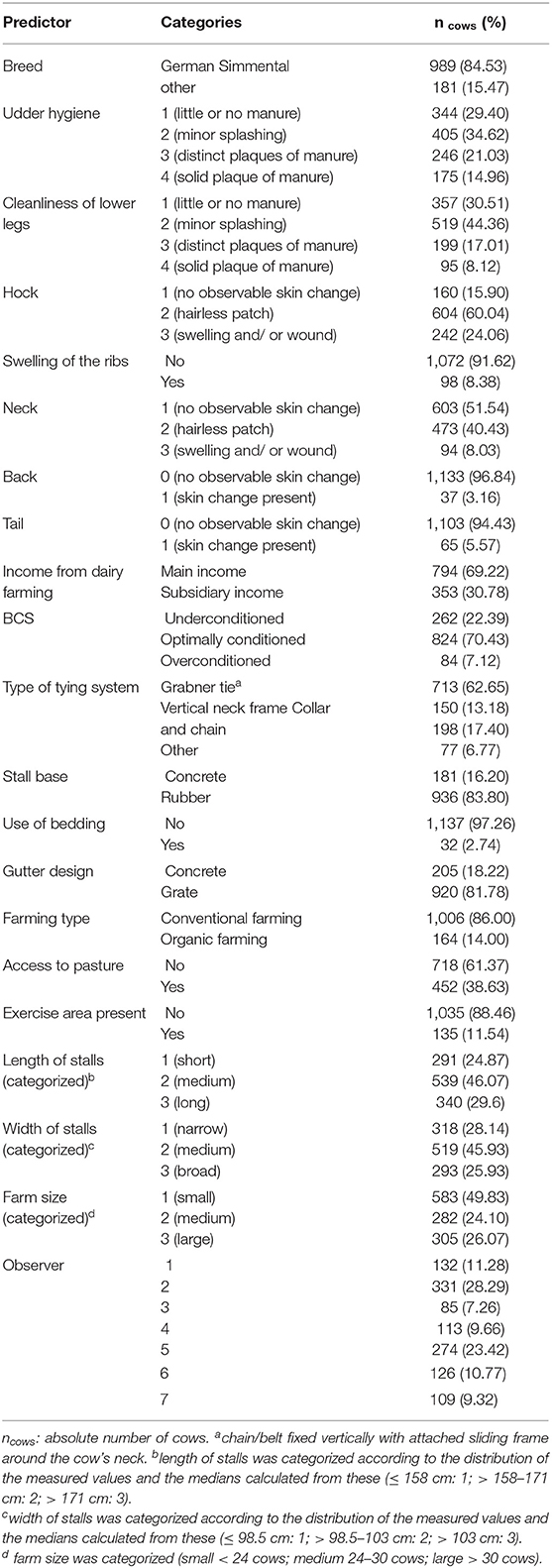
Table 2. Distribution of categorical variables within the data set.

Table 3. Distribution of continuous variables within the data set.
Table 4 summarizes the results of the univariable analyses. All predictors were analyzed in relation to the outcome lame.
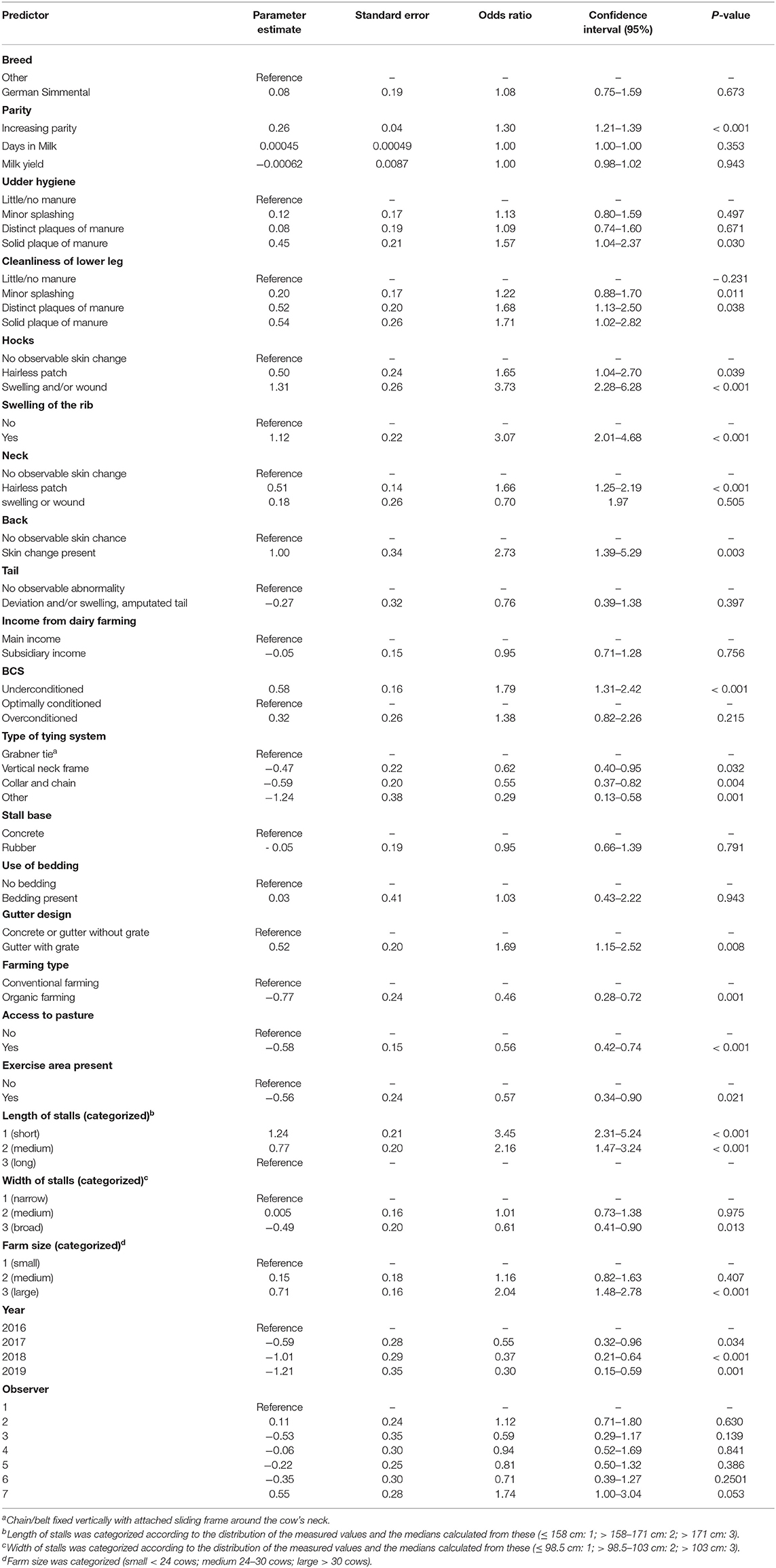
Table 4. Results of the univariable analyses of all factors with the target variable lame.
The multiple logistic regression approach required a complete cases data set. Accordingly, missing observations were removed which resulted in a total number of 1,006 cows on 56 farms. The final model maintained 8 out of the 22 predictors as well as the fixed effects year and farm size (categorized). Table 5 displays an overview of the results from the final multiple mixed logistic regression model. Low BCS was associated with greater odds of lameness. Compared with optimally conditioned cows, underconditioned animals experience higher odds of being lame (OR 1.59 [CI 1.10–2.30], p = 0.014). Higher odds of lameness were observed in animals of parities 3 or higher compared with animals in their first lactation (OR 2.71 [CI 1.83–4.01], p < 0.001). Furthermore, increasing milk yield was associated with lameness (OR 0.98 [CI 0.96–1.00], p = 0.05). With increasing levels of contamination of the lower legs, cows experienced higher odds of lameness. This was noticeable for the presence of distinct plaques of manure (OR 1.61 [CI 1.00–2.61], p = 0.05), but not for solid plaques of manure (OR 1.30 [CI 0.66–2.57], p = 0.443). Swellings and/or open wounds in the hock region were associated with lameness (OR 2.56 [CI 1.43–4.61], p = 0.002) as well as the presence of rib swellings (OR 2.81 [1.70–4.64], p < 0.001). Compared with long stalls, cows kept in medium (OR 1.76 [CI 1.07–2.87], p = 0.025) or short (OR 3.17 [CI 1.93–5.19], p < 0.001) stalls appeared to have greater odds of lameness. Cows living on farms with more than 30 cows have higher odds for lameness compared with cows on small farms (<24 cows) (OR 1.72 [CI 1.15–2.58], p = 0.008). As animals on different farms are not subjected to the same housing and management conditions, a farm-specific random effect was introduced in the modeling procedure in order to account for the presence of random variability in the data due to actual differences in on-farm housing- and management practices. The random effect considered that effects may differ as a consequence of differences across farms and incorporates farm-to-farm-variability within the analysis. In the current study, the percentage of heterogeneity, i.e., the value of τ00 farm as the variance between farms, in the final model was 0.20. Hence, 20% of the variance were explained by the variance between farms, e.g., as a consequence of different settings, varying housing conditions, management elements or of a different mindset.
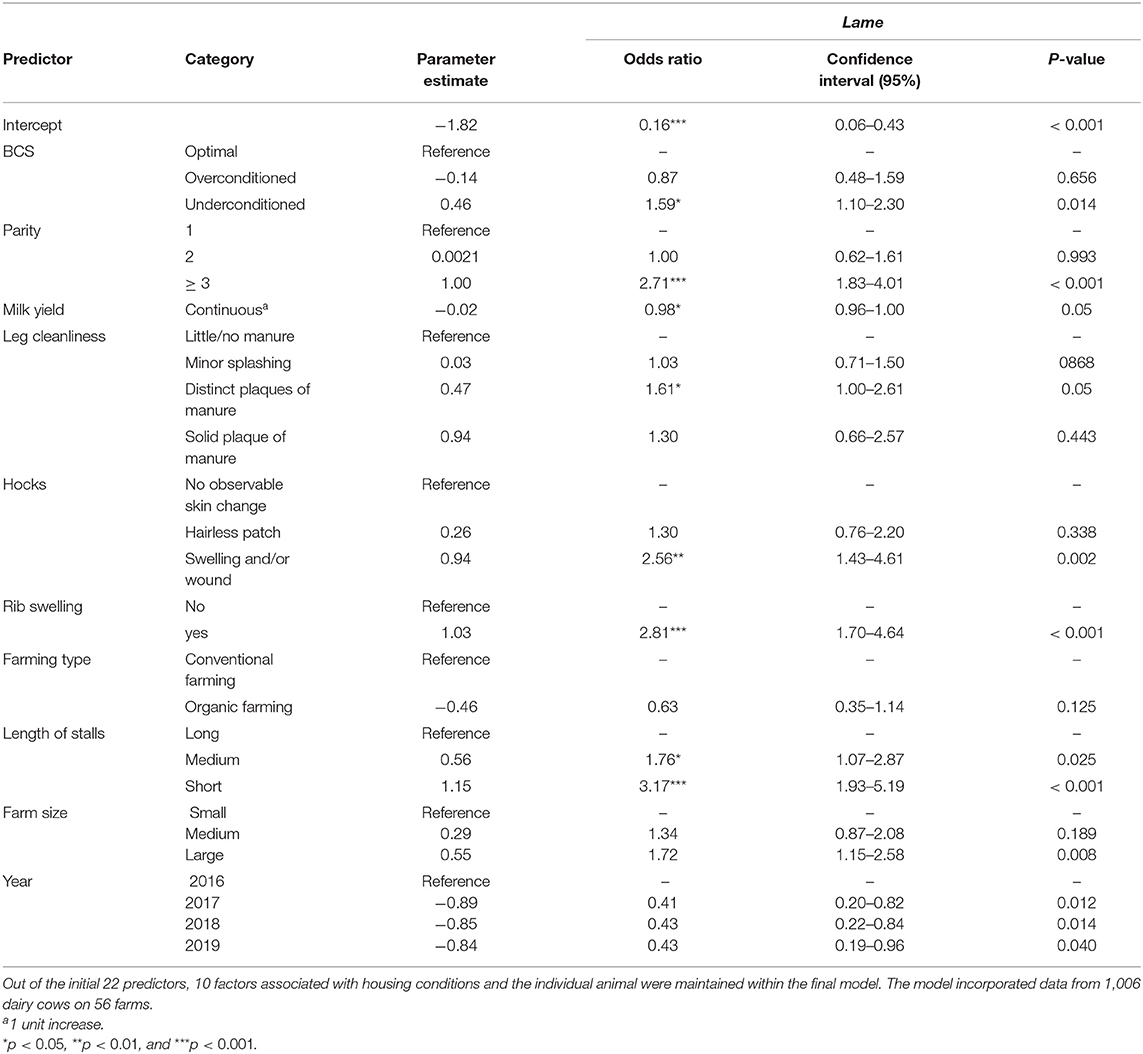
Table 5. Final multiple logistic regression model for factors associated with lameness.
Discussion
As public interest in the welfare and physical integrity of agricultural livestock in modern production systems grows, husbandry conditions are likely to come under close scrutiny which necessitates a critical evaluation in order to both meet animal welfare standards and economic viability (48). This growing public focus on farm animal welfare requires further investigation in current practices and to broaden our knowledge concerning housing conditions of livestock. This is particularly important with regard to lameness prevalence which is often addressed in the context of welfare assessment (49, 50). Against this background, the aim of this study was to determine the prevalence of lameness in tie stall housed dairy cows in Bavaria and to evaluate factors associated with the condition. By including a large number of animals and farms, we are convinced to have attained a high level of standardization even though some limitations exist. The mean farm level prevalence of lameness was 23.28 and 24.44% on animal level which is similar to other studies. In a Canadian study, Bouffard et al. (51) also implemented the SLS to determine lameness prevalence and found 25% of the cows assessed to be lame. In general, lameness prevalences are higher in free stall facilities than in tie stall operations and other housing types (6, 52, 53). Regarding the lameness prevalence determined in the current study, it is important to acknowledge, that Leach et al. (29) only observed a moderate sensitivity (0.54–0.77) of the SLS in direct comparison with locomotion scoring according to Sprecher et al. (54). This means that lameness might be underestimated when detected by SLS. The prevalence of lameness was underestimated on average by 27% (11–37%) in the study by Leach et al. (29). Moreover, as farmers had to get in contact with the study team on their own initiative, one might infer that mainly proactive farmers or well-conditioned operations have been enrolled and visited. This circumstance raises the hypothesis that the true lameness prevalence could be even higher in the dairy cow population housed in tie stall facilities. On the other hand, it appears plausible to assume that voluntary participation may have motivated specifically those farms with a lameness problem to participate. In this case, the true lameness prevalence in the current study would be overestimated.
Cows with a BCS lower than recommended (32–34) had higher odds of lameness compared with cows with a higher BCS according to breed and stage of lactation. This association is in accordance with others (20, 55, 56). As loss in body condition is not exclusively related to subcutaneous body fat but also affects the digital cushion, its shock absorbing properties during weight-bearing are impaired exposing the sensitive structures of the claw, i.e., the distal phalanx and the corium to undissipated mechanical forces that subsequently result in the formation of traumatic claw lesions (56–58). On the other hand, lameness itself often entails a loss of body condition as animals show alterations in their feeding behavior (59–61). Regarding the BCS limits in the present study, Holstein cows where considered as optimally conditioned with a BCS of up to 3.75 at the start of lactation as well as in the later stages of lactation and during the dry period. These cut offs where selected in accordance with the above cited literature. It is yet important to be aware that Drackley (62) recommended that BCS may not exceed 3.0 in North American Holstein cows at the beginning of lactation. As Holstein cows represented only a minor part of the study population in the present study and since difference might be present between Holstein cows of the North American type and the European or German type, respectively, we decided to implement the values presented in European publications that also provided cut off values for other breeds of the study population. As outlined previously, the results regarding the association between BCS and lameness are well in accordance with previous work. Using the stricter cut off values for Holstein cows suggested by Drackley (62), the result may have become even more distinct.
Higher parity increased a cow's odds for lameness in the current study and in previous work (63, 64). Prolonged exposition to potentially harmful elements of housing and management environments may increase the odds for cows higher in parity to suffer from recurrent episodes of claw disorders, finally resulting in chronic lameness (63–66). Older animals may also be less able to cope with deficient housing conditions. Furthermore, the tensile strength of the suspensory apparatus progressively wears out with increasing parity which causes the third phalanx to remain in a state of sinking (65, 67, 68). In combination with delivery associated remodeling processes of both the suspensory apparatus of the claw and the digital cushion, the deeper, more sensible structures of the claw may experience impaired shock-absorbing capacity and hence a massive increase of pressure (57, 58, 65, 69, 70). This subsequently fosters the development of traumatic claw lesions and lameness. On the other hand, dairy cows in their first lactation may encounter the most pronounced problems with housing associated changes when they are transferred from a heifer group to the group of lactating animals. The transition from free housing as heifer to tied housing as a lactating cow may create challenges for these animals and they may hence be removed from the herd prematurely which is supported by the fact that dairy cows in Germany survive to an average age of 5.4 years (71–73). This in sharp contrast to the aspiration of keeping dairy cows for a long productive life and highlights the fact that the current housing systems ought to be re-considered in order to be adequate to keep the animals sound and physically intact on the long run. It furthermore emphasizes that with increasing parity cows need to be provided with special care.
The association between high milk yield and the occurrence of disease, e.g., lameness, cows has been subject to ongoing discussions (74–76) with high yielding animals being particularly at risk for metabolic disorders, reproductive deficiencies, and lameness (77, 78). In tie stalls in southern Germany, cows are mostly fed with single components instead of mixed rations provided in free stall barns. Therefore, it is difficult to meet the nutritional requirements of high-yielding cows. Counterintuitively, high milk yield appeared to reduce the odds of lameness in the current study (OR 0.98 [0.95–1.00]) which is also confirmed by investigations made by Wangler et al. (73). This may be explained by the fact that cows with a high milk yield may be exposed to improved management and housing procedures which keep animals in a healthy condition (and consequently being less lame) and enable them to meet their productive potential. Another reason might be that lame cows cannot reach their full potential due to changed feeding behavior and inflammation processes (9, 79). It is importance to note that according to Green et al. (79–81) a decrease in milk yield can be observed already 6 weeks before the clinically visible presentation of a lameness case. Hence in regard to milk yield, these cows are not standing out on average. This means that only a continuous assessment of the animals for lameness, for instance every fortnight, in conjunction with an evaluation of their performance immediately after calving would have produced the possibility to make a final assumption that high milk yield or high performance in the initial stage of lactation, respectively, entails a higher risk for lameness.
If cleanliness of the lower legs was compromised to the extent that distinct plaques of manure were present, the odds for lameness were increased. As lame cows spend a greater daily amount of time lying with shorter lying bouts (11, 82), this contamination of the lower legs may arise from increased exposure to excrements so that it would be rather a consequence of lameness. Also, an alternated lying behavior or an unphysiological lying position may further promote the contamination of the legs. As animals in tie stall facilities are constantly fixed in the same stall, they do not have the possibility to evade these conditions. On the other hand, contaminated legs may favor the development of lameness as the lower legs are exposed to increased bacterial contamination (9, 83–85). Urine and feces chemically impinge upon the integrity of the skin that may trigger the development of infectious claw pathologies. Interestingly, solid plaques of manure did not appear to be significantly associated with lameness in the final model. This might be the result of other protective factors attributable to deficient management that cover the influence of heavily contaminated legs. Hence, heavily contaminated legs (solid plaques of manure on the lower legs) may not have been necessary to increase the explanatory power of the model.
The presence of skin changes on the hock was associated with increased odds of lameness in accordance with previous studies and can be mainly traced back to three circumstances (37, 86, 87). Firstly, hock lesions can themselves be painful and hence cause lameness (88). However, this might apply to a minor percentage of cows as most cases of lameness can be traced back to pathologies of the claws (13, 22). Secondly, hock lesions may be a result of lameness. As lame cows are impaired in their ability to lie down and rise physiologically, they may collide with stall control elements which eventually gives rise to the development of lesions on the hock (87, 89). Furthermore, the quality of bedding and the amount of bedding material are other important factors in the context of lameness and hock lesions that may aggravate the situation. Also, as lame cows spent a greater amount of time lying (11, 82), their risk of developing hock lesions may increase due to abrasive properties of stall surface, low amount of bedding material or soiled bedding material (87, 89, 90). Finally, hock lesions and lameness are associated with similar factors that foster their occurrence (86, 91) which may be an important point when regarding their association.
Knowledge on the occurrence and importance of rib swellings has been scarce. They often rather represent an additional finding and may point to previous rib fractures. They typically occur between the 7 and the 9th rib at the transition from the boney part of the rib to the cartilaginous part (35, 92, 93). In the current study, they were highly associated with lameness. This association is plausible given the fact that lame animals have difficulties in rising and lying down as discussed previously. They hence may frequently slip or fall down harshly with the consequence of lesions of the ribs (35). Another hypothesis on the pathogenesis of rib swellings may be that lame animals tend to lean against dividers of their stalls and when they slip or try to lie down, their thorax collides with these elements (94). The association between lameness and rib swellings has previously been discovered but may need more research to discover the etiologic mechanisms. As rib fractures are likely to be very painful, their relevance to animal welfare is obvious.
The length of the stalls appeared as a factor associated with lameness in the final model. Both medium (> 158–171 cm) and short (≤ 158 cm) stalls increased the odds of lameness compared with long (> 171 cm) stalls. For a physiological lying and rising process, an adequately sized stall, which is the place of permanent inhabitation of a cow in tie stall housing, is of the utmost importance. Short stalls result in cows often lying down with parts of their body in the gutter area which frequently is either covered in manure or built as a grate. This is likely to have adverse effects of microbiological and physical integrity of the claws and facilitate the emergence of infectious and traumatic claw lesions. Short stalls also interfere with the cows' desire to lie down in a comfortable, well-bedded stall and hence significantly compromise the animals' well-being (95–97).
The currently available literature has presented equivocal opinions on the association between farm size and lameness. Whereas, evidence from a recent meta-analysis (20) as well as results from previous work (86, 98) suggest an association between increasing herd size and lameness as a result of less intensive surveillance of the individual animal, decreased availability of qualified staff or overstocking rather than a larger herd per se, other studies have yet observed lower lameness prevalences in larger herds (53, 77, 78). The latter studies suggest an increased level of professionalism, more personnel specifically trained for identifying lame cows and automated management elements. The current study suggests that a herd size of > 30 cows entails greater odds for the individual animal to be lame. We yet think this finding is ought to be interpreted cautiously as the general farm size was very low (range 4–61 cows). Nevertheless, this may be a perspective for future research to identify the role of herd size in dairy cow lameness especially in tie stall operations where lameness detection itself might be more challenging as outlined previously.
Conclusions
The present study determined the prevalence of lameness in tie stall housed dairy cows and identified factors associated with lameness in this housing system. Housing conditions and elements of stall design are paramount in tie stall systems and in regard to lameness, they may possess an even more pivotal role in restrictive housing systems. Moreover, some aspects of housing and management are elements that allow for modification and improvement already in the short or the medium term. Following recommendations for stall design and management in these husbandry systems may be beneficial for both animal welfare and the prevalence of lameness. Furthermore, animal-level factors such as low body condition, higher parity, the presence of hock lesions and of rib swelling are important aspects in the context of dairy cow lameness which ought to be understood in order to tackle lameness problems and to improve animal welfare. Some of these factors may also require future investigations to better understand their inter-relationships especially in tie stall facilities.
Data Availability Statement
The datasets presented in this article are not readily available because the study was initiated by a Federal Ministry. Even though data are anonymized, they are not allowed to be made available to subjects not involved in the initial study. Requests to access the datasets should be directed to Roswitha Merle, cm9zd2l0aGEubWVybGVAZnUtYmVybGluLmRl.
Author Contributions
AO and RM initiated, conducted, supervised the study, and performed statistical analyses. AO drafted the manuscript with support from KJ, AT, and K-EM. AO, KJ, AT, and RM were involved in data cleaning, handling of the variables, and descriptive analyses. MF and K-EM contributed their professional expertise in the field and critically revised the manuscript. All authors have read and approved of the final manuscript.
Funding
Farm visits and data collection of this study were initiated and financially supported by the German Federal Ministry of Food and Agriculture (BMEL) through the Federal Office for Agriculture and Food (BLE) grant number 2814HS008.
Conflict of Interest
The authors declare that the research was conducted in the absence of any commercial or financial relationships that could be construed as a potential conflict of interest.
Acknowledgments
We wish to cordially extend our gratitude to all participating farmers and our project colleagues.
References
1. Archer S, Bell NJH. Lameness in UK dairy cows: a review of the current status. Practice. (2010) 32:492–504. doi: 10.1136/inp.c6672
2. Stanek C. Examination of the locomotor system. In: Greenough PW, Weaver AD, editors. Lameness in Cattle. 3rd ed. Philadelphia, PA: WB Saunders Company (1997). p. 14–23.
3. Radostits OM, Gay CC, Hinchcliff KW, Constable PD. Diseases of the musculoskelettal system. In: Radostits OM, Gay CC, Hinchcliff KW, Constable PD, editors. Veterinary Medicine-A Textbook of the Diseases of Cattle, Horses, Sheep, Pigs, and Goats. 10th ed. Philadelphia, PA: Saunders Elsevier (2007). p. 621–49.
4. Barker ZE, Leach KA, Whay HR, Bell NJ, Main DC. Assessment of lameness prevalence and associated risk factors in dairy herds in England and Wales. J Dairy Sci. (2010) 93:932–41. doi: 10.3168/jds.2009-2309
5. Bran JA, Costa JHC, von Keyserlingk MAG, Hotzel MJ. Factors associated with lameness prevalence in lactating cows housed in freestall and compost-bedded pack dairy farms in southern Brazil. Prev Vet Med. (2019) 172:104773. doi: 10.1016/j.prevetmed.2019.104773
6. Costa JHC, Burnett TA, von Keyserlingk MAG, Hotzel MJ. Prevalence of lameness and leg lesions of lactating dairy cows housed in southern Brazil:effects of housing systems. J Dairy Sci. (2018) 101:2395–405. doi: 10.3168/jds.2017-13462
7. Dolecheck K, Bewley J. Animal board invited review: dairy cow lameness expenditures, losses and total cost. Animal. (2018) 12:1462–74. doi: 10.1017/S1751731118000575
8. Popescu S, Borda C, Diugan EA, Spinu M, Groza IS, Sandru CD. Dairy cows welfare quality in tie-stall housing system with or without access to exercise. Acta Vet Scand. (2013) 55:43. doi: 10.1186/1751-0147-55-43
9. King MTM, Pajor EA, LeBlanc SJ, DeVries TJ. Associations of herd-level housing, management, and lameness prevalence with productivity and cow behavior in herds with automated milking systems. J Dairy Sci. (2016) 99:9069–79. doi: 10.3168/jds.2016-11329
10. Alawneh JI, Laven RA, Stevenson MA. The effect of lameness on the fertility of dairy cattle in a seasonally breeding pasture-based system. J Dairy Sci. (2011) 94:5487–93. doi: 10.3168/jds.2011-4395
11. Weigele HC, Gygax L, Steiner A, Wechsler B, Burla JB. Moderate lameness leads to marked behavioral changes in dairy cows. J Dairy Sci. (2018) 101:2370–82. doi: 10.3168/jds.2017-13120
12. Charfeddine N, Perez-Cabal MA. Effect of claw disorders on milk production, fertility, and longevity, and their economic impact in Spanish Holstein cows. J Dairy Sci. (2017) 100:653–65. doi: 10.3168/jds.2016-11434
13. Sogstad AM, Fjeldaas T, Østerås O, Forshell KP. Prevalence of claw lesions in Norwegian dairy cattle housed in tie stalls and free stalls. Prev Vet Med. (2005) 70:191–209. doi: 10.1016/j.prevetmed.2005.03.005
14. Whay H, Waterman A, Webster A. Associations between locomotion, claw lesions andnociceptive threshold in dairy heifers during the peri-partum period. Vet J. (1997) 154:155–61. doi: 10.1016/S1090-0233(97)80053-6
15. Whay H, Waterman A, Webster A, O'Brien J. The influence of lesion type on the duration of hyperalgesia associated with hindlimb lameness in dairy cattle. Vet J. (1998) 156:23–9. doi: 10.1016/S1090-0233(98)80058-0
16. Whay H, Webster A, Waterman-Pearson A. Role of ketoprofen in the modulation of hyperalgesia associated with lameness in dairy cattle. Vet Rec. (2005) 157:729–33. doi: 10.1136/vr.157.23.729
17. Horseman SV, Roe EJ, Huxley JN, Bell NJ, Mason CS, Whay HR. The use if in-depth interviews to understand the process of treating lame dairy cows from the farmers' perspective. Anim Welf. (2014) 23:157–65. doi: 10.7120/09627286.23.2.157
18. Grimm K, Haidn B, Erhard M, Tremblay M, Dopfer D. New insights into the association between lameness, behavior, and performance in simmental cows. J Dairy Sci. (2019) 102:2453–68. doi: 10.3168/jds.2018-15035
19. Bernhard JK, Vidondo B, Achermann RL, Rediger R, Müller KE, Steiner A. Carpal, tarsal, and stifle skin lesion prevalence and potential risk factors in Swiss dairy cows kept in tie stalls: a cross-sectional study. PLoS ONE. (2020) 15:e0228808. doi: 10.1371/journal.pone.0228808
20. Oehm AW, Knubben-Schweizer G, Rieger A, Stoll A, Hartnack S. A systematic review and meta-analyses of risk factors associated with lameness in dairy cows. BMC Vet Res. (2019) 15:346. doi: 10.1186/s12917-019-2095-2
21. Adams AE, Lombard JE, Fossler CP, Roman-Muniz IN, Kopral CA. Associations between housing and management practices and the prevalence of lameness, hock lesions, and thin cows on US dairy operations. J Dairy Sci. (2017) 100:2119–36. doi: 10.3168/jds.2016-11517
22. Sogstad AM, Fjeldaas T, Osteras O. Lameness and claw lesions of the Norwegian red dairy cattle housed in free stalls in relation to environment, parity and stage of lactation. Acta veteVet Scand. (2005) 46:203–17. doi: 10.1186/1751-0147-46-203
23. Zurbrigg K, Kelton D, Anderson N, S M. Stall dimensions and the prevalence of lameness, injury, and cleanliness on 317 tie-stall dairy farms in Ontario. Can Vet J. (2005) 46:902–9. doi: 10.3168/jds.S0022-0302(05)73003-4
24. von Keyserlingk MA, Rushen J, de Passille AM, Weary DM. Invited review: the welfare of dairy cattle–key concepts and the role of science. J Dairy Sci. (2009) 92:4101–11. doi: 10.3168/jds.2009-2326
25. Fraser D, Weary DM, Pajor EA, Milligan BN. A scientific conception of animal welfare that reflects ethical concerns. Anim Welf. (1997) 6:187–205.
26. Cook NB. Prevalence of lameness among dairy cattle in Wisconsin as a function of housing type and stall surface. J Am Vet Med Assoc. (2003) 223:1324–8. doi: 10.2460/javma.2003.223.1324
27. Landis JR, Koch GG. The measurement of observer agreement for categorical data. Biom. (1977) 33:150–74. doi: 10.2307/2529310
28. Viera AJ, Garrett JM. Understanding interobserver agreement: the kappa statistic. Fam Med. (2005) 37:360–3.
29. Leach KA, Dippel S, Huber J, March S, Winckler C, Whay HR. Assessing lameness in cows kept in tie-stalls. J Dairy Sci. (2009) 92:1567–74. doi: 10.3168/jds.2008-1648
30. Edmonson A, Lean I, Weaver L, Farver T, Webster G. A body condition scoring chart for Holstein dairy cows. J Dairy Sci. (1989) 72:68–78. doi: 10.3168/jds.S0022-0302(89)79081-0
31. Metzner M, Heuwieser W, Klee W. Die Beurteilung der Körperkondition (body condition scoring) im Herdenmanagement. Der prakt Tierarzt. (1993) 74:991–8.
32. Kritzinger F, Schoder G. Gesund und fit bringt optimale Leistung, BCS. In: Body Condition Scoring für Fleckvieh. (Linz: Oberösterreichischer Tiergesundheitsdienst) (2009). p. 1–2.
33. Martin R, Mansfeld R, Hoedemaker M, deKruif A. Milchleistung und Fütterung. In: de Kruif A, Mansfeld R, Hoedemaker M. editors. Tierärztliche Bestandsbetreuung beim Milchrind. 3rd ed. Germany: Enke Verlag, Stuttgart (2014).
34. Heuwieser W, Mansfeld R. Beurteilung der Körperkondition bei Milchkühen, Teil 2. Milchpraxis. (1992) 30:10–4.
35. Blowey R, Bell N. Rib fractures in slaughter cattle. Vet Rec. (2014) 175:231. doi: 10.1136/vr.g5500
36. Regula G, Danuser J, Spycher B, Wechsler B. Health and welfare of dairy cows in different husbandry systems in Switzerland. Prev Vet Med. (2004) 66:247–64. doi: 10.1016/j.prevetmed.2004.09.004
37. Kielland C, Ruud LE, Zanella AJ, Osteras O. Prevalence and risk factors for skin lesions on legs of dairy cattle housed in freestalls in Norway. J Dairy Sci. (2009) 92:5487–96. doi: 10.3168/jds.2009-2293
38. Kielland C, Bøe KE, Zanella AJ, Østerås O. Risk factors for skin lesions on the necks of Norwegian dairy cows. J Dairy Sci. (2010) 93:3979–89. doi: 10.3168/jds.2009-2909
39. Cook NB, Reinemann D. A tool box for assessing cow, udder and teat hygiene. In: 46th Annual Meeting of the National Mastitis Council (San Antonio, Texas, USA) (2007) p. 31–43.
41. R Core Team. R: A Language and Environment for Statistical Computing. Vienna, Austria: R Foundation for Statistical Computing (2019).
42. Wickham H, Averick M, Bryan J, Chang W, D'Agostino McGowan L, et al. Welcome to the tidyverse. J Open Source Softw. (2019) 4:1686. doi: 10.21105/joss.01686
43. Patil I. ggstatsplot: 'ggplot2' Based Plots With Statistical Details. Cran Package 0.6.6 (2018). Available online at: https://cran.r-project.org/web/packages/ggstatsplot/ggstatsplot.pdf
44. Lüdecke D. sjPlot: Data Visualization for Statistics in Social Science. R package version 2.8.4 (2020).
45. Fox J, Weisberg S. Visualizing fit and lack of fit in complex regression models with predictor effect plots and partial residuals. J Stat Softw. (2019) 87:1–27. doi: 10.18637/jss.v087.i09
46. Kuhn M. caret: Classification and Regression Training. R package version 6.0-86. Available online at: https://cran.r-project.org/web/packages/caret/index.html
47. Burnham KP, Anderson DR. Model Selection and Multimodel Inference: a Practical Information-Theoreti Approach. 2nd ed. New York, NY: Springer (2002).
48. Barkema HW, von Keyserlingk MA, Kastelic JP, Lam TJ, Luby C, Roy JP, et al. Invited review: changes in the dairy industry affecting dairy cattle health and welfare. J Dairy Sci. (2015) 98:7426–45. doi: 10.3168/jds.2015-9377
49. Winckler C, Algers B, van Reenen K. Editors assessment protocol for cattle. In: Welfare Quality Consortium (Lelystad) (2009).
50. National Milk Producer Federation. National Dairy FARM Animal Care Reference Manual 2017. Available online at: https://nationaldairyfarm.com/wp-content/uploads/2018/10/Version-3-Manual-1.pdf (accessed November 20, 2019).
51. Bouffard V, de Passille AM, Rushen J, Vasseur E, Nash CG, Haley DB, et al. Effect of following recommendations for tiestall configuration on neck and leg lesions, lameness, cleanliness, and lying time in dairy cows. J Dairy Sci. (2017) 100:2935–43. doi: 10.3168/jds.2016-11842
52. Shearer J, van Amstel SR. Pathogenesis and treatment of sole ulcers and white line disease. Vet Clin North Am Food Anim Pract. (2017) 33:283–300. doi: 10.1016/j.cvfa.2017.03.001
53. Chapinal N, Barrientos AK, von Keyserlingk MA, Galo E, Weary DM. Herd-level risk factors for lameness in freestall farms in the northeastern United States and California. J Dairy Sci. (2013) 96:318–28. doi: 10.3168/jds.2012-5940
54. Sprecher DJ, Hostetler DE, Kaneene JB. A lameness scoring system that uses posture and gait to predict dairy cattle reproductive performance. Theriogenology. (1997) 47:1179–87. doi: 10.1016/S0093-691X(97)00098-8
55. Randall LV, Green MJ, Chagunda MG, Mason C, Archer SC, Green LE, et al. Low body condition predisposes cattle to lameness: an 8-year study of one dairy herd. J Dairy Sci. (2015) 98:3766–77. doi: 10.3168/jds.2014-8863
56. Randall LV, Green MJ, Green LE, Chagunda MGG, Mason C, Archer SC, et al. The contribution of previous lameness events and body condition score to the occurrence of lameness in dairy herds: a study of 2 herds. J Dairy Sci. (2018) 101:1311–24. doi: 10.3168/jds.2017-13439
57. Newsome R, Green MJ, Bell N, Bollard N, Mason C, Whay H, et al. A prospective cohort study of digital cushion and corium thickness. Part 1: associations with body condition, lesion incidence, and proximity to calving. J Dairy Sci. (2017) 100:4745–58. doi: 10.3168/jds.2016-12012
58. Newsome RF, Green MJ, Bell NJ, Bollard NJ, Mason CS, Whay HR, et al. A prospective cohort study of digital cushion and corium thickness. Part 2: does thinning of the digital cushion and corium lead to lameness and claw horn disruption lesions? J Dairy Sci. (2017) 100:4759–71. doi: 10.3168/jds.2016-12013
59. Barker ZE, Vazquez Diosdado JA, Codling EA, Bell NJ, Hodges HR, Croft DP, et al. Use of novel sensors combining local positioning and acceleration to measure feeding behavior differences associated with lameness in dairy cattle. J Dairy Sci. (2018) 101:6310–21. doi: 10.3168/jds.2016-12172
60. Nechanitzky K, Starke A, Vidondo B, Muller H, Reckardt M, Friedli K, et al. Analysis of behavioral changes in dairy cows associated with claw horn lesions. J Dairy Sci. (2016) 99:2904–14. doi: 10.3168/jds.2015-10109
61. Hoedemaker M, Prange D, Gundelach Y. Body condition change ante- and postpartum, health and reproductive performance in German Holstein cows. Reprod Domest Anim. (2009) 44:167–73. doi: 10.1111/j.1439-0531.2007.00992.x
62. Drackley JK. The importance of BCS management to cow welfare, performance and fertility. WCDS Adv Dairy Technol. (2016) 28:195–206.
63. Solano L, Barkema HW, Mason S, Pajor EA, LeBlanc SJ, Orsel K. Prevalence and distribution of foot lesions in dairy cattle in Alberta, Canada. J Dairy Sci. (2016) 99:6828–41. doi: 10.3168/jds.2016-10941
64. Foditsch C, Oikonomou G, Machado VS, Bicalho ML, Ganda EK, Lima SF, et al. Lameness prevalence and risk factors in large dairy farms in upstate New York. Model development for the prediction of claw horn disruption lesions. PLoS ONE. (2016) 11:e0146718. doi: 10.1371/journal.pone.0146718
65. Tarlton JF, Holah DE, Evans KM, Jones S, Pearson GR, Webster AJ. Biomechanical and histopathological changes in the support structures of bovine hooves around the time of first calving. Veterinary J. (2002) 163:196–204. doi: 10.1053/tvjl.2001.0651
66. Cook NB, Nordlund KV. The influence of the environment on dairy cow behavior, claw health and herd lameness dynamics. Vet J. (2009) 179:360–9. doi: 10.1016/j.tvjl.2007.09.016
67. Knott L, Tarlton JF, Craft H, Webster AJ. Effects of housing, parturition and diet change on the biochemistry and biomechanics of the support structures of the hoof of dairy heifers. Vet J. (2007) 174:277–87. doi: 10.1016/j.tvjl.2006.09.007
68. Tarlton J, Webster A. Biochemical, histopathological and biomechanical mechanisms of lameness associated with first calving. Cattle Pract. (2003) 11:81–7.
69. Samuel CS, Coghlan JP, Bateman JF. Effects of relaxin, pregnancy and parturition on collagen metabolism in the rat pubic symphysis. J Endocrinol. (1998) 159:117–25. doi: 10.1677/joe.0.1590117
70. Lischer Ch J, Ossent P, Räber MHG. The suspensory structures and supporting tissues od the bovine third phalanx of cows and their relevance to the development of typical sole ulcers (Rusterholz ulcers). Vet Rec. (2002) 151:694–8.
71. Römer A. Investigations on the longevity of German Holstein cows. Züchtungskunde. (2014) 83:8–20.
72. Stojic P. Causes of culling in the tie stall system. Biotechnol Anim Husb. (2012) 28:697–704. doi: 10.2298/BAH1204697S
73. Wangler A, Blum E, Boettcher I, Sanftleben P. Productive life and longevity of dairy cows on the basis of efficiency of milk production. Züchtungskunde. (2009) 81:341–60.
74. Leroy JL, vanholder T, van Knegsel AT, Garcia-Ispierto I, Bols PE. Nutrient prioritization in dairy cows early postpartum: mismatch between metabolism and fertility? Reprod Domest Anim. (2008) 43(Suppl. 2):96–103. doi: 10.1111/j.1439-0531.2008.01148.x
75. Knaus W. Dairy cows trapped between performance demands and adaptability. J Sci Food Agri. (2009) 89:1107–14. doi: 10.1002/jsfa.3575
76. Sundrum A. Metabolic disorders in the transition period indicate that the dairy cows' ability to adapt is overstressed. Animals. (2015) 5:978–1020. doi: 10.3390/ani5040395
77. Solano L, Barkema HW, Pajor EA, Mason S, LeBlanc SJ, Zaffino Heyerhoff JC, et al. Prevalence of lameness and associated risk factors in Canadian Holstein-Friesian cows housed in freestall barns. J Dairy Sci. (2015) 98:6978–91. doi: 10.3168/jds.2015-9652
78. Chapinal N, Liang Y, Weary DM, Wang Y, von Keyserlingk MA. Risk factors for lameness and hock injuries in Holstein herds in China. J Dairy Sci. (2014) 97:4309–16. doi: 10.3168/jds.2014-8089
79. Green LE, Borkert J, Monti G, Tadich N. Associations between lesion-specific lameness and the milk yield of 1,635 dairy cows from seven herds in the Xth region of Chile and implications for management of lame dairy cows worldwide. Anim Welf. (2010) 19:419–27.
80. Green LE, Hedges VJ, Schukken YH, Blowey RW, Packington AJ. The impact of clinical lameness on the milk yield of dairy cows. J Dairy Sci. (2002) 85:2250–6. doi: 10.3168/jds.S0022-0302(02)74304-X
81. Green LE, Huxley JN, Banks C, Green MJ. Temporal associations between low body condition, lameness and milk yield in a UK dairy herd. Prev Vet Med. (2014) 113:63–71. doi: 10.1016/j.prevetmed.2013.10.009
82. Walker SL, Smith RF, Routly JE, Jones DN, Morris MJ, Dobson H. Lameness, activity time-budgets, and estrus expression in dairy cattle. J Dairy Sci. (2008) 91:4552–9. doi: 10.3168/jds.2008-1048
83. Dembele I, Spinka M, Stehulova I, Panama J, Firla P. Factors contributing to the incidence of prevalence of lameness on Czech dairy farms. Czech J Anim Sci. (2006) 51:102. doi: 10.17221/3916-CJAS
84. Somers JG, Frankena K, Noordhuizen-Stassen EN, Metz JH. Prevalence of claw disorders in Dutch dairy cows exposed to several floor systems. J Dairy Sci. (2003) 86:2082–93. doi: 10.3168/jds.S0022-0302(03)73797-7
85. Somers JG, Frankena K, Noordhuizen-Stassen EN, Metz JH. Risk factors for digital dermatitis in dairy cows kept in cubicle houses in The Netherlands. Prev Vet Med. (2005) 71:11–21. doi: 10.1016/j.prevetmed.2005.05.002
86. Richert RM, Cicconi KM, Gamroth MJ, Schukken YH, Stiglbauer KE, Ruegg PL. Perceptions and risk factors for lameness on organic and small conventional dairy farms. J Dairy Sci. (2013) 96:5018–26. doi: 10.3168/jds.2012-6257
87. Haskell MJ, Rennie LJ, Bowell VA, Bell MJ, Lawrence AB. Housing system, milk production, and zero-grazing effects on lameness and leg injury in dairy cows. J Dairy Sci. (2006) 89:4259–66. doi: 10.3168/jds.S0022-0302(06)72472-9
88. Livesey CT, Marsh C, Metcalf JA, Laven RA. Hock injuries in cattle kept in straw yards or cubicles with rubber mats or mattresses. Vet Rec. (2002) 150:677–9. doi: 10.1136/vr.150.22.677
89. Brenninkmeyer C, Dippel S, Brinkmann J, March S, Winckler C, Knierim U. Hock lesion epidemiology in cubicle housed dairy cows across two breeds, farming systems and countries. Prev Vet Med. (2013) 109:236–45. doi: 10.1016/j.prevetmed.2012.10.014
90. Nuss K, Weidmann E. Hock lesions in dairy cows -an overview. Tierarzt Prax Ausg G. (2013) 41:234–44; quiz 45. doi: 10.1055/s-0038-1623177
91. Dippel S, Dolezal M, Brenninkmeyer C, Brinkmann J, March S, Knierim U, et al. Risk factors for lameness in freestall-housed dairy cows across two breeds, farming systems, and countries. J Dairy Sci. (2009) 92:5476–86. doi: 10.3168/jds.2009-2288
92. Blowey R. Rib swellings associated with chronically lame cattle - a clinical note. In: The 15th International Symposium and the 7th Conference on lameness in ruminants Kuopio. (2008)
93. Braun U, Warislohner S, Hetzel U, Nuss K. Case report: clinical and postmortem findings in four cows with rib fracture. BMC Research Notes. (2017) 10:85. doi: 10.1186/s13104-017-2415-1
94. Blowey R. Rib dislocation or fracture associated with bovine lameness. Vet Rec. (2007) 160:383–4. doi: 10.1136/vr.160.11.383-a
95. Cook NB. The dual roles of cow comfort in dairy herd lameness dynamics. In: Proceedings of the Annual American Association of Bovine Practitioners Conference (St Paul, Minnesota, USA) (2006).
96. Cook NB. The impact of freestall barn design on lameness and mastitis in Wisconsin. In: Proceedings of Minnesota Veterinary Medical Association (Minneapolis, MN) (2003).
97. Cook NB, Bennett TB, Nordlund KV. Effect of free stall surface on daily activity patterns in dairy cows with relevance to lameness prevalence. J Dairy Sci. (2004) 87:2912–22. doi: 10.3168/jds.S0022-0302(04)73422-0
Keywords: locomotion, cattle, risk factor analysis, housing conditions, tie stall, lameness
Citation: Oehm AW, Jensen KC, Tautenhahn A, Mueller K-E, Feist M and Merle R (2020) Factors Associated With Lameness in Tie Stall Housed Dairy Cows in South Germany. Front. Vet. Sci. 7:601640. doi: 10.3389/fvets.2020.601640
Received: 01 September 2020; Accepted: 23 November 2020;
Published: 16 December 2020.
Edited by:
Richard Van Vleck Pereira, University of California, Davis, United StatesReviewed by:
Trevor James DeVries, University of Guelph, CanadaGeorgios Oikonomou, University of Liverpool, United Kingdom
Copyright © 2020 Oehm, Jensen, Tautenhahn, Mueller, Feist and Merle. This is an open-access article distributed under the terms of the Creative Commons Attribution License (CC BY). The use, distribution or reproduction in other forums is permitted, provided the original author(s) and the copyright owner(s) are credited and that the original publication in this journal is cited, in accordance with accepted academic practice. No use, distribution or reproduction is permitted which does not comply with these terms.
*Correspondence: Andreas W. Oehm, YW5kcmVhcy5vZWhtQE91dGxvb2suY29t