 Sabrina Schneider
 Katrin Hartmann
 René Dörfelt
- Clinic of Small Animal Medicine, Centre for Clinical Veterinary Medicine, LMU Munich, Munich, Germany
Objective: To evaluate the effect of parenteral amino acid application in hospitalized hypoalbuminemic dogs.
Materials and methods: Medical records of client-owned hypoalbuminemic dogs (albumin ≤ 25 g/L) were analyzed. Dogs receiving amino acids for only 1–2 days, receiving transfusions or surgery, or <6 months of age were excluded. Dogs were grouped as those receiving intravenous amino acids (AA, 80 dogs) over 3 days and longer, and those without additional amino acid treatment (CON, 78 dogs). Duration of hospitalization, albumin, and total protein concentrations were compared between groups by Mann–Whitney U test. Course of albumin and total protein concentration was evaluated by Friedman test and Dunn’s multiple comparison test. Significance was set to p ≤ 0.05.
Results: Dogs in group AA received 10% amino acid solution intravenously over median 4 days (3–11 days). No significant differences regarding survival and adverse effects were observed between groups. Dogs of group AA had significantly longer duration of hospitalization (median 8 days; 3–33 days) compared to group CON dogs (median 6 days, 3–24 days; p < 0.001). Initial albumin concentration was lower in group AA compared to CON (p < 0.001). This difference was no longer present on day 2 (p = 0.134).
Conclusions and clinical relevance: Intravenous application of 10% amino acid solution in hypoalbuminemic dogs can improve albumin concentration after 2 days, but does not influence outcome.
1. Introduction
Albumin is synthetized in the liver from amino acids and fulfills multiple physiologic tasks, such as maintaining colloid osmotic pressure and being a transporter of enzymes, hormones, and pharmacological substance. It is distributed in the plasma (40%) and the interstitium (60%) (1–4). Albumin is also included in the endothelial glycocalyx, preventing fluid shift from the capillaries to the interstitium. Furthermore, it decreases the cytotoxic effect of reactive oxygen species (5, 6).
Hypoalbuminemia is a common disorder in critically ill patients (1). A serum albumin concentration below 20 g/L is associated with decreased survival in a variety of diseases, including protein-losing enteropathy and nephropathy, liver failure, sepsis, heart failure, and hemorrhage (1, 7–10). Protein-losing enteropathy subsumes various gastrointestinal diseases in which protein loss due to damage to the mucosa or epithelium occurs, for example due to inflammatory processes, due to lymphatic obstruction or altered vascular permeability (11, 12). In systemic inflammation and sepsis, trauma or inflammation, the synthesis of the negative acute-phase proteins, including albumin, is reduced (2, 13).
Hypoalbuminemia contributes to life-threatening complications, such as systemic organ failure, pulmonary edema, reduced wound healing, and hypercoagulability (1).
As hypoalbuminemia is often a result of an underlying disease, the treatment should primarily address the underlying process. Measures to increase albumin concentration as well as replacement of albumin function have to be initiated in patients with severe hypoalbuminemia (1). Natural colloids, such as plasma and human or canine albumin, can be used to increase albumin concentration (14). About 45–50 mL/kg plasma are required to increase serum albumin concentration by 10 g/L (15, 16). Human albumin is more effective than plasma to elevate albumin concentration, colloid osmotic pressure, total protein as well as systemic blood pressure (17–20). Mild to severe adverse effects, such as immediate anaphylactic reactions, delayed type III hypersensitivity reactions and development of anti-human albumin antibodies, are reported in dogs after application of human albumin (20–22). Canine albumin also has been shown to increase albumin levels in dogs with potentially fewer adverse effects compared to human albumin (23). However, it is more expensive than human albumin and not available in most countries.
In mechanically ventilated humans, an adequate protein intake adapted on calculations using repeated indirect calorimetry measurement, was found to reduce mortality compared to patietns with daily equal protein intake (24). The American Society for Parenteral and Enteral Nutrition recommends an adequate protein supply for adult critically ill patients (1.2–2.0 g/kg body weight per day) (25). In a worldwide survey on critically ill patients, the median protein intake was only 1.3 g/kg/d (1.0–1.5 g/kg/d), which is at the lower end of the required protein quantity (26). To support albumin synthesis in hypoalbuminemic dogs, enteral and parenteral nutrition is often performed (1). In rats, enteral nutrition improved the albumin transcription rate (27). Enteral nutrition is preferred over parenteral nutrition, as it mimics the physiological situation and supports the function of the gastrointestinal tract (28). As it is often difficult to apply the full amount of proteins and amino acids to critically ill patients, parenteral administration of amino acids can be used to support protein balance (29). In human medicine, parenteral administration of amino acids in addition to enteral nutrition increases synthesis rate and improves protein balance in a catabolic metabolic phase. However, an increase in absolute serum albumin concentration has not been observed in those critically ill humans receiving parenteral amino acid supplementation. Redistribution of albumin molecules between the intra- and extravascular space is considered responsible for the lack of albumin increase (29–32). On the other hand, the administration of amino acids in combination with lipids to premature infants and piglets showed a significant increase in albumin synthesis rate at high levels of amino acid support, with a partially positive effect on serum albumin concentration (33–37). In small animal medicine, the effect of parenterally administered amino acids on albumin synthesis has not been intensively studied.
Aim of this study was to evaluate the effect of parenteral amino acid application in hospitalized dogs suffering from various diseases causing hypoalbuminemia. This study specifically aimed to evaluate the effect of amino acid application on survival, duration of hospitalization as well as on serum albumin and total protein concentration and time to albumin concentration increase. Correlation of the amino acid dose with increase of serum albumin concentration and adverse effects of amino acid application were investigated in comparison to dogs without amino acid supplementation.
2. Materials and methods
2.1. Study design and animals
Medical records of dogs presented to a university clinic from 2013 to 2019 were reviewed for albumin concentrations ≤25 g/L. Dogs were excluded if they were younger than 6 months, hospitalized for less than 3 days. if albumin was only measured once during hospitalization, if they received plasma, whole blood or human albumin transfusion or if they underwent a surgical procedure (other than placement of feeding tubes) during the examination period. Dogs receiving amino acid infusion for only 1–2 days were also excluded (Figure 1).
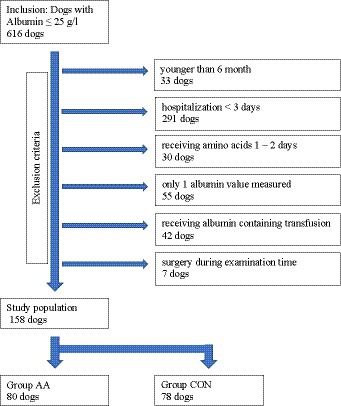
Figure 1. Flow chart on hypoalbuminemic dogs included and excluded in the study.
2.2. Study groups
Of the 158 included dogs, 80 received 10% amino acids as a constant rate infusion (Aminoplasmal® 10%, B. Braun, Melsungen, Germany; group AA) for ≥3 days, and 78 dogs were treated without intravenous amino acids (group CON). Signalment, diagnosis, initial and repeated albumin values, total protein values, systemic inflammatory response syndrome (SIRS) parameters, amount of amino acid application, enteral nutrition by feeding tubes, duration of hospitalization, and survival to discharge were recorded in all dogs. SIRS was diagnosed when ≥2 of the 5 SIRS criteria (heart rate, respiratory rate, rectal temperature, amount of white blood cells and percentage of band white blood cells) were fulfilled as described elsewere (38, 39).
2.3. Statistical analysis
Statistical analysis was performed with a commercial software (Prism 5 for Windows, Graph Pad Software). Data were investigated for normality with the D’Agostino & Pearson normality test. Data were presented as median and range. Duration of hospitalization, albumin and total protein concentrations were compared between groups by Mann–Whithney U test. Course of albumin and total protein concentration during hospitalization was evaluated by Friedman test and Dunn’s multiple comparison test. A value of p < 0.05 was considered statistically significant.
3. Results
3.1. Animals
Median age of dogs in group AA (6.0 years; 0.6–14.0 years) was not different from those of group CON (6.0 years; 0.6–15.0 years; p = 0.256). The median weight was significantly lower in group AA (11.5 kg; 1.0–56.7 kg) compared to the group CON (18.7 kg; 1.6–54.0 kg; p = 0.032).
Finally, medical records of 158 dogs were included in the analysis. These included 49 male intact, 21 male neutered, 50 female intact and 38 female neutered dogs. Median age of the dogs was 6 years (6 months–15 years). Median weight was 14.9 kg (1.0–56.7 kg). Most frequently represented breeds were mixed breed (53), Labrador Retriever (12), Pug (7), Chihuahua (6), Yorkshire Terrier (6), Golden Retriever (5), Bernese Mountain dog (4), Bichon Frisèe (4), German Sheepdog (4), Jack Russel Terrier (4), Dachshund (3), Maltese (3), Cavalier King Spaniel (3), the 44 remaining dogs belonged to various other breeds with less than 3 individuals per breed.
Causes of hypoalbuminemia in the dogs included intestinal loss of albumin (80), renal loss (34), loss through increased vascular permeability (15), reduced synthesis (9), reduced intake (4), and other causes (16) and were different between the study groups (p = 0.013; Table 1). The 158 dogs evaluated suffered from a wide variety of underlying diseases (Table 2).
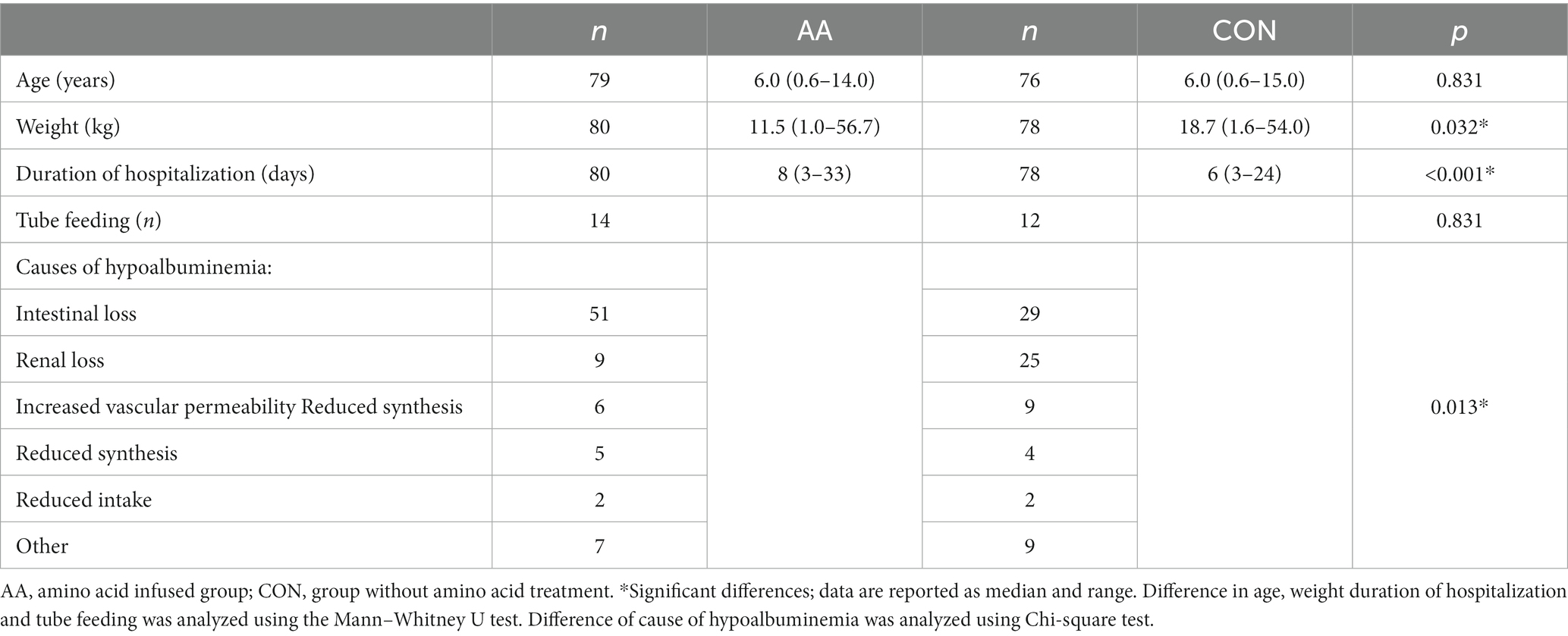
Table 1. Comparison of demographic data and causes of hypoalbuminemia of 80 dogs with intravenous amino acid (AA) treatment and 78 dogs without amino acid treatment (CON).
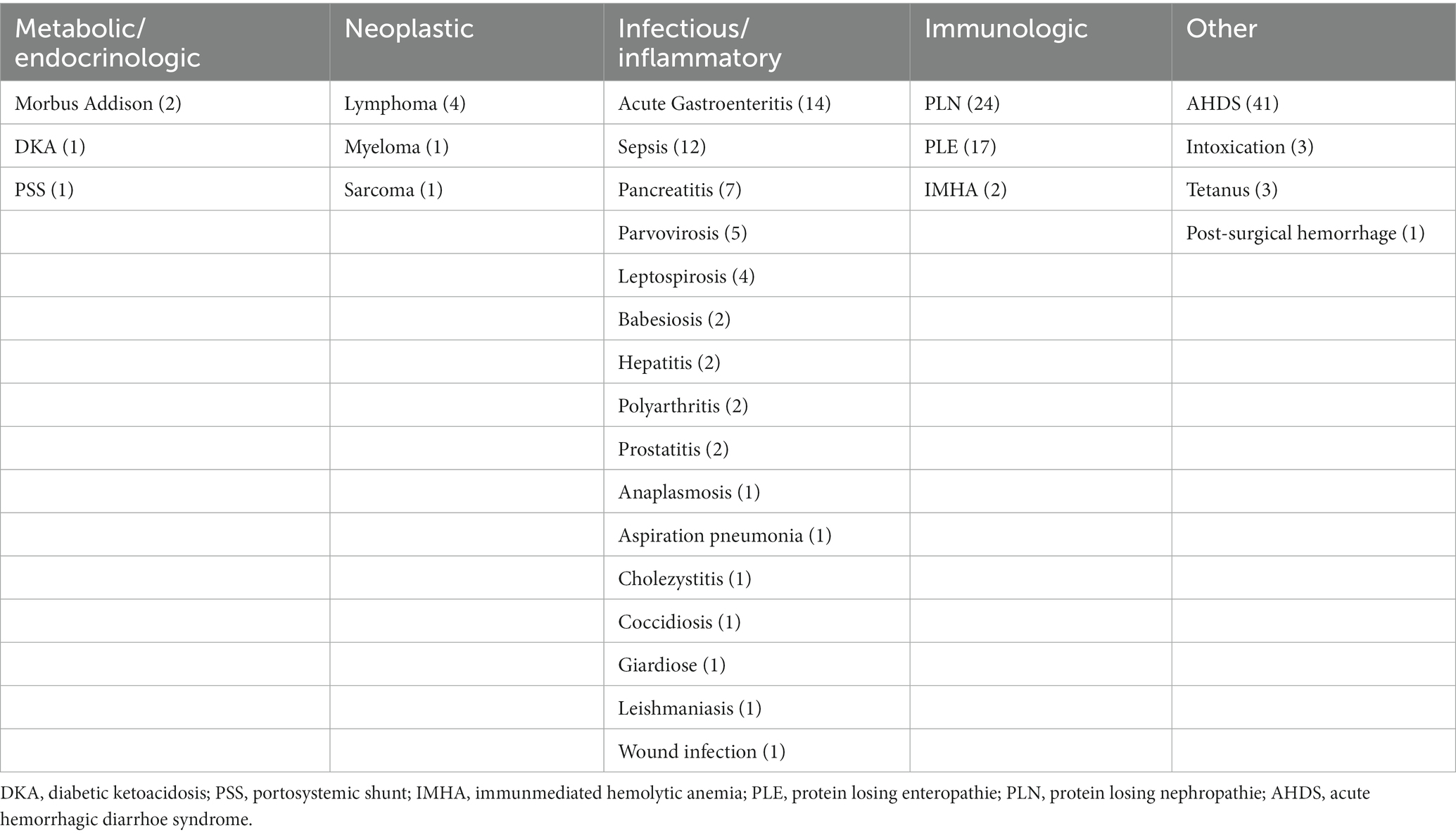
Table 2. Underlying diseases of 158 hypoalbuminemic dogs.
Dogs in group AA received a median dose of 9 g/100 kcal resting energy requirement (RER)/day (4–18 g/100 kcal RER/day) with a total amount of median 31 g/100 kcal RER (9–72 g/100 kcal RER) of a 10% amino acid solution intravenously over a period of 4 days (3–11 days). Tube feeding was performed in group AA (14/80 dogs) as well as in group CON (12/78 dogs; p = 0.831).
3.2. Survival
Of the 158 dogs, discharge was documented in 118 dogs. Forty dogs (33.9%) died or were euthanized during hospitalization. No difference in survival rate was found between group AA (62 dogs survived, 18 did not survive), and group CON (56 survived, 22 did not survive; p = 0.466). A difference in the median positive SIRS criteria at day 0 was neither observed between group AA (2; 0–5) and CON (2; 0–4; p = 0.645), nor between surviving dogs of group AA (3; 0–5) and group CON (2; 1–4; p = 0.282), or between non-surviving dogs of group AA (2; 1–4), and group CON (2.5; 0–4; p = 0.330).
Median duration of hospitalization in surviving and non-surviving dogs was longer in group AA (8 days; 3–33 days) compared to group CON (6 days; 3–24 days; p < 0.001). In surviving dogs, time of hospitalization was also longer in group AA (8 days; 4–33 days) compared to group CON (6.5 days; 3–24 days; p = 0.003). However, hospitalization time was not different between non-surviving dogs in group AA (8 days; 3–15 days) compared to non-surviving dogs in group CON (6 days; 3–11 days; p = 0.062).
3.3. Albumin and total protein concentration
Serum albumin concentration on day 0 was significantly lower in group AA compared to CON (p < 0.001). This difference stayed significant at all days with the exceptional day 2. On day 2, serum albumin concentration was not different between both groups (p = 0.134; Table 3).
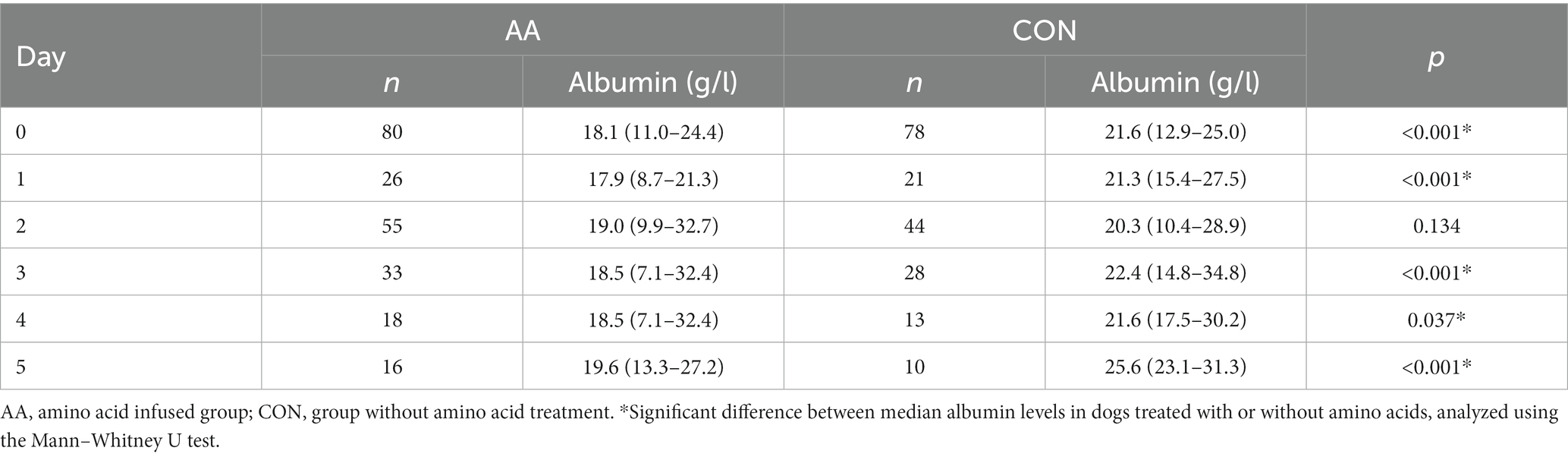
Table 3. Albumin concentrations (median and range) in g/l in 80 dogs treated with amino acids (AA) and 78 dogs without amino acid treatment (CON) during hospitalization.
Serum albumin concentrations in group AA were not different on each day of hospitalization compared to day 0 (p = 0.037). On post hoc Dunn’s multiple comparison test, no daily differences could be identified. In dogs of group CON, serum albumin concentrations were significantly higher on day 5 compared to day 0, to day 1 and to day 2 (p < 0.001).
Serum total protein concentration on day 0 was lower in group AA compared to CON (p < 0.001). This difference was also found on days 1 and 4. On day 2, 3, and 5, the serum total protein concentration was not different between AA and CON (Table 4). Serum total protein concentrations in group AA were higher on days 3 and 5 compared to day 1 (p = 0.002). In group CON serum total protein concentrations were different between the days of hospitalization (p = 0.031), but no difference between specific days could be found during post hoc analysis (Table 4).
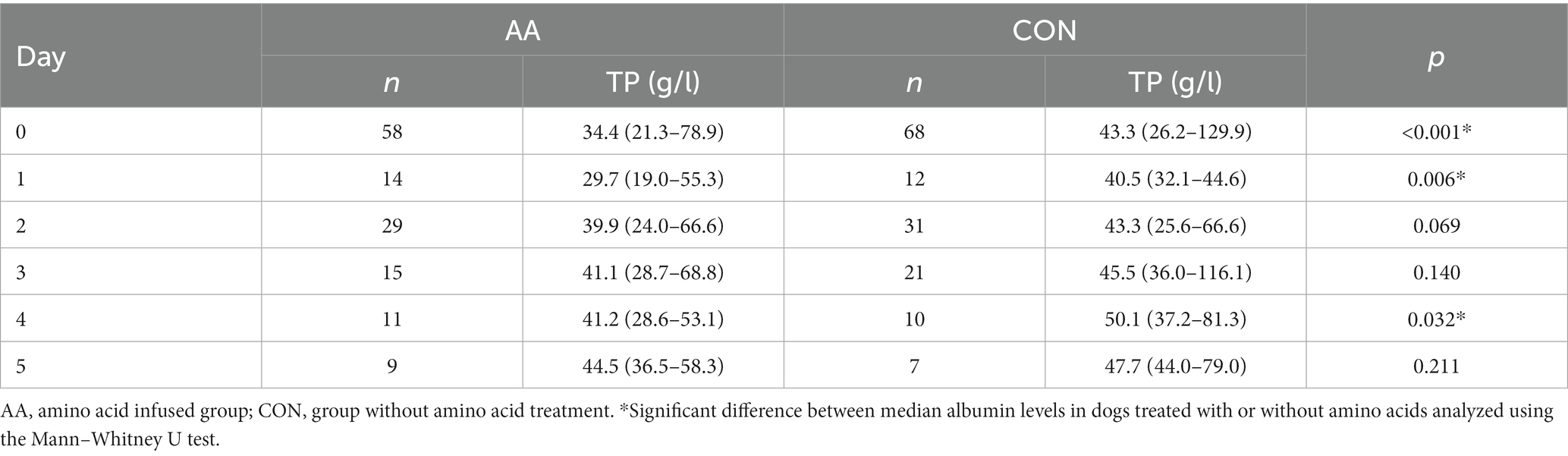
Table 4. Total protein concentrations (median and range) in g/l in 80 dogs with amino acid infusion (AA) and 78 dogs without amino acid infusion (CON).
Compared to day 0, serum albumin difference on day 2 was higher in group AA (0.9 g/L; −7.1–16.4 g/L) compared to group CON, where albumin decreased (−1.0 g/L; −8.9–13.7 g/L; p = 0.025). Serum albumin increase was higher in CON at day 5 compared to AA (p = 0.042). No difference in change of albumin concentration compared to day 0 was observed between groups at all other study points (Table 5).
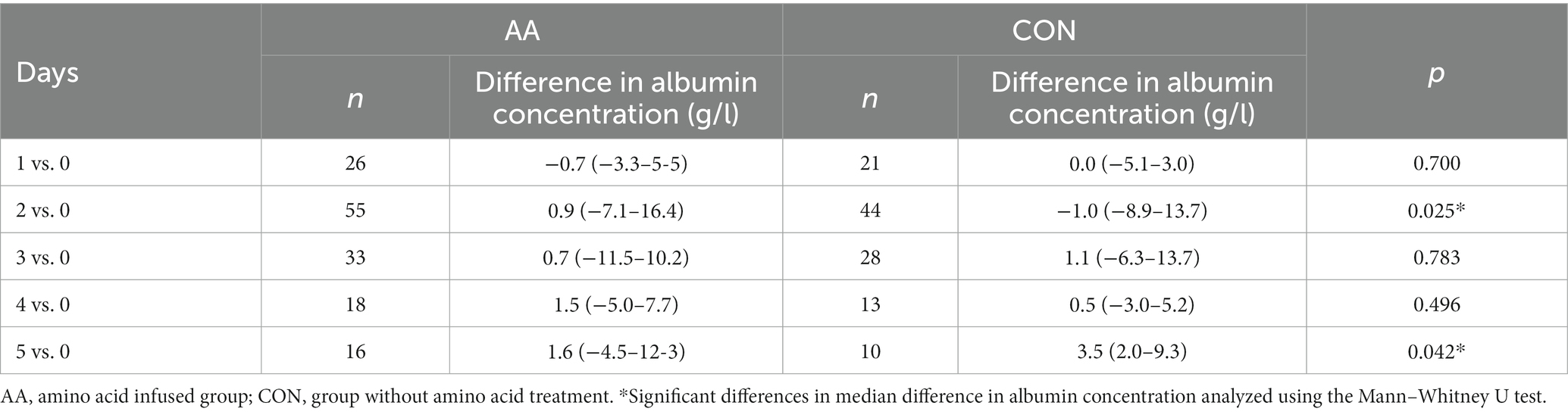
Table 5. Difference in albumin concentration (median and range) in g/l in 80 dogs with amino acid infusion (AA) and 78 dogs without amino acid infusion (CON) during hospitalization.
Albumin increased in 54 dogs in group AA and 52 dogs in group CON during hospitalization. On day 2 and day 5, significantly more dogs in group AA had an albumin increase of 1 g/L (26/55; 10/16) compared to group CON (11/44; 0/10; p = 0.036; p = 0.003). On day 2, significantly more dogs in group AA had an albumin increase of 5 g/L (8/55) compared to group CON (1/44; p = 0.041).
Average daily amino acid dose of 6–9 g/100 kcal RER, but not <6 g/100 kcal RER, and not >9 g/100 kcal RER lead to an increase in albumin difference between day 0 and day 2 (p = 0.029; Figure 2). None of the cumulated amino acid dose ranges analyzed (<20 g/100 kcal RER; 20–30 g/100 kcal RER; 30–40 g/100 kcal RER; >40 g/100 kcal RER) was superior increasing albumin from day 0 to day 2 (p = 0.923).
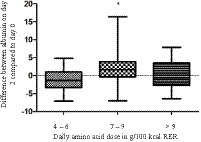
Figure 2. Albumin difference between day 2 and day 0 in 55 dogs after infusion of 10% amino acid solution at different median daily amino acid doses ranges. *Significant difference between 4–6 and 7–9 g amino acids/100 kcal RER.
3.4. Adverse effects of fluid therapy
Local adverse effects most likely associated with venous access or fluid therapy such as peri-phlebitis, pain or swelling at the catheter insertion side were observed in 15 dogs in group AA and 14 dogs in group CON (p = 0.836; Table 6).
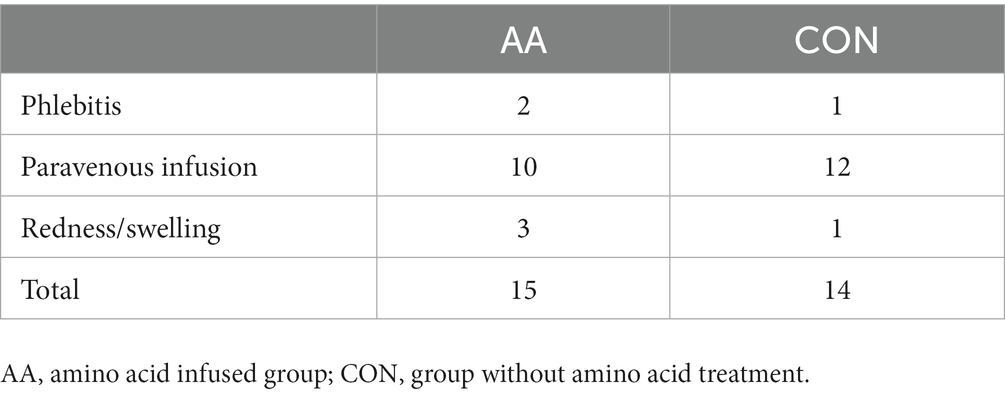
Table 6. Complications at the catheter insertion side in 156 hypoalbuminemic dogs.
4. Discussion
This retrospective study showed mild evidence of improvement in plasma albumin concentration in hypoalbuminemic dogs receiving 10% amino acid solution intravenously compared to dogs treated without amino acids. Serum albumin concentration, which was initially lower in AA, was not significantly different to CON at day 2. It should be noted that albumin values were not available for every patient on every day due to the retrospective character of the study. Albumin difference between day 0 and day 2 was more pronounced in AA compared to CON. The number of dogs with an albumin increase of 1 g/L and 5 g/L on day 2 was also higher in dogs in group AA. These findings suggest a positive effect of AA infusion.
However, lower initial albumin levels in the AA group limit the findings of the study. The standard treatment protocols in the clinic during the examination period recommended amino acid application at serum albumin concentration below 20 g/L which explains the different starting albumin levels.
In critically ill people, parenteral amino acid administration resulted in improved protein balance and protein synthesis (29, 30). In prematurely born children with low birth weight, the administration of high amounts of amino acids in combination with lipids resulted in a higher nitrogen balance and an increase in albumin and total body protein synthesis rate (34–37). However, despite potentially increased albumin synthesis, no increase in serum albumin concentration was observed.
Increased redistribution of albumin from the intravascular space to the extravascular space potentially blunted the positive effect of amino acid application in the dogs evaluated in the present study. This redistribution is especially pronounced in systemic inflammation and increased vascular permeability (1, 5, 40). Therefore, analysis of the albumin synthesis rate by measuring isotopes or nitrogen balance is sometimes recommended (41, 42). These analyses were not performed in the present study as it was a retrospective study. A study in humans calculated a duration of 8 days to increase the albumin concentration by 5 g/L (37). Only a few dogs in the present study received the 10% amino acid infusion for at least 8 days. However, albumin was increased by 5 g/L or more in 8/55 dogs in group AA on day 2.
An amino acid dose of 6–9 g/100 kcal RER per day led to an increase of albumin while lower or higher doses did not. Studies in very low birth weight infants receiving 2.4 mg/kg/d or 3.6 mg/kg/d amino acids found a higher albumin synthesis rate, protein synthesis rate and nitrogen balance in the group with a higher dose of amino acid administration (35, 36, 43). Protein balance, determined by nitrogen balance as well as by the leucine stable isotope method, was higher in infants receiving 3 g/kg/d amino acids instead of 1 g/kg/d (44). In adults with non-oliguric acute kidney injury (AKI), a higher amino acid intake (150 g/d versus 75 g/d) led to an increase in nitrogen balance (24). In the present study, only a low number of patients received the high amino acid dose >9 g/100 kcal RER. This can have contributed to the albumin increase in the middle dose group but not in the high dose group.
Veterinary studies evaluating the effect of amino acid infusion on albumin synthesis are rare. In rats, a reduced albumin transcription was observed during parenteral nutrition compared to enteral and oral nutrition (27). On the other hand, an increased albumin synthesis rate was detected after parenteral administration of amino acids in premature newborn pigs (33). Enteral nutrition is not always possible in critically ill animals, which is why parenteral nutrition is used in some cases. Albumin synthesis rate can be determined by analysis of albumin isotopes or nitrogen balance analyzed and this should be further evaluated in dogs in future studies (41, 42).
Mortality of hypoalbuminemic dogs in the present retrospective study was about 25%, and not different between groups. Malnutrition in critically ill patients causes severe physiological stress, leading to a change in hormone release and a resulting altered metabolic rate, altered use of energy sources, and decreased albumin production. Hypoalbuminemia is a negative prognostic parameter in critically ill dogs (45). In various scoring systems, such as Survival Prediction Index (SPI) I or II, or Acute Patient Physiologic and Laboratory Evaluation (APPLE) score, serum albumin concentration is included as a parameter to predict outcome (8, 46, 47).In the present study, only the SIRS criteria could be assessed retrospectively, which were not different between the groups.
In human patients, mortality was reduced by 50% by optimizing nutrition, defined by reaching individual protein and energy targets, while in critically ill humans, parenteral amino acid application, in addition to enteral nutrition, did not improve outcome (26, 48, 49). Outcome thus might not be influenced by amino acid application alone. A retrospective veterinary study evaluated the influence of the route of nutrition and the energy intake on hospital discharge. Discharge rate was higher in voluntary eating cats and dogs (92.9%) compared to the non-eating animals (38.4%). Animals receiving enteral or parenteral nutritional support had more severe diseases processes compared to voluntary eating animals. Analysis of cats and dogs with severe disease and intensive nutritional support showed a decrease in hospitalization time and higher discharge rate with increased energy intake (50). However, in the present study longer hospitalization time was observed in dogs receiving intravenous amino acid treatment. In human medicine a repeated calculation of the energy and protein intake, and an adapted nutritional therapy improved survival, which was accompanied with an increased hospitalization time (24). This could be caused by a potentially worse clinical condition and lower albumin concentrations of patients of the AA group compared to the CON group.
Local adverse effects of fluid therapy were also retrospectively assessed. Thrombophlebitis, redness, swelling, and paravenous infusion were observed in both groups, and no significant difference between the groups could be detected. Amino acids are hyperosmolar solutions with a theoretical osmolarity of 864 mosmoL/L. They can potentially cause tissue damage, especially after paravenous application. Osmolality is the crucial factor regarding to the tolerance of veins to fluids. Higher osmolality is associated with an increased risk of phlebitis. Humans infused with total parenteral nutrition (TPN) solutions without lipids with an osmolality of 920 mosmol/L had a 44% probability to develop phlebitis compared to humans receiving isotonic fluids (26%). The addition of a 10% lipid solution to the TPN decreased osmolarity (712 mosmol/L) and reduced the risk of phlebitis to 22% (51). Human case reports describe skin necrosis after extravasation of arginine monohydrochloride (52, 53). Necrosis at the jugular vein after extravasation of TPN is described in one cat (54). In a study of dogs comparing TPN with crystalloid therapy, 1/10 dogs in the TPN group developed phlebitis (55). The severity of the adverse effects was not recorded in the present study. The amino acid solution should ideally be administered via a central venous catheter to reduce the risks of paravenous infusion.
4.1. Limitations
The retrospective nature of the study and lack of uniform criteria for administration of amino acids are the major limitation of this study. The heterogenous study population and different initial albumin levels as day 0 between groups caused a bias in the comparability of the groups. Also, daily albumin concentrations were not available in all dogs. Due to the retrospective nature of the study, calculation of a severity score, such as the APPLE score to prove illness severity of the study groups was not possible.
5. Conclusion
This retrospective study showed mild evidence of improvement of albumin concentration in dogs with albumin ≤25 g/L treated with a 10% amino acid infusion compared to dogs not treated with amino acids. Intravenous amino acid application at doses of 6–9 g/100 kcal resting energy requirement/day over 3 days or longer might improve albumin synthesis. Further prospective studies with a standardized study and infusion protocol as well as standardized assessmet of the illness severty and cause of hypoalbuminemia are required to assess the effect of the amino acid infusion on albumin and total protein concentration.
Data availability statement
The raw data supporting the conclusions of this article will be made available by the authors, without undue reservation.
Ethics statement
Ethical review and approval was not required for the animal study because data were only retrospectively analyzed.
Author contributions
SS, KH, and RD: conceptualization, investigation, and methodology. SS: data collection and writing original draft. SS and RD: formal analysis. KH and RD: supervision and writing review and editing. All authors contributed to the article and approved the submitted version.
Conflict of interest
The authors declare that the research was conducted in the absence of any commercial or financial relationships that could be construed as a potential conflict of interest.
Publisher’s note
All claims expressed in this article are solely those of the authors and do not necessarily represent those of their affiliated organizations, or those of the publisher, the editors and the reviewers. Any product that may be evaluated in this article, or claim that may be made by its manufacturer, is not guaranteed or endorsed by the publisher.
References
1. Mazzaferro, EM, Rudloff, E, and Kirby, R. The role of albumin replacement in the critically ill veterinary patient. J Vet Emerg Crit Care. (2002) 12:113–24. doi: 10.1046/j.1435-6935.2002.00025.x
2. Rothschild, MA, Oratz, M, and Schreiber, SS. Serum albumin. Hepatology. (1988) 8:385–401. doi: 10.1002/hep.1840080234
3. Koch-Weser, J, and Sellers, EM. Binding of drugs to serum albumin. N Engl J Med. (1976) 294:526–31. doi: 10.1056/NEJM197603042941005
4. Odunayo, A, and Kerl, ME. Comparison of whole blood and plasma colloid osmotic pressure in healthy dogs. J Vet Emerg Crit Care. (2011) 21:236–41. doi: 10.1111/j.1476-4431.2011.00639.x
5. Roche, M, Rondeau, P, Singh, NR, Tarnus, E, and Bourdon, E. The antioxidant properties of serum albumin. FEBS Lett. (2008) 582:1783–7. doi: 10.1016/j.febslet.2008.04.057
6. Alphonsus, CS, and Rodseth, RN. The endothelial glycocalyx: a review of the vascular barrier. Anaesthesia. (2014) 69:777–84. doi: 10.1111/anae.12661
8. Hayes, G, Mathews, K, Doig, G, Kruth, S, Boston, S, Nykamp, S, et al. The acute patient physiologic and laboratory evaluation (APPLE) score: a severity of illness stratification system for hospitalized dogs. J Vet Intern Med. (2010) 24:1034–47. doi: 10.1111/j.1939-1676.2010.0552.x
9. Chan, DL, Rozanski, EA, and Freeman, LM. Relationship among plasma amino acids, C-reactive protein, illness severity, and outcome in critically ill dogs. J Vet Intern Med. (2009) 23:559–63. doi: 10.1111/j.1939-1676.2009.0296.x
10. Whittemore, JC, Marcum, BA, Mawby, DI, Coleman, MV, Hacket, TB, and Lappin, MR. Associations among albuminuria, C-reactive protein concentrations, survival predictor index scores, and survival in 78 critically ill dogs. J Vet Intern Med. (2011) 25:818–24. doi: 10.1111/j.1939-1676.2011.0731.x
11. Dossin, O, and Lavoué, R. Protein-losing enteropathies in dogs. Vet Clin Small Animal Prac. (2011) 41:399–418. doi: 10.1016/j.cvsm.2011.02.002
12. Craven, MD, and Washabau, RJ. Comparative pathophysiology and management of protein-losing enteropathy. J Vet Intern Med. (2019) 33:383–402. doi: 10.1111/jvim.15406
13. Nicholson, JP, Wolmarans, MR, and Park, GR. The role of albumin in critical illness. BJA. (2000) 85:599–610. doi: 10.1093/bja/85.4.599
14. Moore, LE. Fluid therapy in the hypoproteinemic patient. Vet Clin North Am Small Anim Pract. (1998) 28:709–15. doi: 10.1016/S0195-5616(98)50063-0
15. Snow, SJ, Ari Jutkowitz, L, and Brown, AJ. Retrospective study: trends in plasma transfusion at a veterinary teaching hospital: 308 patients (1996–1998 and 2006–2008). J Vet Emerg Crit Care. (2010) 20:441–5. doi: 10.1111/j.1476-4431.2010.00557.x
16. Mazzaferro, E, and Powell, LL. Fluid therapy for the emergent small animal patient: crystalloids, colloids, and albumin products. Vet Clin North Am Small Anim Pract. (2013) 43:721–34. doi: 10.1016/j.cvsm.2013.03.003
17. Mathews, KA, and Barry, M. The use of 25% human serum albumin: outcome and efficacy in raising serum albumin and systemic blood pressure in critically ill dogs and cats. J Vet Emerg Crit Care. (2005) 15:110–8. doi: 10.1111/j.1476-4431.2005.00141.x
18. Horowitz, FB, Read, RL, and Powell, LL. A retrospective analysis of 25% human serum albumin supplementation in hypoalbuminemic dogs with septic peritonitis. Can Vet J. (2015) 56:591–7.
19. Trow, AV, Rozanski, EA, Delaforcade, AM, et al. Evaluation of use of human albumin in critically ill dogs: 73 cases (2003–2006). J Am Vet Med Assoc. (2008) 233:607–12. doi: 10.2460/javma.233.4.607
20. Viganó, F, Perissinotto, L, and Bosco, VRF. Administration of 5% human serum albumin in critically ill small animal patients with hypoalbuminemia: 418 dogs and 170 cats (1994–2008). J Vet Emerg Crit Care. (2010) 20:237–43. doi: 10.1111/j.1476-4431.2010.00526.x
21. Cohn, LA, Kerl, ME, Lenox, CE, Livingston, RS, and Dodam, JR. Response of healthy dogs to infusions of human serum albumin. Am J Vet Res. (2007) 68:657–63. doi: 10.2460/ajvr.68.6.657
22. Francis, AH, Martin, LG, Haldorson, GJ, Lahmers, KK, Luther, TY, Alperin, DC, et al. Adverse reactions suggestive of type III hypersensitivity in six healthy dogs given human albumin. J Am Vet Med Assoc. (2007) 230:873–9. doi: 10.2460/javma.230.6.873
23. Craft, EM, and Powell, LL. The use of canine-specific albumin in dogs with septic peritonitis. J Vet Emerg Crit Care. (2012) 22:631–9. doi: 10.1111/j.1476-4431.2012.00819.x
24. Singer, P, Anbar, R, Cohen, J, Shapiro, H, Shalita-Chesner, M, Lev, S, et al. The tight calorie control study (TICACOS): a prospective, randomized, controlled pilot study of nutritional support in critically ill patients. Intensive Care Med. (2011) 37:601–9. doi: 10.1007/s00134-011-2146-z
25. McClave, SA, Taylor, BE, Martindale, RG, et al. Guidelines for the provision and assessment of nutrition support therapy in the adult critically ill patient. JPEN J Parenter Enteral Nutr. (2016) 40:159–211. doi: 10.1177/0148607115621863
26. Heyland, DK, Weijs, PJM, Coss-Bu, JA, Taylor, B, Kristof, AS, O’Keefe, GE, et al. Protein delivery in the intensive care unit: optimal or suboptimal? Nutr Clin Pract. (2017) 32:58S–71S. doi: 10.1177/0884533617691245
27. Tsujinaka, T, Morimoto, T, Ogawa, A, Kishibuchi, M, Yano, M, Shiozaki, H, et al. Effect of parenteral and enteral nutrition on hepatic albumin synthesis in rats. Nutrition. (1999) 15:18–22. doi: 10.1016/S0899-9007(98)00134-8
28. Lippert, AC, Fulton, RB Jr, and Parr, AM. A retrospective study of the use of total parenteral nutrition in dogs and cats. J Vet Intern Med. (1993) 7:52–64. doi: 10.1111/j.1939-1676.1993.tb03170.x
29. Sundström Rehal, M, Liebau, F, Tjäder, I, Norberg, Å, Rooyackers, O, and Wernerman, J. A supplemental intravenous amino acid infusion sustains a positive protein balance for 24 hours in critically ill patients. Crit Care. (2017) 21:298. doi: 10.1186/s13054-017-1892-x
30. Liebau, F, Sundström, M, van Loon, LJ, et al. Short-term amino acid infusion improves protein balance in critically ill patients. Crit Care. (2015) 19:106. doi: 10.1186/s13054-015-0844-6
31. Fearon, KC, Falconer, JS, Slater, C, et al. Albumin synthesis rates are not decreased in hypoalbuminemic cachectic cancer patients with an ongoing acute-phase protein response. Ann Surg. (1998) 227:249–54. doi: 10.1097/00000658-199802000-00015
32. Barle, H, Hammarqvist, F, Westman, B, Klaude, M, Rooyackers, O, Garlick, PJ, et al. Synthesis rates of total liver protein and albumin are both increased in patients with an acute inflammatory response. Clin Sci. (2006) 110:93–9. doi: 10.1042/CS20050222
33. Hellstern, G, Kaempf-Rotzoll, D, Linderkamp, O, Langhans, KD, and Rating, D. Parenteral amino acids increase albumin and skeletal muscle protein fractional synthetic rates in premature newborn minipigs. J Pediatr Gastroenterol Nutr. (2002) 35:270–4. doi: 10.1097/00005176-200209000-00007
34. van den Akker, CH, te Braake, FW, Schierbeek, H, et al. Albumin synthesis in premature neonates is stimulated by parenterally administered amino acids during the first days of life. Am J Clin Nutr. (2007) 86:1003–8. doi: 10.1093/ajcn/86.4.1003
35. Vlaardingerbroek, H, Vermeulen, MJ, Rook, D, et al. Safety and efficacy of early parenteral lipid and high-dose amino acid administration to very low birth weight infants. J Pediatr. (2013) 163:638-44.e631–5. doi: 10.1016/j.jpeds.2013.03.059
36. Vlaardingerbroek, H, Roelants, JA, Rook, D, Dorst, K, Schierbeek, H, Vermes, A, et al. Adaptive regulation of amino acid metabolism on early parenteral lipid and high-dose amino acid administration in VLBW infants – a randomized, controlled trial. Clin Nutr. (2014) 33:982–90. doi: 10.1016/j.clnu.2014.01.002
37. Vlaardingerbroek, H, Schierbeek, H, Rook, D, Vermeulen, MJ, Dorst, K, Vermes, A, et al. Albumin synthesis in very low birth weight infants is enhanced by early parenteral lipid and high-dose amino acid administration. Clin Nutr. (2016) 35:344–50. doi: 10.1016/j.clnu.2015.04.019
38. Hauptman, JG, Walshaw, R, and Olivier, NB. Evaluation of the sensitivity and specificity of diagnostic criteria for Sepsis in dogs. Vet Surg. (1997) 26:393–7. doi: 10.1111/j.1532-950X.1997.tb01699.x
39. de Laforcade, AM, Freeman, LM, Shaw, SP, et al. Hemostatic changes in dogs with naturally occurring sepsis. J Vet Intern Med. (2003) 17:674–9. doi: 10.1111/j.1939-1676.2003.tb02499.x
40. Soeters, PB, Wolfe, RR, and Shenkin, A. Hypoalbuminemia: pathogenesis and clinical significance. JPEN J Parenter Enteral Nutr. (2019) 43:181–93. doi: 10.1002/jpen.1451
41. Ballmer, PE, McNurlan, MA, Milne, E, et al. Measurement of albumin synthesis in humans: a new approach employing stable isotopes. Am J Physiol. (1990) 259:E797–803. doi: 10.1152/ajpendo.1990.259.6.E797
42. Dickerson, RN. Using nitrogen balance in clinical practice. Hosp Pharm. (2005) 40:1081–7. doi: 10.1177/001857870504001210
43. Vlaardingerbroek, H, and van Goudoever, JB. Intravenous lipids in preterm infants: impact on laboratory and clinical outcomes and long-term consequences. World Rev Nutr Diet. (2015) 112:71–80. doi: 10.1159/000365459
44. Thureen, PJ, Melara, D, Fennessey, PV, and Hay, WW. Effect of low versus high intravenous amino acid intake on very low birth weight infants in the early neonatal period. Pediatr Res. (2003) 53:24–32. doi: 10.1203/00006450-200301000-00008
45. Doweiko, JP, and Nompleggi, DJ. Reviews: the role of albumin in human physiology and pathophysiology, part III: albumin and disease states. JPEN J Parenter Enteral Nutr. (1991) 15:476–83. doi: 10.1177/0148607191015004476
46. King, LG, Stevens, MT, Ostro, ENS, Diserens, D, and Ravi Shankar, J. A model for prediction of survival in critically III dogs. J Vet Emerg Crit Care. (1994) 4:85–99. doi: 10.1111/j.1476-4431.1994.tb00119.x
47. King, LG, Wohl, JS, Manning, AM, Hackner, SG, Raffe, MR, and Maislin, G. Evaluation of the survival prediction index as a model of risk stratification for clinical research in dogs admitted to intensive care units at four locations. Am J Vet Res. (2001) 62:948–54. doi: 10.2460/ajvr.2001.62.948
48. Doig, GS, Simpson, F, Bellomo, R, Heighes, PT, Sweetman, EA, Chesher, D, et al. Intravenous amino acid therapy for kidney function in critically ill patients: a randomized controlled trial. Intensive Care Med. (2015) 41:1197–208. doi: 10.1007/s00134-015-3827-9
49. Weijs, PJ, Stapel, SN, de Groot, SD, et al. Optimal protein and energy nutrition decreases mortality in mechanically ventilated, critically ill patients: a prospective observational cohort study. JPEN J Parenter Enteral Nutr. (2012) 36:60–8. doi: 10.1177/0148607111415109
50. Brunetto, MA, Gomes, MO, Andre, MR, et al. Effects of nutritional support on hospital outcome in dogs and cats. J Vet Emerg Crit Care. (2010) 20:224–31. doi: 10.1111/j.1476-4431.2009.00507.x
51. Bayer-Berger, M, Chioléro, R, Freeman, J, and Hirschi, B. Incidence of phlebitis in peripheral parenteral nutrition: effect of the different nutrient solutions. Clin Nutr. (1989) 8:181–6. doi: 10.1016/0261-5614(89)90071-X
52. Hannon, MG, and Lee, SK. Extravasation Injuries. J Hand Surg Am. (2011) 36:2060–5. doi: 10.1016/j.jhsa.2011.10.001
53. Bassi, E, Lonati, D, Pandolfi, R, et al. Case of skin necrosis due to arginine monohydrochloride extravasation. J Dermatol. (2007) 34:198–200. doi: 10.1111/j.1346-8138.2007.00249.x
54. Wakshlag, J, Schoeffler, GL, Russell, DS, Peters-Mo, RS, and Toulza, O. Extravasation injury associated with parenteral nutrition in a cat with presumptive gastrinomas. J Vet Emerg Crit Care. (2011) 21:375–81. doi: 10.1111/j.1476-4431.2011.00655.x
Keywords: albumin synthesis, canine, survival, parenteral nutrition, hypoproteinemia
Citation: Schneider S, Hartmann K and Dörfelt R (2023) Influence of intravenous 10% amino acids infusion on serum albumin concentration in hypoalbuminemic dogs. Front. Vet. Sci. 10:1198534. doi: 10.3389/fvets.2023.1198534
Edited by:
Tanmoy Rana, West Bengal University of Animal and Fishery Sciences, IndiaReviewed by:
Kálmán Imre, Banat University of Agricultural Sciences and Veterinary Medicine, RomaniaThomas H. Edwards, United States Army Institute of Surgical Research, United States
Copyright © 2023 Schneider, Hartmann and Dörfelt. This is an open-access article distributed under the terms of the Creative Commons Attribution License (CC BY). The use, distribution or reproduction in other forums is permitted, provided the original author(s) and the copyright owner(s) are credited and that the original publication in this journal is cited, in accordance with accepted academic practice. No use, distribution or reproduction is permitted which does not comply with these terms.
*Correspondence: René Dörfelt, ci5kb2VyZmVsdEBtZWRpemluaXNjaGUta2xlaW50aWVya2xpbmlrLmRl