 Marco Tabbì1
 Alessandro Troisi2
 Domenico Fugazzotto1,3*Romina Marcoccia2*Giorgia Pettina1
 Simone Minniti1,4Girolamo Messina1,3Temy Coppola5
 Gaetano Principato1,6
 Federica Arrigo1Giuseppe Barillaro4Daniele Troiano7
 Angela Polisca5
 Viola Zappone1
- 1Department of Veterinary Sciences, University of Messina, Messina, Italy
- 2School of Biosciences and Veterinary Medicine, University of Camerino, Macerata, Italy
- 3Ospedale Veterinario San Francesco, Castagnole, Italy
- 4Clinica Veterinaria San Giorgio, Reggio Calabria, Italy
- 5Department of Veterinary Sciences, University of Perugia, Perugia, Italy
- 6Centro Traumatologico Ortopedico Veterinario, Arenzano, Italy
- 7Clinica Veterinaria Etiopia, Roma, Italy
The French Bulldog has become increasingly popular worldwide, but selective breeding for brachycephalic traits has increased its predisposition to several neurological disorders. Among these, intervertebral disc herniation (IVDH) is one of the most common causes of spinal cord compression, pain, and neurological deficits. Although genetic predisposition plays a key role, previous evidence suggests that gonadal hormones factors may also adversely affect skeletal development and spinal biomechanics, thus influencing risk of IVDH. The aim of this study is to evaluate the influence of gonadectomy and age at gonadectomy on the risk of developing IVDH in French Bulldogs. Medical records of 2,101 French Bulldogs were retrospectively reviewed. Dogs with complete clinical and reproductive histories were included and classified into two groups: affected (A group, with IVDH) and control (C group, without IVDH). Early-gonadectomized dogs (<12 months) showed a significantly higher risk of IVDH compared with intact dogs. Early-gonadectomized males were nearly twice as likely to develop IVDH (OR = 1.92) than intact males, while early-gonadectomized females exhibited an even stronger association (OR = 9.84) compared with late-gonadectomized (OR = 2.77) and intact females. The preliminary results of this study suggest a potential influence of gonadectomy and age at gonadectomy on the risk of developing IVDH in French Bulldog. Therefore, the age at which gonadectomy is performed should be carefully considered in this and other predisposed chondrodystrophic breeds. These findings highlight the importance of gonadal hormones and the need for further research to evaluate the differential effects of early age gonadectomy.
Introduction
The French Bulldog is a canine breed that has grown in popularity worldwide over the last two decades (1–5). Intensive morphological selection aimed at enhancing brachycephalic traits through selective breeding has markedly increased the French Bulldog’s predisposition to a wide range of disorders, particularly neurological conditions. Consequently, a high prevalence of both intracranial and spinal diseases has been reported in this breed, including intervertebral disc disease (IVDD) (6–10).
Intervertebral disc herniation (IVDH) is defined as the pathological displacement of an intervertebral disc into the vertebral canal through a ruptured annulus fibrosus. It is the most prevalent IVDD and one of the main causes of pain and neurological dysfunction in dogs (11–13). The progressive degeneration seen in IVDH is an aging process characterized by metaplasia, dehydration and calcification of the nucleus pulposus (NP). Biomechanical strain and trauma accelerate these changes that ultimately result in herniation of degenerative NP (12–16). In chondrodystrophic breeds such as French Bulldogs and Dachshunds, IVDH commonly occurs in an acute or peracute form, according to Hansen’s type I disc disease. This involves extrusion of the NP through a torn annulus fibrosus, which subsequently compresses the vertebral canal. However, disc protrusions, classified as Hansen’s type II disease, can also occur. This is characterized by gradual displacement of the NP within the damaged annulus fibrosus and progressive bulging toward the vertebral canal (17, 18). Neurological damage resulting from IVDH is due to compression, contusion, hemorrhage and laceration of the spinal cord (18, 19). The clinical signs vary depending on the spinal segment affected and the degree of injury (20).
In French Bulldogs, IVDH is one of the most frequently diagnosed causes of myelopathy. A single-center retrospective study of 343 French Bulldogs referred to a neurological reference center between 2002 and 2016 found that IVDH was responsible for 70.3% of all myelopathies, 45.5% of all neurological disorders, and 5.5% of all reasons for clinical consultation in the breed. The anatomical distribution of IVDH showed a higher prevalence of thoracolumbar and lumbar locations (60.2%) than cervical locations (39.8%) while the onset typically occurred in adulthood and was significantly associated with age over 3 years (1). In another retrospective study of 80 French Bulldogs referred to a Veterinary Hospital for IVDH the prevalence of lumbosacral localization was 91.3% (21).
The possible role of gonadectomy as a risk factor for IVDH is a topic of growing interest. While evidence in French Bulldogs remains limited, studies in other chondrodystrophic breeds, particularly Dachshunds, have shown that early gonadectomy can alter skeletal development and lead to an increased incidence of orthopedic and neurological disorders, including IVDH (22–26). It is hypothesized that the hormonal changes resulting from ovariectomy or orchiectomy, especially when performed before skeletal development is complete, interfere with vertebral growth and spinal biomechanics, thereby promoting degenerative processes (22, 26). Gonadectomy is a widespread practice in the pet population for reasons of management and reproductive welfare. Therefore, it is essential to clarify the association between reproductive status and the risk of IVDH in predisposed breeds, such as French Bulldogs.
The aim of this study is to evaluate the influence of gonadectomy and age at gonadectomy (less than 12 months vs. more than 12 months) on the risk of developing IVDH in French Bulldogs. Based on previous evidence linking gonadal hormones to skeletal development, the authors hypothesized that gonadectomy increases the risk of IVDH in French Bulldogs, particularly when performed before 12 months of age.
Materials and methods
The medical records of French Bulldogs referred to various Italian Veterinary facilities between January 2019 and March 2025 were retrospectively reviewed. Only subjects with complete clinical and reproductive histories were included in the study. Signalment (age, sex, and weight) and complete reproductive history were collected for each patient. The enrolled subjects were first divided into an affected group (group A) and a control group (group C) based on the presence or absence of IVDH, respectively. Group A included 601 subjects, 343 males and 258 females. Group C included 1,500 subject, 803 males and 697 females. Then, in both groups, subjects were further classified according to their reproductive status as intact (IN), early gonadectomized (EG—gonadectomized before 12 months of age) or late gonadectomized (LG—gonadectomized after 12 months of age).
The diagnosis of IVDH was performed with complete neurological examinations and magnetic resonance imaging (MRI). Informed consent was obtained from all owners prior to diagnostic procedures. The MRI protocol was performed in accordance with the guidelines proposed by the Canine Spinal Cord Injury Consortium (CANSORT-SCI) for canine IVDH (27). Each patient was positioned in dorsal recumbency with non-magnetic foam positioning aids to achieve a straight spinal alignment. MRI was performed in transverse, sagittal, and dorsal planes using T2-weighted (T2W), T1-weighted (T1W), and short T1 inversion recovery (STIR) sequences. All MRIs were interpreted by a European College of Veterinary Neurology (ECVN) Resident under the direct supervision of an ECVN Diplomate.
The collected data was analyzed using descriptive statistics. The Shapiro–Wilk test was used to verify data distribution and assess normality, while the chi-square test was used to examine differences between groups. This analysis enabled the calculation of the odds ratio (OR) with a 95% confidence interval (CI) to determine the association between gonadectomy and the presence of IVDH. A p-value of less than 0.05 was considered statistically significant. The statistical analyses were performed using software Prism v. 5.01 (Graphpad Software Ltd., United States, 2007).
Results
A total of 2,101 French Bulldogs were analyzed during the study period. Of these, 601 were diagnosed with IVDH (A group), while the remaining 1,500 were not affected (C group). The age and weight of subjects affected by IVDH, divided by sex and experimental group, are shown in Table 1.

Table 1. Age (years, mean ± SD) and body weight (kg, mean ± SD) of French Bulldogs affected by IVDH, divided by sex and experimental group: IN, intact; EG, early gonadectomized; LG, late gonadectomized.
The sex distribution and proportions of gonadectomized, IN, EG and LG animals within Group A (Figures 1, 2) are summarized in Table 2.
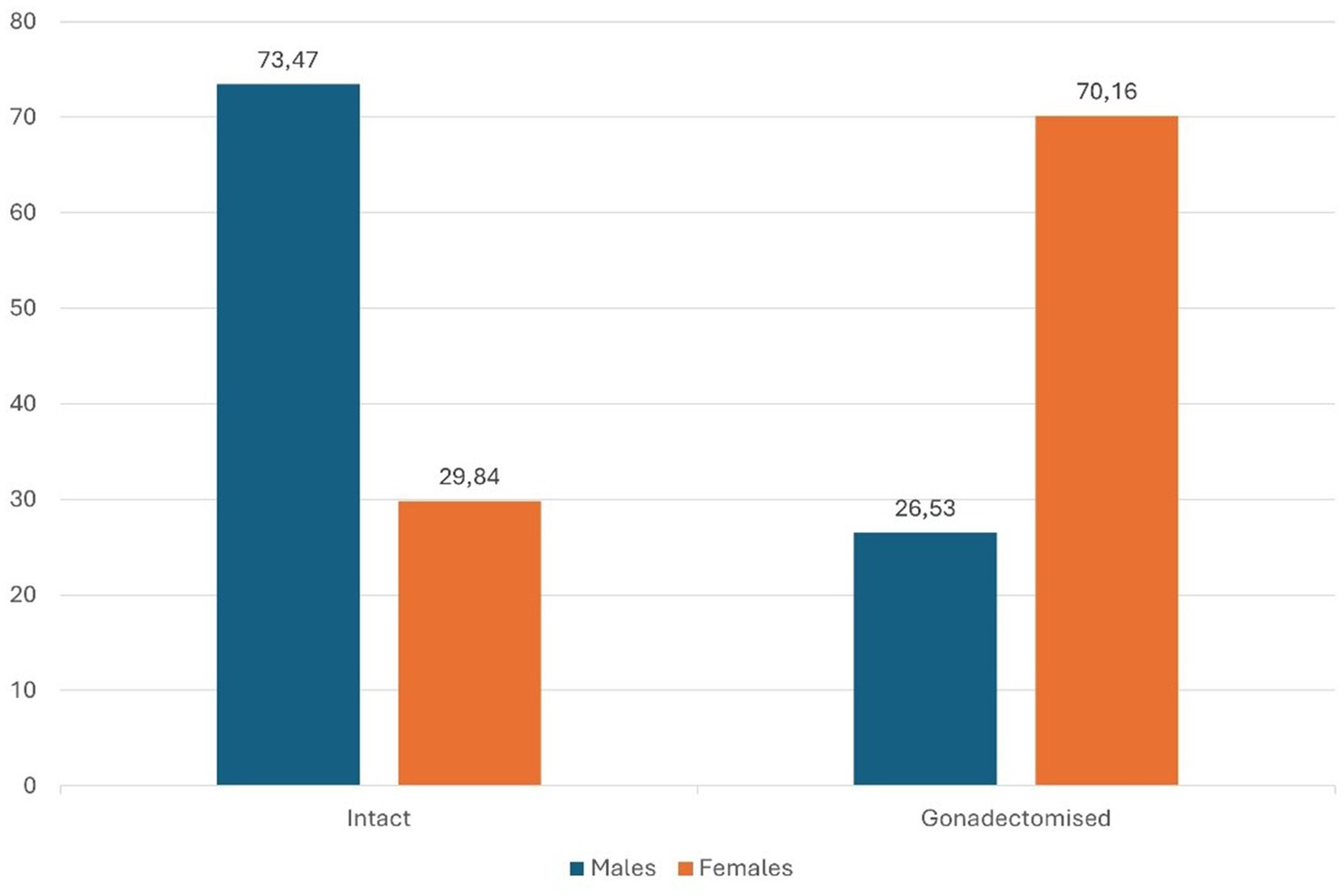
Figure 1. The percentage distribution of intact and gonadectomized subjects categorized by sex.
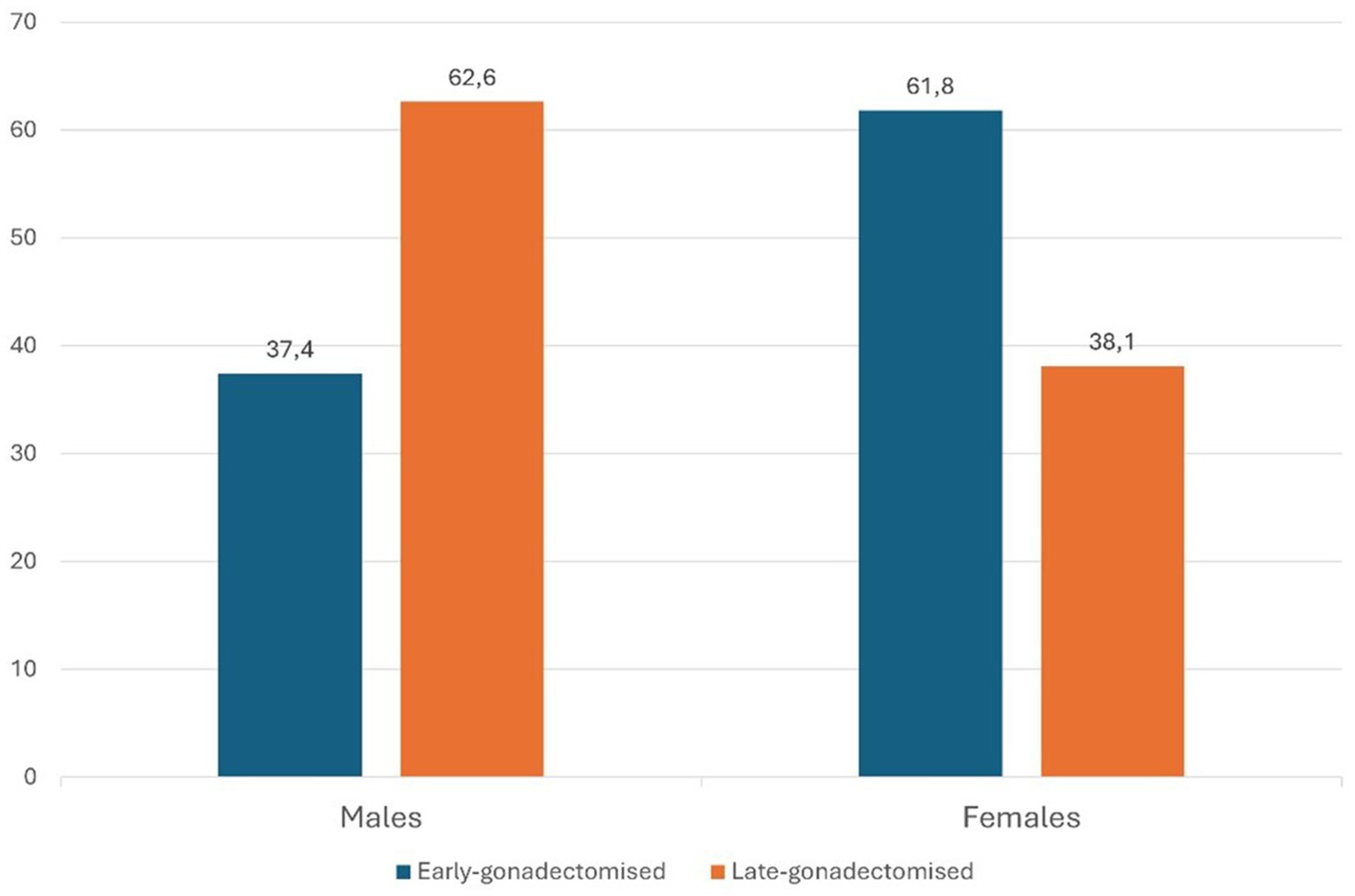
Figure 2. Percentage distribution of males and females gonadectomized according to age at gonadectomy.

Table 2. Distribution of sex, neuter status, and neuter type in Group A.
Statistical analysis revealed that gonadectomy alone was not significantly associated with the risk of IVDH in males, with an OR of 0.975 (95% CI: 0.73–1.29; p = 0.863). However, when the data were examined according to age at gonadectomy, EG males showed a significantly higher risk with an OR of 1.92 (95% CI: 1.31–2.81; p < 0.05). In contrast, the risk appeared reduced in LG males with an OR of 0.53 (95% CI: 0.35–0.79; p < 0.05).
For females, gonadectomy was strongly associated with the risk of IVDH. Gonadectomized females showed a significantly higher risk than IN females, with an OR of 4.996 (95% CI: 3.66–6.81; p < 0.0001). The risk was even higher in EG females with an OR of 9.84 (95% CI: 6.71–14.45; p < 0.0001). In contrast, the risk was relatively lower in LG females with an OR of 2.77 (95% CI: 1.91–4.02; p < 0.0001).
Discussion
This study evaluated the influence of gonadectomy and age at gonadectomy on the risk of IVDH in French Bulldogs, with the aim of investigate the effect of gonadal sex hormones on intervertebral disc. A significant association was observed between gonadectomy and the risk of developing IVDH, particularly in dogs gonadectomized before 12 months of age, with females showing the strongest relationship. These findings support the hypothesis that sex hormones play a protective effect on the intervertebral disc, especially during skeletal maturation. Overall, the results are consistent with previous studies reporting an increased risk of several orthopedic and spinal disorders following early gonadectomy (22, 26, 28–35).
A high prevalence of neurological conditions has been described in French Bulldogs due to the brachycephalic and chondrodystrophic body conformation resulting from selective breeding, including brain tumors, non-infectious encephalitides and myelopathies such as compressive vertebral malformations, spinal arachnoid diverticula and IVDH (6–10, 36). These findings suggest a strong genetic predisposition, which, combined with environmental factors, may influence the risk of neurological disorders in this breed, such as IVDH (37). To date, IVDH is one of the most common and debilitating neurological disorders in dogs, accounting for almost 4% of admissions to veterinary clinics (11–14, 27, 38). Clinical signs range from lumbar pain to severe neurological deficits and hind limb paralysis in the most advanced cases. The severity of the clinical signs does not directly correlate with the extent of spinal cord compression but may be influenced by spinal cord contusion and other pathophysiological mechanisms (20, 39). Affected dogs may experience a significant reduction in quality of life, necessitating prolonged surgical or medical treatment (13, 14, 40).
The mean age in Group A was approximately 6 years, with minimal variation between sexes and among the IN, EG, and LG subgroups. This value is slightly higher than that reported in previous studies, which described disease onset between three and 5 years of age (1, 11, 21). However, the ages recorded in the present study refer to the time of MRI examination, which may not coincide with the actual onset of clinical signs reported by the owner or documented in the medical record. Because MRI is an expensive and invasive diagnostic technique, it is often performed only when clinical signs worsen or fail to improve, resulting in a delay between onset and diagnosis. This delay may explain the higher mean age at MRI detection and represents an inherent limitation of the retrospective study design.
Regarding the distribution of gonadectomized individuals within the study population, an interesting difference was observed between sexes. Most males in the sample were intact, whereas most females had been gonadectomized. This imbalance likely reflects differences in clinical recommendations and management practices based on sex. Gonadectomy is commonly recommended for females as a preventive measure to reduce the incidence of potentially life-threatening conditions such as pyometra and mammary tumors, and to avoid undesirable hormonally driven phenomena such as pseudopregnancy (29, 41–43). In contrast, gonadectomy in males is generally performed to address behavioral issues or specific medical conditions, and surgery is often avoided in the absence of such indications. Consequently, the higher prevalence gonadectomized females observed in our data aligns with trends reported in other canine populations (44).
The influence of sex hormones on intervertebral disc physiology is supported by several experimental studies. Receptors for estrogen and androgen have been identified in multiple disc cell types, including articular cartilage chondrocytes, annulus fibrosus cells, and nucleus pulposus cells (45–48). Estrogens have been shown to promote cell proliferation and stimulate the synthesis of key extracellular matrix components such as collagen type II, aggrecan, and glycosaminoglycans (47–49). Moreover, they play a protective role by limiting cell senescence and apoptosis, and by preventing calcification of the vertebral endplates (48–53). Testosterone has also been shown to promote matrix protein expression, indicating a potential anabolic role in maintaining disc homeostasis (49). Therefore, the abrupt withdrawal of sex hormones during growth may adversely affect intervertebral disc biomechanics, thereby increasing susceptibility to IVDH. This effect likely arises not only from the absence of hormonal influence itself, but also from complex interactions between sex hormones and cytokine-mediated inflammatory pathways, as well as from potential imbalances between testosterone and estrogen levels (49, 52, 54).
In our study, gonadectomized dogs, particularly EG (those that underwent gonadectomy before 12 months of age), exhibited a higher risk of developing IVDH compared to intact dogs or those LG (gonadectomized after 12 months of age). These findings are consistent with those reported by Dorn and Seath (26), who observed an increased risk of IVDH in Dachshunds gonadectomized before 12 months of age. Similarly, other authors have documented an increased risk of joint and degenerative spinal diseases in Labrador Retrievers, Golden Retrievers, and German Shepherds gonadectomized at an early age (22–25, 28–31). In our study, an important difference in risk between males and females in relation to reproductive status was found. While gonadectomy itself was not associated with an increased risk of IVDH in males (OR = 0.975), a statistically significant finding emerged regarding age at gonadectomy. Males who were EG (gonadectomized before 12 months of age) were almost twice as likely to develop IVDH as intact males (OR = 1.92), whereas LG (those gonadectomized later) showed a reduced risk (OR = 0.53). In contrast, presentation of IVDH appeared to be influenced more significantly by reproductive status in females. Gonadectomized females were found to be at a significantly higher risk of developing IVDH than intact females (OR = 4.996), with those EG (gonadectomized at an early age) being almost 10 times more likely to develop the condition (OR = 9.84). Late-gonadectomized (LG) females were also at higher risk than intact females, albeit with a lower OR (2.77).
The irreversible loss of gonadal hormones after gonadectomy results in an alteration of the hypothalamic–pituitary–gonadal (HPG) axis and a chronic increase in LH and FSH concentrations (44, 55). This endocrine imbalance could negatively affect various tissues, including connective and cartilage tissue, thereby contributing to disc degeneration. Furthermore, early gonadectomy can delay the closure of growth plates, affect skeletal morphology and increase the risk of orthopedic problems (56, 57). Large-scale retrospective studies have shown that early gonadectomy is associated with a higher incidence of orthopedic conditions, such as cranial cruciate ligament rupture and hip dysplasia. Guide dogs that were gonadectomized before 7 months of age were more than twice as likely to develop orthopedic problems as those that were gonadectomized later (44, 58).
Our findings confirm the hypothesis that gonadectomy, particularly before skeletal maturity is reached, may increase the risk of IVDH in French Bulldogs. These findings highlight the need for a breed-specific approach to gonadectomy, based on an accurate assessment of the risks and benefits. Current recommendations should consider breed, size and age of the dog, as well as concurrent disease and its genetic predisposition to specific diseases. However, the potential long-term adverse effects must be balanced against these benefits, particularly when gonadectomy is performed at a very early age. While some studies have supported the safety of pediatric gonadectomy (6–16 weeks) (44, 59, 60), others have highlighted an increased risk of orthopedic and musculoskeletal problems in dogs gonadectomized at an early age (26, 28–31).
The reduction in genetic diversity caused by the systematic gonadectomy of unselected individuals may contribute to the spread of hereditary diseases. Although gonadectomy limits the reproduction of individuals with known genetic defects, it can also encourage the fixation of harmful recessive alleles that have not yet been identified, particularly in breeds with a small effective population, such as French Bulldogs. While it is widely recognized that gonadectomy brings significant benefits to the overall animal population, it also involves advantages and potential risks for the individual. Due to the complex interaction between multiple etiological factors influencing the development of various medical and behavioral disorders, it is impossible to predict the outcome of gonadectomy for each animal accurately. Therefore, the decision to neuter a pet should be made after carefully considering the patient’s specific conditions, the owner’s values and goals, and the available epidemiological data on risks and benefits.
Conclusion
Results showed a significant difference in the association between gonadectomy and the risk of IVDH in French Bulldogs. No significant increase in risk has been found when comparing all gonadectomized males and intact males. Nevertheless, early gonadectomized males were two times more likely to develop IVDH when compared to intact males. In females, the association between gonadectomy and IVDH is much stronger than in males, with an approximately 5-fold increased odds. In addition, early gonadectomized females had an almost 10-fold increased odds compared with intact females. These data emphasize the crucial importance of age at gonadectomy as a determining factor in the risk of IVDH. A personalized approach to the reproductive management of French Bulldogs and, more broadly, chondrodystrophic breeds is recommended. The decision to neuter, and especially the timing of gonadectomy, should be based on an integrated risk assessment that considers individual factors, genetic predispositions, sex, and clinical and management objectives. Ultimately, our findings underscore the necessity for additional prospective, multicenter, controlled studies to investigate the pathogenic mechanisms involved and establish evidence-based guidelines for more targeted and informed clinical practices that priorities the long-term welfare of the animal.
Data availability statement
The original contributions presented in the study are included in the article/supplementary material, further inquiries can be directed to the corresponding authors.
Ethics statement
Ethical approval was not required for the studies involving animals in accordance with the local legislation and institutional requirements because this is a retrospective epidemiological study. Written informed consent was not obtained from the owners for the participation of their animals in this study as this is a retrospective epidemiological study.
Author contributions
MT: Conceptualization, Investigation, Methodology, Project administration, Writing – original draft, Writing – review & editing. AT: Investigation, Supervision, Writing – original draft. DF: Investigation, Methodology, Writing – original draft. RM: Investigation, Methodology, Writing – original draft. GPe: Investigation, Writing – original draft. SM: Investigation, Writing – original draft. GM: Investigation, Writing – original draft. TC: Investigation, Writing – original draft. GPr: Investigation, Writing – original draft. FA: Formal analysis, Investigation, Visualization, Writing – original draft. GB: Investigation, Writing – original draft. DT: Investigation, Writing – original draft. AP: Investigation, Supervision, Writing – original draft. VZ: Conceptualization, Formal analysis, Investigation, Methodology, Project administration, Writing – original draft, Writing – review & editing.
Funding
The author(s) declare that no financial support was received for the research and/or publication of this article.
Acknowledgments
The authors acknowledge the University of Messina for supporting the publication of this manuscript through the APC initiative.
Conflict of interest
The authors declare that the research was conducted in the absence of any commercial or financial relationships that could be construed as a potential conflict of interest.
The reviewer MS declared a past collaboration with the author(s) AP.
Generative AI statement
The authors declare that no Gen AI was used in the creation of this manuscript.
Any alternative text (alt text) provided alongside figures in this article has been generated by Frontiers with the support of artificial intelligence and reasonable efforts have been made to ensure accuracy, including review by the authors wherever possible. If you identify any issues, please contact us.
Publisher’s note
All claims expressed in this article are solely those of the authors and do not necessarily represent those of their affiliated organizations, or those of the publisher, the editors and the reviewers. Any product that may be evaluated in this article, or claim that may be made by its manufacturer, is not guaranteed or endorsed by the publisher.
References
1. Mayousse, V, Desquilbet, L, Jeandel, A, and Blot, S. Prevalence of neurological disorders in French bulldog: a retrospective study of 343 cases (2002-2016). BMC Vet Res. (2017) 13:212. doi: 10.1186/s12917-017-1132-2
2. ENCI (Ente Nazionale Cinofilia Italiana). Bouledogue Francese. Available online at: https://www.enci.it/libro-genealogico/razze/bouledogue-francese [Accessed October 19, 2025].
3. American Kennel Club Website. Most popular breeds. Available online at: https://www.akc.org/most-popular-breeds/ (Accessed October 19, 2025).
4. The Kennel Club. Breed registration statistics. Available online at: https://www.thekennelclub.org.uk/media-centre/breed-registration-statistics (Accessed October 19, 2025).
5. Société Centrale Canine. Statistiques des races canines. Available online at: http://www.scc.asso.fr/Statistiques,242 (Accessed June 1, 2016).
6. Song, RB, Vite, CH, Bradley, CW, and Cross, JR. Postmortem evaluation of 435 cases of intracranial neoplasia in dogs and relationship of neoplasm with breed, age, and body weight. J Vet Intern Med. (2013) 27:1143–52. doi: 10.1111/jvim.12136
7. Cornelis, I, Volk, HA, and De Decker, S. Clinical presentation, diagnostic findings and long-term survival in large breed dogs with meningoencephalitis of unknown aetiology. Vet Rec. (2016) 179:147. doi: 10.1136/vr.103640
8. Dewey, CW, Davies, E, and Bouma, JL. Kyphosis and kyphoscoliosis associated with congenital malformations of the thoracic vertebral bodies in dogs. Vet Clin North Am Small Anim Pract. (2016) 46:295–306. doi: 10.1016/j.cvsm.2015.10.009
9. Mauler, DA, De Decker, S, De Risio, L, Volk, HA, Dennis, R, Gielen, I, et al. Signalment, clinical presentation, and diagnostic findings in 122 dogs with spinal arachnoid diverticula. J Vet Intern Med. (2014) 28:175–81. doi: 10.1111/jvim.12241
10. Bellumori, TP, Famula, TR, Bannasch, DL, Bellanger, JM, and Oberbauer, AM. Prevalence of inherited disorders among mixed breed and purebred dogs: 27,254 cases (1995–2010). J Am Vet Med Assoc. (2013) 242:1549–55. doi: 10.2460/javma.242.1549
11. Gómez Álvarez, I, Verdes García, JM, and Espino López, L. Intervertebral disc disease in dogs. Pets. (2025) 2:26. doi: 10.3390/pets2030026
12. Fenn, J, and Olby, NJCanine Spinal Cord Injury Consortium (CANSORT-SCI). Classification of intervertebral disc disease. Front Vet Sci. (2020) 7:579025. doi: 10.3389/fvets.2020.579025
13. Brisson, BA. Intervertebral disc disease in dogs. Vet Clin North Am Small Anim Pract. (2010) 40:829–58. doi: 10.1016/j.cvsm.2010.06.001
14. Bergknut, N, Egenvall, A, Hagman, R, Gustås, P, Hazewinkel, HA, Meij, BP, et al. Incidence of intervertebral disk degeneration related diseases and associated mortality rates in dogs. J Am Vet Med Assoc. (2012) 240:1300–9. doi: 10.2460/javma.240.11.1300
15. Smolders, LA, Bergknut, N, Grinwis, GC, Hagman, R, Lagerstedt, AS, Hazewinkel, HA, et al. Intervertebral disc degeneration in the dog. Part 2: chondrodystrophic and non-chondrodystrophic breeds. Vet J. (2013) 195:292–9. doi: 10.1016/j.tvjl.2012.10.006
16. Bergknut, N, Smolders, LA, Grinwis, GC, Hagman, R, Lagerstedt, AS, Hazewinkel, HA, et al. Intervertebral disc degeneration in the dog. Part 1: anatomy and physiology of the intervertebral disc and characteristics of intervertebral disc degeneration. Vet J. (2013) 195:282–91. doi: 10.1016/j.tvjl.2012.10.007
17. Hansen, HJ. A pathologic anatomical study on disc degeneration in dog, with special reference to the so called enchondrosis intervertebralis. Acta Orthop Scand. (1952) 11:1–117. doi: 10.3109/ort.1952.23.suppl11.01
18. Besalti, O, Pekcan, Z, Sirin, YS, and Erbas, G. Magnetic resonance imaging findings in dogs with thoracolumbar intervertebral disk disease: 69 cases (1997–2005). J Am Vet Med Assoc. (2006) 228:902–8. doi: 10.2460/javma.228.6.902
19. Griffin, JF IV, Levine, J, and Kerwin, S. Canine thoracolumbar invertebral disk disease: pathophysiology, neurologic examination, and emergency medical therapy. Compend Contin Educ Vet. (2009) 31:E2
20. Penning, V, Platt, SR, Dennis, R, Cappello, R, and Adams, V. Association of spinal cord compression seen on magnetic resonance imaging with clinical outcome in 67 dogs with thoracolumbar intervertebral disc extrusion. J Small Anim Pract. (2006) 47:644–50. doi: 10.1111/j.1748-5827.2006.00252.x
21. La Rosa, C, Morabito, S, Carloni, A, Davini, T, Remelli, C, Specchi, S, et al. Prevalence, MRI findings, and clinical features of lumbosacral intervertebral disc protrusion in French bulldogs diagnosed with acute thoracic or lumbar intervertebral disc extrusion. Front Vet Sci. (2023) 10:1302418. doi: 10.3389/fvets.2023.1302418
22. O'Neill, DG, Meeson, RL, Sheridan, A, Church, DB, and Brodbelt, DC. The epidemiology of patellar luxation in dogs attending primary-care veterinary practices in England. Canine Genet Epidemiol. (2016) 3:4. doi: 10.1186/s40575-016-0034-0
23. Whitehair, JG, Vasseur, PB, and Willits, NH. Epidemiology of cranial cruciate ligament rupture in dogs. J Am Vet Med Assoc. (1993) 203:1016–9. doi: 10.2460/javma.1993.203.07.1016
24. Slauterbeck, JR, Pankratz, K, Xu, KT, Bozeman, SC, and Hardy, DM. Canine ovariohysterectomy and orchiectomy increases the prevalence of ACL injury. Clin Orthop Relat Res. (2004) 429:301–5. doi: 10.1097/01.blo.0000146469.08655.e2
25. Witsberger, TH, Villamil, JA, Schultz, LG, Hahn, AW, and Cook, JL. Prevalence of and risk factors for hip dysplasia and cranial cruciate ligament deficiency in dogs. J Am Vet Med Assoc. (2008) 232:1818–24. doi: 10.2460/javma.232.12.1818
26. Dorn, M, and Seath, IJ. Neuter status as a risk factor for canine intervertebral disc herniation (IVDH) in dachshunds: a retrospective cohort study. Canine Genet Epidemiol. (2018) 5:11. doi: 10.1186/s40575-018-0067-7
27. da Costa, RC, De Decker, S, Lewis, MJ, and Volk, HCanine Spinal Cord Injury Consortium (CANSORT SCI). Diagnostic imaging in intervertebral disc disease. Front Vet Sci. (2020) 7:588338. doi: 10.3389/fvets.2020.588338
28. Hart, BL, Hart, LA, Thigpen, AP, and Willits, NH. Long-term health effects of neutering dogs: comparison of Labrador retrievers with Golden retrievers. PLoS One. (2014) 9:e102241. doi: 10.1371/journal.pone.0102241
29. Hart, BL, Hart, LA, Thigpen, AP, and Willits, NH. Neutering of German shepherd dogs: associated joint disorders, cancers and urinary incontinence. Vet Med Sci. (2016) 2:191–9. doi: 10.1002/vms3.34
30. Hart, BL, Hart, LA, Thigpen, AP, and Willits, NH. Assisting decision-making on age of neutering for 35 breeds of dogs: associated joint disorders, cancers, and urinary incontinence. Front Vet Sci. (2020) 7:388. doi: 10.3389/fvets.2020.00388
31. Torres de la Riva, G, Hart, BL, Farver, TB, Oberbauer, AM, Messam, LL, Willits, N, et al. Neutering dogs: effects on joint disorders and cancers in golden retrievers. PLoS One. (2013) 8:e55937. doi: 10.1371/journal.pone.005593
32. Canapp, SO Jr. The canine stifle. Clin Tech Small Anim Pract. (2007) 22:195–205. doi: 10.1053/j.ctsap.2007.09.008
33. Duerr, FM, Duncan, CG, Savicky, RS, Park, RD, Egger, EL, and Palmer, RH. Risk factors for excessive tibial plateau angle in large- breed dogs with cranial cruciate ligament disease. J Am Vet Med Assoc. (2007) 231:1688–91. doi: 10.2460/javma.231.11.1688
34. Duval, JM, Budsberg, SC, Flo, GL, and Sammarco, JL. Breed, sex, and body weight as risk factors for rupture of the cranial cruciate ligament in young dogs. J Am Vet Med Assoc. (1999) 215:811–4. PMID:10496133. doi: 10.2460/javma.1999.215.06.811
35. Zink, C, Delgado, MM, and Stella, JL. Vasectomy and ovary-sparing spay in dogs: comparison of health and behavior outcomes with gonadectomized and sexually intact dogs. J Am Vet Med Assoc. (2023) 261:366–74. doi: 10.2460/javma.22.08.0382
36. Tabbì, M, Fugazzotto, D, Caterino, C, Minniti, S, Toneatti, V, Barillaro, G, et al. Peritumoral MRI findings and brain herniations in epileptic dogs with prosencephalic brain tumors: a multicentre retrospective study. Front Vet Sci. (2025) 12:1661131. doi: 10.3389/fvets.2025.1661131
37. Inoue, M, Hasegawa, A, Hosoi, Y, and Sugiura, K. Breed, gender and age pattern of diagnosis for veterinary care in insured dogs in Japan during fiscal year 2010. Prev Vet Med. (2015) 119:54–60. doi: 10.1016/j.prevetmed.2015.02.010
38. Priester, WA. Canine intervertebral disk disease occurrence by age, breed, and sex among 8117 cases. Theriogenology. (1976) 6:293–303. doi: 10.1016/0093-691X(76)90021-2
39. Monchaux, M, Forterre, S, Spreng, D, Karol, A, Forterre, F, and Wuertz-Kozak, K. Inflammatory processes associated with canine intervertebral disc herniation. Front Immunol. (2017) 4:1681. doi: 10.3389/fimmu.2017.01681
40. Olby, NJ, da Costa, RC, Levine, JM, and Stein, VMCanine Spinal Cord Injury Consortium (CANSORT SCI). Prognostic factors in canine acute intervertebral disc disease. Front Vet Sci. (2020) 7:596059. doi: 10.3389/fvets.2020.596059
41. Egenvall, A, Hagman, R, Bonnett, BN, Hedhammar, A, Olson, P, and Lagerstedt, AS. Breed risk of pyometra in insured dogs in Sweden. J Vet Intern Med. (2001) 15:530–8. doi: 10.1892/08916640(2001)015<0530:bropii>2.3.co;2
42. Schneider, R, Dorn, CR, and Taylor, DO. Factors influencing canine mammary cancer development and postsurgical survival. J Natl Cancer Inst. (1969) 43:1249–61.
43. MacVean, DW, Monlux, AW, Anderson, PS Jr, Silberg, SL, and Roszel, JF. Frequency of canine and feline tumors in a defined population. Vet Pathol. (1978) 15:700–15. doi: 10.1177/030098587801500602
44. Romagnoli, S, Krekeler, N, de Cramer, K, Kutzler, M, McCarthy, R, and Schaefer-Somi, S. Wsava guidelines for the control of reproduction in dogs and cats. J Small Anim Pract. (2024) 65:424–559. doi: 10.1111/jsap.13724
45. Nilsson, O, Abad, V, Chrysis, D, Ritzén, EM, Sävendahl, L, and Baron, J. Estrogen receptor-alpha and -beta are expressed throughout postnatal development in the rat and rabbit growth plate. J Endocrinol. (2002) 173:407–14. doi: 10.1677/joe.0.1730407
46. Richmond, RS, Carlson, CS, Register, TC, Shanker, G, and Loeser, RF. Functional estrogen receptors in adult articular cartilage: estrogen replacement therapy increases chondrocyte synthesis of proteoglycans and insulin-like growth factor binding protein 2. Arthritis Rheum. (2000) 43:2081–90. doi: 10.1002/1529-0131(200009)43:9<2081::AID-ANR20>3.0.CO;2-I
47. Gruber, HE, Yamaguchi, D, Ingram, J, Leslie, K, Huang, W, Miller, TA, et al. Expression and localization of estrogen receptor-beta in annulus cells of the human intervertebral disc and the mitogenic effect of 17-beta-estradiol in vitro. BMC Musculoskelet Disord. (2002) 3:4. doi: 10.1186/1471-2474-3-4
48. Li, P, Gan, Y, Xu, Y, Wang, L, Ouyang, B, Zhang, C, et al. 17beta-estradiol attenuates TNF-α-induced premature senescence of nucleus pulposus cells through regulating the ROS/NF-κB pathway. Int J Biol Sci. (2017) 13:145–56. doi: 10.7150/ijbs.16770
49. Bertolo, A, Baur, M, Aebli, N, Ferguson, SJ, and Stoyanov, J. Physiological testosterone levels enhance chondrogenic extracellular matrix synthesis by male intervertebral disc cells in vitro, but not by mesenchymal stem cells. Spine J. (2014) 14:455–68. doi: 10.1016/j.spinee.2013.10.018
50. Sheng, B, Zhou, J, Liu, X, Yuan, Y, Zhang, Y, Liu, H, et al. Protective effect of estrogen against calcification in the cartilage endplate. Int J Clin Exp Pathol. (2018) 11:1660–6.
51. Claassen, H, Schünke, M, and Kurz, B. Estradiol protects cultured articular chondrocytes from oxygen-radical-induced damage. Cell Tissue Res. (2005) 319:439–45. doi: 10.1007/s00441-004-1029-9
52. Wang, H, Ding, W, Yang, D, Gu, T, Yang, S, and Bai, Z. Different concentrations of 17β-estradiol modulates apoptosis induced by interleukin-1β in rat annulus fibrosus cells. Mol Med Rep. (2014) 10:2745–51. doi: 10.3892/mmr.2014.2514
53. Zhao, CM, Chen, Q, Zhang, WJ, Huang, AB, Zhang, W, Yang, HL, et al. 17β-estradiol protects rat annulus Fibrosus cells against apoptosis via α1 integrin-mediated adhesion to type I collagen: an in-vitro study. Med Sci Monit. (2016) 22:1375–83. doi: 10.12659/msm.897906
54. Morisset, S, Patry, C, Lora, M, and de Brum-Fernandes, AJ. Regulation of cyclooxygenase-2 expression in bovine chondrocytes in culture by interleukin 1alpha, tumor necrosis factor-alpha, glucocorticoids, and 17beta-estradiol. J Rheumatol. (1998) 25:1146–53.
55. Beijerink, NJ, Buijtels, JJ, Okkens, AC, Kooistra, HS, and Dieleman, SJ. Basal and GnRH-induced secretion of FSH and LH in anestrous versus ovariectomized bitches. Theriogenology. (2007) 67:1039–45. doi: 10.1016/j.theriogenology.2006.12.003
56. Salmeri, KR, Bloomberg, MS, Scruggs, SL, and Shille, V. Gonadectomy in immature dogs: effects on skeletal, physical, and behavioral development. J Am Vet Med Assoc. (1991) 198:1193–203. doi: 10.2460/javma.1991.198.07.1193
57. Grumbach, MM. Estrogen, bone, growth and sex: a sea change in conventional wisdom. J Pediatr Endocrinol Metab. (2000) 13:1439–55. doi: 10.1515/jpem-2000-s619
58. Zlotnick, M, Corrigan, V, Griffin, E, Alayon, M, and Hungerford, L. Incidence of health and behavior problems in service dog candidates neutered at various ages. Front Vet Sci. (2019) 6:334. doi: 10.3389/fvets.2019.00334
59. Kustritz, MV. Early spay-neuter in the dog and cat. Vet Clin North Am Small Anim Pract. (1999) 29:935–43, vii. doi: 10.1016/s0195-5616(99)50082-x
Keywords: intervertebral disc herniation, IVDH, gonadal hormones, gonadectomy, age at gonadectomy, dog, French Bulldog
Citation: Tabbì M, Troisi A, Fugazzotto D, Marcoccia R, Pettina G, Minniti S, Messina G, Coppola T, Principato G, Arrigo F, Barillaro G, Troiano D, Polisca A and Zappone V (2025) Influence of gonadectomy and age at gonadectomy on the risk of developing intervertebral disc herniation in French Bulldogs: a retrospective study. Front. Vet. Sci. 12:1729833. doi: 10.3389/fvets.2025.1729833
Edited by:
Koray Tekin, Ankara University, TürkiyeReviewed by:
Magdalena Schrank, University of Padua, ItalyMehmet Alper Çetinkaya, Hacettepe University, Türkiye
Copyright © 2025 Tabbì, Troisi, Fugazzotto, Marcoccia, Pettina, Minniti, Messina, Coppola, Principato, Arrigo, Barillaro, Troiano, Polisca and Zappone. This is an open-access article distributed under the terms of the Creative Commons Attribution License (CC BY). The use, distribution or reproduction in other forums is permitted, provided the original author(s) and the copyright owner(s) are credited and that the original publication in this journal is cited, in accordance with accepted academic practice. No use, distribution or reproduction is permitted which does not comply with these terms.
*Correspondence: Domenico Fugazzotto, ZG9tZW5pY29mdWdhenpvdHRvQGdtYWlsLmNvbQ==; Romina Marcoccia, cm9taW5hLm1hcmNvY2NpYUB1bmljYW0uaXQ=