AC
anita cservenka
Oregon State University
Corvallis, United States
2,013
Total downloads
14k
Total views and downloads
The field of adolescent neurocognitive development is increasingly intersecting with the study of cannabis use, especially as legalization and decriminalization efforts gain momentum globally. This shift in legal status has led to a rise in cannabis consumption among adolescents, raising concerns about its potential impact on neurocognitive functioning during this critical developmental period. Current research highlights a significant gap in understanding how different forms and methods of cannabis use affect adolescent cognitive processes. While some studies have begun to explore the short-term effects of cannabis on memory, attention, and executive function, there remains a lack of comprehensive data on the long-term neurocognitive outcomes. Furthermore, the rapid evolution of cannabis products, including edibles and vaping, complicates the assessment of their specific impacts on adolescent brain development. Addressing these gaps is crucial for informing public health policies and educational programs aimed at minimizing potential risks associated with adolescent cannabis use.
This research topic aims to deepen our understanding of the relationship between cannabis use and neurocognitive functioning in adolescents. By focusing on this demographic, the research seeks to answer critical questions about the long-term cognitive effects of cannabis use, the influence of different consumption methods, and the potential moderating factors such as sex differences and concurrent substance use. The goal is to generate evidence-based insights that can guide interventions and policy decisions to protect adolescent health and development.
To gather further insights in the complex interplay between cannabis use and adolescent neurocognitive development, we welcome articles addressing, but not limited to, the following themes:
· longitudinal studies examining the long-term effects of cannabis use on cognitive development;
· neuroimaging research exploring brain-behavior relationships in adolescent cannabis users;
· methods for quantifying and measuring cannabis use in adolescents;
· models assessing the risk factors and consequences of cannabis use;
· cross-cultural comparisons of cannabis use and its neurocognitive impacts;
· investigations into sex differences in cannabis use and cognitive outcomes;
· studies on the concurrent use of cannabis with alcohol, nicotine, or other substances and their combined effects on neurocognitive functioning.
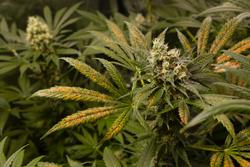
Keywords: cannabis, cannabis use, adolescents, neurocognitive functioning, neurocognitive outcomes
Important note: All contributions to this Research Topic must be within the scope of the section and journal to which they are submitted, as defined in their mission statements. Frontiers reserves the right to guide an out-of-scope manuscript to a more suitable section or journal at any stage of peer review.
