PG
piebiep goufo
Department of Agronomy and Plant Genetics, College of Food, Agricultural and Natural Resource Sciences, University of Minnesota
St. Paul, United States
5,176
Total downloads
29k
Total views and downloads
The field of agricultural practices has seen significant advancements over the last century, primarily through the adoption of conventional farming systems that rely heavily on synthetic chemicals, energy, and mechanical inputs. While these methods have substantially increased agricultural productivity, they have also led to several environmental issues, such as soil degradation, water pollution, greenhouse gas emissions, and the emergence of resistant pests and pathogens. Recent studies have highlighted the potential of alternative agricultural practices, such as diversified farming, organic agriculture, and agroecology, to mitigate these negative impacts. However, the adoption of these sustainable practices is often hindered by operational complexities, labor intensity, and market dynamics. Despite their promise, there is a need for comprehensive research to evaluate the environmental and productivity outcomes of these alternative methods compared to conventional practices.
This Research Topic aims to promote studies that compare high-input conventional agricultural practices with sustainable alternatives to identify the most cost-effective methods for reducing the use of synthetic inputs and minimizing environmental impacts. The goal is to assess the benefits, challenges, and risks associated with each practice to determine which can sustainably meet the needs of all stakeholders in the agricultural value chain. Specific questions to be addressed include the impact of these practices on yield, soil health, biodiversity, carbon sequestration, greenhouse gas emissions, water and energy use, and plant resilience to pests and pathogens.
To gather further insights into the comparative effectiveness of conventional and low-input agricultural practices, we welcome articles addressing, but not limited to, the following themes:
- Comparative yield analysis between conventional and sustainable farming practices
- Impact on soil properties and health
- Biodiversity outcomes in different farming systems
- Carbon sequestration and greenhouse gas emissions
- Water and energy use efficiency
- Plant tolerance to pests, pathogens, and weed control
- Optimization potentials and impacts on plant-food quality
- Regional studies on the effectiveness of new agricultural practices
- Testing of novel agricultural chemicals with enhanced efficiency
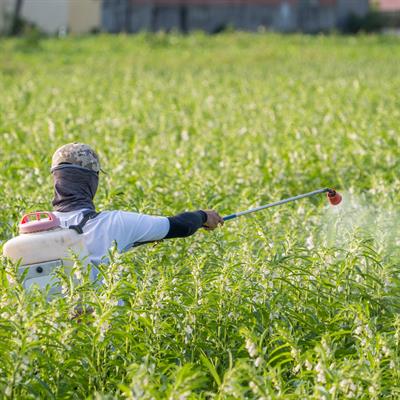
Keywords: conventional agriculture, nutrient-use efficiency, intensive farming, sustainable agriculture, smart farming, environmental impact, Integrated Plant Protection, IPM, low and high-input agriculture
Important note: All contributions to this Research Topic must be within the scope of the section and journal to which they are submitted, as defined in their mission statements. Frontiers reserves the right to guide an out-of-scope manuscript to a more suitable section or journal at any stage of peer review.
Department of Agronomy and Plant Genetics, College of Food, Agricultural and Natural Resource Sciences, University of Minnesota
St. Paul, United States
Department of Agronomy, Faculty of Agriculture, University of Agriculture, Faisalabad
Faisalabad, Pakistan
National Institute for Agricultural and Veterinary Research (INIAV)
Oeiras, Portugal
