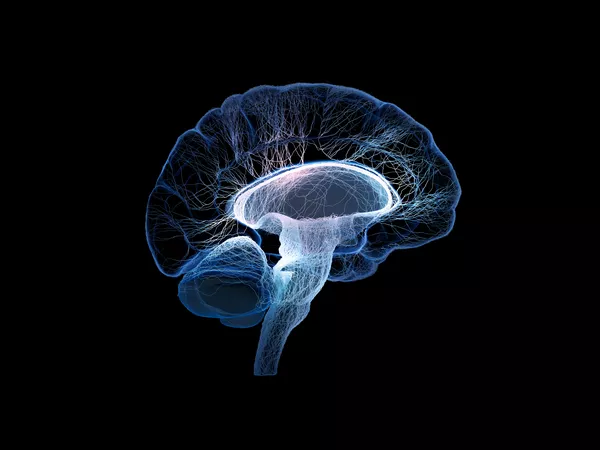
This Research Topic aims to highlight the latest experimental techniques and protocols used to apply computational methods of functional network, connectivity, anatomical analysis and artificial neural networks in brain imaging methods. Review articles or opinions on methodologies or applications including the advantages and limitations of each are welcome. This Topic includes technologies and up-to-date methods which will help advance science.
The contributions to this collection will undergo peer-review. The utility and novelty of a method and application must be evident. We welcome contributions covering all aspects regarding the use of neural networks in brain imaging methods. Submissions will be handled by the team of Topic Editors.
Frontiers in Neuroscience supports the FAIR (Findability, Accessibility, Interoperability, and Reusability) principles for scientific data management and stewardship (Wilkinson et al., Sci. Data 3:160018, 2016).
This Research Topic welcomes:
• Methods: Describing either new or existing methods that are significantly improved or adapted for specific purposes. These manuscripts may include primary (original) data.
• Protocols: Detailed descriptions, including pitfalls and troubleshooting, to benefit those who may evaluate or employ the techniques. The protocols must be proven to work.
• Perspective or General Commentaries on methods and applications relevant for using neural networks in brain imaging research.
• Reviews and mini-reviews of topical methods and protocols highlighting the important future directions of the field.
Keywords: Neural Networks, Applications, Brain Imaging, Neuroimaging, New, Novel
Important note: All contributions to this Research Topic must be within the scope of the section and journal to which they are submitted, as defined in their mission statements. Frontiers reserves the right to guide an out-of-scope manuscript to a more suitable section or journal at any stage of peer review.