TD
tushar dhanani
Florida Agricultural and Mechanical University
Tallahassee, United States
4,145
Total downloads
29k
Total views and downloads
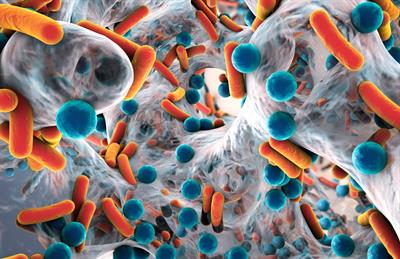
Antibiotic resistance is a pressing global health issue, posing significant threats to public health, food security, and development. The World Health Organization (WHO) has identified antibiotic resistance as one of the top ten global public health threats, with a growing number of infections becoming increasingly difficult to treat due to diminishing antibiotic efficacy. The misuse and overuse of antimicrobials are primary contributors to the rise of drug-resistant pathogens. In response, WHO has released a priority list of antibiotic-resistant bacteria, categorizing them into critical, high, and medium priority pathogens based on the urgency for new antibiotics. This list includes formidable bacteria such as Acinetobacter baumannii, Pseudomonas aeruginosa, and Enterobacteriaceae, which have developed resistance to key antibiotics like carbapenems and vancomycin. Despite ongoing research, there remains a critical need for novel therapeutic strategies to combat these resistant strains. Recent studies have highlighted the potential of natural products from botanicals, fungi, soil, and marine sources as promising reservoirs of antimicrobial compounds. However, further investigation is required to fully harness these natural resources and address the gaps in current antibiotic development.
This Research Topic aims to explore the efficacy of natural products against the WHO priority list of antibiotic-resistant pathogens, with the ultimate goal of identifying and developing new therapeutics to combat antibiotic resistance. The research will focus on evaluating the antimicrobial properties of natural compounds, understanding their mechanisms of action, and assessing their potential synergistic effects with existing antibiotics. By investigating these diverse natural sources, the research seeks to contribute to the global effort in discovering innovative solutions to the antibiotic resistance crisis.
To gather further insights in the exploration of natural products as potential therapeutics against antibiotic-resistant bacteria, we welcome articles addressing, but not limited to, the following themes:
- Comprehensive literature reviews on the antimicrobial properties of natural products from various sources.
- In vitro assays evaluating the effectiveness of natural product extracts against WHO priority pathogens.
- Mechanistic studies uncovering the mode of action of bioactive natural compounds.
- Investigations into the synergistic effects of combining natural products with existing antibiotics.
- Preclinical assessments of lead natural product compounds, focusing on safety, pharmacokinetics, and efficacy in animal models.
- Compliance with best practice guidelines in ethnopharmacology and detailed descriptions of material extraction and processing.
Studies need to comply with the best practice guidelines of the section if plant extract are investigated including the Four Pillars of Best Practice in Ethnopharmacology. A detailed description of the material studied, its extraction and processing is essential. You can freely download the full version here. Please self-assess your MS using the ConPhyMP tool, and follow the standards established in the ConPhyMP statement Front. Pharmacol. 13:953205.
Keywords: Antibiotic resistance, natural products, multidrug-resistant pathogens, World Health Organization, antimicrobial activity, medicinal plants, fungi, soil, marine sources, in vitro screening, mechanistic studies, synergy, preclinical assessment
Important note: All contributions to this Research Topic must be within the scope of the section and journal to which they are submitted, as defined in their mission statements. Frontiers reserves the right to guide an out-of-scope manuscript to a more suitable section or journal at any stage of peer review.
