TS
thomas schmitt
Ludwig Maximilian University of Munich
Munich, Germany
2,053
Total downloads
7,748
Total views and downloads
Submit your idea
You will be redirected to our submission process.
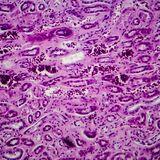
Cell-cell adhesion is a fundamental aspect of multicellular life, ensuring the structural integrity of tissues. Disruptions in cellular adhesion are implicated in a variety of autoimmune diseases, affecting systems such as the skin, mucosal and intestinal barriers, musculoskeletal framework, and the nervous system. These disruptions often lead to morphological changes in adhesive cell-cell junctions, including desmosomes, hemidesmosomes, and adherence junctions. Recent advancements in microscopy techniques have significantly enhanced our understanding of these junctions, providing insights into both their normal and pathological states. Techniques such as super-resolution microscopy, 3D-electron microscopy, and the use of quantum dots and whole mouse clearing have been pivotal in these discoveries. Despite these advancements, there remains a need for further exploration into the mechanisms of junction formation, maintenance, and regulation, particularly in the context of immune dysregulation and its role in disease progression.
This research topic aims to explore the morphology and alterations of adhesive intercellular junctions induced by immune dysregulation, utilizing novel microscopy approaches. The primary objective is to deepen our understanding of cell-cell junction morphology in both health and disease. By focusing on the mechanisms involved in the formation, maintenance, and regulation of these junctions, the research seeks to elucidate their role in the onset and progression of immunological diseases across various tissues.
To gather further insights into the application and advancements of microscopy techniques in the investigation of autoimmune diseases impacting cell-cell adhesion, we welcome articles addressing, but not limited to, the following themes:
- Utilization of specific microscopy techniques for studying adhesive intercellular junctions.
- Investigation of the cytoskeleton in relation to adhesive cell-cell contacts.
- Methodological advancements in microscopy for studying cell adhesion.
- Clinical studies on diseases involving impaired adhesive cell-cell junctions.
- Basic research on the biology of adhesive cell-cell junctions.
- Studies with a focus on immunological or autoimmune contexts.
This Research Topic accepts the following article types, unless otherwise specified in the Research Topic description:
Articles that are accepted for publication by our external editors following rigorous peer review incur a publishing fee charged to Authors, institutions, or funders.
Keywords: Adhesion, Desmosomes, Adherence Junctions, Hemidesmosomes, Cadherins, Cytoskeleton, Autoimmunity, Microscopy, Electron microscopy, Super Resolution Microscopy
Important note: All contributions to this Research Topic must be within the scope of the section and journal to which they are submitted, as defined in their mission statements. Frontiers reserves the right to guide an out-of-scope manuscript to a more suitable section or journal at any stage of peer review.
Manuscripts can be submitted to this Research Topic via the main journal or any other participating journal.
Submit your idea
You will be redirected to our submission process.