SD
stefania dalise
Unit of Neurorehabilitation, Pisana University Hospital
Pisa, Italy
4,130
Total downloads
27k
Total views and downloads
Regenerative neurorehabilitation marks the convergence of regenerative medicine and rehabilitation science, presenting an innovative approach to repairing and regenerating lost or damaged structures and functions within the nervous system. This emerging field addresses the aftermath of neurological disorders, injuries, or degeneration, aiming to revolutionize the traditionally slow and often incomplete rehabilitation process. Regenerative neurorehabilitation encompasses a variety of approaches, including cellular transplants, use of biocompatible materials and implants, the mobilization of endogenous neural stem cells, gene therapy, and the application of neurotrophic factors or drugs that promote healing. In particular, gene and cell therapy are assuming pivotal importance since these techniques offer unprecedented opportunities to precisely target and modify the genetic and cellular components crucial for neuroregeneration. The field of stem cell therapy in neurological conditions is rapidly evolving, and new findings are leading to the production of genetic modifications to human stem cell lines that allow the transplanted cells to be tracked within the CNS. This approach is showing promising potential and seeks to overcome the limitations of conventional rehabilitation methods.
Notably, the integration of regenerative medicine with the principles of rehabilitation can introduce new dimensions to patient care. Addressing the body's inherent inability to naturally heal or regenerate neuronal circuits, this approach seeks to invigorate self-repair mechanisms and drive these circuits towards functional recovery. This approach can lead to patients regaining physical or cognitive abilities more effectively and rapidly. Regenerative neurorehabilitation could span a spectrum, encompassing spinal cord injuries, traumatic brain injuries, strokes, and neurodegenerative disorders such as Parkinson's and Alzheimer's diseases. These interventions should be carefully timed and tailored to each patient’s unique circumstance and needs, thus adding a substantial level of personalization to the process. Regenerative neurorehabilitation is an exhilarating frontier in neurology, promising to redefine how we manage and treat a spectrum of neurological conditions. As we continue to understand the depths of the human brain and the nervous system, the hope is that regenerative neurorehabilitation, with its emphasis on gene and cell therapy, might be the key to unlocking neural recovery unlike ever before.
This Research Topic aims to explore the potential of regenerative neurorehabilitation in transforming the treatment and recovery processes for neurological conditions. The main objectives include investigating the efficacy of various regenerative techniques, understanding the mechanisms underlying neural repair and regeneration, and developing personalized therapeutic strategies. Specific questions to be addressed include: How can gene and cell therapies be optimized for different neurological conditions? What are the long-term outcomes of regenerative neurorehabilitation interventions? How can we enhance the integration of regenerative medicine with traditional rehabilitation practices?
To gather further insights into the boundaries of regenerative neurorehabilitation, we welcome any types of articles supported by the journal pertaining, but not limited to, the following themes:
- Stem Cells Therapy
- Gene Therapy
- Functional Recovery
- Neural Regeneration
- Regenerative Medicine
- Neurorehabilitation
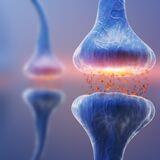
Keywords: Regenerative medicine, Stem Cells, Neural regeneration, Functional recovery, Integrative therapies, Gene Therapy
Important note: All contributions to this Research Topic must be within the scope of the section and journal to which they are submitted, as defined in their mission statements. Frontiers reserves the right to guide an out-of-scope manuscript to a more suitable section or journal at any stage of peer review.
Unit of Neurorehabilitation, Pisana University Hospital
Pisa, Italy
Unit of Neurorehabilitation, Pisana University Hospital
Pisa, Italy
University of Pittsburgh
Pittsburgh, United States
Laboratory of Biology, Normal School of Pisa
Pisa, Italy
Institute of Neuroscience, National Research Council (CNR)
Pisa, Italy