HT
hanane touil
Columbia University Irving Medical Center, Columbia University
New York, United States
1,163
Total views and downloads
Submit your idea
Select the journal/section where you want your idea to be submitted:
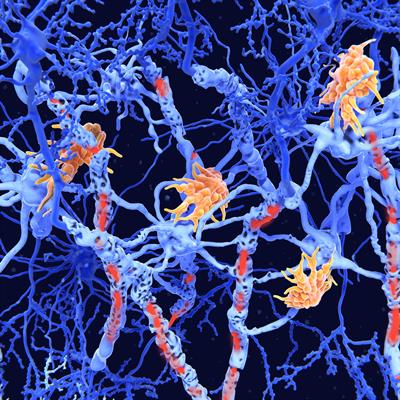
Multiple sclerosis (MS) is a multifactorial autoimmune disease that affects the central nervous system (CNS), resulting from the complex interplay between genetic susceptibility and environmental factors. While our understanding of the disease processes involved in MS has greatly advanced, there is still an urgent need to deepen our knowledge to be able to effectively halt MS progression and control relapses. For decades, exploring compartmentalized processes within the CNS has been technically challenging. Key issues include the low cell counts and fragility of cerebrospinal fluid (CSF) cells and a dependence on post-mortem CNS brain specimens, constraining research to investigating disease mechanisms at their later stages. As a result, most human-based studies have focused on characterizing blood of patients with MS, which has provided valuable insights into disease processes. However, it’s important to note that some underlying disease activity may not be accurately reflected in peripheral blood samples, posing a challenge in using such blood samples.
Nevertheless, with the recent advancement of computational data analysis tools and brain imaging technologies such as MRI, we are better equipped to investigate cellular and molecular mechanisms involved in disease progression. As a result, we now have a better understanding of dynamic changes within the landscape of CSF cells and across different types of MS lesions leveraging multiomics approaches. The integration of brain imaging, particularly MRI, with sensitive multiomic technologies, such as single-cell RNA-sequencing, CITE-seq, single-nuc, and MERFISH spatial transcriptomics, has significantly advanced our understanding of MS by providing insights into the involved cell subsets at a higher resolution level.
Multiomic approaches combined with MRI shed light on distinct cell populations and deepened our understanding of their roles within the micro-environment. However, despite the advancements, challenges persist, including the interpretation of large datasets, the relevance of gene-related observations, and the translation of these findings to functional validation at the benchside. Furthermore, as the computational and multiomic fields exponentially expand, establishing bridges between experimental and computational scientists is crucial. This is critical to characterize cell subsets at a high-resolution level, assess their implications with the brain or the periphery, and validate such observations at the functional level.
This Research Topic aims to gather studies that offer fresh perspectives on optimizing computational strategies to more effectively characterize the mechanisms involved in MS. Manuscripts can discuss one or several multiomic and imaging approaches. To gather further insights into the translational and computational strategies to explore MS pathogenic mechanisms, we welcome articles addressing, but not limited to, the following themes:
- Original studies that utilize computational and imaging approaches to understand MS disease progression, relapses, and triggering events of MS
- Studies on animal models that closely mimic the relapsing nature and disease progression of MS
- Reviews that summarize new advances in the field of MS with a translational, computational, and imaging analysis approach
- Transcriptomic characterization of CSF cells derived from MS patients
- Mapping MS lesions across the brain using multiomic and MRI approaches
- Radiologically isolated syndrome (RIS) and its evolution towards MS, particularly through imaging studies
- High-resolution characterization of peripheral and CNS immune cell signatures in MS
- Leveraging computational approaches to better understand mechanisms involved in relapsing and progressive MS
- Transcriptomic and epigenomic signatures involved in animal models of CNS autoimmunity
- Leveraging multiomics and imaging approaches to understand the role of viral infections in MS
- Understanding the interplay between host-microbiome and MS using system bioinformatics
This Research Topic accepts the following article types, unless otherwise specified in the Research Topic description:
Articles that are accepted for publication by our external editors following rigorous peer review incur a publishing fee charged to Authors, institutions, or funders.
Keywords: Multiple sclerosis, autoimmune diseases, autoimmunity, central nervous system, computational approaches, transcriptomics, multiomics, systembioinformatics
Important note: All contributions to this Research Topic must be within the scope of the section and journal to which they are submitted, as defined in their mission statements. Frontiers reserves the right to guide an out-of-scope manuscript to a more suitable section or journal at any stage of peer review.
Manuscripts can be submitted to this Research Topic via the main journal or any other participating journal.
Submit your idea
Select the journal/section where you want your idea to be submitted: