CT
chau thien tay
Monash University
Melbourne, Australia
25k
Total downloads
123k
Total views and downloads
Polycystic Ovary Syndrome (PCOS) stands as the most prevalent endocrinopathy affecting women globally, with an estimated 116 million women impacted worldwide. Despite its multisystemic health complications spanning reproductive, metabolic and psychological aspects, research efforts often narrowly focus on reproductive health alone, inadvertently neglecting the comprehensive spectrum of this multifaceted condition.
Additionally, it is imperative to recognise PCOS as a lifelong condition which exerts health ramifications from childhood through postmenopausal stages. Recent investigations have shed light on the intricate interplay of genetic and epigenetic factors influencing PCOS pathogenesis, beginning from in utero and continuing throughout a woman's lifespan. This underscores the compelling necessity for a life course perspective in both PCOS research and clinical management. Yet, a notable gap persists within the research landscape, as studies predominantly focus on women of reproductive age, thereby overlooking pivotal phases in the natural progression of PCOS, including reproductive years and post-menopausal stages.
The 2023 PCOS Guideline has prioritised future research across diverse subgroups within the PCOS population, spanning various age groups, ethnicities, and other demographic factors. This special issue seeks to consolidate research findings across diverse populations and age groups, encompassing the life course of women affected by PCOS. Through the adoption of a life course perspective, this initiative aspires to furnish a comprehensive understanding of PCOS, from its prenatal origins to its implications in postmenopausal years, thereby advancing scholarly discourse and clinical practice in this field.
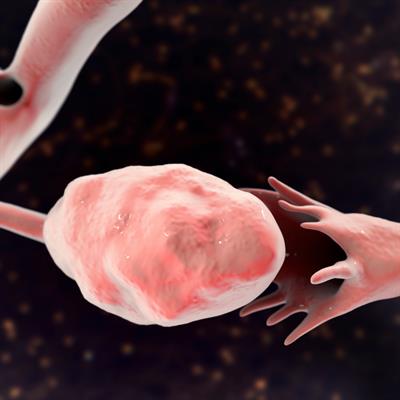
Keywords: PCOS, Polycystic Ovary Syndrome, genetic factors, epigenetic factors
Important note: All contributions to this Research Topic must be within the scope of the section and journal to which they are submitted, as defined in their mission statements. Frontiers reserves the right to guide an out-of-scope manuscript to a more suitable section or journal at any stage of peer review.
Monash University
Melbourne, Australia
Monash Centre for Health Research and Implementation, Department of Medicine, Nursing and Health Sciences, Monash University
Melbourne, Australia
Anglia Ruskin University
Cambridge, United Kingdom
University of Bergen
Bergen, Norway
