FN
francesco napolitano
Dipartimento di Medicina Veterinaria e Produzioni Animali, School of Agriculture and Veterinary Medicine, University of Naples Federico II
Naples, Italy
2,800
Total downloads
20k
Total views and downloads
Submit your idea
Select the journal/section where you want your idea to be submitted:
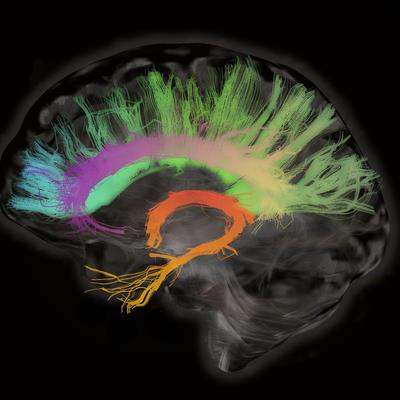
The field of neurobiology has increasingly focused on understanding the intricate processes of brain aging, a phenomenon affecting humans and animals. Recent shifts in recognizing animals as sentient beings have broadened our comprehension of the brain-mind-behavior nexus across species, particularly in the context of aging.
Geriatric animals offer an opportunity to study the chronic and age-related declines in physical and cognitive abilities, providing insights into the aging process. As Engel and Schneiderman elegantly posited in 1984, the central nervous system's primary function is to optimize interactions with the environment. This perspective suggests that health conditions, living environment (natural or experimental setting), familial and interspecies social interactions shape brain development and behavioral expression. Such interactions are integral to our understanding, especially when viewed through an epigenetic lens where behavior and environment potentially alter gene function.
Despite advancements, there remains a gap in fully understanding the molecular mechanisms of brain aging and the transition from physiological to pathological states, necessitating further investigation. This Research Topic aims to deepen our understanding of the molecular mechanisms underlying physiological brain aging and the associated behavioral disorders that arise when physiology shifts towards pathology.
By conducting a cross-species analysis of novel molecular markers of brain aging, the goal is to identify potential intervention targets and foster advancements in translational neuroscience within an integrated One Health framework.
The primary objectives include exploring the decline in functional and cognitive capabilities, investigating molecular and cellular changes, and examining the impact of neurotransmitter alterations on aging.
We welcome articles addressing, but not limited to, the following themes:
- Physiological Brain Aging: Identifying aging hallmarks in the healthy brain and exploring functional and cognitive declines.
- Molecular and Cellular Aging: Examining molecular, intercellular, and intracellular changes related to brain aging as well as potential changes in the mechanisms underlying learning and memory processes.
- Cross-Species Aging Markers: Investigating neurotransmitter alterations and their effects on brain function
- Neurobehavioral Disorders: Studying mood and cognitive disorders linked to aging and neurotransmitter dysregulation in aging with a focus on phobias, anxiety, alcohol, and substance misuse in older adults, and other behavioral disturbances such as changes in learning behavior
- Omics in Aging: Utilizing genomics, epigenomics, transcriptomics, proteomics, metabolomics, microbiomics, and lipidomics to analyze patterns of cellular degradation in the CNS
- Preclinical and Clinical Research: Findings from empirical studies in both preclinical and clinical settings to investigate brain aging and related behavioral disturbances across species
- One Health Approach: Enhancing knowledge dissemination and data collection for human and animal models through an integrated One Health approach.
This Research Topic accepts the following article types, unless otherwise specified in the Research Topic description:
Articles that are accepted for publication by our external editors following rigorous peer review incur a publishing fee charged to Authors, institutions, or funders.
Keywords: brain aging, animal models, proteomics, metabolomics, DA, 5-HT, GABA, Glut, dopaminergic pathways decline, cognitive disorders, learning, memory, geriatric models
Important note: All contributions to this Research Topic must be within the scope of the section and journal to which they are submitted, as defined in their mission statements. Frontiers reserves the right to guide an out-of-scope manuscript to a more suitable section or journal at any stage of peer review.
Dipartimento di Medicina Veterinaria e Produzioni Animali, School of Agriculture and Veterinary Medicine, University of Naples Federico II
Naples, Italy
The Rockefeller University
New York City, United States
Dipartimento di Scienze Cliniche e Medicina Traslazionale, Università di Roma Tor Vergata
Rome, Italy
Dipartimento di Medicina Veterinaria e Produzioni Animali, School of Agriculture and Veterinary Medicine, University of Naples Federico II
Naples, Italy
Saint Camillus International University of Health and Medical Sciences
Rome, Italy

Manuscripts can be submitted to this Research Topic via the main journal or any other participating journal.
Submit your idea
Select the journal/section where you want your idea to be submitted: