MT
michael tovey
Svar Life Science
Villejuif, France
1,779
Total downloads
12k
Total views and downloads
Submit your idea
You will be redirected to our submission process.
Manuscript Submission Deadline 31 December 2025
This Research Topic is currently accepting articles.
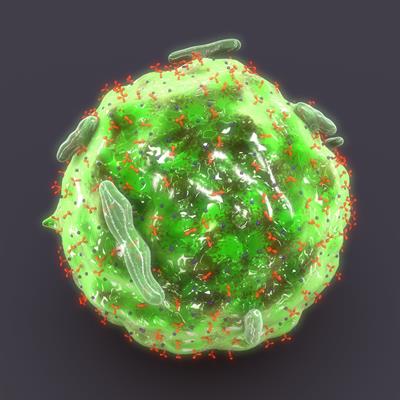
The field of non-viral encapsulated biotherapeutics is rapidly evolving, with significant advancements in lipid-based nanovectors such as liposomes, lipoplexes, lipid-polymer hybrid nanoparticles, and lipid nanoparticles (LNPs). These vectors have demonstrated immense potential in delivering biotherapeutics, surpassing the success of LNP-encapsulated mRNA COVID-19 vaccines. Recent innovations, including nucleoside modifications, have enhanced mRNA stability, reduced immunogenicity, and improved translation efficacy, enabling the targeted delivery of therapeutic molecules. In cancer therapy, for instance, these advancements facilitate the expression of anti-tumor monoclonal antibodies and tumor suppressor proteins. Additionally, LNPs hold promise in enzyme replacement therapy and delivering base editing enzymes for genetic disease treatment. However, a significant challenge remains: the non-specific immune response to both the cargo and the lipid envelope, which can affect pharmacokinetics and efficacy. Addressing this issue is crucial for advancing the field and realizing the full potential of these biotherapeutics.
This research topic aims to explore and publish high-quality reviews and original research articles that delve into the immune response to lipid-encapsulated biotherapeutics. The objective is to position the Special Issue of Frontiers in Immunology as a leading journal in this emerging field, which is poised to become a transformative area in human healthcare. Key questions include understanding the relationship between lipid vector formulations and immune activation, and identifying strategies to mitigate unwanted immunogenicity. By addressing these questions, the research aims to enhance the efficacy and safety of non-viral encapsulated biotherapeutics.
To gather further insights in the immune response to non-viral encapsulated biotherapeutics, we welcome articles addressing, but not limited to, the following themes:
- The relationship between lipid vector formulation and innate or adaptive immunity activation.
- The impact of manufacturing processes on immunogenicity.
- Studies on endosomal pattern recognition receptors and their role in cytokine activation.
- Strategies to minimize cytokine activation by mRNA and its secondary structures.
- Complement activation and associated toxicities.
- Immune responses in cancer therapy involving tumor-associated antigens and monoclonal antibodies.
- Pre-clinical or clinical studies on LNP-encapsulated base editing enzymes for genetic disease therapy.
Please note that studies on lipid-encapsulated vaccines are beyond the scope of this volume and will not be considered for publication.
The topic editors declare no conflicts of interest
This Research Topic accepts the following article types, unless otherwise specified in the Research Topic description:
Articles that are accepted for publication by our external editors following rigorous peer review incur a publishing fee charged to Authors, institutions, or funders.
Keywords: Lipid nanoparticles (LNPs), Immunogenicity, Biotherapeutics delivery, mRNA stability, Endosomal pattern recognition receptors, Cytokine activation, Cancer therapy
Important note: All contributions to this Research Topic must be within the scope of the section and journal to which they are submitted, as defined in their mission statements. Frontiers reserves the right to guide an out-of-scope manuscript to a more suitable section or journal at any stage of peer review.
Manuscripts can be submitted to this Research Topic via the main journal or any other participating journal.
Submit your idea
You will be redirected to our submission process.