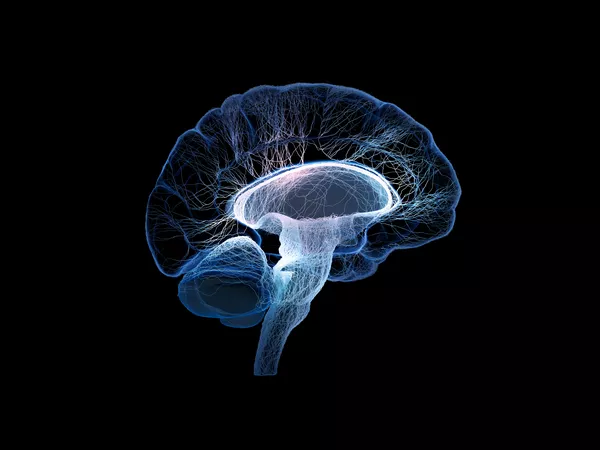
The aging brain undergoes various structural and functional changes, often leading to cognitive decline and increased susceptibility to neurodegenerative disorders. Circadian rhythms and sleep are critical regulators of brain function, influencing numerous physiological processes. Disruptions in these rhythms and sleep patterns may be contributing factors to neurodegeneration and the development of cognitive disorders such as Alzheimer's disease, Parkinson's disease, and other dementias. Understanding how circadian rhythms and sleep impact brain aging and the pathogenesis of neurodegenerative diseases is essential for developing effective interventions.
This Research Topic aims to explore the complex relationships between circadian rhythms, sleep, and neurodegenerative processes. Despite extensive research, there are still significant gaps in our understanding of these connections and their implications for the general population, particularly older adults. The goal is to elucidate the mechanisms by which circadian dysregulation and sleep disturbances may contribute to neurodegeneration and to explore potential therapeutic strategies. By fostering interdisciplinary research, this topic seeks to enhance our understanding of how improving sleep and circadian health can mitigate cognitive and psychological disorders associated with aging.
To achieve a broader understanding of this field, we welcome articles that explore the following topics:
o Mechanistic insights connecting circadian rhythms, sleep, and neurodegeneration
o The influence of sleep quality and sleep disorders on neurodegeneration in Alzheimer’s, Parkinson’s, and other dementias
o Genetic and molecular dynamics between circadian regulators and neurodegenerative pathways
o Psychological impacts of circadian disruption in neurodegenerative conditions
o The association between structural and functional brain changes with sleep and circadian rhythm alterations in neurodegeneration
o Evaluative studies on interventions aiming to normalize circadian rhythms and enhance sleep among patients with neurodegenerative diseases
Contributions may include original research, comprehensive reviews, meta-analyses, clinical studies, and opinion articles covering a range of methodologies from molecular biology to clinical assessments, aimed at offering a holistic view of this complex subject.
Article types and fees
This Research Topic accepts the following article types, unless otherwise specified in the Research Topic description:
Brief Research Report
Case Report
Clinical Trial
Community Case Study
Curriculum, Instruction, and Pedagogy
Data Report
Editorial
FAIR² Data
FAIR² DATA Direct Submission
Articles that are accepted for publication by our external editors following rigorous peer review incur a publishing fee charged to Authors, institutions, or funders.
Article types
This Research Topic accepts the following article types, unless otherwise specified in the Research Topic description:
Important note: All contributions to this Research Topic must be within the scope of the section and journal to which they are submitted, as defined in their mission statements. Frontiers reserves the right to guide an out-of-scope manuscript to a more suitable section or journal at any stage of peer review.