NX
ningdong xie
University of Florida
Gainesville, United States
3,258
Total downloads
24k
Total views and downloads
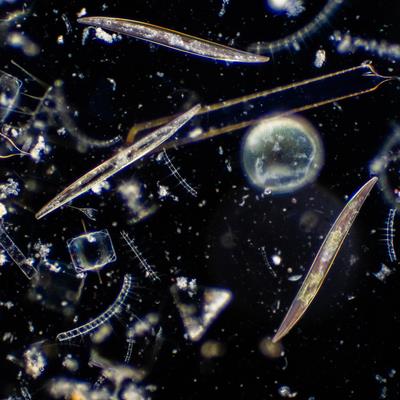
Plankton, primarily composed of microorganisms, dominate the biomass in marine and freshwater ecosystems and play a critical role in driving global carbon and nutrient cycling. Notably, phytoplankton is responsible for roughly half of the Earth’s photosynthetic carbon fixation. Heterotrophic plankton, which primarily feed on phytoplankton-derived resources, are essential for nutrient remineralization and long-term carbon sequestration. Environmental fluctuations that occur daily, seasonally, and over multi-year cycles are major factors influencing the growth of both autotrophic and heterotrophic plankton. Existing species have evolved various metabolic strategies to cope with periodic changes in light, temperature, and other environmental factors, although the detailed mechanisms behind these adaptations remain largely unclear. Furthermore, in an integrated community, interactions among different types of plankton contribute to the complex dynamics of ecosystems, making these relationships important to study but also challenging to understand.
Through multidisciplinary research involving experts in microbiology, ecology, and aquatic sciences, we aim to improve our understanding of how different groups of microbial plankton respond to both abiotic and biotic environmental changes across diel, seasonal, and multi-year cycles. We will explore the ecological and biogeochemical implications of these responses. We also welcome research conducted in the laboratory, focusing on metabolic mechanisms in model organisms, and field and model studies that examine integrative community patterns in aquatic ecosystems. By combining these approaches, we aim to develop a comprehensive understanding of plankton dynamics in aquatic environments across scales. We anticipate that this knowledge will lead to less biased evaluation of the functionality of aquatic ecosystems and improve our understanding of carbon sequestration strategies, ultimately aiding in efforts to mitigate global climate change.
We welcome Original Research, Reviews and Opinions on the following subjects, but not limited to:
• Field or Microcosm Observations: Investigations into plankton communities that uncover diel, seasonal, or multi-year patterns, enhancing our understanding of metabolic responses and inter-species interactions amid changing environments;
• Empirical Ecophysiological Research: Studies focusing on how specific plankton taxa adjust their metabolic processes to cope with stresses, ensure survival, and achieve optimal growth in fluctuating environmental conditions;
• Characterizations and Predictions of Ecosystem Resilience: Research characterizing and predicting plankton dynamics and their responses to changing environmental factors, relevant to both current and future oceanic conditions.
Keywords: Autotrophic plankton, Plankton metabolism, Heterotrophic plankton, Microbial plankton, Environmental fluctuation, Nutrient cycle, Carbon sequestration
Important note: All contributions to this Research Topic must be within the scope of the section and journal to which they are submitted, as defined in their mission statements. Frontiers reserves the right to guide an out-of-scope manuscript to a more suitable section or journal at any stage of peer review.
