DG
daniela grifoni
University of L'Aquila
L'Aquila, Italy
643
Total downloads
6,676
Total views and downloads
Submit your idea
Select the journal/section where you want your idea to be submitted:
Manuscript Submission Deadline 28 February 2026
This Research Topic is currently accepting articles.
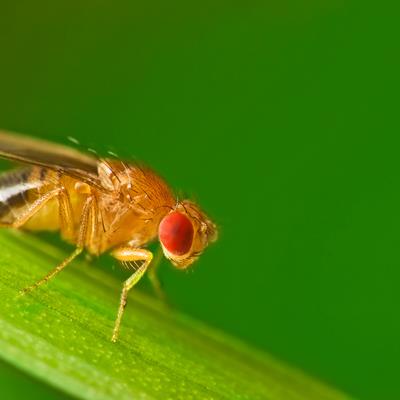
Drosophila melanogaster, commonly known as the fruit fly, has long been a cornerstone in genetic research and developmental biology. With its well-mapped genome, short life cycle, and ease of genetic manipulation, Drosophila offers unparalleled insights into the molecular and cellular mechanisms underpinning development and disease. Many fundamental biological processes are conserved between humans and Drosophila, making it an excellent model for investigating complex genetic and cellular behaviors linked to development and disease. Recent advances have enhanced our understanding of using Drosophila to model human diseases, opening new avenues for therapeutic interventions.
This Research Topic aims to spotlight cutting-edge research that leverages Drosophila models to deepen our understanding of human development and disease processes. We seek to gather a diverse collection of articles focusing on the innovative use of Drosophila to explore the genetic, cellular, and molecular foundations of development and pathogenesis. Our goal is to emphasize the essential role Drosophila plays in bridging basic biological research with clinical applications, showcasing its importance in biomedical research.
We invite submissions of Original Research, Mini-reviews, Perspectives, and more centered on Drosophila research within the context of human health and disease. Topics of interest include, but are not limited to:
o Developmental Biology: Studies on embryogenesis, organogenesis, and the developmental processes in Drosophila.
o Disease Modeling: Using Drosophila to explore disease pathways and model various human disorders.
o Genetic and Molecular Tools: Advancements in technologies like CRISPR and other genome-editing tools in Drosophila.
o Innovative Research Techniques: New methods and approaches utilizing Drosophila for biological and translational insights.
This Research Topic accepts the following article types, unless otherwise specified in the Research Topic description:
Articles that are accepted for publication by our external editors following rigorous peer review incur a publishing fee charged to Authors, institutions, or funders.
Keywords: Drosophila Melanogaster, Drosophila, Fruit Fly, CRISPR, Embryogenesis, Organogenesis, Disease Modeling, Pathogenesis, Developmental Biology, Genetic Manipulation, Translational Research, Cellular Processes
Important note: All contributions to this Research Topic must be within the scope of the section and journal to which they are submitted, as defined in their mission statements. Frontiers reserves the right to guide an out-of-scope manuscript to a more suitable section or journal at any stage of peer review.
Manuscripts can be submitted to this Research Topic via the main journal or any other participating journal.
Submit your idea
Select the journal/section where you want your idea to be submitted:
