MC
matteo calcagnile
Department of Experimental Medicine of University of Salento
Lecce, Italy
1,271
Total downloads
10k
Total views and downloads
Submit your idea
Select the journal/section where you want your idea to be submitted:
Human activities have had, and continue to have, a profound impact on Earth's biomes. Pollution and climate change are major forces affecting human and ecosystems’ health. Additionally, humans have introduced artificial materials and molecules that living organisms have never encountered in their evolutionary history. Modern medicine also plays a significant role in shaping the evolution and adaptation of microbes. For example, antibiotic resistance has become a crucial issue, rendering traditional antibiotic treatments increasingly ineffective. There is still much to learn about how these phenomena influence the evolution and adaptation of microbial communities in soil, water, animals, and humans.
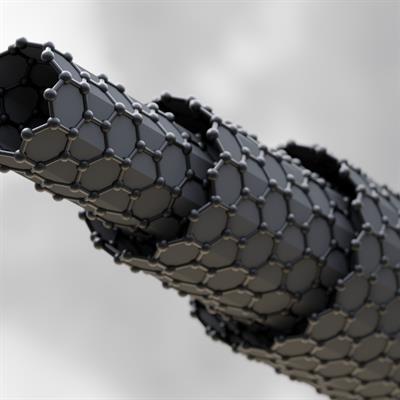
One critical area of interest is the role of innovative materials, particularly nanomaterials, in microbiology. Nanomaterials, with their unique properties at the nanoscale, are increasingly being used to address pressing microbial challenges. These materials, such as silver nanoparticles, graphene-based compounds, and zinc oxide, exhibit exceptional antimicrobial properties and represent a novel approach to fighting microbial resistance. Beyond their practical applications, nanomaterials provide valuable insights into microbial behavior and adaptation, as they interact with microbes in ways distinct from traditional antibiotics. Understanding these interactions is crucial for advancing both fundamental microbiological knowledge and the development of effective, next-generation antimicrobial solutions.
This research topic aims to explore the evolutionary and adaptive impact of anthropogenic activities on microorganisms. Specifically, it seeks to advance our understanding of the genetic evolution of microbes, how they adapt to stressors such as antibiotic use and environmental pollutants, and their interactions with artificial materials, including antimicrobial nanotechnology. Additionally, the topic aims to investigate more in-depth novel antibacterial strategies that can address the challenges posed by microbial evolution in response to anthropogenic influence.
Studying these phenomena and their impact on microbes requires an integrated, multidisciplinary approach that combines diverse fields to create a solid foundation for future research in microbiology. Our goal is to develop a comprehensive understanding of these issues, unraveling the mechanisms of microbial evolution and adaptation while also devising innovative strategies to limit the spread of pathogens and combat antibiotic resistance.
This research topic welcomes original research articles, reviews, mini-reviews, and perspectives addressing various aspects of microbial evolution and adaptation caused by anthropogenic activities. Subtopics of interest include, but are not limited to:
- Interaction between microbes and synthetic substances, including antibacterial materials and nanotechnology
- Evolution and adaptation of environmental, plant, animal, and human microbiota
- Comparative genomics and evolution of pathogenic and commensal bacteria
- Antibiotic resistance, persistence, and transient tolerance to antibiotics
- Innovative antimicrobial therapies
This Research Topic accepts the following article types, unless otherwise specified in the Research Topic description:
Articles that are accepted for publication by our external editors following rigorous peer review incur a publishing fee charged to Authors, institutions, or funders.
Keywords: microbial adaptation, microbial evolution, molecular evolution, artificial materials, antibiotic resistance, persistence
Important note: All contributions to this Research Topic must be within the scope of the section and journal to which they are submitted, as defined in their mission statements. Frontiers reserves the right to guide an out-of-scope manuscript to a more suitable section or journal at any stage of peer review.
Manuscripts can be submitted to this Research Topic via the main journal or any other participating journal.
Submit your idea
Select the journal/section where you want your idea to be submitted:
