AA
abhinav aeron
College of Environmental and Bioresource Sciences, Chonbuk National University
Iksan, Republic of Korea
2,922
Total downloads
20k
Total views and downloads
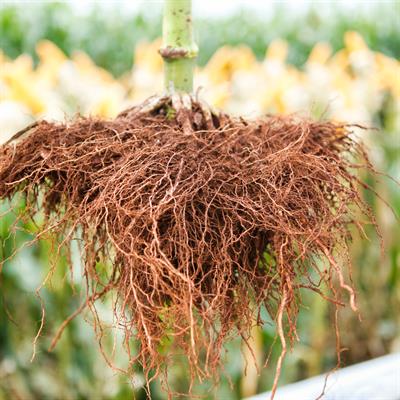
Rhizophagy refers to the symbiotic interactions between plant roots and soil microorganisms, a relationship central to plant health and productivity. This biotic interaction encompasses the conversion of microorganisms from independent soil entities to symbiotic partners within root cells, a key process for enabling nutrient transfer and fortifying plant resilience against environmental stresses. Recent studies have begun to underscore the importance of microbial shifts and physiological adaptations within the plant root system, shedding light on their essential roles in both ecosystem dynamics and plant growth.
This Research Topic aims to enhance the understanding of the rhizophagy cycle and expound on its wider implications for ecological stability and agricultural improvement. While contemporary research has illuminated the complex interplay within plant tissues, there remains a vast landscape of microbial strategies and interactions yet to be explored. Our goal is to focus on discerning these mechanisms and interactions, thereby identifying how they can be harnessed to optimize agricultural yield and ecosystem health.
To further insights within this defined boundary, we welcome contributions addressing, but not limited to, the following themes:
o Biochemical pathways facilitating nutrient exchange between microbes and plants
o Composition and function of root-associated microbial communities
o Impact of microbial signals on plant physiological processes
o Innovative methodologies bridging microbiology, botany, and environmental sciences
o Strategies for harnessing microbial functions to enhance crop resilience and productivity
By concentrating on these areas through original research, methodological advancements, and comprehensive reviews, we aim to compile a body of work that fosters innovation in the utilization of microbial processes for sustainable agricultural practices.
Keywords: Symbiosis, Resilience, Sustainability, Ecosystems, Microbial Strategies
Important note: All contributions to this Research Topic must be within the scope of the section and journal to which they are submitted, as defined in their mission statements. Frontiers reserves the right to guide an out-of-scope manuscript to a more suitable section or journal at any stage of peer review.
