AR
amit roy
Czech University of Life Sciences Prague
Prague, Czechia
2,077
Total downloads
15k
Total views and downloads
Submit your idea
Select the journal/section where you want your idea to be submitted:
Forests encompass around 40.6 million km2 of the Earth's surface, making them a vital component of our ecosystem. Not only do they contribute to reducing carbon footprints and influencing biogeochemical cycles, but they also play a crucial role in mitigating environmental changes during the Anthropocene era. However, forests face numerous challenges, including drought, forest fires, warming temperatures, increased carbon dioxide levels, pest and pathogen outbreaks, and nitrogen deposition. These challenges significantly impact microbial communities within the forest ecosystem.
Drought, for instance, negatively affects forest resilience, leading to forest fires and outbreaks of pests and pathogens that have a profound influence on microbial processes. Forest microbiomes are essential for maintaining the health and functioning of the forest ecosystem by engaging in balanced interactions with their tree hosts. Disruptions to this delicate balance can have adverse effects on host fitness. Microbes also play a crucial role in nutrient availability and recycling, carbon dioxide sequestration, and disease resistance in trees. As a result, they have a significant impact on ecosystem dynamics and overall forest health. Additionally, symbiotic relationships within forest pests give them an advantage in adapting to challenges and seizing opportunities during the Anthropocene era.
Understanding the intricate relationship between forests, forest inhabitants, and microbes is therefore critical for effective forest management, conservation efforts, and mitigating ongoing environmental changes.
This Research Topic aims to address microbial diversity and its functional role in maintaining forest health and ecosystem dynamics during the Anthropocene. Moreover, it seeks to provide insights into novel approaches for studying the composition of the ecosystem's microbiome. We will also examine how the microbiome responds to environmental changes such as disease and pest/pathogen outbreaks, climate change, drought, and their potential in forest management and conservation efforts.
The scope of this Research Topic is expansive and not limited to the following subjects:
- Dynamics of the Forest Soil Microbiome
- Role of Microbes in Enhancing Tree Disease Resistance in Forests
- Microbiome and its Impact on Biogeochemical Cycles within Forest
Ecosystems
- Microbiome's Role in Maintaining Forest Ecosystem Resilience
During the Anthropocene
- Influence of Forest Microbiome on Climate Change
- Forest Microbiome's Response to Abiotic/Biotic Stress
- Microbial Dynamics in Response to Pest/Pathogen Outbreaks in
Forests
- Symbiotic Relationships in Forest Pests/Pathogens
- Horizontal Gene Transfer from Microbes to Hosts Facilitating
Endurance in Nutritionally Limited Forest Habitats
- Forest Microbiome as a Toolbox in Sustainable Forest Management
- Interactions between Microbiome and Forest Pests/Pathogens
- Microbiome Variations across Different Forest Ecotypes
- Pathobiome in Forest Tree Diseases
By gathering relevant scientific contributions on the diversity and functions of microorganisms, this Research Topic aims to shed light on their role in both disease prevention and the overall health and sustainability of the forest ecosystem.
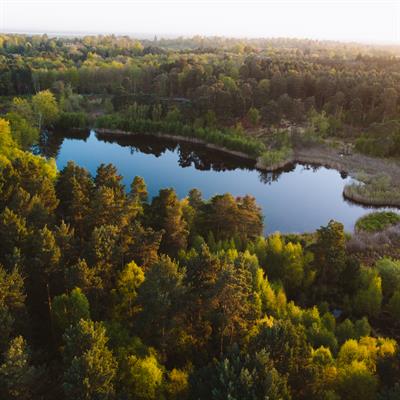
Forest Microbiome: Dynamics and Interactions in the Anthropocene Era, Vol I
This Research Topic accepts the following article types, unless otherwise specified in the Research Topic description:
Articles that are accepted for publication by our external editors following rigorous peer review incur a publishing fee charged to Authors, institutions, or funders.
Keywords: forest, microbial diversity, pest management, pathogens, symbiosis, pest, microbes
Important note: All contributions to this Research Topic must be within the scope of the section and journal to which they are submitted, as defined in their mission statements. Frontiers reserves the right to guide an out-of-scope manuscript to a more suitable section or journal at any stage of peer review.
Czech University of Life Sciences Prague
Prague, Czechia
Czech University of Life Sciences Prague
Prague, Czechia
Chongqing Normal University
Chongqing, China
University of Helsinki
Helsinki, Finland
University of Granada
Granada, Spain
Manuscripts can be submitted to this Research Topic via the main journal or any other participating journal.
Submit your idea
Select the journal/section where you want your idea to be submitted:
