RI
rafiad islam
Yale University
New Haven, United States
45
Total downloads
2,243
Total views and downloads
Submit your idea
Select the journal/section where you want your idea to be submitted:
Manuscript Submission Deadline 27 February 2026
This Research Topic is currently accepting articles.
Early-life stress (ELS) is increasingly recognized as a critical determinant of behavioral and neuropsychiatric vulnerability, as well as a risk factor for chronic conditions, including autoimmune disorders and neurodegeneration. Its effects extend across the lifespan, contributing to long-term health burdens and shaping trajectories of brain and immune function well into adulthood.
Research on the neuroimmune system, key interface between environmental signals and neural development, has revealed the profound effects of ELS on neuroimmune communication, increasing susceptibility to pathological vulnerabilities that manifest later in life.
ELS is increasingly seen as a developmental re programmer of the neuroimmune axis, priming the nervous system for long-term dysfunction. Early perturbations, including microglial activation, chronic inflammation, neurotoxicity, changes in cytokine profiles, hypothalamic-pituitary-adrenal axis (HPA) disruption, and impaired cellular processes such as mitophagy and autophagy, lay the groundwork for abnormal neural circuit maturation and maladaptive behavioral phenotypes.
These alterations are now understood to contribute to the etiopathology of neurodegenerative and autoimmune diseases, where stress-induced neuroimmune dysregulation intersects with established disease mechanisms. Additionally, sex-based differences and genetic predispositions play crucial roles in shaping individual responses to ELS and their downstream effects on brain function and health. This evolving understanding highlights a pressing need to identify the cellular, molecular, and behavioral mechanisms through which ELS embeds long-term risk.
This Research Topic aims to dissect how ELS induces durable neuroimmune reprogramming, altering behavioral trajectories and increasing susceptibility to neurodegenerative and autoimmune conditions. The objective is to unify fragmented evidence into a coherent mechanistic framework linking immune dysregulation, neural circuit dysfunction, and long-term pathological behaviors.
To this end, the collection will explore the cellular and molecular pathways through which ELS modulates neuroimmune interactions, focusing on disruptions in brain regions critical for emotional regulation, cognitive control, and sensorimotor integration. It will also investigate how genetic predispositions, environmental exposures, and sex-based biological variables interact to shape neuroimmune responses and behavioral outcomes across development.
In parallel, the Topic will examine therapeutic strategies aimed at mitigating ELS-induced immune and neural dysregulation, including early interventions that restore homeostatic signaling in microglia and the HPA axis and re-establish stress-regulatory and inflammatory balance. Finally, by integrating insights across animal models and human cohorts, we aim to bridge basic and clinical research, identifying actionable biomarkers and informing precision-medicine approaches to reduce the long-term consequences of early adversity.
We particularly welcome articles on the following sub-topics:
1. Cellular and molecular mechanisms:
- Stress-induced immune priming and its long-term consequences
- Role of microglia and astrocytes in ELS-induced neuroinflammation
- Epigenetic modifications impacting neuroimmune communication
2. Genetic and environmental influences:
- Gene-environment interactions in ELS outcomes
- Impact of environmental factors on neuroimmune responses
3. Sex-based differences:
- Sex-specific neuroimmune responses to ELS
- Hormonal influences on stress-related immune dysregulation
4. Developmental therapeutics and interventions:
- Development of targeted interventions to reverse ELS-induced damage
- Role of early-life interventions in preventing long-term health consequences
5. Translational Research:
- Animal model innovations for ELS-induced neuroimmune dysfunction
- Identification of biomarkers for early detection of ELS-related vulnerabilities
- Clinical applications of neuroimmune research in personalized medicine
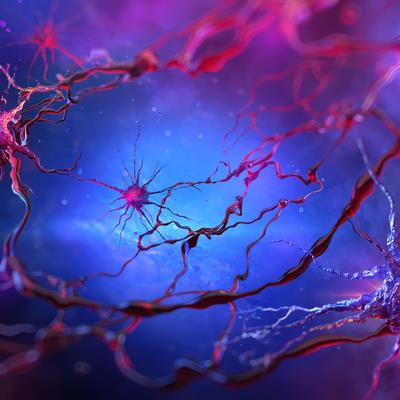
This Research Topic accepts the following article types, unless otherwise specified in the Research Topic description:
Articles that are accepted for publication by our external editors following rigorous peer review incur a publishing fee charged to Authors, institutions, or funders.
Keywords: early-life stress, neurodegeneration, neuroimmunology, neuropsychiatry, vulnerability, susceptibility, neural circuit, pathological behaviors
Important note: All contributions to this Research Topic must be within the scope of the section and journal to which they are submitted, as defined in their mission statements. Frontiers reserves the right to guide an out-of-scope manuscript to a more suitable section or journal at any stage of peer review.
Yale University
New Haven, United States
Yale University School of Medicine
New Haven, United States
Yale University
New Haven, United States
Department of Biotechnology And Genetic Engineering, Mawlana Bhashani Science and Technology University
Tangail, Bangladesh

Manuscripts can be submitted to this Research Topic via the main journal or any other participating journal.
Submit your idea
Select the journal/section where you want your idea to be submitted: