RV
rogelio valadez blanco
Technological University of the Mixteca
Huajuapán de León, Mexico
740
Total downloads
8,848
Total views and downloads
Submit your idea
You will be redirected to our submission process.
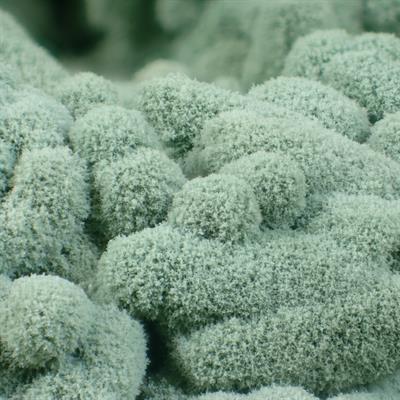
Trichoderma species constitute a group of filamentous fungi extensively recognized for their effectiveness in biological control against various plant pathogens. These organisms naturally inhabit soil and plant-root ecosystems and combat pests through several mechanisms, including mycoparasitism, resource competition, and the synthesis of antifungal metabolites. With increasing pressure to minimize chemical pesticide usage and promote environmental sustainability, Trichoderma has emerged as a vital eco-friendly alternative, promising improved crop health and productivity. Recent research has provided significant insights into the genetic diversity, ecological interactions, and modes of action that underpin the biological efficacy of Trichoderma species. Nonetheless, key questions remain regarding the consistency of field performance, mechanisms underlying strain-specific differences, regulatory considerations, and integration into broader integrated pest management (IPM) approaches.
This Research Topic aims to deepen our scientific understanding of Trichoderma species as biocontrol agents, providing robust evidence on their mechanisms of action, genetic diversity, ecological roles, and practical implementation against plant pathogens. Specifically, it seeks to answer questions related to optimizing strain selection and formulation, elucidating molecular mechanisms behind antifungal activity, understanding interactions with host plants and microbial communities, and addressing practical challenges in field deployment. Additionally, the research will analyse limitations, such as resistance management strategies and regulatory frameworks, to foster effective and responsible implementation of Trichoderma in real-world agricultural settings.
To comprehensively cover the diverse aspects of Trichoderma-based biocontrol, we welcome articles presenting original research, reviews, methodologies, and multidisciplinary studies within the scope defined by agricultural, molecular, ecological, and regulatory boundaries. Contributions are encouraged, but not limited to, the following key themes:
o Mechanistic insights into the biocontrol activity of Trichoderma, including mycoparasitism, competition, and antifungal secondary metabolites.
o Genetic and ecological diversity of Trichoderma strains and the implications for functional biocontrol efficiency.
o Innovative formulation methods, technological advancements, and field deployment practices of Trichoderma-based products.
o Interaction dynamics between Trichoderma, host plants, plant pathogens, and other microorganisms within agro-ecosystems.
o Strategies to address resistance management, consistency, and optimization of Trichoderma performance under diverse agricultural conditions.
o Regulatory, economic, and practical constraints influencing the widespread adoption of Trichoderma-based biocontrol methods.
Accepted article types include original research articles, comprehensive and thematic review papers, perspectives, opinion pieces, field case studies, and methodological reports.
This Research Topic accepts the following article types, unless otherwise specified in the Research Topic description:
Articles that are accepted for publication by our external editors following rigorous peer review incur a publishing fee charged to Authors, institutions, or funders.
Keywords: Trichoderma, Biological Control, Plant Pathogens, Biocontrol Agents, Sustainable Agriculture
Important note: All contributions to this Research Topic must be within the scope of the section and journal to which they are submitted, as defined in their mission statements. Frontiers reserves the right to guide an out-of-scope manuscript to a more suitable section or journal at any stage of peer review.
Technological University of the Mixteca
Huajuapán de León, Mexico
National Research Centre for Banana (ICAR)
Tiruchchirappalli, India
De La Salle University
Manila, Philippines
Aristotle University of Thessaloniki
Thessaloniki, Greece
Manuscripts can be submitted to this Research Topic via the main journal or any other participating journal.
Submit your idea
You will be redirected to our submission process.
