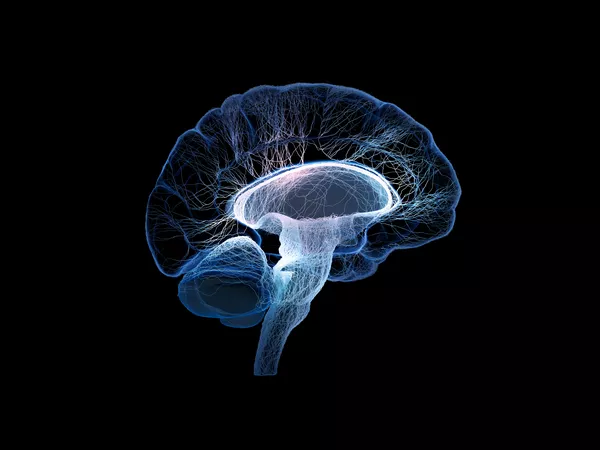
The field of neuroscience has increasingly recognized that mechanisms of brain plasticity change depending on the stage of development, the environmental stimuli, and sex differences. Such changes affect behaviour, molecular signalling, physiology, morphology, and responses to exposome. This recognition has spurred extensive research into what are the factors and the mechanisms modulating brain function. Responses to specific challenges, as well as prenatal and early life experiences, have been shown to induce sex-specific alterations in cellular circuit development and function, influencing molecular and physiological mechanisms and subsequent behaviors. These changes are persistent across various brain areas and cell types, with external factors like the microbiome also contributing to sex-dependent modulation of central nervous system (CNS) plasticity.
This Research Topic aims to illuminate the complex interactions between biological sex and other stimuli that influence brain plasticity under both normal and pathological conditions. The primary objective is to provide a comprehensive exploration of various models and methodologies employed in this area, showcasing the latest advancements. By focusing on the activation of different mechanisms activated in males and females during normal development, in response to challenges, and under pharmacological treatments, the Topic seeks to deepen the understanding of these inherent biological differences.
We invite the submission of research and review papers that provide molecular, physiological, structural, and behavioral analysis of cellular models and in vivo systems. We set the scope to include:
• Studies on a wide range of organisms, including animal and cellular models, as well as human participants. • Comparative research of mechanisms active at different stages of the life span. • Computational models predicting how brain circuitry respond to challenges in different systems. • Descriptions of mechanisms of brain plasticity present across species • Clinical research manuscripts detailing sex and age-related differences in disease-related pathophysiology.
These contributions will help build a more detailed and nuanced picture of how sex differences impact brain function and development.
Article types and fees
This Research Topic accepts the following article types, unless otherwise specified in the Research Topic description:
Brief Research Report
Case Report
Clinical Trial
Community Case Study
Conceptual Analysis
Data Report
Editorial
FAIR² Data
General Commentary
Articles that are accepted for publication by our external editors following rigorous peer review incur a publishing fee charged to Authors, institutions, or funders.
Article types
This Research Topic accepts the following article types, unless otherwise specified in the Research Topic description:
Important note: All contributions to this Research Topic must be within the scope of the section and journal to which they are submitted, as defined in their mission statements. Frontiers reserves the right to guide an out-of-scope manuscript to a more suitable section or journal at any stage of peer review.