YZ
ying zhang
Faculty of Medicine, Shimane University
Izumo, Japan
187
Total downloads
2,525
Total views and downloads
Submit your idea
You will be redirected to our submission process.
Manuscript Submission Deadline 22 December 2025
This Research Topic is currently accepting articles.
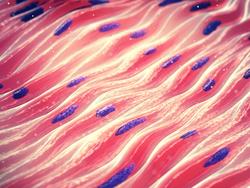
Smooth muscle is widely distributed throughout various internal organs and systems, playing a vital role in numerous physiological processes such as vascular regulation, airway contraction, and gastrointestinal motility. Dysfunction of smooth muscle can lead to a range of challenging diseases, including hypertension, asthma, irritable bowel syndrome, overactive bladder, and leiomyoma, among others. Despite extensive research, the precise mechanisms underlying smooth muscle dysfunction have not been fully elucidated, and effective treatments remain limited.
Advanced tools—such as single-cell sequencing, CRISPR-based gene editing, and 3D tissue modeling—are increasingly being utilized to unravel smooth muscle heterogeneity and its responses to physiological and pathological stimuli. Furthermore, there is growing interest in developing novel therapeutics, including bioactive compounds, natural products, and targeted inhibitors, which offer promising avenues for intervention. This research topic aims to integrate molecular biology, pharmacology, and biomechanics to provide new insights into smooth muscle regulation and to contribute to the development of innovative therapeutic strategies for smooth muscle-related diseases.
This research topic seeks to explore multiple aspects of smooth muscle function, including but not limited to:
• Molecular mechanisms: Studying intracellular signaling pathways, ion channel regulation, and cytoskeletal dynamics that control smooth muscle contractility.
• Pathophysiological changes: Exploring how smooth muscle dysfunction leads to diseases such as vascular disorders, lung diseases, and gastrointestinal motility disorders.
• Drug intervention: Evaluating the effects of bioactive compounds, natural products, and novel therapeutics on smooth muscle activity to identify potential treatments.
• Biomechanical properties: Analyzing the elasticity, stiffness, and remodeling of smooth muscle under physiological and pathological conditions.
We welcome contributions across all article types—including original research, reviews, brief reports, and perspectives—that explore molecular mechanisms, disease models, drug development, and translational potential related to smooth muscle dysfunction.
All submissions to the journal involving natural products, including plant extracts or preparations, must adhere to 'The Four Pillars of Ethnopharmacology' to be considered for peer review, regardless of the specialty section, as a baseline standard for sample characterization. These are a set of mandatory guidelines designed to maintain the scientific, cultural, and ethical integrity of the Journal, and describe what the leading journals in the field consider as the basic aspects of good research (full ConPhyMP statement available here), ConPhyMP statement overview here), and GA-tool here). Please refer to the FULL VERSION of these guidelines before submitting a manuscript to the journal.
This Research Topic accepts the following article types, unless otherwise specified in the Research Topic description:
Articles that are accepted for publication by our external editors following rigorous peer review incur a publishing fee charged to Authors, institutions, or funders.
Keywords: Smooth Muscle Dysfunction
Important note: All contributions to this Research Topic must be within the scope of the section and journal to which they are submitted, as defined in their mission statements. Frontiers reserves the right to guide an out-of-scope manuscript to a more suitable section or journal at any stage of peer review.
Manuscripts can be submitted to this Research Topic via the main journal or any other participating journal.
Submit your idea
You will be redirected to our submission process.
