VK
vengadesan krishnan
Regional Centre for Biotechnology (RCB)
Faridabad, India
1,142
Total views and downloads
Submit your idea
Select the journal/section where you want your idea to be submitted:
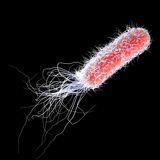
Bacterial pili are filamentous protrusions on bacterial surfaces, are indispensable to the processes of adhesion, motility, biofilm formation, horizontal gene transfer, and pathogenesis. Advances in structural biology and molecular microbiology have improved our understanding of their complex structure and assembly mechanisms. Notably, studies identifying pilus-associated adhesins and their interactions with host cells have shown how these interactions mediate host colonization and contribute to immune modulation. These findings demonstrate the range of functions pili serve and highlight the importance of understanding their structure to better appreciate their roles and to develop new antimicrobial strategies.
This Research Topic aims to bring together research articles, comprehensive reviews, and perspectives on recent findings about the structure, formation, function, and mechanisms of bacterial pili. By exploring these topics, we hope to enhance knowledge of how structural differences relate to functional diversity and disease. Central questions include revealing the pathways of pilus assembly and disassembly and unmasking the underlying molecular mechanisms that govern these processes. Additionally, contributions that explore how the immune system responds to pili and the potential use of pili components in vaccine development are particularly welcome.
Focusing on the wide range of bacterial pili dynamics, we invite contributions examining diverse empirical perspectives and innovative approaches. Areas of interest include, but are not limited to:
o High-resolution structural exploration of pili through biophysical techniques.
o Molecular frameworks managing pilus biogenesis and disassembly.
o Different functionalities of pili classes.
o Interactions involving pili and host that highlight their roles in pathogenesis.
o Regulatory mechanisms and expression dynamics of pilus assembly.
o Exploration of antibacterial therapies targeting pilus dynamics.
o Insights into host immune responses to pilus components and the development of pilus-based vaccines.
We encourage submissions that clearly discuss the relationship between the structure and function of bacterial pili, their role in interactions between bacteria and the host immune system, and how understanding pili could inform the design of next-generation therapeutics, achieving a comprehensive panorama of their significance across bacterial ecosystem and their potential in novel therapeutic interventions.
This Research Topic accepts the following article types, unless otherwise specified in the Research Topic description:
Articles that are accepted for publication by our external editors following rigorous peer review incur a publishing fee charged to Authors, institutions, or funders.
Keywords: Bacterial pili, Pilus structure, Pilus biogenesis, Pilus assembly, Pilus disassembly, Pilus dynamics
Important note: All contributions to this Research Topic must be within the scope of the section and journal to which they are submitted, as defined in their mission statements. Frontiers reserves the right to guide an out-of-scope manuscript to a more suitable section or journal at any stage of peer review.

Manuscripts can be submitted to this Research Topic via the main journal or any other participating journal.
Submit your idea
Select the journal/section where you want your idea to be submitted: