SK
seungha kang
Seoul National University
Seoul, Republic of Korea
498
Total views and downloads
Submit your idea
Select the journal/section where you want your idea to be submitted:
Manuscript Summary Submission Deadline 13 January 2026 | Manuscript Submission Deadline 30 June 2026
This Research Topic is currently accepting articles.
The human gut microbiome represents a highly complex ecosystem that plays a significant role in host physiology through ecological, metabolic, and immunological interactions. These interactions are largely mediated by metabolites produced by the gut microbiome, such as microbial short-chain fatty acids (SCFAs), amino acid derivatives and other lipidome molecules. These metabolites, in concert, play an important role in influencing host metabolism, immune responses, and neural communication. Recent advances in microbiome research emphasize not only the shifts in microbial composition (dysbiosis) during health and disease states but also the mechanistic contributions of microbial metabolites in these processes. Despite these advances, there remains a need to further elucidate the complexities of microbiome-host interactions and the specific roles of various microbial metabolites in biological pathway crucial to disease pathogenesis.
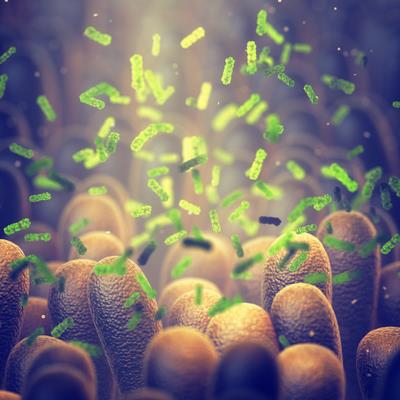
Central to the understanding of gut microbiome dynamics is the duodenal mucosa-associated microbiota (d-MAM), located at the initial segment of the small intestine where interactions with the host are direct and impactful. Unlike the colon, the duodenum represents the first major site of microbe-host interaction following gastric transit, making it uniquely positioned to influence systemic host responses. This area is crucial for nutrient sensing, immune surveillance, and maintaining barrier integrity. Emerging evidence suggests variations in the d-MAM are linked to both general gut health and specific pathologies, such as functional dyspepsia — a gastrointestinal disorder with unknown etiopathology. This warrants a deeper exploration of the relationship between the d-MAM and gut diseases, as well as its physiological roles in maintaining health.
This Research Topic aims to investigate the roles of d-MAM with a special focus on microbolome and host interaction in health and disease. Recent advances in low-biomass sequencing technology and protocols for both targeted and untargeted metabolomics now enable robust and holistic metabolome profiling in the duodenal space, making this research more feasible than previously possible. This opportunity invites original research articles, reviews, and perspectives focusing on multiple aspects of these interactions:
o Mechanisms by which microbial metabolites (e.g., SCFAs, bile acid derivatives, indole-based compounds) interact with host signalling pathways.
o Characterisation of Small Intestinal Bacterial Overgrowth (SIBO) related to abnormal increase in the number and/or type of bacteria in the small intestine, particularly the duodenum.
o The influence of microbial metabolic activity on inflammation, metabolic health, immunity, and gut-brain communication.
o Composition and function of the d-MAM in both healthy and diseased states.
o Role of the d-MAM in disorders such as functional dyspepsia. Exploring mechanistic, translational, and clinical insights.
o Methodological advancements in sampling, identification, and functional profiling of mucosal-associated microbes and metabolites.
While most microbiome-disease studies focus on fecal samples as proxies for gut health, direct examination of mucosal communities at disease-relevant sites may reveal more mechanistically relevant insights. By focusing on both the holistic and site-specific dynamics within the gastrointestinal microbiome, this Topic aims to enhance our understanding of microbe-host mutualism and inform future strategies for microbiome-targeted interventions in human health and disease.
This Research Topic accepts the following article types, unless otherwise specified in the Research Topic description:
Articles that are accepted for publication by our external editors following rigorous peer review incur a publishing fee charged to Authors, institutions, or funders.
Keywords: Gut microbiome, host-microbe interactions, duodenal mucosa-associated microbiome, microbial metabolites, dysbiosis, metabolomics, inflammation, mucosal immunity, microbiota-host crosstalk
Important note: All contributions to this Research Topic must be within the scope of the section and journal to which they are submitted, as defined in their mission statements. Frontiers reserves the right to guide an out-of-scope manuscript to a more suitable section or journal at any stage of peer review.

Manuscripts can be submitted to this Research Topic via the main journal or any other participating journal.
Submit your idea
Select the journal/section where you want your idea to be submitted: