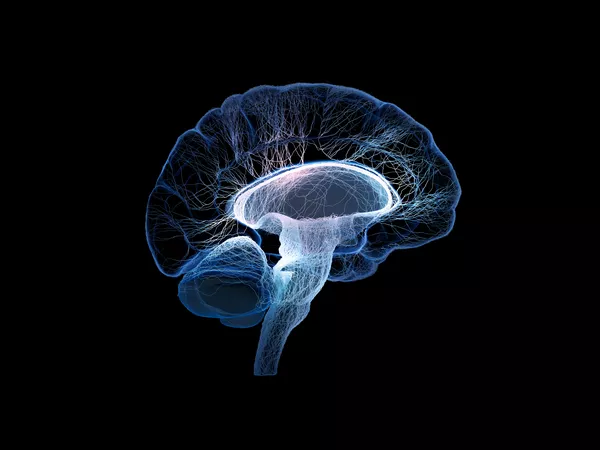
Multimodal magnetic resonance imaging (MRI) has become an indispensable tool for elucidating the complex neural underpinnings of neuropsychiatric disorders. By integrating various structural and functional imaging modalities—including structural MRI (sMRI), diffusion MRI (dMRI/DTI), functional MRI (fMRI), magnetic resonance spectroscopy (MRS), and perfusion imaging—with clinical and molecular biomarkers, researchers are gaining deeper insights into disease mechanisms, improving diagnostic accuracy, and supporting the development of individualized treatment strategies.
This Research Topic aims to showcase the latest advances in multimodal MRI techniques and their applications in neuropsychiatric research and clinical translation. We particularly welcome investigations that explore how multimodal fusion, connectome-based network analysis, and biomarker integration strategies enhance our understanding of disease heterogeneity, progression trajectories, and treatment response.
We welcome original research, reviews, and methodological papers in areas including, but not limited to:
• Multimodal Image Fusion: Approaches that integrate sMRI, DWI/DTI, fMRI, MRS, and perfusion imaging to detect and quantify structural and functional brain abnormalities.
• Structure–Function Coupling Analysis: Studies examining changes in structure-function coupling patterns and their associations with clinical symptoms, cognitive performance, and disease course.
• Network-Based Connectome Analysis: Application of graph theory, dynamic connectivity, and connectome modeling methods to characterize static and dynamic brain network alterations.
• Biomarker Integration: Combining MRI data with blood, cerebrospinal fluid, genomic, gut microbiome, and metabolomic data to decipher multidimensional disease signatures and underlying mechanisms.
• Applications of Advanced Diffusion Imaging Techniques: Exploration of advanced methods such as diffusion tensor image analysis along the perivascular space (DTI-ALPS), automated fiber quantification (AFQ), and TractSeg to assess white matter microstructural damage or connectivity remodeling.
• Precision Medicine Pathways: Construction of disease subtyping and prognostic models based on multimodal imaging and biomarker integration to support therapeutic decision-making and individualized interventions.
• Clinical Translational Studies: Real-world applications of combined multimodal MRI and biomarker tools in early screening, disease staging, and longitudinal monitoring of neuropsychiatric conditions.
Through this interdisciplinary Research Topic, we aim to foster the integration of neuroimaging and biomarker sciences and to accelerate mechanistic insights and precision medicine development for neuropsychiatric disorders.
Article types and fees
This Research Topic accepts the following article types, unless otherwise specified in the Research Topic description:
Brief Research Report
Case Report
Clinical Trial
Community Case Study
Curriculum, Instruction, and Pedagogy
Data Report
Editorial
FAIR² Data
FAIR² DATA Direct Submission
Articles that are accepted for publication by our external editors following rigorous peer review incur a publishing fee charged to Authors, institutions, or funders.
Article types
This Research Topic accepts the following article types, unless otherwise specified in the Research Topic description:
Important note: All contributions to this Research Topic must be within the scope of the section and journal to which they are submitted, as defined in their mission statements. Frontiers reserves the right to guide an out-of-scope manuscript to a more suitable section or journal at any stage of peer review.