AL
andi luhur prianto
Muhammadiyah University of Makassar
Makassar, Indonesia
1,696
Total downloads
13k
Total views and downloads
Submit your idea
You will be redirected to our submission process.
The study of political pragmatism in Southeast Asia focuses on the nuanced, often transactional practices in local elections, which can have significant implications for democratic stability. Increasingly, pragmatism prioritizes immediate electoral gains over long-term democratic norms, raising questions about its role in the pervasive issue of democratic backsliding. In the region, debates abound regarding whether transactional politics, with its emphasis on short-term wins, truly undermines democratic principles or provides a necessary flexibility given local contexts. Recent studies show that while pragmatism can create efficient political maneuvering, it often coincides with compromises on transparency, electoral fairness, and political rights.
This Research Topic aims to analyze the effects of political pragmatism on the erosion of democratic norms in local government elections across Southeast Asia. The key objectives include examining pragmatism's impact on electoral competition, independence of election management bodies, rule of law, and grassroots political rights. Specific questions consider how these pragmatic practices by political actors and voters potentially weaken the foundations of local democratic institutions, offering both direct and indirect pathways to democratic backsliding.
To gather further insights into the complex relationship between pragmatism and democracy in Southeast Asian local elections, we welcome manuscripts addressing, but not limited to, the following themes:
• ideas and practices of political pragmatism in local elections
• the connections between pragmatism and the decline of democracy
• a cross-country study between pragmatism and democratic backsliding in Southeast Asia
• how pragmatism manifests in local elections and its consequences
• trajectories of democratic backsliding at the local level
• consequences of pragmatism on the quality of local leadership
• methodological challenges in analyzing pragmatism and the decline of democracy
• policy recommendations for strengthening democratic institutions at the local level.
Article types welcomed in this Research Topic include original research, reviews, theoretical and empirical studies and policy evaluations. These contributions aim to deepen the understanding of democratic consolidation challenges and help devise strategic interventions for bolstering democracy at the grassroots in Southeast Asia.
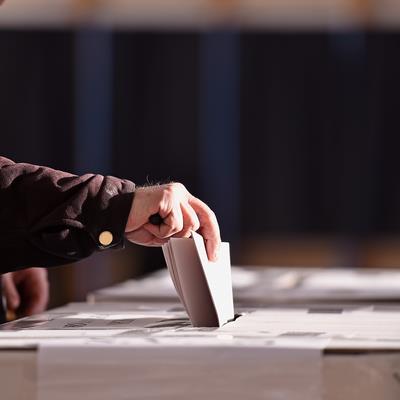
This Research Topic accepts the following article types, unless otherwise specified in the Research Topic description:
Articles that are accepted for publication by our external editors following rigorous peer review incur a publishing fee charged to Authors, institutions, or funders.
Keywords: Political Pragmatism, Democratic Backsliding, Local Elections, Southeast Asia, Electoral Competition, Democratic Norms
Important note: All contributions to this Research Topic must be within the scope of the section and journal to which they are submitted, as defined in their mission statements. Frontiers reserves the right to guide an out-of-scope manuscript to a more suitable section or journal at any stage of peer review.
Manuscripts can be submitted to this Research Topic via the main journal or any other participating journal.
Submit your idea
You will be redirected to our submission process.
