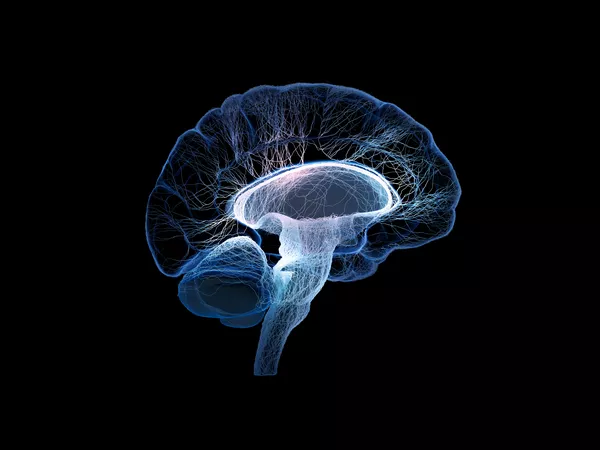
Neuromorphic computing, as a novel approach to processing information by mimicking biological neural networks, has gradually demonstrated significant potential in recent years. Meanwhile, chaotic neural networks, with their complex dynamic behaviors and nonlinear information processing capabilities, offer a unique perspective for understanding brain functions and achieving new types of intelligent computing. As two important research topics in the field of neural networks, neuromorphic computing and chaotic neural networks have attracted the attention of many researchers. The integration of neuromorphic computing and chaotic neural networks is expected to enable computing processes that are closer to the functions of the biological brain.
This Research Topic aims to promote theoretical development and application innovation in the fields of neuromorphic computing, chaotic neural networks, and their combination. We look forward to receiving original research papers and review articles on the following aspects:
- Design of neural networks with associative memory function
- Neural computation and neuron circuits with memristors
- Modeling of chaotic neural networks
- Chaotic dynamics of neural networks
- Stability and synchronization of neural networks
Article types and fees
This Research Topic accepts the following article types, unless otherwise specified in the Research Topic description:
Case Report
Clinical Trial
Community Case Study
Data Report
Editorial
FAIR² Data
FAIR² DATA Direct Submission
General Commentary
Hypothesis and Theory
Articles that are accepted for publication by our external editors following rigorous peer review incur a publishing fee charged to Authors, institutions, or funders.
Article types
This Research Topic accepts the following article types, unless otherwise specified in the Research Topic description:
Important note: All contributions to this Research Topic must be within the scope of the section and journal to which they are submitted, as defined in their mission statements. Frontiers reserves the right to guide an out-of-scope manuscript to a more suitable section or journal at any stage of peer review.