MP
ming pei
West Virginia University
Morgantown, United States
649
Total views and downloads
Submit your idea
Select the journal/section where you want your idea to be submitted:
Manuscript Submission Deadline 20 February 2026
This Research Topic is currently accepting articles.
Advances in stem cell biology have fundamentally transformed the landscape of regenerative medicine, offering unprecedented opportunities for the repair and replacement of damaged tissues. However, the clinical translation of stem cell-based therapies still faces significant challenges related to cell survival, integration, and controlled differentiation in vivo. Next-generation biomaterials—engineered to direct cellular behavior, mimic native extracellular matrix (ECM) environments, and respond dynamically to biological cues—have a strong potential to overcome many of these barriers. The combination of stem cell science with the rapidly evolving field of biomaterials promises novel therapeutic strategies that could revolutionize tissue regeneration and restore organ function more effectively than ever before.
This collection aims to elucidate the synergy between stem cells and advanced biomaterials and address long-standing limitations in regenerative medicine and tissue engineering. We seek to highlight how the intelligent integration of recent innovations in biomaterial design with stem cell technologies can drive progress toward more effective, predictable, and clinically applicable regenerative therapies.
Areas of interest include, but are not limited to:
o Stem Cell Fate Regulation by Bioinspired and Responsive Biomaterials: Investigations into how advanced biomaterials directly regulate stem cell behaviors, including proliferation, differentiation, migration, and cell-cell communication, ultimately enhancing tissue repair and functional restoration.
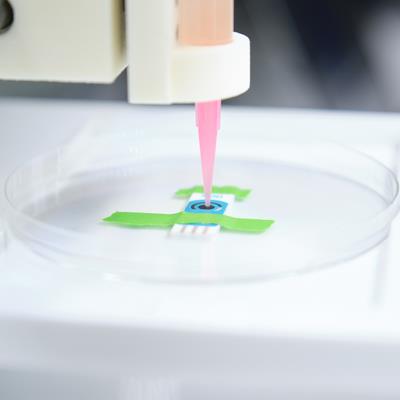
o Spatial Guidance and Niche Recreation through Advanced Biofabrication: Utilization of novel biofabrication techniques to precisely position stem cells and engineer hierarchical tissue structures, enabling studies of cell-matrix and cell-cell interactions in a controlled biological context.
o Modulating Immune-Stem Cell Cross-talk for Improved Engraftment: Research into biomaterial strategies that shape the immune microenvironment to support stem cell survival, minimize immunogenicity, promote vascularization, and foster long-term functional integration of transplanted cells within host tissues.
o Therapeutic Potential: Translational studies and therapeutic applications of stem cell–biomaterial composites in relevant models.
This Research Topic accepts the following article types, unless otherwise specified in the Research Topic description:
Articles that are accepted for publication by our external editors following rigorous peer review incur a publishing fee charged to Authors, institutions, or funders.
Keywords: stem cell, biomaterial, biotechnology, regenerative medicine
Important note: All contributions to this Research Topic must be within the scope of the section and journal to which they are submitted, as defined in their mission statements. Frontiers reserves the right to guide an out-of-scope manuscript to a more suitable section or journal at any stage of peer review.

Manuscripts can be submitted to this Research Topic via the main journal or any other participating journal.
Submit your idea
Select the journal/section where you want your idea to be submitted: