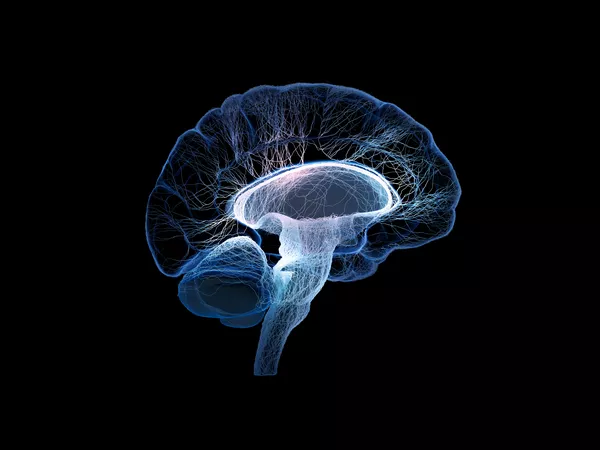
The neonatal stage is a critical period for early brain development. Various factors—including genetic susceptibility, hypoxic-ischemic events, nutrition support, and kangaroo care—profoundly influence neurological outcomes. In the neurological management in neonatal intensive care unit (NICU), physicians are still eager for effective therapies and evaluation methods in the following aspects: rescue therapies after asphyxia, postnatal intensive neuroprotective nutrition support, imaging assessment, early rehabilitation training, and early warning messages of poor neurological prognosis. Nowadays, enhancing the quality of newborns has emerged as a critical issue for families and society, with particular emphasis on neurological development. Therefore, the need to optimize neuroprotective and neuro-restorative therapies for newborns remains pressing.
This Research Topic focuses on the physical and pathological processes of early postnatal brain development, neuroprotective and neuro-restorative therapies in neonatal clinical practice, and the underlying mechanisms. The ultimate goal is to explore the mechanism and find a way to improve the neural prognoses in this early vital period.
We welcome but are not limited to the following topics:
1.Fundamental research on neonatal nervous system development
2.Neonatal encephalopathy due to genetic, inflammatory, ischemic factors, and surgery in the neonatal period.
3.Clinical research focusing on neural protective treatments in preterm infants
4.Nutrition therapies in infants.
5.Early assessment methods, including but not limited to cranial ultrasound, brain MRI, DDST, and Bayley Scales.
6.Rehabilitative exercises, music, and kangaroo care to support neural development
Keywords: Pediatrics, Neonates, Brain, Neurology, Neural-development delay
Important note: All contributions to this Research Topic must be within the scope of the section and journal to which they are submitted, as defined in their mission statements. Frontiers reserves the right to guide an out-of-scope manuscript to a more suitable section or journal at any stage of peer review.