DW
dengli wang
Okayama University
Okayama, Japan
1,055
Total views and downloads
Submit your idea
Select the journal/section where you want your idea to be submitted:
Manuscript Summary Submission Deadline 15 January 2026 | Manuscript Submission Deadline 22 May 2026
This Research Topic is currently accepting articles.
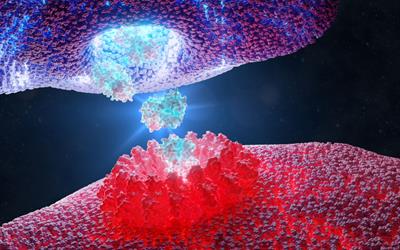
Brain tumors, particularly gliomas, create a complex microenvironment where neural and immune elements dynamically interact. Microglia, the resident immune cells of the central nervous system, are key players in both maintaining homeostasis and responding to pathological conditions. In brain tumors, microglia can undergo profound reprogramming, shifting from their traditional protective roles to phenotypes that may support tumor progression. Understanding the neuroimmune landscape, especially how microglia contribute to the tumor microenvironment, has become critical for unraveling the mechanisms underlying tumor development and immune evasion in the brain. This Research Topic aims to provide a multidisciplinary platform to advance our knowledge in this emerging field.
Despite advances in neuro-oncology and immunotherapy, brain tumors remain highly resistant to immune-based treatments. One major challenge is the unique immunosuppressive environment of the central nervous system, largely shaped by microglia and other myeloid cells. Recent single-cell and spatial transcriptomic studies have revealed extensive heterogeneity and dynamic functional states of microglia in brain tumors, emphasizing their dual roles as both defenders and facilitators of tumor growth. However, the precise mechanisms driving microglial reprogramming, their interactions with tumor and immune cells, and their potential as therapeutic targets are not fully understood. This Research Topic seeks to address these gaps by encouraging contributions that elucidate the molecular, cellular, and spatial dynamics of neuroimmune interactions in brain tumors. By bringing together insights from neuroimmunology and neuro-oncology, we hope to identify new strategies for reprogramming the tumor microenvironment and enhancing therapeutic outcomes.
This Research Topic accepts Brief Research Report, Classification, Clinical Trial, Correction, Editorial, Hypothesis & Theory, Methods, Mini Review, Opinion, Original Research, Perspective, Policy and Practice Reviews, Review, Study Protocol, Systematic Review. We welcome manuscripts focusing on, but not limited to, the following sub-topics:
• Interactions between microglia, glioma cells, and other immune or neural cells
• Molecular mechanisms driving microglial reprogramming within the tumor microenvironment
• Spatial and single-cell analysis of microglia in the brain tumor microenvironment
• Neuroimmune regulation of brain tumor invasion, angiogenesis and metastasis
• Therapeutic strategies targeting microglia and innate immune pathways
This Research Topic accepts the following article types, unless otherwise specified in the Research Topic description:
Articles that are accepted for publication by our external editors following rigorous peer review incur a publishing fee charged to Authors, institutions, or funders.
Keywords: Microglia, Tumor microenvironment, Neuroimmunology, Glioma, CNS Immunity
Important note: All contributions to this Research Topic must be within the scope of the section and journal to which they are submitted, as defined in their mission statements. Frontiers reserves the right to guide an out-of-scope manuscript to a more suitable section or journal at any stage of peer review.
Manuscripts can be submitted to this Research Topic via the main journal or any other participating journal.
Submit your idea
Select the journal/section where you want your idea to be submitted: