YS
yingwu shi
Institute of Microbiology, Xinjiang Academy of Agriculture Science,Urumqi,Xinjiang, China
Urumqi, China
59
Total downloads
2,534
Total views and downloads
Submit your idea
You will be redirected to our submission process.
Manuscript Submission Deadline 30 June 2026
This Research Topic is currently accepting articles.
Saline-alkali stress is one of the major challenges facing global agricultural production, affecting plant growth, development, and yield. In recent years, studies have shown that salt-tolerant growth-promoting microorganisms can alleviate the adverse effects of salt stress on plants and promote plant growth and stress resistance by changing the structure and function of plant rhizosphere microbial communities.
The salt tolerance mechanism of bacteria is a complex and delicate adaptation process. First, they reduce salt penetration by altering the structure of the cell membrane. In addition, bacteria synthesize or ingest facultative osmotic regulators, such as glycerol and betaine, to balance the osmotic pressure inside and outside the cell. In order to discharge excess salt, they also regulate the activity of the ion pump. The regulation of gene expression also plays a key role in adapting to a high salt environment. Studying these mechanisms not only helps us understand the survival strategies of microorganisms but also provides important application references for agriculture, industry, and environmental protection.
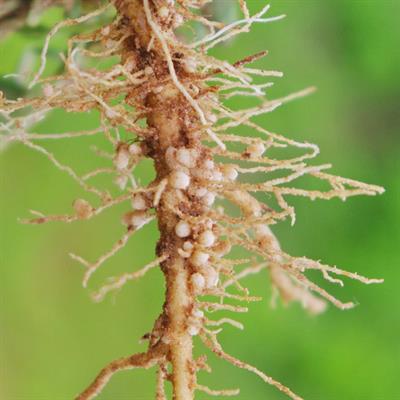
This Research Topic aims to explore the diversity of salt-tolerant growth-promoting microorganisms and their ecological functions under salt stress, focusing on how these microorganisms enhance the adaptability of plants to salt-alkali stress through the regulation of plant rhizosphere microbial communities.
This Research Topic welcomes submissions including but not limited to the following sub-topics:
1.Isolation and identification of salt-tolerant growth-promoting and disease-preventing microorganisms, including the mechanism of interaction between microorganisms and plant rhizosphere, and the role of microbial communities in promoting plant growth.
2. In-depth analysis of the functions of salt-tolerant growth-promoting and disease-preventing microorganisms in the rhizosphere environment, such as nitrogen fixation, phosphorus dissolution, pathogen resistance, hormone production, etc.
3. Exploring how salt-tolerant microorganisms can promote plant growth by regulating the salt resistance mechanism of plants, improving water use efficiency and promoting nutrient absorption.
4. The differences in microbial-plant interactions in different environments and the potential and challenges of applying these microorganisms to promote crop growth in agricultural production.
This Research Topic accepts the following article types, unless otherwise specified in the Research Topic description:
Articles that are accepted for publication by our external editors following rigorous peer review incur a publishing fee charged to Authors, institutions, or funders.
Keywords: Relieving-salt-stress, Promoting Growth, microbial diversity, Interaction Mechanism, Plant Rhizosphere
Important note: All contributions to this Research Topic must be within the scope of the section and journal to which they are submitted, as defined in their mission statements. Frontiers reserves the right to guide an out-of-scope manuscript to a more suitable section or journal at any stage of peer review.
Manuscripts can be submitted to this Research Topic via the main journal or any other participating journal.
Submit your idea
You will be redirected to our submission process.
