ME
maria elena gelain
University of Padua
Padua, Italy
45
Total downloads
1,241
Total views and downloads
Submit your idea
You will be redirected to our submission process.
Manuscript Submission Deadline 31 May 2026
This Research Topic is currently accepting articles.
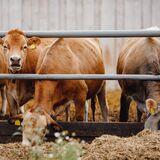
In the field of veterinary sciences, understanding the interplay between immunity and inflammatory diseases in dairy cattle is fundamental for improving both animal health and productivity. Dairy cattle are a critical resource for the agricultural industry; however, they are highly susceptible to inflammatory conditions linked to metabolic and infectious diseases—such as mastitis, metritis, lameness, ketosis, and milk fever—which are often triggered or worsened by immune dysfunction. These conditions not only compromise animal welfare and milk yield but also impose significant economic burdens on dairy farms.
Despite substantial advances in research, many questions remain unresolved, particularly concerning the immunological mechanisms underlying these diseases. Although the relationship between inflammation, immune responses, and metabolism during the transition period has begun to be explored, further research is needed to elucidate these complex interactions. Advancing our knowledge in this area is essential to developing more targeted treatment strategies and reducing secondary infections and the consequent risk of antimicrobial resistance.
This Research Topic aims to expand our understanding of how dairy cows' immune systems respond to inflammation associated with metabolic and infectious diseases. The ultimate goal is to identify innovative strategies to improve disease management and enhance animal welfare. By synthesizing current findings and addressing knowledge gaps, this collection will evaluate the potential of novel immunomodulatory approaches—including alternative therapies—to combat these diseases. It will also explore how non-antibiotic interventions, such as vaccines, probiotics, parenteral supplements, and precision nutrition, can be used to modulate immune and inflammatory responses and metabolic pathways, thereby reducing disease prevalence. Ultimately, this Research Topic seeks to propose forward-looking and practical solutions to increase disease resilience in dairy cattle, supporting more sustainable and effective production systems.
We welcome submissions addressing, but not limited to, the following themes:
• Characterization of innate and adaptive immune responses in dairy cattle, particularly during high-risk physiological stages.
• Identification and analysis of molecular and cellular pathways involved in inflammatory disease pathogenesis.
• Evaluation of non-antibiotic approaches, including immunomodulators, precision nutrition, parenteral supplements, and probiotics.
• Insights into pathogen–host interactions and their effects on immune system modulation.
• Future perspectives on improving immune resilience, disease resistance, and sustainable herd management practices.
We invite original research articles, reviews, and meta-analyses that contribute to these topics and help advance our collective understanding of immunity, inflammation, and metabolism in dairy cattle.
This Research Topic accepts the following article types, unless otherwise specified in the Research Topic description:
Articles that are accepted for publication by our external editors following rigorous peer review incur a publishing fee charged to Authors, institutions, or funders.
Keywords: Bovine Health, Innate and adaptive immune responses, Immunometabolism, Inflammation, Transition period immunology, Mastitis, Immunomodulation, Biomarkers
Important note: All contributions to this Research Topic must be within the scope of the section and journal to which they are submitted, as defined in their mission statements. Frontiers reserves the right to guide an out-of-scope manuscript to a more suitable section or journal at any stage of peer review.
Manuscripts can be submitted to this Research Topic via the main journal or any other participating journal.
Submit your idea
You will be redirected to our submission process.
