PA
pierre amato
UMR6023 Laboratoire Microorganismes Génome Et Environnement (LMGE)
Aubière, France
51
Total downloads
1,936
Total views and downloads
Submit your idea
Select the journal/section where you want your idea to be submitted:
Manuscript Submission Deadline 31 July 2026
This Research Topic is currently accepting articles.
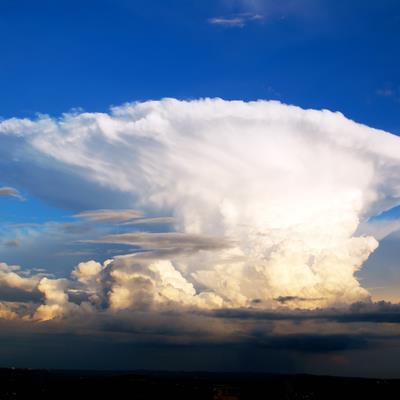
The Earth's atmosphere represents one of the most extreme and challenging habitats for microbial life, characterized by intense ultraviolet radiation, drastic temperature fluctuations, extreme desiccation, oxidative stress, and enhanced exposure to cosmic radiation. Despite these harsh environmental conditions, the atmosphere supports diverse microbial communities, primarily composed of bacteria, fungi, archaea, viruses, spores, and other biological particles. These atmospheric microorganisms not only endure prolonged exposure to abiotic stressors but are actively involved in biogeochemical cycling, cloud microphysics, weather phenomena (such as bioprecipitation), and long-distance pathogen dispersal. Understanding the biology and ecology of these resilient microbial populations is fundamental for deciphering their roles in atmospheric processes, ecosystems health, climate regulation, and global microbiome connectivity.
This Research Topic aims to deepen our understanding of microbial survival and adaptation strategies to various atmospheric environments, along with exploring advances in their detection, isolation, and characterization. By integrating microbiological, ecological, molecular, biophysical, and biotechnological disciplines, we aim to present interdisciplinary insights into how microorganisms persist and impact ecological functions in atmospheric ecosystems. Additionally, the collection seeks to highlight novel genomic and metagenomic technologies that enable improved sampling, monitoring, and assessment of microbial communities in diverse atmospheric niches.
We welcome Original Research, Reviews, Mini Reviews, Perspectives, and Methods papers covering topics such as:
• Mechanisms of microbial survival and adaptation to atmospheric stresses (e.g., UV radiation, desiccation, temperature extremes, oxidative stress);
• Diversity, distribution, and community structure of microorganisms in different atmospheric environments (troposphere, stratosphere, polar, desert, etc.);
• Role of atmospheric microbes in biogeochemical cycling, weather events, cloud formation, and climate processes;
• Long-range dispersal, biogeography, and the influence of atmospheric transport on microbial genetic exchange;
• Innovations in detection, isolation, and sequencing methods for atmospheric microbes, including culture-independent and metagenomic approaches;
• Impact of anthropogenic changes (such as pollution and climate change) on atmospheric microbial communities.
This Research Topic accepts the following article types, unless otherwise specified in the Research Topic description:
Articles that are accepted for publication by our external editors following rigorous peer review incur a publishing fee charged to Authors, institutions, or funders.
Keywords: atmospheric microbiology, aerobiology, airborne microorganisms, microbial aerosols, bioaerosols, airborne bacteria, airborne fungi, atmospheric virome, cloud microbiome, microbial ice nucleation
Important note: All contributions to this Research Topic must be within the scope of the section and journal to which they are submitted, as defined in their mission statements. Frontiers reserves the right to guide an out-of-scope manuscript to a more suitable section or journal at any stage of peer review.

Manuscripts can be submitted to this Research Topic via the main journal or any other participating journal.
Submit your idea
Select the journal/section where you want your idea to be submitted: