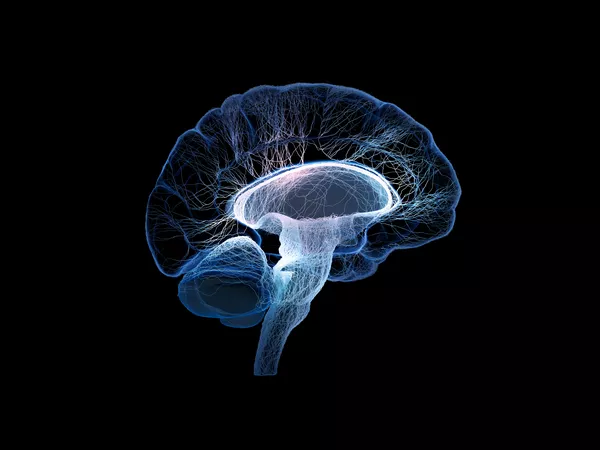
Neuroscience research has recently experienced a dramatic evolution facilitated by the advent of sophisticated experimental platforms that imitate the human brain's structural and functional intricacies. Traditionally, monoculture systems prevailed, but now there's a shift towards dynamic, integrative models that can replicate the interactions between various cell types, their developmental paths, and environmental signals. Revolutionary approaches such as 3D cell cultures, brain organoids, and microfluidic devices have emerged as pivotal tools, offering translationally pertinent environments for understanding disease mechanisms, modeling brain development, and evaluating therapeutic interventions with improved consistency and predictive potency.
This Research Topic aims to investigate both the well-established and novel methodologies for the creation and utilization of experimental biological platforms in neuroscience. We aim to attract submissions that surpass reductionist methodologies, highlighting complex systems that replicate the brain’s multicellular ambiance. Advances in tissue engineering, 3D bioprinting, and biofabrication have facilitated the amalgamation of neural, glial, immune, and vascular components into tightly regulated in vitro setups. These platforms have become essential for probing neurodevelopmental dynamics, the aging process, and the pathological attributes of neurodegenerative disorders such as Alzheimer’s disease.
To gather further insights into the development and application of innovative experimental neuroscience platforms, we welcome articles addressing, but not limited to, the following themes:
• Development of 2D and 3D in vitro models for brain research
• Application of organoids and tissue-engineered constructs to model neurodegenerative diseases (e.g., Alzheimer’s Disease)
• Use of microfluidic, scaffold-based, or bioprinted platforms for brain development, function, and pathology
• Integration of glial, immune, and vascular elements to enhance the physiological fidelity of neural models
• High-throughput and AI-assisted platforms for drug screening, biomarker discovery, or toxicology
We invite original research, methodological articles, mini-reviews, and comprehensive reviews related to the design, deployment, and translational implementation of advanced experimental platforms in neuroscience.
Article types and fees
This Research Topic accepts the following article types, unless otherwise specified in the Research Topic description:
Brief Research Report
Case Report
Clinical Trial
Community Case Study
Conceptual Analysis
Curriculum, Instruction, and Pedagogy
Data Report
Editorial
FAIR² Data
Articles that are accepted for publication by our external editors following rigorous peer review incur a publishing fee charged to Authors, institutions, or funders.
Article types
This Research Topic accepts the following article types, unless otherwise specified in the Research Topic description:
Brief Research Report
Case Report
Clinical Trial
Community Case Study
Conceptual Analysis
Curriculum, Instruction, and Pedagogy
Data Report
Editorial
FAIR² Data
FAIR² DATA Direct Submission
General Commentary
Hypothesis and Theory
Methods
Mini Review
Opinion
Original Research
Perspective
Registered Report
Review
Study Protocol
Systematic Review
Technology and Code
Keywords: neurodegenerative diseases, microglia, astrocytes, inflammation, oxidative stress, Alzheimer's disease, in vitro models, 3D cell cultures, organoids, drug screening
Important note: All contributions to this Research Topic must be within the scope of the section and journal to which they are submitted, as defined in their mission statements. Frontiers reserves the right to guide an out-of-scope manuscript to a more suitable section or journal at any stage of peer review.